Top 9 Natural Monuments around San Esteban De Gormaz
Best natural monuments around San Esteban De Gormaz are primarily shaped by the Duero River, which defines much of the local landscape in the Soria province. This area offers a tranquil natural environment with diverse geological features, including riverine ecosystems and unique rock formations. Visitors can explore a variety of natural landmarks and viewpoints. The region provides opportunities for outdoor activities focused on its natural heritage.
Best natural monuments around San Esteban De Gormaz
- The most popular natural monuments is…
Last updated: July 1, 2026
Vildé Reservoir
Highlight • Lake
Translated by Google •
Tip by

Peñas Blancas de Vildé
Highlight • Natural Monument
Translated by Google •
Tip by
Sign up now to discover places like this
Get recommendations on the best single tracks, peaks, & plenty of other exciting outdoor places.
Sign up for free
Vildé Fountain
Highlight • Natural Monument
Translated by Google •
Tip by
Alcubilla del Marqués Rock Hill
Highlight • Natural Monument
Translated by Google •
Tip by
Bocigas de Perales
Highlight • Settlement
Translated by Google •
Tip by

Sign up for free to discover even more natural monuments around San Esteban De Gormaz.
Sign up for free
Already have an account?
Start today with a free account
Your next adventure awaits.
Login or Signup
Popular around San Esteban De Gormaz
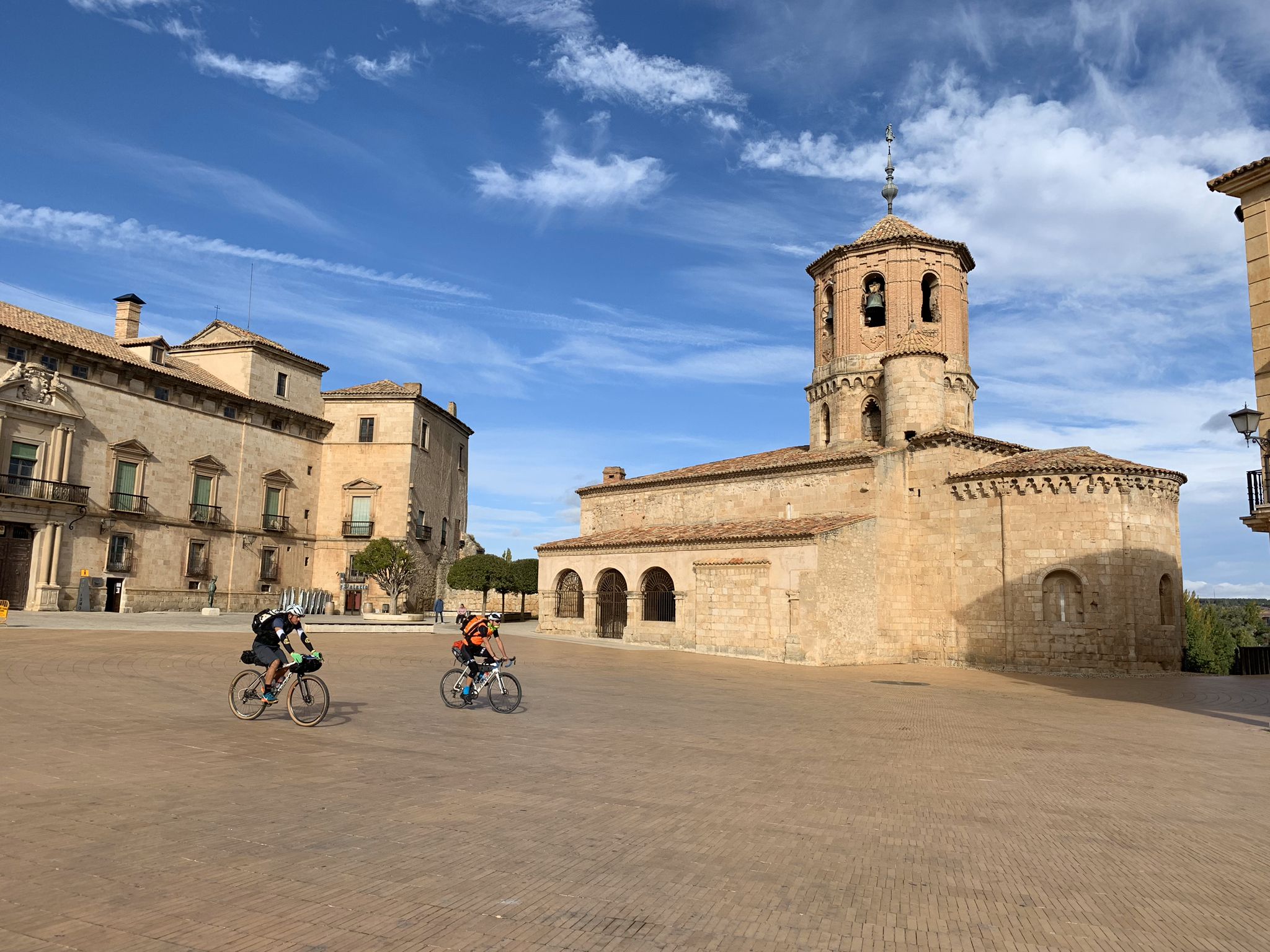
Countryside and fortresses – Walls of the Upper Duero by bike
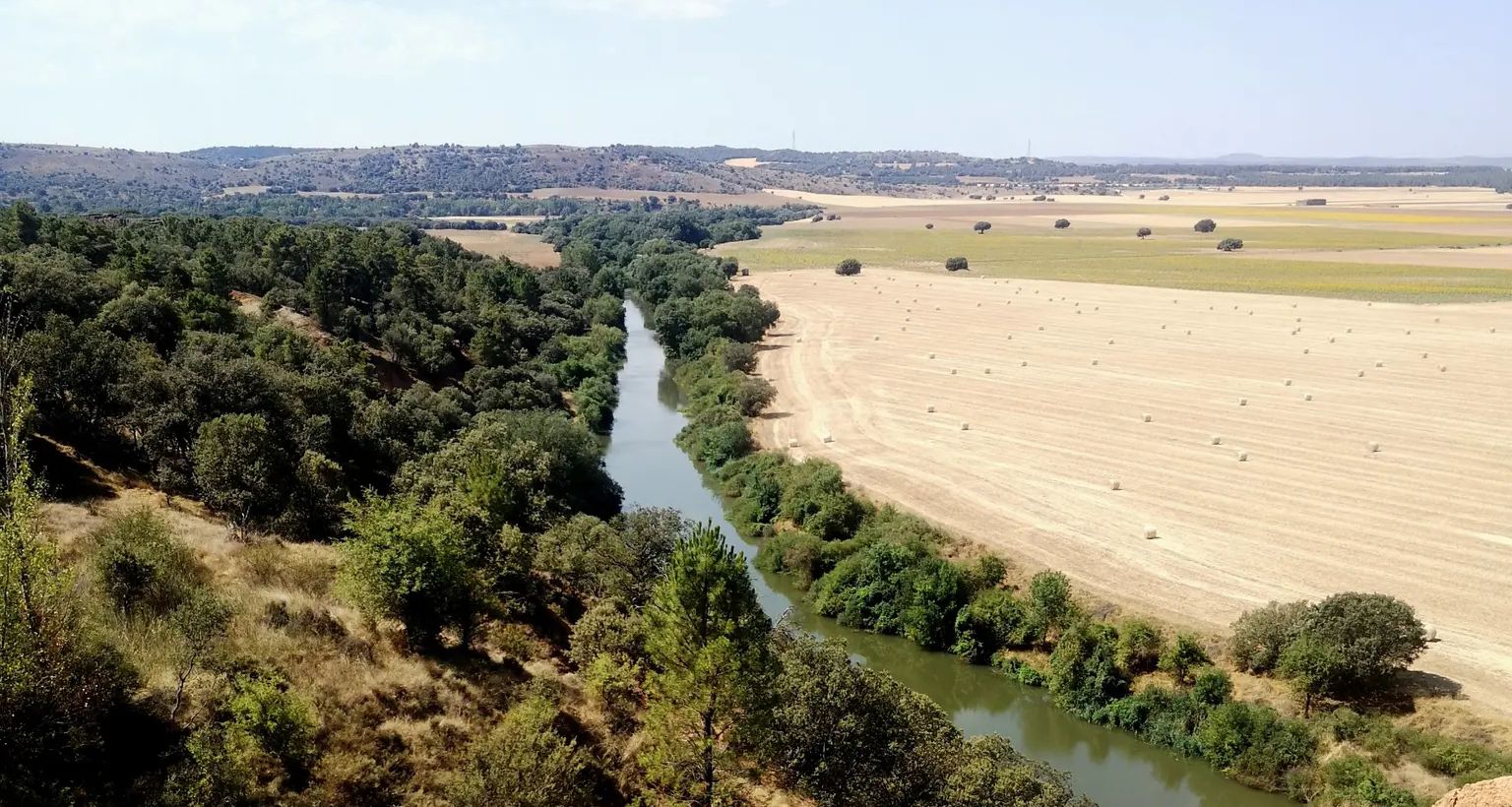
Downstream through Soria, Burgos and Valladolid in Spain – Eastern Douro Trail
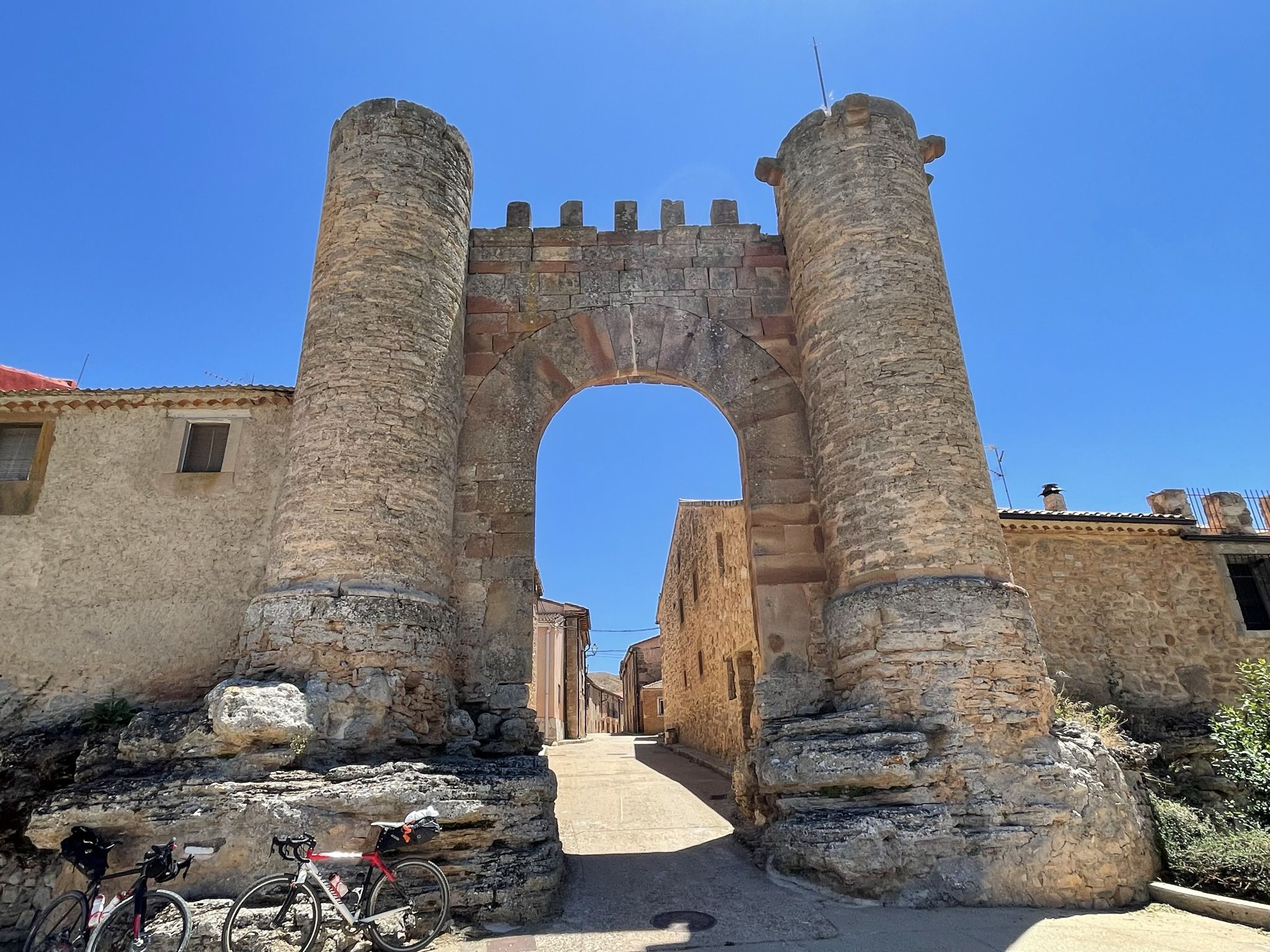
El Camino del Cid – El Destierro by gravel bike
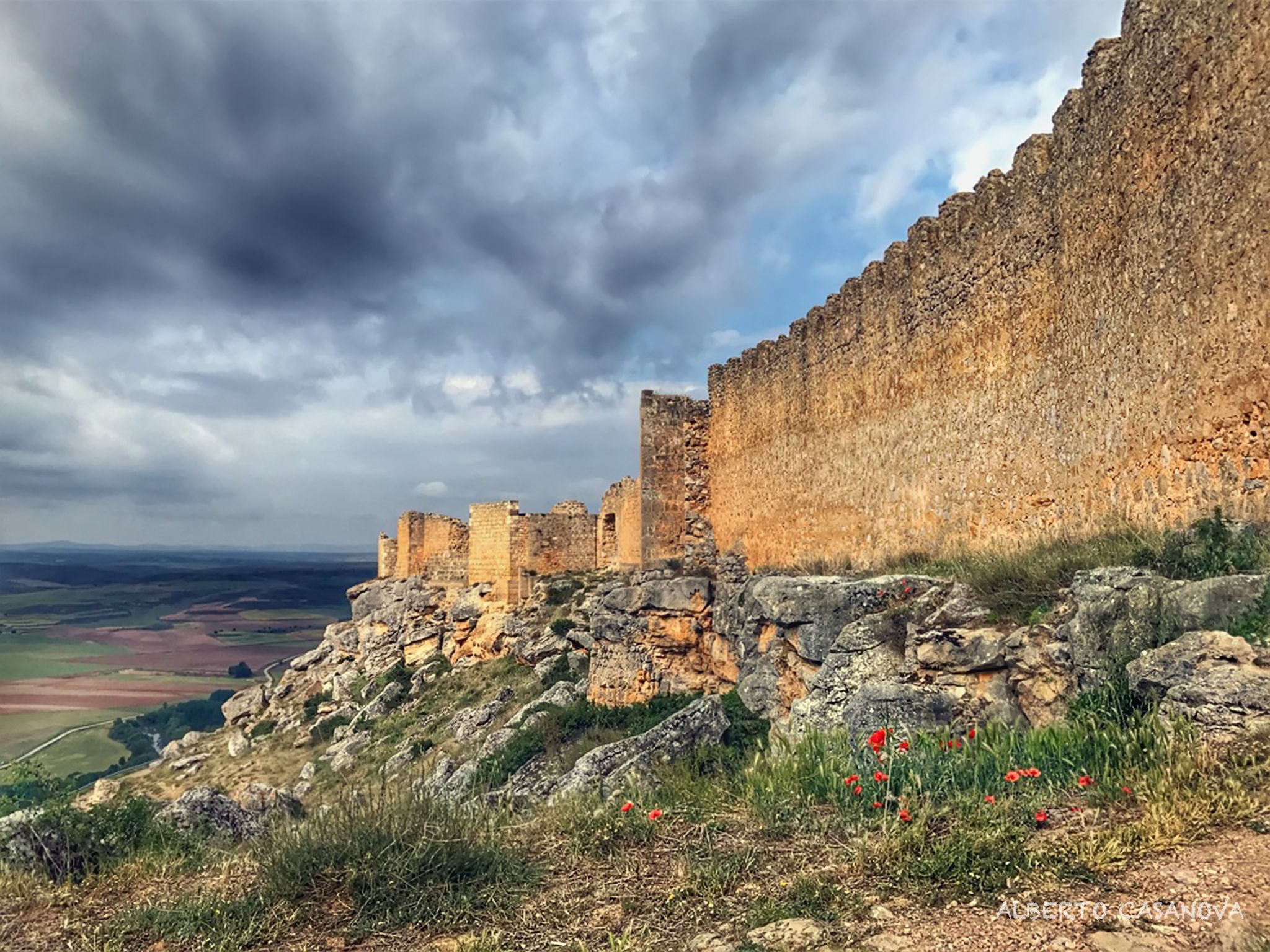
Camino del Cid on MTB – El Destierro
Cycling around San Esteban De Gormaz
Hiking around San Esteban De Gormaz
MTB Trails around San Esteban De Gormaz
Road Cycling Routes around San Esteban De Gormaz
Gravel biking around San Esteban De Gormaz
Running Trails around San Esteban De Gormaz
Other adventures around San Esteban De Gormaz


Tips from the Community


Although on days when it is not drinkable (high radon content) there is nothing wrong with drinking it or at least cooling off.
1
0

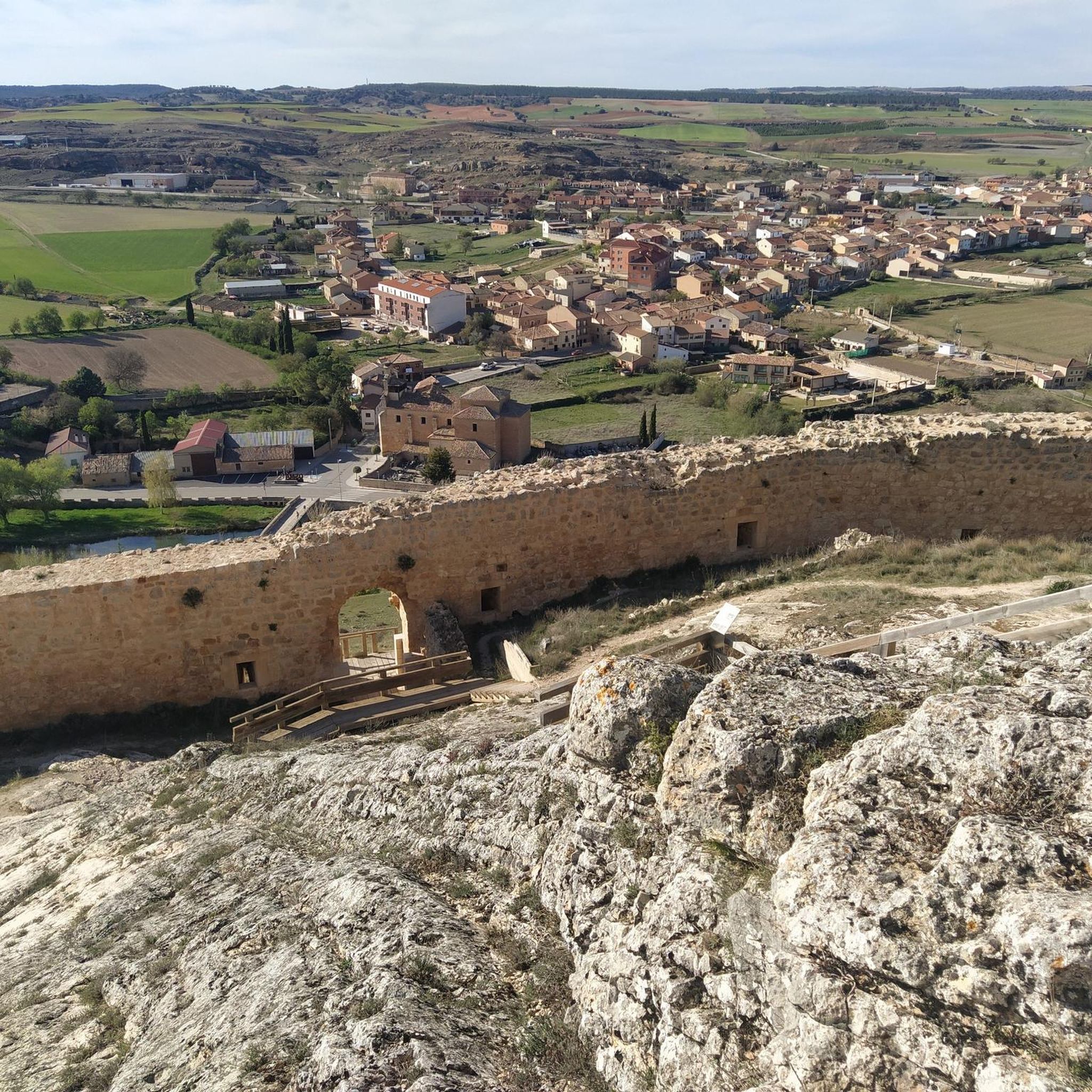
Bocigas de Perales is flanked by impressive karst formations that you can climb to contemplate the landscape. From there you can also see the beautiful Romanesque church of San Pedro Apóstol.
0
0

They destroyed them while widening the road. Still nice rock formation, with its history
0
0
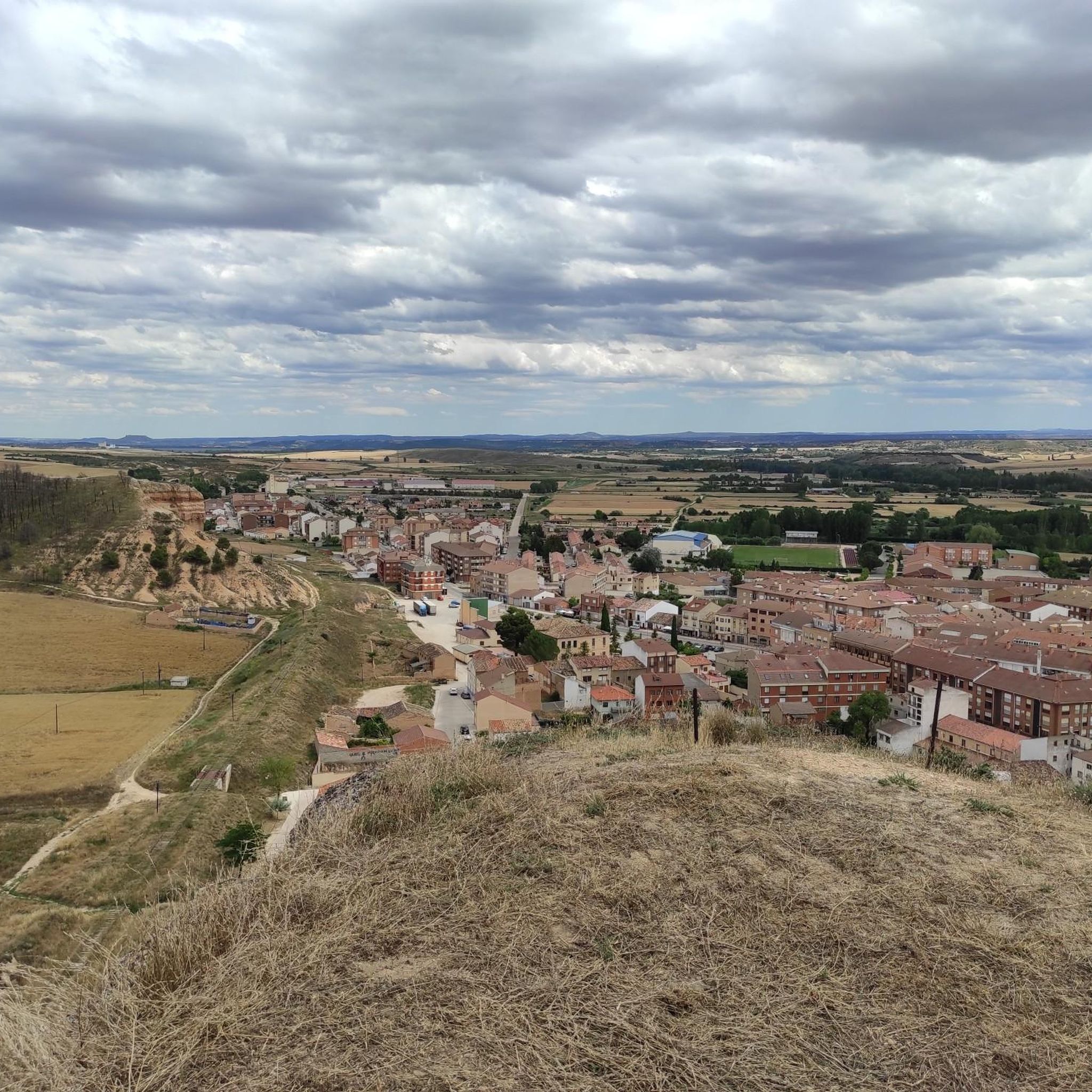
Small town in the province of Soria and within the Camino del Cid. Especially curious is the mound of rock that presides over it.
1
0
Formation of rocks of capricious shapes. Legend has it that they are the horses of a group of Muslim warriors turned to stone by the miracle of a princess converted to Christianity who prayed to God for her salvation when she was persecuted. Before, the myth was much more "credible", but a few years ago when the cart was enlarged, part of the rock formation was thrown away.
1
0

We met Vildé on our route from El Burgo de Osma to Berlanga de Duero on El Camino del Cid. A Roman funerary monument (Torre de la Mora) stands out in this town in the shape of a tower, something common on the Mediterranean coast but very rare in the interior. There are several fountains and hot springs, the most famous being the "Fuente de San Luis". From Vildé there is a path that reaches the canyons of the Caracena river. https://bigjoe.es/retos/camino-cid-destierro-2019/
3
0
Frequently Asked Questions
What are the most notable natural monuments near San Esteban de Gormaz?
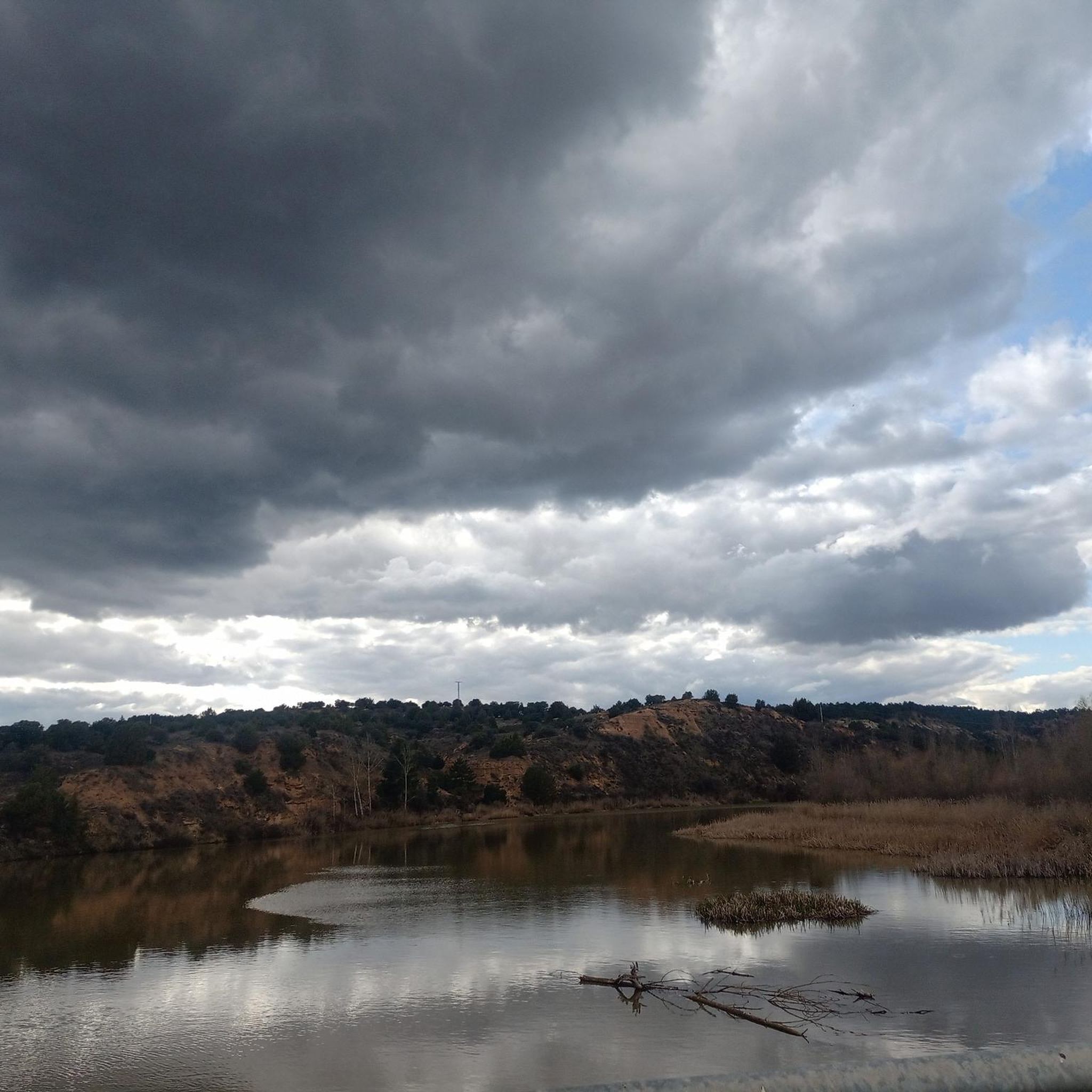
The region around San Esteban de Gormaz features several interesting natural monuments. The Vildé Reservoir is a tranquil lake known for its cliffs reflecting in the water and a significant population of vultures. Another unique site is the Alcubilla del Marqués Rock Hill, a curious geological formation presiding over the small town of Alcubilla del Marqués. Additionally, the Peñas Blancas de Vildé offers rock formations with a local legend.
Are there any natural monuments with historical or cultural significance?
Yes, some natural monuments also hold historical interest. For instance, the area around Peñas Blancas de Vildé has a local legend about Muslim warriors turned to stone. While not directly in San Esteban de Gormaz, the nearby La Fuentona Natural Monument, a significant site in Soria province, has archaeological remains from the Bronze Age and Middle Ages, and is steeped in literary references.
What kind of natural features can I expect to see around San Esteban de Gormaz?
The natural landscape around San Esteban de Gormaz is primarily shaped by the Duero River, offering stunning green landscapes and riverine ecosystems. You can find reservoirs like Vildé Reservoir, unique rock formations such as Alcubilla del Marqués Rock Hill and Peñas Blancas de Vildé, and impressive karst formations near Bocigas de Perales.
What outdoor activities can I do near these natural monuments?
The natural areas around San Esteban de Gormaz provide excellent opportunities for various outdoor activities. You can enjoy running on trails like the 'Running loop from San Esteban de Gormaz' or 'Atalaya de Quintanilla – San Esteban de Gormaz loop'. For cycling enthusiasts, there are gravel biking routes such as 'San Esteban de Gormaz – San Esteban de Gormaz loop' and MTB trails like the 'Camino del Cid BTT - San Esteban de Gormaz Loop'. You can find more details on these activities in the Running Trails, Gravel Biking, and MTB Trails guides for the area.
Are there hiking opportunities along the Duero River?
Yes, the Duero River is a prominent natural feature in San Esteban de Gormaz, offering serene settings for outdoor pursuits. The 'Senda del Duero' (Duero Path), part of the GR-14 long-distance trail, runs along the river, providing routes for walking and hiking. These paths allow visitors to experience the native flora and fauna and the beauty of the Castilian landscape, including walks among vineyards.
What is La Fuentona Natural Monument and how far is it from San Esteban de Gormaz?
La Fuentona Natural Monument is a highly recommended natural attraction within the province of Soria, though not directly in San Esteban de Gormaz. It's a karst resurgence where the Abión River originates from a lagoon of crystal-clear waters, often called the 'eye of the sea'. It is approximately 58.4 km by road from Soria city, making it a feasible day trip from the wider region.
What makes La Fuentona Natural Monument worth visiting?
La Fuentona is considered one of the most beautiful natural spots in Soria province. Its icy and transparent waters, surrounded by limestone trenches, precipices, and juniper forests, create a breathtaking display. Visitors can follow a riverside path to this 'hidden paradise' and enjoy the sounds of waterfalls and birdsong. It's ideal for nature photography and offers moderate hiking trails.
What do visitors enjoy most about the natural monuments in this area?
Visitors appreciate the tranquility and natural beauty of the area. For example, the Vildé Reservoir is described as a 'haven of peace' where countless vultures fly overhead, creating a magical place with the reflection of cliffs in the water. The unique rock formations and the peaceful riverine landscapes are also highly valued.
Are there any viewpoints to get a good perspective of the natural landscape?
Yes, several natural monuments offer excellent viewpoints. Peñas Blancas de Vildé is categorized as a viewpoint, offering unique rock formations. Additionally, from the impressive karst formations flanking Bocigas de Perales, you can climb to contemplate the surrounding landscape.
What kind of wildlife can be observed in the natural areas?
The natural areas, particularly around the Duero River and sites like Vildé Reservoir, are home to diverse wildlife. Vultures are notably present, often seen flying overhead. The riparian ecosystems along the Duero River support native flora and fauna, and the La Fuentona Natural Monument is known for birds of prey like griffon vultures and hawks nesting in the crags.
Are there any natural monuments that are easy to access or suitable for a short visit?
Many of the natural monuments are accessible for visitors. For example, the Alcubilla del Marqués Rock Hill is a prominent feature right next to the small town of Alcubilla del Marqués. The Vildé Reservoir can be accessed by side tracks, making it suitable for a visit by bike or on foot, depending on the route.
Most popular routes around San Esteban De Gormaz
Most popular attractions around San Esteban De Gormaz

Get inspired with the komoot mobile app


Explore more
Extend your search for the best caves by checking out these guides of the top ones around San Esteban De Gormaz:
