Top 13 Natural Monuments around Sorbas
Best natural monuments around Sorbas are shaped by the region's unique gypsum karst geology, notably within the Karst en Yesos de Sorbas Natural Park. This area in Almería, Spain, features a dramatic semi-arid desert landscape with extensive underground cave systems. The natural monuments here offer insights into geological formations and unique ecosystems. Visitors can explore a variety of natural wonders, from ancient trees to coastal features.
Best natural monuments around Sorbas
- The most popular natural monuments is Enmedio Cove,…
Last updated: July 1, 2026
Mesa Roldán Lighthouse and Tower
Highlight • Monument
Translated by Google •
Tip by

Ancient olive tree of Agua Amarga
Highlight • Natural Monument
Translated by Google •
Tip by
Sign up now to discover places like this
Get recommendations on the best single tracks, peaks, & plenty of other exciting outdoor places.
Sign up for free
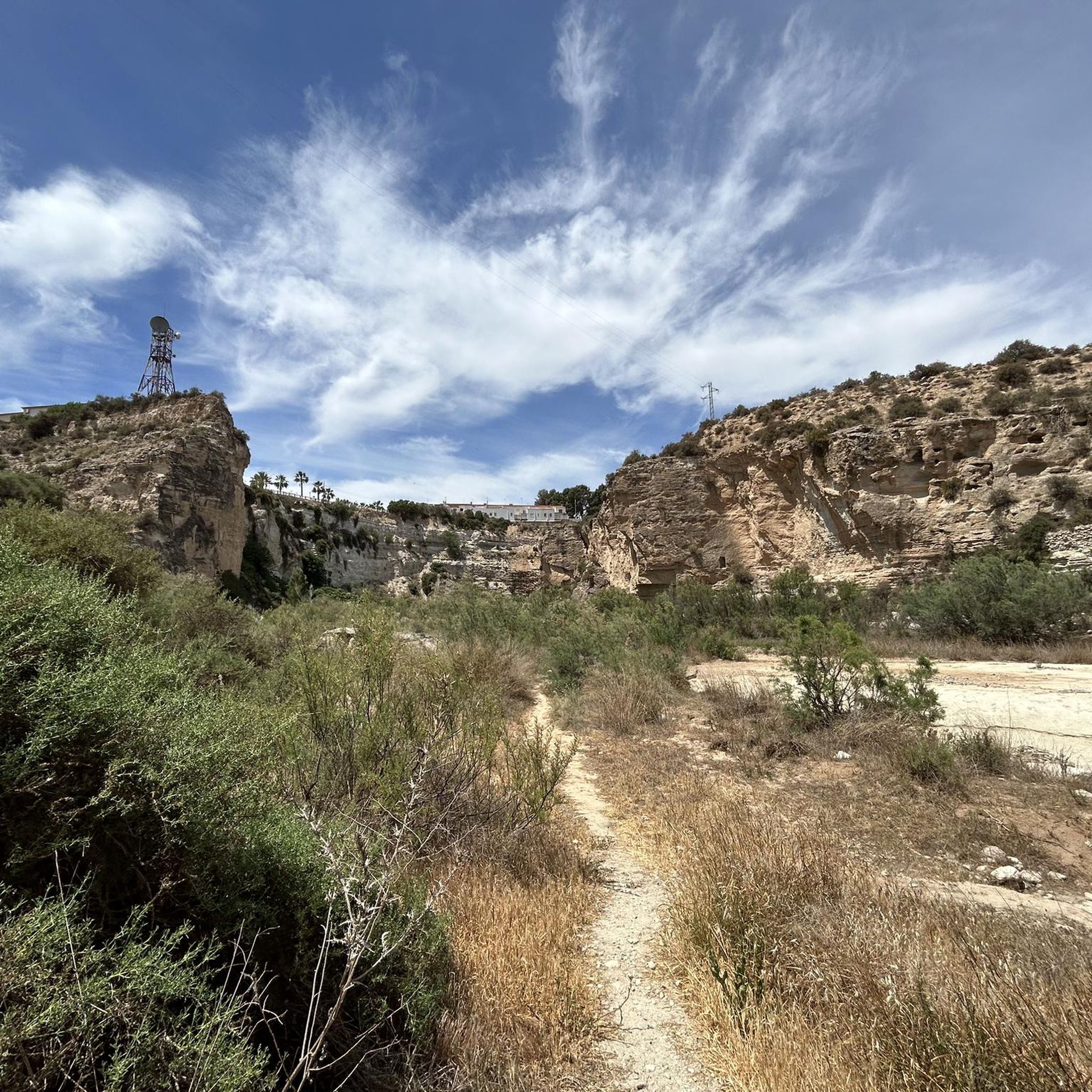
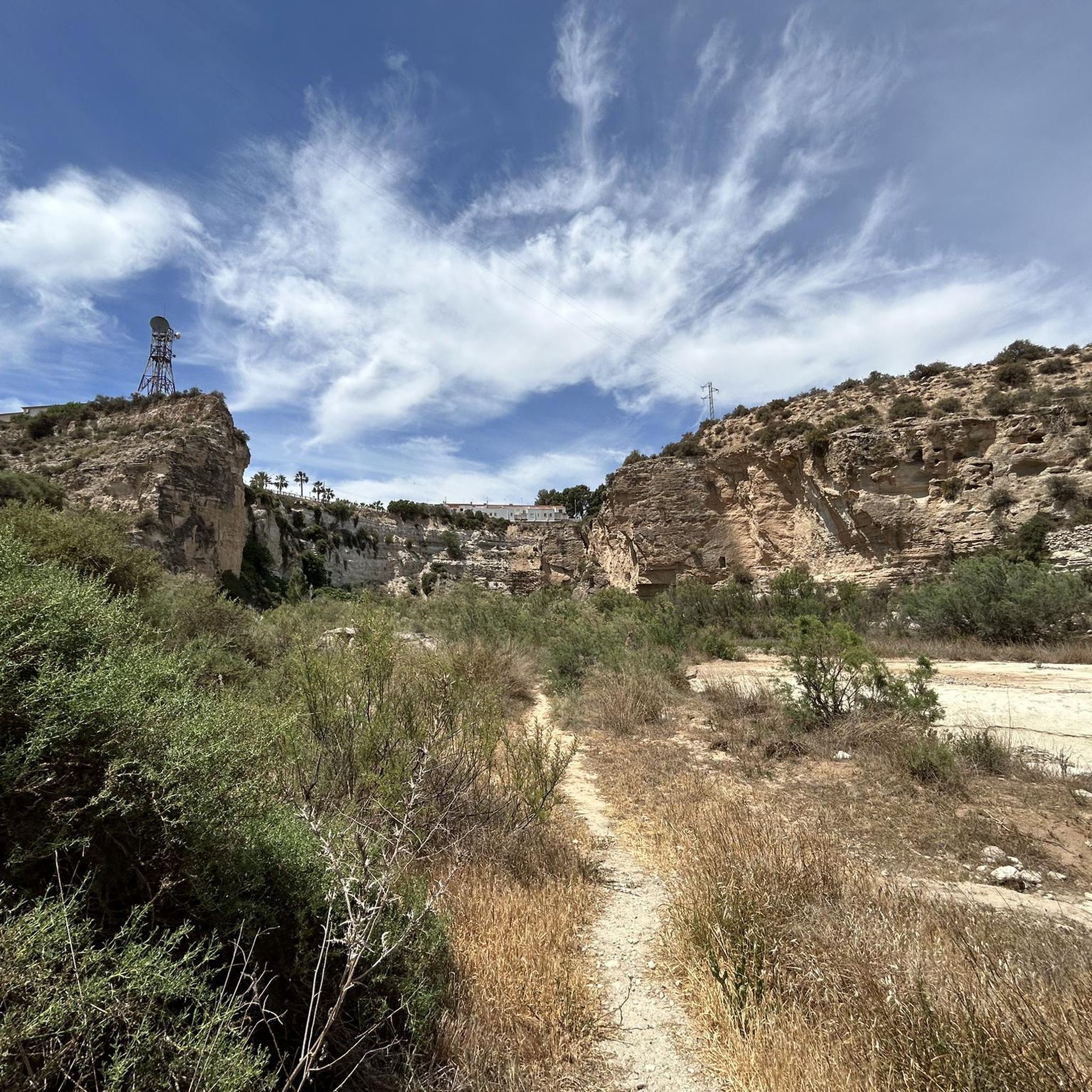
Río Aguas in Paraje Natural Karst en Yesos de Sorbas
Highlight • River
Translated by Google •
Tip by

Enmedio Cove
Highlight • Beach
Translated by Google •
Tip by

Hippie Temple of Miguel Ángel
Highlight • Structure
Translated by Google •
Tip by

Sign up for free to discover even more natural monuments around Sorbas.
Sign up for free
Already have an account?
Start today with a free account
Your next adventure awaits.
Login or Signup


Tips from the Community

Beautiful scenery and a lovely beach
0
0

Can you only reach this place via the beach?
2
0

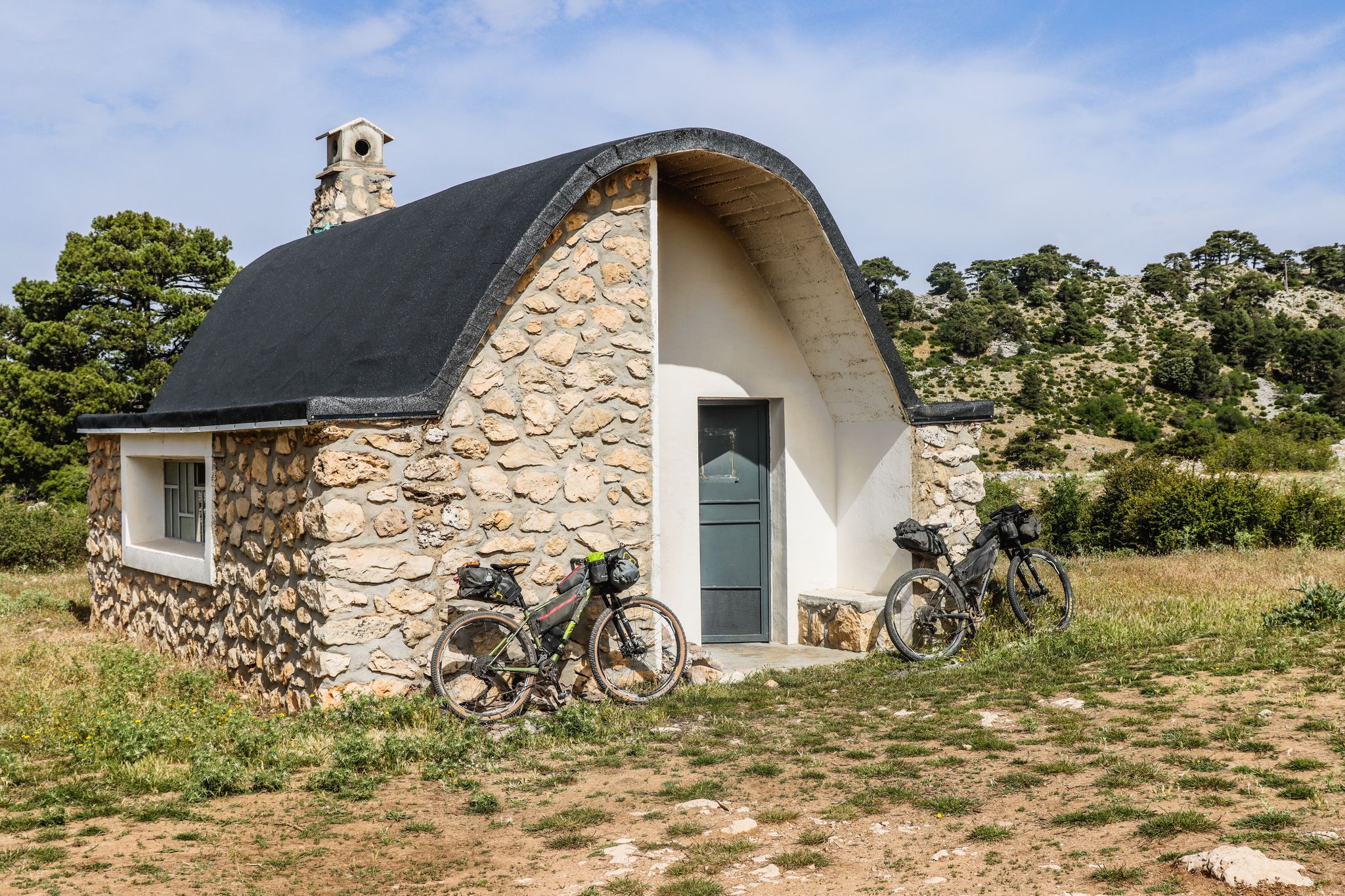
Miguel Ángel's Hippie Temple in Carboneras (Almería) is a magical and unique spot, spontaneously created by a retired local resident, who has transformed a quiet cove into a space of art, peace, and connection with nature. It was started by Miguel Ángel, a retired local police officer from Carboneras, as a way to relax and clear his mind. He began stacking stones on Playa de la Galera, near the famous Playa del Algarrobico, and gradually created structures that today form a true open-air "temple." Although he insists it is neither a temple nor a hippie, the place has been dubbed by visitors for its free, spiritual, and natural aesthetic.
2
1
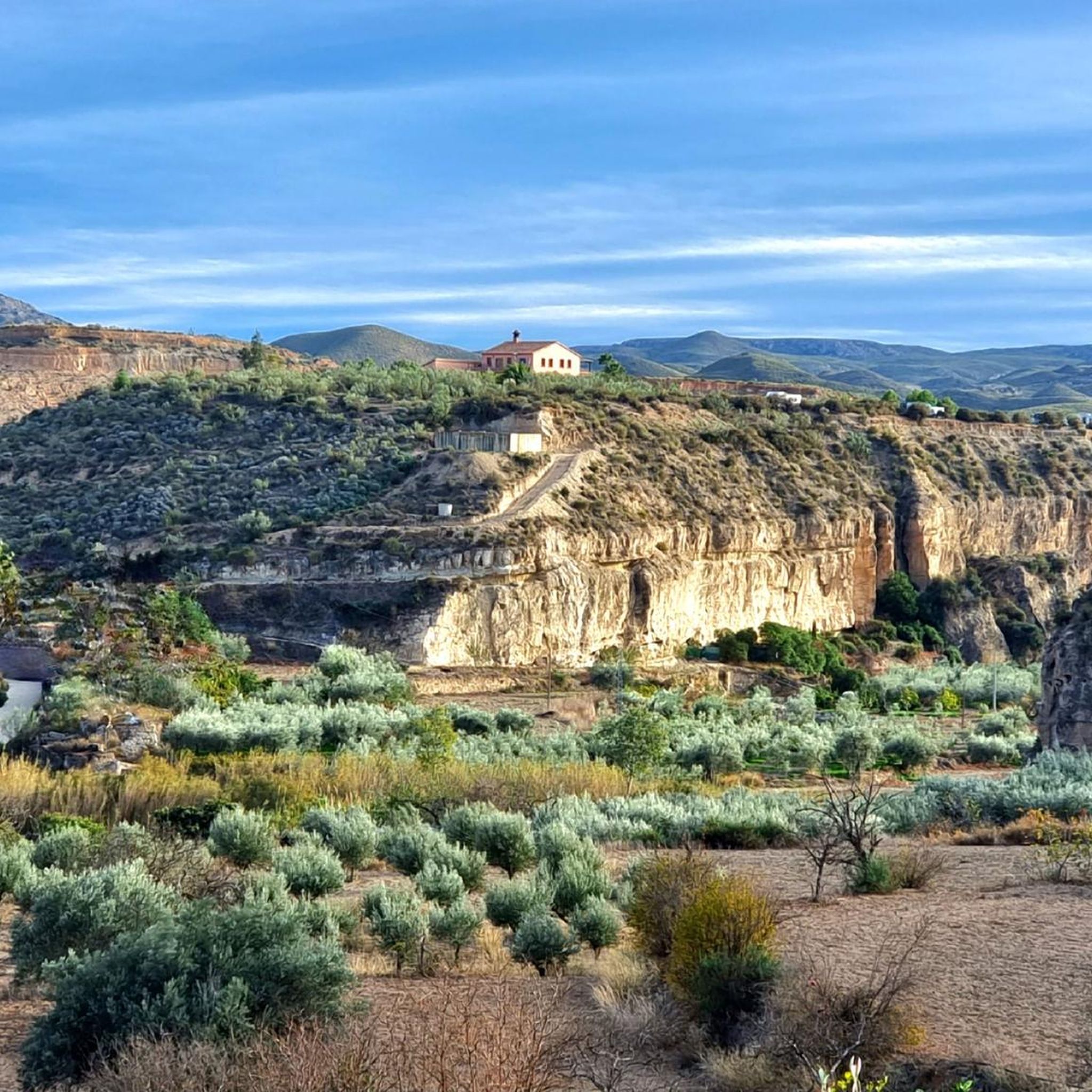
The Agua Amarga Olive Tree, also known as the Thousand-Year-Old Agua Amarga Olive Tree, is a monumental tree located in the Rambla de los Viruega (or Viruegues), very close to the village of Agua Amarga, in the municipality of Níjar, within the Cabo de Gata-Níjar Natural Park. The canopy casts a shadow about 10 meters in diameter. Despite its age and lack of intensive care, it is in acceptable condition, although it could be improved.
3
0

Hippie Temple by Michelangelo, the creator of the place.
0
1
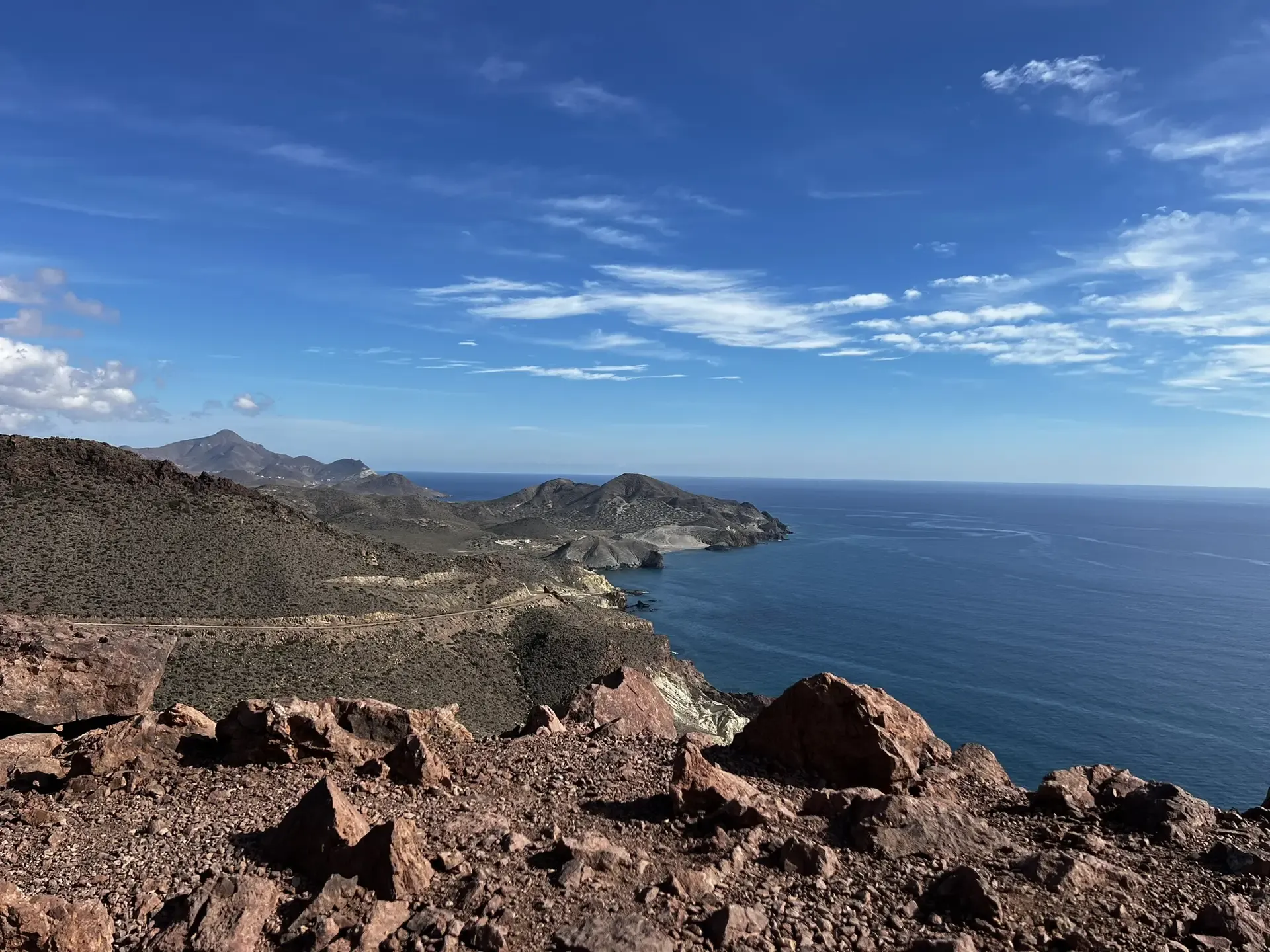
The Mesa Roldán Lighthouse is a lighthouse located in the volcanic area of Mesa Roldán, near the town of Carboneras, in the province of Almería. This lighthouse is managed by the Port Authority of Almería and is part of the Cabo de Gata-Níjar Natural Park. The lighthouse is located on a volcanic plateau and offers stunning panoramic views of the natural surroundings, including Playa de los Muertos and the Sierra Cabrera. It is a popular spot for visitors looking to enjoy the nature and history of the region.
7
0

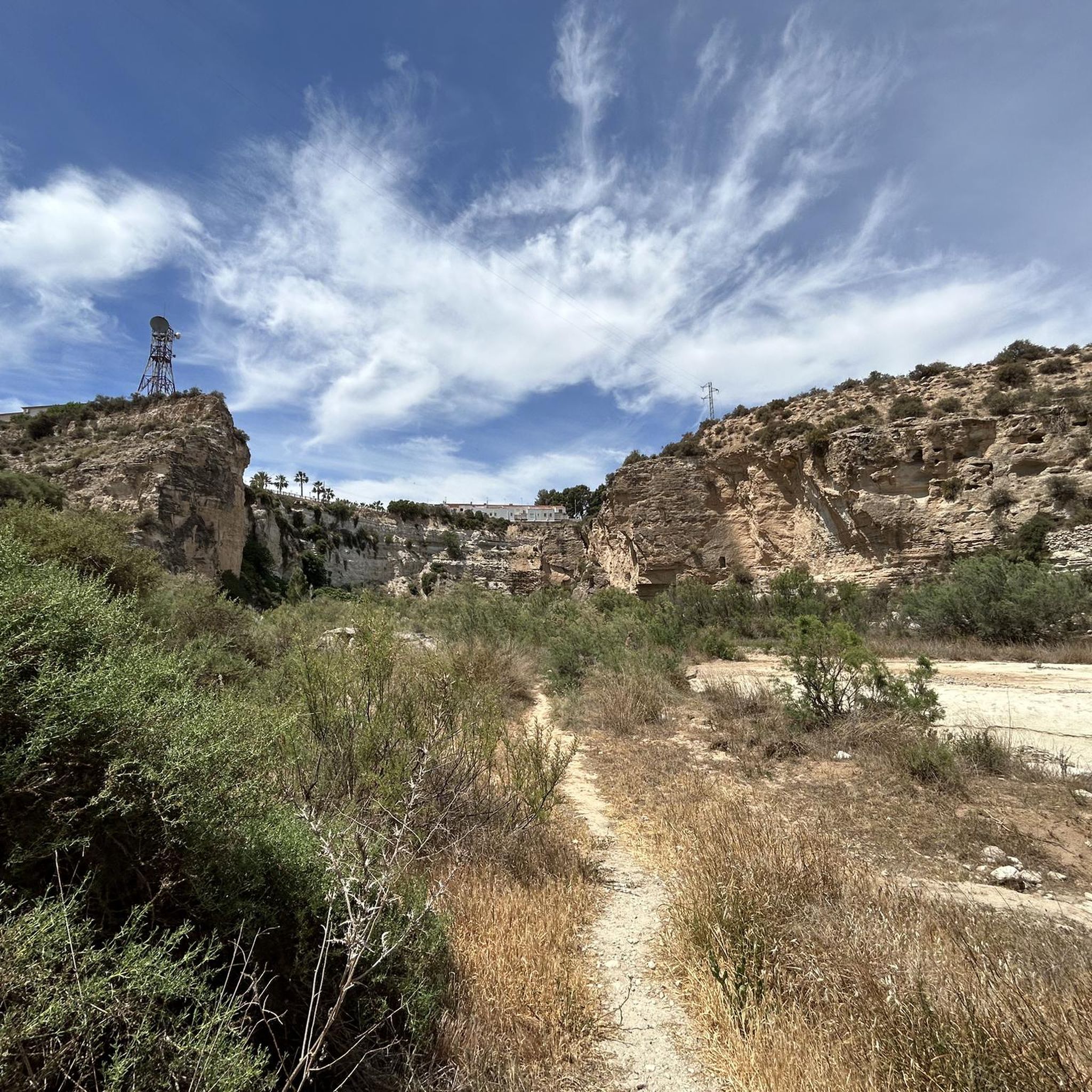
We tried the same hike. We started the loop in the opposite direction. The paths are barely recognizable, very steep and in some places they go over a gorge ridge: 30 cm wide. Very dangerous in windy conditions! The gradients are sometimes 30%, parts of the path are clayey. Very slippery and dangerous in rainy weather. You need very good shoes and hiking poles to hold on to. If you follow the Komoot instructions, you end up in the gorge. The path that Komoot shows often doesn't exist. The difficulty level of the path is high. Duration > 3 hours.
2
0

Hippie communities sometimes surprise us with artistic activities like these!
1
1
Frequently Asked Questions
What unique geological features can I explore in the natural monuments around Sorbas?
The region around Sorbas is world-renowned for its unique gypsum karst geology. The Karst en Yesos de Sorbas Natural Park features an extensive underground cave system, considered Spain's most important karst landscape composed of gypsum. You can find spectacular crystalline formations, including stalactites, stalagmites, and gypsum crystals that sparkle under lamplight. For more detailed information on the park, you can visit visit-andalucia.com.
Are there any ancient or historically significant natural monuments to visit?
Yes, you can visit the Ancient olive tree of Agua Amarga, a monumental tree estimated to be between 1,500 and 2,000 years old, making it one of the oldest specimens in the entire Mediterranean Basin. Additionally, the Mesa Roldán Lighthouse and Tower, while man-made, sits on a volcanic plateau and offers historical context with a small lighthouse museum inside.
What outdoor activities can I do near the natural monuments around Sorbas?
The area offers a variety of outdoor activities. You can find numerous routes for mountain biking, road cycling, and running. For example, there are challenging MTB trails like the 'Oasys MiniHollywood – Tabernas Castle loop' or scenic road cycling routes such as the 'La Granatilla Viewpoint – Agua Amarga Beach loop'. You can explore more options for MTB Trails, Road Cycling Routes, and Running Trails around Sorbas.
Are there family-friendly natural monuments or activities in the area?
Absolutely. The Ancient olive tree of Agua Amarga is a family-friendly natural monument, offering a chance to see a truly ancient living specimen. Another unique and family-friendly spot is the Hippie Temple of Miguel Ángel, an open-air art space created from stacked stones on a beach, offering a relaxed and artistic experience for all ages.
What are the best places for panoramic views of the natural landscape?
For breathtaking panoramic views, head to the Mesa Roldán Lighthouse and Tower. Located on a volcanic plateau, it offers magnificent vistas of the coastal area of the Cabo de Gata natural park and the surrounding mountains. It's an excellent spot to appreciate the diverse landscape of the region.
What should I know about hiking near the Río Aguas in the Karst en Yesos de Sorbas Natural Park?
Hiking near the Río Aguas in Paraje Natural Karst en Yesos de Sorbas can be challenging. Some paths are barely recognizable, very steep, and can be narrow along gorge ridges. It's recommended to have very good shoes and hiking poles, especially as parts can be clayey and slippery in wet weather. The difficulty level is high, and some experience is required.
Is there a unique beach or cove among the natural monuments?
Yes, Enmedio Cove is a protected beach known for its natural beauty. It does not have vehicular access, so be prepared for a steep walk down to reach it. Visitors are reminded to take all rubbish with them to help preserve its pristine condition.
What is the Pulpí Geode, and is it near Sorbas?
The Pulpí Geode, also known as the Giant Geode, is a world-renowned natural monument located near the town of Pulpí, which is accessible from Sorbas. It is the largest accessible geode in the world, featuring gigantic, translucent gypsum crystals, some reaching up to 2 meters in length. It's an awe-inspiring geological phenomenon found within the Mina Rica.
What is the best time of year to visit the natural monuments around Sorbas?
The region experiences a semi-arid desert climate. Spring (March to May) and autumn (September to November) generally offer the most pleasant temperatures for exploring the natural monuments and engaging in outdoor activities like hiking and cycling. Summers can be very hot, making underground cave tours a cooler option, while winters are mild.
Are there any specific plant species unique to the Sorbas natural monuments?
Yes, the Karst en Yesos de Sorbas Natural Park is home to a unique 'gypsophyte flora' – plants specifically adapted to gypsum-rich soils. Some of these species are endemic, rare, or endangered, such as the Sorbas daffodil, showcasing the region's distinct biodiversity.
What kind of cave systems can be found in the Karst en Yesos de Sorbas Natural Park?
The park boasts an extensive and intricate cave system with over 1,000 interconnected caves, forming Spain's largest subterranean gypsum cave network. Notable examples include the Cueva del Agua, which stretches approximately 8 kilometers, and the Cueva de Covadura, the deepest at 120 meters. These caves are famous for their spectacular crystalline formations.
Where can I find visitor information for the Karst en Yesos de Sorbas Natural Park?
The Los Yesares Visitor Centre in Sorbas provides comprehensive information about the landscape and geological phenomena of the Karst en Yesos de Sorbas Natural Park. It's a great starting point for understanding the area before you begin your exploration.
Most popular attractions around Sorbas

Get inspired with the komoot mobile app


Explore more
Extend your search for the best caves by checking out these guides of the top ones around Sorbas:
