Top 11 Natural Monuments around Arcas Del Villar
Best natural monuments around Arcas Del Villar showcase unique geological formations and rich biodiversity within the province of Cuenca, Spain. The area is characterized by distinctive karst topography, including depressions known as dolinas and torcas, formed by the dissolution of soluble rocks. These geological features create diverse landscapes, from wetland ecosystems to deep gorges, offering varied natural environments for exploration. The region provides access to significant natural landmarks that highlight the geological history and ecological value of the Cuenca province.
…Last updated: May 20, 2026
Júcar Gorge
Highlight • Gorge
Translated by Google •
Tip by

San Lesmes Viewpoint
Highlight • Viewpoint
Translated by Google •
Tip by
Sign up now to discover places like this
Get recommendations on the best single tracks, peaks, & plenty of other exciting outdoor places.
Sign up for free
La Hoz del Huécar
Highlight (Segment) • Gorge
Translated by Google •
Tip by

View of Cuenca from Cerro del Socorro
Highlight • Viewpoint
Translated by Google •
Tip by
Martín Alhaja Spring
Highlight • Natural Monument
Translated by Google •
Tip by
Sign up for free to discover even more natural monuments around Arcas Del Villar.
Sign up for free
Already have an account?
Start today with a free account
Your next adventure awaits.
Login or Signup
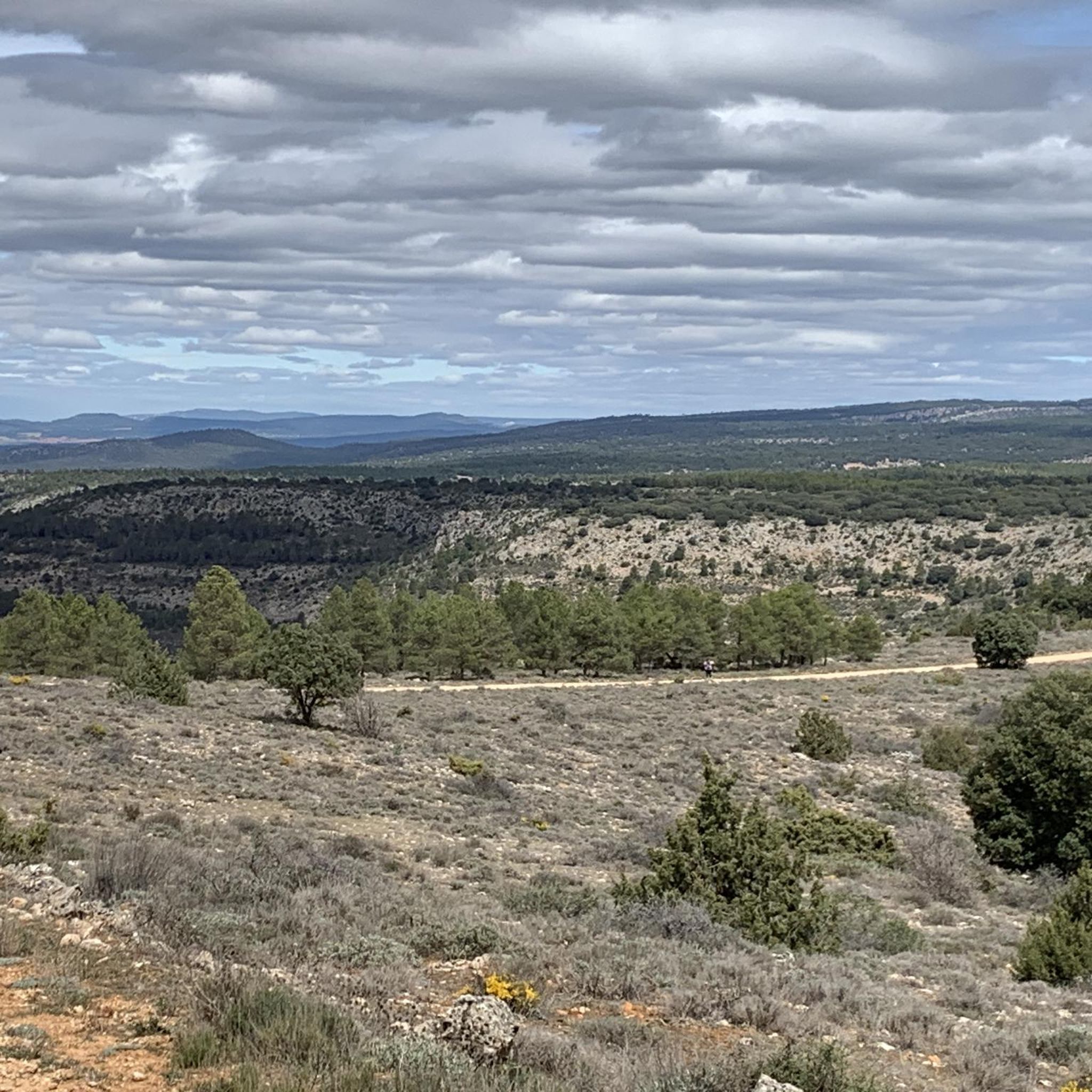
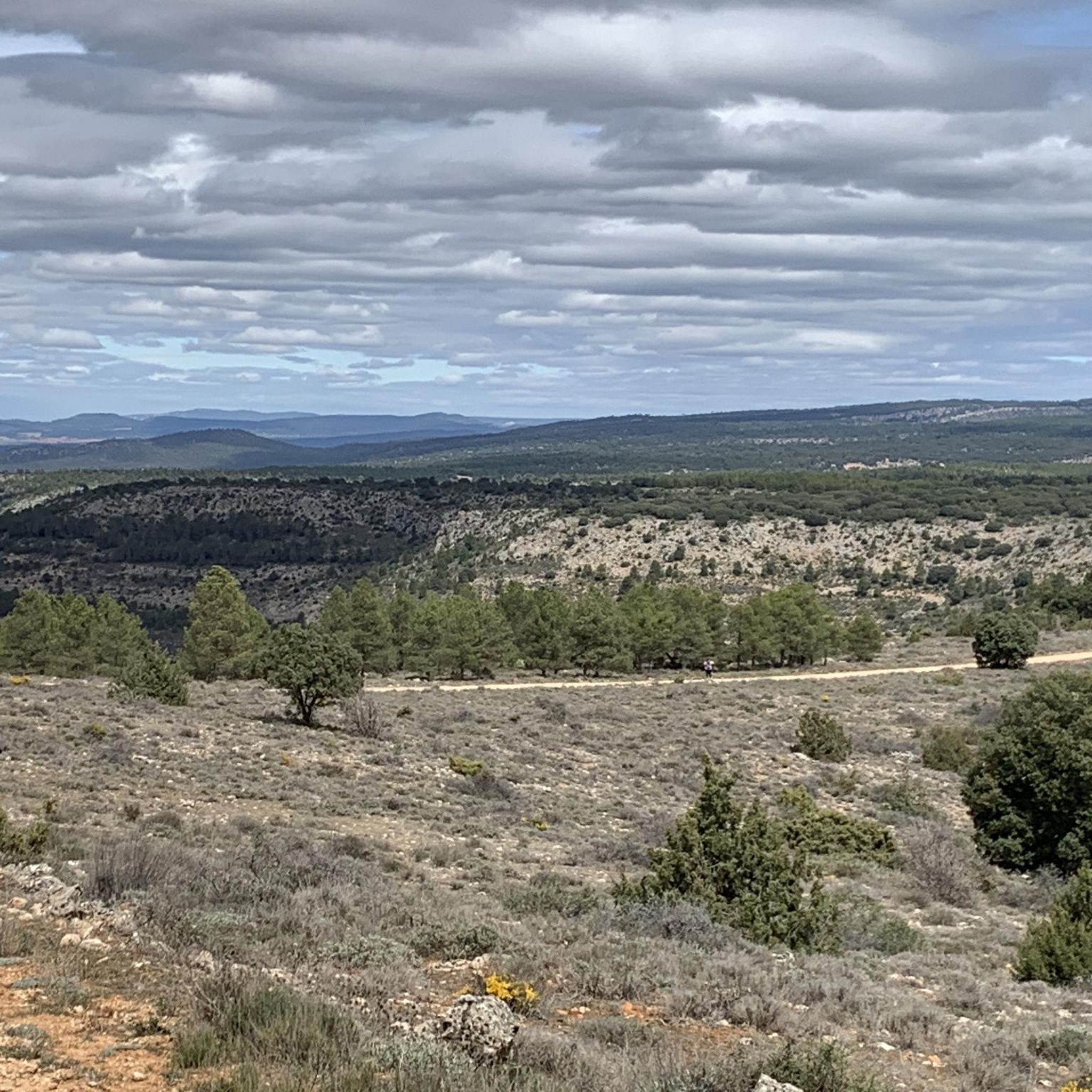
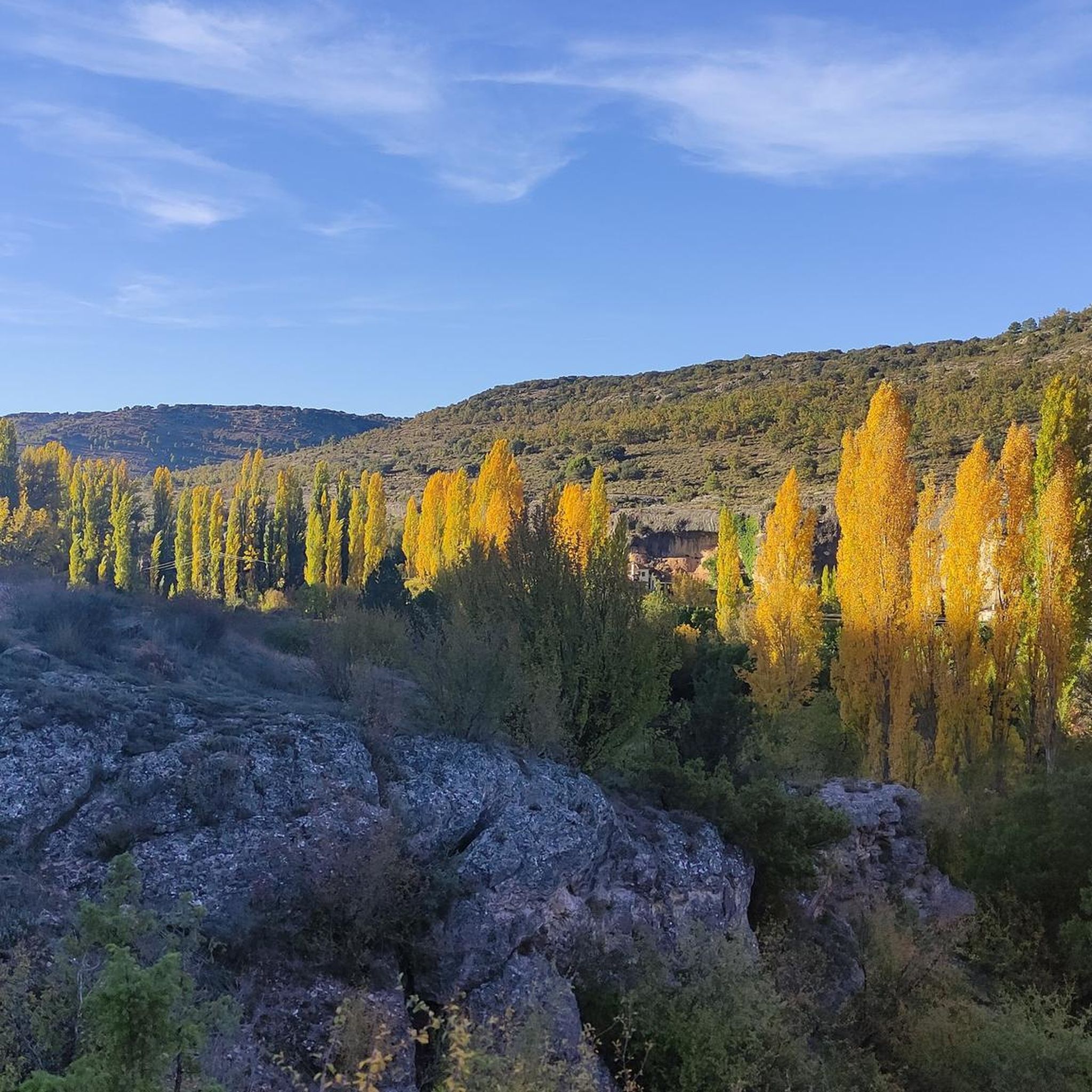
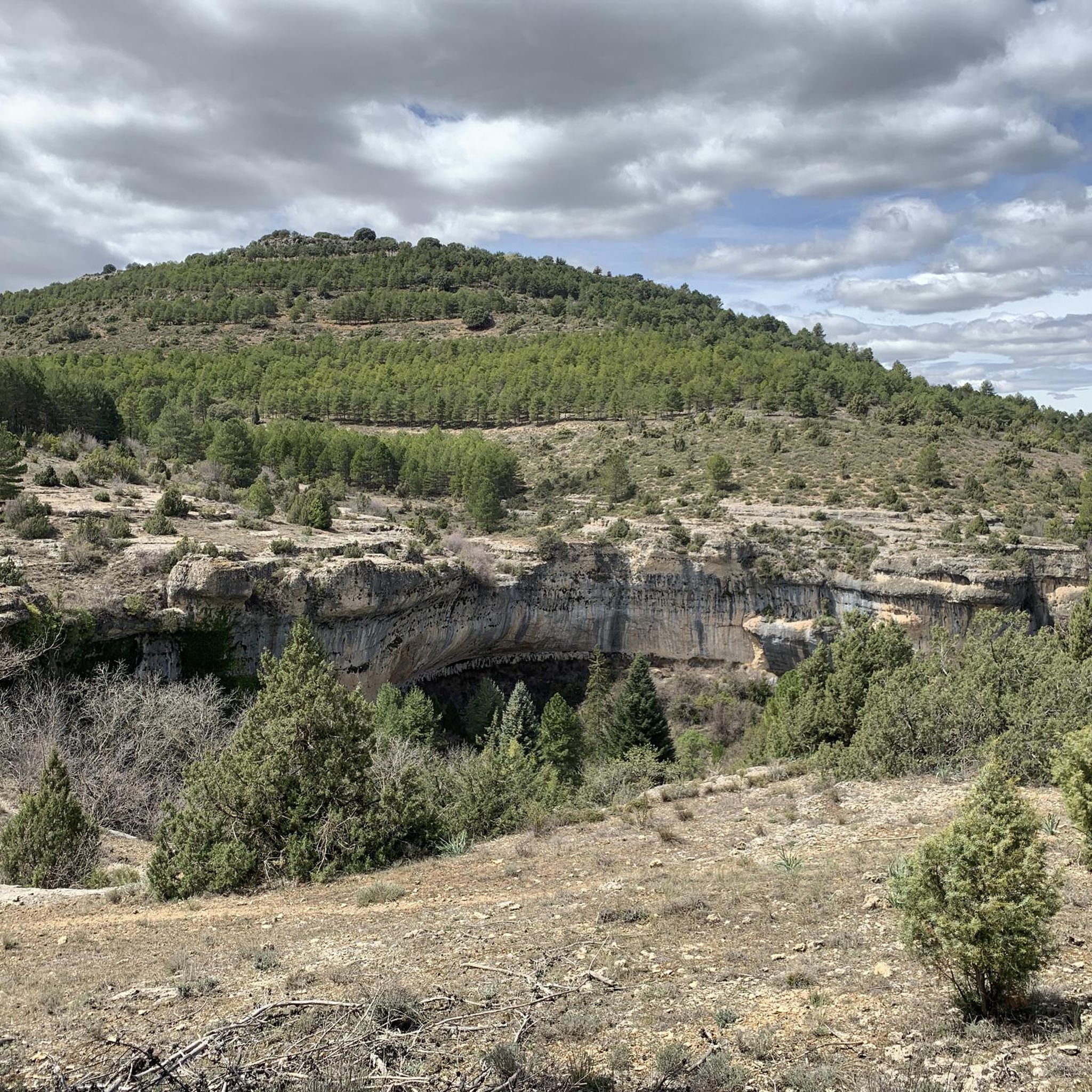

Tips from the Community

Very close to the Hermitage of San Julián, near Cuenca.
0
1
Extraordinary viewpoint from which you can appreciate the best of Cuenca.
1
0

The Mirador del Cerro del Socorro in Cuenca is a spectacular place to enjoy panoramic views of the city and its surroundings. From this viewpoint, you can see the famous Hanging Houses, the old town, the San Pablo Bridge and much more.
4
0
The Hoz del Júcar in Cuenca is a spectacular place to explore by bike! 🚴♂️ The route through the Hoz del Júcar takes you through a stunning landscape, with the Júcar River accompanying you for much of the journey. The green waters of the river and the rock formations create a unique natural environment.🚵🌄
10
0
The Mirador de San Lesmes is one of the most impressive panoramic points in Cuenca. Located on the Hoz del Júcar route, this viewpoint offers spectacular views of the gorge and the old town of the city.🚶♀️😎 From the viewpoint, you can enjoy a privileged view of the Hoz del Júcar, with its impressive limestone ravines and the vegetation that surrounds them.
22
0

The best panoramic views of the city of Cuenca. You can distinguish the Hanging Houses and the San Pablo bridge. You have to be careful because the road that arrives here is very narrow.
2
1
Road parallel to the river Júcar with movie views. Cycling around here is a real pleasure. You will enjoy the views of this natural phenomenon caused by erosion by the river course of the Júcar river.
5
0

The Río Júcar, before reaching the city of Cuenca, is the Hoz del Júcar, a gorge created by it and close to the shore, offering a beautiful and green area.
1
0
Frequently Asked Questions
What unique geological formations can I expect to see around Arcas Del Villar?
The region around Arcas Del Villar is renowned for its distinctive karst topography. You'll encounter 'dolinas,' which are depressions formed by the dissolution of gypsum, and larger 'torcas,' which are impressive circular or oval depressions resulting from the collapse of land due to soluble limestone. These formations create a landscape of natural beauty, particularly evident at the Reserva Natural Complejo Lagunar de Arcas and the Monumento Natural de las Torcas de Palancares y Tierra Muerta.
Are there any significant natural reserves or monuments near Arcas Del Villar that are worth visiting?
Absolutely. The Júcar Gorge is a popular natural monument where the Júcar River carves through rock formations, offering stunning views. Additionally, the Reserva Natural Complejo Lagunar de Arcas, adjacent to Ballesteros, features over twenty water-filled dolinas, creating a unique wetland ecosystem. Further afield, the Monumento Natural de las Torcas de Palancares y Tierra Muerta is a significant karst complex with numerous torcas, including the impressive Torca del Lobo and the vast Torca Larga.
What kind of wildlife can be observed in the natural monuments around Arcas Del Villar?
The diverse ecosystems, particularly the wetland areas of the Reserva Natural Complejo Lagunar de Arcas, provide a habitat for a variety of plant and animal species adapted to these environments. The forests and torcas of Palancares y Tierra Muerta are home to diverse fauna, including various bird species, some of which are endangered, making it an excellent spot for nature observation.
What are some of the best viewpoints to experience the natural beauty of the area?
For breathtaking panoramic views, the San Julián Cross Viewpoint offers an impressive perspective of the Hoz del Júcar and the old town of Cuenca, showcasing the contrast between limestone rocks, pine forests, and the Júcar River. Another excellent spot is the View of Cuenca from Cerro del Socorro, providing spectacular vistas of the city, including the famous Hanging Houses and the San Pablo Bridge.
Are there family-friendly natural monuments or activities suitable for children?
Many of the natural monuments offer accessible paths and trails suitable for families. The interpretive trail at the Reserva Natural Complejo Lagunar de Arcas is a great option for gentle walks and nature observation. The Monumento Natural de las Torcas de Palancares y Tierra Muerta also features well-marked walking routes of varying lengths, making it suitable for different fitness levels, including families looking for an outdoor adventure.
What outdoor activities can I do near these natural monuments?
The area around Arcas Del Villar is excellent for various outdoor activities. You can enjoy cycling along the Júcar River, with routes like the San Pablo Bridge – Palomera Village loop. For gravel biking, explore trails such as the Júcar Riverside Walk – Júcar Gorge loop. Running enthusiasts will find routes like the San Antón Bridge – Bridge over the Huécar River loop. You can find more details on these activities in the Cycling around Arcas Del Villar, Gravel biking around Arcas Del Villar, and Running Trails around Arcas Del Villar guides.
What is the best time of year to visit the natural monuments around Arcas Del Villar?
The natural monuments offer beauty throughout the year, but spring and autumn are particularly recommended. In autumn, the landscape of places like La Hoz del Huécar transforms with a varied and picturesque color palette. Spring brings lush greenery and pleasant temperatures, ideal for exploring the trails and observing wildlife. Water levels in the dolinas of the Reserva Natural Complejo Lagunar de Arcas fluctuate seasonally, offering different perspectives depending on rainfall.
Are there any historical or cultural sites integrated with the natural monuments?
Yes, some natural monuments have historical significance. For instance, the Martín Alhaja Spring is not only a natural feature but also linked to the legendary character Martín Alhaja, who played a decisive role in the conquest of Cuenca in 1177. This blend of natural beauty and historical narrative adds another layer to your exploration.
Can I bring my dog to the natural monuments?
Many natural areas in Spain are dog-friendly, especially on marked trails, but it's always advisable to keep dogs on a leash to protect local wildlife and ensure the comfort of other visitors. Specific regulations may vary, so checking local signage at each monument is recommended.
What are the typical difficulty levels for hiking trails in the natural monuments?
The trails around the natural monuments vary in difficulty. Many highlights like the Júcar Gorge, San Julián Cross Viewpoint, and La Hoz del Huécar are generally classified as 'intermediate.' However, the Monumento Natural de las Torcas de Palancares y Tierra Muerta offers routes of varying lengths and difficulties, ensuring options for both casual walkers and more experienced hikers.
What is the 'Pino Abuelo' and where can I find it?
The 'Pino Abuelo' (Grandfather Pine) is a remarkable ancient tree, over 500 years old, located within the Monumento Natural de las Torcas de Palancares y Tierra Muerta. This area is known for its unique flora, including such ancient trees and distinct candelabra pines, making it a special sight for nature lovers. You can find it by exploring the well-marked trails within the monument.
Most popular routes around Arcas Del Villar
Most popular attractions around Arcas Del Villar

Get inspired with the komoot mobile app


Explore more
Extend your search for the best caves by checking out these guides of the top ones around Arcas Del Villar:
