Los Pozuelos De Calatrava
Los Pozuelos De Calatrava
Top 19 Natural Monuments around Los Pozuelos De Calatrava
Natural Monuments around Los Pozuelos de Calatrava showcase a diverse landscape in the province of Ciudad Real, Spain. This region is characterized by its geological interest, including volcanic formations and significant river systems. The area features protected natural spaces, such as the Sierra de Picón, which serves as a vital corridor for wildlife. Visitors can explore unique ecosystems, ancient geological sites, and riparian environments.
Best natural monuments around Los Pozuelos De Calatrava
- The most popular natural monuments is La Posadilla…
Last updated: July 1, 2026
Old dam of the Guadiana River
Highlight • River
Translated by Google •
Tip by

La Posadilla Viewpoint
Highlight • Viewpoint
Translated by Google •
Tip by

Sign up now to discover places like this
Get recommendations on the best single tracks, peaks, & plenty of other exciting outdoor places.
Sign up for free
Peñarroya Lagoon
Highlight • Lake
Translated by Google •
Tip by
Piedrabuena
Highlight • Settlement
Translated by Google •
Tip by
Alcolea de Calatrava
Highlight • Settlement
Translated by Google •
Tip by
Sign up for free to discover even more natural monuments around Los Pozuelos De Calatrava.
Sign up for free
Already have an account?
Start today with a free account
Your next adventure awaits.
Login or Signup
Tips from the Community

Piedrabuena is located in the northwestern central part of the province, on the edge of Campo de Calatrava. It is a land with water, dazzling with its green color and with the life that runs through the Bullaque River and numerous streams such as Bullaquejo, Puerto de las Tinajas or Alcornocal. The Natural Monument of the Piedrabuena Volcano is located, as its name indicates, in the town of Piedrabuena (Ciudad Real), in the volcanic area of Campo de Calatrava. Its age could range between eight and one and a half million years. This volcano is undoubtedly one of the most extensive spots formed by eruptive rocks in the region. The place where the exit conduit was located is located to the north-northeast of the town. Above it, lava materials accumulated, giving rise to a steep hill. From there, a large blanket or flow spread widely, surrounding what is now the urban center.
20
0
Alcolea de Calatrava is located in the central part of the historic Campo de Calatrava, between the Alcudia Valley and the Toledo Mountains. Mainly, what we will find in its 71 km2 area are several small mountain ranges full of craters and volcanic lagoons that give it a special geomorphological and landscape attraction. The area that includes this term, and the neighboring Picón, is perhaps the one in which the most remains of Castillejos are preserved, probably due to its proximity to the permanent waters of the Guadiana River.
39
0

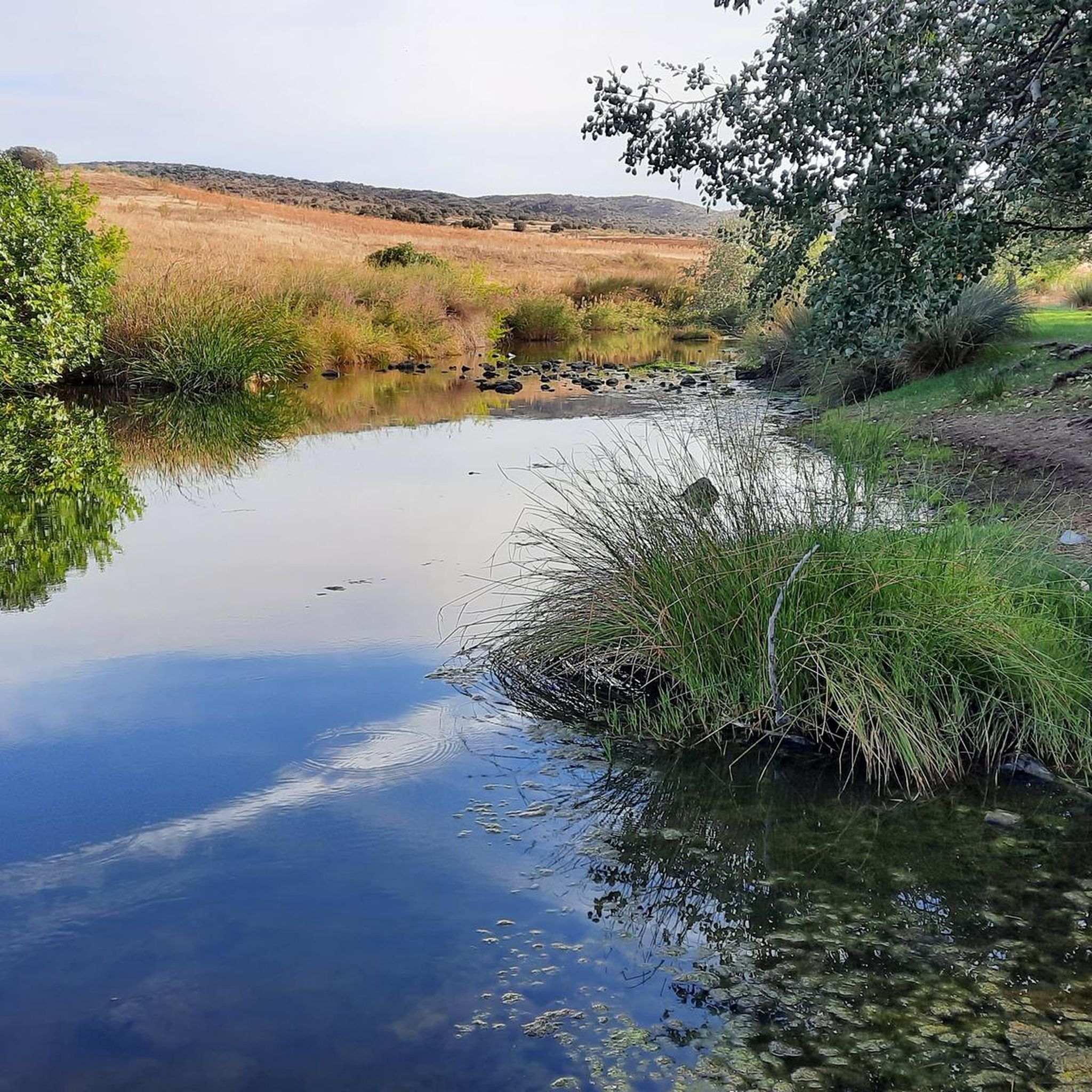
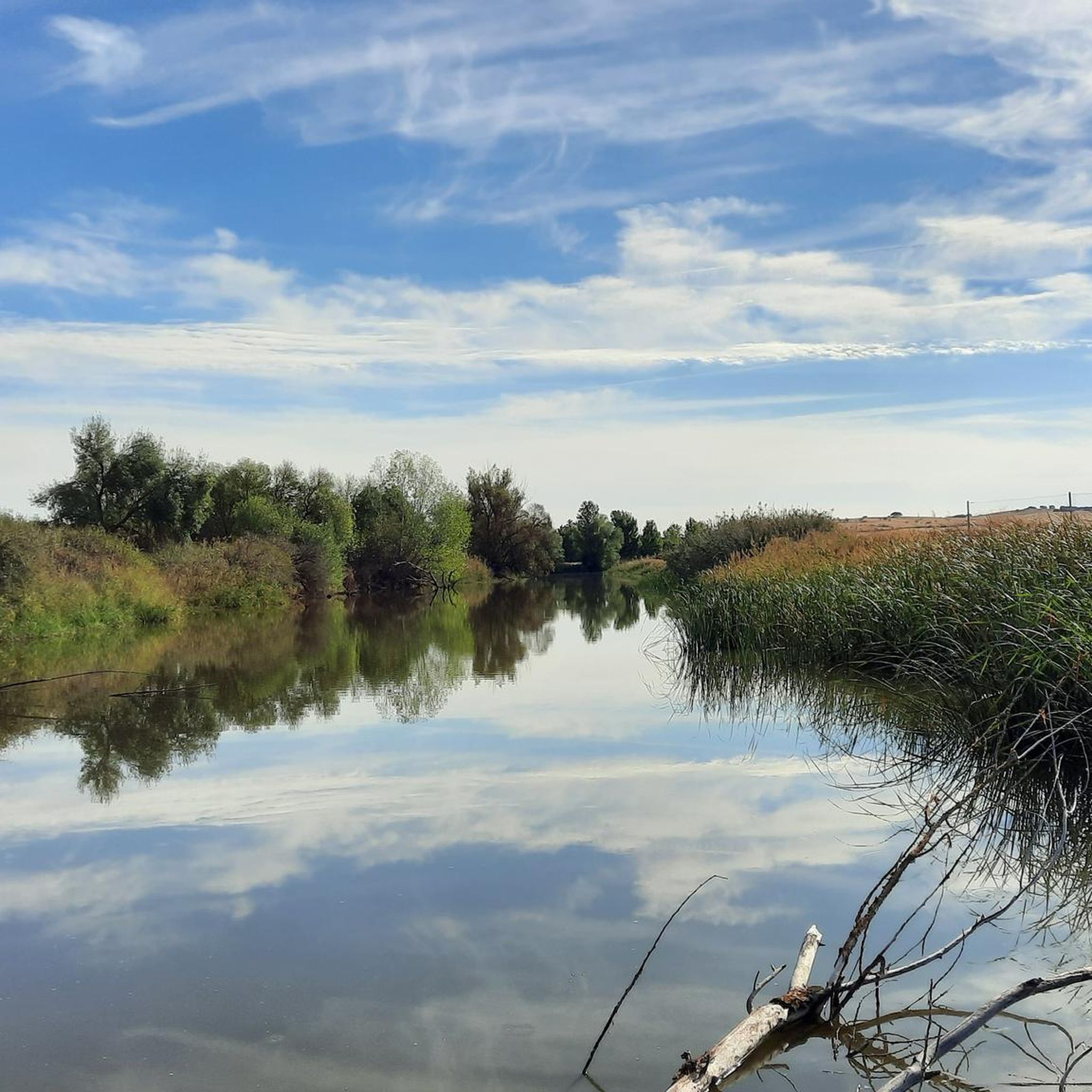
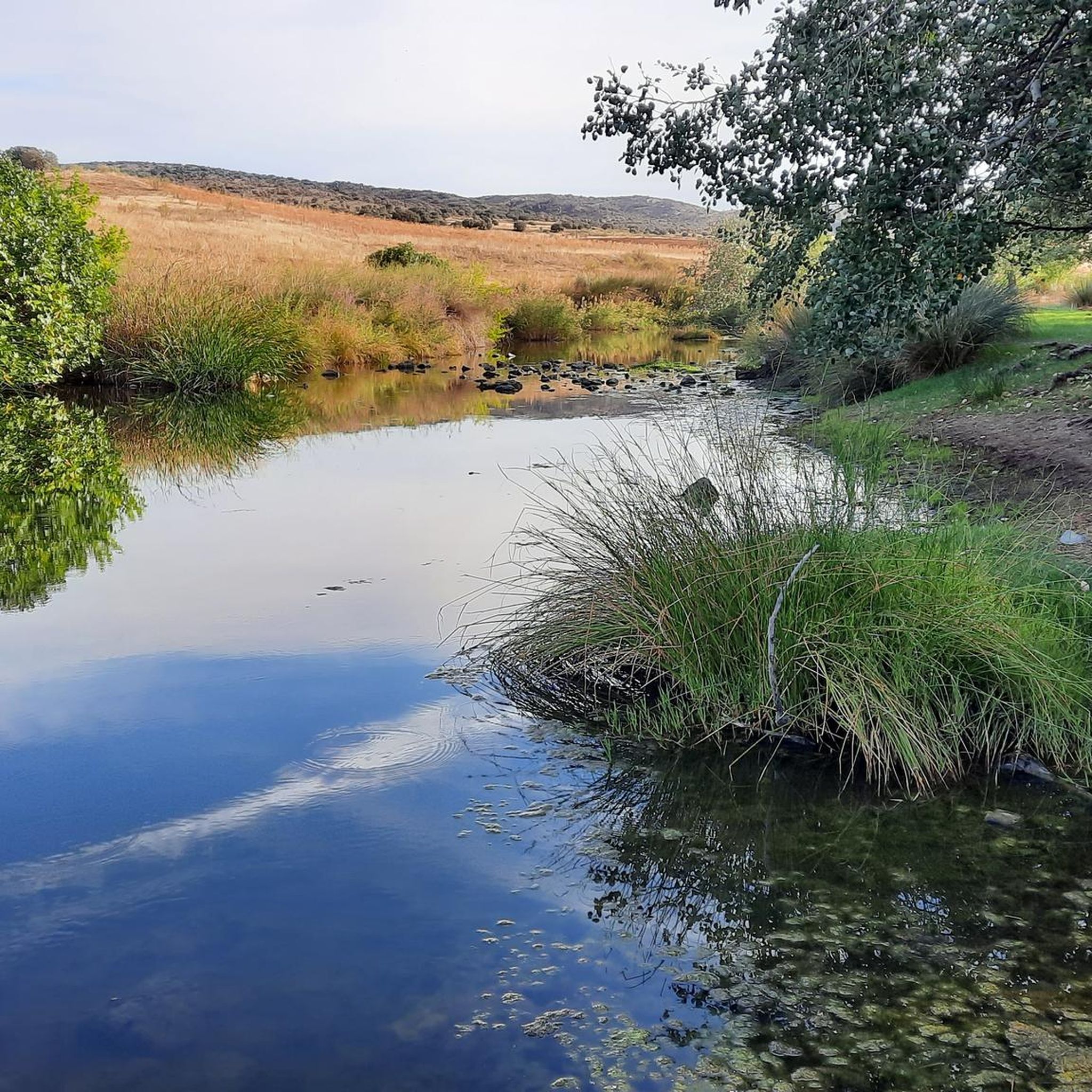
The path that passes by the Río Guadiana lets us see this area where a dam has been built and which can be a good time to take a short break!
1
1
Today after a few days raining a beautiful landscape and a good flow.
4
0

Like other lagoons in the area, this one originated when magma came into contact with groundwater. The violent explosion generated a crater 500 meters in diameter and a maximum depth of 100 meters. The lagoon is surrounded by a forest of holm oaks, kermes oaks, mastics and cornicabras. The lagoon water also attracts birds such as black and white storks, imperial eagles, short-toed eagles, golden eagles and black vultures.
6
1
Perched in the Sierra de las Medias Lunas, this volcanic lagoon is one of the most beautiful in this region due to its red splash deposits on the edge of the main crater, which are what also give it its name (Peñarroya). The lagoon or maar is more than a kilometer in diameter and is surrounded by Mediterranean forest, holm oak meadows and pastures.
6
2
Some dreamlike views and landscapes, the climb to the viewpoint is a bit complicated but it is worth it.
13
0
This natural monument is located between the municipalities of Alcolea de Calatrava and Corral de Calatrava and is included in the Campo de Calatrava volcanic complex. The volcano stands out for its magnificent 60 m cone. high, one of the best examples of Strombolian-type buildings. The lagoon was formed when lava from the volcano imprisoned the Lobo stream.
25
0
Frequently Asked Questions
What unique geological features can I explore around Los Pozuelos de Calatrava?
The region is rich in geological interest, particularly its volcanic formations. You can visit sites like the La Posadilla Viewpoint, which overlooks a maar, a lagoon formed in a hydromagmatic explosion crater. Another excellent example is the Peñarroya Lagoon, a volcanic lagoon known for its red splash deposits and a magnificent 60-meter cone, part of the Campo de Calatrava volcanic complex.
Are there any protected natural areas to visit near Los Pozuelos de Calatrava?
Yes, the **Sierra de Picón** is a designated Site of Community Interest (ZEC) that forms a vital natural corridor for wildlife. It features quartzite hills, Mediterranean scrubland, and well-preserved 'mancha' vegetation. The area also includes the final stretch of the Bullaque River with riparian forests, providing a crucial habitat for various species.
What kind of wildlife can I expect to see in the natural monuments area?
The Sierra de Picón is vital for biodiversity and offers suitable conditions for endangered species like the Iberian lynx. Along the Bullaque River, you might spot otters, various reptiles such as the European pond turtle, and native fish species. The volcanic lagoons, like La Posadilla, also attract birds such as black and white storks, imperial eagles, and black vultures.
Are there family-friendly natural monuments or activities suitable for children?
Many of the natural areas offer opportunities for family-friendly walks and nature observation. While specific 'family_friendly' tags are limited, exploring the riverbanks near the Old dam of the Guadiana River or the historic Puente de las Ovejas can be enjoyable for families. The natural settings provide a great environment for children to connect with nature.
What outdoor activities can I do near these natural monuments?
The region offers a variety of outdoor activities. You can find numerous running trails, such as the 'Río Guadiana and Puente del Río Jabalón' route, or explore cycling routes like the 'Guadiana Natural Trail – Luciana Bridge loop'. For mountain biking enthusiasts, there are challenging trails like the 'Río Bullaque a Río Guardiana' circular route. You can find more details on these activities in the Running Trails, Cycling, and MTB Trails guides around Los Pozuelos de Calatrava.
Can I hike or walk along the Guadiana River?
Absolutely. The Guadiana River offers scenic natural settings for walking. You can explore areas like the Gorge Narrows of the Guadiana River, which provides great views of the river's bends. The historic Puente de las Ovejas, a stone bridge originally used for transhumance, is also nestled in a beautiful natural setting along the Guadiana, offering picturesque views and pleasant walking areas.
What is the best time of year to visit the natural monuments around Los Pozuelos de Calatrava?
The best time to visit is generally during spring (March to May) and autumn (September to November). During these seasons, the weather is milder and more pleasant for outdoor activities like hiking and nature observation. Spring brings blooming flora, while autumn offers beautiful colors and comfortable temperatures.
Are there any natural monuments with historical significance?
While primarily natural, some sites intertwine with history. The Puente de las Ovejas (Bridge of the Sheep) is a historic stone bridge over the Guadiana River, part of the ancient Cañada Real Soriana livestock trail. The Old dam of the Guadiana River also represents a historical interaction with the river's flow, located near the Geldres Mill.
Where can I find impressive viewpoints of the landscape?
For breathtaking views, head to the La Posadilla Viewpoint, offering panoramic vistas of the volcanic maar and surrounding holm oak forests. The Peñarroya Lagoon also provides elevated perspectives of its unique volcanic landscape. Additionally, the Gorge Narrows of the Guadiana River offers scenic overlooks of the river's winding course.
What kind of terrain can I expect on trails around these natural monuments?
The terrain varies, reflecting the region's diverse geology. You can expect areas with the unique 'apalachense' relief of the Sierra de Picón, characterized by quartzite hills. Around volcanic sites like Peñarroya Lagoon, trails might be rocky. Along the Guadiana River, you'll find paths through riparian forests and along riverbanks. Some climbs to viewpoints can be a bit complicated but are generally rewarding.
Is the town of Piedrabuena itself a natural monument?
The municipality of Piedrabuena is home to a significant natural monument: the Piedrabuena Volcano. This volcano is one of the most extensive areas of eruptive rocks in the region, with its lava flow having spread widely to form the hill where the urban center now stands. It's a land rich in water, with the Bullaque River and numerous streams running through it.
Are there any specific rules or permits required to visit these natural monuments?
Generally, most natural monuments and protected areas in Spain are accessible to the public without specific permits for general visitation. However, it's always advisable to check local regulations for any specific site, especially for activities like camping, fishing, or large group events. Respecting the natural environment and staying on marked paths is always encouraged.
Can I bring my dog on trails around the natural monuments?
Many natural areas in Spain are dog-friendly, especially on trails, provided dogs are kept on a leash and owners clean up after them. However, specific rules can vary by protected area or municipality. It's recommended to check for any signage at the entrance of specific natural monuments or consult local tourism information for the most up-to-date regulations regarding pets.
Most popular routes around Los Pozuelos De Calatrava
Most popular attractions around Los Pozuelos De Calatrava

Get inspired with the komoot mobile app


Explore more
Extend your search for the best caves by checking out these guides of the top ones around Los Pozuelos De Calatrava:
