Top 4 Natural Monuments around Vegacervera
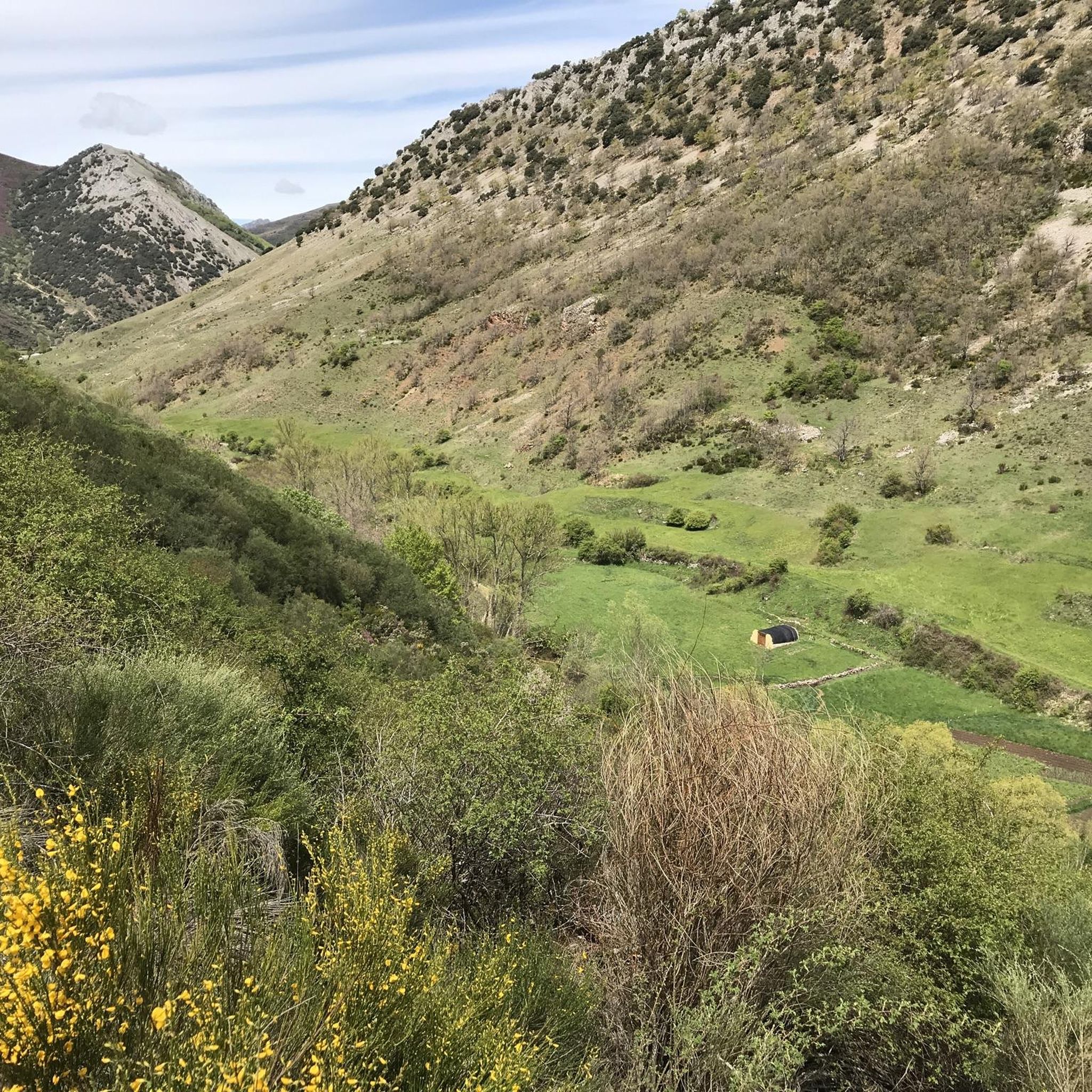
Best natural monuments around Vegacervera showcase the geological and ecological richness of this region in León, Spain. The landscape is characterized by dramatic limestone formations, river-carved gorges, and ancient forests. This area offers diverse natural features, from underground caves to towering cliffs and protected woodlands. It provides opportunities to explore unique geological phenomena and observe varied flora and fauna.
Best natural monuments around Vegacervera
- The most popular natural monuments is Ciñera Beech Forest, a forest that is part of…
Last updated: July 1, 2026
Ciñera Beech Forest
Highlight • Forest
Translated by Google •
Tip by

Nocedo Waterfall
Highlight • Waterfall
Translated by Google •
Tip by
Sign up now to discover places like this
Get recommendations on the best single tracks, peaks, & plenty of other exciting outdoor places.
Sign up for free
Vegacervera Gorge
Highlight • Gorge
Translated by Google •
Tip by

Stratotype of the La Vid Group
Highlight • Natural Monument
Translated by Google •
Tip by

Faedo de Orzonaga
Highlight (Segment) • Forest
Translated by Google •
Tip by

Sign up for free to discover even more natural monuments around Vegacervera.
Sign up for free
Already have an account?
Start today with a free account
Your next adventure awaits.
Login or Signup
Tips from the Community

Nocedo Waterfall, also known as Cola de Caballo Waterfall, is one of the most accessible and spectacular natural spots in the Central León Mountains, located near Nocedo de Curueño, in the municipality of Valdepiélago. Approximately 4 meters high, it was formed by the Valdecésar stream as it negotiates a steep drop on its way to the Curueño River.
4
0

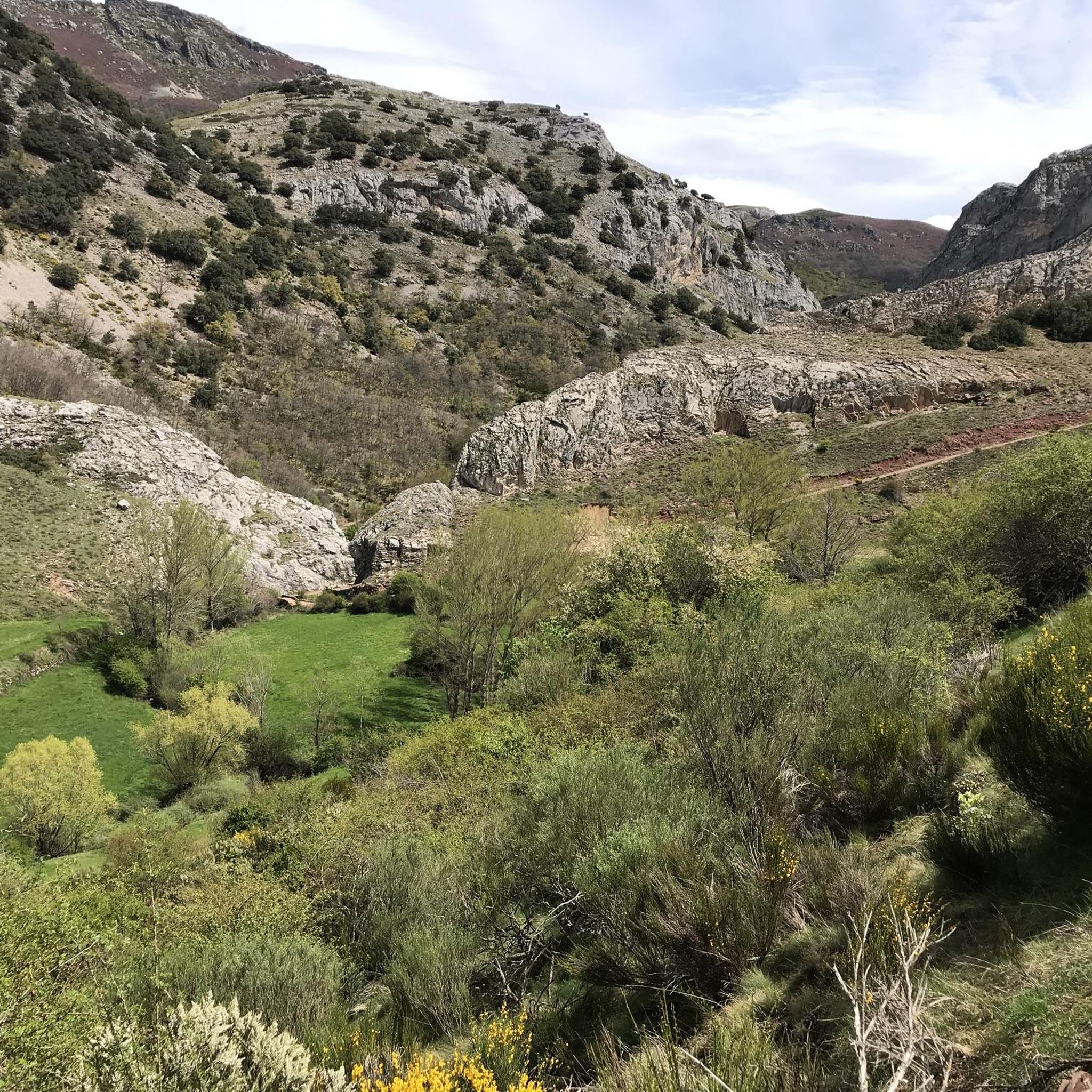
The Vegacervera Gorges are a protected natural area in the north of the province of León, Castile and León, Spain, near Asturias. • It is an impressive canyon carved by the Torío River, with limestone walls that exceed 100 meters in height and, in some sections, barely 15 meters wide. • The area encompasses municipalities such as Vegacervera, Cármenes, Matallana de Torío, and Valdepiélago.
0
0
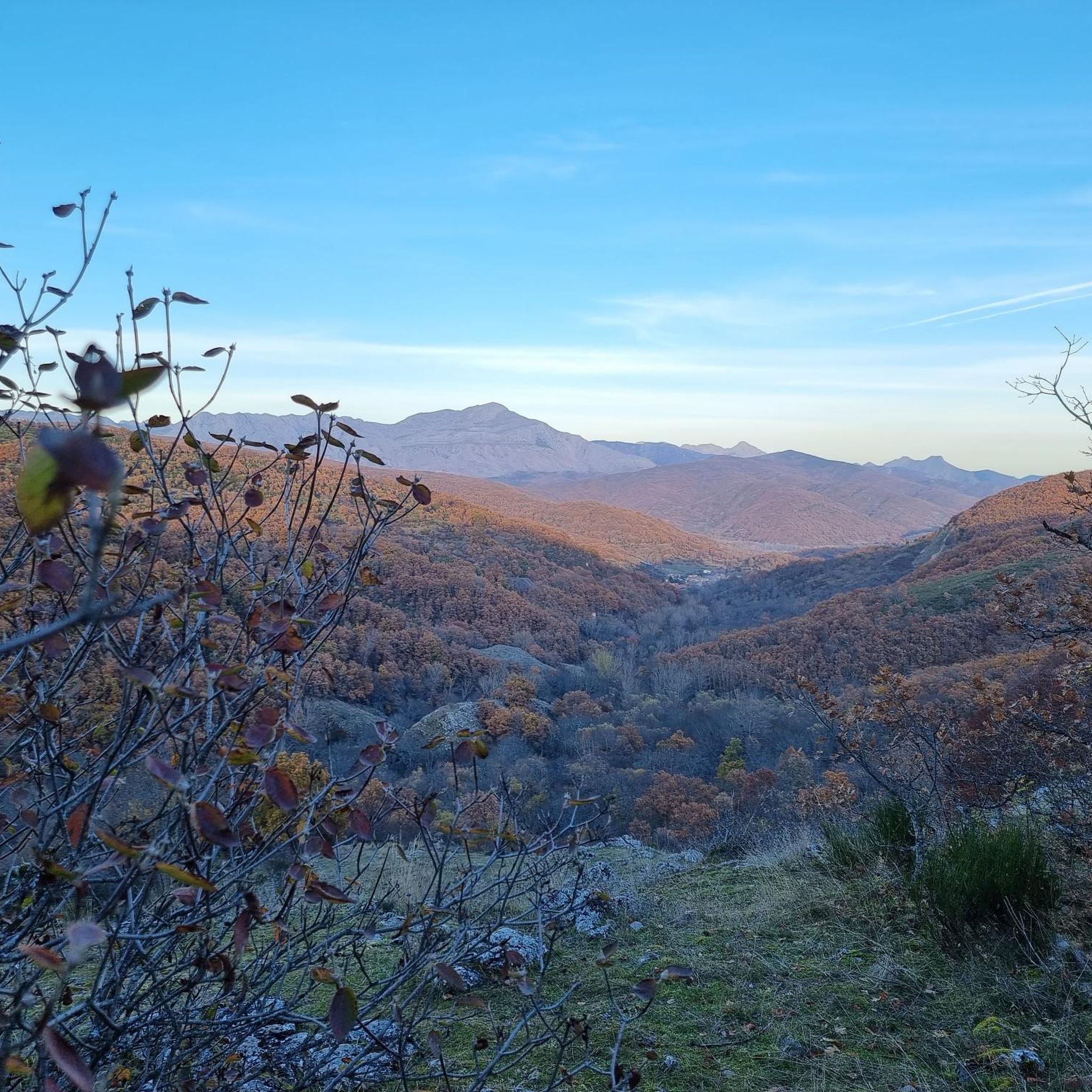
The Ciñera Beech Forest is a charming beech forest located between the towns of Villar del Puerto (Vegacervera) and Ciñera de Gordón. This forest is part of the Alto Bernesga Biosphere Reserve and was recognized as the best forest in Spain in 2008.
4
0

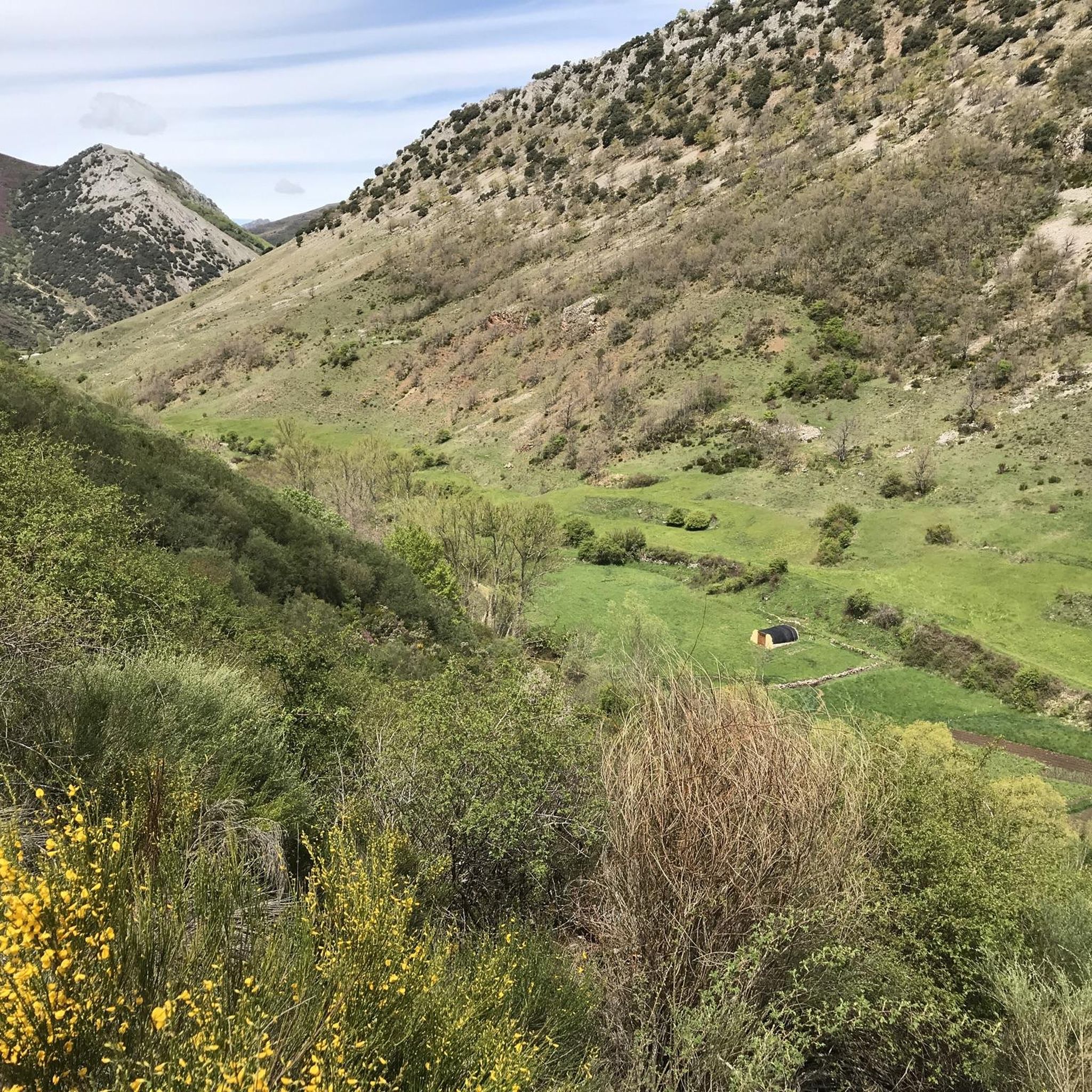
Geologists group sedimented rocks into units called "formations", these are groups of rocks with a specific age and characteristics that can be recognized in the field and, therefore, represented on a geological map. Every formation has a reference outcrop, as representative and accessible as possible, known as a "stratotype." The stratotype of the La Vid Group is located in La Vid de Gordón, a set of four formations from the Devonian period that are named Felmin, La Pedrosa, Val Porquero and Coladilla. Each of them presents different types of rocks, as were the conditions in which they were formed. A tour of this stratotype. It allows us to verify that the Paleozoic seas were changing, due to the evidence that these changes have left in the rocks.
1
0

It is 50 meters from the road. It is accessed by some footbridges. Bike on the shoulder Please be calm: be discreet
0
0
Good area with hardly any difficulty parallel to the Ciñera stream and it is perfect to go with the little ones.
7
1

Also known as Cascada de Valdecesar or Cola de Caballo, it has become popular in recent times. Easily accessible if we park the car on the side of the road or if we are more adventurous, we can do the route from Valdorria through the Forest of Fairies or Támbore, where we must go carefully if we go in rainy or winter seasons due to to icy and/or slippery areas.
2
1
Beautiful section that we find in the Faedo de Ciñera. Without a doubt, autumn is the best time to visit this place, when you can see them in all their splendor. The path here is easy and suitable for the whole family.
2
0
Frequently Asked Questions
What are some of the most impressive natural features to explore in the Vegacervera region?
The Vegacervera region is renowned for its dramatic geological formations and lush landscapes. You can explore the towering limestone cliffs of Vegacervera Gorge, where the Torío River has carved a spectacular canyon. Another highlight is the ancient Ciñera Beech Forest, known for its centuries-old trees and vibrant autumn colors. Don't miss the Nocedo Waterfall, an accessible and beautiful cascade formed by the Valdecésar stream.
Are there family-friendly natural monuments suitable for all ages around Vegacervera?
Yes, the Ciñera Beech Forest is an excellent choice for families. It offers an easy, mostly flat, and well-signposted hiking route, making it suitable for visitors of all ages, including those with small children. The serene atmosphere and impressive 'Fagus' tree provide an enchanting experience.
What kind of hiking opportunities are available near Vegacervera's natural monuments?
The region offers a variety of hiking trails catering to different skill levels. For an easy walk, consider the 'Faedo de Ciñera - circular route' or the 'ExoKarst Route' through Valporquero de Torío. More challenging options include the 'Ascent to Polvoredo from Vegacervera'. You can find more details and routes on the Hiking around Vegacervera guide.
When is the best time of year to visit the natural monuments in Vegacervera?
Autumn is particularly spectacular for visiting the Ciñera Beech Forest, as the leaves turn vibrant ochre and red. Spring and autumn are also ideal for experiencing the Vegacervera Gorge and other outdoor areas, as the weather is generally pleasant for hiking. If visiting the Cueva de Valporquero, spring and autumn rains enhance the underground stream's flow, adding to the experience.
Can I explore underground caves in the Vegacervera area?
Absolutely. The Cueva de Valporquero, located within the Hoces de Vegacervera, is a magnificent underground cave system. It features diverse speleothems like stalactites and stalagmites, and an underground river. Guided tours typically last around 90 minutes, allowing visitors to marvel at the intricate geological formations. Remember to bring warm clothing, as temperatures inside the cave are consistently cool. You can find more information about the cave on Visit A City.
What wildlife can be spotted in the natural parks around Vegacervera?
The protected natural areas, such as the Vegacervera Gorge, are rich in biodiversity. Birdwatchers can look for aquatic birds like dippers and wagtails, as well as various raptors. The region is also home to larger mammals such as wolves, Pyrenean desman, and montane lizards, though spotting them requires patience and luck.
Are there opportunities for cycling near the natural monuments?
Yes, the region offers several road cycling routes. You can explore scenic loops like the 'Barrios de Luna Reservoir and La Robla Loop' or the 'Alto Bernesga and Los Argüellos Biospheres Loop'. There are also routes that take you through the Vegacervera Gorge. For detailed routes and distances, check the Road Cycling Routes around Vegacervera guide.
What makes the Vegacervera Gorge a significant natural monument?
The Vegacervera Gorge is a testament to millennia of geological processes. Its towering limestone cliffs, reaching up to 500 meters, and the narrow valley carved by the Torío River create a dramatic landscape. It features unique geological phenomena like 'marmitas de gigante' (giant's kettles) and is an important area for rock climbing, offering stunning panoramic views.
What is the Stratotype of the La Vid Group?
The Stratotype of the La Vid Group is a significant geological site located in La Vid de Gordón. It serves as a reference outcrop for a set of four formations from the Devonian period: Felmin, La Pedrosa, Val Porquero, and Coladilla. Geologists use this site to study different rock types and understand the changing conditions of Paleozoic seas, making it a key location for geological research and education.
What do visitors enjoy most about the natural monuments around Vegacervera?
Visitors frequently praise the spectacular panoramic views, especially within the Vegacervera Gorge. The tranquility and beauty of the Ciñera Beech Forest, particularly its vibrant autumn colors and family-friendly paths, are also highly appreciated. The accessibility and impressive sight of the Nocedo Waterfall also receive positive feedback from the komoot community.
Are there any running trails available in the natural areas?
Yes, there are several running trails for those who enjoy trail running. Options include the 'Faedo de Ciñera – trail running circular' within the Alto Bernesga Biosphere Reserve, and more challenging routes like the 'Pico Gallo y Monte Brición – trail running circular'. You can explore these and other routes in the Running Trails around Vegacervera guide.
Most popular attractions around Vegacervera

Get inspired with the komoot mobile app


Explore more
Extend your search for the best caves by checking out these guides of the top ones around Vegacervera:
