Top 20 Natural Monuments around Maraña
Best natural monuments around Maraña include a variety of summits, viewpoints, and natural features within the Cantabrian Mountains. The region offers diverse landscapes, from high peaks to forested areas and river valleys. These natural monuments provide opportunities for outdoor exploration and appreciation of the local environment. The area is characterized by its mountainous terrain and natural beauty.
Best natural monuments around Maraña
- The most popular natural monuments is Susarón Peak (1,878 m), a summit that offers views of the…
Last updated: November 1, 2026
Yordas (1,967 m)
Highlight • Summit
The ascent …
Translated by Google •
Tip by

El Tabayón del Mongayu Waterfall Trail
Highlight • Trail
Translated by Google •
Tip by

Sign up now to discover places like this
Get recommendations on the best single tracks, peaks, & plenty of other exciting outdoor places.
Tabayón del Mongayu Waterfall
Highlight • Waterfall
Translated by Google •
Tip by
Susarón Peak (1,878 m)
Highlight • Summit
Translated by Google •
Tip by
Texu la Oración Viewpoint
Highlight • Viewpoint
Translated by Google •
Tip by
Sign up for free to discover even more natural monuments around Maraña.
Already have an account?
Start today with a free account
Your next adventure awaits.
Other adventures around Maraña

Tips from the Community

The Tabayón del Mongallu, with its 60 meters of height, is quite impressive. It doesn't just fall straight down, it looks very beautiful, even if it doesn't carry huge amounts of water. After the last stretch to the waterfall, which is a bit steeper on a scree ground, you can take a slightly longer break here. It's quite cool near the waterfall, which is very good on a hot day.
0
0
From Tarna to the waterfall, two paths lead, relatively direct or a bit longer and flatter along the stream. Together, as PR-AS 060 Ruta del Tabayón de Mongallu, they form a beautiful circular route, where you relatively rarely encounter other hikers - only at the waterfall did I have some company. The loop is good for warming up before hiking longer distances, it certainly has a few strenuous climbs but is quite manageable. The last stretch to the waterfall is quite rocky, you should take your time on the descent here.
0
0

In case of morning frost, when climbing the waterfall, put snow boots
1
0

Wonderful views of Riaño and the lakes
1
0


A beautiful route to do in the Redes Natural Park, in autumn or at any time of the year. The difficulty is low and it is suitable for children.
2
0
Beautiful waterfall to see. "Tabayón" is synonymous with "waterfall" in Bable. To go up to the waterfall there is a slightly steep slope of loose stones, so especially to go down you have to be careful not to slip.
2
0

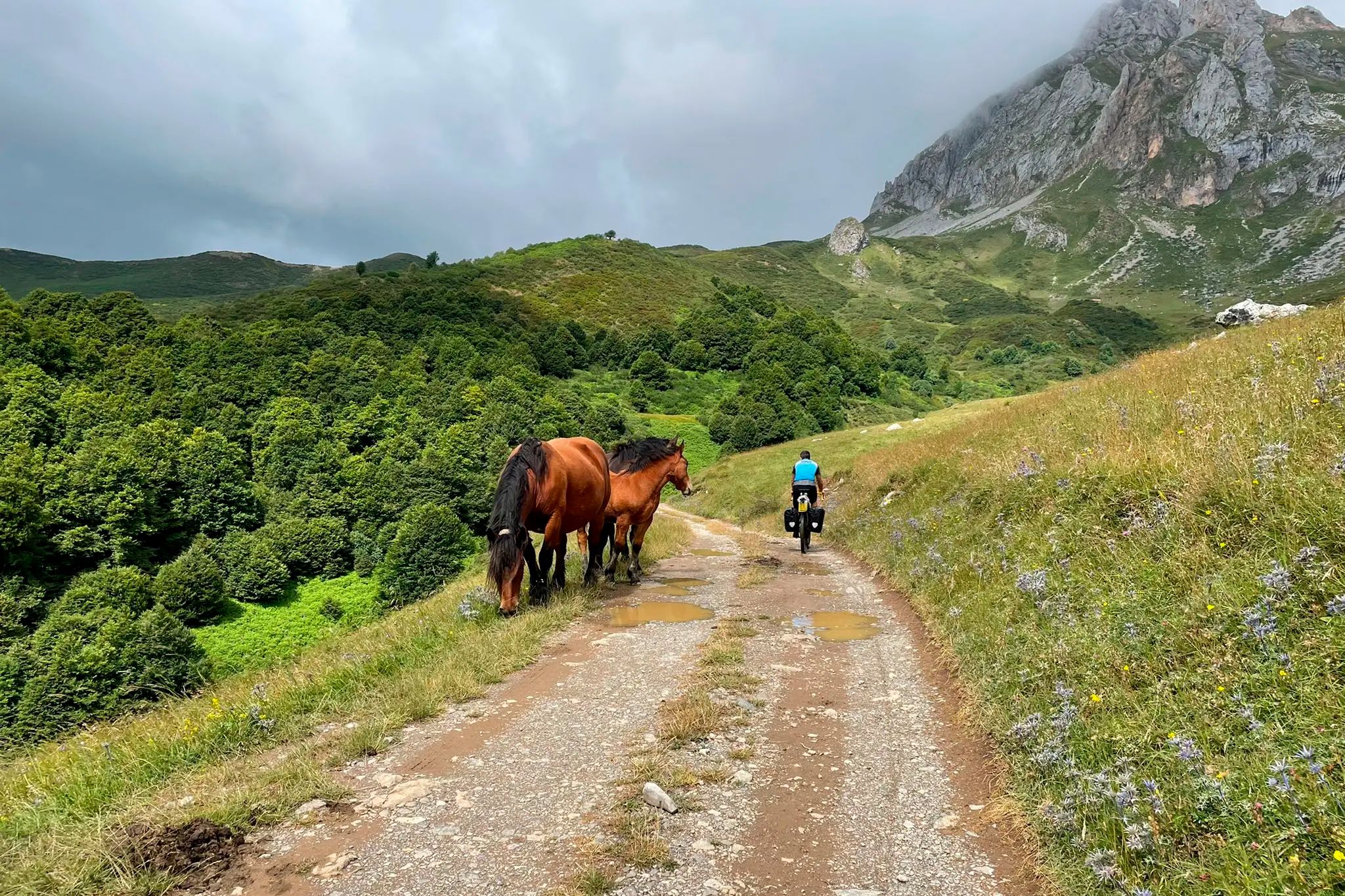
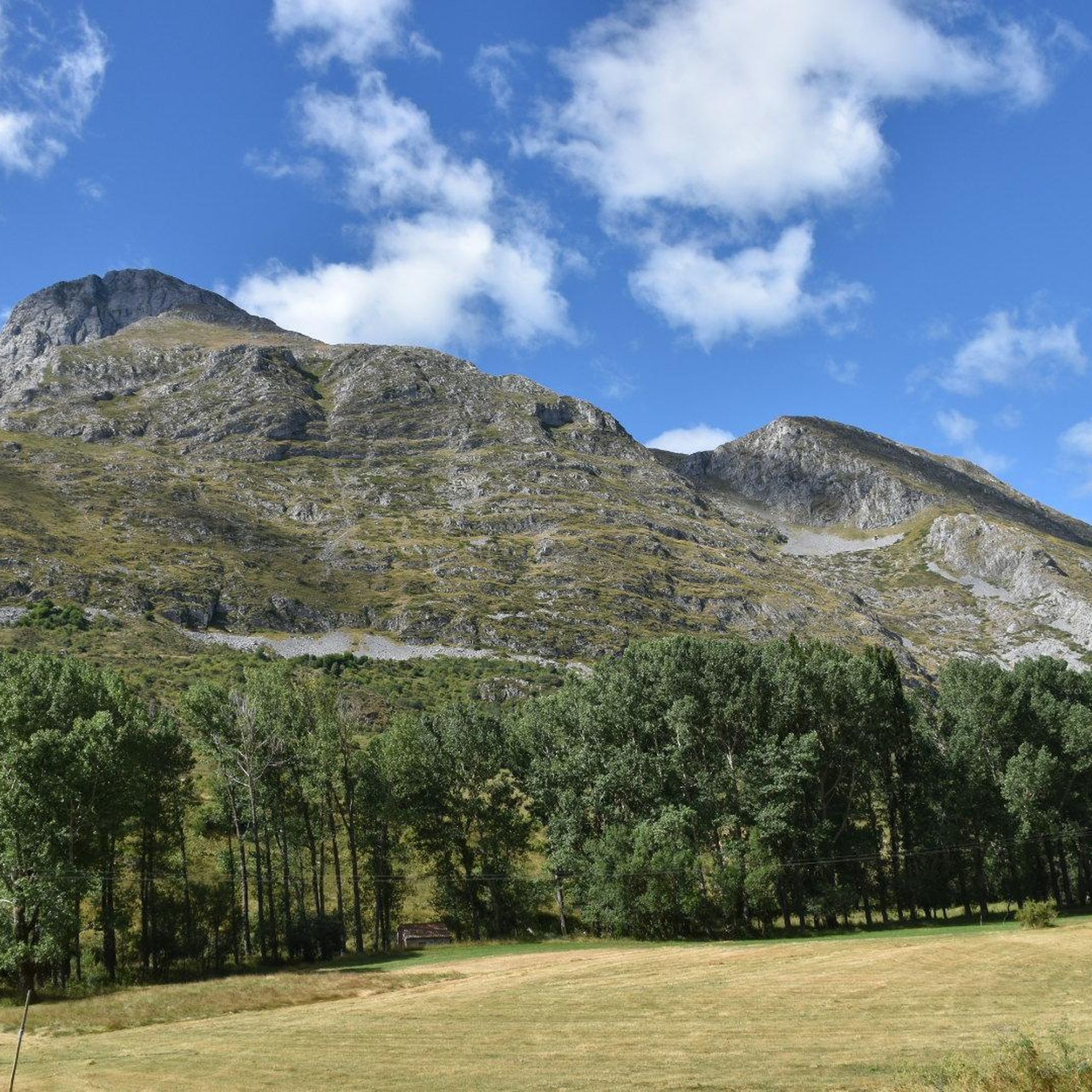
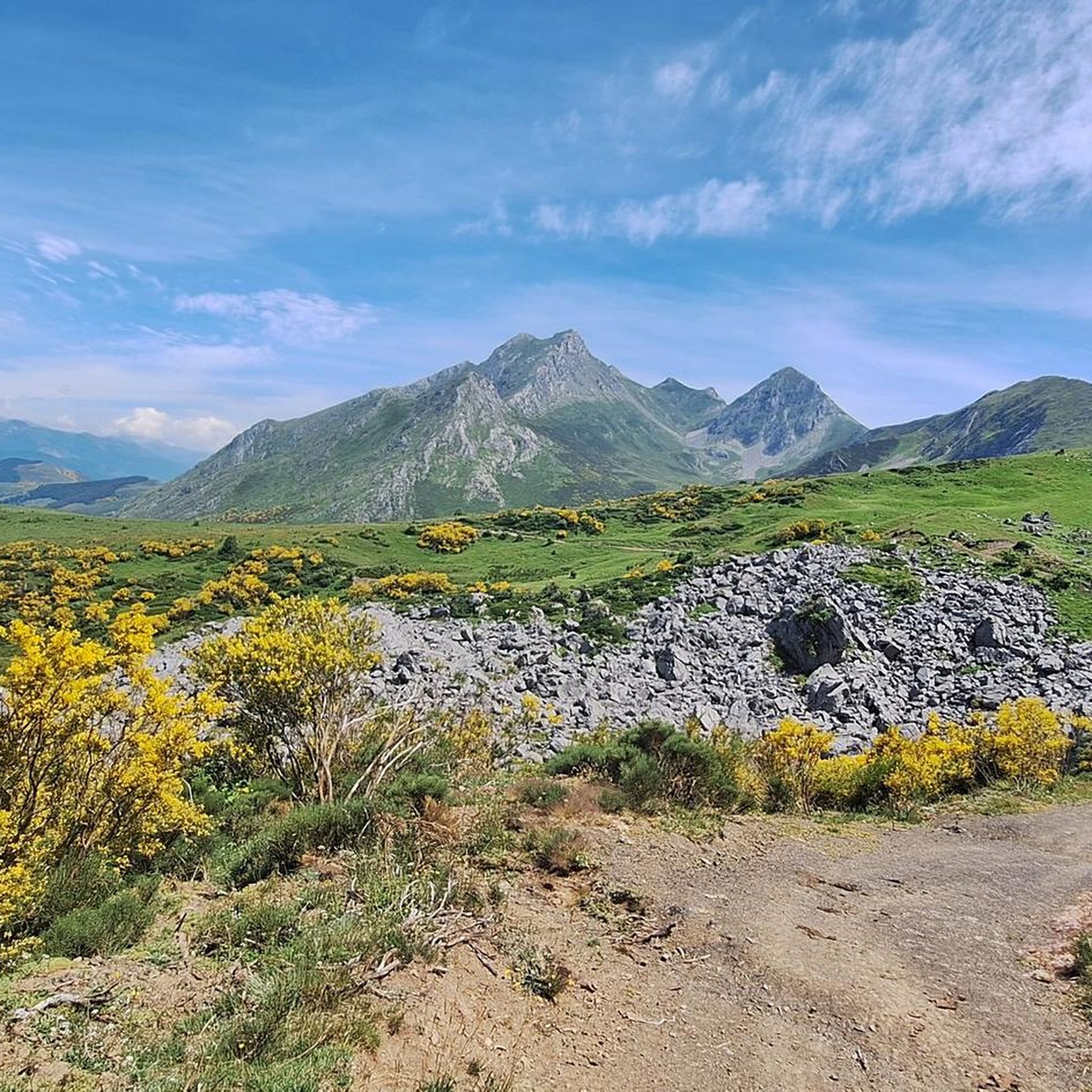
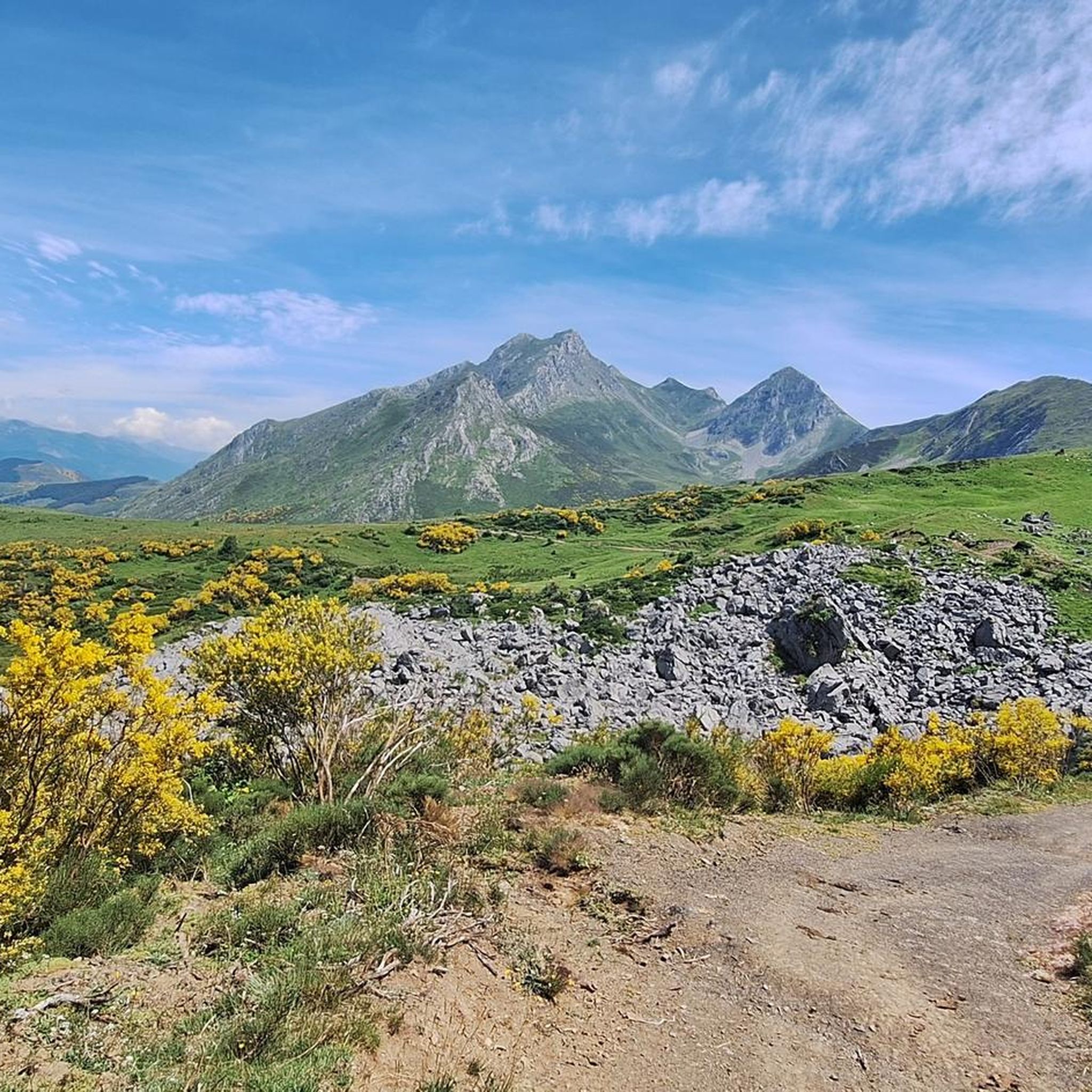
Pico Yordas or Buríon is located 1,967 meters above sea level and is one of the most emblematic peaks of the Montaña de Riaño y Mampodre Regional Park. The ascent is perfectly signposted with milestones and does not offer major complications. From the summit we can see all the mountains around Riaño, highlighting Peñas Pintas and Pico Gilbo. We also enjoy spectacular views of the Alto de la Rasa, the Palencia Mountain, the Picos de Europa and the Mampodre Massif, without forgetting the main peaks of the Cantabrian Mountains.
2
0
Frequently Asked Questions
What kind of natural monuments can I expect to find around Maraña?
Around Maraña, you'll discover a variety of natural monuments, primarily focusing on impressive summits, scenic viewpoints, and beautiful natural features within the Cantabrian Mountains. These include high-altitude peaks like Yordas (1,967 m) and Susarón Peak (1,878 m), as well as stunning viewpoints such as Texu la Oración Viewpoint, offering diverse landscapes from rugged peaks to forested areas.
Which natural monuments offer the best panoramic views in Maraña?
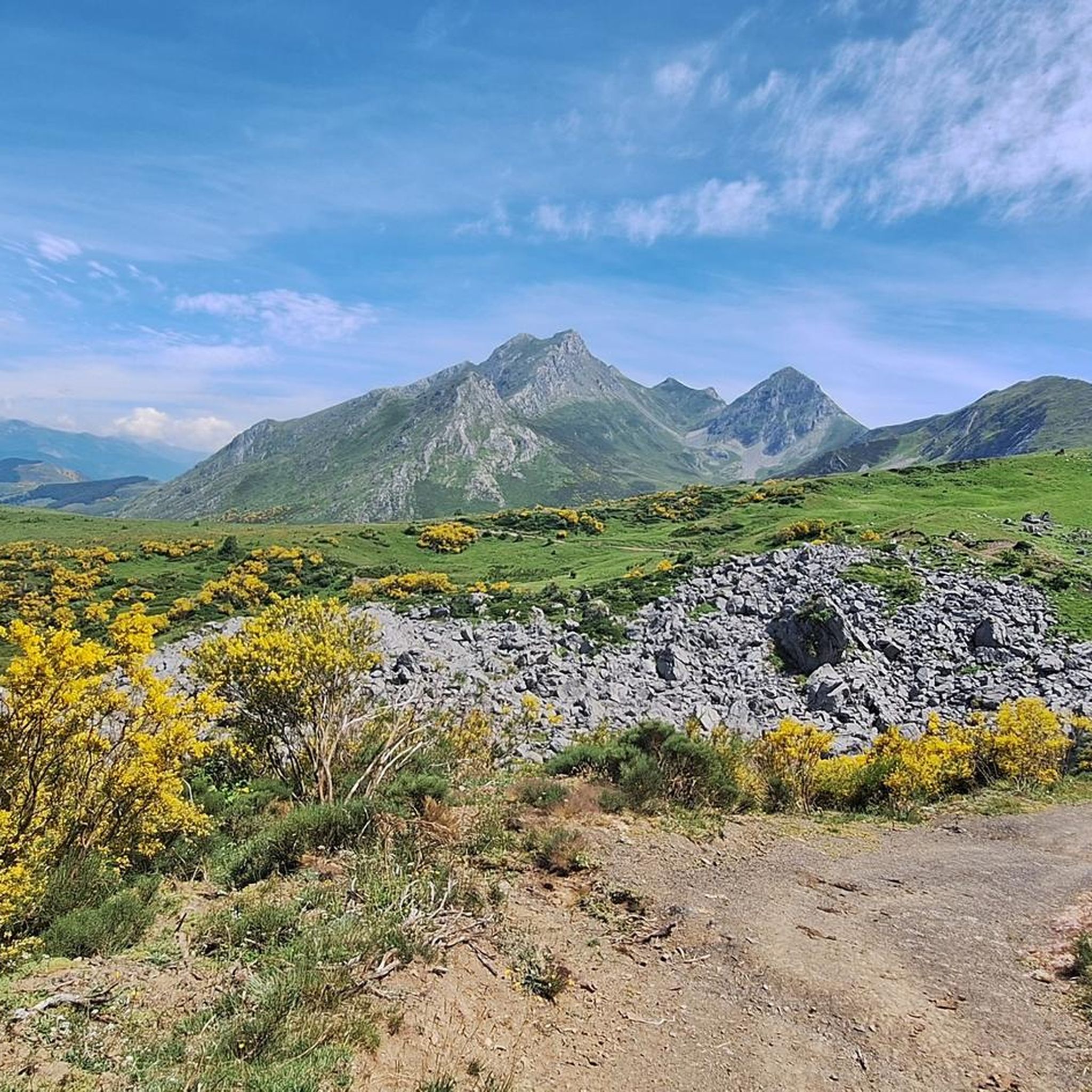
For breathtaking panoramic views, consider visiting Susarón Peak (1,878 m), which is considered one of the best watchtowers to contemplate the surroundings of the Pantano del Porma. Yordas (1,967 m) also provides extraordinary views of the Leonese Mountain, the Palentina, the peaks of Mampodre, and the Picos de Europa. Additionally, Texu la Oración Viewpoint offers excellent vistas of La Rapaona and Peña del Viento within the Redes Natural Park.
Are there any challenging hikes to natural monuments in Maraña?
Yes, several natural monuments around Maraña involve challenging hikes. The ascent to Yordas (1,967 m) is well-marked but still considered challenging, offering significant rewards with its extensive views. Similarly, reaching Susarón Peak (1,878 m) is also categorized as a challenging endeavor, providing impressive vistas of the Pantano del Porma.
Are there family-friendly natural monuments or trails in Maraña?
The Brañagallones Refuge is located in a scenic Vega and is considered family-friendly. While the initial part of the route from Bezanes can be hard, there's a public service available to reach the Vega, making it more accessible for families. From the refuge, you can embark on several beautiful hiking trails suitable for various skill levels.
What outdoor activities are popular near Maraña's natural monuments?
The area around Maraña's natural monuments is excellent for various outdoor activities. You can find numerous routes for cycling, mountain biking (MTB), and running. For example, there are challenging cycling loops like the 'Puebla de Lillo: Tarna and Las Señales Pass Loop' and MTB trails such as the 'Susarón Loop Trail'. Runners can enjoy routes like 'Yordas (1,967 m) loop from Liegos'. You can explore more options in the Cycling around Maraña, MTB Trails around Maraña, and Running Trails around Maraña guides.
Are there specific routes for cycling near Maraña's natural monuments?
Yes, there are several cycling routes that allow you to explore the natural beauty near Maraña. Popular options include the 'Puebla de Lillo: Tarna and Las Señales Pass Loop' and the 'Maraña Hostel – Riaño Reservoir loop from Maraña'. These routes often feature challenging terrain and offer scenic views of the surrounding mountains and reservoirs. For more details, check the Cycling around Maraña guide.
What about running trails around Maraña's natural monuments?
Maraña offers a variety of running trails, many of which pass by or offer views of the natural monuments. You can find challenging routes like the 'Yordas (1,967 m) loop from Liegos' or the 'Susarón – El Torreón loop from Puebla de Lillo'. These trails provide an excellent way to experience the mountainous terrain and natural landscapes. More running options are available in the Running Trails around Maraña guide.
What is the best time of year to visit the natural monuments in Maraña?
The best time to visit the natural monuments in Maraña largely depends on the activities you plan. During warmer months, hiking to summits like Yordas and Susarón is generally more accessible. However, the region is part of the Cantabrian Mountains, so winter conditions can bring snow and ice, especially at higher elevations. If visiting in winter, be prepared for cold weather and potential snow, particularly when heading to the Tabayón del Mongayu Waterfall, where snow boots might be necessary due to morning frost.
What should I wear when hiking to natural monuments in Maraña?
When hiking to natural monuments in Maraña, it's essential to dress in layers, as mountain weather can change quickly. Sturdy hiking boots with good ankle support are crucial, especially for trails with loose stones, such as the path to the Tabayón del Mongayu Waterfall. If you're visiting during colder months or when there's a chance of frost, consider wearing snow boots for better grip and warmth. Always bring waterproof outerwear and sufficient water.
Are there any waterfalls to visit in the Maraña area?
Yes, the Tabayón del Mongayu Waterfall is a notable natural monument in the area. 'Tabayón' is a local term for waterfall, and this one is particularly beautiful. Be aware that the path to the waterfall can have a slightly steep slope with loose stones, so caution is advised, especially on the descent. In case of morning frost, snow boots are recommended for the climb.
Where can I find accommodation or facilities near the natural monuments?
The Brañagallones Refuge serves as a key facility in a scenic Vega. It offers a place to sleep and eat, making it a convenient base for exploring nearby hiking trails. While it's a bit of a journey to reach, there's a public service available to transport visitors to the Vega, avoiding the 11km walk from the nearest town, Bezanes.
What do visitors enjoy most about the natural monuments in Maraña?
Visitors frequently praise the spectacular views and the sense of immersion in nature. The panoramic vistas from summits like Yordas and Susarón Peak are often highlighted as truly impressive. The tranquility and dreamlike landscapes, particularly around places like the Brañagallones Refuge, are also highly appreciated by the komoot community.
Most popular attractions around Maraña

Get inspired with the komoot mobile app


Explore more
Extend your search for the best caves by checking out these guides of the top ones around Maraña:
