Top 14 Natural Monuments around Cueva Del Hierro
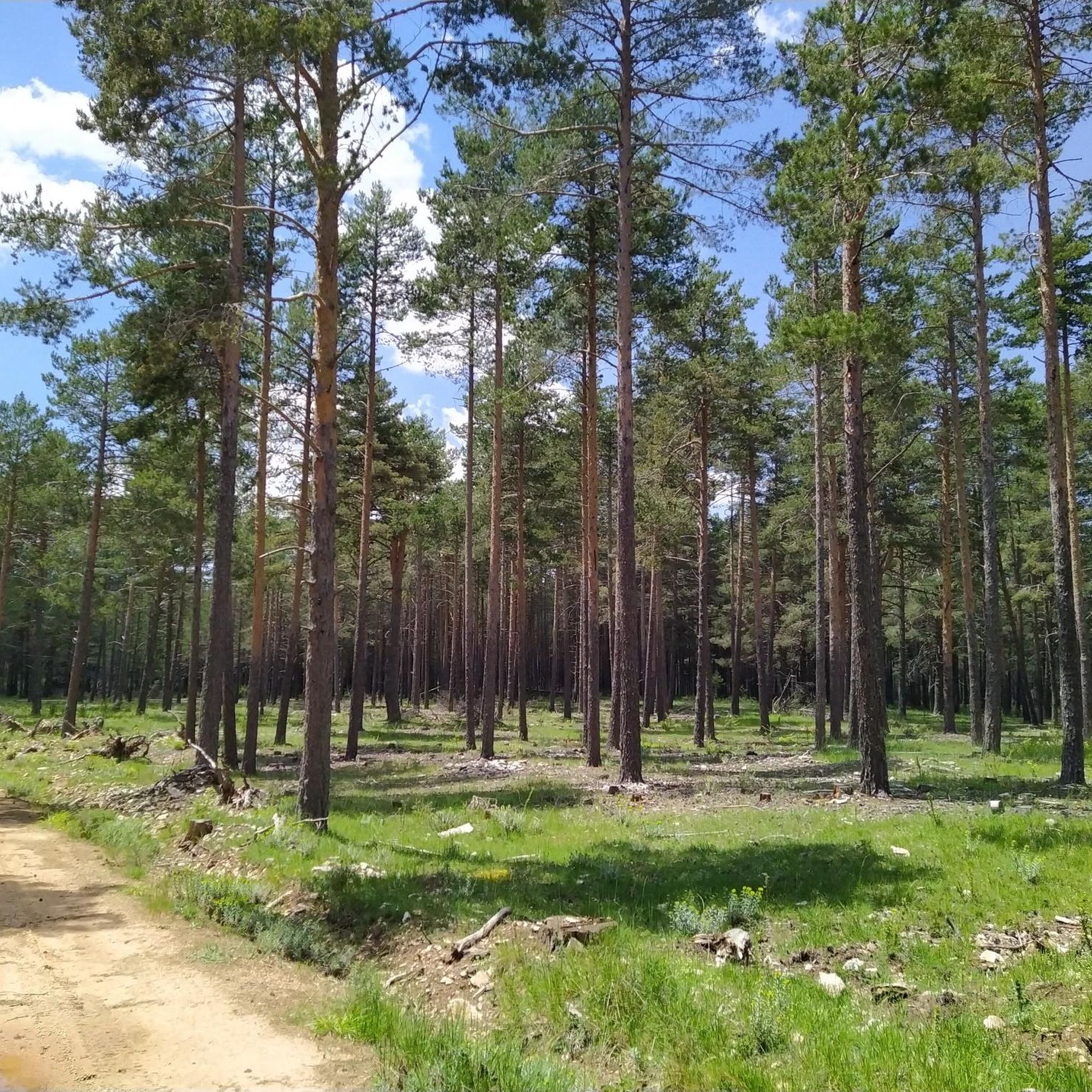
Natural monuments around Cueva Del Hierro are situated within the Serranía Alta of Cuenca, Spain, an area known for its rich natural landscape and historical significance. The region is characterized by mountainous terrain, forests, and river valleys, forming part of the Parque Natural de la Serranía de Cuenca. This setting offers a blend of geological features and historical sites, including ancient mines. The area provides opportunities for exploring natural formations and engaging with the local environment.
Best natural monuments around…
Last updated: May 20, 2026
Suspension bridge over the River Tajo
Highlight • Bridge
Translated by Google •
Tip by

Estrecho del Horcajo Viewpoint
Highlight • Viewpoint
Translated by Google •
Tip by

Sign up now to discover places like this
Get recommendations on the best single tracks, peaks, & plenty of other exciting outdoor places.
Sign up for free
Laguna de Taravilla
Highlight • Lake
Translated by Google •
Tip by
Salto de Poveda Waterfall
Highlight • Waterfall
Translated by Google •
Tip by
Laguna Grande de El Tobar
Highlight • Lake
Translated by Google •
Tip by
Sign up for free to discover even more natural monuments around Cueva Del Hierro.
Sign up for free
Already have an account?
Start today with a free account
Your next adventure awaits.
Login or Signup

Tips from the Community

This viewpoint is located in a privileged place in front of a spectacular rocky cliff, which if you pass by on your bike on a hot day when the heat reflects its image on this wall... I think you'll have to stop and rest for a few seconds.
9
0
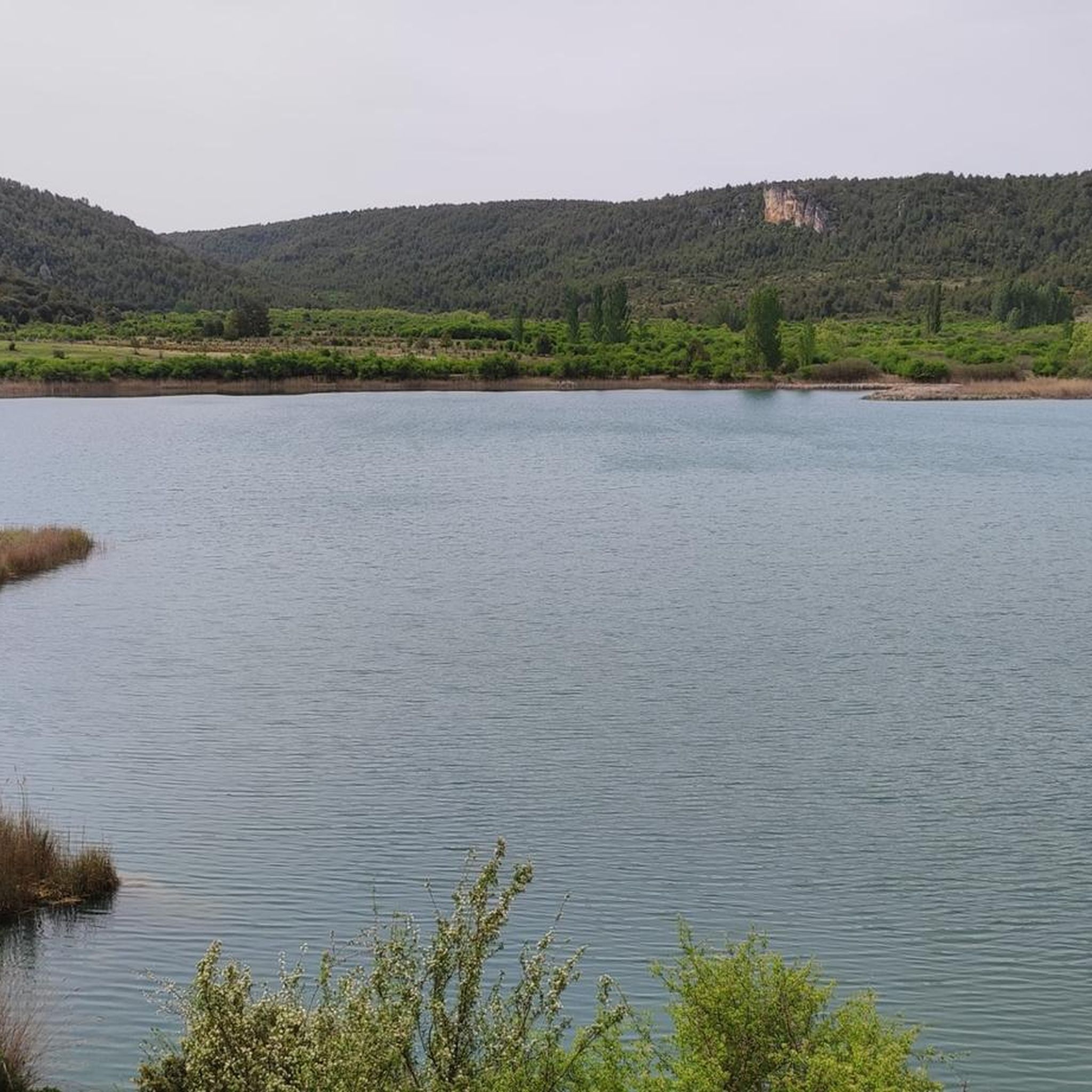
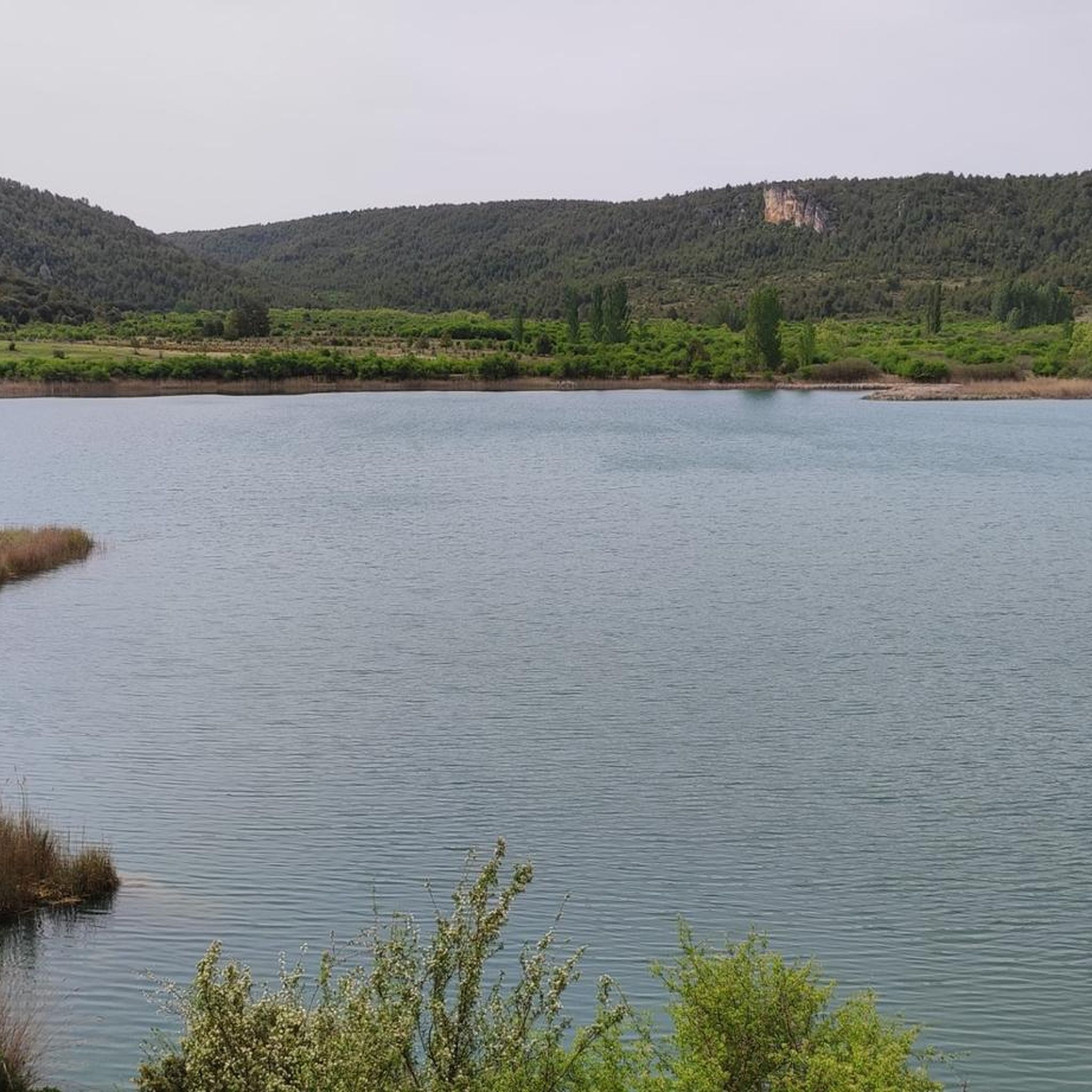
What an exclusive paradise and privileged setting this lagoon has, whose waters come almost exclusively from underground seepage. Swimming is permitted in this lagoon, but recreational diving is prohibited.
9
0
This is undoubtedly one of the Tagus's great wonders. Crossing the beautiful river on a suspension bridge like this one, where motor vehicles are prohibited, reduces the number of crossing options. Walkers and cyclists can enjoy the oscillating motion experienced by the bridge's anchorage. Absolutely recommended!
7
0
This suspension bridge is truly a symbol of the area, allowing you to cross the river from one bank to the other with truly unique views. As you ride your bike across, you can observe the movement and the noise caused by the weight of the straps. If you don't suffer from heights of height, you can enjoy the Tagus River from there.
6
0
Also known as Laguna de la Parra, it is a concentration of crystal-clear waters, primarily groundwater. This accumulation of clean water allows for swimming and other activities related to the environment, such as hiking; however, recreational diving is prohibited.
5
0

Quiet place to walk and take a bath.
0
0

Laguna Grande is located near Masegosa, in the Serranía de Cuenca. It is part of the Lagunas de El Tobar, which also include Laguna Pequeña and Laguna Ciega. Laguna Grande has a perimeter of about three kilometres and a depth of approximately 20 metres in the centre. Laguna Grande is a wildlife refuge, where otters and various aquatic birds can be observed. It is also an authorised bathing area during the summer, making it a popular destination for visitors.
6
0
The Salto de Poveda, an impressive waterfall that forms a natural pool, ideal for a refreshing swim in summer.
6
0
Frequently Asked Questions
What are some unique natural features to explore around Cueva del Hierro?
The region around Cueva del Hierro offers a blend of natural beauty and historical significance. You can explore the ancient Roman Mine of Cueva del Hierro, which combines subterranean geological formations with human history. Beyond the mine, highlights include the Suspension bridge over the River Tajo, offering views of the Tagus Valley, and the dramatic Estrecho del Horcajo Viewpoint, providing panoramic vistas of a rocky canyon within the Alto Tajo Natural Park.
Are there any significant historical natural monuments in the area?
Yes, the most significant historical natural monument is arguably the Roman Mine of Cueva del Hierro itself. This ancient iron mine, with over 2,000 years of history, allows visitors to explore hand-excavated subterranean galleries. It's a unique blend of natural geology and industrial heritage, offering a journey more than 30 meters underground where you can see mineral deposits and experience profound silence.
What kind of landscapes can I expect to see in the natural monuments around Cueva del Hierro?
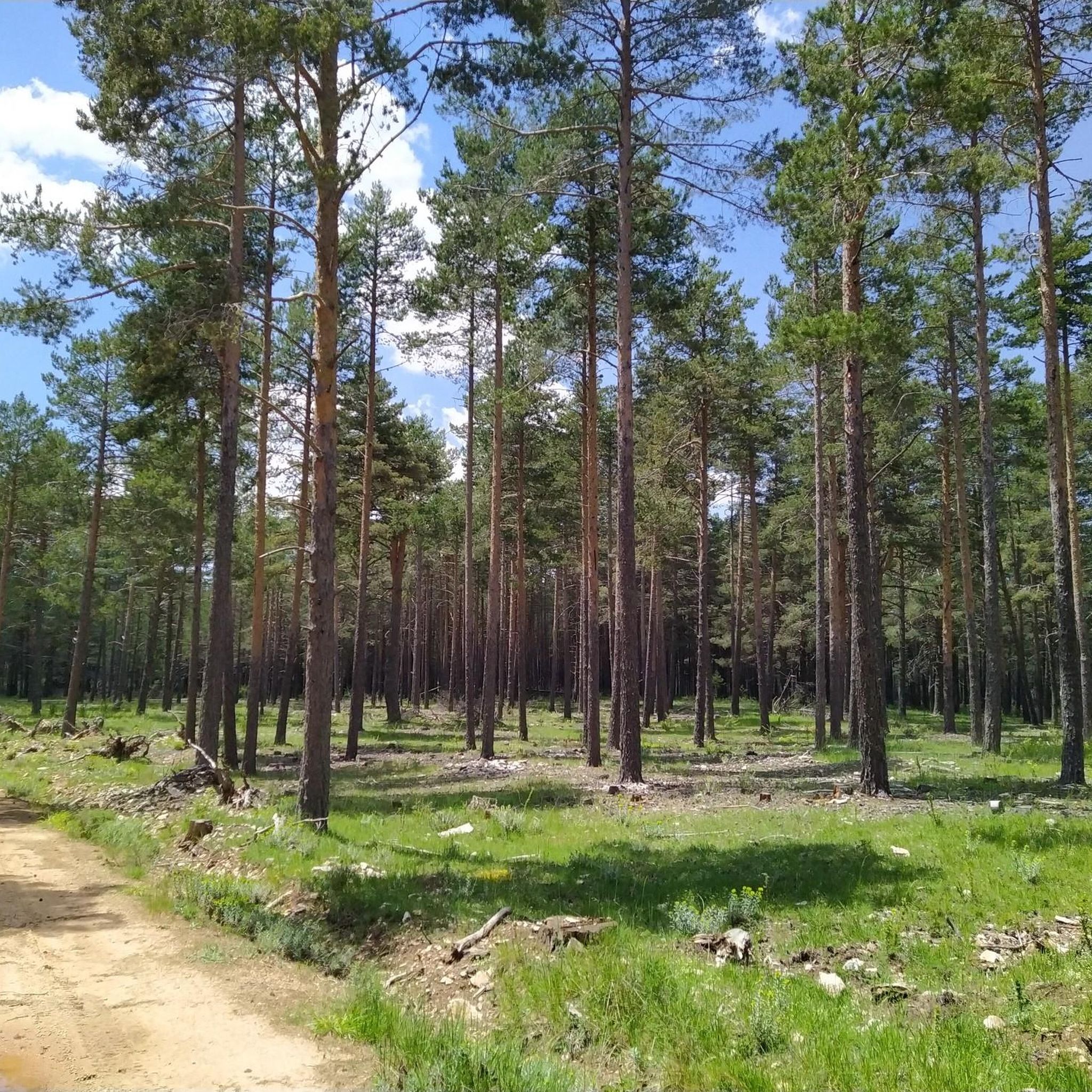
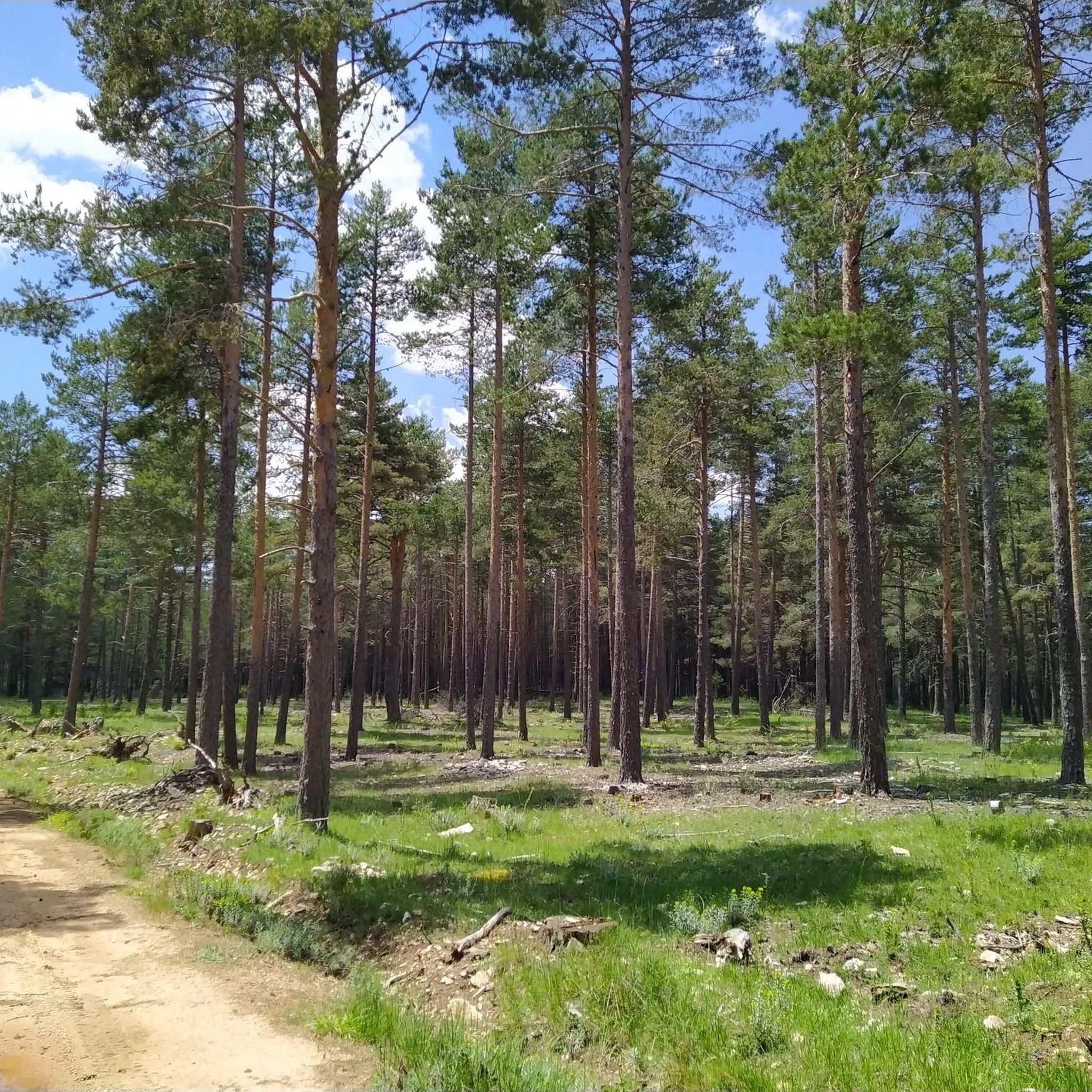
The natural monuments are nestled within the Serranía Alta of Cuenca, part of the Parque Natural de la Serranía de Cuenca. You can expect mountainous terrain, extensive pine forests, and river valleys. The landscape features include tranquil lakes like Laguna de Taravilla, impressive canyons, and picturesque river settings, such as those found near the Salto de Poveda Waterfall.
Are there family-friendly natural monuments suitable for children?
Yes, several natural monuments are suitable for families. Laguna de Taravilla is a popular spot for hiking and other activities, with clear waters where swimming is permitted. Another great option is Laguna Grande de El Tobar, which is a wildlife refuge where otters and aquatic birds can be observed, and it's an authorized bathing area during summer.
What outdoor activities can I do near the natural monuments around Cueva del Hierro?
The area offers a variety of outdoor activities. You can find numerous routes for cycling, road cycling, and gravel biking. For example, there are challenging cycling routes like the 'Parque Natural del Alto Tajo — circular desde Beteta' and road cycling routes such as the 'Serranía de Cuenca and Alto Tajo Loop'. You can explore more options and detailed routes in the Cycling around Cueva Del Hierro guide.
Are there hiking trails that lead to or connect natural monuments?
Yes, the region is excellent for hiking. The area is integrated into the Parque Natural de la Serranía de Cuenca, offering various trails. For instance, the circular route “El Salto de Poveda” starts at Laguna de Taravilla and passes by the Salto de Poveda Waterfall and the Suspension bridge over the River Tajo. The broader natural park also serves as a starting point for trails like the PR-CU-04 Sendero de las Dehesas and PR-CU-05 Sendero del Nacimiento del río Guadiela.
What is the best time of year to visit the natural monuments around Cueva del Hierro?
The region is beautiful throughout the year, but the best time to visit largely depends on your preferred activities. Spring and autumn offer pleasant temperatures for hiking and cycling, with lush landscapes or vibrant fall colors. Summer is ideal for enjoying the bathing areas at lagoons like Laguna de Taravilla and Laguna Grande de El Tobar. Winter can offer a serene, snow-dusted landscape, though some trails might be more challenging.
What do visitors enjoy most about the natural monuments in this area?
Visitors particularly enjoy the unique combination of historical exploration and natural beauty. The Roman Mine offers a fascinating journey into the past, while the surrounding natural park provides opportunities for tranquility and adventure. Many appreciate the stunning panoramic views from spots like the Estrecho del Horcajo Viewpoint and the refreshing experience of swimming in the clear waters of the lagoons. The area is also highly rated for its diverse hiking and cycling routes.
Are there any natural monuments with water features like waterfalls or lakes?
Yes, the area is rich in water features. You can visit the Salto de Poveda Waterfall, which forms a natural pool ideal for a refreshing swim. There are also beautiful lakes such as Laguna de Taravilla, known for its clear waters and as a popular spot for swimming, and Laguna Grande de El Tobar, a significant wildlife refuge and bathing area.
What kind of wildlife can be observed near the natural monuments?
The natural environment of the Serranía de Cuenca, where these monuments are located, is a habitat for various wildlife. At Laguna Grande de El Tobar, for instance, you can observe otters and various aquatic birds. The broader Parque Natural is known for its biodiversity, including various bird species and other forest animals, making it a great spot for nature observation.
Is it possible to cycle to or around these natural monuments?
Absolutely. The region is very popular for cycling, with dedicated guides for different types of biking. You can find numerous routes for touring bicycles, road bikes, and gravel bikes that pass through or near many natural monuments. For example, the 'Alto Tajo and Taravilla Lagoon Loop' is a popular cycling route. More detailed routes can be found in the Road Cycling Routes around Cueva Del Hierro guide.
Are there viewpoints offering scenic vistas of the natural landscape?
Yes, the area is dotted with spectacular viewpoints. The Estrecho del Horcajo Viewpoint offers breathtaking panoramic views of a rocky cliff and the Tajo River canyon within the Alto Tajo Natural Park. Many other spots along the trails and near the lakes also provide expansive vistas of the mountainous terrain and forests.
What are the terrain and difficulty levels of trails near the natural monuments?
The terrain around Cueva del Hierro is generally mountainous, with trails ranging from intermediate to difficult. While some areas like the lagoons offer easier, family-friendly paths, many routes, especially for cycling and longer hikes, involve significant elevation changes and can be challenging. For instance, many of the cycling routes listed are graded as 'difficult', indicating varied terrain and climbs.
Most popular attractions around Cueva Del Hierro

Get inspired with the komoot mobile app


Explore more
Extend your search for the best caves by checking out these guides of the top ones around Cueva Del Hierro:
