Granátula De Calatrava
Granátula De Calatrava
Top 10 Natural Monuments around Granátula De Calatrava
Natural monuments around Granátula De Calatrava showcase a unique landscape shaped by millennia of geological activity. This region, part of the Campo de Calatrava volcanic zone, features prominent volcanic cones, active fumaroles, and significant wetlands. Visitors can explore diverse ecosystems and geological wonders, offering insights into the area's powerful natural forces. The landscape is characterized by its volcanic origin, with over a dozen hydromagmatic and phreatomagmatic volcanoes.
Best natural monuments around Granátula De Calatrava
- The most popular natural monument is…
Last updated: May 20, 2026
Hervideros Baños del Barranco
Highlight • Natural Monument
Translated by Google •
Tip by

El Chorrillo Spring
Highlight • Natural Monument
Translated by Google •
Tip by
Sign up now to discover places like this
Get recommendations on the best single tracks, peaks, & plenty of other exciting outdoor places.
Sign up for free
Cerro Gordo Volcano
Highlight • Volcano
Translated by Google •
Tip by
Cerro de la Illozosa
Highlight • Volcano
Translated by Google •
Tip by
La Yezosa Volcano
Highlight • Volcano
Translated by Google •
Tip by
Sign up for free to discover even more natural monuments around Granátula De Calatrava.
Sign up for free
Already have an account?
Start today with a free account
Your next adventure awaits.
Login or Signup
Tips from the Community

The La Yezosa volcano is located on the southern slopes of the Sierra del Moral, about 3 kilometers southeast of Almagro, in the province of Ciudad Real, Spain. Before the excavations on its slopes, it was the most slender and perfect cone in the entire Campo de Calatrava. It has experienced Strombolian eruptions, emitting pyroclasts and lava flows. Its location in the Moral quartzite mountain range makes its silhouette clearly perceptible from different areas. The volcanic region of Campo de Calatrava is one of the three most important areas of recent volcanism in the Iberian Peninsula 🌄🌋🌞😎🚴
15
0
The La Yezosa volcano is located on the southern slopes of the Sierra del Moral, about 3 kilometers southeast of Almagro, in the province of Ciudad Real, Spain. Before the excavations on its slopes, it was the most slender and perfect cone in the entire Campo de Calatrava. It has experienced Strombolian eruptions, emitting pyroclasts and lava flows. Its location in the Moral quartzite mountain range makes its silhouette clearly perceptible from different areas. The volcanic region of Campo de Calatrava is one of the three most important areas of recent volcanism in the Iberian Peninsula 🌄🌋🌞😎🚴
30
0
The Fuente del Chorrillo is one of the most representative “hot springs” of Campo de Calatrava. This name is used in the region to describe those water points (springs and wells) where the escape of CO2 bubbles of volcanic origin imitates the bubbling of water when boiling. This is what characterizes volcanism in this area, with an abundant presence of gases, with CO2 and water vapor being those that have played a relevant role in the eruptive dynamics.
19
0
The so-called “hotbeds” are one of the most common phenomena in the Calatrava region, as a consequence of its intense volcanic activity. A unique spectacle that, together with sour springs, maares, wells, and jets or sinas, are part of the history of the region and that the Association for the Development of Campo de Calatrava tries to preserve and make known outside its borders.
21
0
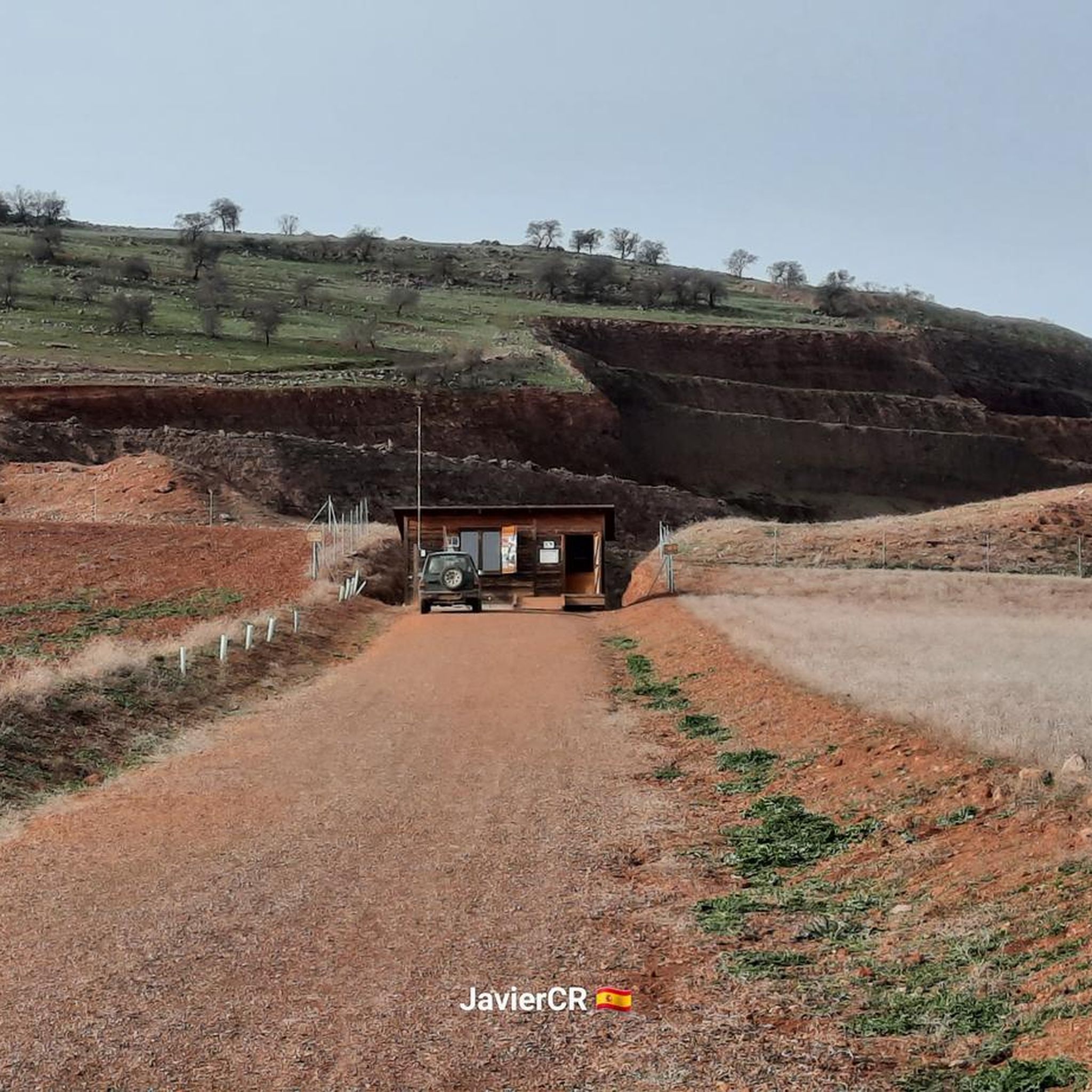
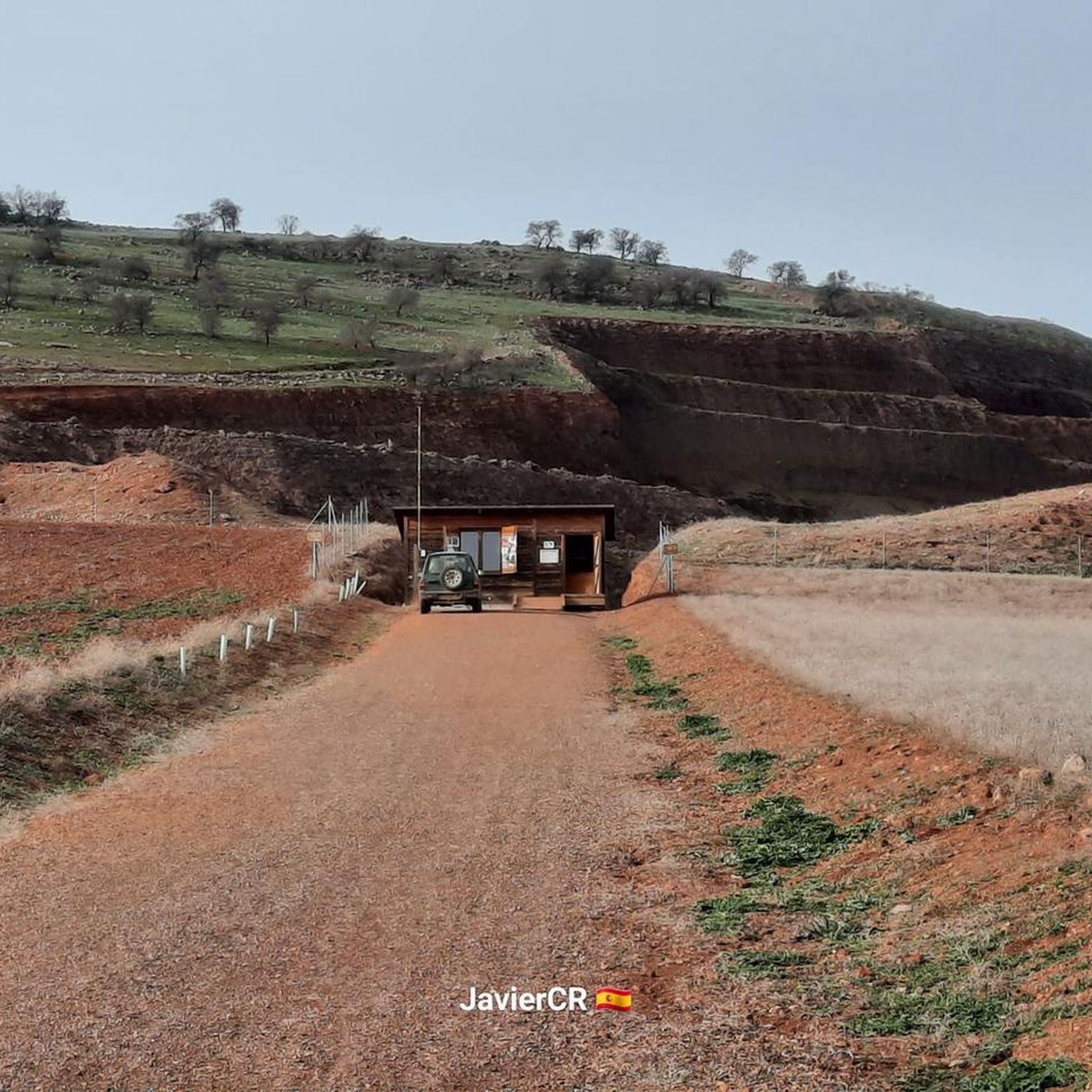
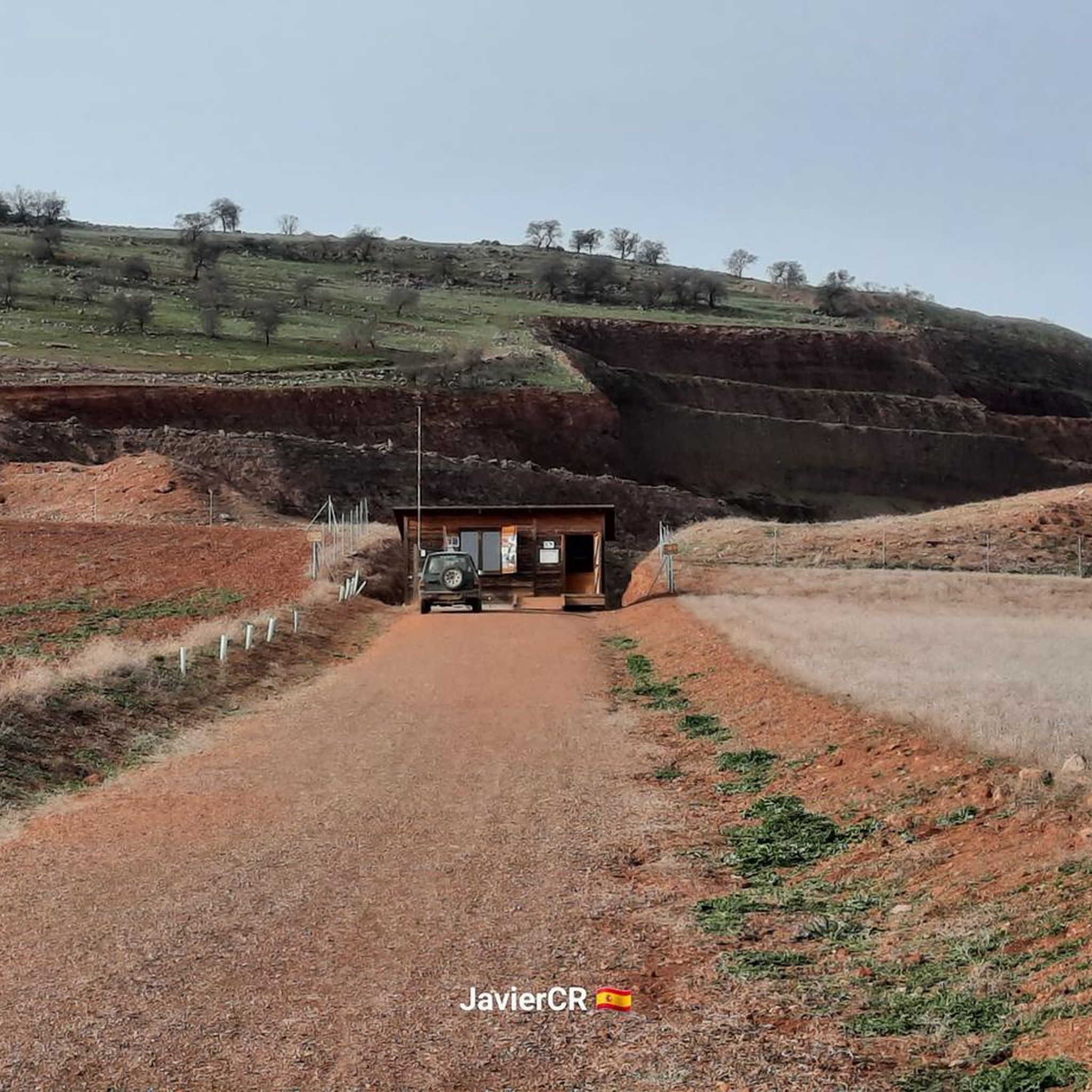
Musealized volcano of Campo de Calatrava. The last eruption of the volcano was 700,000 years ago, it has a cone of 300 hectares and the lava flows reached 3 kilometers.
29
0

Cerro Gordo is a volcano located in Granátula de Calatrava, in the Campo de Calatrava region, in Ciudad Real (Castilla - La Mancha). It has a height of 90 meters, and a morphology of a cinder cone and mud flows, sculpted through different volcanic phases. The area of the volcano is also a mining exploitation and the company that exploits it ceded a space of 2000 square meters to the town hall to create a scientific and educational museum, becoming the first visitable volcano in the Iberian Peninsula.
6
0

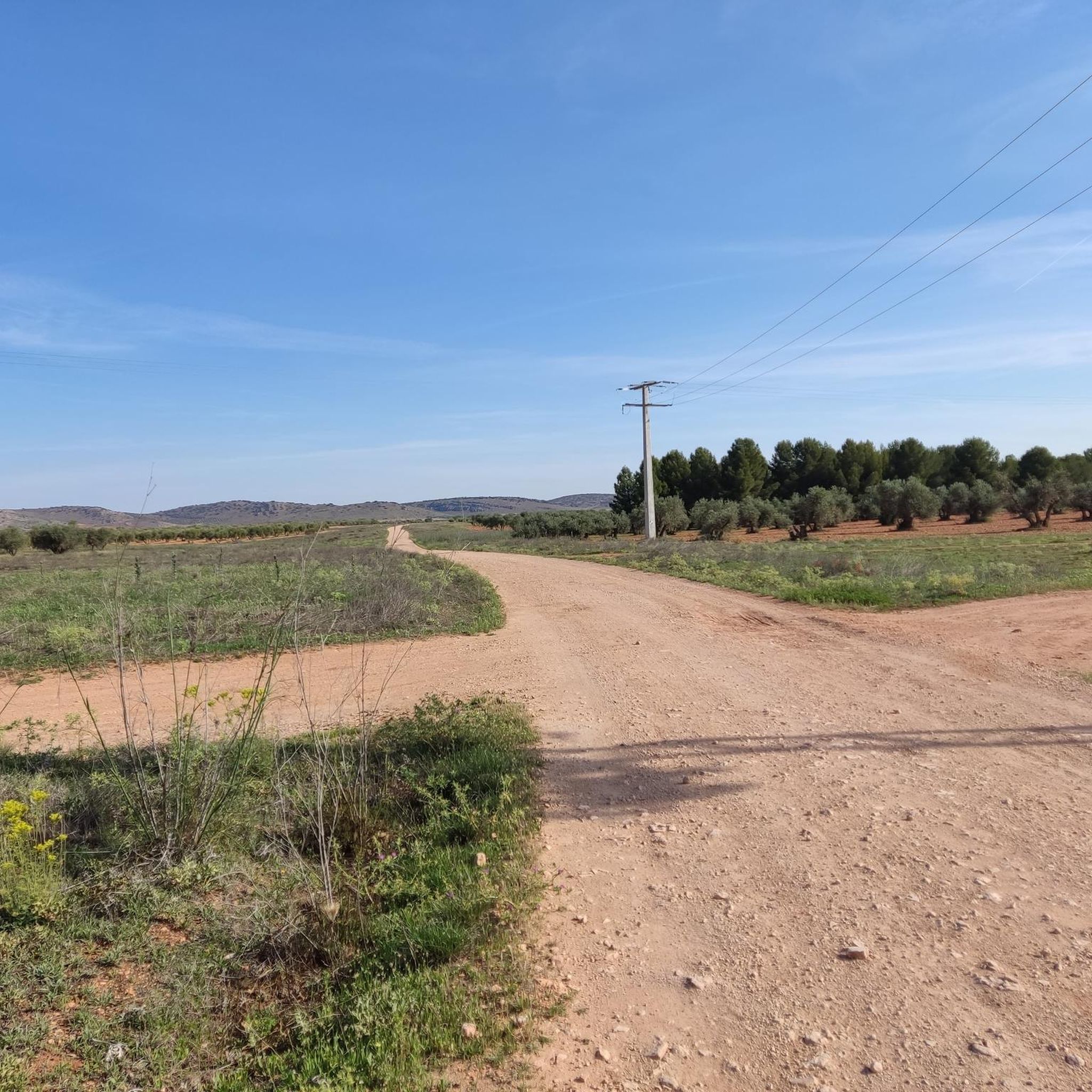
Thermal baths, with baths, children's area, picnic areas, located on a very passable and arranged road .. it can be accessed from the road to the village of the king .. Between the Jabalón dam and the chorrillo ..
10
0
Water, which was highly appreciated for its mineral-medicinal cocktail used to cure gastric and skin conditions. Nice place to visit, but it is a shame that it is so neglected.
32
0
Frequently Asked Questions
What makes the natural monuments around Granátula de Calatrava unique?
The region is part of the Campo de Calatrava volcanic zone, characterized by a unique landscape shaped by millennia of geological activity. You'll find prominent volcanic cones, active fumaroles, and significant wetlands, offering a blend of geological wonder and diverse ecosystems. The area boasts over a dozen hydromagmatic and phreatomagmatic volcanoes, with Granátula de Calatrava itself located within the largest maar on the Iberian Peninsula.
Are there family-friendly natural monuments to visit in the area?
Yes, several natural monuments are suitable for families. For instance, Hervideros Baños del Barranco offers picnic areas and is located on a very passable road. The Cerro Gordo Volcano is also family-friendly, as it's a musealized volcano offering an educational journey through its interior, making it the first visitable volcano in the Iberian Peninsula.
What kind of volcanic features can I expect to see?
You can explore various volcanic features, including the unique 'hervideros' (boiling pots) at Hervideros Baños del Barranco, which are accompanied by acidic springs and maars. Another fascinating feature is El Chorrillo Spring, known for its 'hot springs' where volcanic CO2 bubbles imitate boiling water, showcasing the region's abundant gases.
Where can I observe active geological phenomena?
For a rare glimpse into the region's ongoing subterranean heat and volcanic processes, visit La Sima. Situated approximately one kilometer south of Cerro Gordo, it is recognized as the only active fumarole on the Iberian Peninsula, with its activity documented since 1575.
Are there opportunities for birdwatching or wildlife observation?
Absolutely. The Embalse de la Vega del Jabalón (Jabalón Reservoir) is a crucial ecological site and a vital refuge for a variety of fauna. You can observe gulls, grey herons, spoon-billed ducks, mallards, coots, cormorants, and even endangered species like the spoonbill and night heron. The rich vegetation of rushes, tamarisks, and reeds provides essential habitats for these species.
What are the best hiking opportunities near these natural monuments?
The volcanic landscape of Campo de Calatrava provides a dramatic and unique setting for hiking. You can find various trails that showcase the ochre tones and volcanic rock shaping the terrain. For specific routes, check out the Hiking around Granátula De Calatrava guide, which includes routes like the Oreto y Zuqueca Archaeological Site Loop.
Can I explore the interior of a volcano in this region?
Yes, you can! The Cerro Gordo Volcano, also known as Yozosa, is musealized and offers an educational journey through its interior. It's the first visitable volcano in the Iberian Peninsula, allowing you to 'see, touch, and hear the volcano from its interior' and understand its hidromagmática and strombolian stages.
What other outdoor activities are available besides hiking?
Beyond hiking, the region offers excellent opportunities for cycling and mountain biking. You can explore the diverse landscapes on two wheels. For detailed routes, refer to the Cycling around Granátula De Calatrava guide and the MTB Trails around Granátula De Calatrava guide.
Is there a viewpoint to appreciate the volcanic landscape?
Yes, Cerro de la Illozosa (also known as La Yezosa Volcano) offers a prominent viewpoint. Before excavations, it was considered the most slender and perfect cone in the entire Campo de Calatrava, and its silhouette is clearly perceptible from various areas, providing excellent views of the volcanic region.
What is the best time of year to visit the natural monuments?
Given the outdoor nature of these attractions, spring and autumn generally offer the most pleasant weather for exploration. Temperatures are milder, making hiking and cycling more comfortable. Summer can be quite hot, while winter might bring cooler temperatures, though the volcanic landscape remains impressive year-round.
What do visitors enjoy most about the natural monuments in Granátula de Calatrava?
Visitors particularly enjoy the unique geological spectacle, such as the 'hervideros' and acidic springs, which highlight the region's intense volcanic activity. The opportunity to explore the interior of a volcano at Cerro Gordo Volcano is also a major draw. Many appreciate the rich biodiversity found at sites like the Jabalón Reservoir, making it a great spot for nature observation.
Most popular routes around Granátula De Calatrava
Most popular attractions around Granátula De Calatrava

Get inspired with the komoot mobile app


Explore more
Extend your search for the best caves by checking out these guides of the top ones around Granátula De Calatrava:
