Top 16 Natural Monuments around Valdemoro
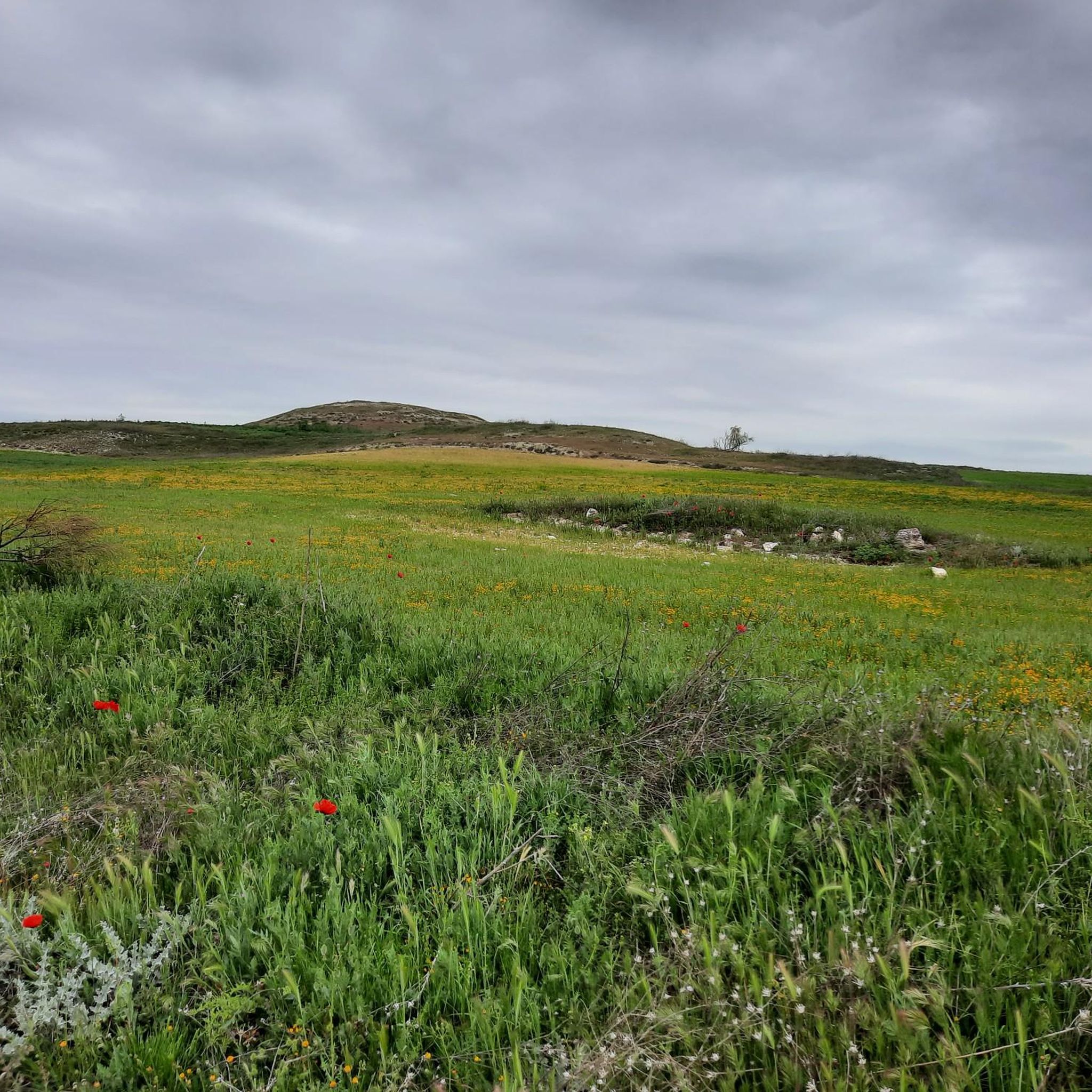
Best natural monuments around Valdemoro offer diverse landscapes in this municipality south of Madrid. The area is characterized by its ecological value, unique geological features, and opportunities for outdoor recreation. Valdemoro's natural spaces include protected areas like the Parque Regional del Sureste, featuring gypsum cliffs and riverine forests, alongside local parks and extensive pine forests. These areas provide varied environments for exploring the local landscape.
Best natural monuments around Valdemoro
- The most popular natural monuments is La Teja Spring and…
Last updated: July 1, 2026
La Teja Spring and the Hermitage of San Isidro
Highlight • Religious Site
Translated by Google •
Tip by

The Chinchón Sinkhole
Highlight • Cave
Translated by Google •
Tip by

Sign up now to discover places like this
Get recommendations on the best single tracks, peaks, & plenty of other exciting outdoor places.
Sign up for free
Birdwatching Hide at San Juan Lagoons
Highlight • Viewpoint
Translated by Google •
Tip by

Barranco de Picote
Highlight • Gorge
Translated by Google •
Tip by

Hermitage and Centenary Elm
Highlight • Religious Site
Translated by Google •
Tip by
Sign up for free to discover even more natural monuments around Valdemoro.
Sign up for free
Already have an account?
Start today with a free account
Your next adventure awaits.
Login or Signup

Tips from the Community

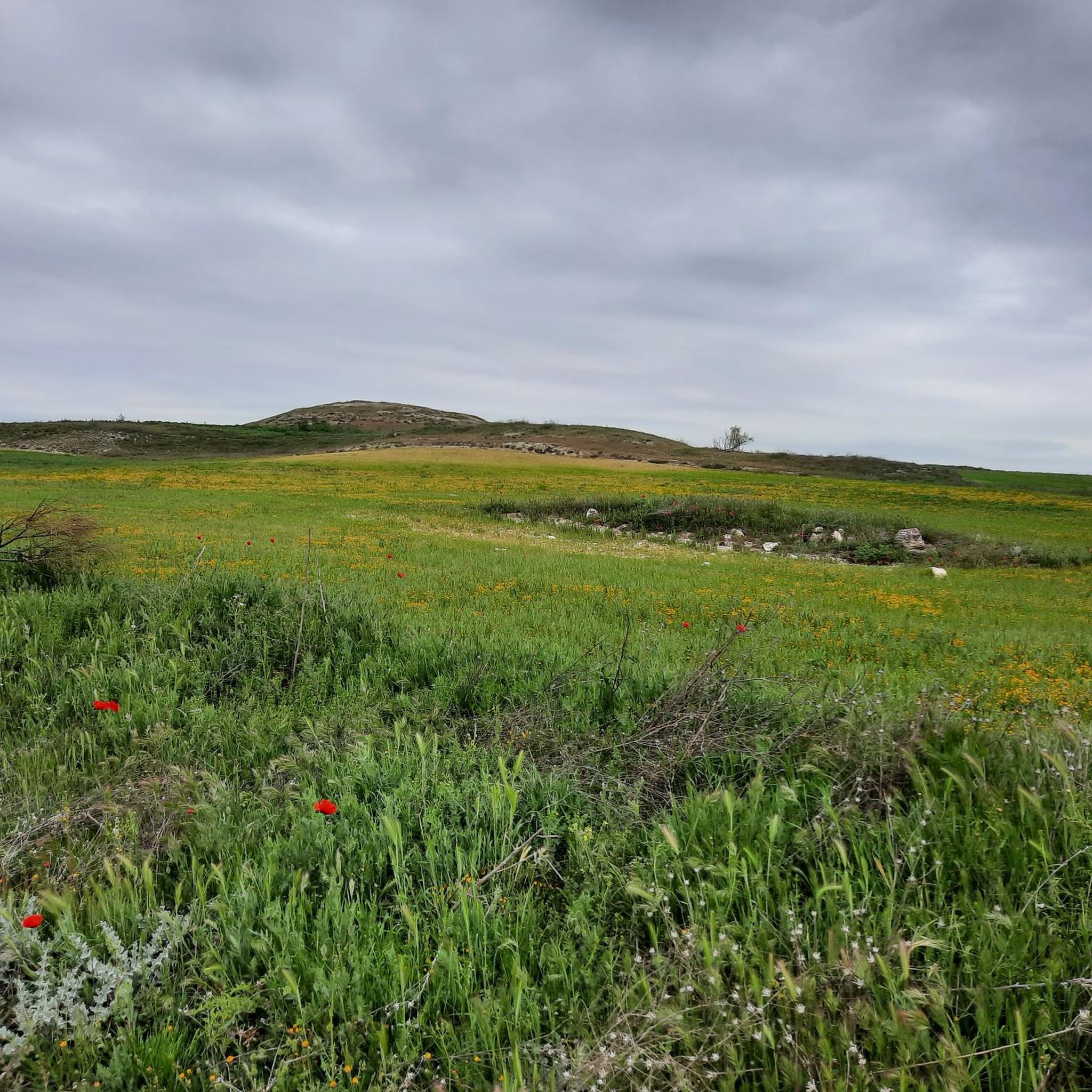
Right in front of the Hermitage you will find an elm tree that is over 100 years old. These trees are very representative of the Madrid area but it is increasingly difficult to find old ones like this.
0
0

A great highlight and great photo opportunity. Definitely recommended for history fans.
3
1

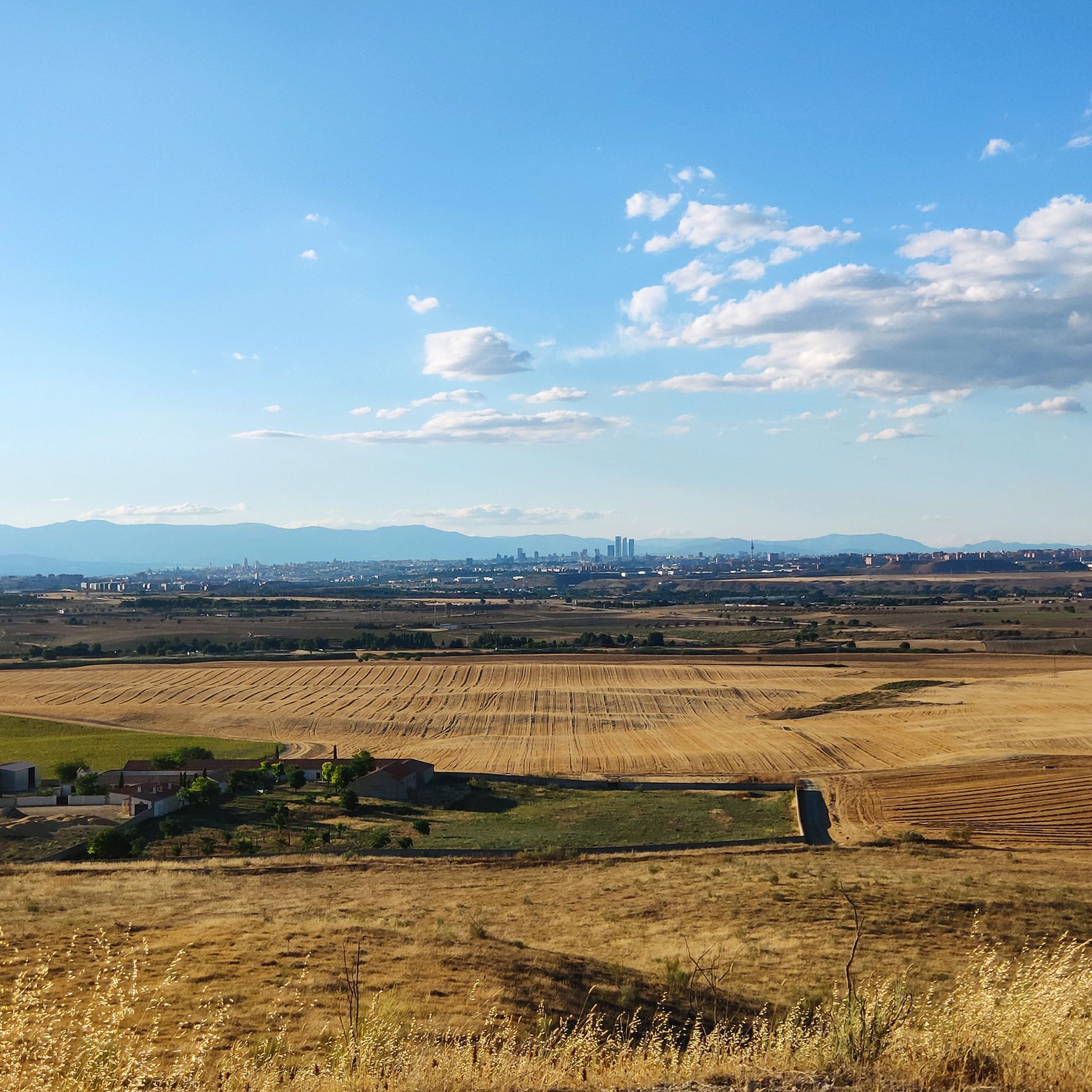
At this point on the path of La Blanca, at the height of the San Juan lagoons, there is a viewpoint frequented by bird lovers. It is a perfect point to see the fauna that inhabits this seasonal wetland.
0
0

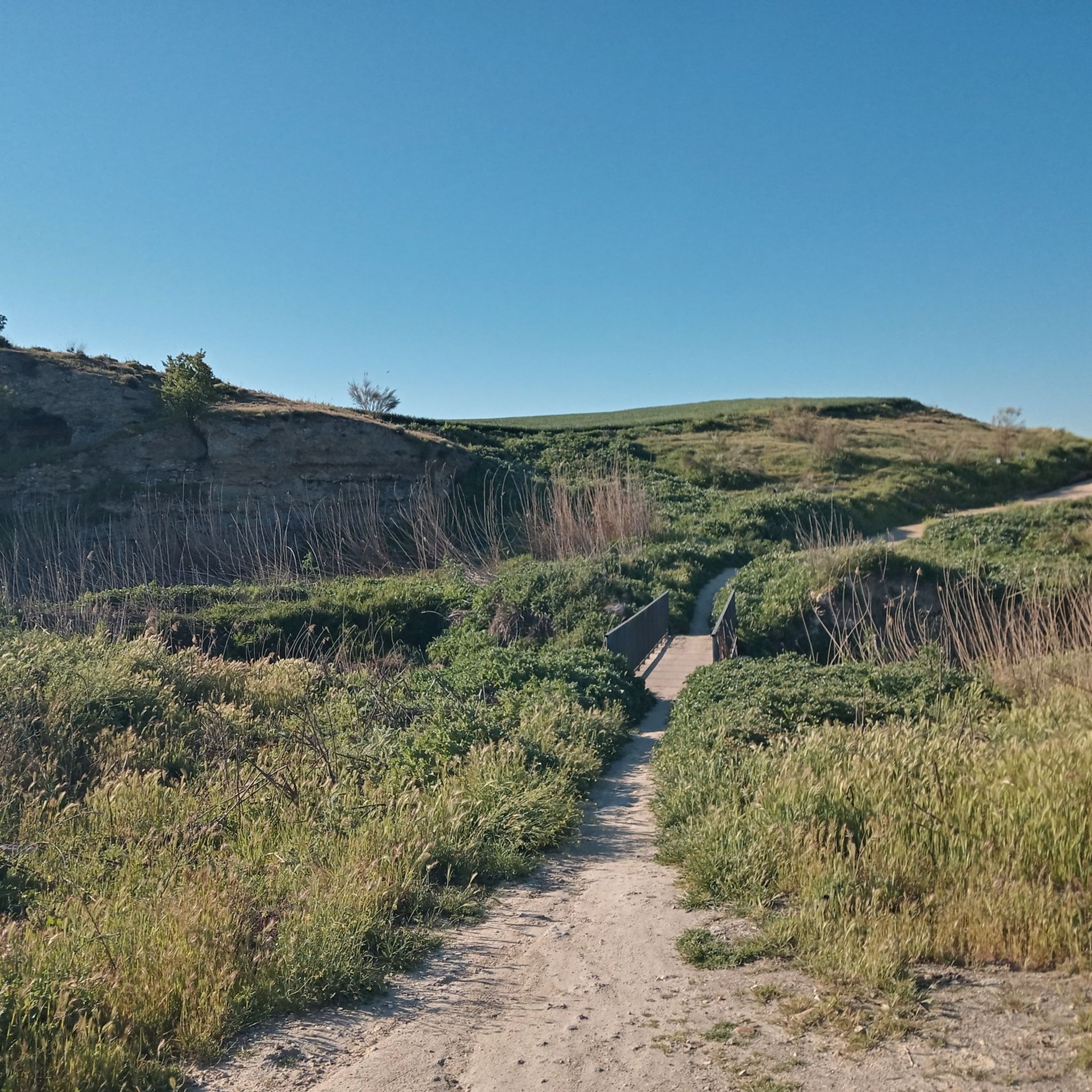
The Picote Ravine descends to the Jarama River, along a winding path. The landscape has been modeled by water over thousands of years, take care of it and respect the environment and the hikers who pass through it.
0
0

Aljezar comes from the Arabic term al jez, which means gypsum hill, gypsum quarry or territory where gypsum ore abounds, as in the Picote ravine. In botany, the complex and select ecosystem concentrated in the gypsum hills or gypsum cliffs that appear associated with Miocene slopes and moors close to the river plains is called gypsicolous scrub or aljezar, they are lands with poorly evolved soils, little capacity to retain water and steep slopes exposed to erosion. The landscapes of the Southeast Regional Park are characterized by showing a rich and varied geological diversity in short distances, turning the environment of the protected area into a suggestive selection of dynamic and changing natural settings.
1
0

from fuenla quiet route highly recommended
1
0

Take care of the fountain, it seems that it is drying up, a pity the very pleasant site.
2
0

A must stop to cool off
1
1
Frequently Asked Questions
What unique natural features can I explore in Valdemoro?
Valdemoro is known for its diverse natural landscapes. You can discover unique gypsum cliffs and riverine forests within the Parque Regional del Sureste, which are home to specialized flora and fauna. The area also features extensive pine forests, such as those around Cerro de la Mira, and wetlands like the San Juan Lagoons, which are important for birdwatching. The Canteras de Yeso (Gypsum Quarries) offer a glimpse into historical gypsum exploitation, now supporting unique wetland ecosystems and amphibian life.
Are there family-friendly natural areas in Valdemoro?
Yes, Valdemoro offers several family-friendly natural spaces. The Espacio Natural Bolitas del Airón is an emblematic park within the municipality, covering 440,000 square meters with amenities like benches, tables, drinking fountains, and children's play areas. Additionally, the Birdwatching Hide at San Juan Lagoons is a family-friendly viewpoint where you can observe local fauna, especially during the rainy season.
Where can I go hiking or cycling near Valdemoro's natural monuments?
The Parque Regional del Sureste offers extensive hiking and cycling routes through its diverse ecosystems. For specific trails, you can explore routes around the pine forests and historical sites of Cerro de la Mira, which offers low to medium difficulty options. You can find more detailed routes for various activities in the area, including hiking and road cycling, by visiting the Hiking around Valdemoro guide or the Road Cycling Routes around Valdemoro guide.
What historical elements can be found within Valdemoro's natural landscapes?
Valdemoro's natural areas blend natural beauty with historical significance. At Cerro de la Mira, you can discover old shepherd's caves built into the hillsides and ruins of trenches from the Civil War, offering a glimpse into the region's past. The La Teja Spring and the Hermitage of San Isidro is another site recommended for history enthusiasts, featuring a religious building and an interesting climb.
Where can I observe wildlife in Valdemoro?
For wildlife spotting, the Parque Regional del Sureste is a crucial ecological zone, especially its wetlands and riverine forests, which are home to a rich variety of bird species. The Birdwatching Hide at San Juan Lagoons is a perfect spot to observe the fauna of this seasonal wetland. The temporary ponds at the Canteras de Yeso also serve as important breeding grounds for various amphibian species, including the natterjack toad.
What is the best time to visit Valdemoro's natural monuments for birdwatching?
For optimal birdwatching, it is best to visit the wetlands and lagoons, such as the Birdwatching Hide at San Juan Lagoons, during the rainy season. This is when the seasonal wetlands are most active and attract a greater variety of bird species.
Are there any challenging routes for experienced hikers in the area?
Yes, for experienced hikers seeking a challenge, The Chinchón Sinkhole offers a demanding route with challenging terrain. Visitors have described it as a very hard route, even over relatively short distances, making it suitable for those looking for a strenuous adventure.
What kind of geological formations can be seen in Valdemoro?
Valdemoro's landscape is characterized by unique geological features, particularly the gypsum cliffs found within the Parque Regional del Sureste. These striking formations, shaped by fluvial erosion, have a fragile, arid appearance and support unique flora adapted to extreme conditions. The Barranco de Picote also showcases how water has modeled the landscape over thousands of years, revealing gypsum-rich terrain.
Where can I find panoramic views in Valdemoro?
For expansive views of the region, head to Cerro de la Mira, Valdemoro's highest point. From here, you can enjoy panoramic vistas of the surrounding natural landscape, including its large pine forest. There's also a forest watchtower at the summit, enhancing the viewing experience.
What are some notable trees or plant species in Valdemoro's natural areas?
Valdemoro is home to some unique flora. Within the Parque Regional del Sureste, it's one of the few places in Europe where the Russian silverberry (Elaeagnus angustifolia) grows naturally, and the 'pítano,' an Iberian endemic plant, can also be found. Additionally, near the Hermitage and Centenary Elm, you can find an elm tree that is over 100 years old, a representative tree of the Madrid community.
Are there places to rest or get water during my visit to Valdemoro's natural monuments?
Yes, some natural areas provide amenities for visitors. The Espacio Natural Bolitas del Airón offers benches, tables, and drinking fountains. For a specific spot to replenish water, La Teja Spring and the Hermitage of San Isidro is known for its fantastic fountain, making it a great place for a rest stop.
What is the Barranco de Picote and what makes it unique?
The Barranco de Picote is a ravine that descends to the Jarama River, characterized by a winding path and a landscape sculpted by water over millennia. Its name, 'Aljezar,' comes from the Arabic term for gypsum hill, highlighting the area's rich gypsum ore. This creates a unique gypsicolous scrub ecosystem with specialized plants adapted to the poorly evolved, water-retaining soils and steep slopes, making it a fascinating example of geological and botanical diversity within the Southeast Regional Park.
Most popular attractions around Valdemoro

Get inspired with the komoot mobile app


Explore more
Extend your search for the best caves by checking out these guides of the top ones around Valdemoro:
