Top 6 Natural Monuments around Santibáñez De Ecla
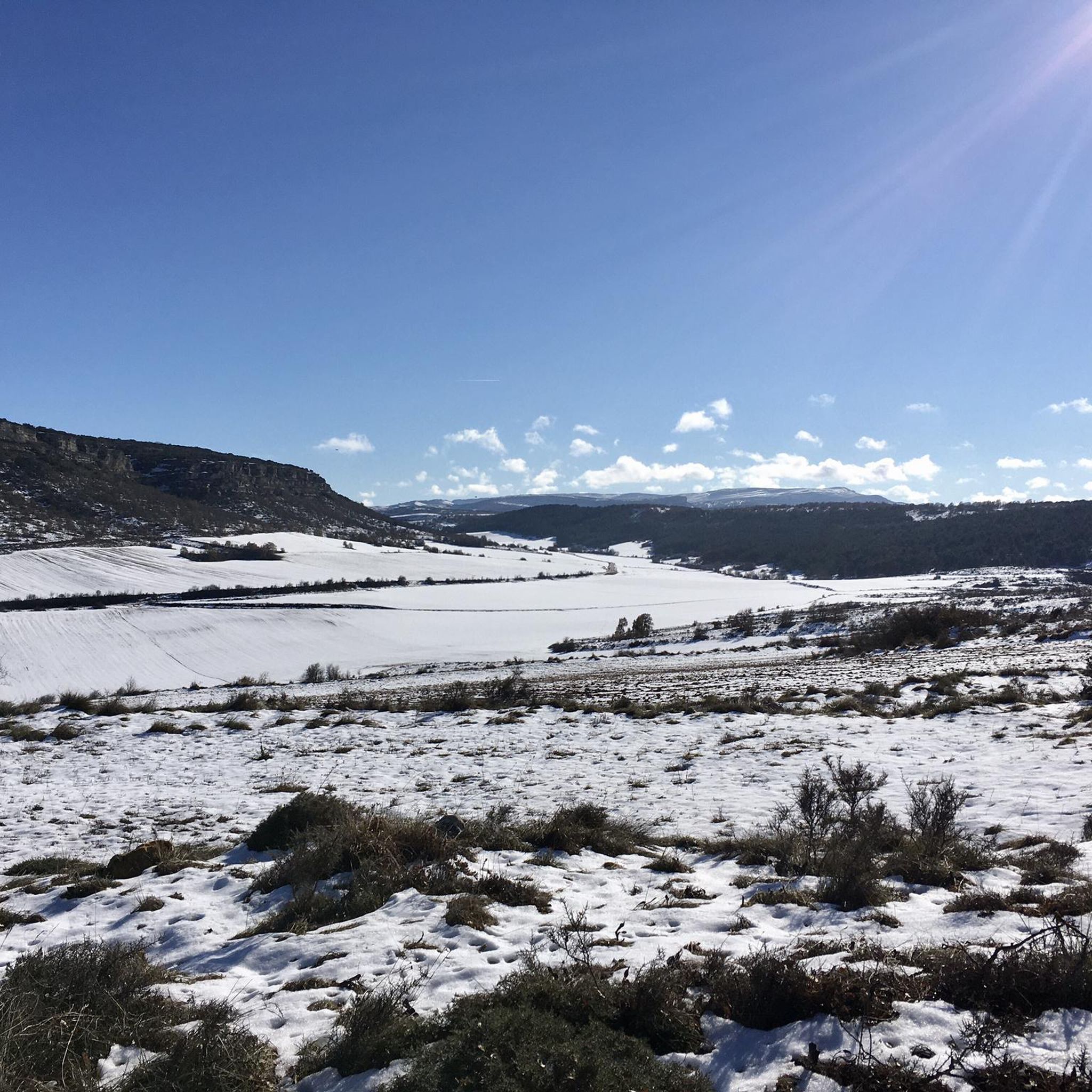
Natural monuments around Santibáñez De Ecla are characterized by a rich natural landscape within the historic Ojeda region of Palencia, Spain. The area is part of the UNESCO Global Geopark Las Loras, recognized for its significant geological and natural heritage. This region features high-altitude limestone moorlands and spectacular river canyons, showcasing diverse ecosystems. Visitors can explore unique geological formations and varied forests, transitioning from plains to the foothills of the Cantabrian Mountains.
Best natural monuments around Santibáñez De Ecla
- The…
Last updated: October 4, 2026
Peña Mesa
Highlight • Natural Monument
Translated by Google •
Tip by

Horadada Tunnel
Highlight • Cave
Translated by Google •
Tip by
Sign up now to discover places like this
Get recommendations on the best single tracks, peaks, & plenty of other exciting outdoor places.
Corvio Necropolis
Highlight • Historical Site
Translated by Google •
Tip by

Peña Mesa Rock Formation (Las Tuerces)
Highlight • Natural Monument
Translated by Google •
Tip by

Water Park
Highlight • Structure
Translated by Google •
Tip by

Sign up for free to discover even more natural monuments around Santibáñez De Ecla.
Already have an account?
Start today with a free account
Your next adventure awaits.

Tips from the Community

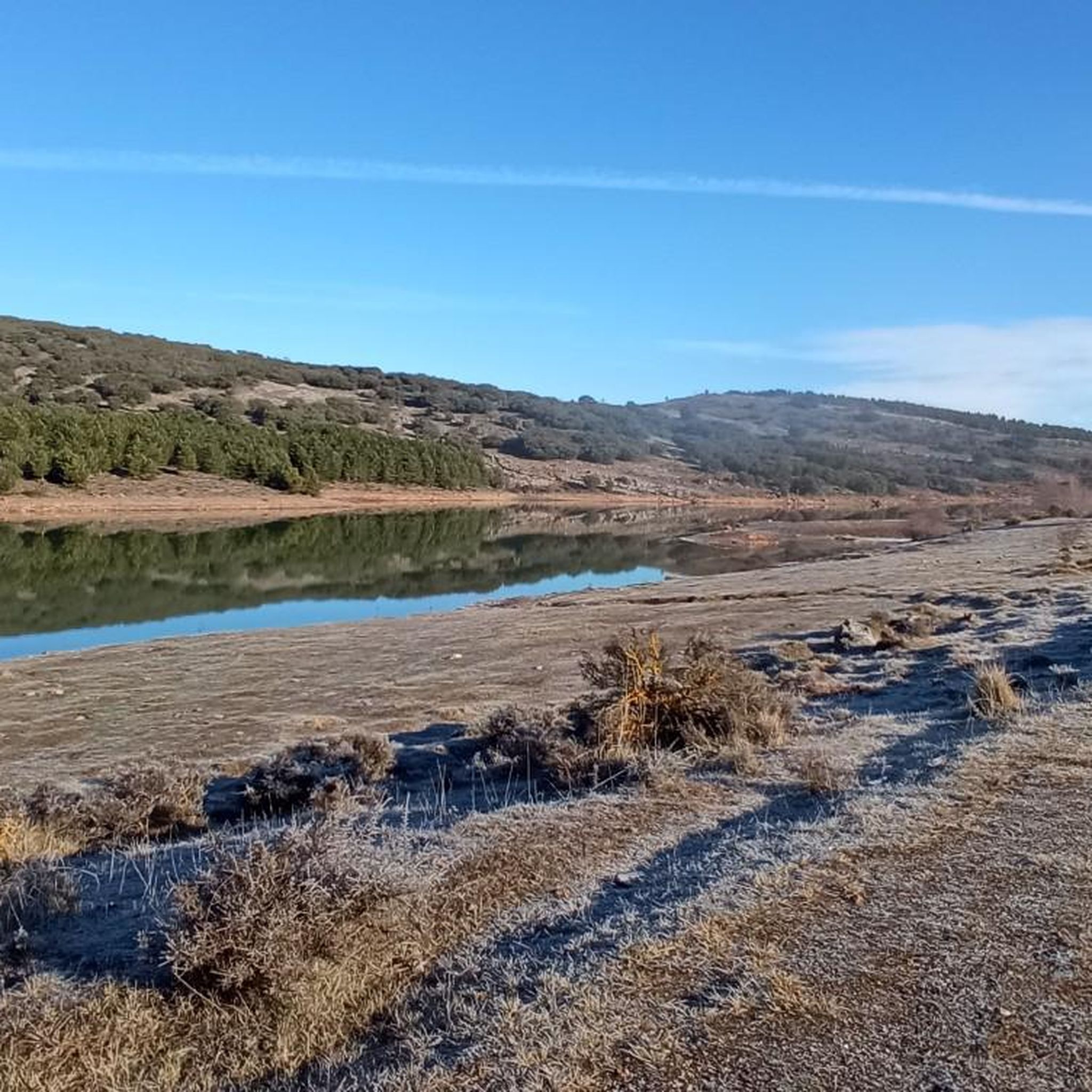
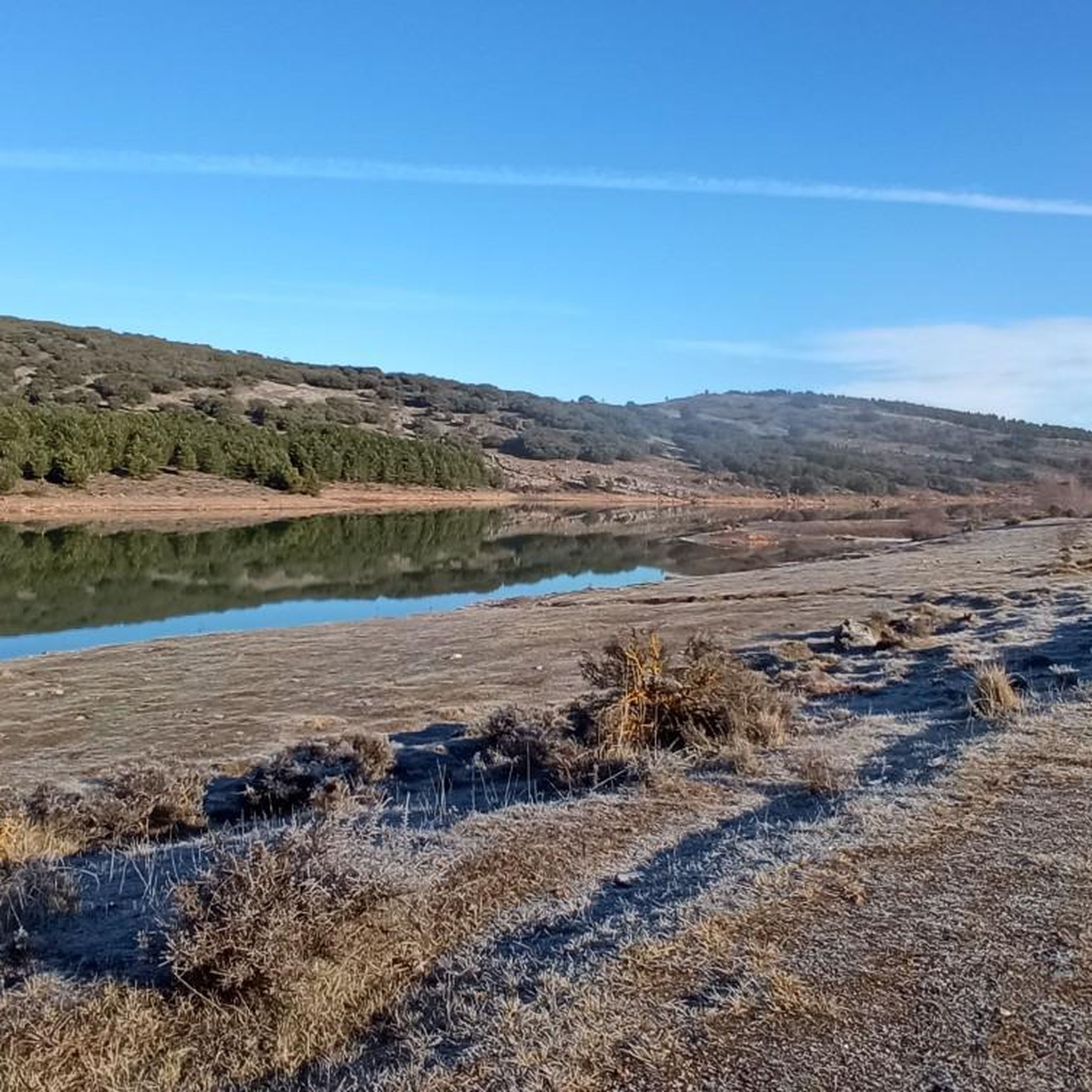
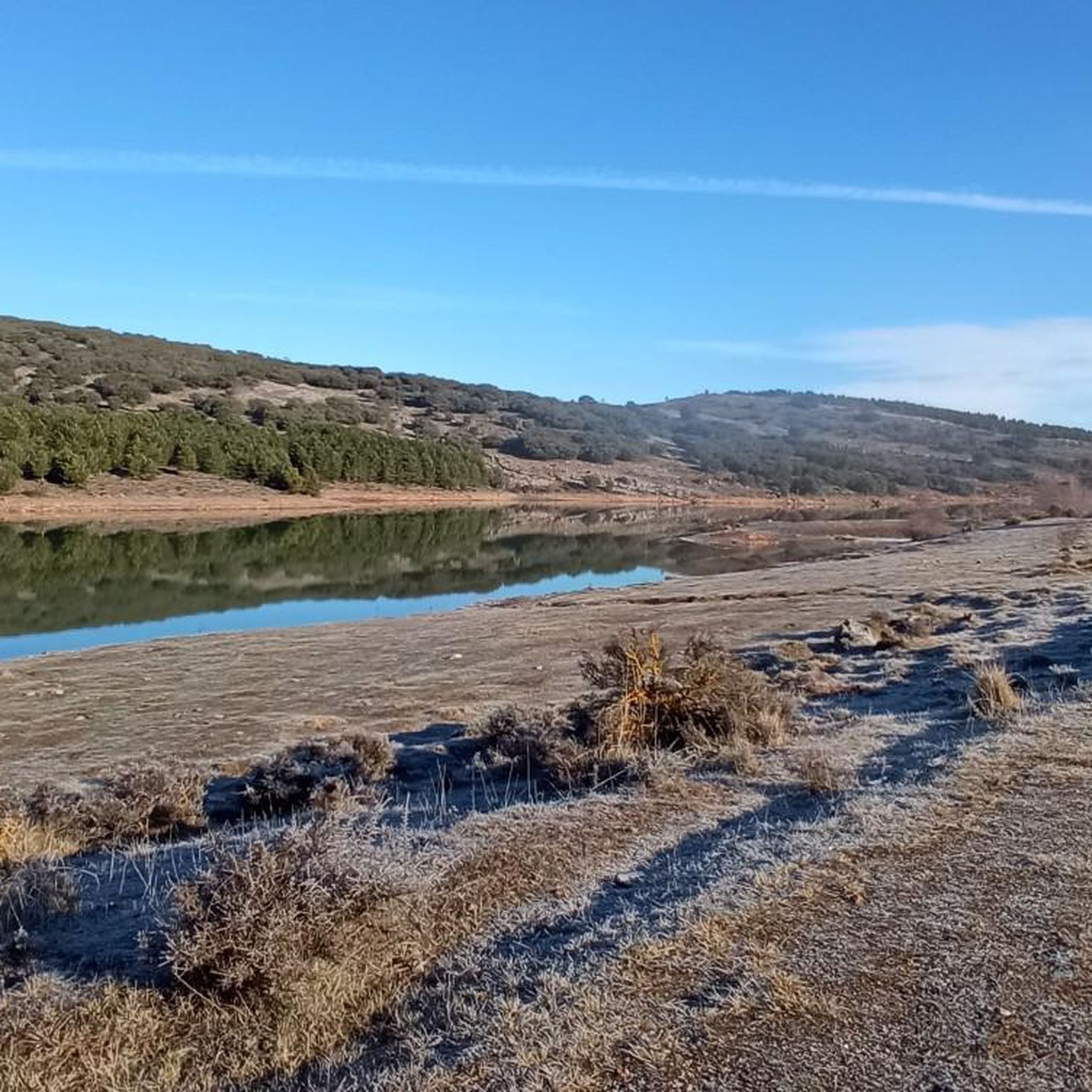
Just below the reservoir dam is this small theme park, with a small lake with water lilies, several enormous pieces for transferring water, and a huge fountain with beastly jets of water.
0
0

a cool place.
0
0

The stone labyrinth of Las Tuerces has several paths and the Natural monument can be explored according to one's taste, letting oneself be guided by intuition and the indications of the itineraries. The track is a general proposal with a loop that approaches the viewpoints of the Pisuerga River to learn about the natural, geological and environmental values of the natural area. The Las Tuerces labyrinth occupies a plain of limestone rocks sculpted by water erosion on a syncline hanging in the canyon of the Pisuerga River, a territory of geological interest because it marks the meeting between the Cantabrian mountains and the lands of the moor. In the shadowy stone alleys, relict beech trees, hazelnut trees, gall oaks, rocky vegetation and thorny plants from humid environments typical of other latitudes appear, coexisting amazingly with holm oaks, junipers and shrubs from a Mediterranean environment, a forest wonder. An admirable whim of nature that is a lesson in geology and the history of the Earth in the last hundred million years in the open air.
2
0

Las Tuerces is a very popular destination for hiking and mountain biking in the area. It is a strange rock that looks like a mushroom. It is quite tall and has a small cross at the top that you can access by climbing a rope.
1
0

A small "protrusion" of rock in the shape of a table (or mushroom) with a small cross at its top that can be accessed by climbing with the aid of a fixed rope.
1
1
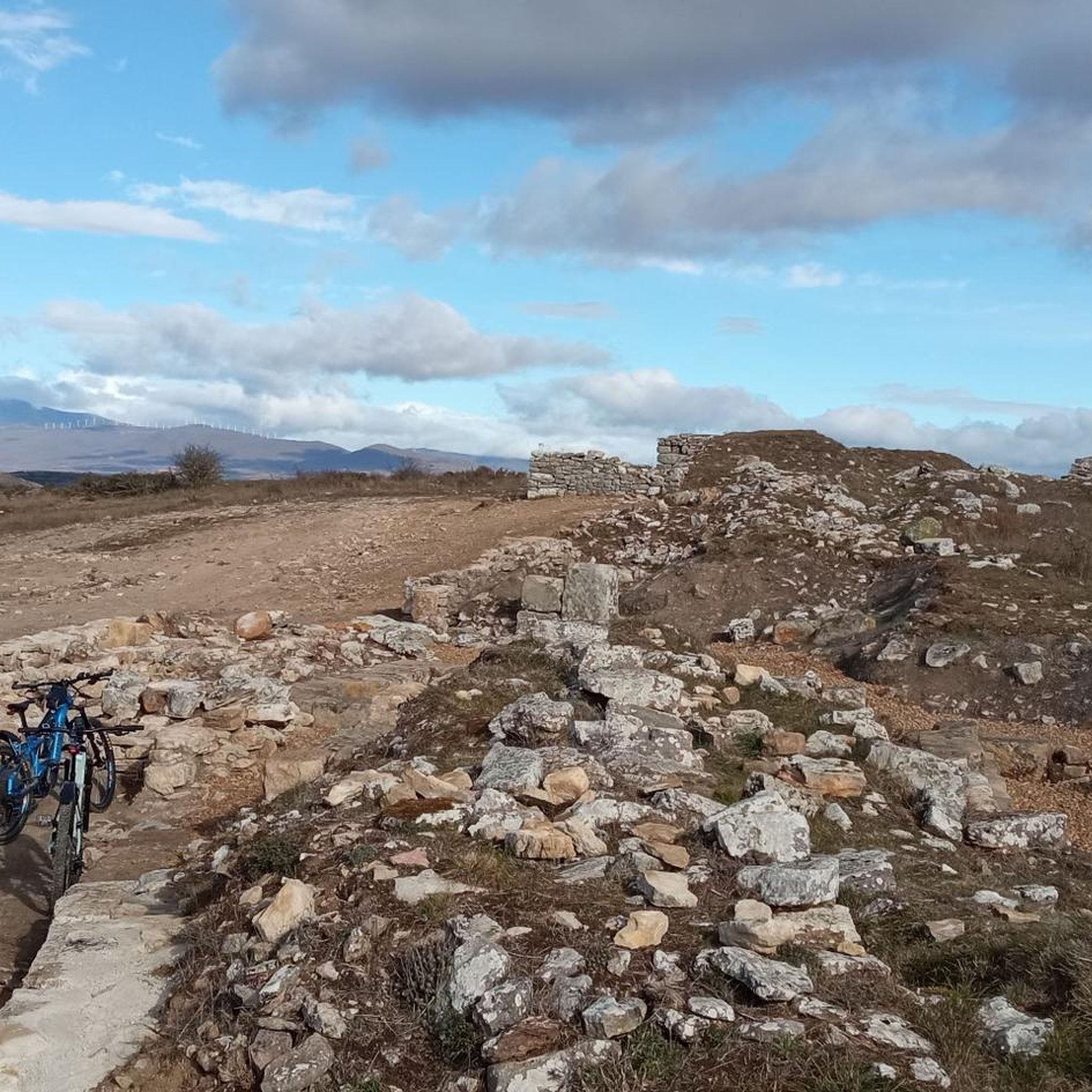
Vestiges of what used to be a hermitage and the necropolis that surrounded it dated between the 8th and 11th centuries.
2
0

Most impressive part of the canyon until you reach the foot of the most famous rock formations of Las Tuerces.
3
0
Peña Mesa is an impressive rock formation located in the province of Palencia, within the Las Tuerces Natural Area. This place is known for its curious karst formations, created by erosion in the limestone rock, which offer a unique and spectacular landscape.
8
0
Frequently Asked Questions
What are the most popular natural monuments around Santibáñez De Ecla?
Visitors frequently enjoy the Horadada Tunnel, an impressive part of the canyon with notable dimensions. Another highly regarded spot is Peña Mesa, an impressive rock formation known for its curious karst shapes within the Las Tuerces Natural Area.
What unique geological features can I explore in the region?
The area is part of the UNESCO Global Geopark Las Loras, characterized by high-altitude limestone moorlands and spectacular river canyons. You can explore the remarkable karst landscape of Las Tuerces, with its whimsical rock formations, gigantic stone mushrooms, and natural bridges. The Cañón de la Horadada also features deep gorges carved by the Pisuerga River.
Are there family-friendly natural monuments or activities in Santibáñez De Ecla?
While many natural monuments involve hiking, the region offers diverse experiences. The Water Park, located below a reservoir dam, is a family-friendly spot featuring a small lake with water lilies and impressive water features. Exploring the labyrinthine paths of Las Tuerces can also be an engaging adventure for families, though some routes might be more challenging.
What kind of wildlife can be observed near these natural monuments?
The diverse ecosystems, including Mediterranean and Atlantic forests, support a variety of wildlife. You might spot birds of prey such as griffon vultures, golden eagles, and kestrels. Mammals like foxes, wild boars, and roe deer also inhabit the area. The Geopark is also a refuge for numerous birds of prey and populations of rare butterflies.
What outdoor activities can I do near the natural monuments?
The region offers excellent opportunities for hiking, mountain biking, and road cycling. For hiking, you can explore routes like the 'Las Tuerces and Horadada Canyon Loop'. Mountain bikers can try 'Las Loras Geopark Loop via Las Tuerces and Covalagua', and road cyclists have options such as 'Palencian Romanesque Route'. You can find more details on these activities in the hiking guide, MTB guide, and road cycling guide for Santibáñez De Ecla.
Are there any historical sites integrated with the natural monuments?
Yes, the region combines natural beauty with historical significance. For instance, the Corvio Necropolis offers vestiges of a hermitage and a necropolis dating between the 8th and 11th centuries, providing a glimpse into the area's past amidst its natural setting. The Cañón de la Horadada also contains caves with archaeological remains from the Paleolithic and Bronze Age.
What is the best time to visit the natural monuments around Santibáñez De Ecla?
The region offers beauty throughout the year, but spring and autumn generally provide the most pleasant weather for exploring the natural monuments and engaging in outdoor activities. These seasons offer mild temperatures, making hiking and cycling more comfortable, and the landscapes are particularly vibrant.
Where can I find panoramic viewpoints of the natural landscape?
The area is rich in viewpoints. The Peña Mesa Rock Formation (Las Tuerces) itself offers great views, and the panoramic views from Monte Cildá, overlooking the Cañón de la Horadada, are particularly captivating. Many hiking routes in Las Tuerces also lead to elevated spots providing excellent vistas of the unique karst formations and river canyons.
What are the typical terrain and difficulty levels for trails in the natural monument areas?
The terrain varies from relatively flat moorlands to rugged karst landscapes and river canyons. Trails can range from easy walks to more challenging routes involving ascents and uneven surfaces. For example, the 'Las Tuerces and Horadada Canyon Loop' is considered difficult, while other routes like 'Fuente la Gallina and Mojón de la Abadesa Loop' are moderate. Always check specific route details for difficulty before heading out.
Is the Geoparque Las Loras accessible for visitors?
The Geoparque Las Loras is generally accessible, with various points of interest and trails. While some areas, particularly within the karst formations of Las Tuerces or the deeper parts of the Cañón de la Horadada, may require moderate to challenging hiking, there are also easier paths and viewpoints that can be enjoyed by a wider range of visitors. Specific accessibility details for each site should be checked beforehand.
What makes the Las Tuerces Natural Area so unique?
The Las Tuerces Natural Area is unique due to its extraordinary karst landscape, where water erosion has sculpted limestone rocks into whimsical shapes over millions of years. This creates a labyrinth of corridors, alleys, gigantic stone mushrooms, and natural arches, giving it an otherworldly appearance. It's a remarkable geological site that showcases the Earth's history.
Most popular routes around Santibáñez De Ecla
Most popular attractions around Santibáñez De Ecla

Get inspired with the komoot mobile app


Explore more
Extend your search for the best caves by checking out these guides of the top ones around Santibáñez De Ecla:
