Top 4 Mountain Passes around Boltaña
Mountain passes around Boltaña are situated in the Aragonese Pyrenees, offering access to a region rich in mountainous terrain and scenic routes. Boltaña serves as a base for exploring collados and impressive mountain landscapes. The area features diverse natural landscapes, including river valleys, forests, and open mountainous sections. These routes are suitable for hiking, cycling, and mountaineering, providing panoramic views of the Pyrenees.
Best mountain passes around Boltaña
- The most popular mountain passes is Puerto de Arro – Monastery of…
Last updated: May 20, 2026
Puerto de Arro – Monastery of San Victorián
Highlight (Segment) • Mountain Pass
Legend has it that Saint Victorián arrived in the Pyrenees …
Translated by Google •
Tip by

Puerto de Mondot
Highlight (Segment) • Mountain Pass
Translated by Google •
Tip by

Sign up now to discover places like this
Get recommendations on the best single tracks, peaks, & plenty of other exciting outdoor places.
Sign up for free
Serrablo Pass
Highlight • Mountain Pass
Translated by Google •
Tip by

Collada del Aire
Highlight (Segment) • Mountain Pass
Translated by Google •
Tip by

La Collada
Highlight • Mountain Pass
Showing Translation
Tip by

Start today with a free account
Your next adventure awaits.
Login or Signup

Other adventures around Boltaña

Tips from the Community

La Collada, at an altitude of 1548m, is the pass between the Cinca valley and the Ésera valley on the North face of Peña Montañesa. Impressive views to the West of the entire Cinca valley: Ainsa, Labuerda, Escalona... While to the East, we find the Cotiella massif.
0
0
A very enjoyable climb. No steep inclines, a narrow but well-maintained road. The finish at the foot of Peña Montañesa has its charm.
0
0

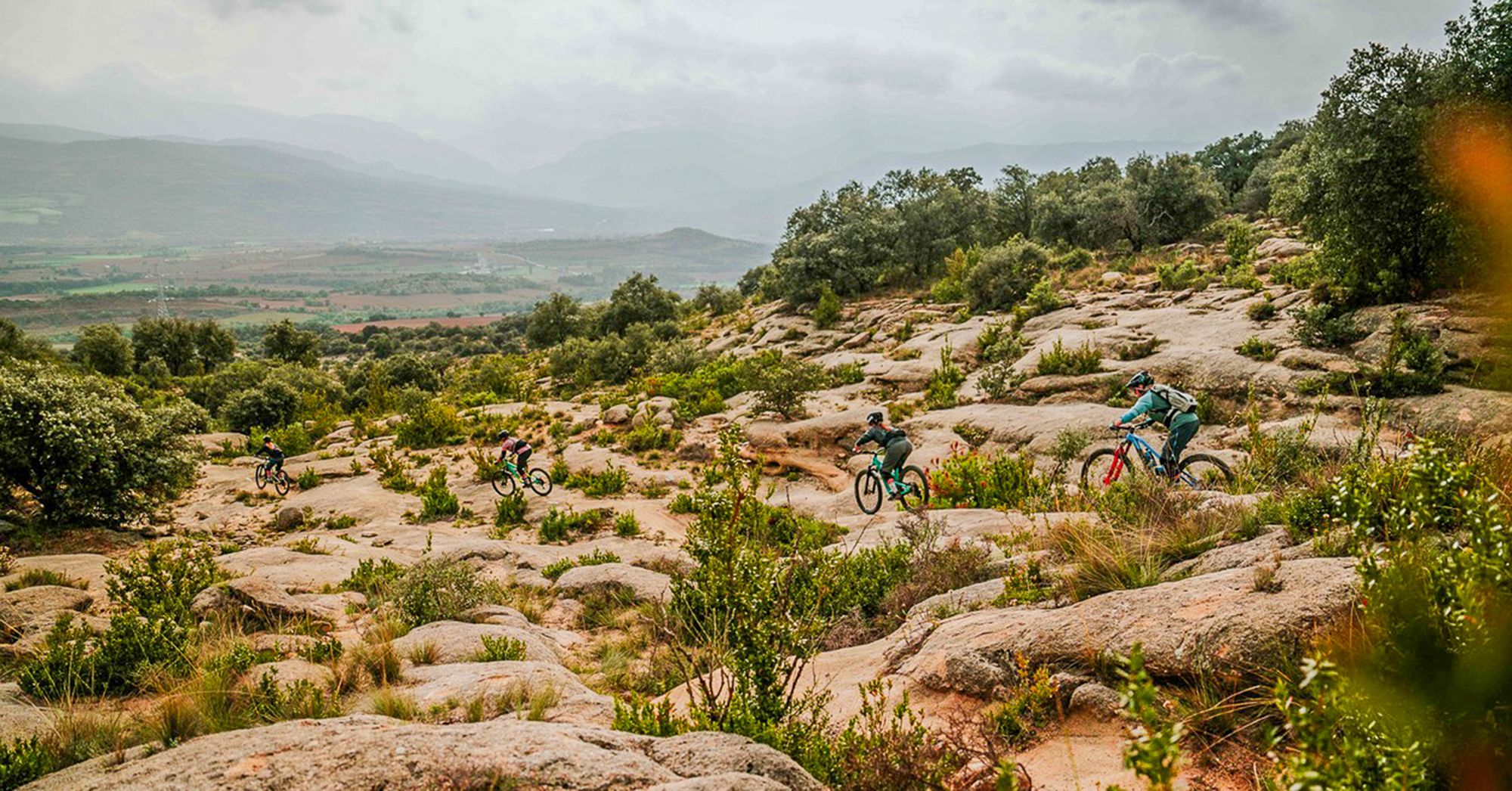
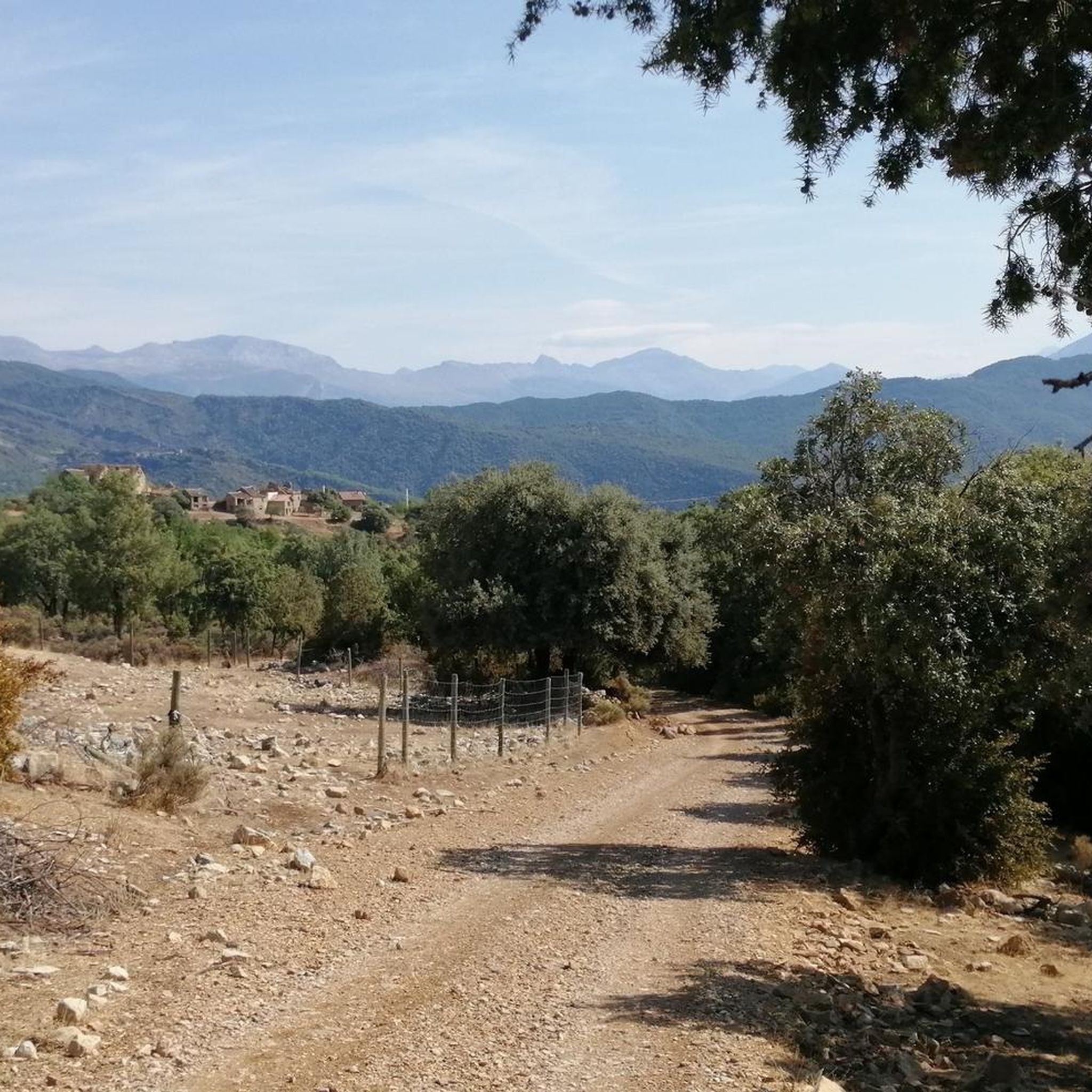
Climb through a lot of bedrock, with rolling steps, Guara territory, inhospitable, without coverage, Collada with views of the Piri
0
0

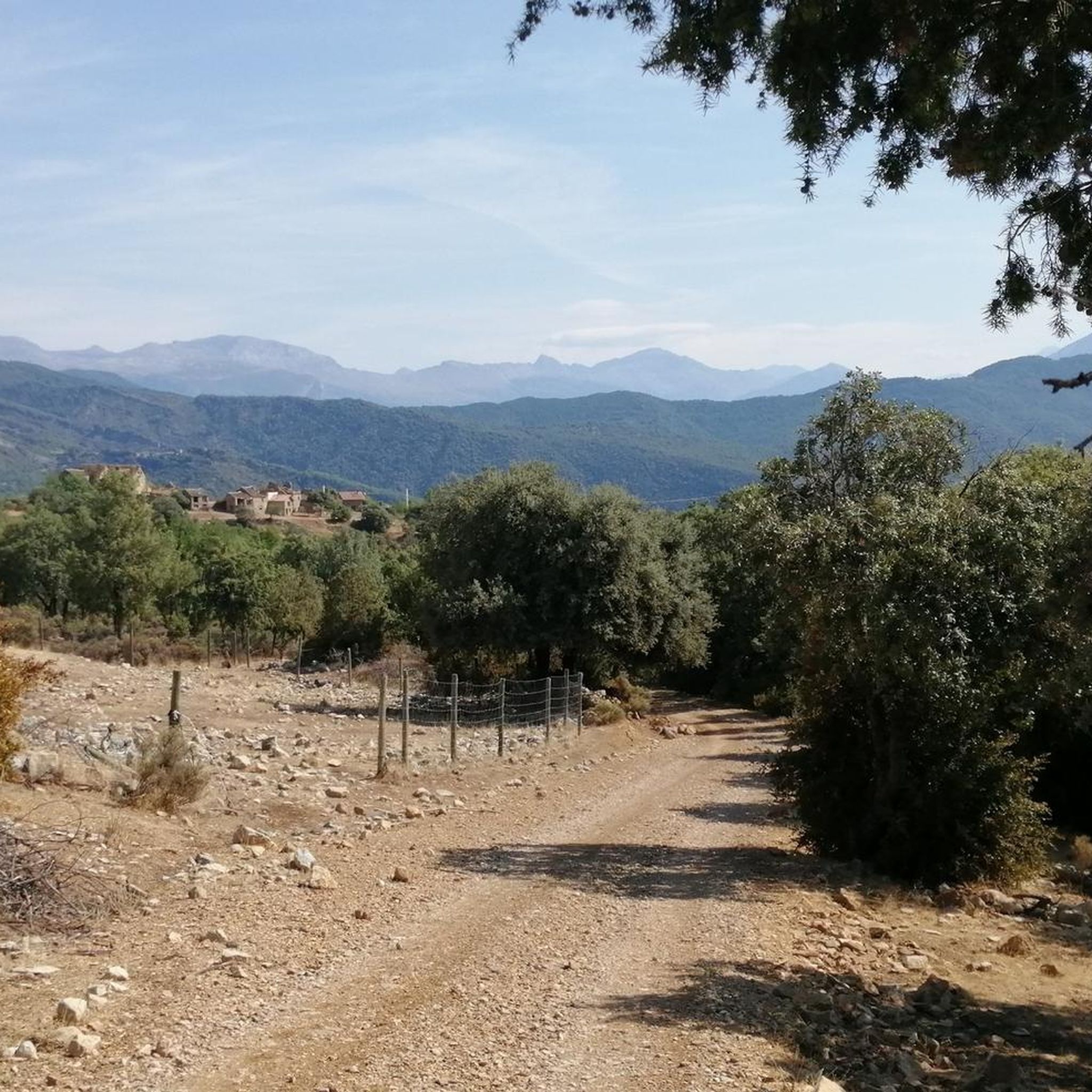
On any of its slopes, that of Boltaña and that of Guarguera, the port of Serrablo is a long port, more than 12 kilometers long. It is more irregular from La Guarguera, due to the continuous ups and downs of its final kilometres, and with a more classic profile from Boltaña. Even so, the Boltaña slope alternates kilometers with a gradient of up to 6% with others of authentic rest. The road is very quiet, with very little traffic, with good views of the natural park of the Sierra and the Guara canyons on the south side and the national park of Ordesa and Monte Perdido on the north side.
1
0

The port of Arro leads to the Monastery of San Victorián, from the 6th century, considered the oldest in Spain. Legend has it that Saint Victorián arrived in the Pyrenees fleeing from earthly temptations. After a life as a hermit in the Cueva de la Espelunga and realizing great prodigies, he was appointed abbot of the monastery, which was originally called San Martín de Asán. Some time later, in the 11th century, the monastery took its name and was renamed San Victorian or San Beturián.
0
0

Length 11 km, difference in altitude 560 m, average gradient 4.6%, maximum gradient 13.5%. Very nice road and scenic a dream.
0
0
South-east to north-west direction, 3rd category pass. Length of ascent 4068 m, difference in altitude 288 m, average gradient 6.9%, maximum gradient 13%
0
0
Don't know the real name of the track (ZonaZero). Is super developed and signposted. At regular intervals you get the missing altitude announced. The route first "rolls" through a valley and then climbs steadily to the crossroads. From there it becomes permanently steeper up to a maximum of 13%. Highly recommended!! The whole landscape is in a dream and on the route (Tuesday) hardly any traffic. Tip: there is a fountain at the crossroads. 😜
0
0
Frequently Asked Questions
What are some notable mountain passes directly accessible from Boltaña?
The Serrablo Pass is a significant mountain pass accessible from Boltaña, offering a 13.5-kilometer climb with an ascent of 685 meters. Another excellent option is the Puerto de Arro – Monastery of San Victorián, which leads to Spain's oldest monastery and provides stunning scenic views.
Are there mountain passes with historical significance near Boltaña?
Yes, the Puerto de Arro – Monastery of San Victorián leads directly to the Monastery of San Victorián, considered the oldest in Spain, dating back to the 6th century. It offers a unique blend of natural beauty and rich history.
What kind of views can I expect from the mountain passes around Boltaña?
The mountain passes in the Boltaña area offer diverse and impressive views. From the Serrablo Pass, you can see the Sierra and Guara canyons to the south and the Ordesa and Monte Perdido National Park to the north. La Collada provides extensive panoramas of the Cinca valley to the west and the Cotiella massif to the east.
What are the typical gradients and lengths of climbs on these passes?
The climbs vary in difficulty. For instance, the Puerto de Arro – Monastery of San Victorián has a length of 11 km with an average gradient of 4.6% and a maximum of 13.5%. The Puerto de Mondot, a 3rd category pass, features an ascent length of 4068 m with an average gradient of 6.9% and a maximum of 13%.
Are there options for cycling on these mountain passes?
Absolutely. Many passes, including Puerto de Arro – Monastery of San Victorián and Puerto de Mondot, are popular among cyclists. The roads are often quiet with little traffic, making for an enjoyable cycling experience. You can find more cycling routes in the area by exploring the Traffic-free bike rides around Boltaña guide.
What other outdoor activities can I do near the mountain passes around Boltaña?
Beyond exploring the passes themselves, the Boltaña area is excellent for various outdoor activities. You can find numerous routes for gravel biking and MTB trails. The region's diverse landscapes, including river valleys and forests, are perfect for hiking and mountaineering.
What is the terrain like on the mountain passes in this region?
The terrain varies, offering a mix of experiences. Some passes, like the Collada del Aire, feature bedrock and rolling steps, characteristic of the rugged Guara territory. Other routes, such as the Puerto de Arro, offer well-developed and signposted tracks through scenic landscapes.
Are there any hidden gem mountain passes worth discovering near Boltaña?
While not extensively highlighted, the Collada del Aire offers a unique experience through Guara territory, with views of the Pyrenees. Similarly, La Collada, situated between the Cinca and Ésera valleys, provides impressive, less-traveled viewpoints.
What is the best time to visit Boltaña for exploring mountain passes?
The best time to visit Boltaña for exploring mountain passes is generally from spring to autumn (April to October). During these months, the weather is typically mild and pleasant for hiking and cycling, and the trails are usually clear of snow. Summer offers warmer temperatures, while spring and autumn provide vibrant natural colors.
Are there any facilities like cafes or fountains near the mountain passes?
While facilities can be sparse on the passes themselves, some routes offer amenities. For example, a tip for the Puerto de Arro – Monastery of San Victorián mentions a fountain at a crossroads, which can be very useful. It's always advisable to carry sufficient water and supplies, as many routes are in natural, undeveloped areas.
What broader mountain passes are accessible within the Huesca province from Boltaña?
Boltaña serves as a gateway to the wider Aragonese Pyrenees. Within the Huesca province, you can access more renowned passes like Roland's Breach (Brecha de Rolando), Port de Vénasque / Puerto de Benasque, and Somport Pass. These offer exceptional experiences and connect Spain with France, though they require a longer journey from Boltaña.
Most popular routes around Boltaña
Most popular attractions around Boltaña

Get inspired with the komoot mobile app


Explore more
See even more epic mountain passes by checking out these guides around Boltaña:
