Top 5 Natural Monuments around Minas De Riotinto
Best natural monuments around Minas De Riotinto, located in Huelva, Spain, feature a distinctive landscape shaped by centuries of mining activity. This region is known for its unique geological formations and the striking visual impact of human intervention on the environment. The area presents a blend of natural processes and historical heritage, creating an environment often described as otherworldly. Visitors can explore a variety of sites that showcase this unique natural and historical character.
Best natural monuments around Minas De…
Last updated: July 1, 2026
Source of the Río Tinto
Highlight • River
Translated by Google •
Tip by

Peña del Hierro
Highlight • Natural Monument
Translated by Google •
Tip by
Sign up now to discover places like this
Get recommendations on the best single tracks, peaks, & plenty of other exciting outdoor places.
Sign up for free
Corta Atalaya Mine
Highlight • Structure
Translated by Google •
Tip by
Gossán Reservoir
Highlight • Lake
Translated by Google •
Tip by

Río Tinto Viewpoint
Highlight • Viewpoint
Translated by Google •
Tip by
Start today with a free account
Your next adventure awaits.
Login or Signup
Tips from the Community

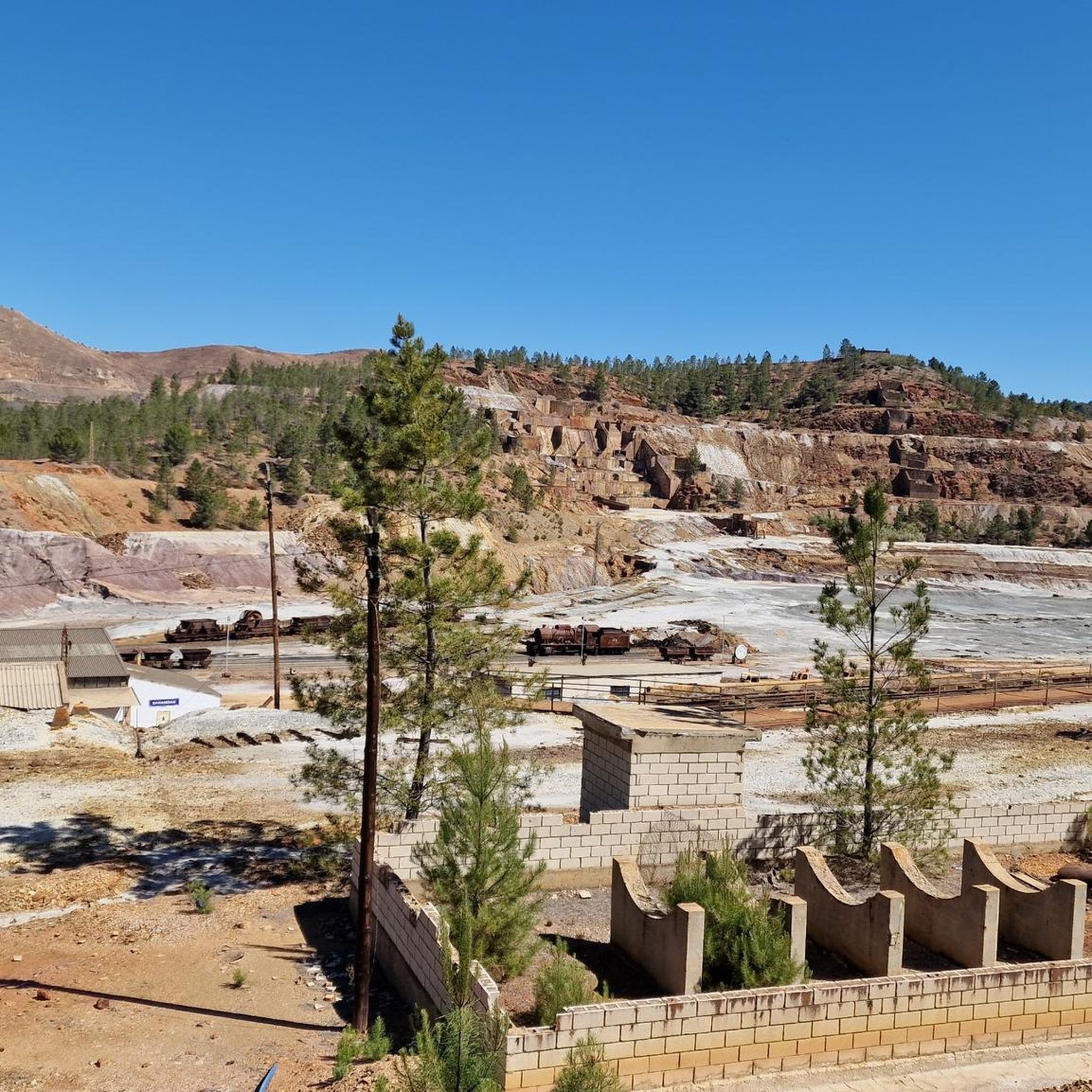
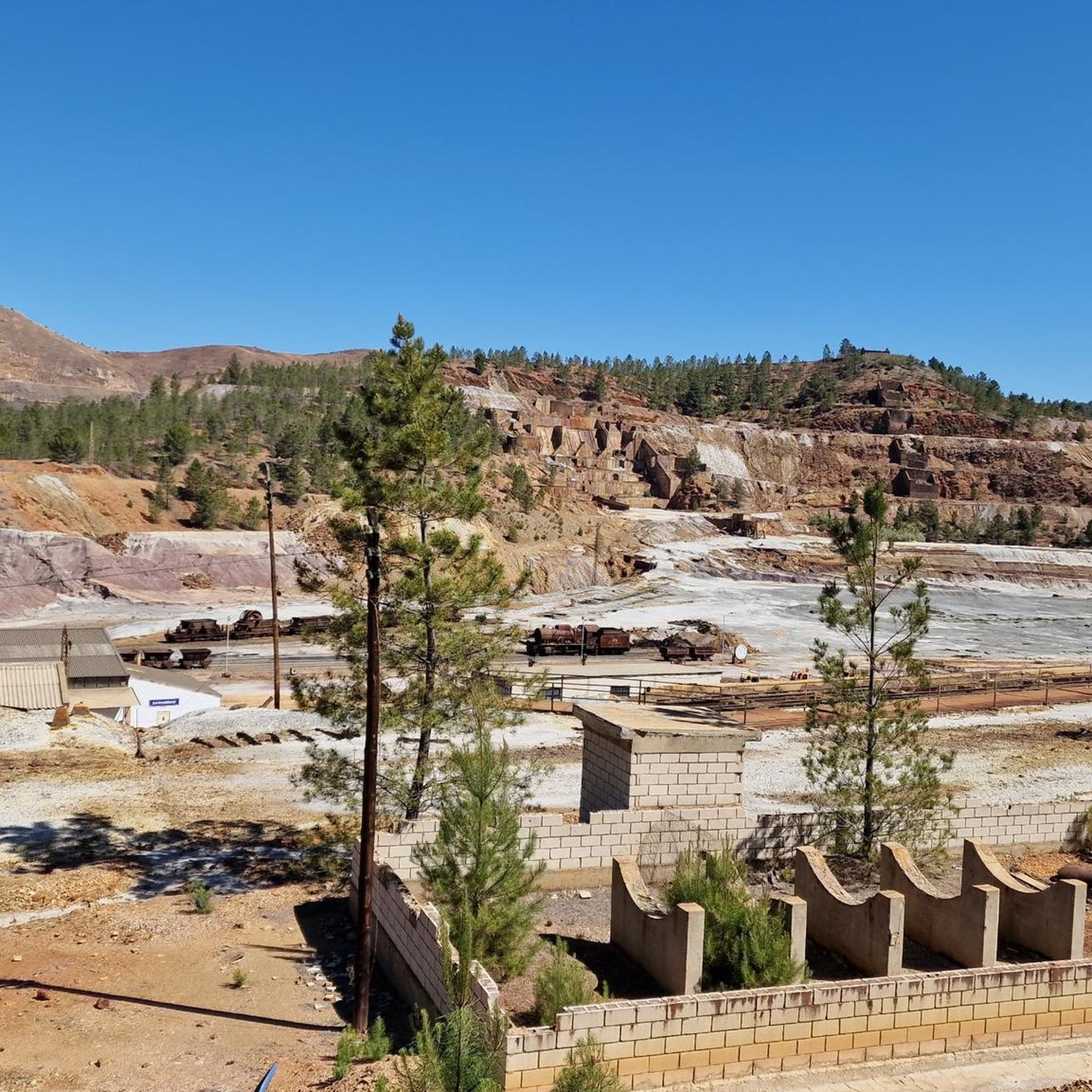
The Peña del Hierro Viewpoint, located in Nerva (Huelva), is part of the Riotinto Mining Park and offers one of the most impressive views of the source of the Tinto River, as well as the mining crater of the old pyrite mine.
1
0
The source of the Tinto River is located in the municipality of Nerva, in the province of Huelva, Andalusia, and is one of the most unique landscapes in Europe due to its reddish color and its scientific and geological value.
1
0

To get to the viewpoint, paid access is required. The hiking trail ends here at a fence. Nevertheless, a somewhat limited view of the opencast mine is possible
2
0
An approximately 3 kilometer long circular route leads around the natural monument Montera de Gossan. Don't miss it because of the beautiful views.
0
0

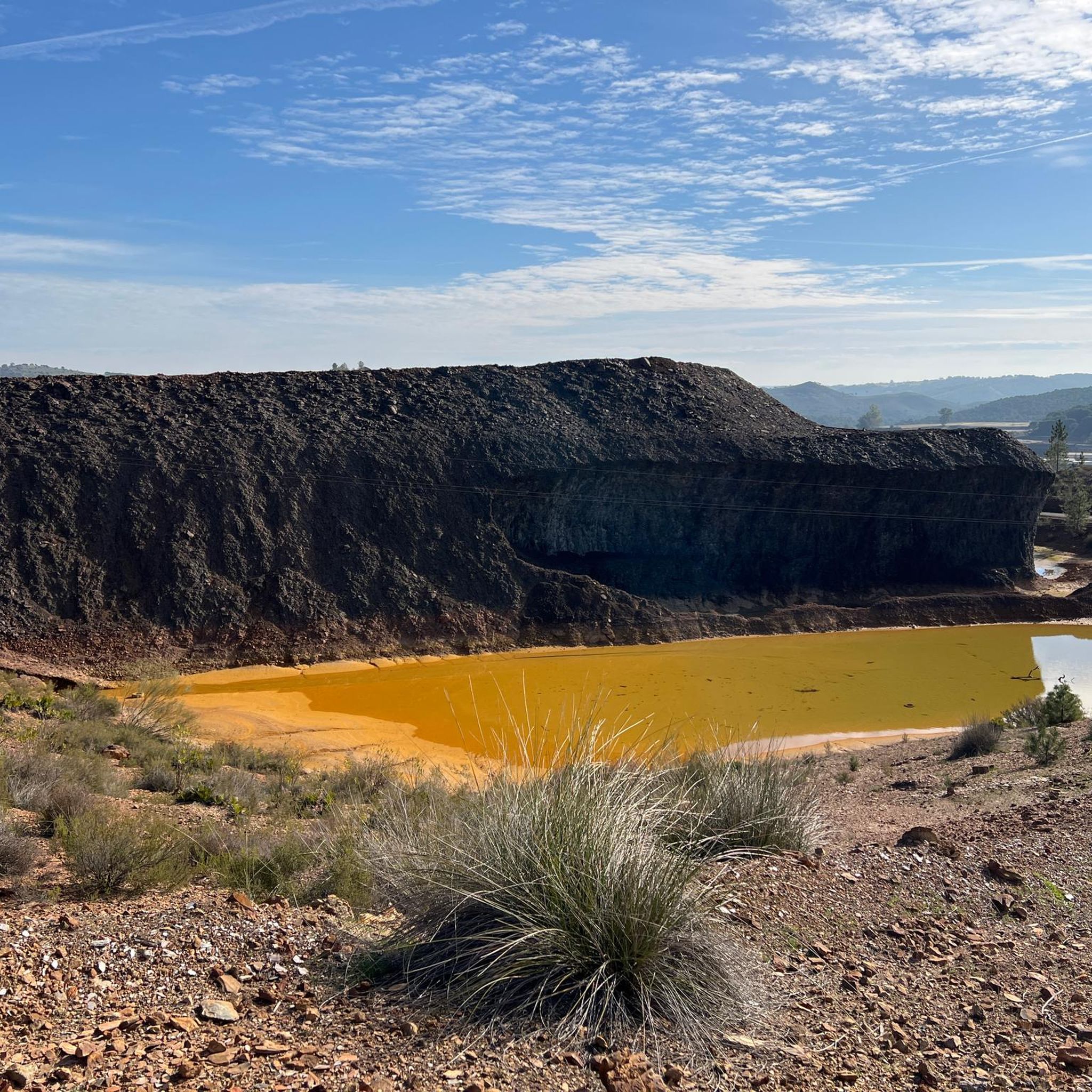
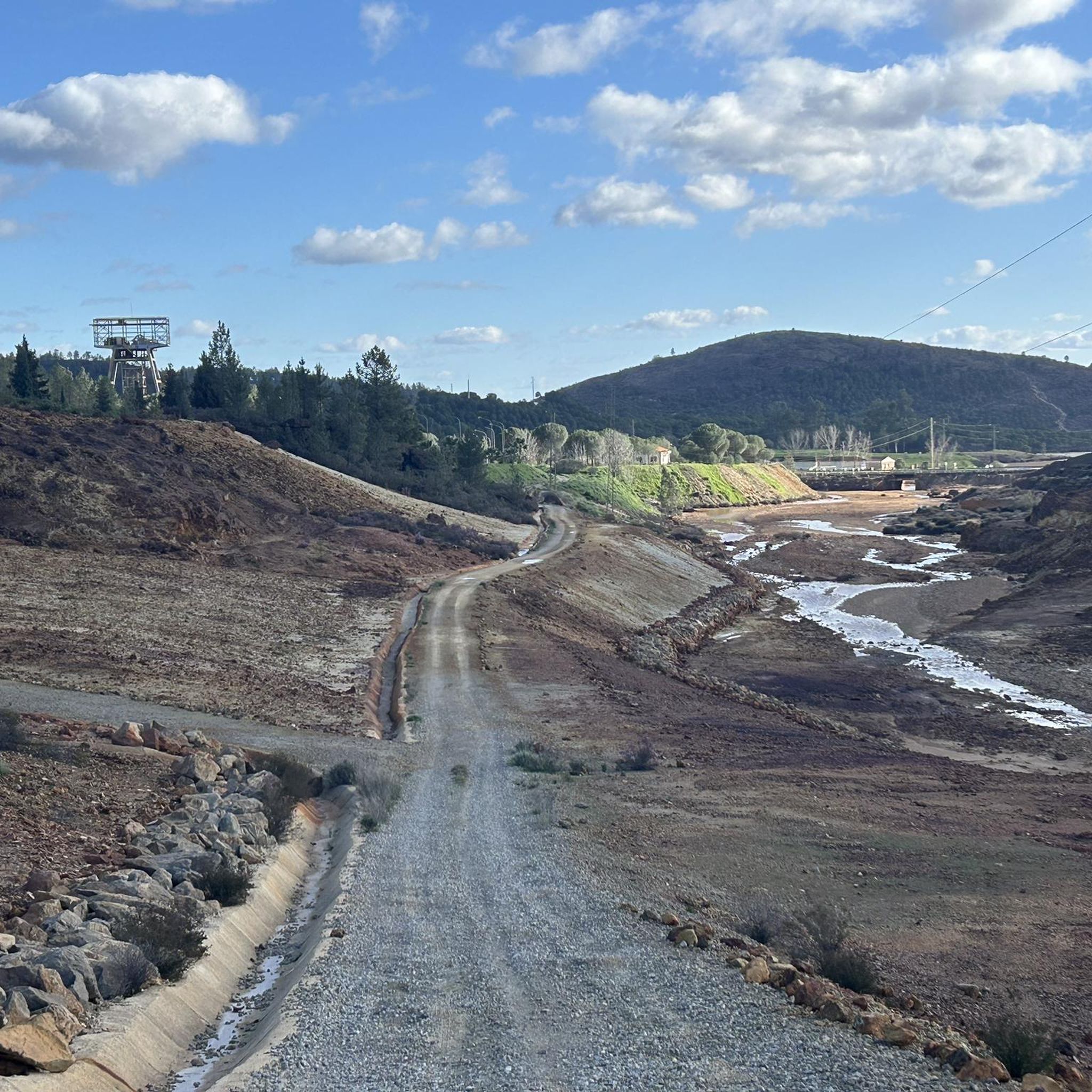
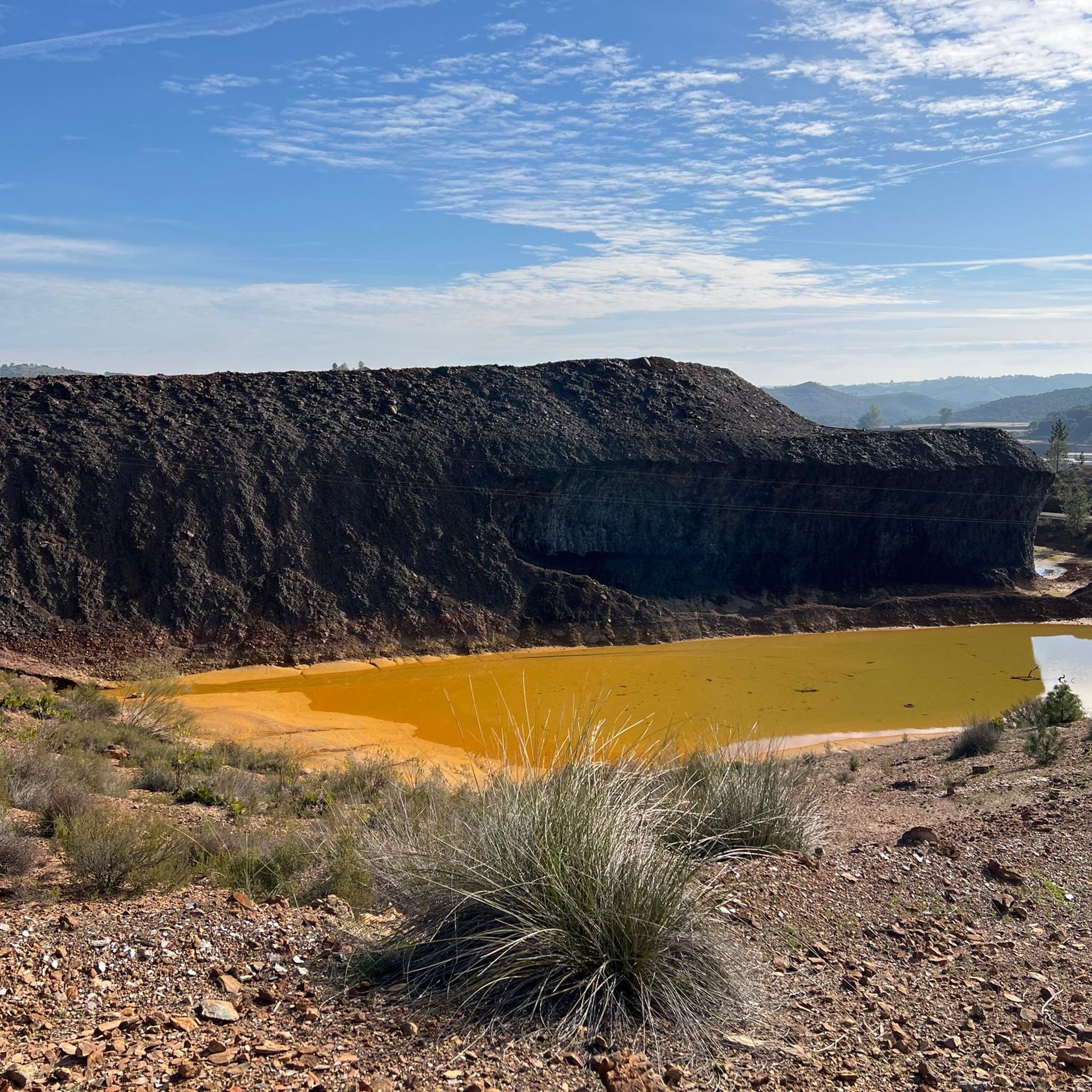
Road that crosses the Gossán reservoir allows you to enjoy this almost Martian landscape. The reddish color of the water is due to the iron content, due to the proximity of old mineral mines. You can even taste iron in the air. Truly futuristic landscapes.
1
0

Also known as the Padre Caro mountain range, it indicates the source of the Río Tinto which runs through the interior of Huelva for about 100 km until it reaches the Odiel River. Its name is due to the reddish color of its waters, caused by the weathering of minerals with a high content of heavy metal sulfides that were found and exploited in various deposits along the riverbed.
0
0

Corta Atalaya was the largest open pit (mainly copper) mine in Europe and at one time the largest in the world. It has a roughly elliptical shape, 1,200 meters long, 900 meters wide and 350 meters deep.
1
0
The largest open pit mine in Europe, now a tourist attraction. Its main mineral reserves are zinc, copper and lead.
3
0
Frequently Asked Questions
What makes the natural monuments around Minas De Riotinto unique?
The natural monuments in Minas de Riotinto are unique due to centuries of mining activity, which has created an extraordinary landscape often described as 'Martian'. This blend of natural geological processes and human intervention results in striking features like the reddish-orange waters of the Río Tinto and the immense open-pit mines.
What are some of the most prominent natural monuments to visit?
Among the most prominent natural monuments are the Source of the Río Tinto, known for its distinctive reddish waters; the vast Corta Atalaya Mine, one of the largest open-pit mines; and Peña del Hierro, which offers views of an old pyrite mine and a glimpse into ancient Roman mining.
What gives the Río Tinto river its distinctive red color?
The Río Tinto's striking reddish-orange color is a natural phenomenon caused by a high concentration of iron and other heavy metals, along with the oxidation of sulfide minerals. These minerals have been present due to millennia of geological processes and mining activity, creating a unique ecosystem where extremophilic microorganisms thrive.
Are there historical sites among the natural monuments?
Yes, many natural monuments in the region are also significant historical sites. For example, Peña del Hierro allows visitors to explore a section of an old Roman mine. The Corta Atalaya Mine is a monumental testament to the scale of historical mining in the area.
What outdoor activities can I do near these natural monuments?
The area around Minas De Riotinto offers various outdoor activities. You can find numerous hiking routes, including the 'Río Tinto Mining Train Trail' and circular routes around Peña del Hierro. Cycling is also popular, with routes like 'Minas y Nacimiento del Río Tinto — circular desde Nerva'. For more details on routes, you can explore the hiking guide or cycling guide for Minas De Riotinto.
Are there family-friendly options for visiting the natural monuments?
Yes, the Corta Atalaya Mine is considered family-friendly and offers guided tours. The Riotinto Mining Park experience, which often includes a historic railway journey, is also a great option for families to explore the unique landscapes and learn about the region's history.
Are there easy hiking trails around the natural monuments?
Yes, there are easy hiking trails available. For instance, the 'Peña del Hierro — circular by the source of the Río Tinto' is an easy route covering about 5 km. Another easy option is the 'Mina Corta Atalaya – circular through the Riotinto Mining Park', which is around 4 km. You can find more details in the hiking guide for Minas De Riotinto.
What is the best time of year to visit Minas De Riotinto's natural monuments?
While specific data on the best season isn't provided, generally, spring (March to May) and autumn (September to November) offer milder temperatures, making them ideal for exploring the outdoor sites and hiking trails. Summers can be very hot, and winters can be cooler and wetter.
Can I find viewpoints to appreciate the landscape?
Absolutely. Several natural monuments double as excellent viewpoints. The Peña del Hierro Viewpoint offers impressive views of the old pyrite mine and the Río Tinto's source. The Corta Atalaya Mine also provides awe-inspiring views of its vast open-pit excavation.
Is there a reservoir with unique features in the area?
Yes, the Gossán Reservoir is a notable natural monument. Its waters also display a reddish color due to the high iron content from nearby mineral mines, creating a landscape that visitors often describe as 'Martian' or 'futuristic'.
What do visitors enjoy most about the natural monuments in Minas De Riotinto?
Visitors are consistently impressed by the otherworldly landscapes, particularly the reddish hues of the Río Tinto and the immense scale of the Corta Atalaya Mine. The blend of natural beauty with profound historical significance, including ancient mining techniques, also makes for a captivating experience.
Most popular routes around Minas De Riotinto
Most popular attractions around Minas De Riotinto

Get inspired with the komoot mobile app


Explore more
Extend your search for the best caves by checking out these guides of the top ones around Minas De Riotinto:
