Top 8 Natural Monuments around Calzada De Calatrava
Natural monuments around Calzada De Calatrava are defined by its location between the Campo de Calatrava and the Sierra Morena foothills. This region features a unique natural heritage, shaped by volcanic activity and diverse ecosystems. The landscape includes geological formations such as lava fields and craters, offering various natural attractions. Visitors can explore these sites, which are part of the UNESCO-backed "Geoparque Volcanes de Calatrava."
Best natural monuments around Calzada De Calatrava
- The most popular natural monument is Hervideros Baños del Barranco, a natural monument featuring "hotbeds" that are a consequence of intense volcanic activity. This unique spectacle includes sour springs, maares, wells, and jets.
- Another must-see spot is El Chorrillo Spring, a natural monument and volcano. This spring is known for its mineral-medicinal water and the escape of volcanic CO2 bubbles, which imitate boiling water.
- Visitors also love Cerro Gordo Volcano, a musealized volcano and natural monument. This site features a cone of 300 hectares and lava flows that reached 3 kilometers, making it the first visitable volcano in the Iberian Peninsula.
- Calzada De Calatrava is known for its volcanic landscapes, unique springs, and geological formations. The region offers a variety of natural monuments to see and explore, including ancient volcanoes and thermal phenomena.
- The natural monuments around Calzada De Calatrava are appreciated by the komoot community, with 10 upvotes and 36 photos contributed by visitors.
Last updated: August 25, 2026
Hervideros Baños del Barranco
Highlight • Natural Monument
Translated by Google •
Tip by

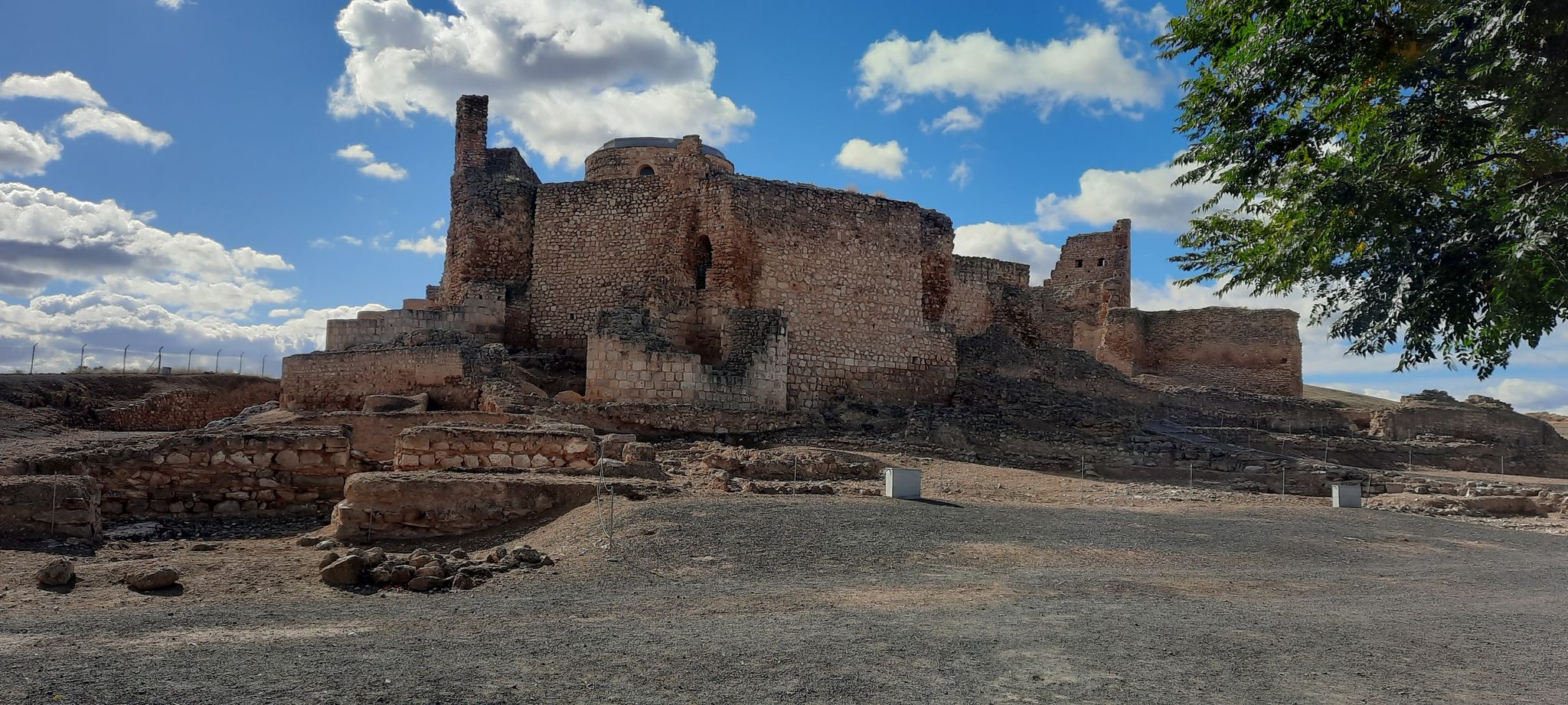
Castle of Calatrava la Nueva and Sacred Convent
Highlight • Castle
It was built by the Order of Calatrava after the battle of Las Navas de Tolosa, becoming the headquarters of the order and one of the most important defensive fortresses in Castile.
More than a simple fortress, it is a complex that included a church, a convent, a hostel, a town and an external enclosure, all protected by an extensive wall.
Translated by Google •
Tip by

Sign up now to discover places like this
Get recommendations on the best single tracks, peaks, & plenty of other exciting outdoor places.
Sign up for free
El Chorrillo Spring
Highlight • Natural Monument
Translated by Google •
Tip by
Cerro Gordo Volcano
Highlight • Volcano
Translated by Google •
Tip by
La Yozosa
Highlight • Volcano
Translated by Google •
Tip by
Sign up for free to discover even more natural monuments around Calzada De Calatrava.
Sign up for free
Already have an account?
Start today with a free account
Your next adventure awaits.
Login or Signup
Other adventures around Calzada De Calatrava

Tips from the Community

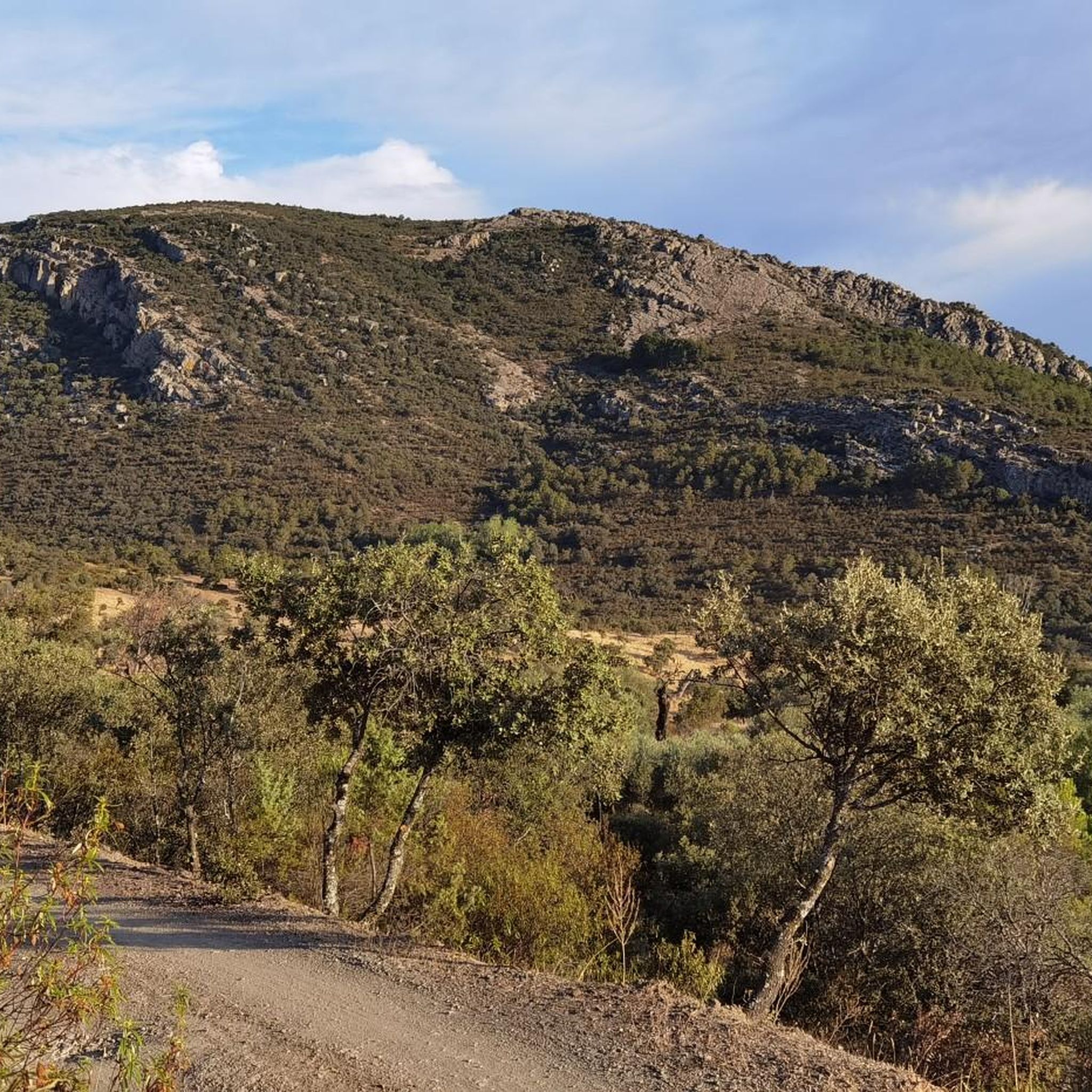
La Yozosa, also known as Llozosa, is a volcanic area located near Valenzuela de Calatrava, in the province of Ciudad Real. From the CR-5122 highway, which connects Valenzuela with Granátula de Calatrava, you can enjoy spectacular views of this volcanic environment, especially of the Cerro Gordo volcano, which is part of the Barondillo Maar and La Sima geological complex.
30
0
This castle stands on the impressive Alacranejo hill and, despite its original defensive character, it underwent various modifications. Opposite it there is another hill with the ruins of the Salvatierra Castle, in the lands of Calzada de Calatrava. It probably has Arab origins, but it was deeply remodeled with the transfer of the knights of the Order from the Castle of Calatrava La Vieja (Carrión de Calatrava) in 1217, after the battle of Las Navas de Tolosa with the aim of consolidating the defensive line of Sierra Morena. In turn, it is made up of three walled enclosures and is accessed by the original road that was built on the occasion of the visit of Philip II through the Iron Gate, in red volcanic stone. Afterwards, we can find the Gate of the Arches, which allows entry into the parlatorio or courtyard of the convent, the courtyards, the church, the rooms and the refectory. Really, when you walk through it, you can imagine what happened in
3
0
The Fuente del Chorrillo is one of the most representative “hot springs” of Campo de Calatrava. This name is used in the region to describe those water points (springs and wells) where the escape of CO2 bubbles of volcanic origin imitates the bubbling of water when boiling. This is what characterizes volcanism in this area, with an abundant presence of gases, with CO2 and water vapor being those that have played a relevant role in the eruptive dynamics.
19
0

Impressive castle and church which is located on top of a hill and which can also be seen from afar. The views of both the castle and the panorama it offers are brutal!
1
0
The so-called “hotbeds” are one of the most common phenomena in the Calatrava region, as a consequence of its intense volcanic activity. A unique spectacle that, together with sour springs, maares, wells, and jets or sinas, are part of the history of the region and that the Association for the Development of Campo de Calatrava tries to preserve and make known outside its borders.
21
0
Musealized volcano of Campo de Calatrava. The last eruption of the volcano was 700,000 years ago, it has a cone of 300 hectares and the lava flows reached 3 kilometers.
29
0

Settled on a fortified hill that has dominated since the Bronze Age, controlling the Port of Calatrava, a natural route to the Sierra Morena from the southern Spanish Plateau. The Castle and Convent of Calatrava la Nueva are monuments from the 12th century of great importance. Spectacular views from the top over the surrounding landscape.
2
0
This castle stands on the impressive Alacranejo hill and, despite its primitive defensive character, it underwent various modifications. In front of it there is another hill with the ruins of the Salvatierra Castle, in the lands of Calzada de Calatrava. It probably has Arab origin, but it was deeply remodeled with the transfer of the Knights of the Order from the Castle of Calatrava La Vieja (Carrión de Calatrava) in 1217, after the battle of Las Navas de Tolosa with the aim of consolidating the line defense of Sierra Morena. In turn, it is made up of three walled enclosures and is accessed by the original road that was built on the occasion of the visit of Felipe II through the Iron Gate, in red volcanic stone. Later, we can find the Puerta de los Arcos, which allows us to enter the parlatorio or courtyard of the convent, the parade ground, the church, the rooms and the refectory. Really, when going through it, you can imagine what happened in those medieval times of fights and prayers, as well as enjoying and expanding your heart with the relaxing landscapes that can be seen from its battlements.
7
0
Frequently Asked Questions
What unique natural features can I explore in Calzada de Calatrava?
Calzada de Calatrava is known for its distinctive volcanic landscape, featuring lava fields, craters, and unique geological phenomena. You can explore sites like the Hervideros Baños del Barranco, which showcases "hotbeds" and sour springs resulting from intense volcanic activity. The region is also home to the El Chorrillo Spring, where volcanic CO2 bubbles mimic boiling water, and the Cerro Gordo Volcano, a musealized volcano with extensive lava flows.
Are there any volcanic sites to visit in the area?
Yes, Calzada de Calatrava is part of the UNESCO-backed "Geoparque Volcanes de Calatrava." Key volcanic sites include the Cerro Gordo Volcano, which is the first visitable volcano in the Iberian Peninsula and features a visitor center. You can also see the unique "Hervideros" phenomena, and the La Yozosa volcanic area, offering spectacular views of the volcanic environment.
What are the "Hervideros" and where can I find them?
The "Hervideros" (Boiling Pots) are natural phenomena directly resulting from the intense volcanic activity in the Calatrava region. These "hotbeds," along with sour springs, maars, wells, and geysers, offer a unique spectacle of the area's geological history. The Hervideros Baños del Barranco is a prominent example, featuring thermal baths, a children's area, and picnic spots.
Are there any natural monuments known for wildlife or birdwatching?
Yes, the Vega del Jabalón Reservoir is an excellent spot for birdwatching, especially during sunsets. The Micro-reserve of the Ojailén Tunnels is also significant as a crucial habitat for several endangered bat species, making it a key location for wildlife enthusiasts. The region's natural beauty supports diverse wildlife, including the Iberian imperial eagle, black vulture, and Iberian lynx.
Are there family-friendly natural monuments or activities?
Absolutely. The Cerro Gordo Volcano is considered family-friendly, with marked paths and a visitor center. The Hervideros Baños del Barranco also offers a children's area and picnic spots, making it suitable for families. The Micro-reserve of the Ojailén Tunnels provides an interesting educational experience for those interested in ecology and bats.
What is the best time of year to visit the natural monuments?
The best seasons for hiking and exploring the natural monuments in Calzada de Calatrava are typically spring and autumn. During these times, the weather is milder, making outdoor activities more pleasant. Summer can be very hot, and while winter is generally mild, some areas might be less vibrant. Always check local weather conditions before your visit.
Are there hiking trails associated with these natural monuments?
Yes, the region offers various hiking routes that connect natural sites with historical ones. For example, the volcanic landscape of Campo de Calatrava, including the Cerro Gordo Volcano, has marked paths. You can find numerous cycling, road cycling, and mountain biking routes around Calzada de Calatrava that pass by these natural monuments. Explore options like the "Aldea del Rey - Jabalón Reservoir Loop" or "Salvatierra Castle loop from Calzada de Calatrava" in our Cycling around Calzada De Calatrava guide, Road Cycling Routes around Calzada De Calatrava guide, or MTB Trails around Calzada De Calatrava guide.
What historical sites are near the natural monuments?
The natural beauty of the region often intertwines with its rich history. The Castle of Calatrava la Nueva and Sacred Convent is a significant historical site located on a hill, offering panoramic views that encompass the natural landscape. This large fortress, built in the 13th century, was the headquarters of the Order of Calatrava and is a must-visit for history enthusiasts.
Can I bring my dog to the natural monuments?
Many natural areas in Calzada de Calatrava are dog-friendly, especially trails and open spaces like those around the Vega del Jabalón Reservoir or the volcanic landscapes. However, it's always advisable to keep your dog on a leash and ensure you clean up after them. Specific rules may apply to micro-reserves or protected habitats, so check local signage.
Are there facilities like parking or visitor centers available?
Yes, for some of the more prominent natural monuments, facilities are available. The Cerro Gordo Volcano, for instance, features a visitor center and marked paths, indicating accessibility and potentially parking. The Hervideros Baños del Barranco also has picnic areas and is located on a very passable road, suggesting ease of access and parking.
What should I bring for a visit or hike to these natural monuments?
For a comfortable visit, especially if you plan to hike, it's recommended to bring appropriate footwear, water, sun protection (hat, sunscreen), and snacks. Depending on the season, layers of clothing might be useful. If you're visiting for birdwatching or wildlife, binoculars are a good idea. Always carry a map or use a reliable navigation app like komoot.
Most popular attractions around Calzada De Calatrava

Get inspired with the komoot mobile app


Explore more
Extend your search for the best caves by checking out these guides of the top ones around Calzada De Calatrava:
