Top 11 Mountain Passes around Borredà
Best mountain passes around Borredà are found in a region characterized by its rugged landscape and elevated points within the Pre-Pyrenees. Borredà is situated between the Sierra de Picancel and the Sierra del Catllaràs, offering access to diverse natural environments. These high-altitude locations provide extensive hiking and mountain biking opportunities. The area is valued for its scenic beauty and varied terrain.
Best mountain passes around Borredà
- The most popular mountain pass is Coll de Merolla, a mountain pass that…
Last updated: June 17, 2026
Coll de Merolla
Highlight • Mountain Pass
Good food and a fantastic morning in the foothills of the Pyrenees
Translated by Google •
Tip by

Collada de Sobirana
Highlight • Mountain Pass
Translated by Google •
Tip by

Sign up now to discover places like this
Get recommendations on the best single tracks, peaks, & plenty of other exciting outdoor places.
Sign up for free
Collada de Sant Isidre
Highlight • Mountain Pass
Translated by Google •
Tip by

Ascent to Coll de Pradell from Les Cases Noves del Collet
Highlight (Segment) • Climb
The first section runs along the B-400 highway and is very flat. It is by far the …
Translated by Google •
Tip by

Collada de Falgars (1255 m)
Highlight • Mountain Pass
Translated by Google •
Tip by

Sign up for free to discover even more mountain passes around Borredà.
Sign up for free
Already have an account?
Start today with a free account
Your next adventure awaits.
Login or Signup


Tips from the Community

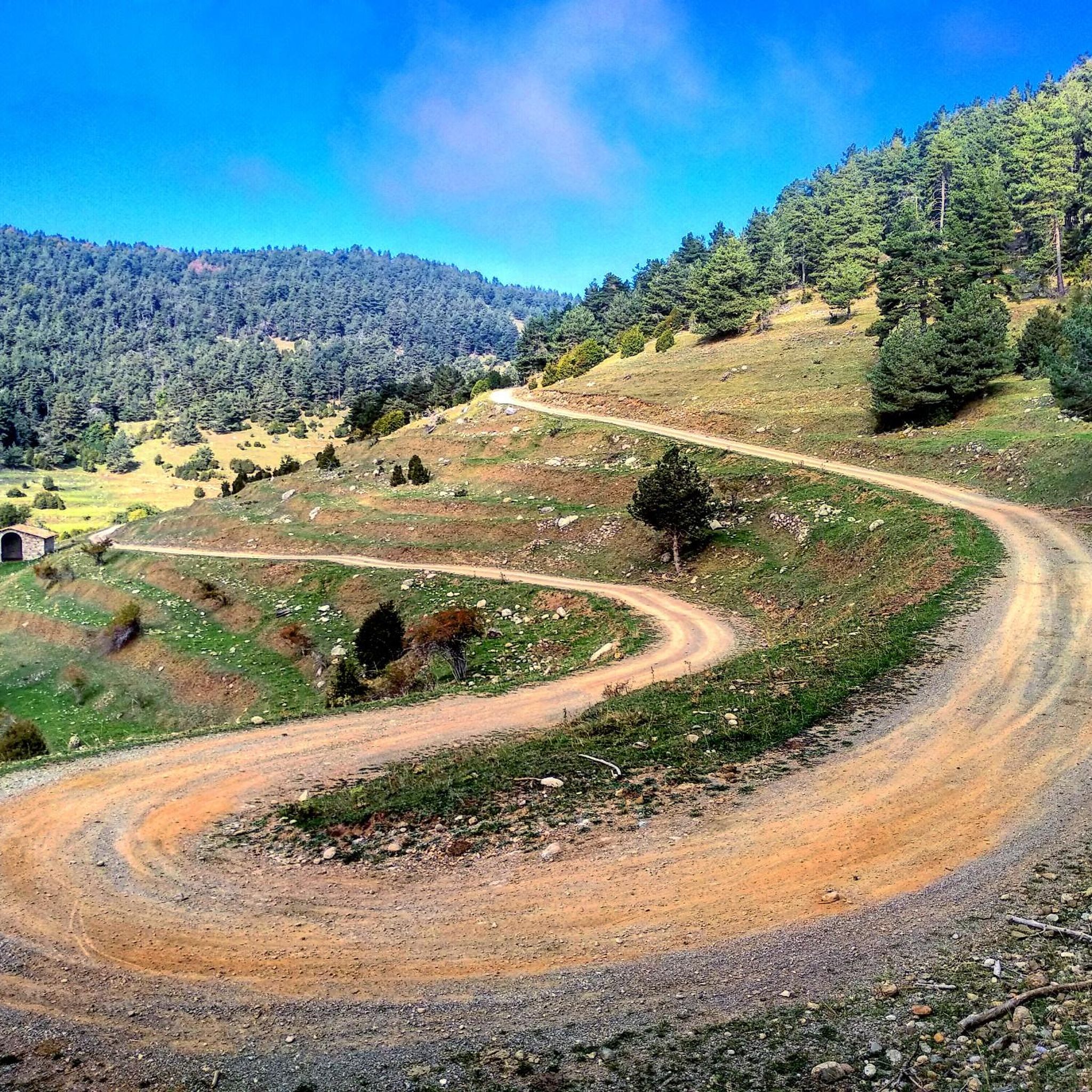
It's a very beautiful and challenging mountain pass in the Catalan Pre-Pyrenees, in the Berguedà region. The road enters a very unspoiled area, reaching the villages of Malanyeu and La Nou del Berguedà. The road is narrow but in perfect condition; it's a pleasure to ride here. The Volta a Catalunya included it in its 2024 route, the edition won by Pogaçar, on the stage that finished at the Sanctuary of Queralt. It was on this mountain pass, on its northern slope, that Pogaçar launched a violent attack to go solo and ride the final 30 km and take the stage victory.
1
0

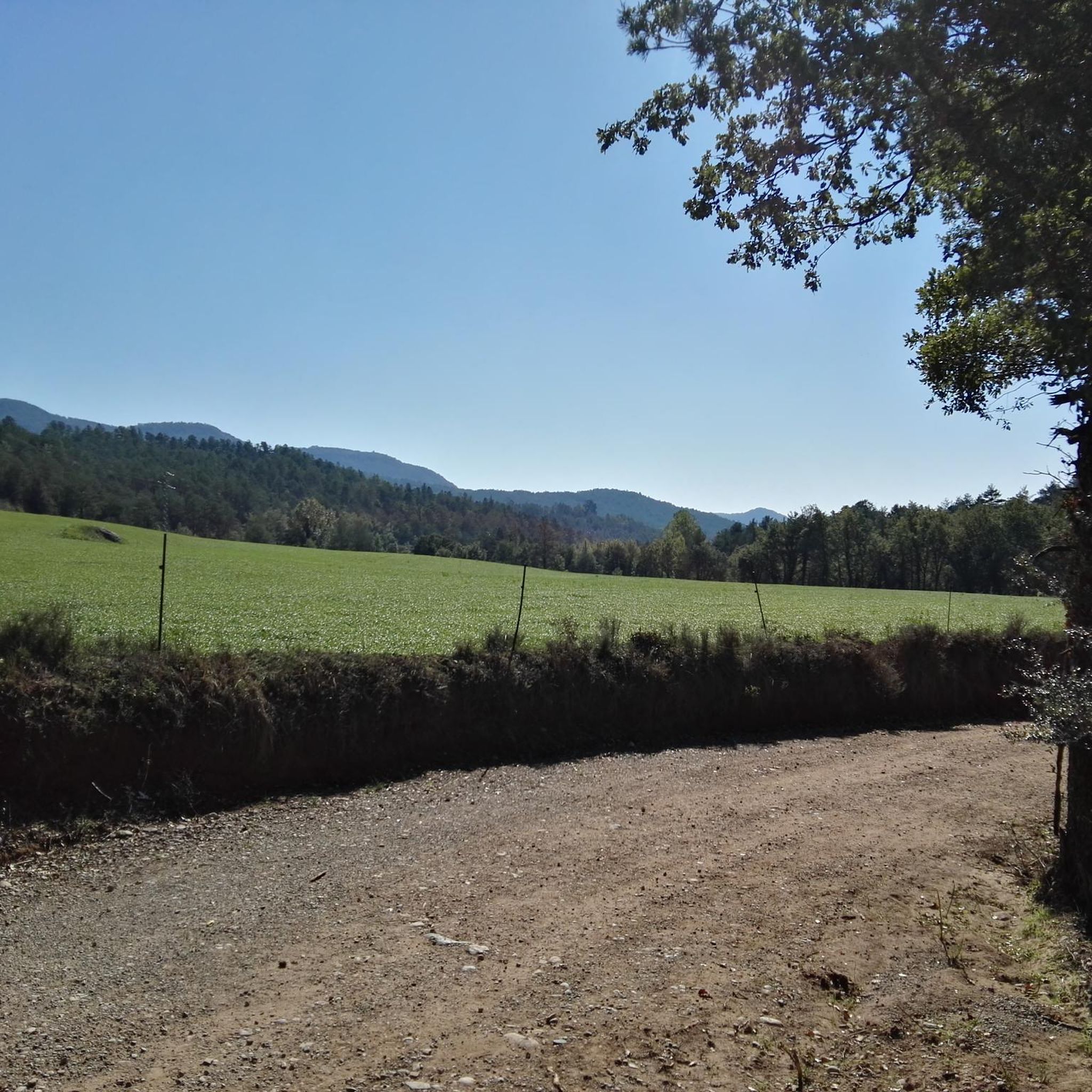
The Collada de Sant isidre is located on the road that connects Malanyeu to Nou de Berguedà.
1
0
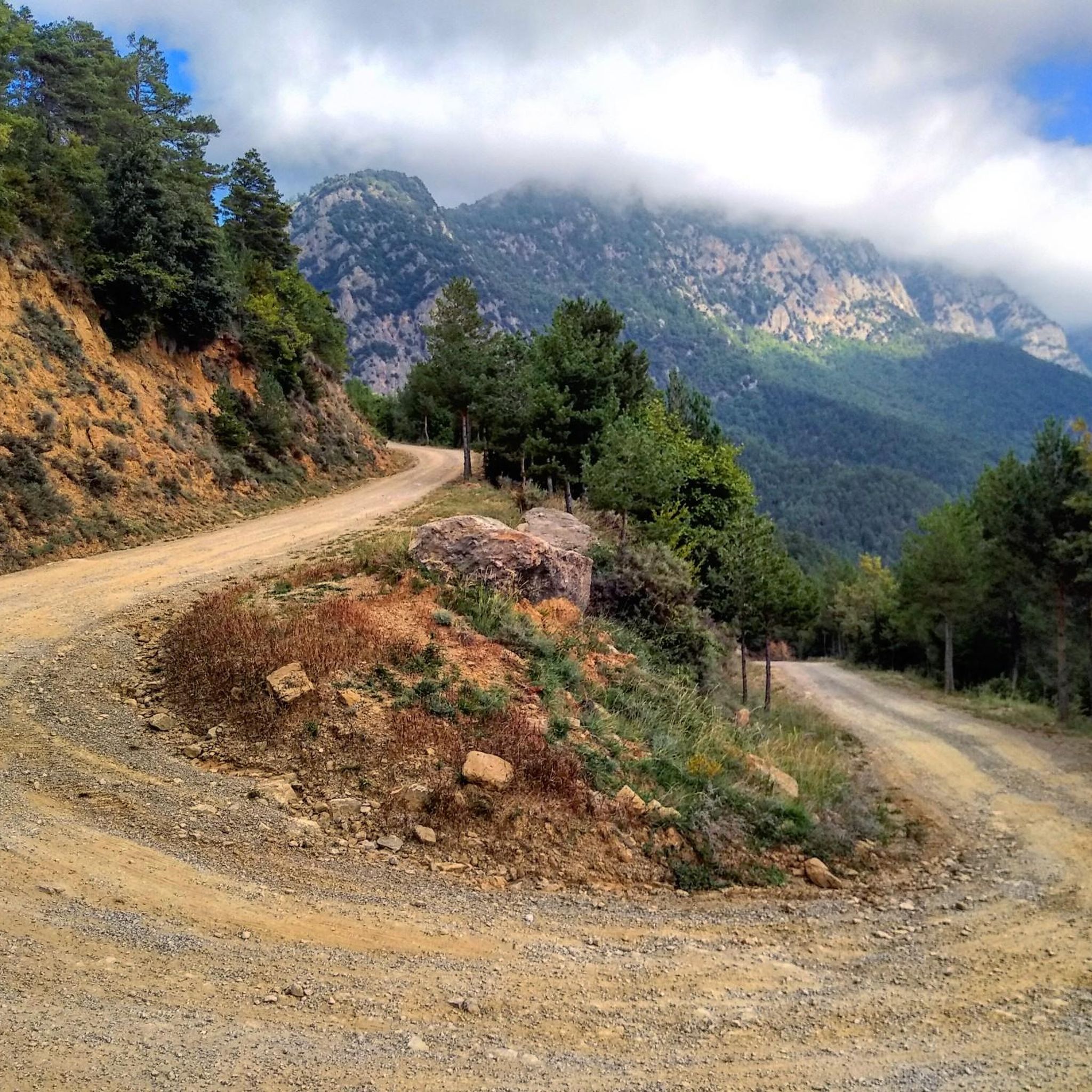
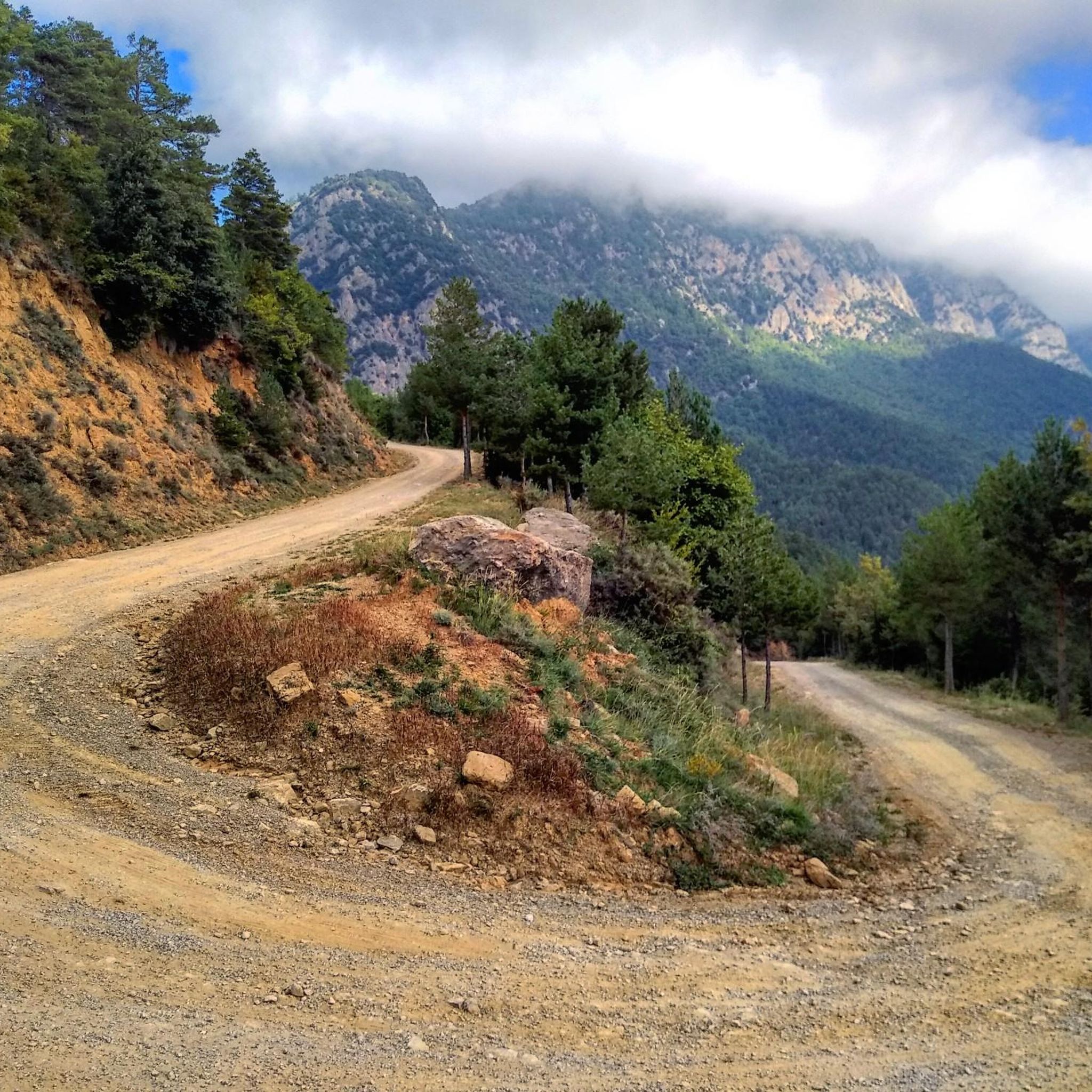
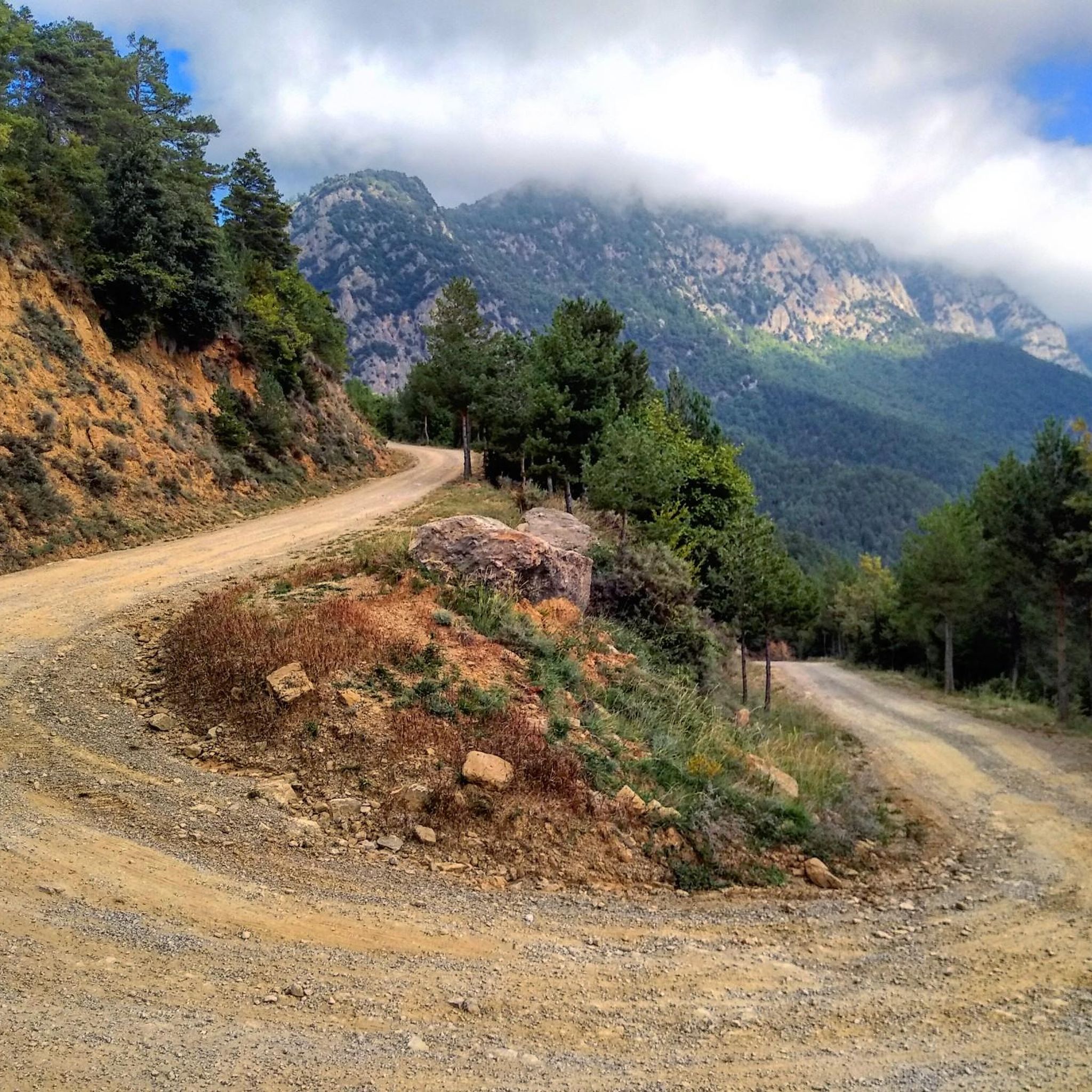
The Collada Sobirana is a classic of the Berguedà, whether from Guardiola de Berguedà or from the Pobla de Lillet, it is a pleasant and tough port at the same time. The first is longer and harder, with more exposure to wind and sun. The second is shorter and draws its curves in a very leafy forest that can protect you on very hot days.
0
0
The Collada de Falgars is the opposite of the Collada de Subirana, going up from the Pobla de Lillet. It is a local road with good pans and often cattle on the tarmac. At the top of the Coll there is a Sanctuary, good views and also a bar where you can get refreshments.
0
0
It is a very steep and fun climb on both sides. The road is very winding, with continuous curves and countercurves, some of these counterbanks. The asphalt is rough and there is no shoulder, although it is true that traffic is very scarce. The eastern slope, which starts from Campdevánol and passes through Gombrèn, is approximately 14 km and in no case does the slope exceed 5%. It is a sunny climb, very favorable for the colder months. In summer it is usually very hot. The western slope, which starts from Guardiola de Berguedà, is a little longer and presents a first section to La Pobla de Lillet characterized by long straights. It has some sections at 6-7% and the last 3 km are the hardest.
0
0
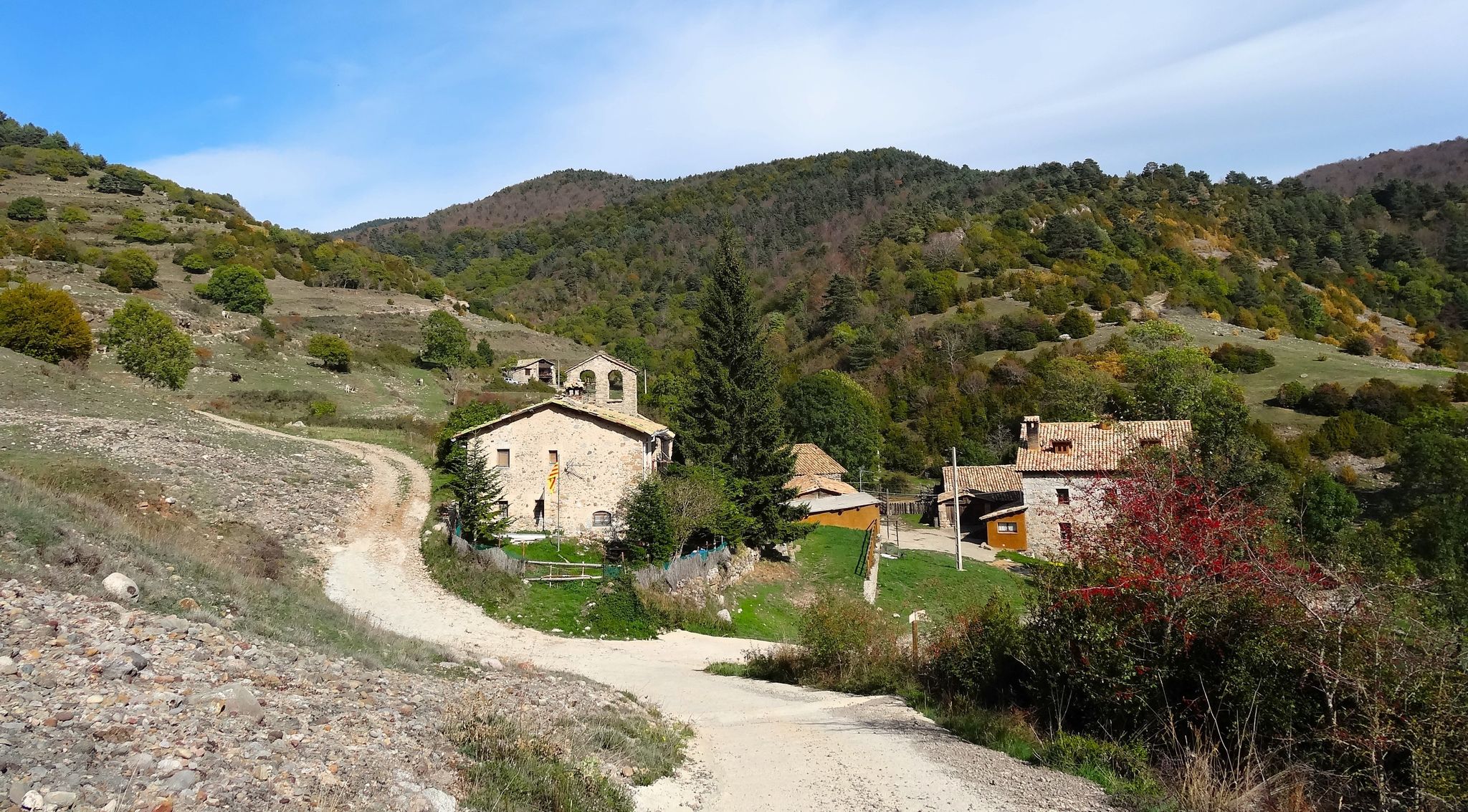
The Coll de Merolla is the crossing point between the Pobla de Lillet and Campdevànol, that is to say between the upper Berguedà and the Ripollès. The two slopes are gentle, and halfway, near Gombrèn, there is the link with the Carretera de Montgrony, to continue climbing up to Castellar de N'Hug. At the top is the Merolla refuge, site of the legendary full moon brevet dinner.
0
0

The Coll de Merolla refuge is located at 1090 meters above sea level, next to the road that connects Pobla de Lillet and Gombrèn. It consists of a kitchen and dining room and four rooms with bunk beds and capacity for 23 people. There is also a community kitchen and bar and restaurant service.
0
0
Climb to Coll de Pradell from the C-16 turnoff near Guardiola de Berguedà. The first section runs along the B-400 highway and is very flat. It is by far the busiest section, especially on holidays, weekends, or vacation periods. The road has no shoulder and the asphalt is in perfect condition. The second section begins when you take the detour to the left onto the B-401 highway toward the village of Vallcebre. The road widens and the shoulder appears. This section has an initial uphill section and a subsequent descent to Vallcebre. The third section is very tough and begins in the village of Vallcebre itself. It consists of approximately 3 km of very steep and constant gradients above 12% until you reach a rest stop. The fourth section is literally a savagery. Take the road to the left and face the first winding section above 10%. After a brief rest, the famous concrete ramp at 23% appears. You have to hang on tight. From here to the top, it's 2 km where you only see the road. If you stop to take a break, you'll see the mining train and the beautiful views of the valley behind you.
0
0
Frequently Asked Questions
What kind of terrain and natural features can I expect to find around Borredà's mountain passes?
The region around Borredà is characterized by a rugged landscape within the Pre-Pyrenees, featuring jagged conglomerates, deep valleys, and vast forests of oaks, pines, and beeches. You'll encounter diverse natural environments, from dense woodlands to exposed slopes, offering stunning panoramic views of the Pyrenean and Pre-Pyrenean ranges, including peaks like Pedraforca and Cadí-Moixeró.
Are there any particularly challenging mountain passes for experienced cyclists or hikers?
Yes, several passes offer significant challenges. For cyclists, Collada de Sobirana is known for sections exceeding 10% gradient, with some ramps reaching 15% from Guardiola de Berguedà. Similarly, Collada de Sant Isidre features steep climbs on a secondary road. For an extreme challenge, the Ascent to Coll de Pradell includes a notorious concrete ramp at 23%.
What historical or cultural sites can be found near the mountain passes?
The region is rich in history. You can discover Romanesque hermitages and churches, such as Sant Jaume de Frontanyà, along various trails. The sanctuary of Santa María de la Quar, a 16th-century church, is situated over 1000 meters above sea level within the Sierra de Picancel. Additionally, the 'Coll de sota del castell' (Pass below the castle) offers magnificent panoramic views alongside historical context related to the ancient castle of La Pobla.
What outdoor activities can I do near these mountain passes?
The area around Borredà is excellent for various outdoor activities. You can enjoy extensive hiking opportunities, with trails like the GR 4 and GR 241 crossing the Sierra del Catllaràs. Mountain biking is also very popular, especially in the Sierra de Picancel. For more ideas, explore the hiking routes around Borredà, cycling tours, or gravel biking adventures.
When is the best time to visit the mountain passes around Borredà?
The changing seasons bring different beauty to the region. Spring offers wildflowers, while autumn provides spectacular amber and gold foliage. The thick forests, especially on passes like Collada de Sobirana, make them ideal for hot summer days. Generally, spring to autumn offers pleasant conditions for hiking and cycling, allowing you to enjoy the diverse landscapes and views.
Are there any mountain passes that offer facilities like refuges or cafes?
Yes, Coll de Merolla features a refuge directly at the pass, providing a convenient stopping point with good food. Similarly, at Collada de Falgars, you'll find a church to visit and a very nice bar where you can take a break and get refreshments.
What are some notable viewpoints or panoramic spots in the region?
Many elevated points and passes offer stunning vistas. From the Sierra del Catllaràs, you can enjoy views of Pedraforca, Vallfogona, or Cadí-Moixeró. The 'Coll Fred' within Catllaràs also provides magnificent panoramic views of the Pyrenean and Pre-Pyrenean ranges. The 'Coll de sota del castell' offers broad views of the Berguedà and Ripollès ranges.
Can I find circular hiking routes that incorporate these mountain passes?
Absolutely. The GR 241 is an approximately 55 to 60-kilometer circular route that starts and ends in Borredà, traversing both the Sierra de Picancel and the Sierra del Catllaràs. This trail takes hikers through natural viewpoints and varied landscapes, including forests, rivers, and peaks, making it an excellent option for experienced hikers.
What do visitors particularly enjoy about the mountain passes and trails around Borredà?
Visitors appreciate the tranquility and natural beauty of the area, often describing peaceful walks amidst birdsong and dappled sunlight. The variety of terrain provides options for different activity levels, from gentle ascents to challenging climbs. The scenic viewpoints and opportunities to discover historical sites are also highly valued by the komoot community.
Are there opportunities for wild swimming near the mountain passes?
While not directly at the passes, the GR 241 circular trail, which traverses the region, offers opportunities for refreshing dips in the streams of Merlès, Mergançol, or La Clusa. These natural water bodies provide a chance to cool off during longer hikes.
What kind of forests can I expect to see when exploring the mountain passes?
The region boasts diverse forest types. You'll find spectacular dense forests of oaks, pines, and beeches, particularly prominent in the Sierra del Catllaràs. Passes like Collada de Sobirana also feature thick forest cover, providing shade and a unique atmosphere for your journey.
Most popular routes around Borredà
Most popular attractions around Borredà

Get inspired with the komoot mobile app


Explore more
See even more epic mountain passes by checking out these guides around Borredà:
