Top 13 Mountain Passes around El Bruc
Best mountain passes around El Bruc provide access to the unique landscapes of the Montserrat Natural Park. This region is characterized by its distinctive "serrated" rock formations and pink conglomerate geology. Elevated points and passes offer extensive panoramic views of the Catalan landscape. The area is also rich in history, with sites like ancient Romanesque churches and historical battlegrounds.
Best mountain passes around El Bruc
- The most popular mountain passes is La Portella Pass, a mountain pass that allows…
Last updated: May 20, 2026
Coll de Can Maçana
Highlight • Mountain Pass
Translated by Google •
Tip by

Portell de Migdia (1,029 m)
Highlight • Mountain Pass
Translated by Google •
Tip by

Sign up now to discover places like this
Get recommendations on the best single tracks, peaks, & plenty of other exciting outdoor places.
Sign up for free
La Portella Pass
Highlight • Mountain Pass
Translated by Google •
Tip by
L'Ajaguda Pass or Bassal dels Gats
Highlight • Mountain Pass
Passage point for the Camí dels Francesos or …
Translated by Google •
Tip by
Pla del Fideuer
Highlight • Mountain Pass
Translated by Google •
Tip by

Sign up for free to discover even more mountain passes around El Bruc.
Sign up for free
Already have an account?
Start today with a free account
Your next adventure awaits.
Login or Signup

Other adventures around El Bruc

Tips from the Community

You'll have good luck if you see the Magical mountain, and the descent after is fantastic :-)
0
0


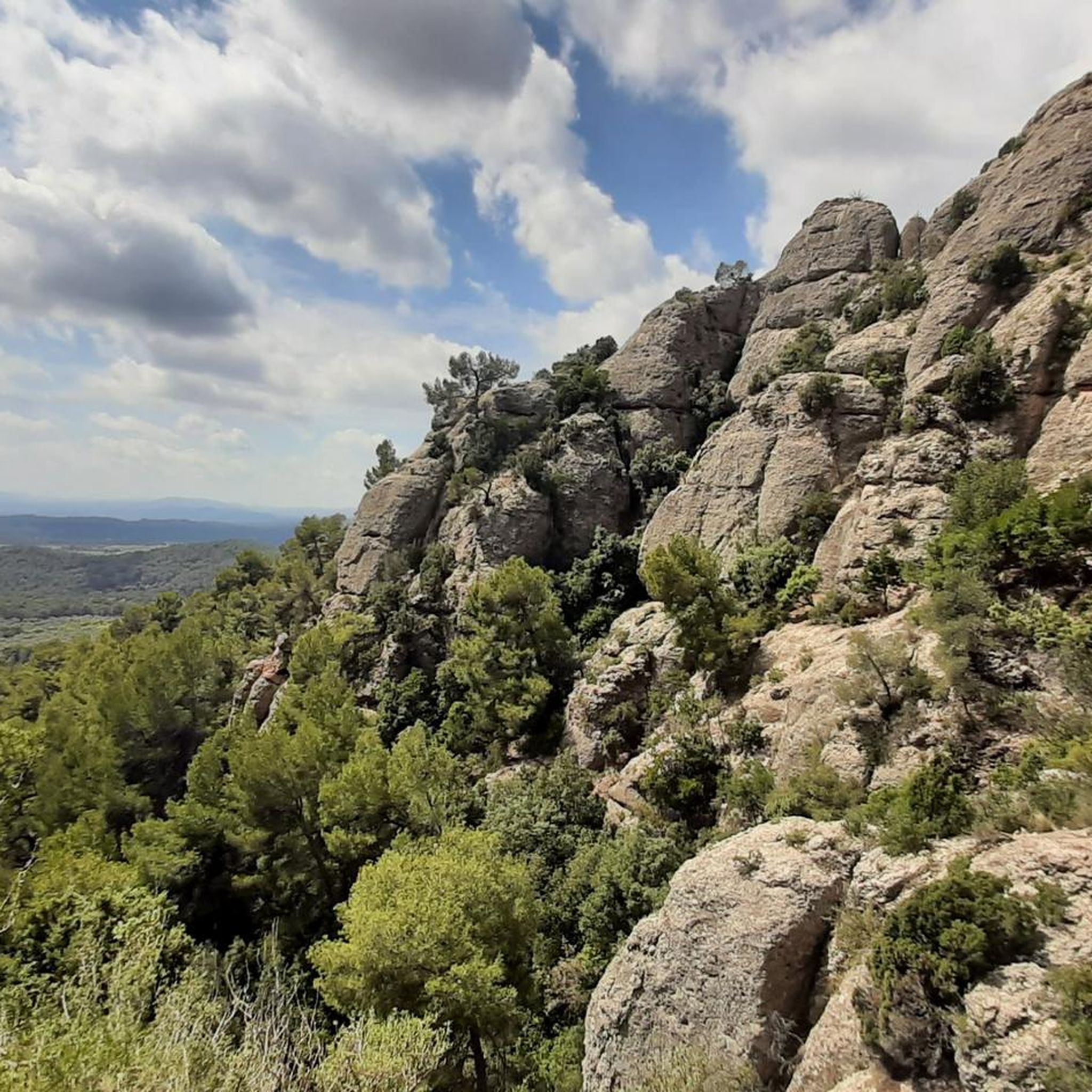
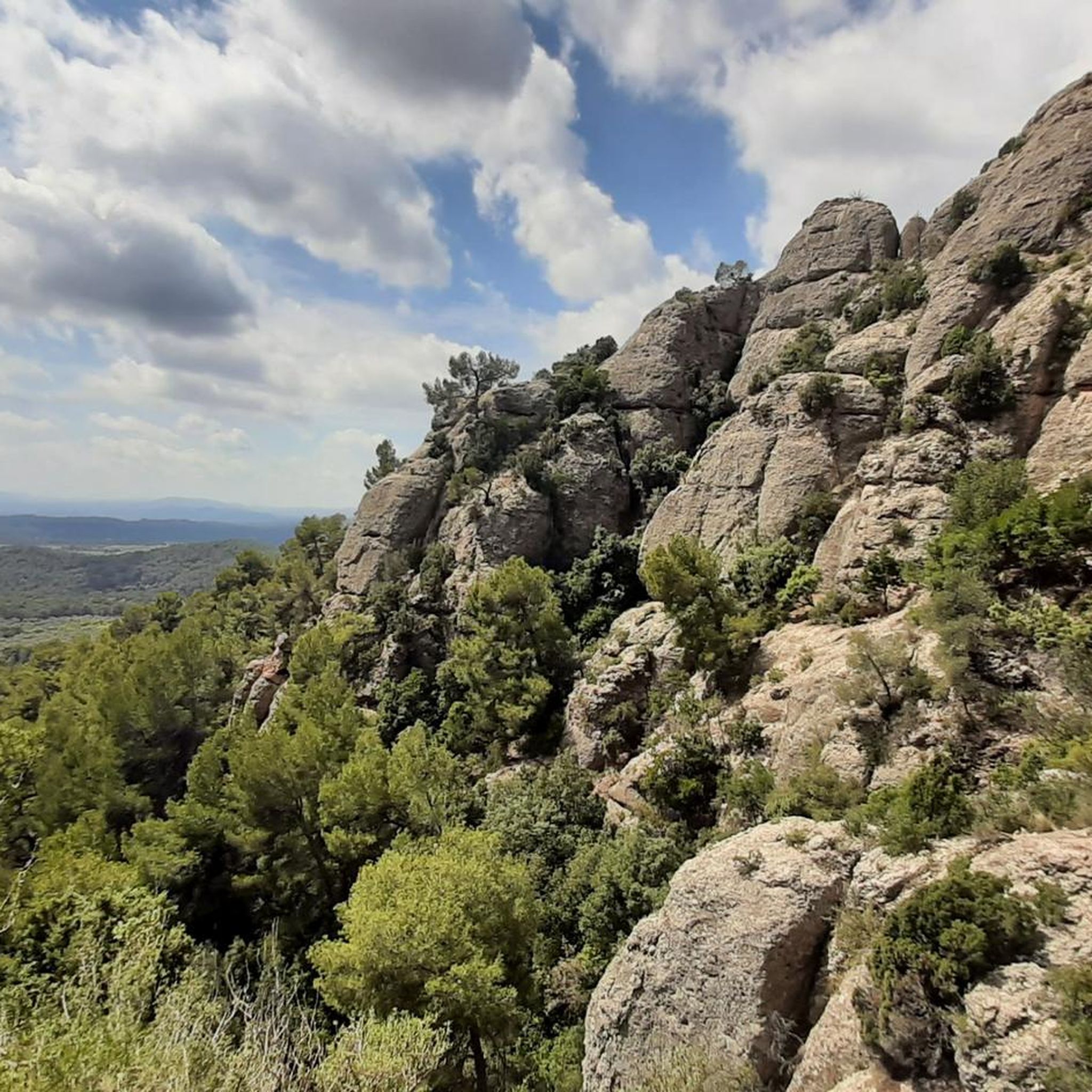
Can Maçana is an old farmhouse that gives its name to the hill in the westernmost part of the Montserrat massif. The pass is one of the natural passes between the regions of Bages and Anoia. The farmhouse belonged to the Maçana (or Massana) family during the 16th and 17th centuries. It later became the property of the Montserrat monastery (on the door you can see the coat of arms of the monastery, dated 1791). This part of the massif is known for its famous stone needles (the area is known as "the labyrinth of needles"). At this point there is a car park and it is the starting point of numerous signposted routes, such as those that go to Sant Pau Vell (ancient Romanesque church) or the historical space of the Battle of Bruc.
1
0

Narrow and at the same time beautiful passage in the middle of the Roca Gran de la Portella. In this step you have to be alert, but you are entering the mountain of Montserrat.
0
0

Route information signs. Parking €6/day on weekends.
0
0

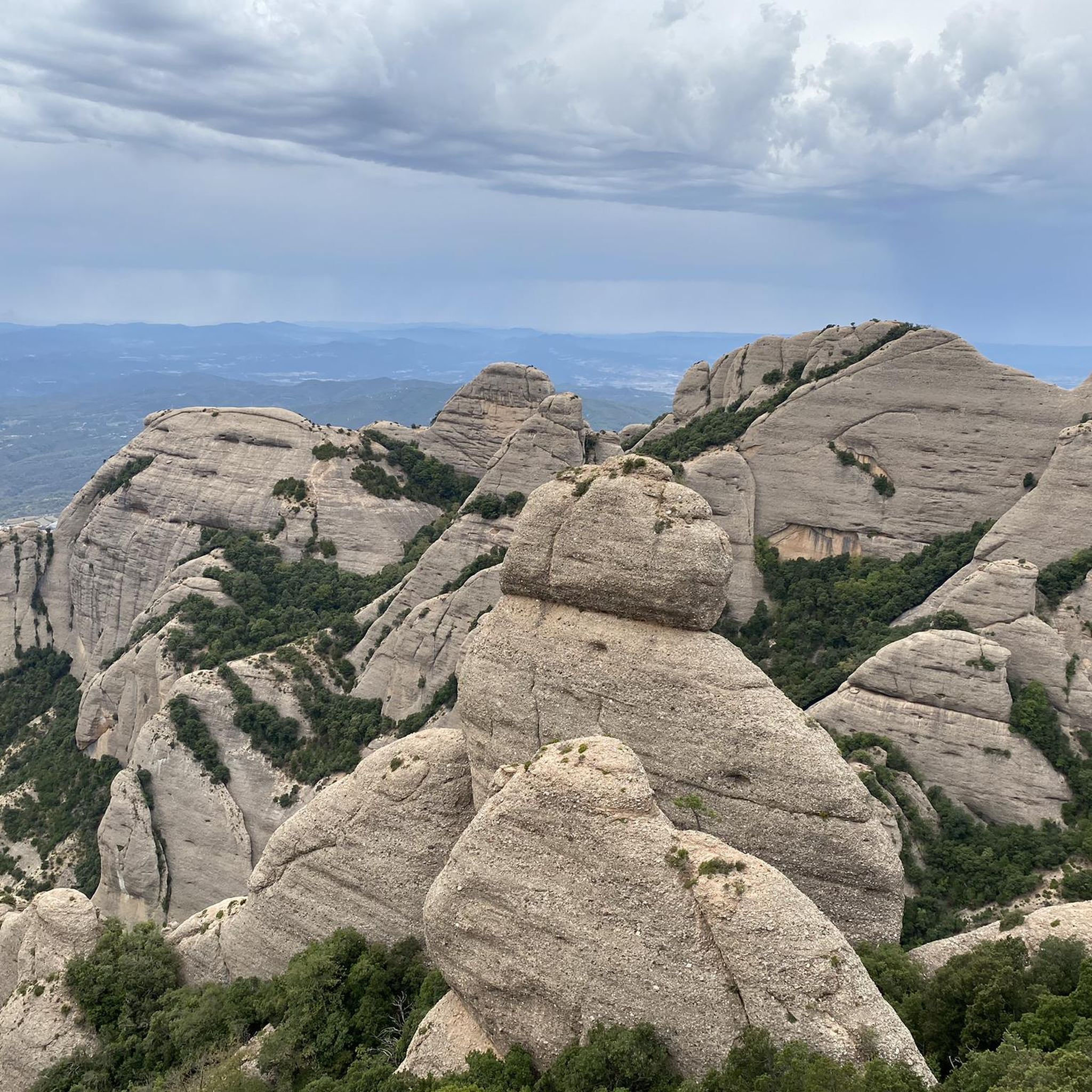
Spectacular views of the Montserrat mountain.
0
0

The Pla del Fideuer is a border pass between the municipalities of Olesa de Montserrat and Vacarisses. Roads branch out in all directions. If you don't want to walk a lot, you can leave your car relatively close and go on a pleasant outing with the family. There is a place with tables where you can have a picnic.
1
0

Important crossroads that gives access to the Canal de Middia, which divides Montserrat Mountain in two, the regions furthest from the monastery: Agulles, Frares Encantats and Ecos to the west and the regions of Tabor, Tebes and Tebaida to the east. To the north, the Canal de la Font del Llum path connects with the GR 172 that connects Can Maçana and Santa Cecilia, to the west the path that gives access to the region of Ecos and to the south the path that gives options to continue towards the Montgròs, towards Sant Jeroni or towards the different itineraries in the south of the mountain while following the Migdia canal.
2
0
Frequently Asked Questions
What are some of the most notable mountain passes around El Bruc?
El Bruc offers access to several distinctive mountain passes within the Montserrat Natural Park. Among them are Coll de Can Maçana, known for its famous stone needles and as a starting point for various routes, and La Portella Pass, which provides a unique entry into the Agulles region through a stepped channel formed by erosion. Another significant pass is Pla del Fideuer, a border pass popular for picnics and family outings.
What unique geological features can I expect to see at the mountain passes near El Bruc?
The mountain passes around El Bruc are renowned for the Montserrat massif's unique geology. You'll encounter dramatic 'serrated' or needle-like rock formations, composed of distinctive pink conglomerate rocks. Passes like Coll de Can Maçana are particularly famous for their 'labyrinth of needles,' offering spectacular natural scenery.
Are there family-friendly mountain passes or routes suitable for children near El Bruc?
Yes, some areas are suitable for families. Pla del Fideuer is a great option, offering picnic tables and a pleasant outing where you can leave your car relatively close. Many routes from this pass are manageable for families looking for a less strenuous experience.
What historical or cultural sites can be accessed from the mountain passes?
The region is rich in history. From passes like Coll de Can Maçana or L'Ajaguda Pass or Bassal dels Gats, you can find routes leading to historical sites such as the ancient Romanesque church of Sant Pau Vell or the historical space of the Battle of Bruc. The broader Montserrat area also features the famous Montserrat Monastery and various hermitages.
What kind of panoramic views can I expect from the mountain passes?
The elevated points and passes in the Montserrat Natural Park, accessible from El Bruc, offer extensive panoramic views of the Catalan landscape. On clear days, it's often possible to see as far as the Pyrenees Mountains, providing breathtaking vistas of the surrounding natural beauty.
Are there opportunities for hiking and other outdoor activities near these mountain passes?
Absolutely. The area provides extensive opportunities for outdoor activities, including hiking, climbing, and mountaineering. Many passes serve as starting points for numerous signposted routes. For more detailed information on running, road cycling, and general cycling routes, you can explore the dedicated guides: Running Trails around El Bruc, Road Cycling Routes around El Bruc, and Cycling around El Bruc.
What is the best time of year to visit the mountain passes around El Bruc?
While the guide doesn't specify a single 'best' time, the Montserrat region generally offers pleasant conditions for outdoor activities during spring (April-May) and autumn (September-October) when temperatures are milder. Summer can be hot, and winter might bring colder weather, though snow is less common at lower elevations.
Is there parking available at the trailheads for the mountain passes?
Yes, for some passes, parking is available. For instance, Coll de Can Maçana has a car park, making it a convenient starting point for many routes into this part of the Montserrat massif. It's advisable to check specific access points for parking availability.
What makes <a href="https://www.komoot.com/highlight/5027642" target="_blank" rel="noopener">Portell de Migdia (1,029 m)</a> a significant pass?
Portell de Migdia is an important crossroads that provides access to the Canal de Migdia, effectively dividing Montserrat Mountain into distinct regions. It connects various paths, including those leading to the Agulles, Frares Encantats, and Ecos regions to the west, and Tabor, Tebes, and Tebaida to the east, making it a key navigational point for exploring the massif.
Can I find facilities like picnic areas near the mountain passes?
Yes, some passes offer facilities for visitors. For example, Pla del Fideuer is known for having tables where you can enjoy a picnic, making it a comfortable spot for a break during your exploration.
What do visitors particularly enjoy about the mountain passes in El Bruc?
Visitors appreciate the unique geological formations, especially the 'stone needles' and 'serrated' rocks, which create a dramatic landscape. The panoramic views from elevated points are also a major draw. Many enjoy the blend of natural beauty with the rich history, including ancient churches and battle sites, making for a diverse outdoor experience.
Most popular routes around El Bruc
Most popular attractions around El Bruc

Get inspired with the komoot mobile app


Explore more
See even more epic mountain passes by checking out these guides around El Bruc:
