Top 3 Mountain Passes around Bigues i Riells del Fai
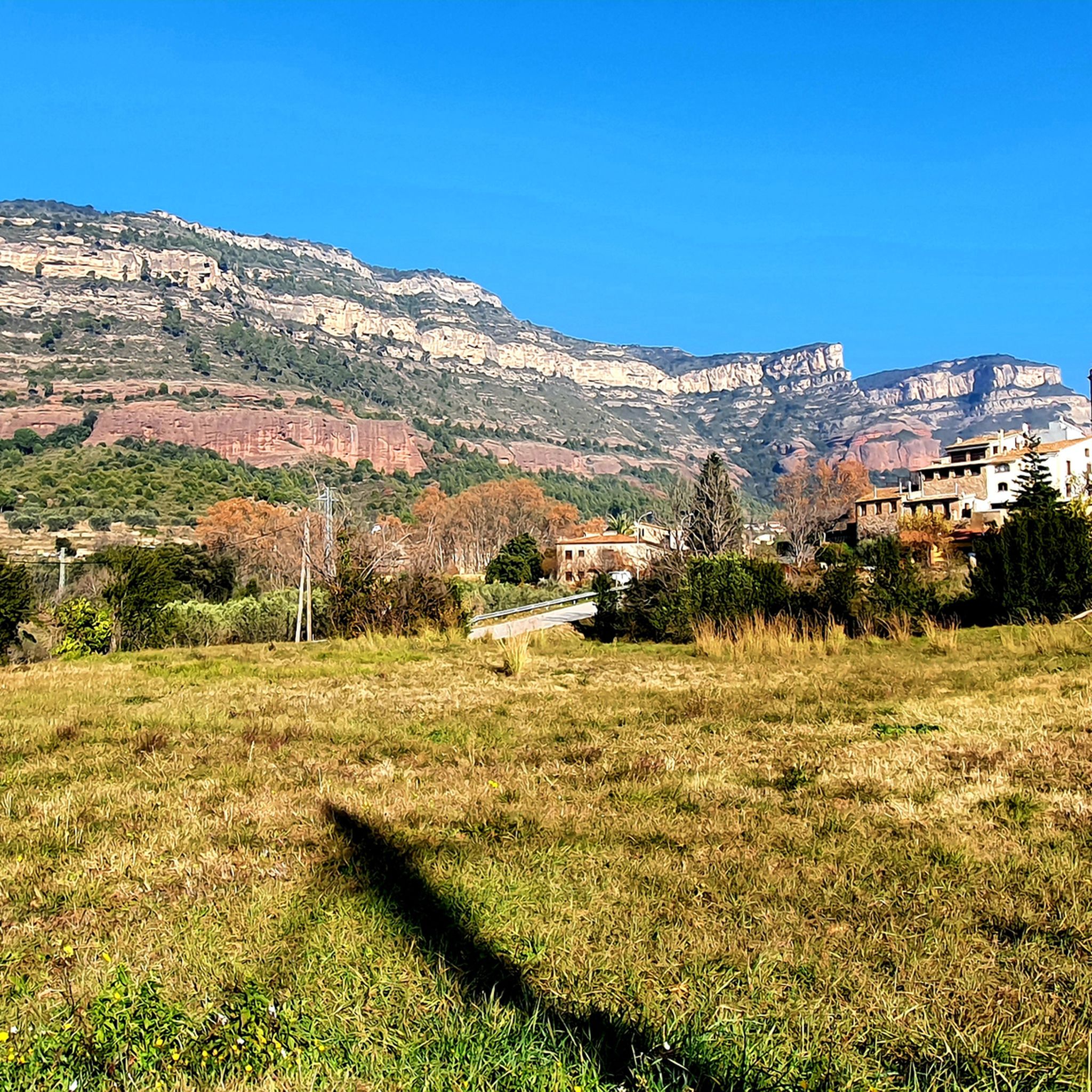
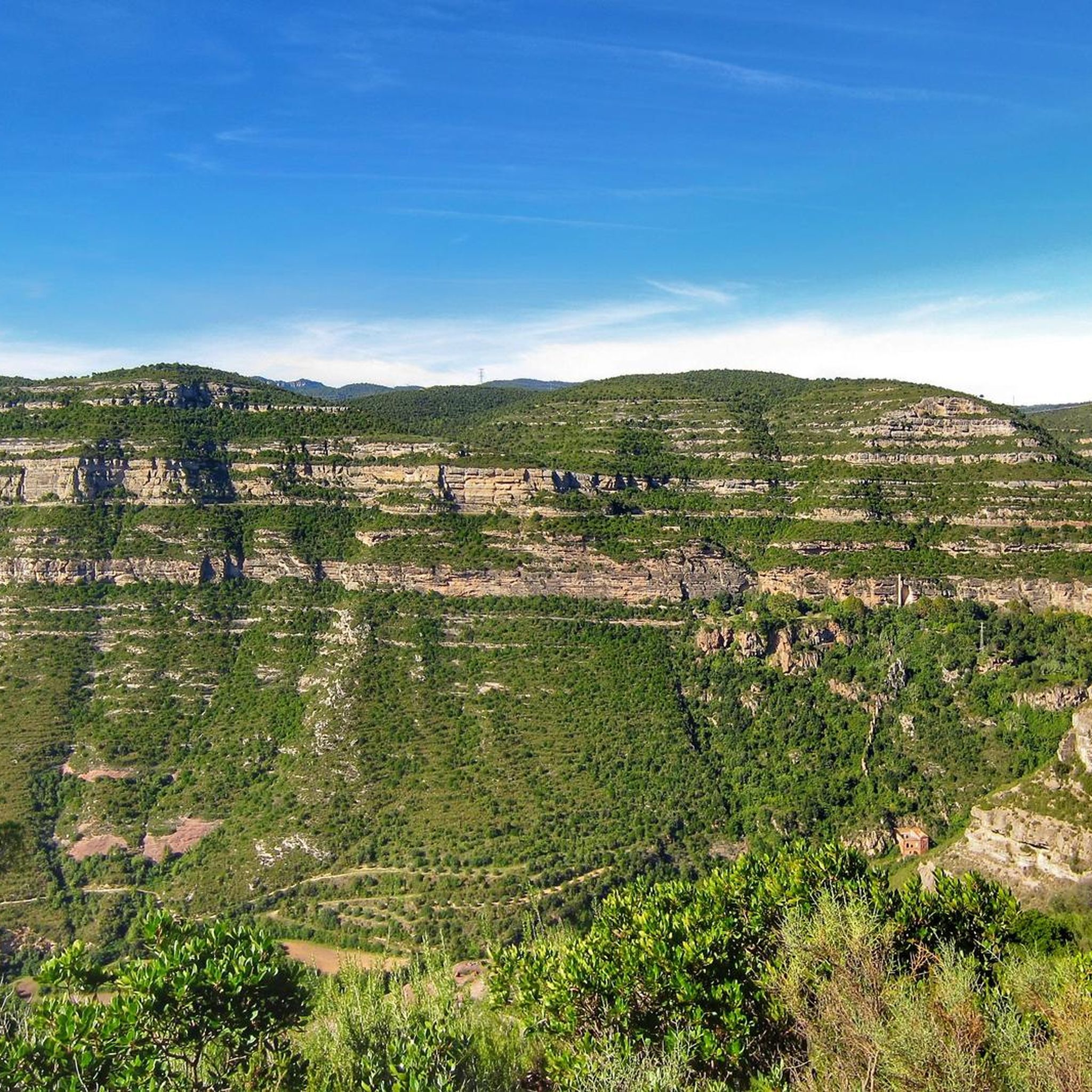
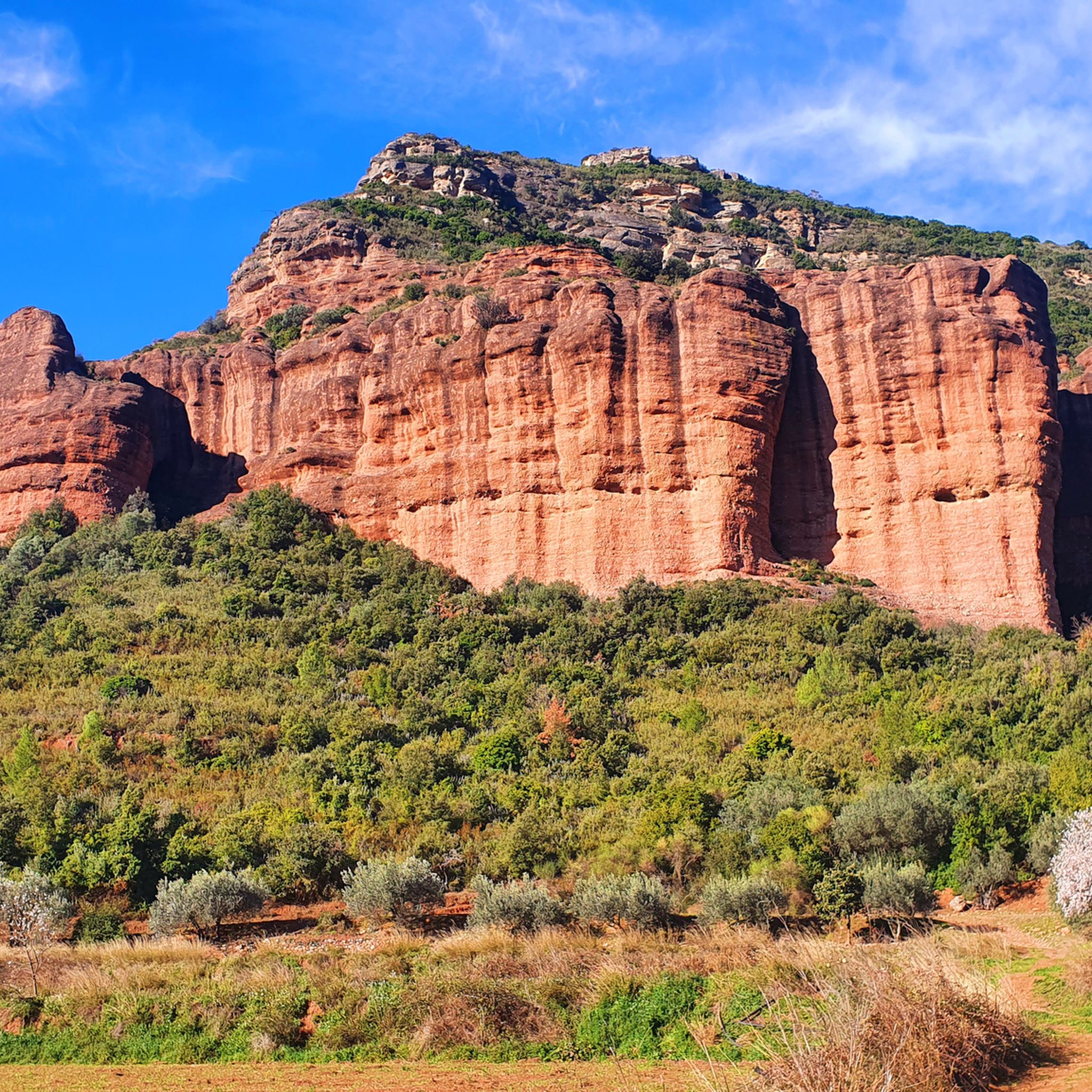
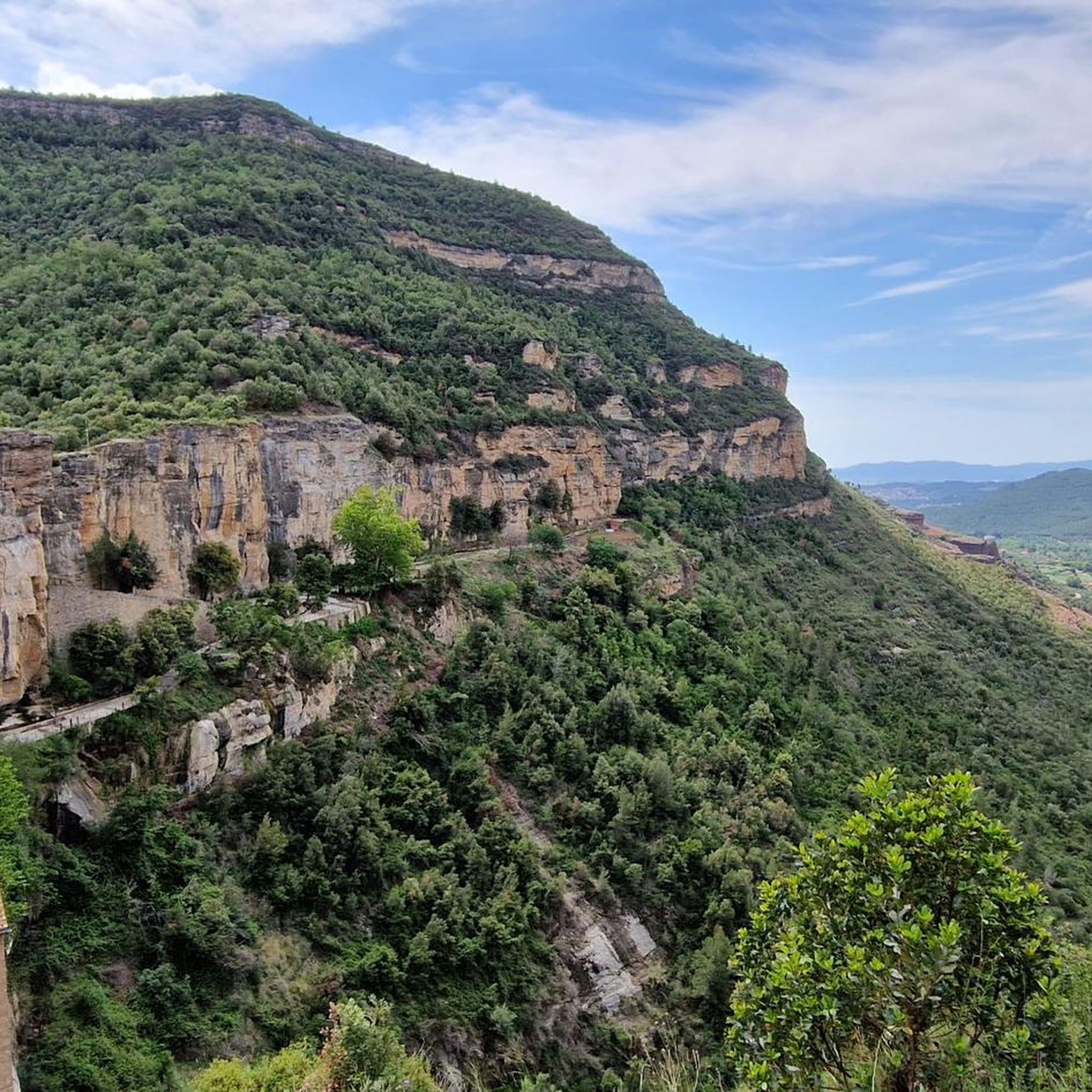
Mountain passes near Bigues i Riells del Fai routes traverse a mountainous terrain in the Vallès Oriental region of Catalonia, Spain. The area is characterized by the Cingles de Bertí cliffs and the Tenes River valley. This landscape provides opportunities for cycling and hiking, with routes offering varied elevation and natural features. The region includes diverse environments, from rugged cliffs to forests of pine and holm oak.
Best mountain passes around Bigues i Riells del Fai
- The most popular mountain…
Last updated: May 20, 2026
Collet de Can Tripeta
Highlight • Mountain Pass
Translated by Google •
Tip by

The Dancing Holm Oak
Highlight • Natural Monument
Translated by Google •
Tip by

Sign up now to discover places like this
Get recommendations on the best single tracks, peaks, & plenty of other exciting outdoor places.
Sign up for free
Coll d'Ases (860 m)
Highlight • Mountain Pass
Translated by Google •
Tip by

Port de Bigues
Highlight (Segment) • Mountain Pass
Translated by Google •
Tip by

Collet de Sant Martí
Highlight • Mountain Pass
Translated by Google •
Tip by

Start today with a free account
Your next adventure awaits.
Login or Signup

Tips from the Community

It's tough climbing up here on a road bike, especially in winter... But an unforgettable and addictive experience... and then on beyond Ases there's still a good climb left, and then down (carefully) to Castellterçol
1
0

Located at the foot of the ruined castle of Tagamanent, it is a mountain pass where 3 climbs culminate, starting from Figaró, Tagamanent and Aiguafreda. The only asphalted climb today (and it is under construction) is the one that goes up from Tagamanent village. It is a very demanding climb because it is 7 km long at an average gradient of 9.1%, with many ramps between 15% and 20%. There is a 2 km section, at the end of the climb, which has an average gradient of 13%. A spectacular climb!
0
0

Road BP1432 from Riells del Fai to Sant Feliu de Codines, where it connects with the C59. It is a gentle ascent, of about 5 km, with an average slope of approx. 5%. It is not very busy and can be connected with the return to Gallifa or by continuing to Sant Miquel del Fai.
0
0
A very pleasant climb that starts from the town of Bigues i Riells and goes up to Sant Feliu de Codines. A very quiet road with very affordable rates. Additionally, from Sant Feliu de Codines, you can continue climbing up to Sant Quirze Safaja and Castellterçol. You can also follow up to Gallifa.
0
0
Coll de l'Alzina balladora, intersection point between continuing the ascent to Puig de la Creu, and continuing towards Tres Pins or towards Can Cadafalch.
3
0

according to the text of the plaque in the hiking center, the gangs that went to the Sant Esteve gathering stopped here and danced - it must have been a good time to find or consolidate a partner, this gatherings, with the excuse of religion
1
0
point where the path breaks to go towards Sant Llorenç Savall or to the right and go up to Puig de la Creu
1
0
Landing to rest after the first section of the climb to the Puig de la Creu... where do you want to continue? Al Puig? At Tres Pins? Towards Catafau? ... you decide.
2
0
Frequently Asked Questions
What kind of terrain can I expect on the mountain passes around Bigues i Riells del Fai?
The mountain passes traverse a diverse landscape, characterized by the dramatic Cingles de Bertí cliffs and the lush Tenes River valley. You'll find rugged cliffs, rolling hills, and forests of pine and holm oak, offering varied environments for outdoor activities.
What are some popular mountain passes for cycling in the area?
Cyclists often enjoy the challenging ascent to Coll d'Ases (860 m), known for its excellent viewpoint. Another popular spot is Port de Bigues, which offers a pleasant, gentle climb from Bigues i Riells to Sant Feliu de Codines, with low traffic.
Are there challenging mountain passes for experienced cyclists or hikers?
Yes, the region is known for its challenging ascents. For cyclists, the climb to Coll d'Ases (860 m) is particularly demanding, especially on a road bike. The area also features routes like the one to Coll de la Pullosa (917 m), which is part of a challenging 70-kilometer cycling loop with significant elevation gain.
What natural features and viewpoints can I see from the mountain passes?
From passes like Collet de Can Tripeta, you can enjoy incredible views over the entire valley generated by the Cingles del Bertí. The Cingles de Bertí cliffs themselves offer spectacular vistas, and the Tenes River valley features natural wonders like the Gorg d'en Jeroni and Gorg de Beines waterfalls.
When is the best time to visit the mountain passes in Bigues i Riells del Fai?
The area is generally enjoyable for outdoor activities throughout much of the year. Spring and autumn offer pleasant temperatures for hiking and cycling. While winter can be challenging for road cycling on higher passes like Coll d'Ases due to colder conditions, the well-maintained roads and low traffic make it appealing for those prepared for the weather.
Are there family-friendly options or places to rest near the mountain passes?
While many routes involve challenging ascents, areas around the Tenes River valley offer more gentle paths suitable for varied outdoor experiences. For resting, The Dancing Holm Oak serves as a common resting area for cyclists, providing a natural intersection point for several routes.
What outdoor activities can I do near these mountain passes?
The region is excellent for both cycling and hiking. You can explore a variety of routes, from challenging MTB trails to scenic road cycling loops and diverse hiking paths. For more detailed routes, check out the MTB Trails around Bigues i Riells del Fai, Hiking around Bigues i Riells del Fai, and Cycling around Bigues i Riells del Fai guides.
Are there specific hiking trails near the mountain passes?
Yes, there are numerous hiking opportunities. For instance, you can find routes like the "From Riells del Fai to Castell de Clascar and Mirador Grau del Traver — circular by the Cingles de Bertí" or the "Bertí Cliffs – Sant Miquel del Fai loop from la Pineda." These trails often incorporate viewpoints and natural monuments. You can find more options in the Hiking around Bigues i Riells del Fai guide.
What do visitors enjoy most about the mountain passes in Bigues i Riells del Fai?
Visitors frequently highlight the incredible views, particularly over the valley from spots like Collet de Can Tripeta. The challenging yet rewarding ascents, especially for cyclists, and the opportunity to immerse oneself in a well-preserved natural environment with rich cultural heritage, are also highly appreciated.
Are there any cultural or historical sites near the mountain passes?
While the passes themselves are natural features, the broader region offers cultural heritage. The Sant Miquel del Fai monastery, set against the dramatic cliffs and waterfalls, is a notable historical site that can be explored in conjunction with visits to the mountain passes.
Is <a href="https://www.komoot.com/highlight/7028165" target="_blank" rel="noopener">Collet de Sant Martí</a> a challenging climb?
Yes, Collet de Sant Martí is known for being a very demanding climb. The asphalted route from Tagamanent village is 7 km long with an average gradient of 9.1%, featuring many ramps between 15% and 20%. The final 2 km section has an average gradient of 13%, making it a spectacular and tough ascent.
Most popular routes around Bigues i Riells del Fai
Most popular attractions around Bigues i Riells del Fai

Get inspired with the komoot mobile app


Explore more
See even more epic mountain passes by checking out these guides around Bigues i Riells del Fai:
