Top 20 Natural Monuments around Cabrils
Best natural monuments around Cabrils are situated within the Maresme region of Catalonia, Spain, characterized by its natural setting in the foothills of the Serralada Litoral. The area features a landscape of pine and holm oak forests, offering various natural attractions. These natural features provide opportunities for outdoor activities and exploration.
Best natural monuments around Cabrils
- The most popular natural monuments is Can Gurguí Spring, a natural monument located in the Parc de la Serralada Litoral, known for its…
Last updated: June 17, 2026
Dolmen of the Roca d'en Toni
Highlight • Historical Site
Translated by Google •
Tip by

Can Gurguí Spring
Highlight • Natural Monument
Translated by Google •
Tip by

Sign up now to discover places like this
Get recommendations on the best single tracks, peaks, & plenty of other exciting outdoor places.
Sign up for free
Dolmen de Céllecs
Highlight • Historical Site
Translated by Google •
Tip by
Font d'en Mamet
Highlight • Natural Monument
Translated by Google •
Tip by
Creu de Montcabrer Summit
Highlight • Summit
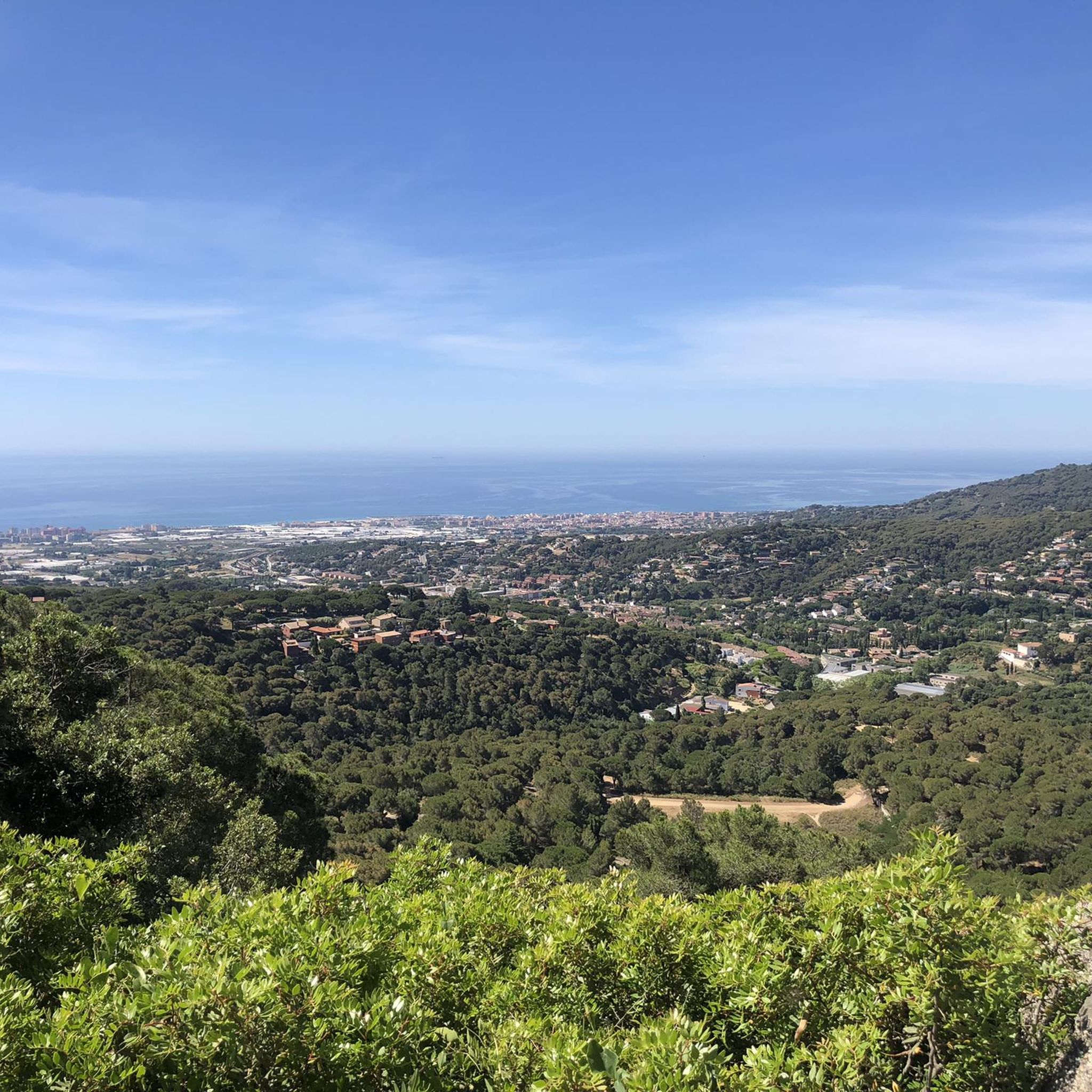
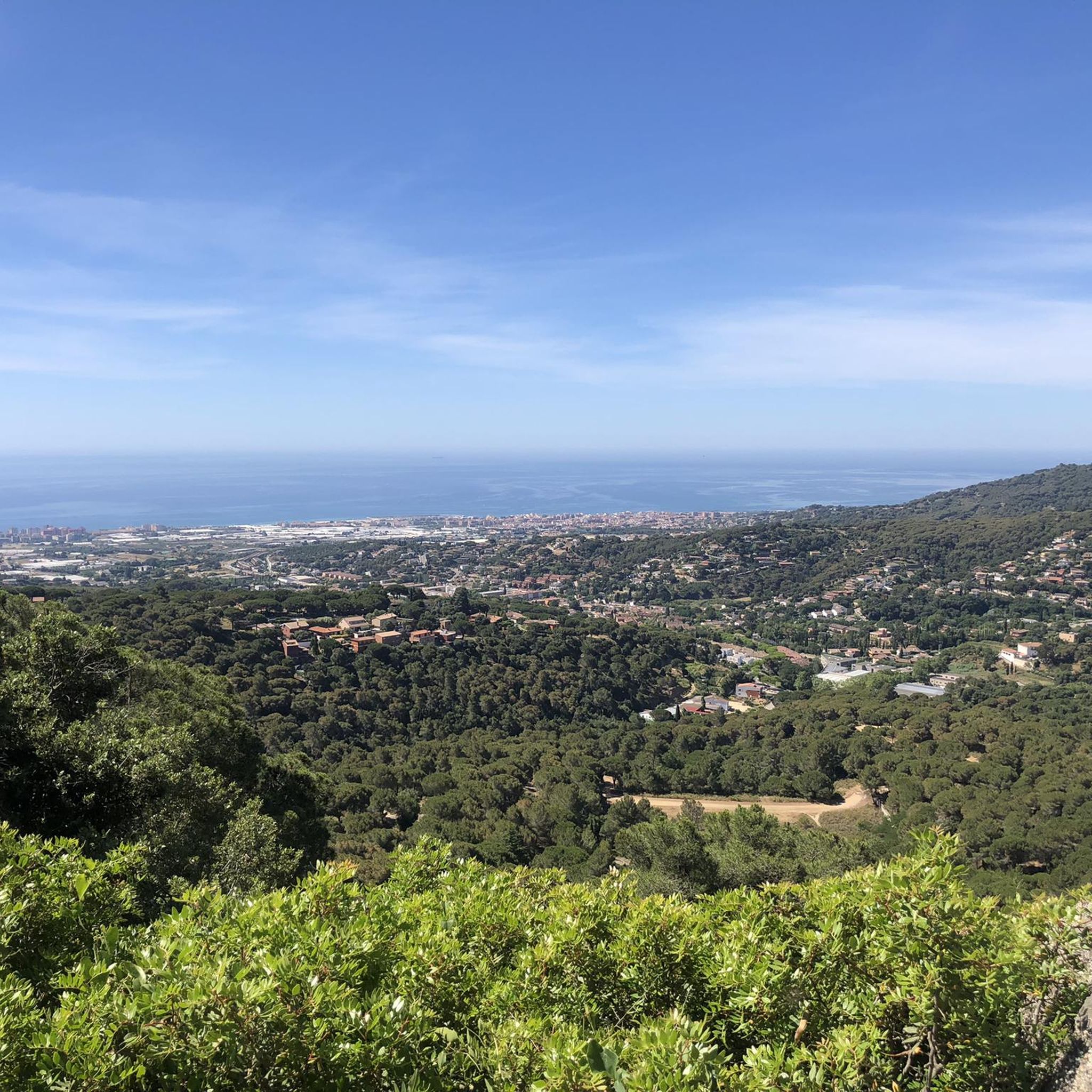
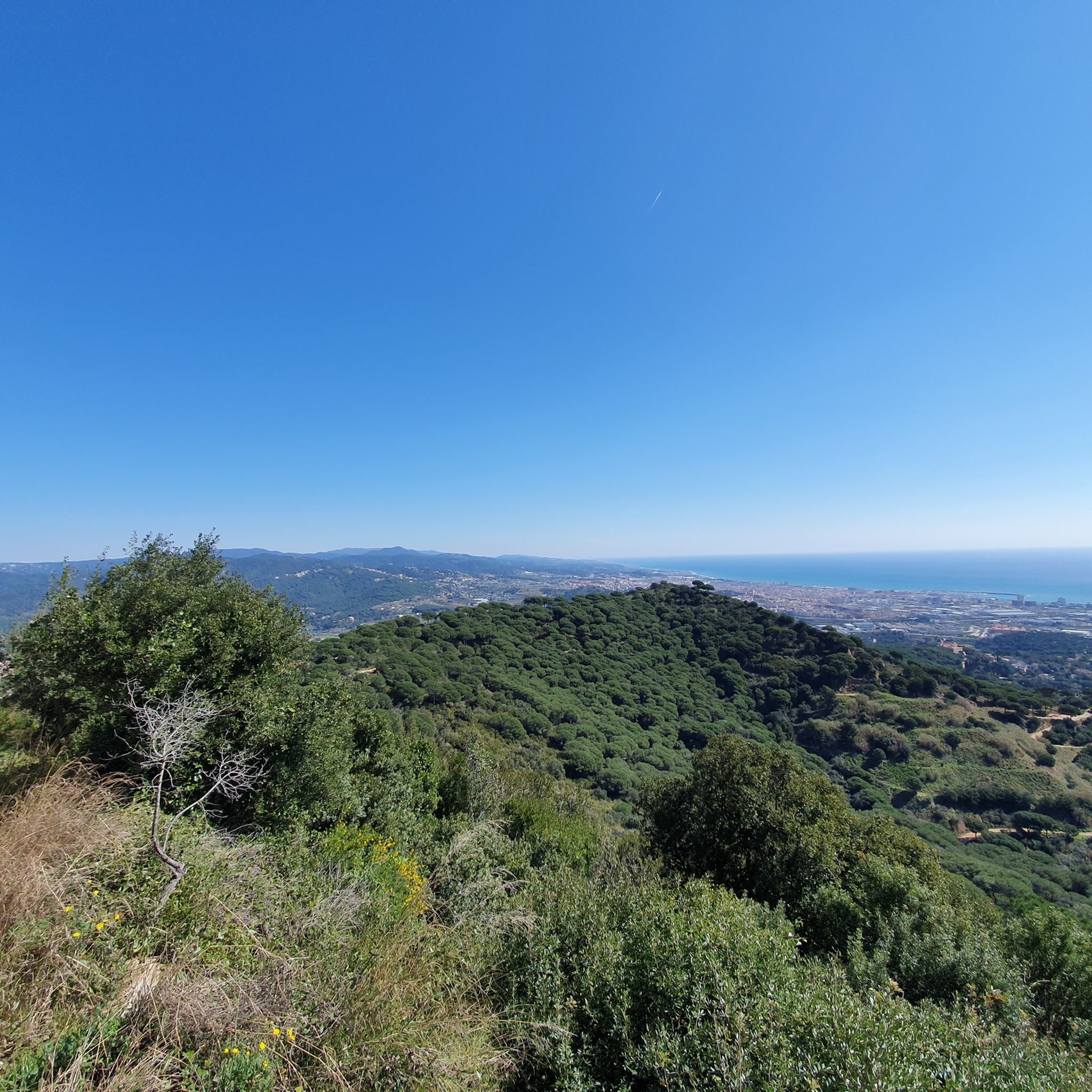
Sea and Cabrils.
Translated by Google •
Tip by

Sign up for free to discover even more natural monuments around Cabrils.
Sign up for free
Already have an account?
Start today with a free account
Your next adventure awaits.
Login or Signup

Tips from the Community

Un monument megalític datat entre el final del neolític i l'edat del bronze, considerat un dels jaciments prehistòrics més importants del Maresme.
0
0

The Creu de Montcabrer crowns one of the most emblematic points of the Serralada Litoral. The current cross, placed in 1982 and blessed in 1983, is the last in a long tradition dating back to 1565. Over the centuries, it has been replaced several times due to lightning, vandalism, and even bullet impacts during the Civil War. In addition to its unique history, this place is wonderful for the spectacular views it offers: from Montseny to Barcelona, passing through the Castell de Burriac and reaching Blanes on clear days. It's ideal for stopping, breathing, and contemplating the landscape. 🚴 WARNING: Do not attempt to ride down the path that leads to the caves located just below the cross. It is not suitable for cycling and can be dangerous. It is recommended to return along the same path you came in.
3
0

A fountain that invites you to linger.
3
0
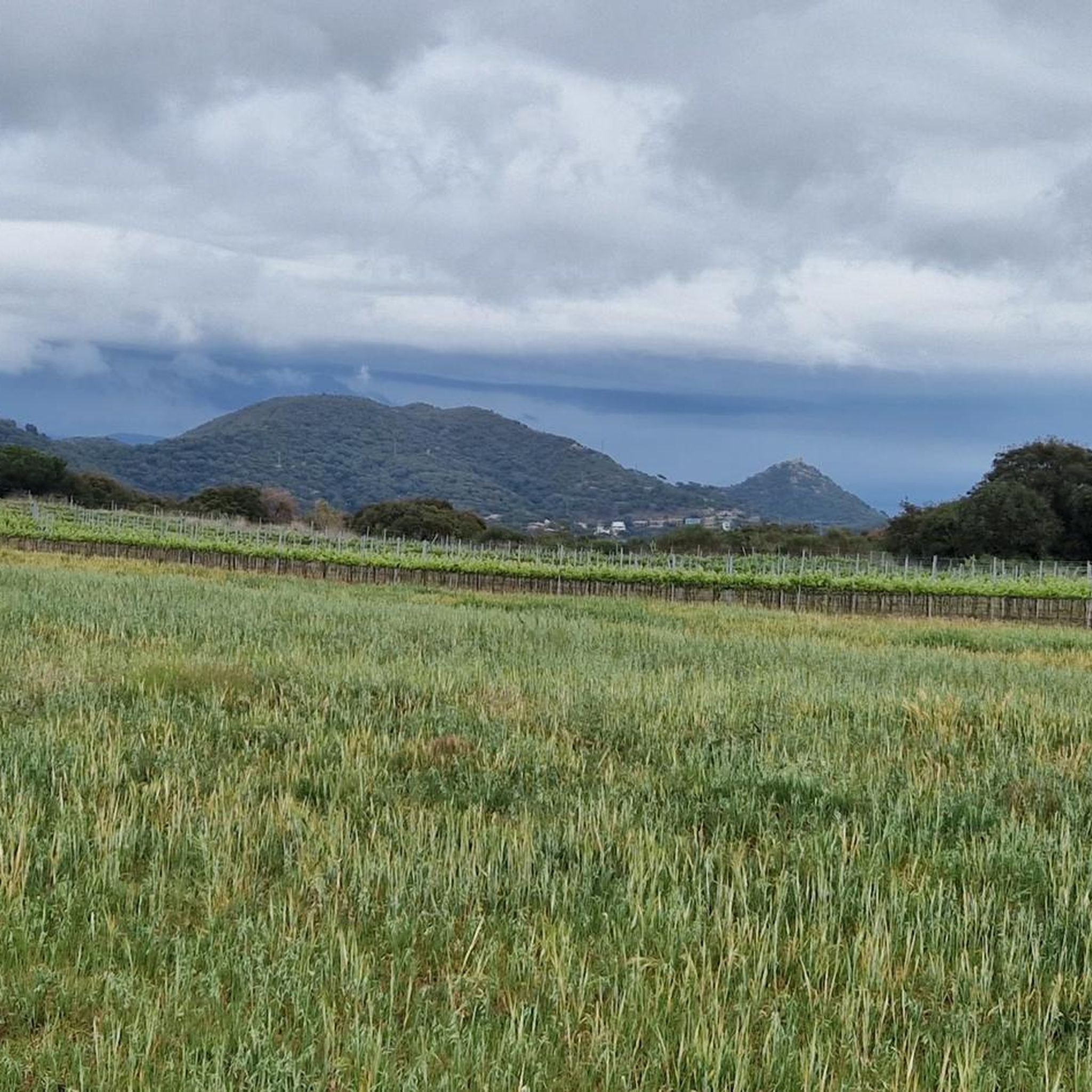
A very interesting megalithic area, both for its history and for the countless tracks, trails, and trials, each more fun than the last.
2
0
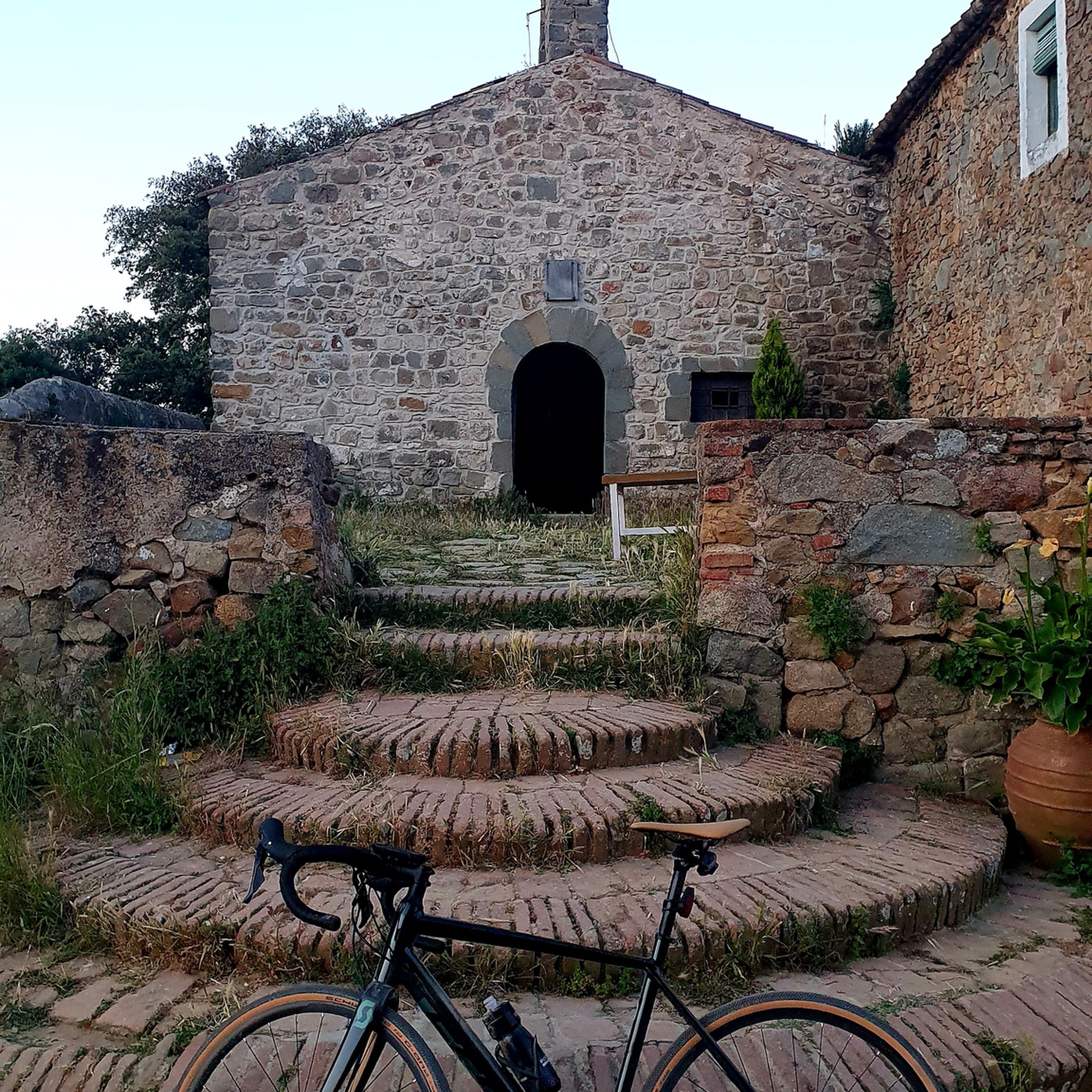
The Dolmen of Can Boquet, also known as Roca d'en Toni, is a megalithic structure in Catalonia. The name Roca d'en Toni probably comes from the fact that, according to 19th century records, the landowner was called Toni Puig.
6
0

La Creu de Montcabrer (311 meters) is a viewpoint with spectacular views of the sea and mountains. The iron cross that presides over it has a long history of legends related to the towns of Cabrera de Sea and Cabrils.
1
0
From the same hill and in a southerly direction (toward the sea) descends a rocky ridge. There are three caves where various archaeological remains have been found. Looking out to sea from the cross, on the left side and near the summit, there is the Cova dels Tres Cercles. On the right side and at mid-height, the Cau de les Formigues. In the center and at the bottom of the ridge, the Cave of the Good Women. Access to all of them is not easy, as you need to have a minimum of climbing skills and also wear suitable walking shoes.
3
0
Popular belief gives Montcabrer a range of peculiar characteristics such as, for example, that the rocks are magnetized or that smoke has been seen coming out of the stones because there is a volcano below. A legend says that, on an ugly winter day, a goatherd from the Pyrenees who lived in Cabrils died there. The goatherd was well known and loved for his ability to cure illnesses using mountain herbs, and this is where the name Montcabrer comes from.
3
0
Frequently Asked Questions
What natural features define the landscape around Cabrils?
Cabrils is nestled in the Maresme region, characterized by the initial foothills of the Serralada Litoral. The landscape features scenic pine and holm oak forests, offering a rich natural setting for exploration.
What historical natural monuments can I explore in Cabrils?
The area around Cabrils is rich in historical natural monuments. You can visit the well-preserved Dolmen of the Roca d'en Toni, believed to date from between the third and second millennium BC. Another significant archaeological site is the Dolmen de Céllecs, a megalithic structure from the late Neolithic to the Chalcolithic period.
Are there any unique natural attractions in Cabrils for nature lovers?
Absolutely. The Arboretum, located in the Can Barba farmhouse, is a remarkable 'living and interactive open-air museum.' It features a 450-year-old oak tree over 30 meters high, representations of various natural ecosystems, and a river with three waterfalls feeding ponds with five amphibian species. It's also a sanctuary for species conservation, including a bat nesting space.
What are the best viewpoints to experience the natural beauty of Cabrils?
For panoramic views, the Creu de Montcabrer Summit (311 meters) offers spectacular vistas of both the sea and mountains. It's a prominent point in the Coastal Range, providing extensive perspectives of Cabrils and the Maresme region.
What is the best time of year to visit the natural monuments in Cabrils?
The natural monuments around Cabrils can be enjoyed year-round. Spring and autumn offer pleasant temperatures for hiking and exploring the forests. Summer is ideal for enjoying the cooler, shaded areas of the Arboretum, while winter provides a different, often quieter, perspective on the landscape, though some trails might be affected by weather.
Are there family-friendly natural monuments suitable for children in Cabrils?
Yes, the Arboretum is an excellent choice for families, offering an accessible and pleasant space for enjoying nature with an educational experience on biodiversity. The Can Gurguí Spring is also considered family-friendly, with stone benches and a round table, making it a popular resting spot.
Can I bring my dog to the natural monuments and trails in Cabrils?
Many natural areas and trails around Cabrils are dog-friendly. However, it's always recommended to keep dogs on a leash, especially in protected areas or near wildlife, and to clean up after them. Specific rules might apply to certain sites, so check local signage.
Where can I find parking when visiting the natural monuments in Cabrils?
Parking is available near some natural monuments. For instance, you can park your vehicle in the car park near the Dolmen of the Roca d'en Toni, which serves as a starting point for several circular routes.
What kind of outdoor activities can I do near Cabrils' natural monuments?
The natural monuments are surrounded by opportunities for outdoor activities. You can enjoy hiking on various trails, with options ranging from easy to moderate. Cycling is also popular, especially along routes like the Collada de Parpers. For more specific routes, check out the Hiking around Cabrils, Cycling around Cabrils, and MTB Trails around Cabrils guides.
Are there any natural springs or water features to visit?
Yes, Cabrils features several natural springs. The Can Gurguí Spring in the Parc de la Serralada Litoral is known for its consistent water flow and is a popular resting spot. Another rustic option is the Font d'en Mamet, located in the Molí d'en Cuquet stream, which flows almost always, though its water is not drinkable.
What is the Stone Labyrinth of Cabrils?
The Stone Labyrinth of Cabrils, though technically within the municipality of Òrrius, is associated with Cabrils. It's a relatively recent creation in the middle of a forest, designed as a meditation space. It offers a unique and tranquil spot for reflection and is popular among hikers and cyclists exploring the area.
What do visitors enjoy most about the natural monuments around Cabrils?
Visitors particularly appreciate the blend of natural beauty and historical significance. The consistent water flow and tranquil setting of the Can Gurguí Spring make it a favorite resting spot. The well-preserved megalithic structures like the Dolmen of the Roca d'en Toni offer a glimpse into ancient history, while the panoramic views from the Creu de Montcabrer Summit are highly valued.
Most popular routes around Cabrils
Most popular attractions around Cabrils

Get inspired with the komoot mobile app


Explore more
Extend your search for the best caves by checking out these guides of the top ones around Cabrils:
