Top 9 Mountain Passes around Arenas De San Pedro
Mountain passes around Arenas De San Pedro are nestled at the foot of the Sierra de Gredos, a prominent part of the Central System mountain range. This region offers a diverse landscape, from the plains of the Tiétar River to the higher altitudes of the Gredos mountains. The area provides challenging ascents and panoramic views, attracting cyclists, hikers, and nature enthusiasts.
Best mountain passes around Arenas De San Pedro
- The most popular mountain passes is Puerto de Pedro Bernardo,…
Last updated: July 1, 2026
Puerto de Pedro Bernardo
Highlight • Mountain Pass
Translated by Google •
Tip by

Centenera Pass
Highlight (Segment) • Mountain Pass
Translated by Google •
Tip by

Sign up now to discover places like this
Get recommendations on the best single tracks, peaks, & plenty of other exciting outdoor places.
Sign up for free
Puerto de Candeleda
Highlight • Mountain Pass
Translated by Google •
Tip by

Puerto del Peón
Highlight • Mountain Pass
Translated by Google •
Tip by

Crampón Pass
Highlight • Mountain Pass
Translated by Google •
Tip by

Sign up for free to discover even more mountain passes around Arenas De San Pedro.
Sign up for free
Already have an account?
Start today with a free account
Your next adventure awaits.
Login or Signup
Popular around Arenas De San Pedro
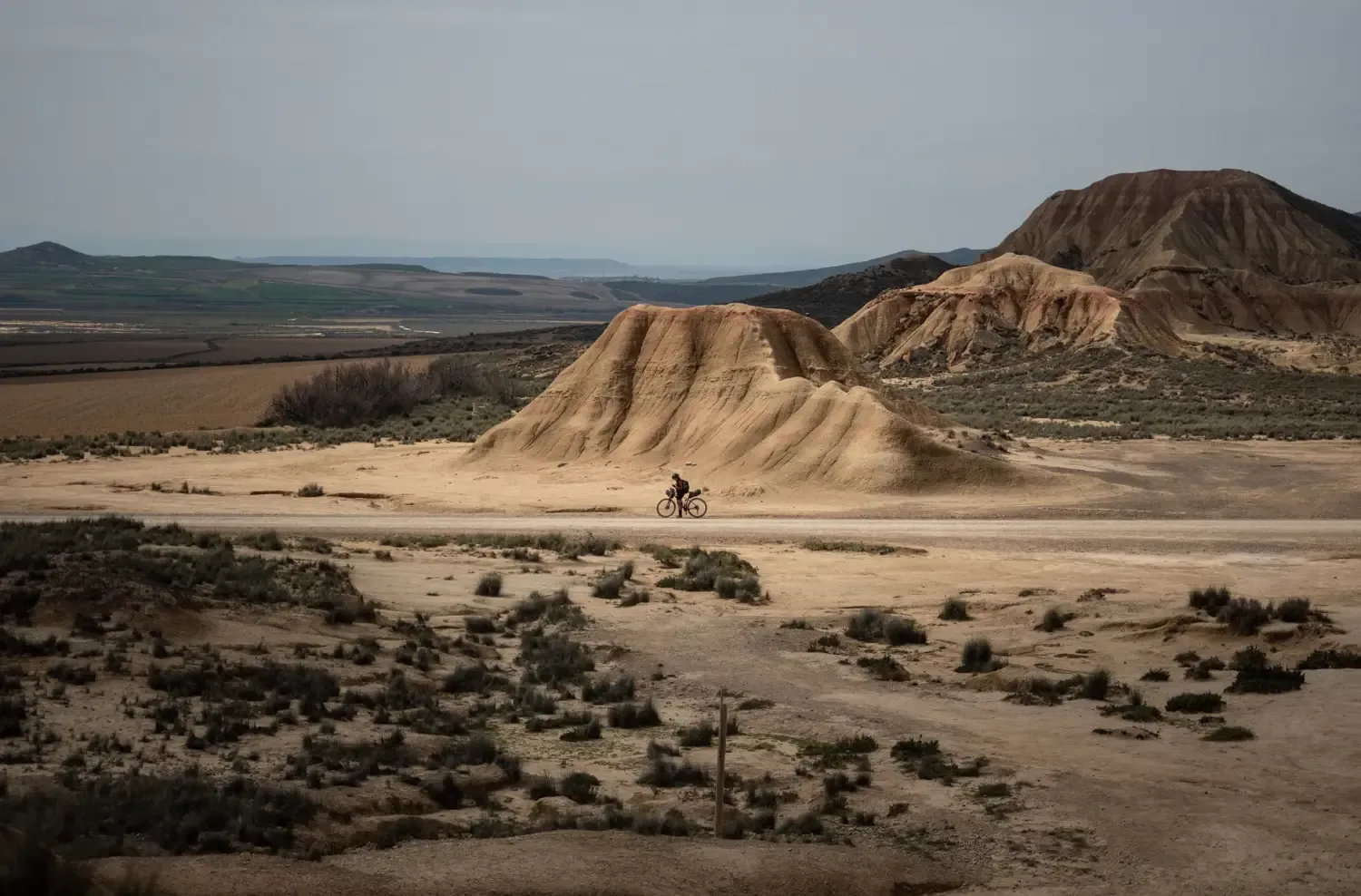
9 mountain biking routes in undiscovered Spain
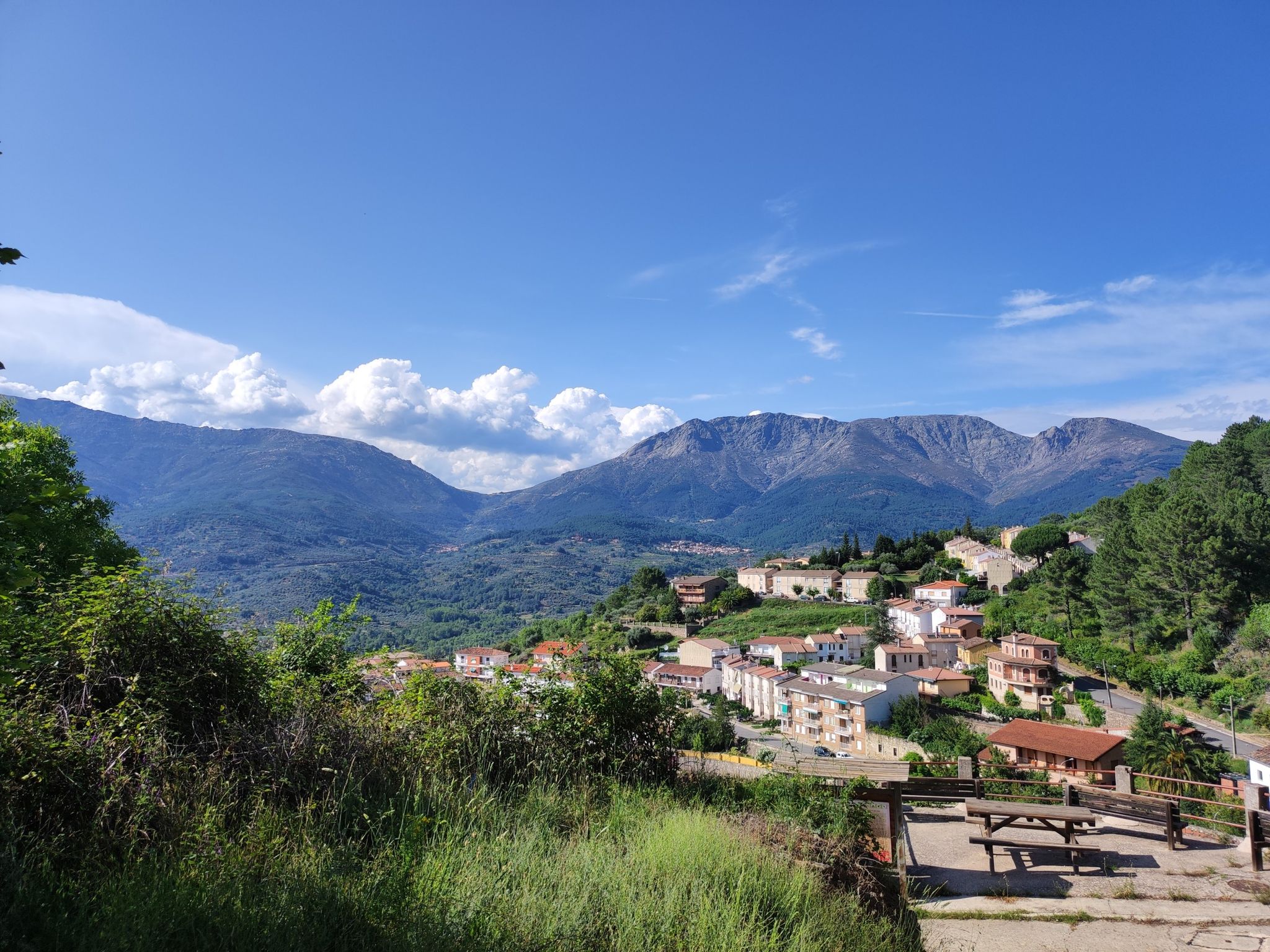
An epic hike in Spain’s Tiétar Valley – Valle del Tiétar (GR 180)
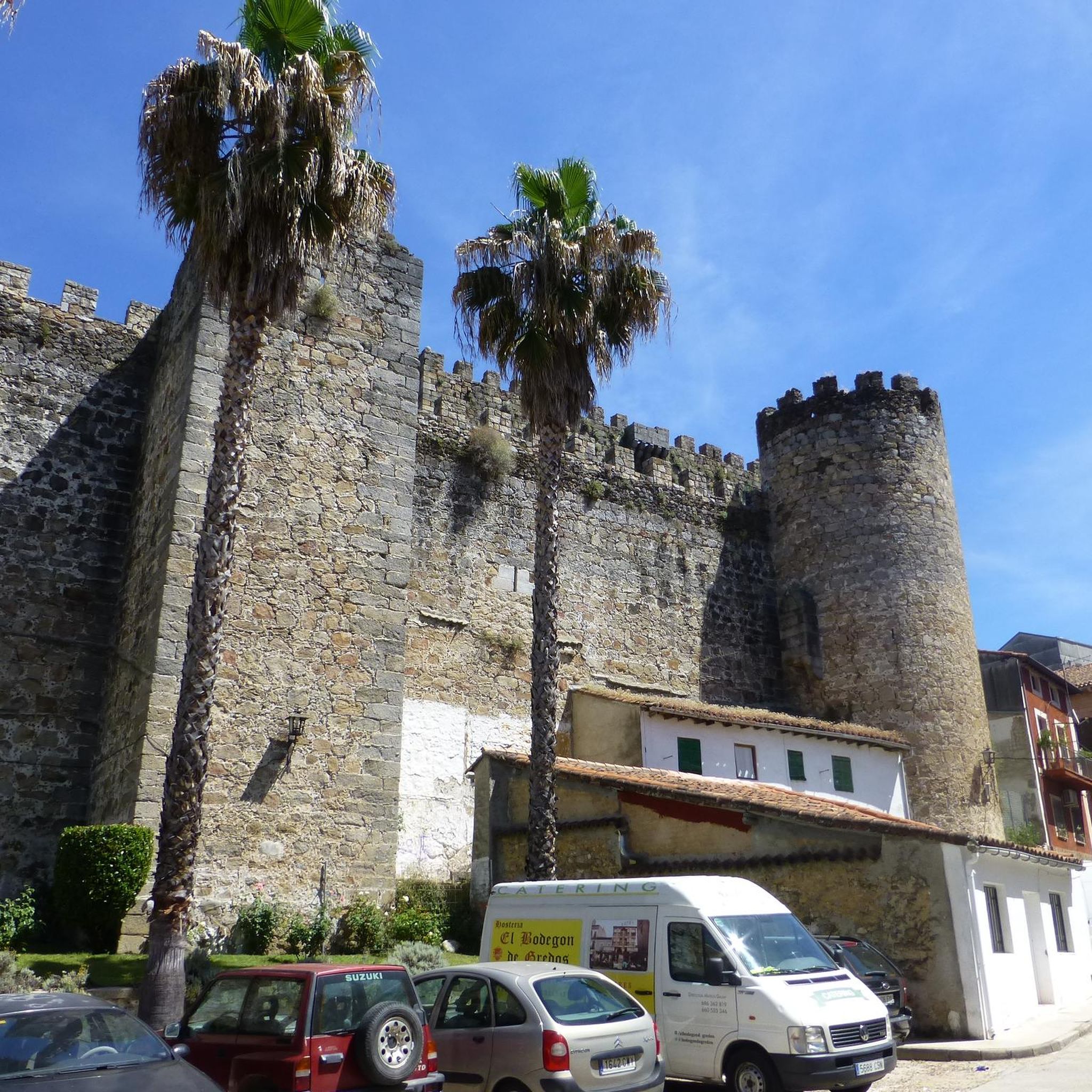
Hiking around Arenas De San Pedro
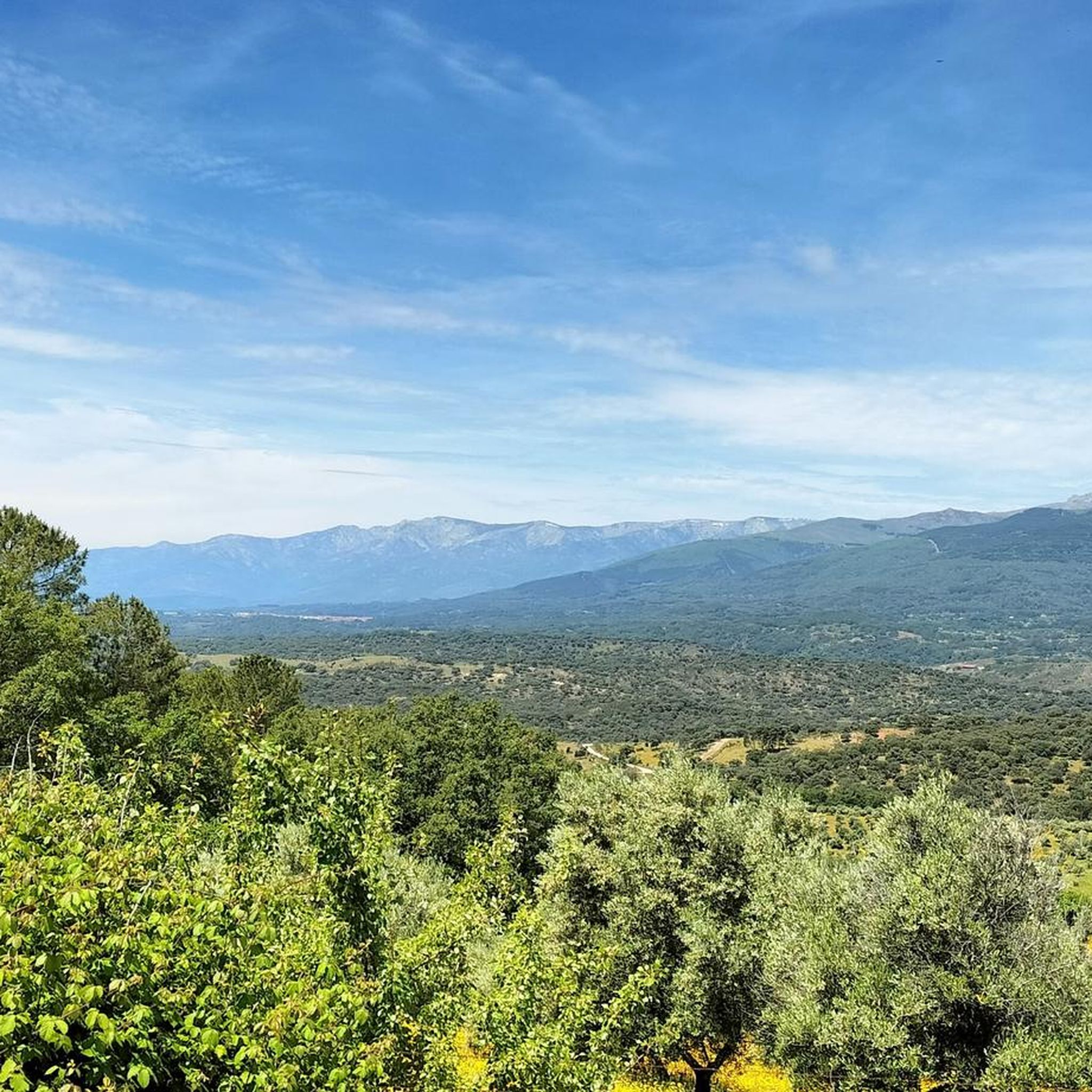
Road Cycling Routes around Arenas De San Pedro
MTB Trails around Arenas De San Pedro
Cycling around Arenas De San Pedro

Running Trails around Arenas De San Pedro

Mountain Hikes around Arenas De San Pedro

Gravel biking around Arenas De San Pedro


Tips from the Community

The Pedro Bernardo Pass is one of the classic climbs in the Sierra de Gredos mountains, highly prized by cyclists and a regular feature of races like the Vuelta a España. First section: Up to the village (Pedro Bernardo), with gradients of 5-6%, a road in good condition, and spectacular views of the Tiétar Valley. Urban section: In the village, the gradient eases, even offering some flatter sections. Second section: After the village, the asphalt becomes rougher, and the toughest kilometer (7-8%) appears, followed by a "balcony" section with incredible views and a sustained 5% gradient to the summit.
1
0

It's a very quiet pass with hardly any traffic, especially in its final section. The eastern slope, which starts from Arenas De San Pedro, has two very distinct sections. The first, to the village of El Arenal, is very gentle and always runs under an extensive pine forest. When you reach El Arenal, in the village itself, the gradient increases, and then there are 6 km left with an average gradient of 7% and some 10% slopes. The views from the pass are beautiful and it exudes a spiritual tranquility. In summer, it's highly recommended to climb it early in the morning to take advantage of the cool morning air. The western slope connects with the climb to Puerto del Pico, and the climb begins in Ramacastañas. Although not as well-known as other passes in the Sierra de Gredos, I have to admit that I loved it. Here's the link to visit the altimetry created by @cyclingcols, the best at this --> cyclingcols.com/col/Centenera
0
0

Altitude 2,032 m. The ascent is from the Domingo Fernando platform. This route is of medium-high difficulty, approximately 13 km long and has a 1,000 m elevation gain. Well signposted. The trail dilutes at some points, but you can't get lost.
0
0
The Puerto de Pedro Bernardo is the younger brother of the Puerto de Serranillos. Almost every time this port has been climbed in a professional race it is linked to the Puerto de Serranillos, only the second being considered a port. However, the Puerto de Pedro Bernardo is in itself a hill where you can go from the valley where the CL-501 road runs (where the town with the same name is located) to the valley of the Puerto de Pico, where Esteban del Valle and Mombeltrán are located. The chain with Serranillos is the most typical, as I said previously, although it is also worth chaining it with the Puerto de la Centenera or the Puerto del Pico. The road is rough, with hardly any shoulder and very little traffic. It is a very pleasant port to climb... as long as the heat is not suffocating.
2
0
It is a very quiet port with hardly any traffic, especially in its final part. The eastern slope, which starts from Arenas De San Pedro, has two very well differentiated parts. The first, to the town of El Arenal, is very gentle and always passes under an extensive pine forest. When you reach El Arenal, in the same town, the slope increases and then we have 6 km left with an average slope of 7% and some ramps of 10%. The views of the port are very beautiful and there is spiritual tranquility. In summer it is highly recommended to climb it first thing in the morning to take advantage of the coolness of the morning. The west slope connects with the climb to Puerto del Pico and the climb begins in Ramacastañas. Without being as well known as other ports in the Sierra de Gredos, I have to admit that I loved it. I leave you the link to visit the altimetry prepared by @cyclingcols, the best at this --> http://www.cyclingcols.com/col/Centenera
0
0

At 2,028 meters above sea level, this pass provides the strong and brave with a spectacular panoramic view and a hiking experience in the Sierra de Gredos Regional Park.
1
0

The Port of Candeleda is a natural balcony with impressive views of the Tiétar Valley and the southern slope of Gredos.
1
0

Mountain pass that is located at the top of the Sierra de Gredos and that separates the Valle del Tiétar and the Valle del Río Tormes. Beautiful views from the top!
0
0
Frequently Asked Questions
What are some of the most notable mountain passes around Arenas de San Pedro?
The region offers several significant mountain passes. Puerto de Pedro Bernardo is known for its beautiful views and is often linked with Puerto de Serranillos for extended cycling routes. Other popular passes include Centenera Pass, which features challenging ramps and fantastic mountain views, and Puerto de Candeleda, offering impressive vistas of the Tiétar Valley and the Gredos hillside within the Sierra de Gredos Regional Park.
What kind of views can I expect from the mountain passes in this area?
The mountain passes around Arenas de San Pedro offer stunning panoramic views. From Puerto de Candeleda, you can see the Barbedillo River, the Gredos hillside, the Rosarito reservoir, and the Tiétar Valley. Puerto de Pedro Bernardo provides beautiful views of surrounding forests, while Centenera Pass offers fantastic views of the mountains. Higher passes like Puerto del Peón, at over 2,000 meters, provide spectacular panoramic views of the Sierra de Gredos.
Are there historical sites or features to explore on these mountain passes?
Yes, Puerto del Pico is particularly notable for its historical significance. It features an ancient Roman road, still visible today, which attests to its importance as a crucial communication route connecting the fortress of Abula with other major Roman centers. This offers a unique glimpse into ancient transportation routes.
What is the best time of year to visit the mountain passes around Arenas de San Pedro?
The ideal time to visit these passes for hiking and cycling is from late spring to autumn. This period allows you to avoid the snow that typically falls during the winter months, ensuring more accessible and enjoyable conditions for outdoor activities.
What outdoor activities can I do near these mountain passes?
The region around Arenas de San Pedro is excellent for various outdoor activities. You can find numerous cycling routes, including challenging circuits that link passes like Puerto de Serranillos, Puerto del Pico, Pedro Bernardo, and Mijares. There are also many mountain hiking trails, such as the difficult routes to the View of Circo de Gredos or Morezón Peak from La Plataforma. For gravel biking, routes like the Puerto de Pedro Bernardo – Mombeltrán loop are popular. You can explore more options in the Cycling around Arenas De San Pedro, Mountain Hikes around Arenas De San Pedro, and Gravel biking around Arenas De San Pedro guides.
Are there challenging climbs for experienced cyclists?
Absolutely. Many passes in the Sierra de Gredos, including Puerto del Pico, Puerto de Serranillos, Puerto de Pedro Bernardo, and Puerto de Mijares, offer formidable climbs with significant elevation gains. These passes are popular among experienced cyclists seeking demanding routes, with some featuring ramps up to 13%, as seen on Centenera Pass.
What kind of wildlife can be seen in the Sierra de Gredos mountains?
The Sierra de Gredos mountain range is known for its diverse flora and fauna. Visitors often have the chance to spot the Spanish ibex, a distinctive wild goat species native to the Iberian Peninsula, adding to the natural appeal of the region.
Are there any particularly difficult mountain passes for hiking?
Yes, some passes offer challenging hiking experiences. For instance, Puerto del Peón, at 2,028 meters, is described as a medium-high difficulty route with a 1,000-meter elevation gain. Crampón Pass also involves a tough climb through fields, with a final section that can be narrow and dangerous due to sand and loose rocks.
What do visitors appreciate most about the mountain passes in Arenas de San Pedro?
Visitors frequently praise the stunning scenery and the challenging yet rewarding climbs. The panoramic views of the Sierra de Gredos, the Tiétar Valley, and the diverse natural landscapes are highly valued. Cyclists appreciate the well-maintained roads and the opportunity to link multiple passes for extended routes, while hikers enjoy the sense of accomplishment and the natural beauty.
Are there any easy or intermediate mountain passes suitable for less experienced visitors?
While many passes offer challenging ascents, there are also options for intermediate levels. For example, Puerto de Candeleda is described as an easy route within the Sierra de Gredos Regional Park, offering great views without extreme difficulty. Many passes also serve as viewpoints, allowing visitors to enjoy the scenery without undertaking a full climb.
Can I combine different mountain passes into a longer route?
Yes, combining passes is a popular strategy, especially for cyclists. Puerto de Serranillos is ideal for linking with other passes like Puerto del Pico, Pedro Bernardo, and Mijares to create extended and challenging cycling routes. Similarly, Puerto de Pedro Bernardo can be chained with Puerto de Serranillos, Centenera Pass, or Puerto del Pico for varied experiences.
Most popular routes around Arenas De San Pedro
Most popular attractions around Arenas De San Pedro

Get inspired with the komoot mobile app


Explore more
See even more epic mountain passes by checking out these guides around Arenas De San Pedro:
