Top 6 Mountain Passes around Torre La Ribera
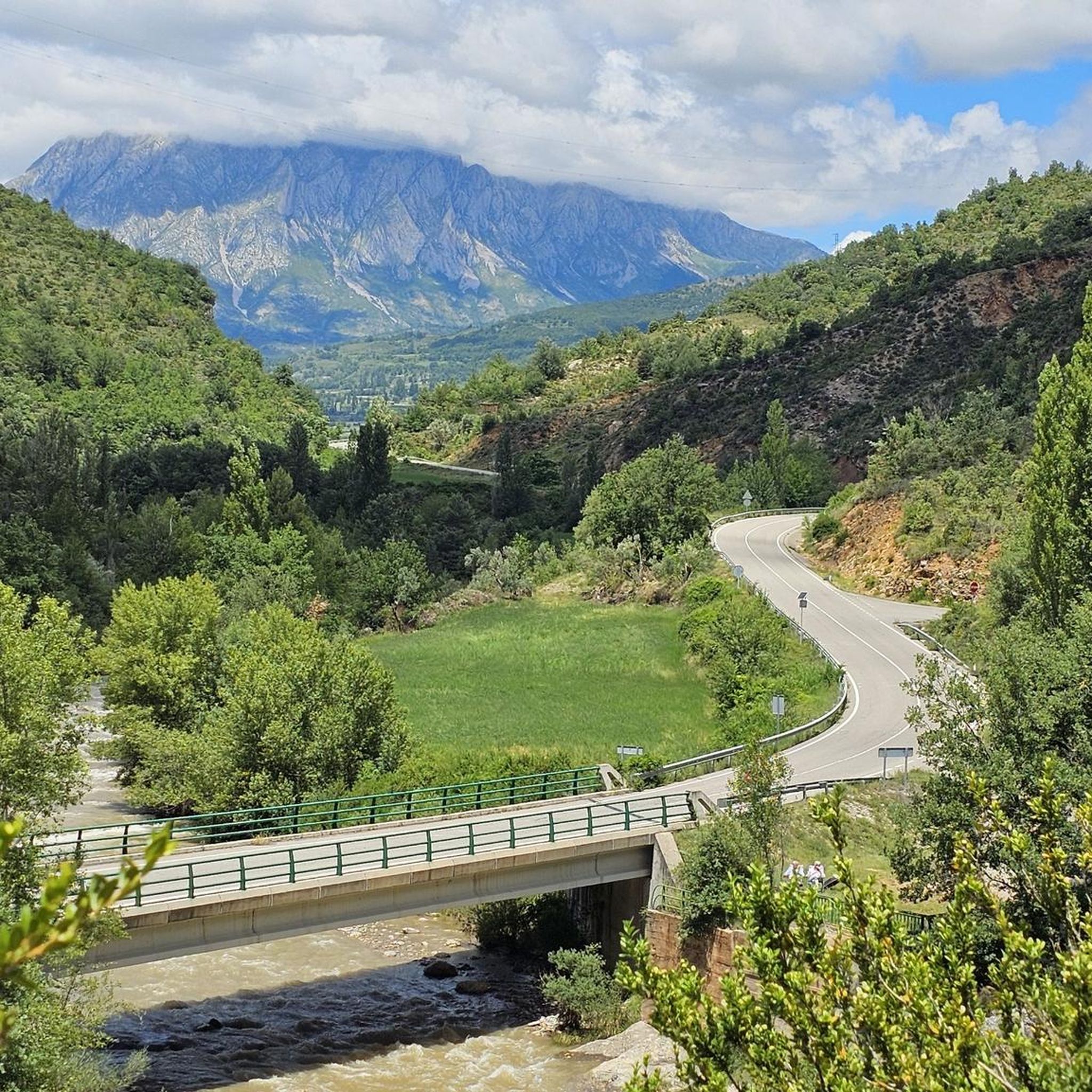
Mountain passes around Torre La Ribera are situated in the Ribagorza comarca within the Aragonese Pyrenees. This region is characterized by its mountainous terrain, including the prominent Pico Turbón massif, which offers expansive panoramic views. The landscape features varied environments, from forested lower altitudes to rocky, arid areas closer to summits. The area provides opportunities for exploring high-mountain routes and passes that connect valleys and offer diverse natural scenery.
Best mountain passes around Torre La Ribera
- The most popular mountain…
Last updated: May 20, 2026
Bonansa Pass
Highlight • Mountain Pass
Translated by Google •
Tip by

Coll de l'Espina (1407 m)
Highlight • Mountain Pass
Translated by Google •
Tip by

Sign up now to discover places like this
Get recommendations on the best single tracks, peaks, & plenty of other exciting outdoor places.
Sign up for free
Coll de Fadas
Highlight • Mountain Pass
Translated by Google •
Tip by

Puerto de la Muria
Highlight • Mountain Pass
Translated by Google •
Tip by

Collado de San Adrián
Highlight • Mountain Pass
Translated by Google •
Tip by

Sign up for free to discover even more mountain passes around Torre La Ribera.
Sign up for free
Already have an account?
Start today with a free account
Your next adventure awaits.
Login or Signup
Tips from the Community

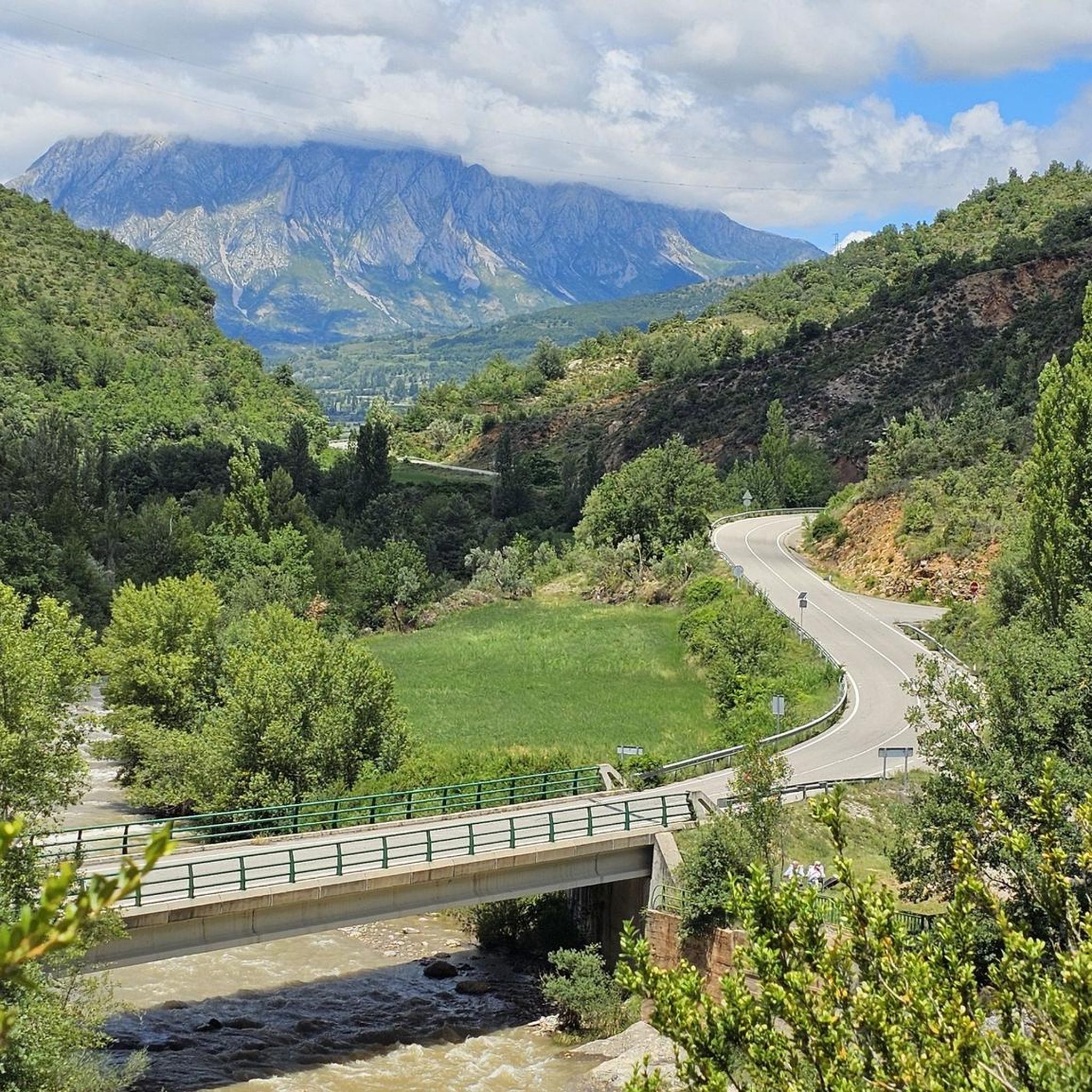
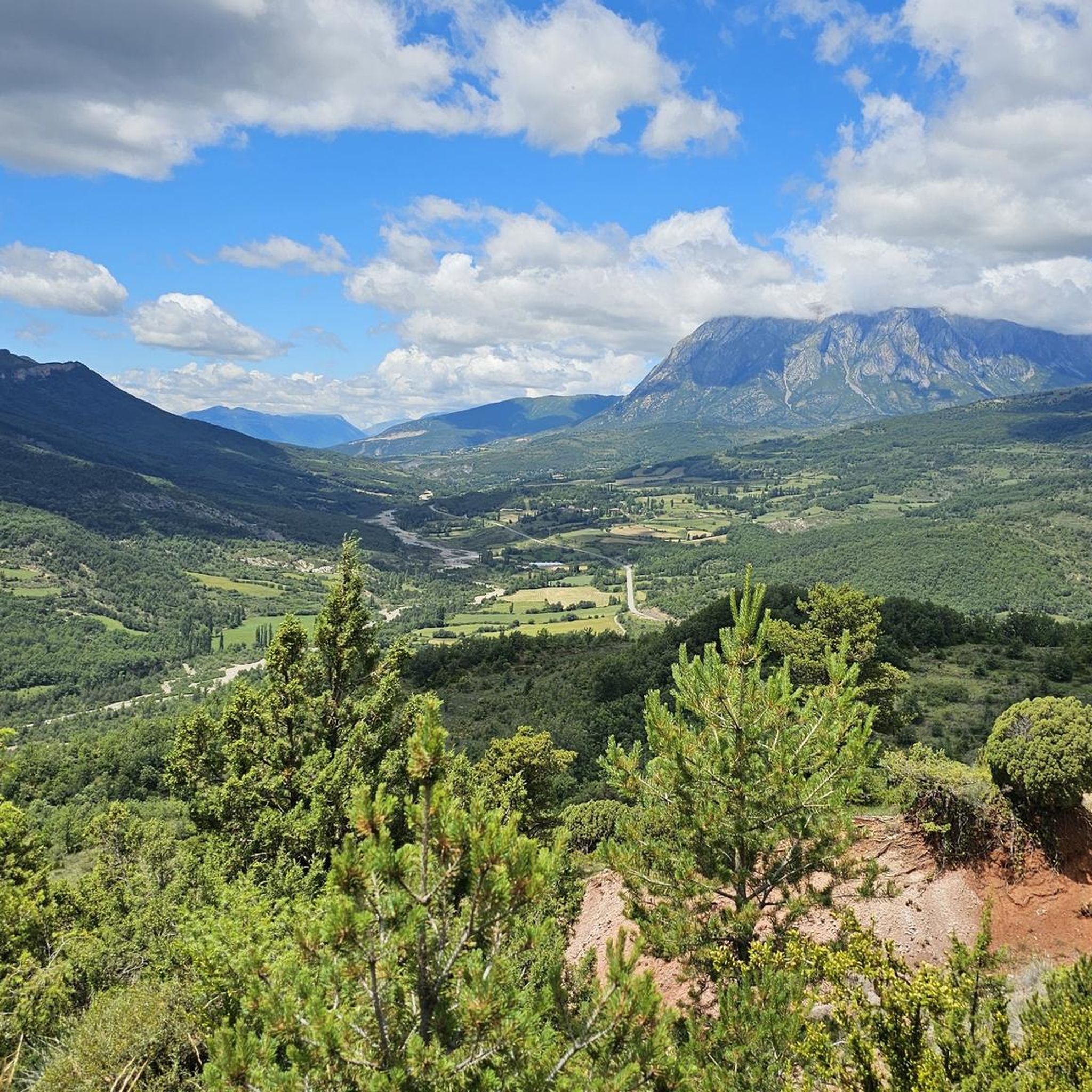
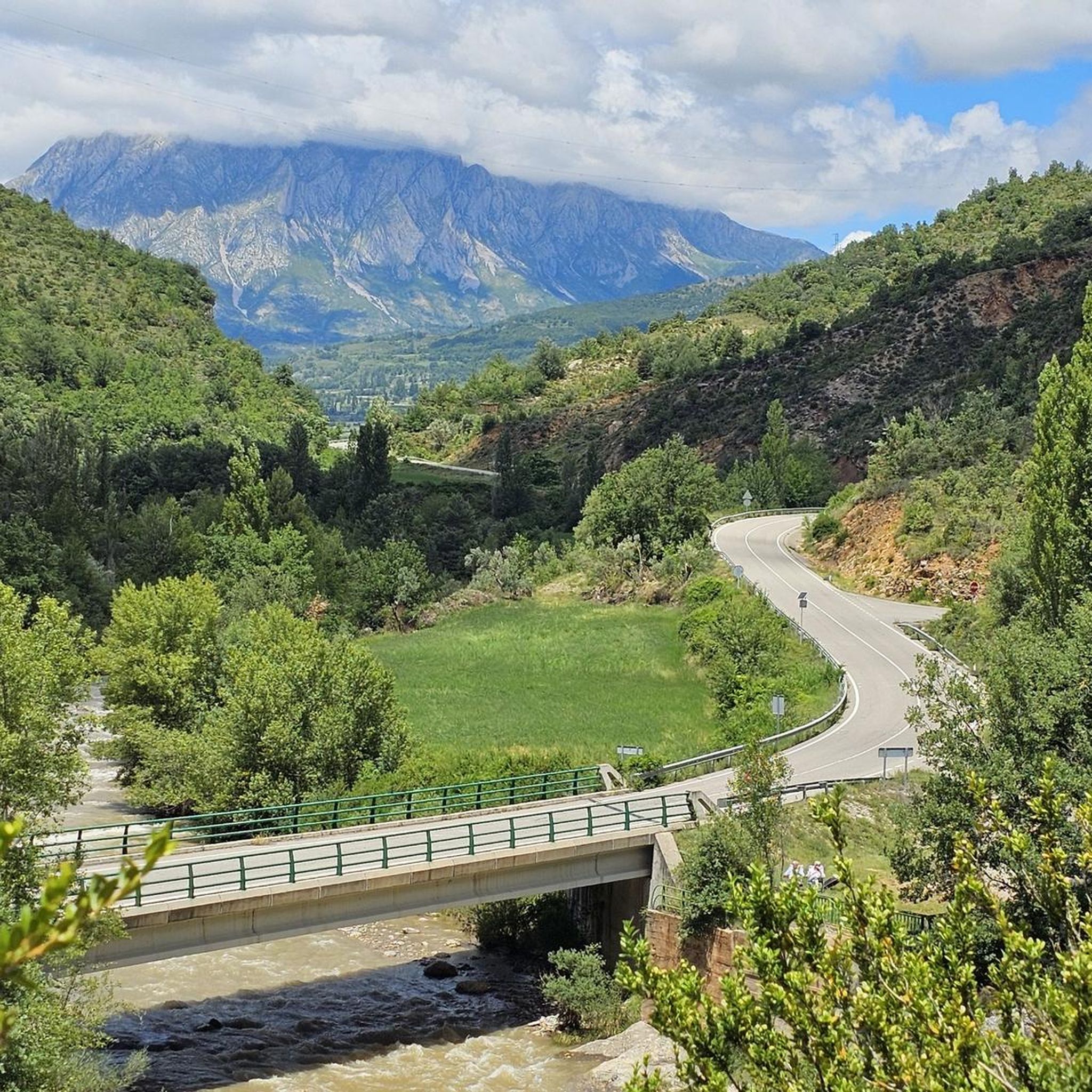
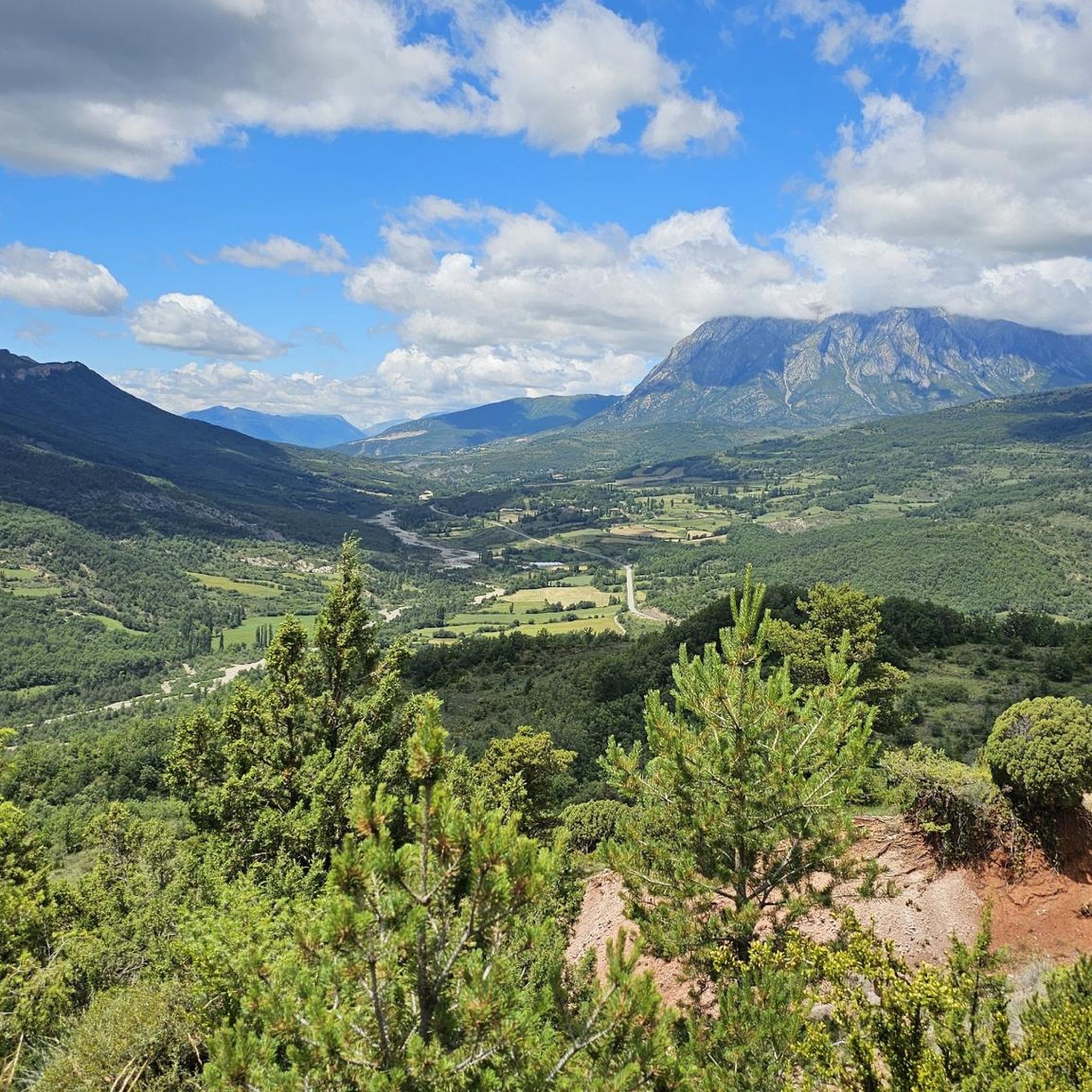
The Puerto de la Muria is a slight indentation in the ridge that connects the Turbón Mountains with the Baciero Mountains. The northern slope of this ridge is made up of intricate wooded slopes, where a few tracks and paths, and some lost and unknown trails, offer the only access options. The pass offers stunning views of the Turbón Mountains.
0
0

A table-bench combination in the shade of the forest.
1
0

This port connects the Noguera Ribagorzana river basin with the Sis valley and the Isábena basin, right on the border between Catalonia and Aragon. From Bonansa, the pass is a little over six kilometers long, with a fairly constant average drop of around 7%. Its other slope, the one that follows the Obarra gorge until it crowns the port, is much longer. It is 15 kilometers long, but it is very flat, with percentages around 3%, until it practically reaches the top, where the last two kilometers present considerable unevenness, with ramps of more than 15%.
0
0

The port of Bonansa is located at an altitude of 1,380 meters, in an open area from which you can see the panorama of the surrounding mountains. The climb is demanding, but worth it.
1
0

The port of Bonansa is located at an altitude of 1,380 meters. On one side of the pass is the town of Bonansa, and on the other, an extensive pine forest that marks the beginning of the descent to the Obarra gorge.
0
0

Hill between valleys not so much a true port. It is a road between hills and some stretch of forest. The rise is smooth and sustained, not exceeding 8%.
0
0

Collado and crossroads that climb from the Muria, the Collado de la Muria and those that continue ascending on the way to the Castle of Turbón
1
0
Hard "double col", meaning that you'll have to go up again after a short descent.
0
0
Frequently Asked Questions
What are some of the most popular mountain passes in the Torre La Ribera area?
Visitors frequently enjoy the Bonansa Pass, known for its open panorama and demanding climb. Another favorite is Coll de Fadas, which offers spectacular views over the Posets massif. The Coll de l'Espina (1407 m) is also well-regarded for its smooth, sustained ascent through forest stretches.
What kind of views can I expect from the mountain passes around Torre La Ribera?
The passes in this region offer diverse and stunning views. From Bonansa Pass, you get an open panorama of the surrounding mountains. Coll de Fadas provides spectacular vistas of the Posets massif. Even from Puerto de la Muria, you can enjoy stunning views of the prominent Turbón Mountains.
Are there challenging mountain passes for experienced hikers or cyclists?
Yes, several passes offer a good challenge. The climb to Bonansa Pass is described as demanding. Coll de Fadas involves a challenging 'double col' route, requiring an ascent after a short descent. For those seeking high-mountain experiences, the broader Ribagorza region also features passes like Port de Vénasque and Puerto de la Glera, which are known for their significant elevation and alpine terrain.
What is Pico Turbón and how does it relate to the mountain passes in the area?
Pico Turbón is a majestic limestone massif, often called 'the magical mountain of Ribagorza,' and is a prominent feature near Torre La Ribera. While not a traditional pass itself, the ascent to Pico Turbón is a highly regarded mountain excursion offering expansive 360-degree panoramic views. Passes like Puerto de la Muria and Collado de San Adrián are located in ridges connected to the Turbón Mountains, offering views of this iconic peak.
What outdoor activities can I do near these mountain passes?
The region around Torre La Ribera offers a variety of outdoor activities. You can find numerous road cycling routes, including challenging loops like the 'Bonansa – Bonansa Pass loop' or the 'Bonansa Pass – Congosto de Obarra loop.' There are also many running trails, such as the 'Airela Viewpoint – Roda de Isábena loop.' For more options, explore the Road Cycling Routes, Running Trails, and Cycling guides around Torre La Ribera.
Are there any mountain passes suitable for less experienced cyclists or hikers?
Yes, some passes offer smoother experiences. The Coll de l'Espina (1407 m) is noted for its smooth and sustained rise, with gradients not exceeding 8%, making it a more accessible option for those looking for a less strenuous climb. It serves as a road between hills and through some forest stretches.
What natural features characterize the landscape around Torre La Ribera's mountain passes?
The landscape is highly varied, ranging from dense forests at lower altitudes to rocky, more arid terrain closer to the summits, particularly around the limestone massif of Pico Turbón. You'll encounter picturesque valleys, such as the Coma de San Adrián, and enjoy diverse flora and fauna typical of the Pyrenees. Many passes also serve as excellent viewpoints, offering expansive panoramas.
What is the best time to visit the mountain passes in the Ribagorza region?
While specific data for Torre La Ribera isn't provided, the Pyrenees generally offer excellent conditions for hiking and cycling during the late spring, summer, and early autumn months. During these periods, the weather is typically more stable, and the passes are free of snow, making them accessible for exploration. Always check local weather conditions before your visit.
Are there any historical or cultural aspects associated with the mountain passes in the broader Ribagorza region?
Yes, some passes in the broader Ribagorza region have historical significance. For instance, Puerto de la Glera (Port de la Glère), located on the Franco-Spanish border, was historically one of the first cross-border passes used between Spain and France. Additionally, Pico Turbón, a prominent mountain in the area, is steeped in local folklore, with legends describing it as a gathering place for witches, adding a mystical element to the landscape.
What do visitors say about the mountain passes around Torre La Ribera?
The komoot community appreciates the variety and beauty of the mountain passes. Visitors highlight the demanding but rewarding climbs, the spectacular views over mountain ranges like Posets, and the peaceful routes through forests. Many enjoy the open panoramas and the sense of accomplishment after reaching a pass like Bonansa Pass.
Are there any passes that connect different valleys or offer crossroads for further exploration?
Yes, Collado de San Adrián is a notable crossroads that climbs from the Muria and continues ascending towards the Castle of Turbón, serving as a key point for connecting different routes and areas of exploration within the region.
Most popular attractions around Torre La Ribera

Get inspired with the komoot mobile app


Explore more
See even more epic mountain passes by checking out these guides around Torre La Ribera:
