Top 4 Natural Monuments around Albares
Best natural monuments around Albares are characterized by a diverse landscape shaped by geological processes, featuring river basins, ancient trees, and unique geological formations. The region offers a blend of natural beauty and historical elements, with ecosystems ranging from wetlands to gypsum-rich badlands. Visitors can explore areas with centuries-old trees and distinctive geological reliefs. This area provides opportunities to discover specialized plant species and varied natural environments.
Best natural monuments around Albares
- The most popular natural monuments is Ancient Holm…
Last updated: August 25, 2026
Alcarrias of the Tajo: Gypsum, Marl, and Esparto
Highlight • Natural Monument
Translated by Google •
Tip by

Robledillo Spring
Highlight • Natural Monument
Translated by Google •
Tip by

Sign up now to discover places like this
Get recommendations on the best single tracks, peaks, & plenty of other exciting outdoor places.
Sign up for free
Palace of the Marquises of Legarda and the Centenary Holm Oak
Highlight • Historical Site
Translated by Google •
Tip by
Quejigo del Robledal
Highlight • Natural Monument
Translated by Google •
Tip by
Geology of the Tajuña Valley Landscape
Highlight • Natural Monument
Translated by Google •
Tip by
Start today with a free account
Your next adventure awaits.
Login or Signup
Popular around Albares
Tips from the Community

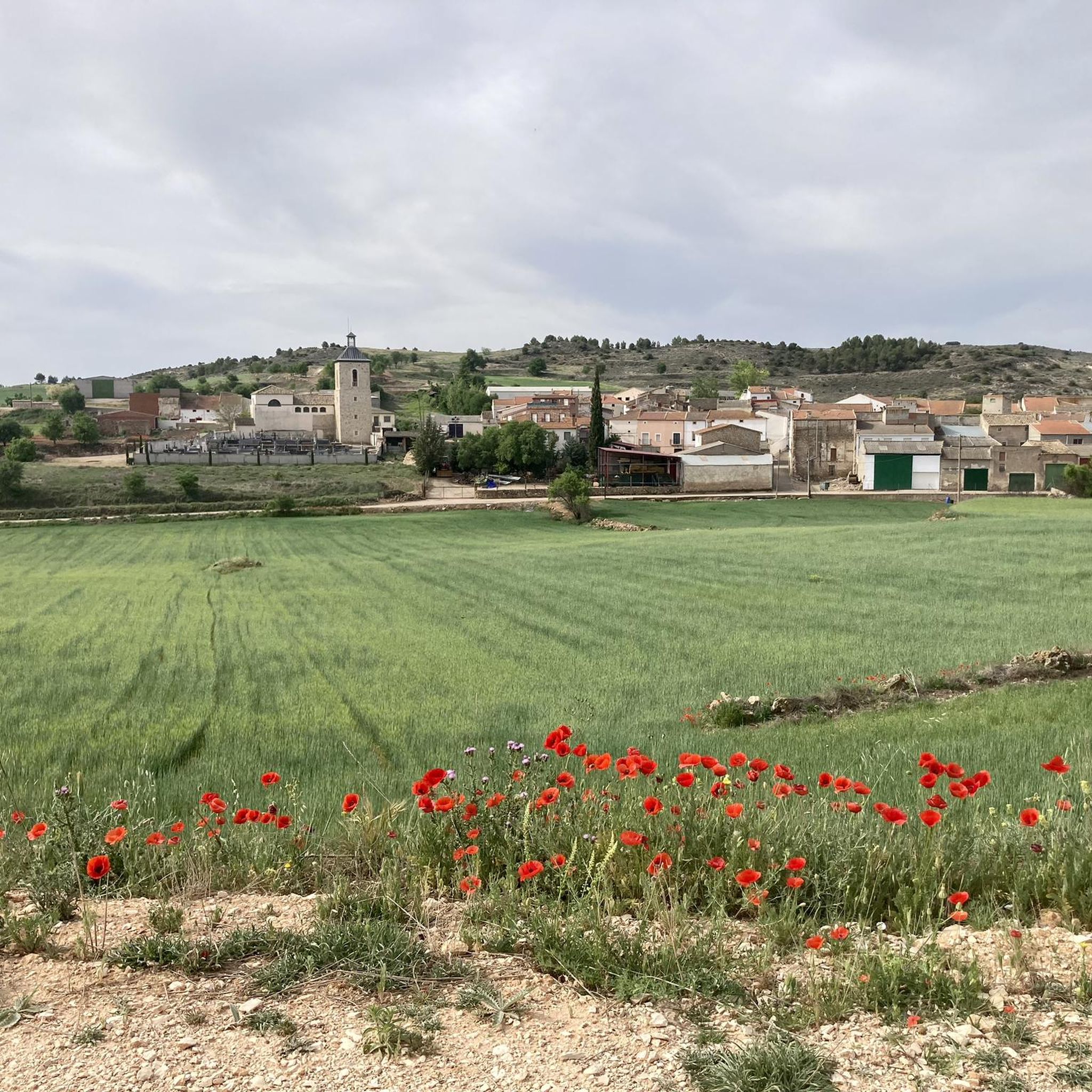
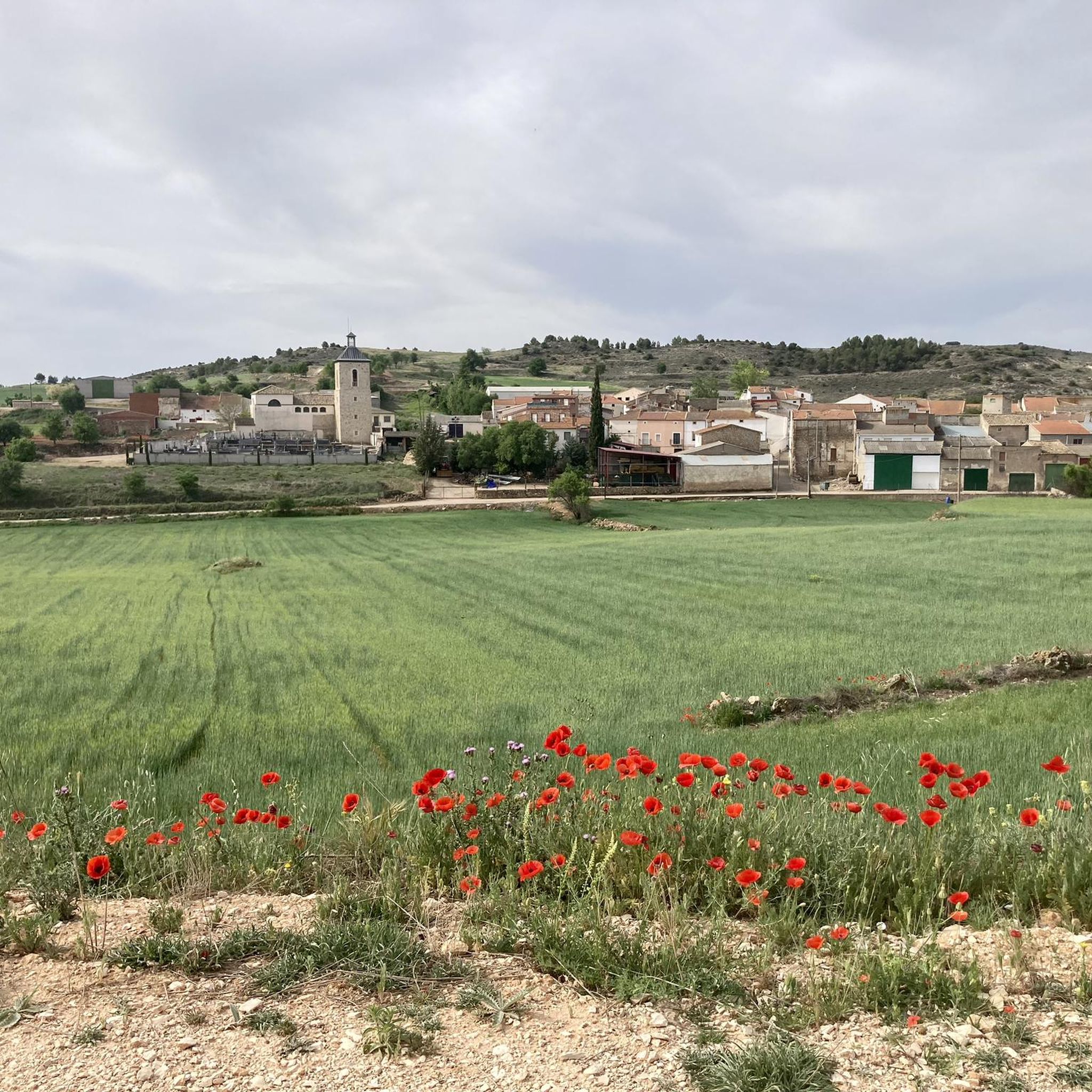
The Tajo River basin in the province of Madrid is a basin of limestone, gypsum, marl and sandstone sediments. The limestone is hard and has resisted erosion over time, forming large plateaus and agricultural wastelands known as alcarrias. On the other hand, the gypsum and marl are much softer materials and environmental precipitation has created a curious landscape of slopes, cliffs and test hills that precipitate dissolved salts to the bottom of the plains, determining the reliefs, textures and highly specialised plant species, with numerous peninsular endemic species.
0
0
The Robledal de Brea is a valuable ecosystem of holm oak forests from La Mancha, with holm oaks, gall oaks and oaks with centuries-old specimens and great environmental quality due to their good state of conservation. At the entrance to the Monte is the Quegijo del Rebledal, tree number 315 in the catalogue of Singular Trees of the Community of Madrid, it is twenty metres high, three metres in circumference and has an estimated age of two hundred years.
0
0
The relief of the Tajuña valley is the result of a succession of horizontal sedimentation processes during cold and dry periods and a strong erosion by water and the elements, leaving the slopes with very steep slopes and devoid of vegetation, revealing the mixtures of limestone, marl, gypsum and the rest of the tertiary materials common in the relief unit of the Tajo basin.
1
0
The sober palace of the Marquises of Legarda is one of the most notable elements of the historical and artistic heritage of Ambite. It is private property and cannot be visited. There is a path that leads to the entrance of the estate and you can see it up close. The building dates back to 1623, it is built of brick, cobblestones and limestone ashlars on the lintels of the doors and windows. It has a tower, a noble coat of arms and an interior courtyard. Next to it is the hundred-year-old oak tree of Ambite, declared a unique tree of the Community of Madrid, which is estimated to be seven hundred years old.
0
0
It is a historic fountain with benches and information panels in a welcoming environment of oaks, holm oaks, kermes oaks and Mediterranean scrubland on a hillside. The fountain has basins and the constant humidity throughout the year has created a valuable wetland ecosystem that is magnificent for the development of an amphibian pond.
0
0

Route of the Sources (PR-CC 84) in the Comarca de La Vera, Ambite.
6
0
Frequently Asked Questions
What kind of natural monuments can I expect to find around Albares?
Around Albares, you'll discover a variety of natural monuments, from ancient trees to unique geological formations. Highlights include the historic Robledillo Spring, the impressive Ancient Holm Oak of Ambite, and the distinctive landscapes of the Alcarrias of the Tajo, characterized by gypsum, marl, and esparto vegetation.
Are there family-friendly natural monuments to visit around Albares?
Yes, several natural monuments around Albares are suitable for families. The Robledillo Spring offers a welcoming environment with benches and information panels, perfect for a relaxed outing. The Ancient Holm Oak of Ambite is also a great spot, often associated with local legends that can captivate younger visitors. Additionally, the Quejigo del Robledal, a centuries-old oak, is located within a valuable holm oak forest, providing a pleasant setting for family walks.
What unique geological features can I observe in the natural monuments around Albares?
The region around Albares is rich in fascinating geological formations. The Alcarrias of the Tajo showcase a landscape shaped by limestone, gypsum, and marl sediments, creating plateaus and unique erosion patterns. Similarly, the Geology of the Tajuña Valley Landscape reveals steep slopes and exposed rock formations, illustrating the powerful effects of water and elements on the tertiary materials common in the Tajo basin.
Do any natural monuments around Albares have historical significance?
Absolutely. The Ancient Holm Oak of Ambite is not just a natural wonder but also a historical site, with numerous legends tied to the nearby Palace of Ambite. The Robledillo Spring is also considered a historical fountain, integrated into the 'Route of the Sources' and featuring information panels about its past.
Are there opportunities for hiking or walking near the natural monuments around Albares?
Yes, the area offers various walking and hiking opportunities. The Robledillo Spring is part of the 'Route of the Sources (PR-CC 84)', providing a pleasant walk through an environment of oaks and holm oaks. While specific hiking trails directly within each monument might vary, you can find numerous routes in the broader region. For example, the Natural Park Sierra de Baza offers many hiking trails with stunning views.
Can I go cycling or mountain biking near the natural monuments around Albares?
Yes, the region around Albares is well-suited for cycling and mountain biking. You can explore various routes, including those found in the Cycling around Albares guide or the MTB Trails around Albares guide. These guides feature routes like the 'Mondéjar and Tajuña Greenway Loop' and trails that pass through diverse landscapes, offering options for different skill levels.
What is the best time of year to visit the natural monuments around Albares?
The best time to visit largely depends on your preferred activities. Spring and autumn generally offer pleasant temperatures for exploring. If you're interested in seeing snow-capped peaks, areas like Sierra La Sagra (a broader regional highlight) often have snow during autumn, winter, and early spring. For general exploration of the natural monuments, milder weather avoids the heat of summer and the chill of deep winter.
Are there any notable trees or forests among the natural monuments?
Definitely. The Ancient Holm Oak of Ambite is a truly gigantic and thousand-year-old specimen, a central feature of its monument. Another significant tree is the Quejigo del Robledal, a two-hundred-year-old gall oak standing twenty meters high within the valuable Robledal de Brea ecosystem, which is known for its well-preserved holm oak forests.
What kind of wildlife can be spotted in the natural areas surrounding Albares?
The broader natural parks in the region, such as Natural Park Sierra de Castril and Natural Park Sierra de Baza, are rich in wildlife. You might spot species like kingfishers, golden eagles, griffon vultures, deer, foxes, boars, and bee-eaters. Sierra La Sagra is home to the Egyptian vulture, Betic midwife toad, and Valverde lizard. While specific wildlife sightings at the immediate Albares monuments aren't detailed, the surrounding natural environments support diverse fauna.
Are there any viewpoints offering panoramic vistas of the natural monuments?
While specific viewpoints for each monument around Albares are not detailed, the Alcarrias of the Tajo and Geology of the Tajuña Valley Landscape are described as having features like plateaus and steep slopes that inherently offer expansive views of the unique geological formations. In the wider region, the Peña de Castril provides excellent panoramic views from its viewpoint over 100 meters high, and the Narváez Viewpoint in Sierra de Baza is particularly noteworthy for its vistas.
What are the typical plant species found in the natural monuments around Albares?
The natural monuments around Albares feature diverse flora. At the Robledillo Spring, you'll find oaks, holm oaks, kermes oaks, and Mediterranean scrubland. The Quejigo del Robledal is part of an ecosystem of holm oak forests from La Mancha, including holm oaks, gall oaks, and other oak species. The unique gypsum and marl landscapes of the Alcarrias of the Tajo also support highly specialized plant species, including numerous peninsular endemic species.
Most popular routes around Albares
Most popular attractions around Albares

Get inspired with the komoot mobile app


Explore more
Extend your search for the best caves by checking out these guides of the top ones around Albares:
