Top 6 Natural Monuments around Mudá
Best natural monuments around Mudá are primarily located within the Montaña Palentina Natural Park and the Las Tuerces Natural Area. This region in northern Palencia, Castile and León, Spain, showcases significant geological and ecological diversity. Visitors can explore a variety of landscapes, including high peaks, ancient forests, and unique rock formations. The area offers opportunities to observe natural wonders shaped by millions of years of geological processes.
Best natural monuments around Mudá
- The most popular natural monument is Roblón de…
Last updated: August 25, 2026
Roblón de Estalaya
Highlight • Natural Monument
Translated by Google •
Tip by

Fossil Forest Cliff
Highlight • Natural Monument
Translated by Google •
Tip by
Sign up now to discover places like this
Get recommendations on the best single tracks, peaks, & plenty of other exciting outdoor places.
Sign up for free
Pico Valdecebollas (2,139 m)
Highlight • Summit
The views from here are spectacular!
Translated by Google •
Tip by
Valdecebollas (2,143 m)
Highlight • Summit
Translated by Google •
Tip by

Umbría Viewpoint (Peña de Rulaya)
Highlight • Viewpoint
Translated by Google •
Tip by
Sign up for free to discover even more natural monuments around Mudá.
Sign up for free
Already have an account?
Start today with a free account
Your next adventure awaits.
Login or Signup
Tips from the Community

Impressive oak tree over 600 years old, easy walk, well signposted and very pleasant.
0
0

The first part of the climb culminates in the Sestil Alto, it makes a small crossing on the crest of the summit and goes down some ledges to connect with the path that goes up the normal route of the Valdecebollas from the Golobar Shelter. The views of La Pernia, the Peña Labra mountain range and Picos de Europa are extraordinary. The path climbs the last slope and leads to the Torreón del Valdecebollas monument (2,143 m), with the entire Palentina Mountain and the reliefs of Fuentes Carrionas around. The trail leaves the summit towards the southwest along the route of an old mountain lane. The descent is long with all types of surfaces and slopes.
0
0

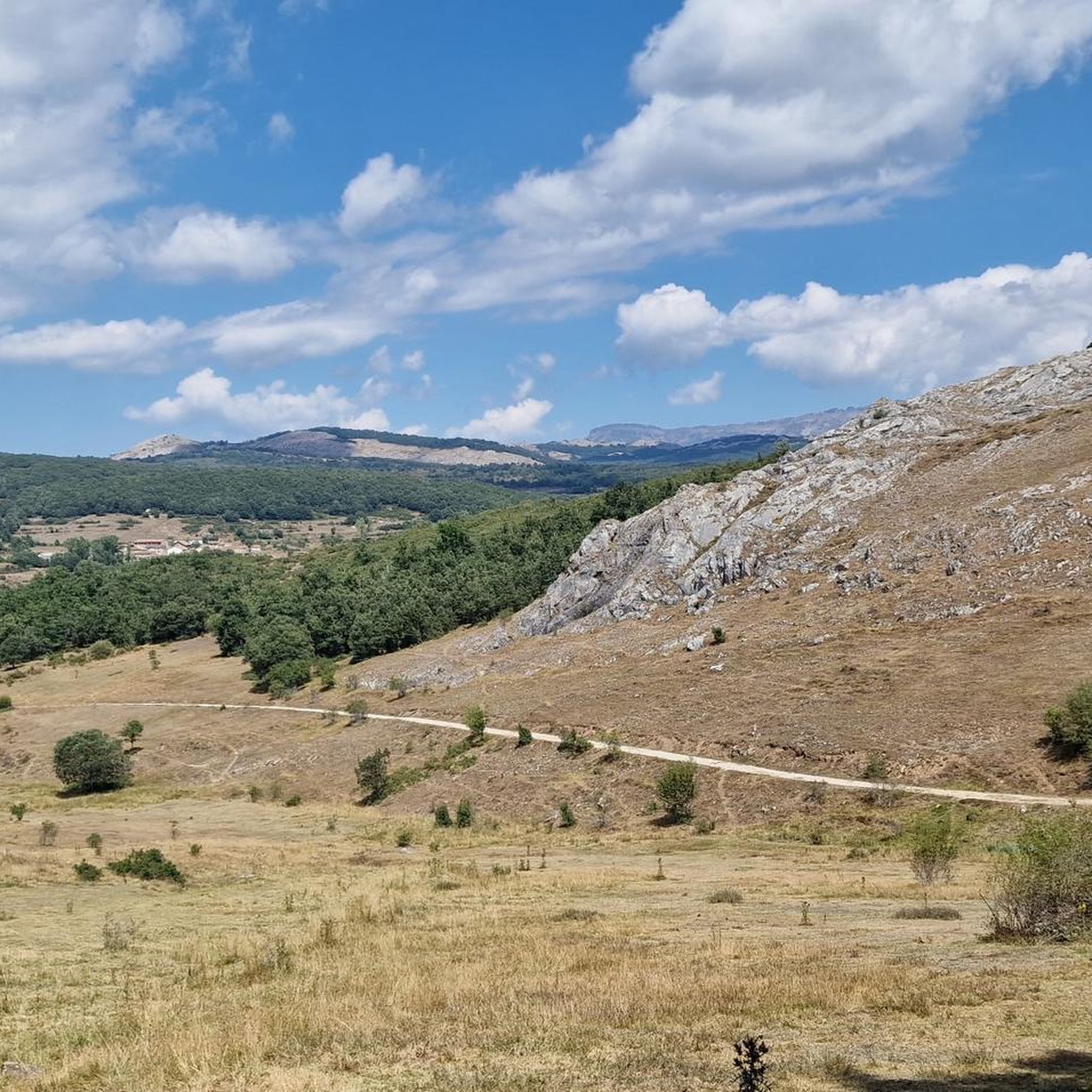
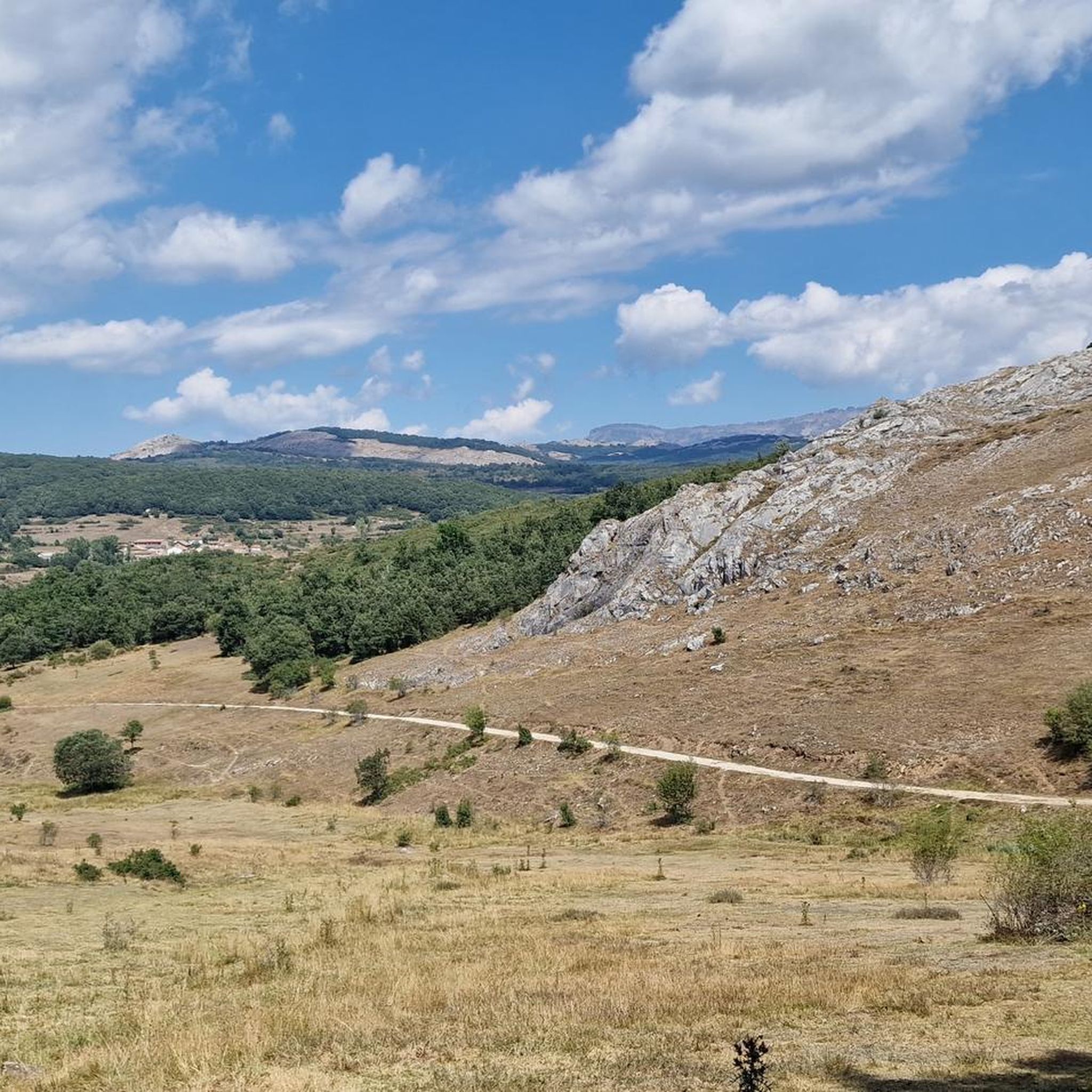
This is a beautiful little wooded trail that takes you past a rock face with fossilized trees. Fossils are millions of years old.
0
0

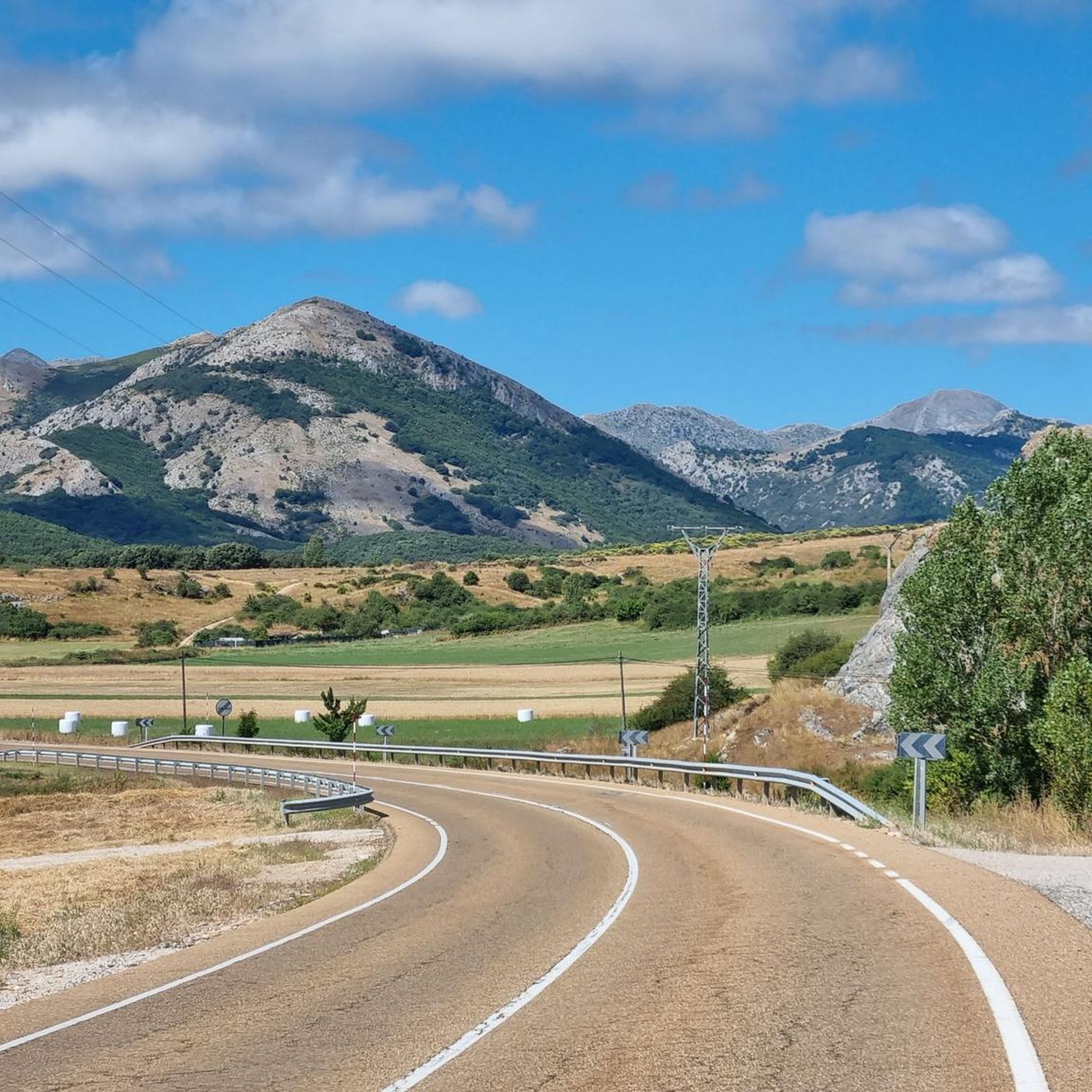
Summit of the Natural Park of the Palencia Mountain. At the top we find the Torreón, a small stone tower with a vertex and a cross at its highest point. The views from here are spectacular!
2
0
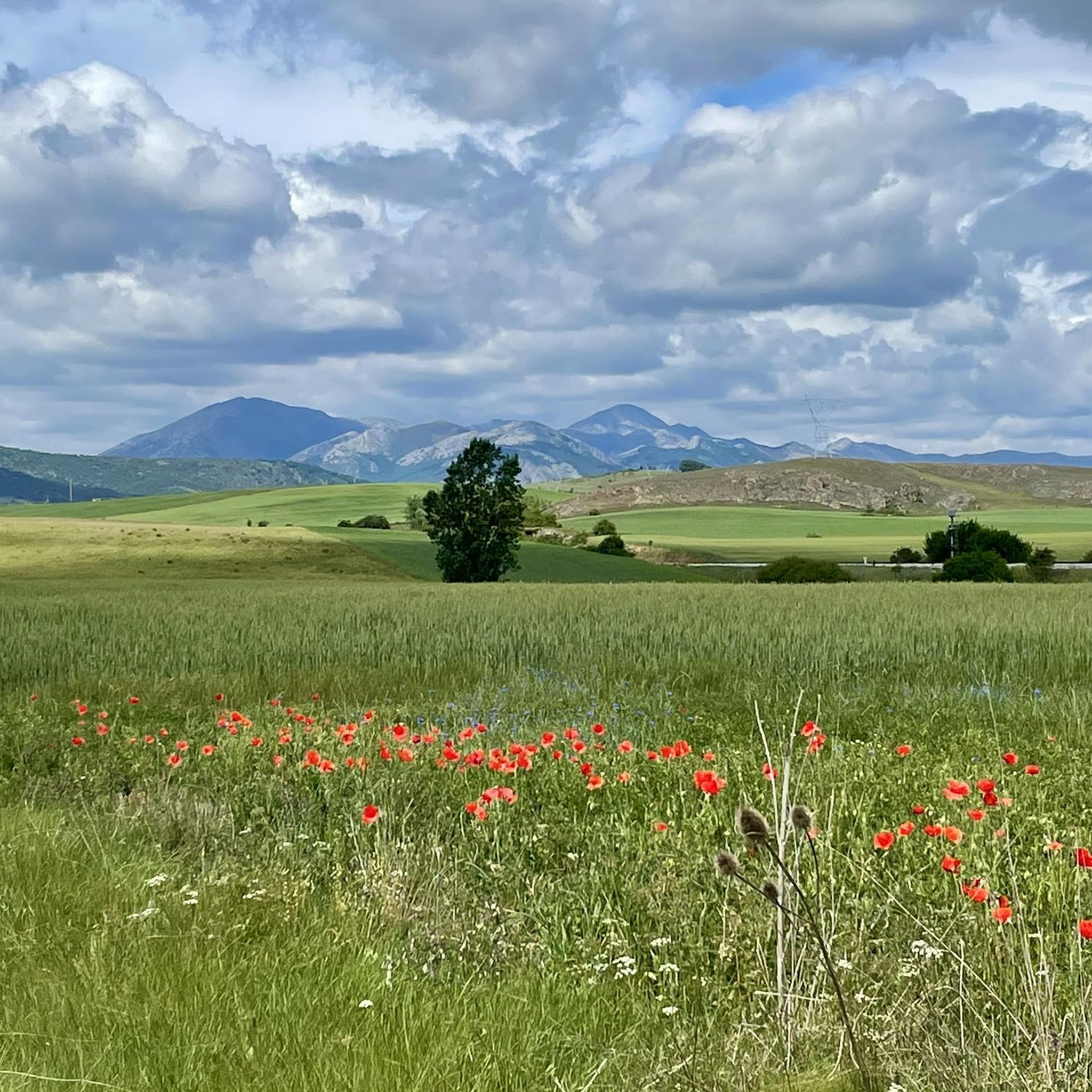
The Rumaya viewpoint or also known as the Umbria viewpoint is a point where the dense vegetation opens up to house unbeatable views of the Palencia Mountain.
1
0
Emblematic and important specimen of oak cataloged as a Remarkable Tree of Castilla y León for its extraordinary characteristics and advanced age.
3
1
Rocky wall where you can see the impression made by the tree trunks more than 300 million years ago.
2
0

Do not get off the bike paths like me xD
0
0
Frequently Asked Questions
What unique geological features can I explore around Mudá?
The region around Mudá is rich in geological wonders. You can visit the Fossil Forest Cliff, where impressions of tree trunks from over 300 million years ago are visible in a rocky wall. Additionally, the Las Tuerces Natural Area, with its impressive Peña Mesa, showcases a 'fantastic landscape' of bizarre limestone rock formations sculpted by erosion, forming a natural labyrinth.
Are there any ancient or remarkable trees to see near Mudá?
Yes, the area is home to significant ancient trees. The most popular is Roblón de Estalaya, an emblematic oak specimen recognized as a Remarkable Tree of Castilla y León due to its extraordinary characteristics and advanced age. Within the Montaña Palentina Natural Park, you can also find the Tejeda de Tosande, one of Europe's oldest yew groves, with some trees over a thousand years old.
What are the best viewpoints for panoramic scenery around Mudá?
For breathtaking panoramic views, consider hiking to Pico Valdecebollas (2,139 m), a summit in the Montaña Palentina Natural Park offering extensive vistas of the Palentina Mountain. Another excellent spot is the Umbría Viewpoint (Peña de Rulaya), where dense vegetation opens up to provide unbeatable views of the Palencia Mountain.
Are there family-friendly natural monuments or trails near Mudá?
Yes, several natural monuments are suitable for families. The Roblón de Estalaya is considered family-friendly, as is the Fossil Forest Cliff, which features a beautiful wooded trail. These sites offer engaging experiences for all ages without requiring extreme difficulty.
What kind of outdoor activities can I do near the natural monuments around Mudá?
The region offers diverse outdoor activities. You can enjoy road cycling on routes like the 'Pisuerga River – Salinas de Pisuerga Bridge loop' or 'Cervera de Pisuerga – Aguilar Reservoir loop'. For running, trails such as 'Senda del Oso' or 'Senda "El Roblón de Estalaya"' are popular. General cycling routes include 'Herreruela de Castilleria y San Cebrián de Mudá'. You can find more details on these activities in the dedicated guides for Road Cycling, Running, and Cycling around Mudá.
Are there challenging hikes or mountaineering opportunities in the area?
Absolutely. The Montaña Palentina Natural Park is known for its rugged terrain and offers challenging mountaineering. Peaks like Pico Curavacas (2,524 m) and Pico Espigüete (2,450 m) provide demanding ascents and spectacular views. Pico Valdecebollas (2,139 m) also offers a challenging climb with rewarding vistas.
What is the Montaña Palentina Natural Park known for?
The Montaña Palentina Natural Park, covering about 80,000 hectares, is renowned for its diverse ecosystems, from high peaks and deep valleys to ancient forests and alpine meadows. It's a vital habitat for wildlife, including the Cantabrian brown bear and Iberian wolf. The park also features impressive geological formations like the Covalagua Waterfall and the Cueva de los Franceses, along with ancient yew groves.
Can I explore caves or waterfalls near Mudá?
Yes, within the Montaña Palentina Natural Park, you can visit the Covalagua Waterfall, an impressive 20-meter cascade that has sculpted a unique landscape of sinkholes and caves. Nearby, the Cueva de los Franceses offers an intriguing underground experience with stunning stalactites and stalagmites, showcasing the region's karstic geology.
What do visitors appreciate most about the natural monuments around Mudá?
Visitors frequently highlight the extraordinary characteristics and advanced age of the Roblón de Estalaya. The Fossil Forest Cliff is appreciated for its unique glimpse into ancient geological history. The spectacular and unbeatable views from summits like Pico Valdecebollas (2,139 m) and the Umbría Viewpoint (Peña de Rulaya) are also highly praised by the komoot community.
Are there any easy walking trails around the natural monuments?
Yes, for easier walks, the trail leading to the Fossil Forest Cliff is a beautiful, moderate, wooded path. The area around Roblón de Estalaya also offers intermediate and family-friendly options for exploring the ancient oak. Many areas within the Montaña Palentina Natural Park have well-marked trails suitable for various fitness levels.
What is the best time of year to visit the natural monuments near Mudá?
The Montaña Palentina Natural Park and surrounding areas are generally best visited during spring, summer, and early autumn. These seasons offer pleasant weather for hiking, mountaineering, and exploring the diverse landscapes. Spring brings lush greenery and wildflowers, while autumn showcases vibrant fall foliage. Winter can be challenging due to snow and colder temperatures, especially in higher elevations.
Most popular attractions around Mudá

Get inspired with the komoot mobile app


Explore more
Extend your search for the best caves by checking out these guides of the top ones around Mudá:
