Top 20 Natural Monuments around Sedella
Natural monuments around Sedella are concentrated within the Sierra de Tejeda, Almijara y Alhama Natural Park, a protected area spanning over 40,000 hectares. This region features diverse landscapes, including mountains, valleys, and rivers, with altitudes reaching over 2,000 meters. Sedella serves as an access point to this natural environment, offering various opportunities for outdoor exploration. The area is characterized by its geological formations and varied ecosystems.
Best natural monuments around Sedella
- The most popular natural monument is El Saltillo Suspension…
Last updated: May 20, 2026
El Saltillo Suspension Bridge
Highlight • Bridge
Translated by Google •
Tip by

La Maroma Summit
Highlight • Summit
Translated by Google •
Tip by

Sign up now to discover places like this
Get recommendations on the best single tracks, peaks, & plenty of other exciting outdoor places.
Sign up for free
El Saltillo Waterfall
Highlight • Waterfall
Translated by Google •
Tip by

Palo Borracho (Ceiba Chodatii) on Paseo de Larios
Highlight • Natural Monument
Translated by Google •
Tip by

Translated by Google •
Tip by

Sign up for free to discover even more natural monuments around Sedella.
Sign up for free
Already have an account?
Start today with a free account
Your next adventure awaits.
Login or Signup

Tips from the Community

For this section, you'll definitely need to be sure-footed and have a head for heights. Some sections are very narrow, and the drop is quite steep. ;) If that's okay with you, the trail is really cool and a lot of fun!
1
0

In Torre del Mar, these striking trees grace the Paseo de Larios, one of the city's main promenades. The tree change from the original orange trees and plane trees to the Ceiba chodatii occurred in the 1920s, giving the area a unique tropical feel. Originally native to the tropical and subtropical forests of South America, the Ceiba chodatii is now widespread in many parts of the world, particularly in Mediterranean climates such as the Costa del Sol. The Ceiba chodatii, known in South America as Palo Borracho, is an impressive tree. Its name "Palo Borracho" translates to "Drunk Tree" because of its distinctive bottle-shaped trunk, reminiscent of a drunken man. The tree is characterized by a thick, plump trunk that stores water and is covered in prickly thorns.
3
0

The white-flowered drunken bottle tree (Ceiba chodatii) is a medium-sized deciduous tree native to the tropical and subtropical forests of South America. It is notable for its succulent, swollen trunk covered with spines and its buttress roots. The name palo borracho ("drunken tree"), which is common in Paraguay and Chile, is derived from the distinctive growth form of the trunk. The Argentinian name palo botella ("bottle tree") also refers to the same characteristics. - The genus Ceiba is closely related to the baobabs (genus Adansonia) in Africa and Australia, which also have quite unusual trunk shapes.
3
0

The new suspension bridge is the highlight of this hike. You should not be afraid of heights, but the bridge is very stable and sways very little. But the path there from Canillas de Aceituno is also just beautiful and relatively flat.
4
0

There is a beautiful suspension bridge over the gorge with the waterfall. I didn't find a path to the waterfall itself
1
1

The path to the waterfall is closed shortly after the junction to the suspension bridge! As of: March 2024
2
2

After the suspension bridge, the path goes steeply up through the wall, almost a kind of via ferrata, some of which have chains to hold on to. Surefootedness, strength and fitness are required. Going down is much more difficult than going up. Avoid on weekends because of crowds, even in January. Very nice when there is no crowd there.
1
0
Frequently Asked Questions
What are some of the most popular natural monuments to visit around Sedella?
Visitors to Sedella often seek out the dramatic El Saltillo Suspension Bridge, known for being one of Spain's longest hanging bridges, offering an exhilarating experience over a gorge. Another highly regarded site is La Maroma Summit, the highest peak in Málaga province, which provides panoramic views that can extend to the Alboran Sea on clear days. The Pantaneta de Alhama, an artificial reservoir, is also popular for its rich birdlife, including several threatened species.
Are there family-friendly natural monuments or activities near Sedella?
Yes, the region offers several family-friendly options. The Pantaneta de Alhama is a great spot for families, recognized for its diverse bird species and tranquil environment. Additionally, many of the less strenuous hiking trails within the Sierra de Tejeda, Almijara y Alhama Natural Park, such as the Roman Bridge Walk mentioned in the region research, are suitable for families looking to enjoy nature together.
What kind of hiking trails can I find around Sedella's natural monuments?
The area around Sedella, particularly within the Sierra de Tejeda, Almijara y Alhama Natural Park, boasts a variety of hiking trails. These range from challenging ascents to La Maroma Summit, offering rewarding panoramic views, to more adventurous routes like the El Saltillo trail with its famous suspension bridge. There are also trails that combine natural beauty with historical elements, such as the Roman Bridge (Puente Árabe) walk, and the Acequia Trail from Canillas de Aceituno, which features suspension bridges and sections with chains for an exciting experience.
What outdoor activities are available near the natural monuments in Sedella?
Beyond hiking, the natural monuments around Sedella are excellent starting points for various outdoor activities. The Sierra de Tejeda, Almijara y Alhama Natural Park is ideal for mountain biking, road cycling, and gravel biking. You can find numerous routes for these sports, such as those detailed in the MTB Trails around Sedella, Road Cycling Routes around Sedella, and Gravel biking around Sedella guides. Birdwatching is also popular, especially around the Pantaneta de Alhama.
When is the best time of year to visit the natural monuments in Sedella?
The best time to visit the natural monuments around Sedella generally depends on your preferred activity. Spring (March to May) and autumn (September to November) offer pleasant temperatures for hiking and exploring, with lush landscapes in spring and vibrant colors in autumn. Summer can be hot, especially for strenuous hikes, but is suitable for higher altitude areas or early morning excursions. Winter offers cooler temperatures, which can be ideal for hiking if you are prepared for potentially colder conditions at higher elevations like La Maroma Summit.
Are there any natural monuments that offer panoramic views around Sedella?
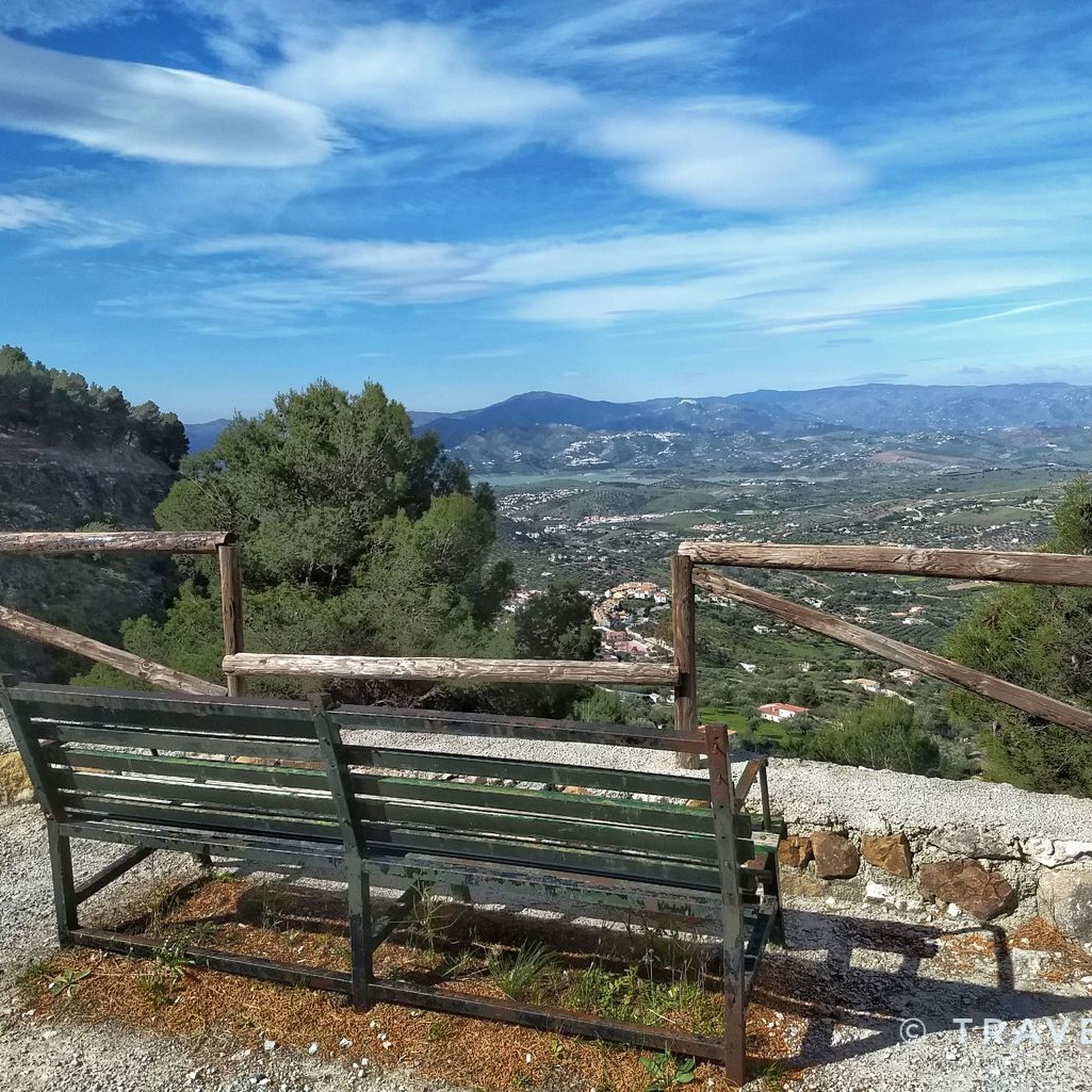
Absolutely. La Maroma Summit, at 2,069 meters, provides breathtaking 360° views across the surrounding peaks and valleys, and even to the Alboran Sea on clear days. Another excellent viewpoint is the Mirador de Los Pozuelos, high in the mountains above Sedella, which offers stunning panoramic vistas and is a peaceful spot to appreciate the vast natural beauty of the region.
What historical or cultural sites can be found within the natural settings near Sedella?
The region blends natural beauty with historical elements. The Roman Bridge (Puente Árabe), a picturesque stone bridge just outside Sedella, is a notable example, possibly medieval in origin. You can also visit the Ruins of the Olive Mill (El Molino) by a river, where the original millstone and mechanism are still visible, offering a glimpse into the region's agricultural past. The restored stone shelter known as La Choza del Guarda (The Guard's Hut) provides insight into forest management from the 1960s.
Is the Sierra de Tejeda, Almijara y Alhama Natural Park accessible for visitors?
The Sierra de Tejeda, Almijara y Alhama Natural Park, which encompasses many of Sedella's natural monuments, is generally accessible for visitors, offering various entry points and trails. While many areas require hiking, some viewpoints and lower-altitude trails may be more easily reached. For specific accessibility needs, it's advisable to check individual trail conditions. For example, the Palo Borracho (Ceiba Chodatii) on Paseo de Larios, though not directly in Sedella, is noted as wheelchair accessible.
What unique natural features can I expect to see in the Sedella area?
The Sedella area, nestled within the Sierra de Tejeda, Almijara y Alhama Natural Park, offers diverse natural features. You can encounter dramatic gorges and suspension bridges like the one at El Saltillo, high mountain peaks such as La Maroma Summit, and tranquil water bodies like the Pantaneta de Alhama, which is a habitat for various bird species. The park is also known for its rich biodiversity, including one of Spain's largest mountain goat populations, eagles, kestrels, and owls, amidst its trees, rocky outcrops, rivers, and streams.
Are there any challenging natural monuments or trails for experienced hikers?
Yes, experienced hikers will find several challenging options. The ascent to La Maroma Summit is a demanding but highly rewarding hike. Additionally, the section after the El Saltillo Suspension Bridge, towards Mirador los Pozuelos, involves a steep climb that is almost a via ferrata, with chains to assist. This section, known as Via Ferrata After the Suspension Bridge, requires surefootedness, strength, and a head for heights.
What should I pack for hiking in the natural areas around Sedella?
When hiking in the natural areas around Sedella, especially in the Sierra de Tejeda, Almijara y Alhama Natural Park, it's essential to be prepared. Pack plenty of water and food, as temperatures can vary significantly, especially at higher altitudes like La Maroma Summit. Wear appropriate hiking footwear and layered clothing suitable for changing weather conditions. For routes like El Saltillo, it's recommended to load maps offline as cell phone reception can be limited. If attempting more challenging sections like the Via Ferrata after the suspension bridge, ensure you have good grip and are comfortable with heights.
Can I bring my dog to the natural monuments and trails near Sedella?
While the Sierra de Tejeda, Almijara y Alhama Natural Park is generally welcoming to visitors, specific rules regarding dogs on trails and near natural monuments can vary. It's always best to keep dogs on a leash to protect wildlife and ensure the safety of other hikers. For detailed information on dog policies within the natural park or on specific trails, it is recommended to check local regulations or park visitor centers.
Most popular routes around Sedella
Most popular attractions around Sedella

Get inspired with the komoot mobile app


Explore more
Extend your search for the best caves by checking out these guides of the top ones around Sedella:
