Top 8 Natural Monuments around Guadalajara
Natural monuments around Guadalajara offer diverse landscapes, from high mountain viewpoints to river valleys and unique geological formations. The region provides opportunities to explore varied ecosystems and natural features. These sites are characterized by their geological significance and natural beauty. Guadalajara's surrounding areas are ideal for outdoor activities, with numerous natural attractions to discover.
Best natural monuments around Guadalajara
- The most popular natural monuments is Pico del Águila, a summit that offers an extraordinary viewpoint of Guadalajara. This approximately…
Last updated: May 20, 2026
Pico del Águila
Highlight • Summit
Translated by Google •
Tip by

Fountain of Joy
Highlight • Natural Monument
Translated by Google •
Tip by

Sign up now to discover places like this
Get recommendations on the best single tracks, peaks, & plenty of other exciting outdoor places.
Sign up for free
Los Cerros Natural Park
Highlight • Natural Monument
Translated by Google •
Tip by

Cuevas Blancas Rock Formations
Highlight • Natural Monument
Translated by Google •
Tip by

View of the Henares River from the natural overlook
Highlight • Viewpoint
Translated by Google •
Tip by

Sign up for free to discover even more natural monuments around Guadalajara.
Sign up for free
Already have an account?
Start today with a free account
Your next adventure awaits.
Login or Signup
Other adventures around Guadalajara

Tips from the Community

If you go in summer or when it's hot, go up the shady side, it's all covered with pine trees.
0
1

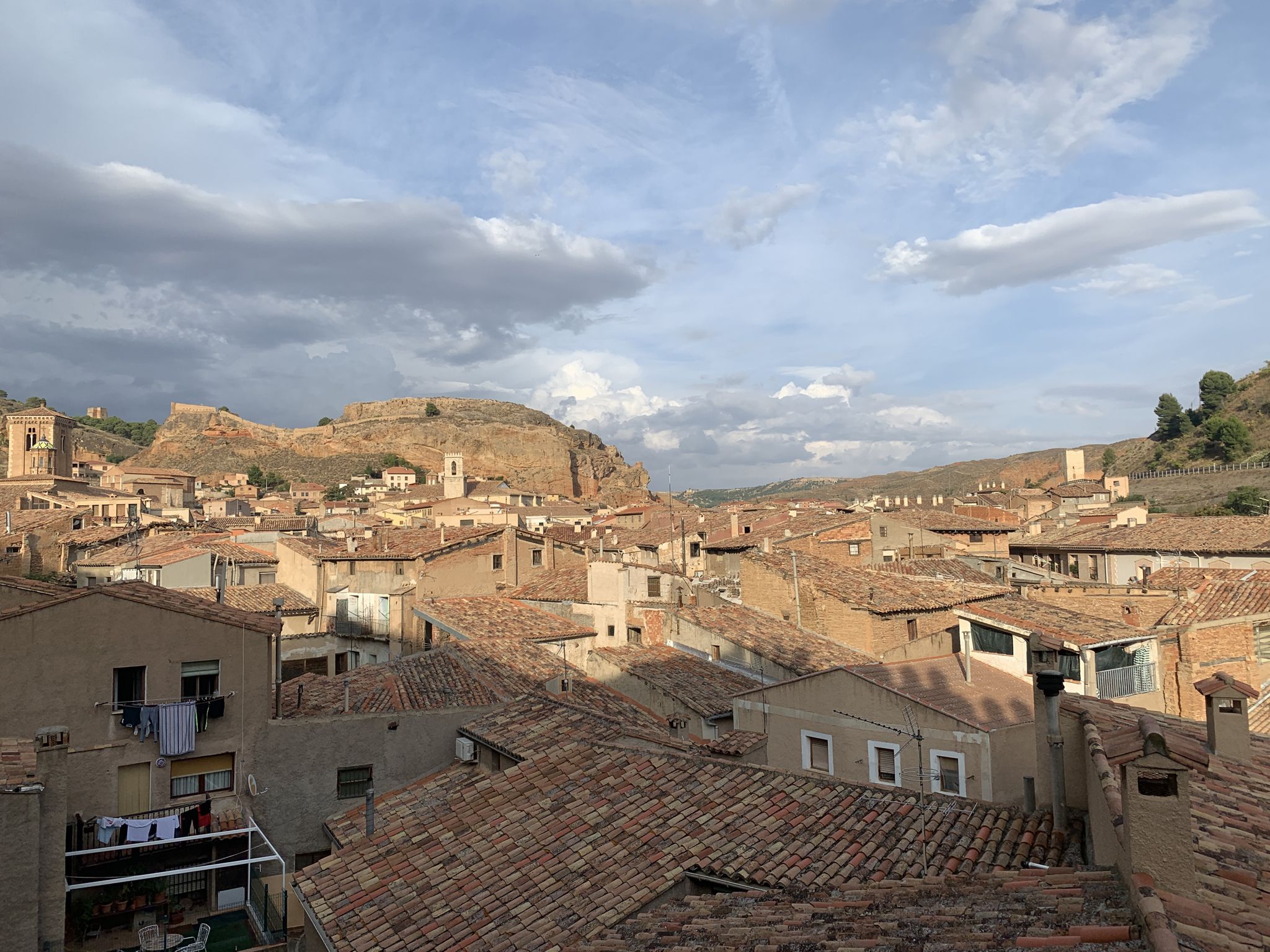
The narrow ravines of Pezuela that fall towards the valley of the Tajuña river are rich in clays and dolomitic limestones from the Miocene, a top quality raw material for cooking in lime kilns and making mortars and construction materials. Pezuela had several Moorish kilns for plaster and lime until the sixties of the last century. There are remains of the installations and cavities of the mines in Cuevas Blancas and other slopes of the plains, although they have little identity and complicated location, they are cultural landscapes because they condense the popular wisdom of an essential trade in the life of the rural world.
0
0

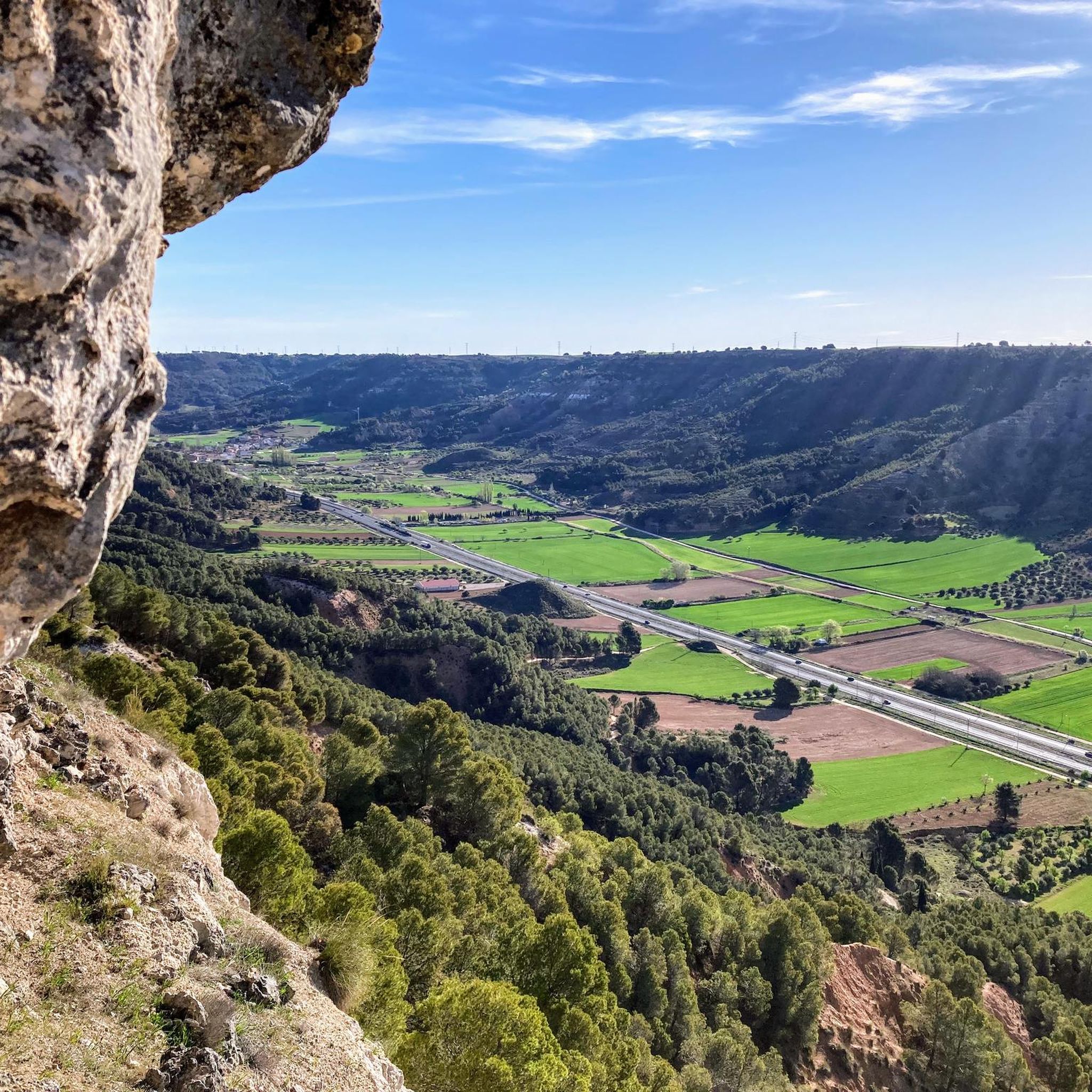
An extraordinary viewpoint of Guadalajara and in the distance of Madrid. Also from the neighboring Peña Hueva, Iriepal and the Torija Valley with the A2 Highway
2
0

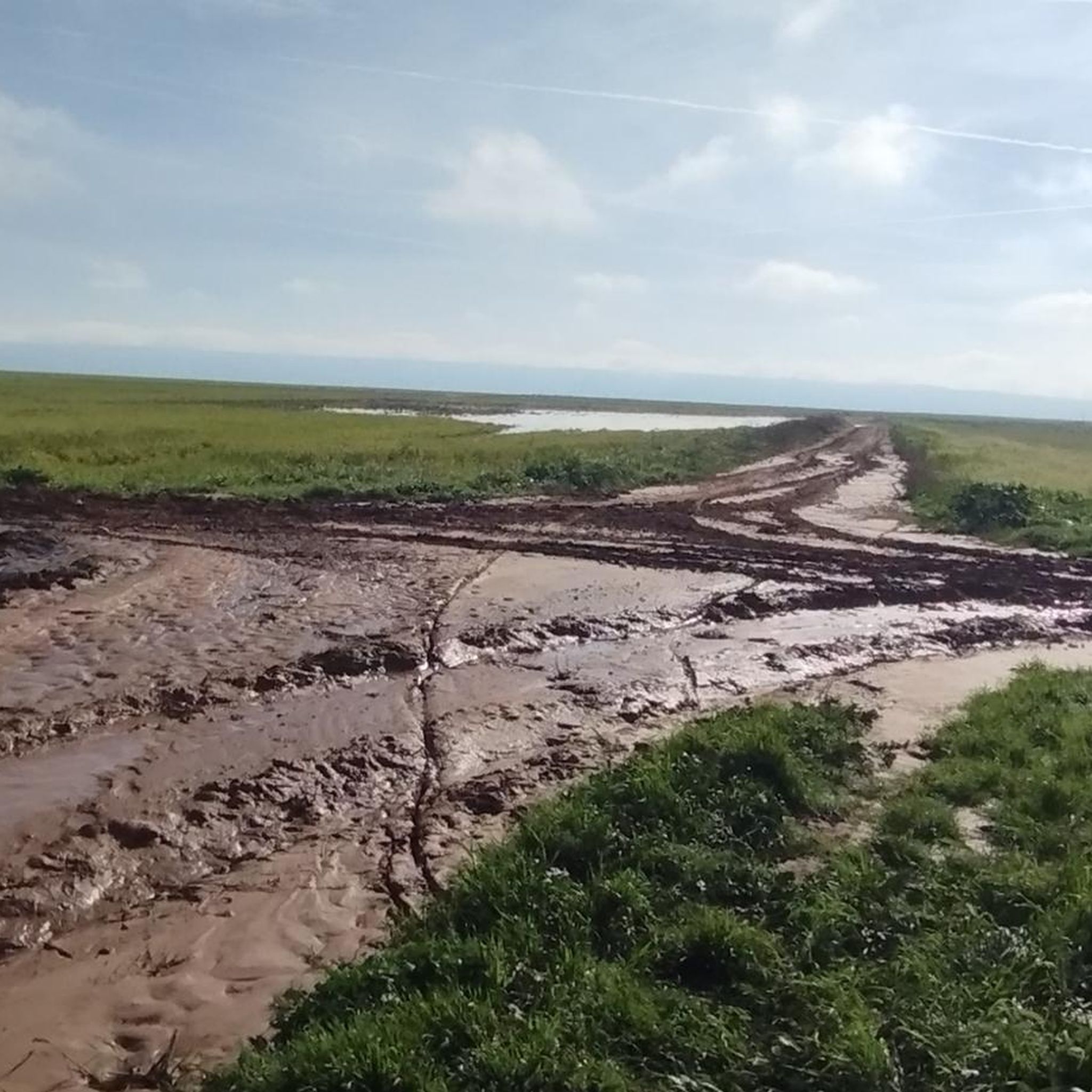
A high point on the route along the banks of the Henares River, which serves as a natural viewpoint. From this point we can observe the waters of the river.
2
0

Waterfall and fountain are a few meters from each other
0
0

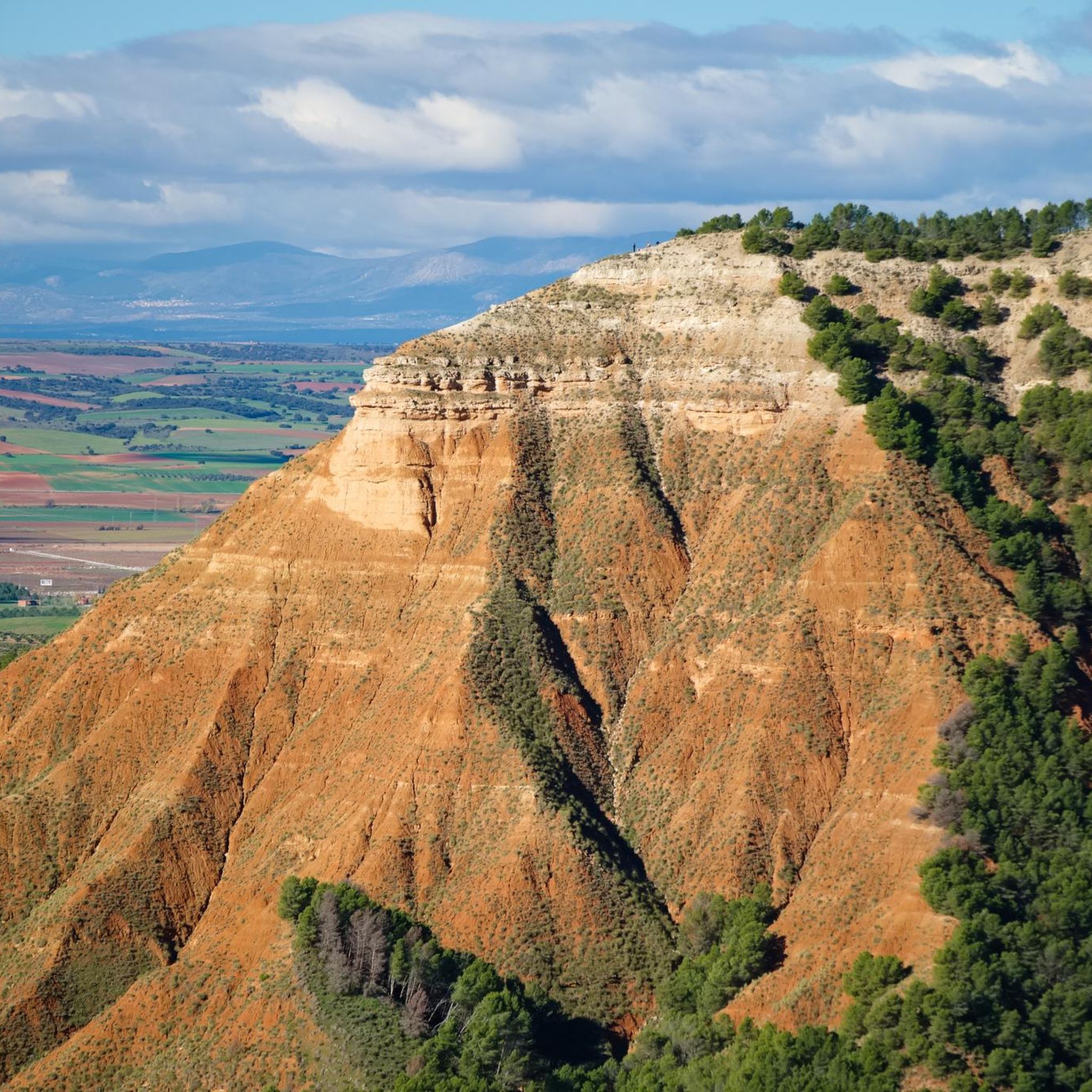
The Pico del Águila ("Eagle's Peak") is an approximately 970 m high mountain on the northern edge of the La Alcarria plateau in the Spanish province of Guadalajara. The mountain is about 20 km north-east of the provincial capital of Guadalajara, which is about 700 m high. The mountain breaks off to the north through a striking, approx. 200 m high steep slope that can be seen from afar. To the east and west it slopes more gently and wooded into the valley of Valdenoches, which has been a suburb of Guadalajara since 1969. [wp:de]
1
0

Durilla route ... very demanding last sections you have to have strong legs.
1
0

If you want to test yourself climbing and your skill with trialeras, you have to go.
2
0
Frequently Asked Questions
What kind of hiking trails can I find around Guadalajara's natural monuments?
The region offers a variety of hiking experiences. For instance, the Pico del Águila offers an extraordinary viewpoint after an ascent. The Barranca de Huentitán (Barranca de Oblatos) features miles of trails leading down to the Santiago River, providing a challenging yet rewarding experience. You can also find extensive natural trails for walking and exploring flora and fauna in Bosque La Primavera. For more detailed hiking routes, you can explore the Hiking around Guadalajara guide.
Are there challenging hikes among the natural monuments?
Yes, some natural monuments feature demanding sections. For example, the route to the Fountain of Joy is known for its very demanding last sections, requiring strong legs. The descent and ascent into Barranca de Huentitán also present a significant challenge, often recommended as a full-day activity.
Where can I experience impressive viewpoints of the region?
For breathtaking views, visit Pico del Águila, a summit offering an extraordinary panorama of Guadalajara and even Madrid in the distance. Another excellent spot is the View of the Henares River from the natural overlook, where you can observe the river's waters from an elevated position. Mirador Independencia Park, at the edge of Barranca de Huentitán, also provides stunning vistas.
Are there any natural monuments with water features like waterfalls or rivers?
Absolutely. Fountain of Joy is a natural monument featuring a waterfall and fountain. Additionally, Cascada El Salto del Nogal is the region's highest natural waterfall, cascading almost 500 feet. The Barranca de Huentitán is carved by the Santiago River, and Bosque La Primavera contains Río Caliente, a hot river with mineral-rich waters for bathing. You can also observe the Henares River from its natural overlook.
Can I find historical or cultural sites within the natural monuments?
Yes, some natural monuments have historical significance. The Cuevas Blancas Rock Formations are located in an area rich in clays and dolomitic limestones, historically used for lime kilns, with remains of these installations still visible. Bosque Los Colomos, within Guadalajara, features an authentic Japanese Garden, offering a serene and historically rich experience.
Are there family-friendly natural monuments in Guadalajara?
Bosque Los Colomos is an excellent family-friendly option within the city, offering elegantly tended gardens, bridges, and maintained trails for walking and biking. The Japanese Garden is a particular highlight. Guadalajara Metropolitan Park also provides extensive green spaces, hiking and biking trails, and picnic areas suitable for families.
What outdoor activities are popular near Guadalajara's natural monuments?
Beyond hiking, the area around Guadalajara offers diverse outdoor activities. You can find opportunities for gravel biking, road cycling, and paragliding. Cascada El Salto del Nogal is famous as a location for the paragliding world cup. For cycling enthusiasts, explore routes in the Gravel biking around Guadalajara or Road Cycling Routes around Guadalajara guides.
What unique geological formations can be explored near Guadalajara?
The region is home to several unique geological formations. The Cuevas Blancas Rock Formations are notable for their narrow ravines of Pezuela, rich in clays and dolomitic limestones. The Cueva del Pastor is a curious geological formation, a natural shelter used by shepherds for centuries. El Diente, a rock-climbing spot, features 30-million-year-old rock formations.
What is the best time of year to visit the natural monuments around Guadalajara?
The natural monuments around Guadalajara can be enjoyed year-round, but the best time often depends on the specific activity. For hiking, especially in areas like Barranca de Huentitán, it's advisable to consider cooler months or go early in the morning during summer to avoid intense heat. If you plan to visit Río Caliente in Bosque La Primavera, the warm waters are pleasant in any season. Lake Chapala is popular for birdwatching, particularly when American Pelicans gather yearly at its eastern end.
Are there any natural monuments around Guadalajara accessible for wheelchairs?
While many natural monuments involve trails and uneven terrain, some areas offer more accessible options. Bosque Los Colomos, with its well-maintained paths and gardens, may offer more accessible sections for leisurely strolls. Guadalajara Metropolitan Park also features extensive green spaces and trails that could be more accommodating. It's always recommended to check specific site conditions for the most up-to-date accessibility information.
Can I find opportunities for wildlife observation at these natural monuments?
Yes, several natural monuments offer chances for wildlife observation. Bosque La Primavera, as a vast protected forest, supports a diverse ecosystem with local flora and fauna. Lake Chapala is particularly renowned for its birdlife, including thousands of American Pelicans that gather annually at its eastern end, making it a prime spot for birdwatching.
What are some lesser-known natural gems worth visiting near Guadalajara?
Beyond the more popular sites, the region holds hidden gems. Cascada El Salto del Nogal, the highest natural waterfall in the region, is a spectacular natural wonder often considered a hidden gem. The dormant Tequila Volcano, part of the 'Magic Circle' around Guadalajara, offers spectacular views of agave fields and a unique landscape, providing a different kind of natural experience.
Most popular attractions around Guadalajara

Get inspired with the komoot mobile app


Explore more
Extend your search for the best caves by checking out these guides of the top ones around Guadalajara:
