Top 7 Natural Monuments around Villanueva De Gormaz
Natural monuments around Villanueva De Gormaz are found in a region characterized by its natural beauty in the province of Soria, Spain. The area is notable for the Caracena River and the nearby Cañón del Río Caracena, which features rugged cliffs and unique geological formations. This landscape includes diverse vegetation such as juniper and oak trees, alongside various aromatic plants. The natural surroundings offer a mosaic of small fields, natural vegetation, and riverside forests, providing opportunities to observe local flora…
Last updated: July 1, 2026
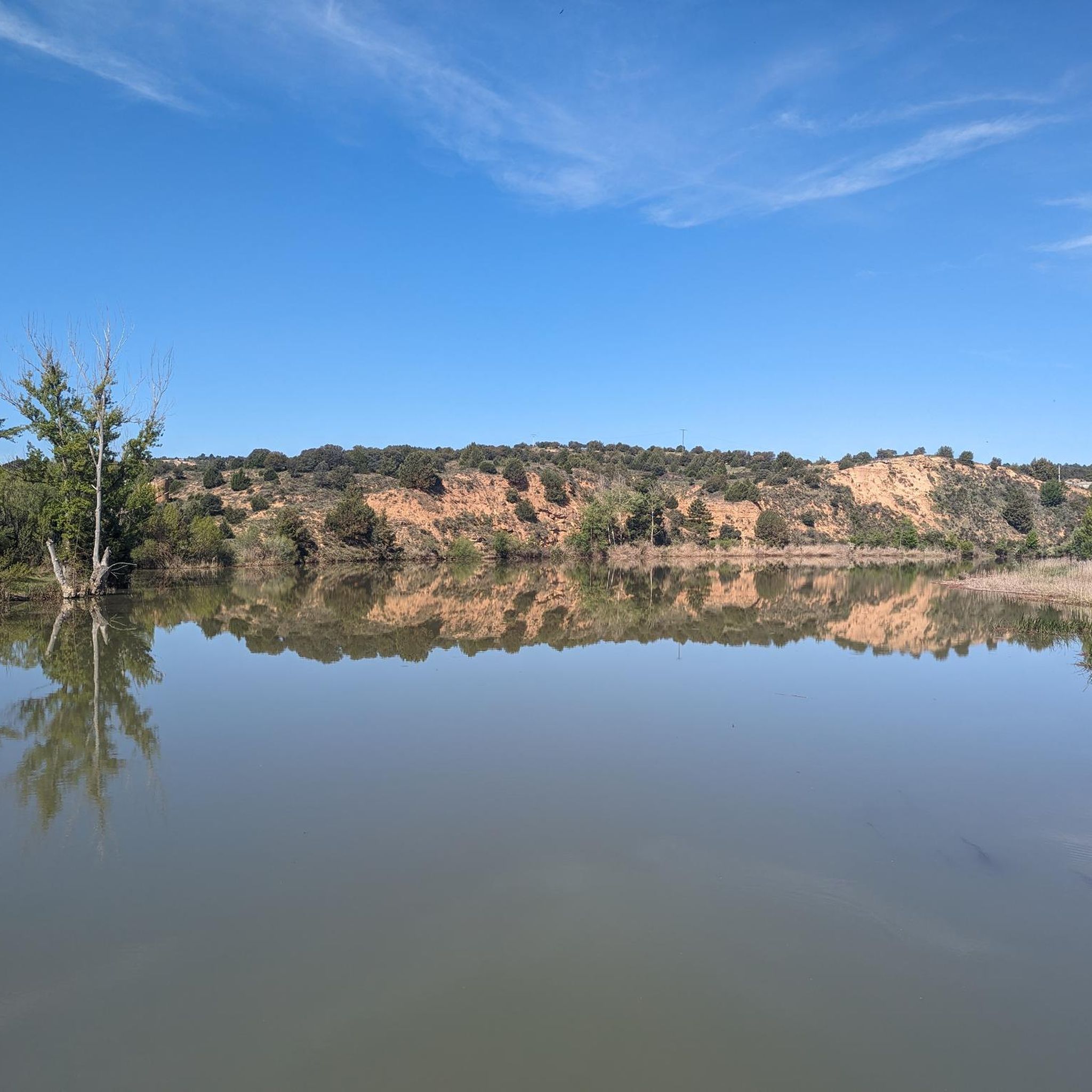
Vildé Reservoir
Highlight • Lake
Translated by Google •
Tip by

Peñas Blancas de Vildé
Highlight • Natural Monument
Translated by Google •
Tip by
Sign up now to discover places like this
Get recommendations on the best single tracks, peaks, & plenty of other exciting outdoor places.
Sign up for free
Vildé Fountain
Highlight • Natural Monument
Translated by Google •
Tip by
Alcubilla del Marqués Rock Hill
Highlight • Natural Monument
Translated by Google •
Tip by
Sabina La Pica
Highlight • Natural Monument
This is an impressive white juniper. This specimen is spectacular due to its size (19 …
Translated by Google •
Tip by

Sign up for free to discover even more natural monuments around Villanueva De Gormaz.
Sign up for free
Already have an account?
Start today with a free account
Your next adventure awaits.
Login or Signup
Popular around Villanueva De Gormaz
Tips from the Community


Tree included in the register of singular trees of the Junta de Castilla y León. This is an impressive white juniper. This specimen is spectacular due to its size (19 metres high, 12.5 metres wide at the crown and 4.5 metres in circumference of the trunk), and its age (about 400 years). It also stands out for its column-shaped appearance, which is unusual in this type of tree.
0
0

Although on days when it is not drinkable (high radon content) there is nothing wrong with drinking it or at least cooling off.
1
0

They destroyed them while widening the road. Still nice rock formation, with its history
0
0
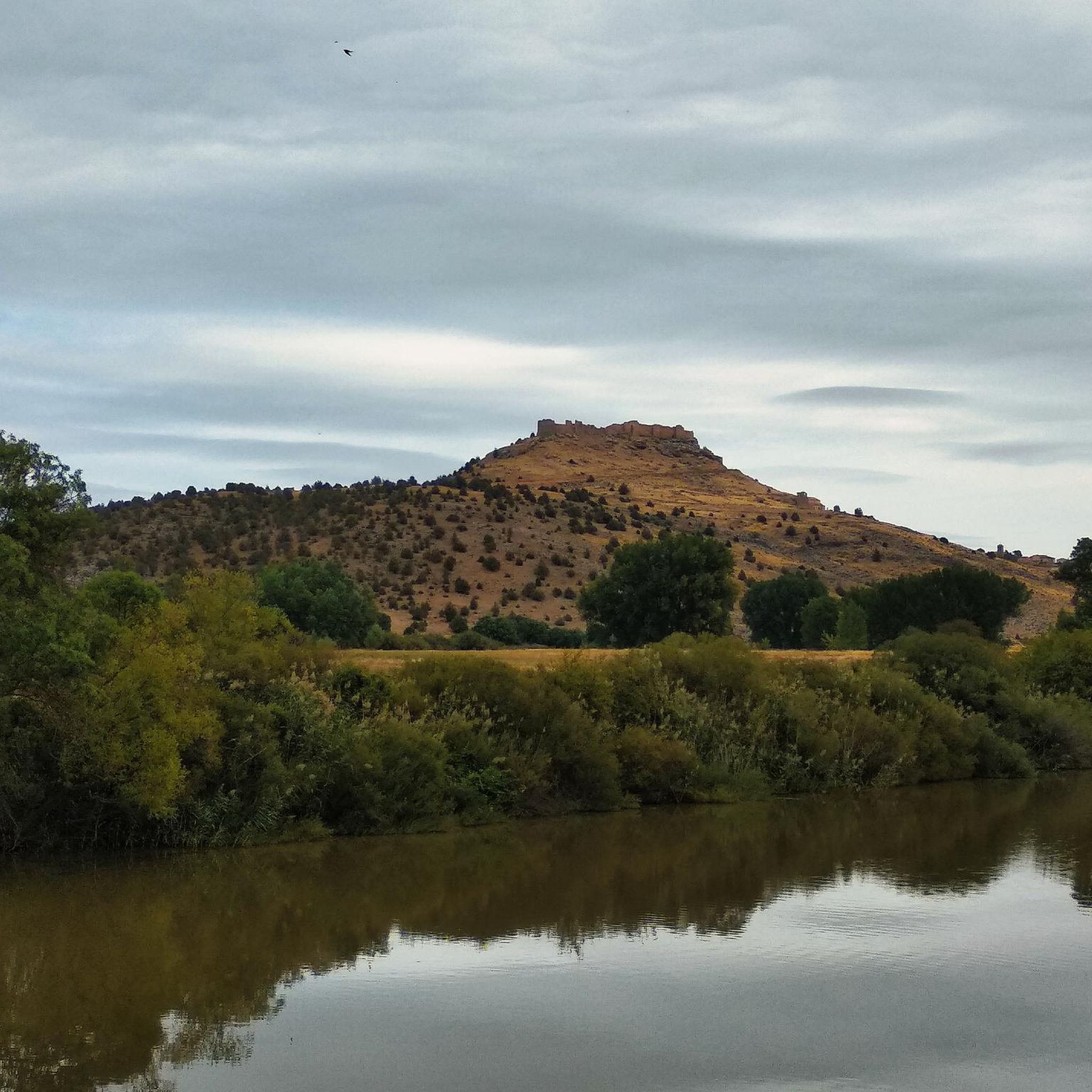
Small town in the province of Soria and within the Camino del Cid. Especially curious is the mound of rock that presides over it.
1
0
Formation of rocks of capricious shapes. Legend has it that they are the horses of a group of Muslim warriors turned to stone by the miracle of a princess converted to Christianity who prayed to God for her salvation when she was persecuted. Before, the myth was much more "credible", but a few years ago when the cart was enlarged, part of the rock formation was thrown away.
1
0
Frequently Asked Questions
What are the most notable natural features around Villanueva de Gormaz?
The region is characterized by the Río Caracena and the impressive Cañón del Río Caracena. This canyon features rugged cliffs, unique geological formations, and diverse vegetation. The river itself contributes to the local ecosystem and provides a picturesque setting.
What unique geological formations can I see near Villanueva de Gormaz?
You can explore several distinctive rock formations. The Peñas Blancas de Vildé are known for their capricious shapes and local legends. Additionally, the Alcubilla del Marqués Rock Hill is notable for the prominent mound of rock that presides over the small town.
Are there any significant trees or plant life to observe?
Yes, the area boasts diverse vegetation. The Sabina La Pica is an impressive white juniper, approximately 400 years old, known for its spectacular size and column-shaped appearance. The Cañón del Río Caracena also features juniper, oak, and poplar trees, alongside aromatic plants like lavender, tea, and gorse.
What kind of wildlife can I expect to see in the natural monuments area?
The region is rich in fauna. You might spot roe deer, wild boar, fox, and various birds of prey such as eagles and vultures. Birdwatching is particularly rewarding in the Hoz de Caracena, where rupicolous birds like Egyptian vultures, peregrine falcons, and griffon vultures can be seen. The Caracena River is also home to crabs.
What outdoor activities can I do near these natural monuments?
The area offers excellent opportunities for hiking and cycling. The Cañón del Río Caracena has hiking routes, including a section of the GR 86 (Iberian Trail Soriano). For cycling enthusiasts, there are numerous MTB trails and road cycling routes that explore the surrounding landscapes.
Are there specific hiking routes recommended for exploring the natural monuments?
Yes, the Cañón del Río Caracena offers several hiking routes, including a section of the GR 86. These routes allow you to explore the canyon's depths and witness its fascinating formations. Some paths along the river may require multiple water crossings, offering unique sights. You can find more details on nearby routes.
Is the Vildé Reservoir a good place for nature observation?
Absolutely. The Vildé Reservoir is a tranquil spot, ideal for nature observation. Visitors often see numerous vultures flying overhead, and the reflection of the cliffs in the water creates a striking visual. It's a haven of peace, accessible by bike or on foot.
What is the best time to visit the natural monuments around Villanueva de Gormaz?
The region experiences a continental climate with long, cold winters and short, generally hot summers with mild night temperatures. Spring and autumn are often ideal for visiting, as the weather is pleasant for outdoor activities like hiking and cycling, and the natural scenery is vibrant.
Are there family-friendly natural monuments or activities in the area?
Many of the natural areas, such as the Caracena Canyon, offer trails suitable for families, depending on the specific route's difficulty. The Sabina La Pica, an impressive ancient juniper, is also considered family-friendly and offers an interesting natural landmark to visit.
What do visitors enjoy most about the natural monuments around Villanueva de Gormaz?
Visitors frequently appreciate the tranquility and natural beauty of the area. The dramatic landscapes of the Caracena Canyon, with its characteristic rock formations and cliffs, are visually striking. The opportunity to observe diverse wildlife, especially the numerous vultures at places like the Vildé Reservoir, is also a highlight for many.
Can I find places to eat or stay near the natural monuments?
While Villanueva de Gormaz is a small town, the wider Soria province offers various options for accommodation and dining. It's advisable to check for specific restaurants or cafes in nearby towns before your visit, especially if exploring more remote natural areas.
Are there any historical sites connected to the natural monuments?
While the natural monuments themselves are geological or biological, the region has a rich history. Near Vildé, a Roman funerary monument known as the Torre de la Mora stands out. The famous Gormaz Castle, a significant historical landmark, is also in the broader vicinity and can be incorporated into longer cycling routes, such as those found in the MTB trails guide.
Most popular routes around Villanueva De Gormaz
Most popular attractions around Villanueva De Gormaz

Get inspired with the komoot mobile app


Explore more
Extend your search for the best caves by checking out these guides of the top ones around Villanueva De Gormaz:
