Top 20 Natural Monuments around Olocau
Best natural monuments around Olocau are found within the Sierra Calderona Natural Park, an area characterized by Mediterranean vegetation, extensive forests, and unique geological formations. The region offers diverse natural features, including ancient carob trees and historical water architecture. These natural areas provide opportunities to explore varied landscapes and significant landmarks.
Best natural monuments around Olocau
- The most popular natural monuments is El Pi del Salt, a natural monument that features a pine tree approximately 150 years old, located…
Last updated: May 20, 2026
El Pi del Salt
Highlight • Natural Monument
Translated by Google •
Tip by

Pico Tristán
Highlight • Summit
Translated by Google •
Tip by

Sign up now to discover places like this
Get recommendations on the best single tracks, peaks, & plenty of other exciting outdoor places.
Sign up for free
El Puntal dels Llops — Iberian archaeological site
Highlight • Historical Site
Translated by Google •
Tip by
Alt del Pi
Highlight • Summit
Beautiful views over Valencia and the coast.
Translated by Google •
Tip by

Chirivilla Pass
Highlight (Segment) • Mountain Pass
Translated by Google •
Tip by

Sign up for free to discover even more natural monuments around Olocau.
Sign up for free
Already have an account?
Start today with a free account
Your next adventure awaits.
Login or Signup
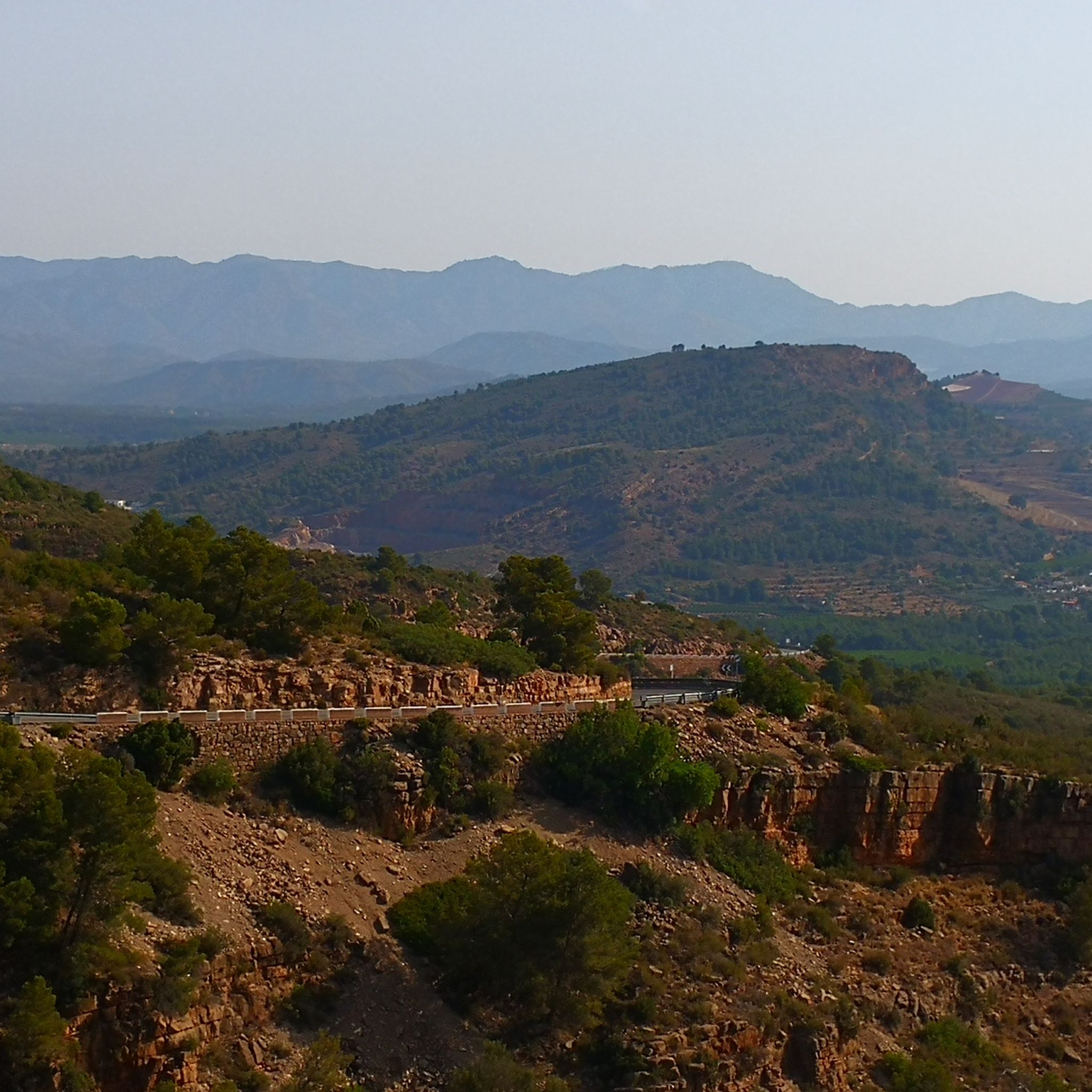
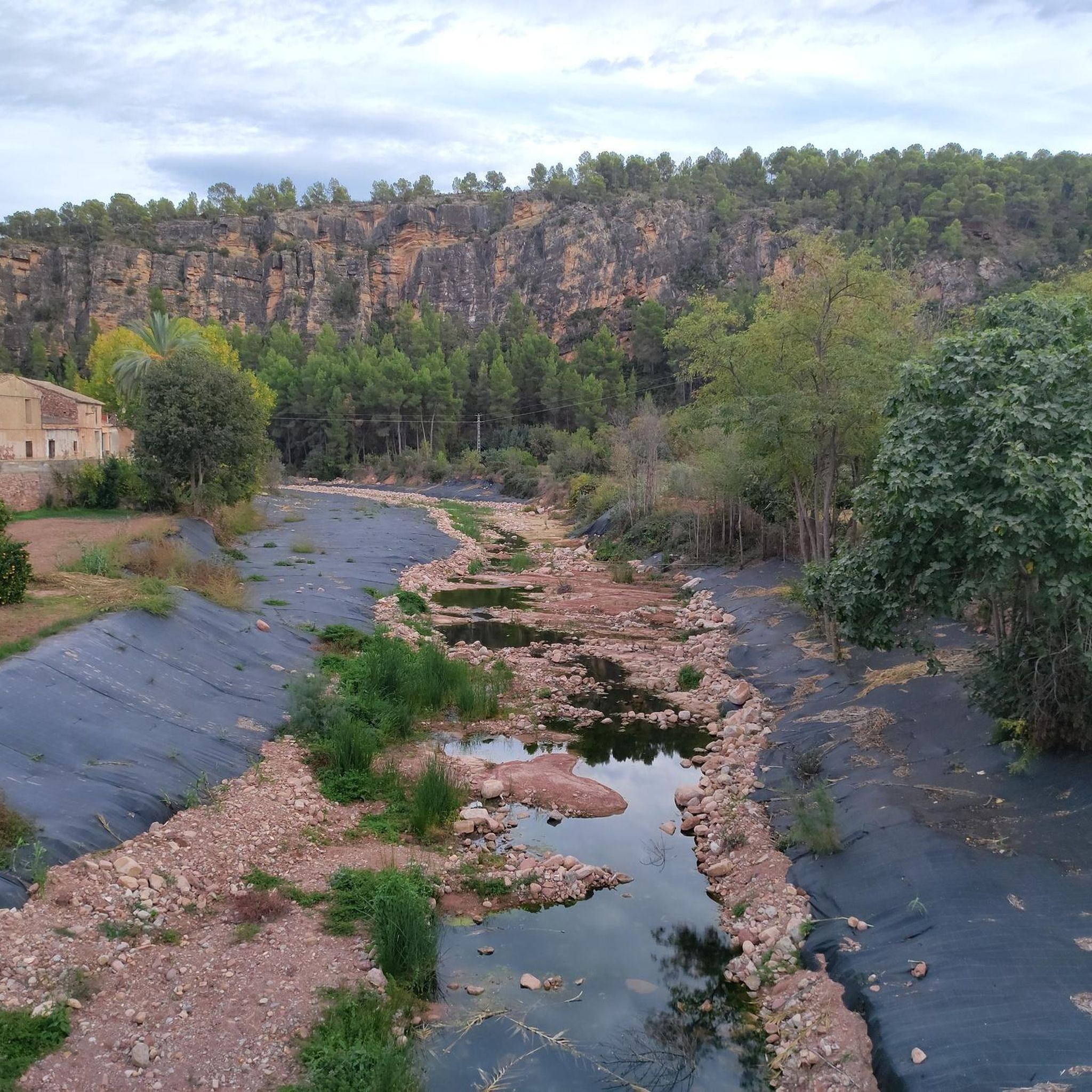
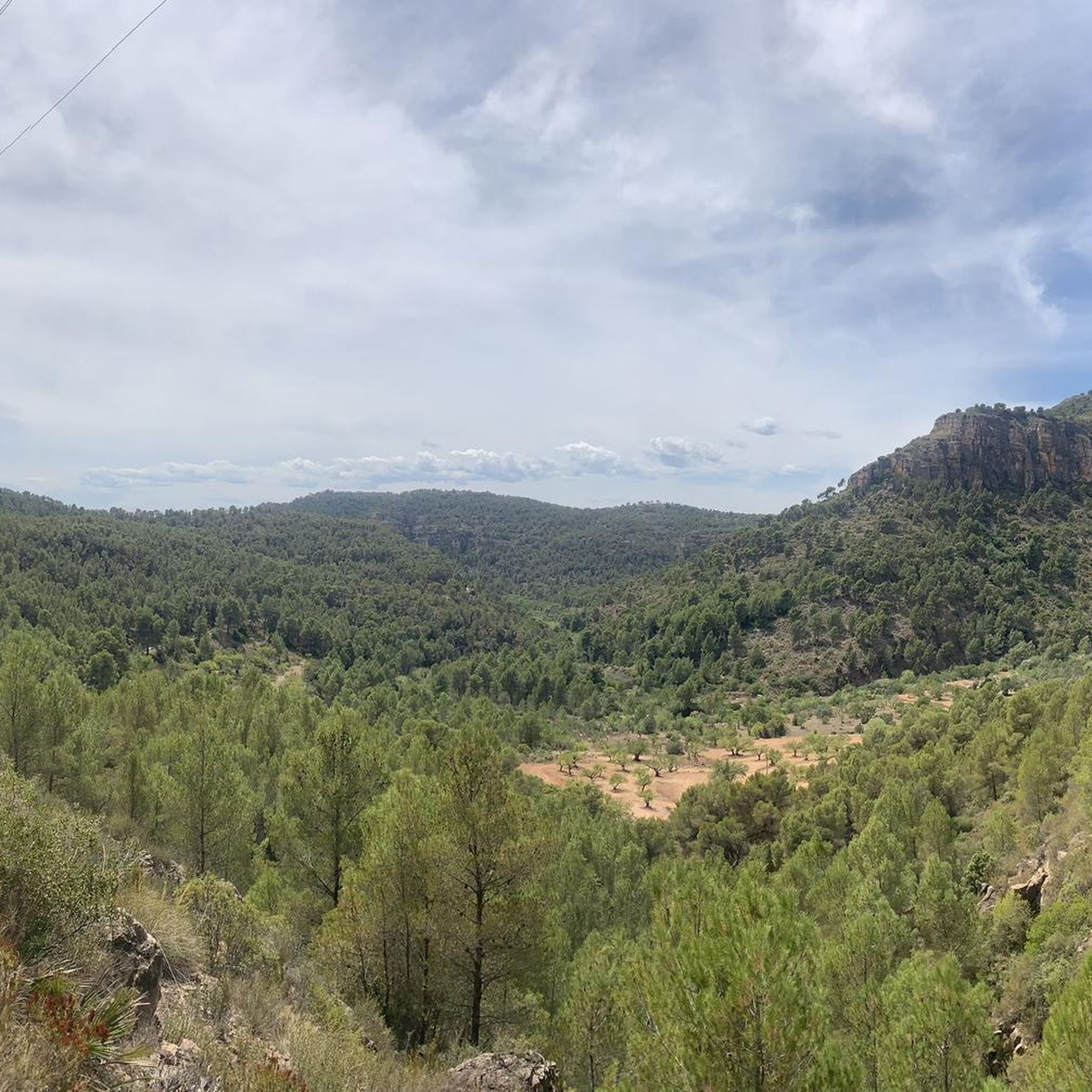

Tips from the Community

Port de muntanya amb una pujada llarga i contínua, però amb pendent acceptable.
1
0

Access to Pico Tristán will not be possible from April 4, 2026, due to construction work.
0
0

Calderona mountain range with spectacular views. It is worth the effort.
0
0


There is a forest surveillance point
0
0

Physically demanding climb but not technically demanding since it is paved. The views will more than reward the effort of getting here!
1
0
Frequently Asked Questions
What unique natural features can I explore in Olocau?
Olocau offers a variety of unique natural features, including the extensive forests and geological formations within the Sierra Calderona Natural Park. You can also find ancient carob trees known as Las Macollades, and the distinctive reddish Rock of Alí Maimó, which is a prominent landmark for the municipality.
Are there any historical natural monuments in the Olocau area?
Yes, Olocau features several historical natural monuments. You can visit El Puntal dels Llops — Iberian archaeological site, which consists of archaeological remains of an ancient Iberian city. Additionally, the area has historical water architecture like The Arquet, an ancient aqueduct arch, and the Font del Frare, a fountain built in the late 18th century.
What kind of hiking trails can I find around Olocau's natural monuments?
The Sierra Calderona Natural Park, which encompasses many of Olocau's natural monuments, offers numerous hiking routes. These include the challenging Geological Route, featuring vast breccias, conglomerates, and marine fossils, and the Route of Rodeno i les Amitges, known for impressive panoramic views. The 'Macollades Route' allows you to observe ancient carob trees and the agricultural landscape, while the 'Fountains Route' is an easy, accessible walk showcasing historical water monuments.
Are there family-friendly natural monuments to visit in Olocau?
Absolutely. El Pi del Salt is a family-friendly natural monument featuring a 150-year-old pine tree and a recreational area with picnic tables. The ancient La Morruda Ancient Olive Tree, estimated to be 1550 years old, is another impressive and accessible site. The 'Fountains Route' is also an easy walk suitable for families.
Where can I find impressive viewpoints in Olocau?
For breathtaking views, consider ascending Pico Tristán, which offers incredible 360-degree vistas towards Valencia and its surroundings. Another excellent spot is Alt del Pi, providing wonderful views of the entire Sierra Calderona.
Can I explore ancient trees in Olocau?
Yes, Olocau is home to remarkable ancient trees. You can visit La Morruda Ancient Olive Tree, a natural monument with spectacular dimensions and an estimated age of 1550 years. Additionally, the 'Macollades Route' allows you to observe groups of centenary carob trees, known for their thick, reinforced trunks and unique shapes.
What water-related natural monuments can I visit in Olocau?
Olocau's natural monuments include several water-related features. You can see The Arquet, the only preserved arch of an ancient aqueduct, and visit historical fountains like Font del Frare and Font de la Salud. The Quebranta del Frare is a geological break formed by groundwater action. The Carraixet Ravine also offers scenic experiences with the sounds of water and features the Noria dels Simeons, an old mule-driven ditch.
What makes the Sierra Calderona Natural Park significant for Olocau?
The Sierra Calderona Natural Park is highly significant for Olocau, as it's considered one of the most emblematic protected natural areas in the Valencian region. Olocau provides access to 1,370 hectares of the park, with 32.3 km of trails. The park is characterized by diverse forest environments, Mediterranean plant species, and unique geological formations, offering exceptional landscapes and numerous hiking opportunities.
Are there options for cycling near Olocau's natural monuments?
Yes, the area around Olocau's natural monuments is popular for cycling. You can find various routes for road cycling, mountain biking, and touring. For detailed routes and guides, explore the Road Cycling Routes around Olocau, MTB Trails around Olocau, and Cycling around Olocau guides.
What is the best time of year to visit the natural monuments in Olocau?
The Sierra Calderona Natural Park, where many of Olocau's natural monuments are located, is ideal for visiting during spring and autumn when temperatures are milder, making hiking and outdoor activities more comfortable. Summer can be hot, but the forested areas offer shade. Winter is generally mild, allowing for year-round exploration, though some routes might be affected by rain.
What are some prominent natural landmarks that define Olocau's landscape?
A defining natural landmark of Olocau's landscape is the Rock of Alí Maimó. This reddish rock is visible when approaching Olocau and features a distinctive white spot known as 'La Piga,' serving as an emblem for the local community. The extensive Sierra Calderona Natural Park itself, with its diverse forests and geological formations, also significantly shapes the region's natural identity.
Are there any adventurous natural features, like ravines, to explore?
For those seeking a more adventurous experience, the Carraixet Ravine is a notable natural feature. Parts of this ravine require ropes to navigate, adding an exciting element to the exploration. It also offers a scenic experience with the sounds of water and birdsong, and you can discover historical agricultural methods like the Noria dels Simeons.
Most popular attractions around Olocau

Get inspired with the komoot mobile app


Explore more
Extend your search for the best caves by checking out these guides of the top ones around Olocau:
