Top 7 Natural Monuments around Barberà De La Conca
Natural monuments around Barberà De La Conca are found within the larger Conca de Barberà region, characterized by diverse landscapes including calcareous rock formations, dense forests, and river valleys. The area is known for its rich cultural and wine-making heritage, complemented by significant natural areas. Visitors can explore a variety of natural features, from ancient trees to mountain ranges and waterfalls. This region offers opportunities to experience unique Mediterranean flora and fauna.
Best natural monuments around Barberà De La Conca
…Last updated: May 20, 2026
Deport Spring
Highlight • Natural Monument
The Sport source is located …
Translated by Google •
Tip by

Vall Waterfall
Highlight • Waterfall
Translated by Google •
Tip by

Sign up now to discover places like this
Get recommendations on the best single tracks, peaks, & plenty of other exciting outdoor places.
Sign up for free
Salt of the Barranc de la Vall
Highlight • Waterfall
Translated by Google •
Tip by

Mas d'en Llort Rock Shelter – Cave Paintings
Highlight • Historical Site
Translated by Google •
Tip by
The Hundred Springs
Highlight • Natural Monument
Translated by Google •
Tip by
Sign up for free to discover even more natural monuments around Barberà De La Conca.
Sign up for free
Already have an account?
Start today with a free account
Your next adventure awaits.
Login or Signup
Tips from the Community

After a small detour from the main route, you will find this small waterfall that seems like an oasis of tranquility and freshness. Ideal to rest before continuing with the adventures.
1
0
In spring is when more water runs through the Barranc de la Vall waterfall
0
0
After a small detour from the main route you find this small waterfall that seems like an oasis of tranquility and freshness. Ideal to rest before continuing with the adventures.
0
0

We are at an altitude of 820 m in a bed of calcareous rocks where, at the contact between the red sandstones and the travertine, water infiltrates, giving rise to a line of springs, hence the name of the Cent Fonts. We find several ponds, built by the Espluga de Francolí Town Council, in order to increase faunal biodiversity and create an aquatic habitat. In this way, we can see various amphibians such as toads and salamanders. There is also a picnic area further down with stone tables and benches. In 1887, Sister Mercè Farré Oró, the superior nun of the convent of the Daughters of Charity of l'Espluga de Francolí, promoted the channeling of the water from Les Cent Fonts to the town.
1
0
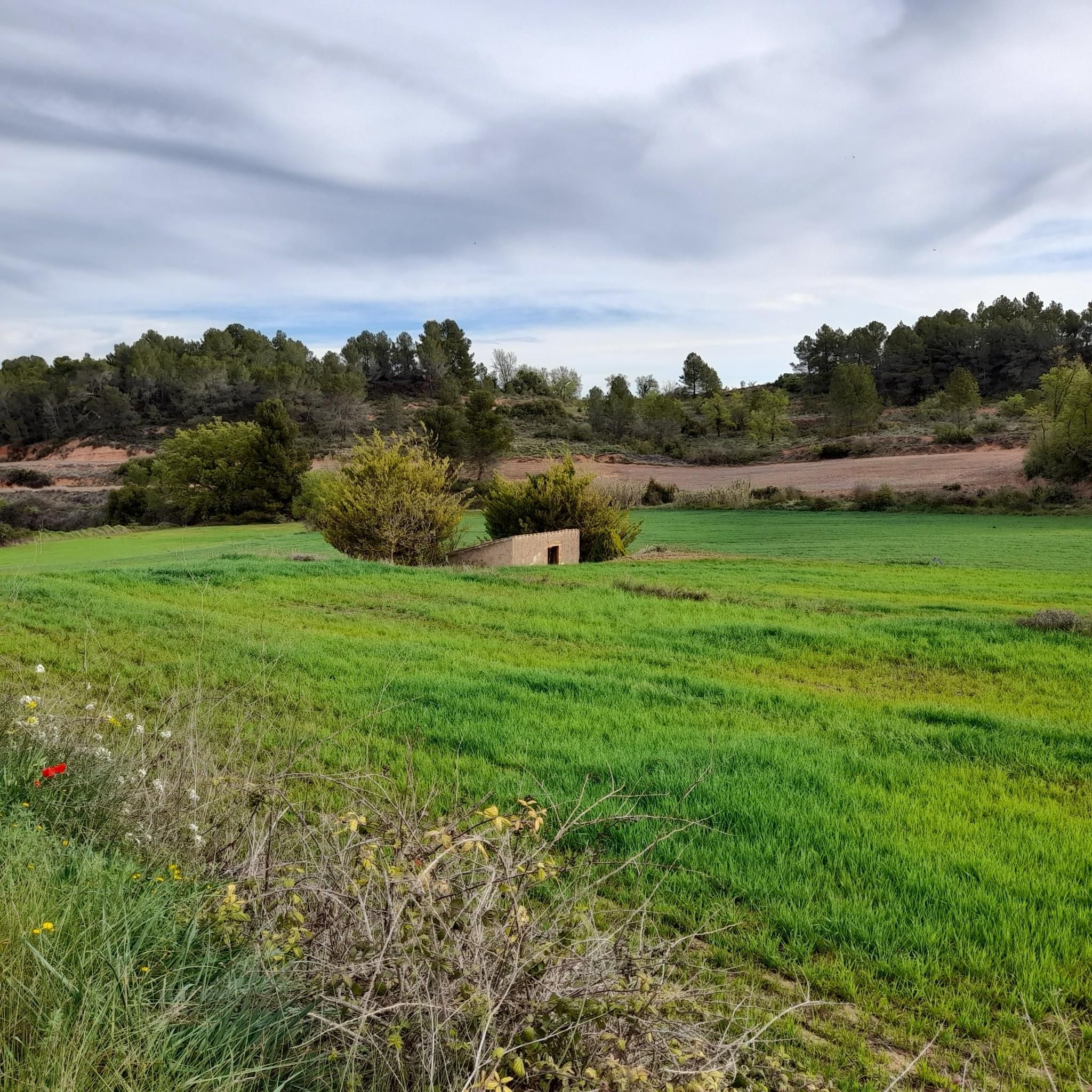
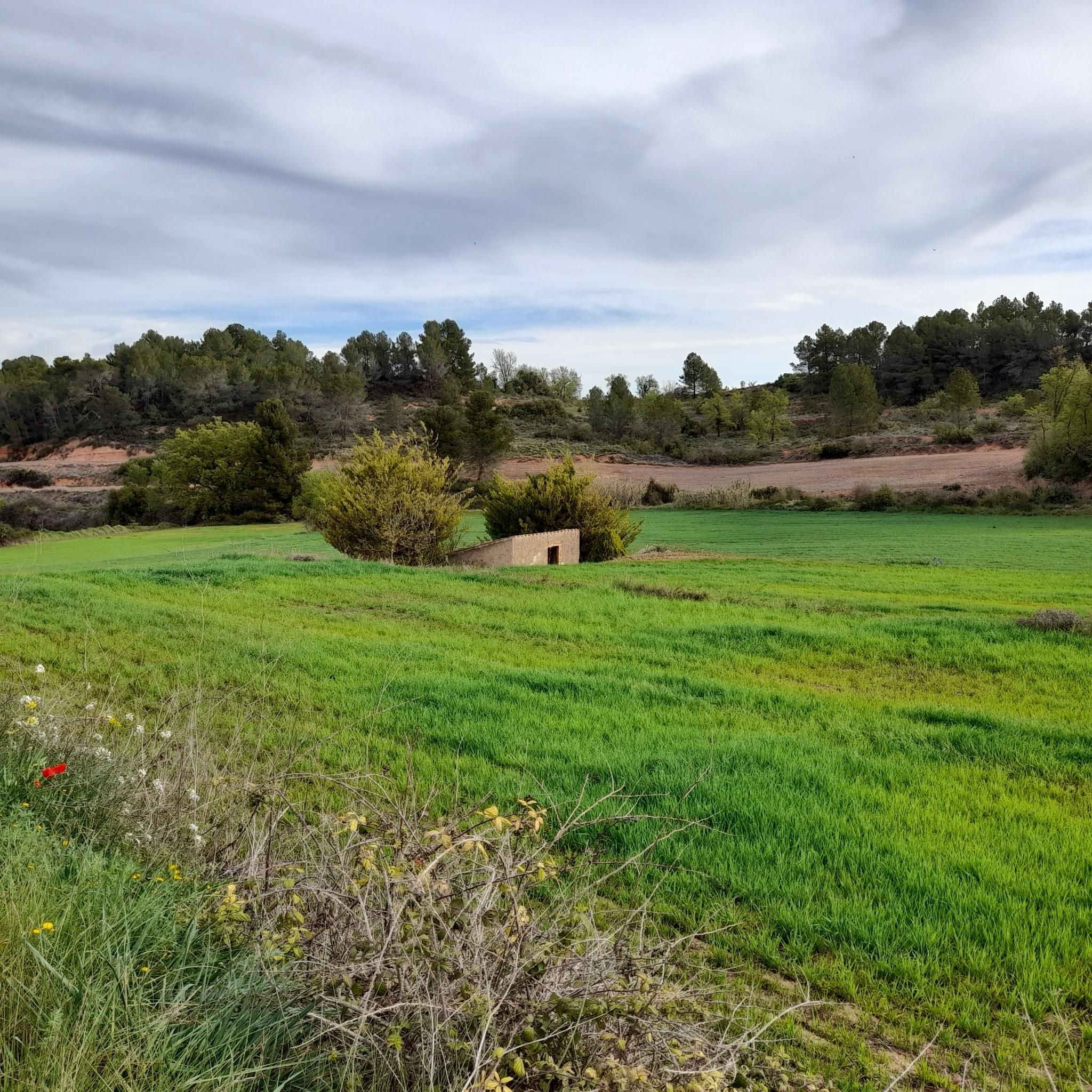
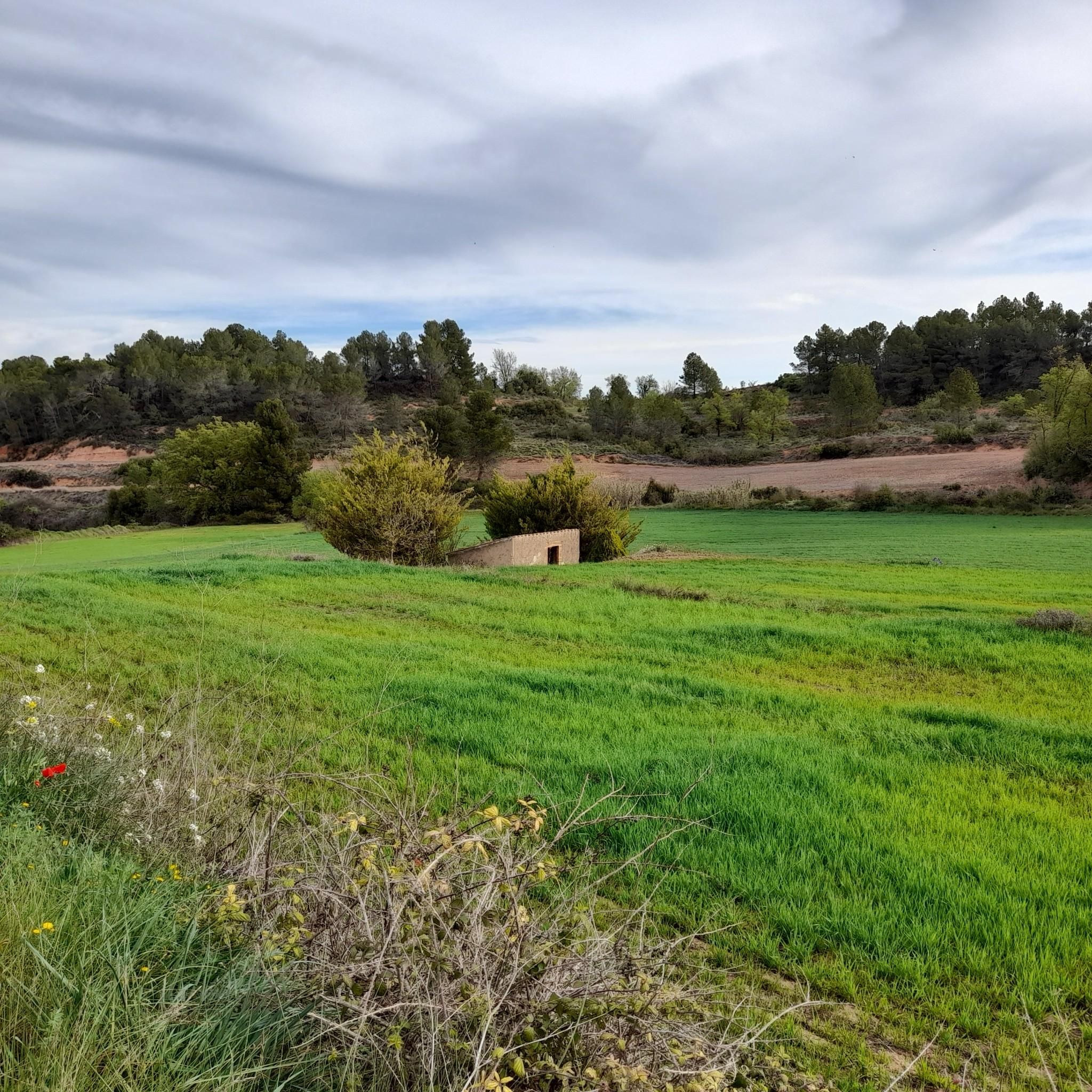
It is known that the Poblet forest is rich in springs. Undoubtedly the most well-known and popular are the Boixets fountain and the Deport fountain. The Sport source is located under the Cingle de les Cabres. From this location, the trail leads up to the La Pena viewpoint. The place has a lot of charm and in the past the monks had some kind of construction there (remember that the place is very close to the site of the old La Pena farm and currently a forestry house). These constructions were maintained after the exclaustration of the Poblet monastery, when the Pena estate was sold to private individuals and also later (in 1906) when it was expropriated to be reincorporated into the management of the forestry services. Currently, however, we can only find small evidence of those constructions. The location of the Deport fountain has also had other changes or modifications over the years, and one of these was the location of the fountain itself.
1
0
formed by an extensive network of mountain ranges and ravines, more than twenty sets of rock formations are located, a number that continues to grow because new ones are discovered every year. Currently, only Portell de les Lletres shelter, Mas d’en Llort and Mas d’en Ramon d’en Bessó can be visited due to the difficulty of access presented by the rest and also due to their conservation problems, This shelter, together with that of Portell de les Lletres and that of Mas d'en Ramon d'en Bessó, are part of the Catalan rock art ensemble, declared World Heritage by UNESCO since 1998, they constitute a group where a short distance away you can observe the two great cultural traditions and styles of cave art in our country, Levantine art and schematic art. This gives the visit a good opportunity to get to know the societies between the late Paleolithic and the Neolithic-Bronze, between 12,000 and 4,000 years ago. You can also visit the interpretation center located in the town of Montblanc.
0
0

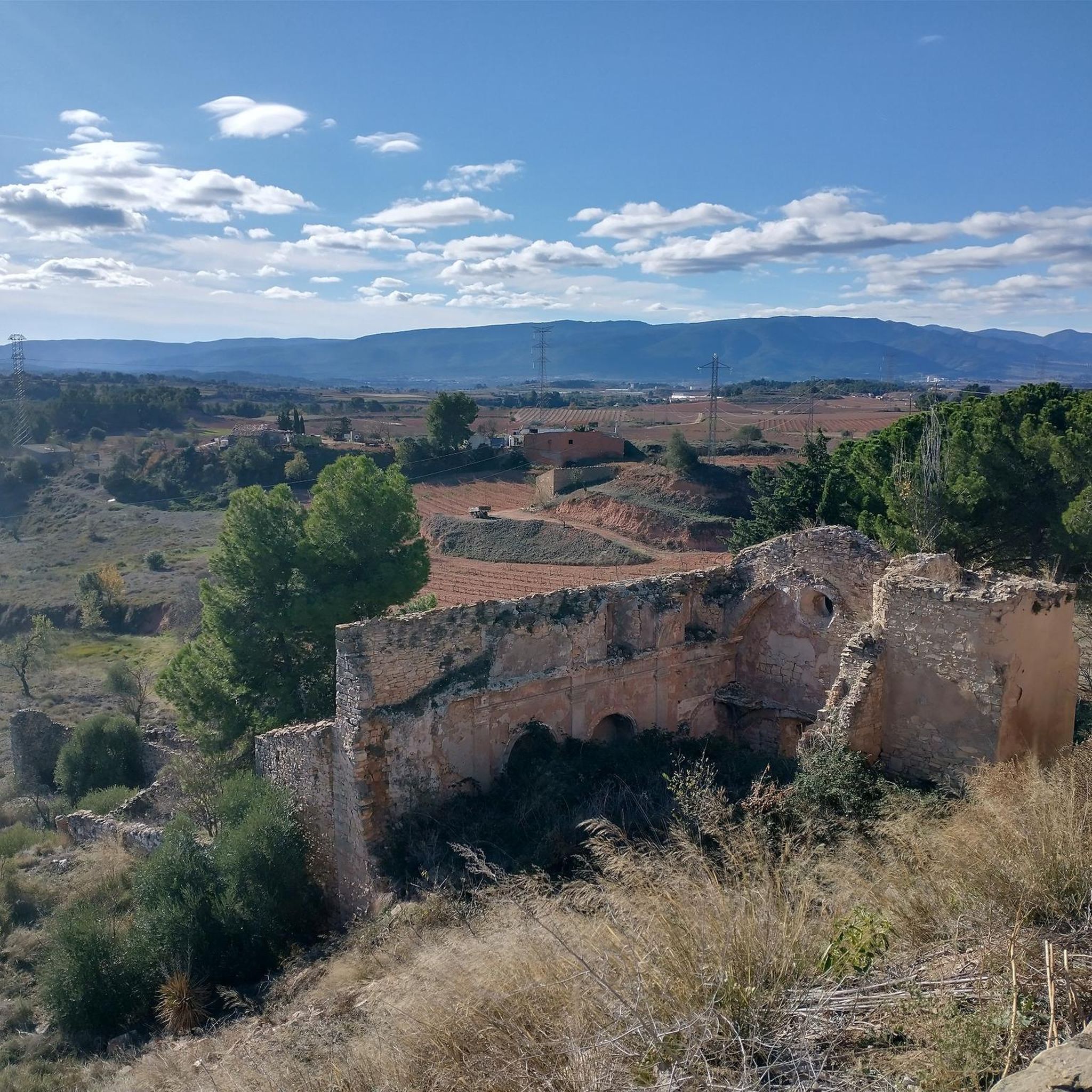
The path to the Salt, is behind the mill in ruins, accessed by an ascending path, attached to the left side of the mill
1
0

a place of nature
1
0
Frequently Asked Questions
What are some of the most popular natural monuments to visit around Barberà De La Conca?
Visitors frequently enjoy the Hermitage and Viewpoint of Sant Joan de la Muntanya, which offers extensive panoramic views of the Conca de Barberà and surrounding mountain ranges, including the Pyrenees on clear days. Another favorite is the Vall Waterfall, known for its tranquil and refreshing atmosphere.
Are there family-friendly natural monuments in the Barberà De La Conca region?
Yes, several natural monuments are suitable for families. The Vall Waterfall is considered ideal for children, offering a peaceful spot to rest. The Deport Spring, located in the Poblet forest, is also a great family-friendly option for a pleasant walk.
What kind of natural features can I expect to see in the Barberà De La Conca area?
The region boasts diverse natural features, including striking calcareous rock formations, dense oak and pine forests, and river valleys with natural pools and waterfalls. You can explore significant mountain ranges like the Tossal Gros de Miramar and the Prades Mountains, discover ancient trees such as El Pi del Xaconet, and find numerous springs, like the Deport Spring, within the Poblet forest.
What outdoor activities can I do near the natural monuments?
The natural monuments are excellent starting points for various outdoor activities. You can find numerous hiking and mountain biking trails, especially in areas like the Tossal Gros de Miramar Protected Natural Area and the Muntanyes de Prades. For specific routes, you can explore running trails, cycling routes, and gravel biking tours around Barberà De La Conca.
Are there any historical or cultural sites integrated with the natural monuments?
Yes, the region offers a blend of natural beauty and historical significance. The Hermitage and Viewpoint of Sant Joan de la Muntanya is a historical religious building set within a natural viewpoint. Additionally, the Mas d'en Llort Rock Shelter – Cave Paintings is a UNESCO World Heritage site featuring ancient Levantine and schematic art within a natural cave formation.
Where can I find impressive viewpoints in the area?
For breathtaking vistas, visit the Hermitage and Viewpoint of Sant Joan de la Muntanya, which provides sweeping views of the Conca de Barberà and beyond. Another notable spot is La Pena Viewpoint in the Prades Mountains, offering panoramic views that can extend to the Pyrenees on clear days.
What kind of wildlife can be observed in the natural monuments around Barberà De La Conca?
The diverse landscapes support a variety of wildlife. In areas like the Tossal Gros de Miramar, you might spot the Iberian skink among the rocks. The larger Muntanyes de Prades Protected Natural Area is home to a rich array of mammals, birds, reptiles, and insects, making it a great spot for nature observation.
What is the best time of year to visit the natural monuments?
Spring and autumn are generally ideal for visiting, as the weather is mild and comfortable for outdoor activities like hiking. In spring, waterfalls like the Salt of the Barranc de la Vall are often at their fullest. Summer can also be pleasant, especially in shaded forest areas or near water features, but be prepared for warmer temperatures.
Are there any unique natural landmarks directly within Barberà De La Conca?
Yes, within Barberà De La Conca itself, you can find El Pi del Xaconet. This millennial tree is famous for having withstood multiple lightning strikes, standing as a remarkable symbol of natural resilience and longevity amidst the local vineyards and olive groves.
Can I combine a visit to a natural monument with a cultural experience?
Absolutely. The Poblet Natural Site of National Interest, while ecologically significant, surrounds the UNESCO World Heritage Site of the Monastery of Santa Maria de Poblet. This allows visitors to combine a cultural tour of the monastery with tranquil walks through the protected natural landscape.
Where can I find waterfalls in the Barberà De La Conca region?
The region features several beautiful waterfalls. The Vall Waterfall is a popular, easily accessible spot. Another notable waterfall is the Salt of the Barranc de la Vall, which is particularly impressive in spring when water flow is higher. The Prades Mountains also feature natural pools and waterfalls along rivers like the Brugent and Glorieta.
What are the Prades Mountains known for?
The Prades Mountains, the largest protected natural area in the region, are renowned for their immense biological diversity and distinctive landscapes. They feature deep valleys, steep cliffs, plateaus, and extensive oak and pine forests. They are also home to rivers with natural pools and waterfalls, such as those along the popular Gorgs Route near La Febró, and offer spectacular viewpoints like La Pena Viewpoint.
Most popular routes around Barberà De La Conca
Most popular attractions around Barberà De La Conca

Get inspired with the komoot mobile app


Explore more
Extend your search for the best caves by checking out these guides of the top ones around Barberà De La Conca:
