Top 20 Natural Monuments around Pulianas
Best natural monuments around Pulianas are situated within the broader Granada province, an area known for its diverse landscapes, including mountain ranges and river canyons. This region features significant mountain elevations, narrow ravines, and lush forests. These natural spaces offer a variety of geological formations and opportunities for outdoor activities. The area provides a rich environment for nature observation and exploration.
Best natural monuments around Pulianas
- The most popular natural monuments is Cave of the Marbles, a cave located…
Last updated: July 1, 2026
Cubillas Reservoir
Highlight • Lake
Translated by Google •
Tip by

University of Granada Botanical Garden
Highlight • Natural
Translated by Google •
Tip by

Sign up now to discover places like this
Get recommendations on the best single tracks, peaks, & plenty of other exciting outdoor places.
Sign up for free
Lower Gardens of the Generalife
Highlight • Natural Monument
Translated by Google •
Tip by

Carmen de los Mártires Gardens
Highlight • Historical Site
Translated by Google •
Tip by
Sierra de Huétor
Highlight • Forest
This mountain range covered in …
Tip by

Sign up for free to discover even more natural monuments around Pulianas.
Sign up for free
Already have an account?
Start today with a free account
Your next adventure awaits.
Login or Signup
Tips from the Community

Unparalleled beauty to recharge your batteries and your senses
0
0

The University of Granada Botanical Garden is an oasis of tranquility in the heart of the city. The garden is home to a variety of native and exotic plants.
2
0

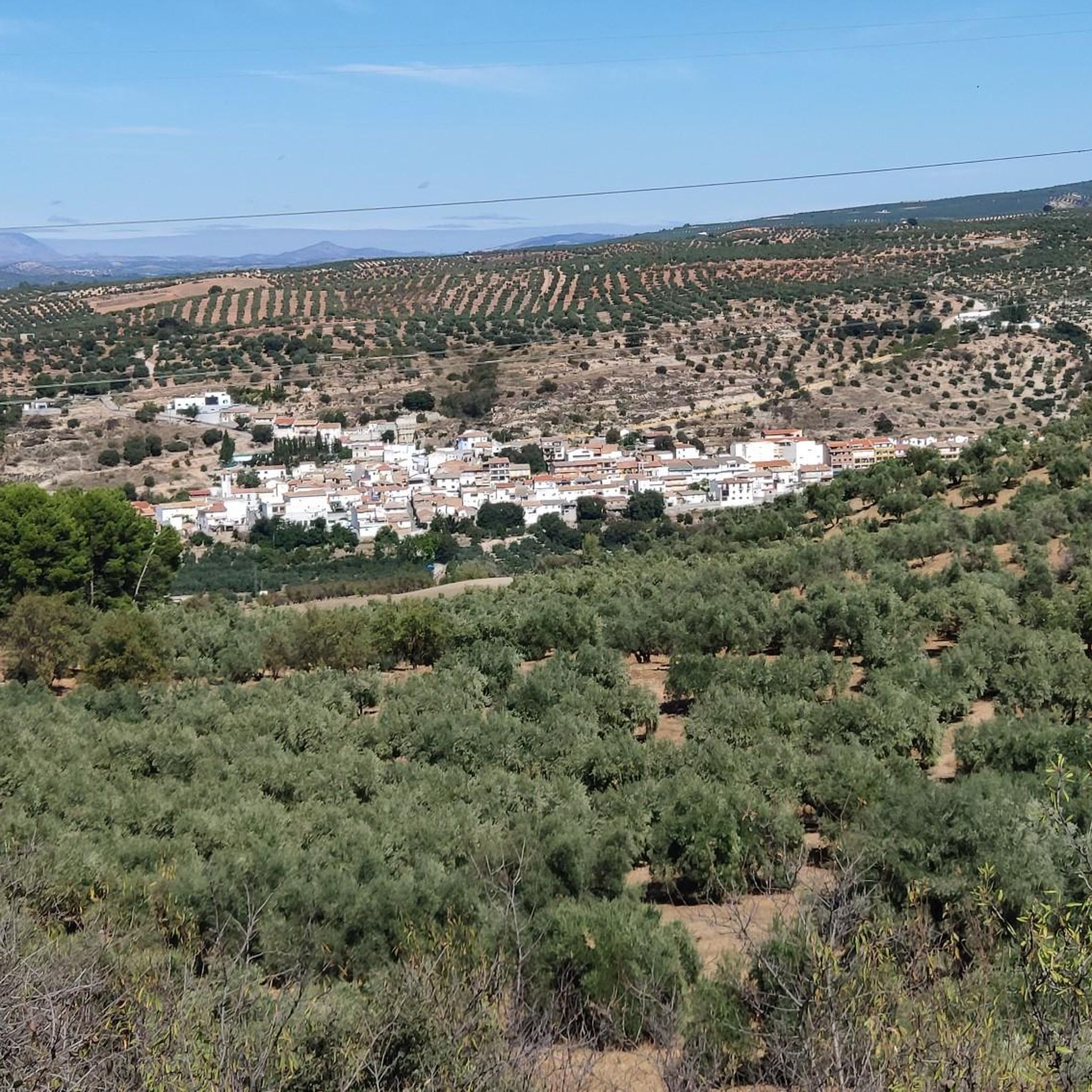
The Cubillas Reservoir extends across the municipalities of Albolote and Atarfe. It was built in 1956 and is primarily used for water supply and agricultural irrigation. The reservoir has an area of 194 hectares and a maximum depth of approximately 20 meters. The reservoir's main tributary is the Cubillas River. The reservoir's surroundings are characterized by pine forests, oak trees, and Mediterranean vegetation, and the lake is an important habitat for many fish species. The Cubillas Reservoir also serves as a resting place for various bird species, including the Great Cormorant and the Dunnock. The reservoir offers numerous recreational opportunities, including sailing, windsurfing, canoeing, jet skiing, and water skiing. There is a large picnic area on the shore and a restaurant overlooking the lake.
2
1

The Jardín Botánico of the University of Granada is a beautiful botanical garden founded in 1783 by Mariano del Campo. The garden is located in the heart of the city, next to the old university building. Here you will find a wide variety of plant species, both native and exotic, divided into different sections such as systematic, geographical and medicinal plants. The garden is an oasis of peace and a perfect place to relax and enjoy nature in the middle of the city.
7
0


The Carmen de los Mártires is a Carmen (house with gardens) in Granada, located in the immediate vicinity of the Alhambra; it is one of the largest such complexes in the city. Inside the Carmen there is a representative building, a palm garden, a landscaped lake with an island of ruins, a French garden, a historic kitchen garden and a viewing point that opens up onto the city, the Vega behind it and the Sierra Nevada. https://de.wikipedia.org/wiki/Carmen_de_los_M%C3%A1rtires
0
0

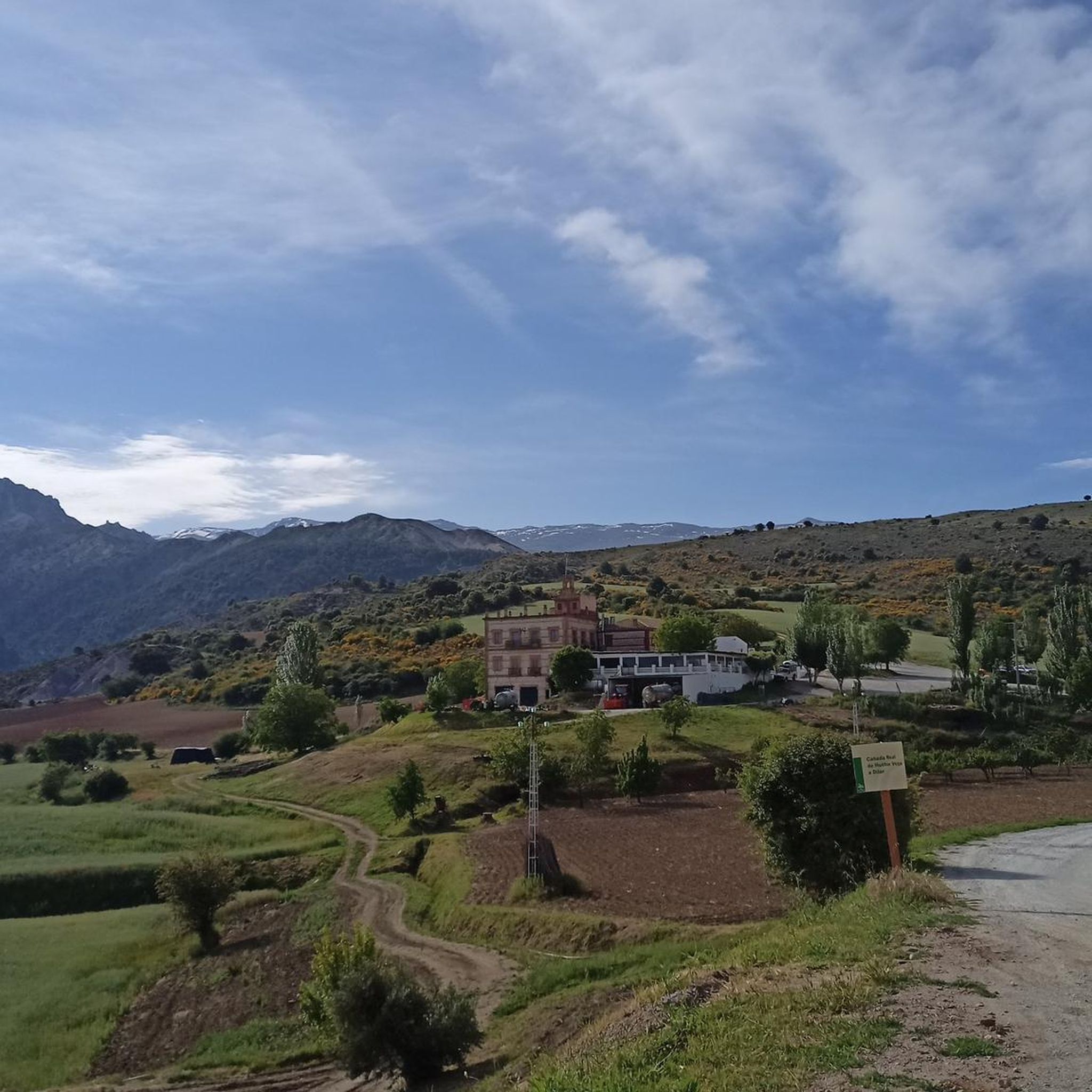
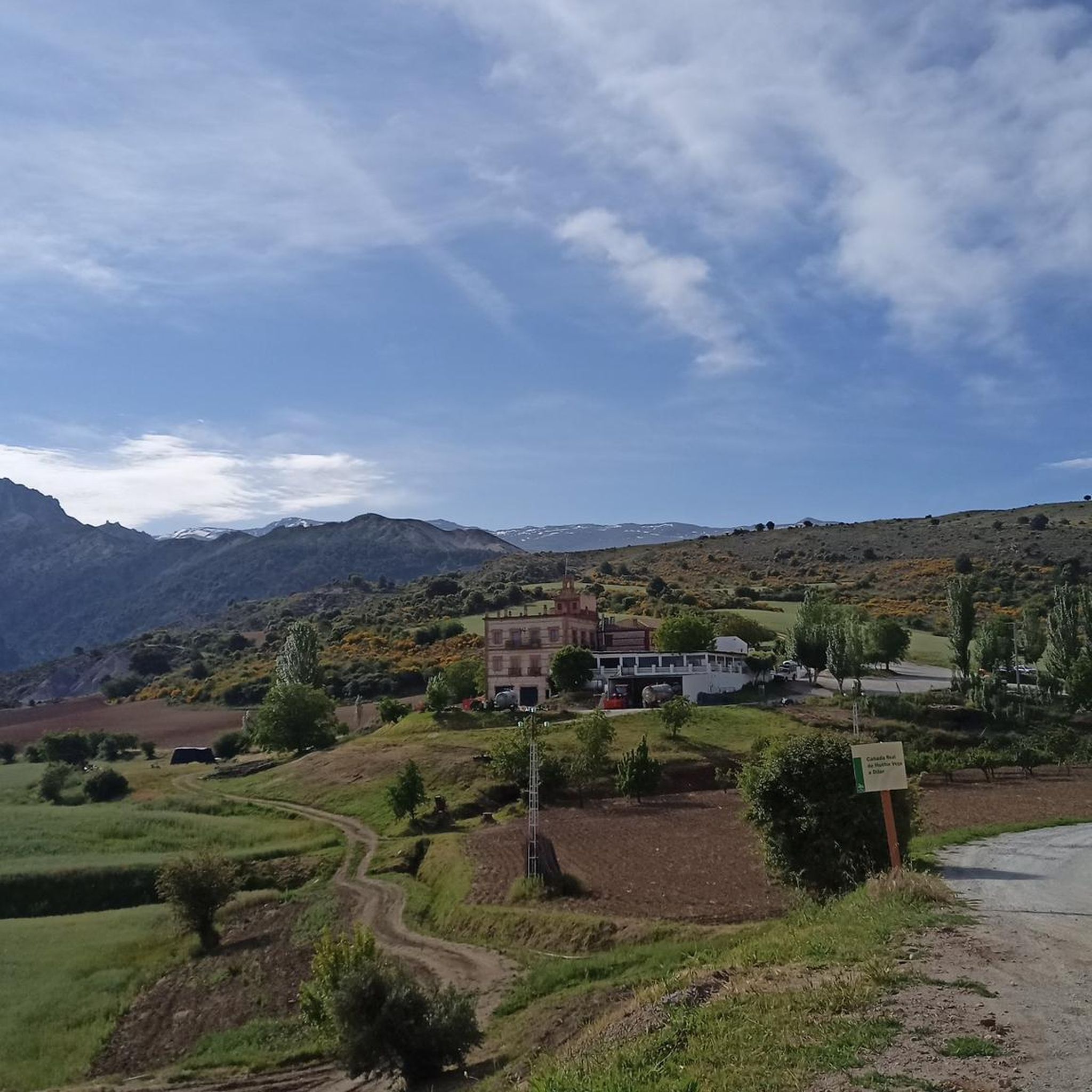
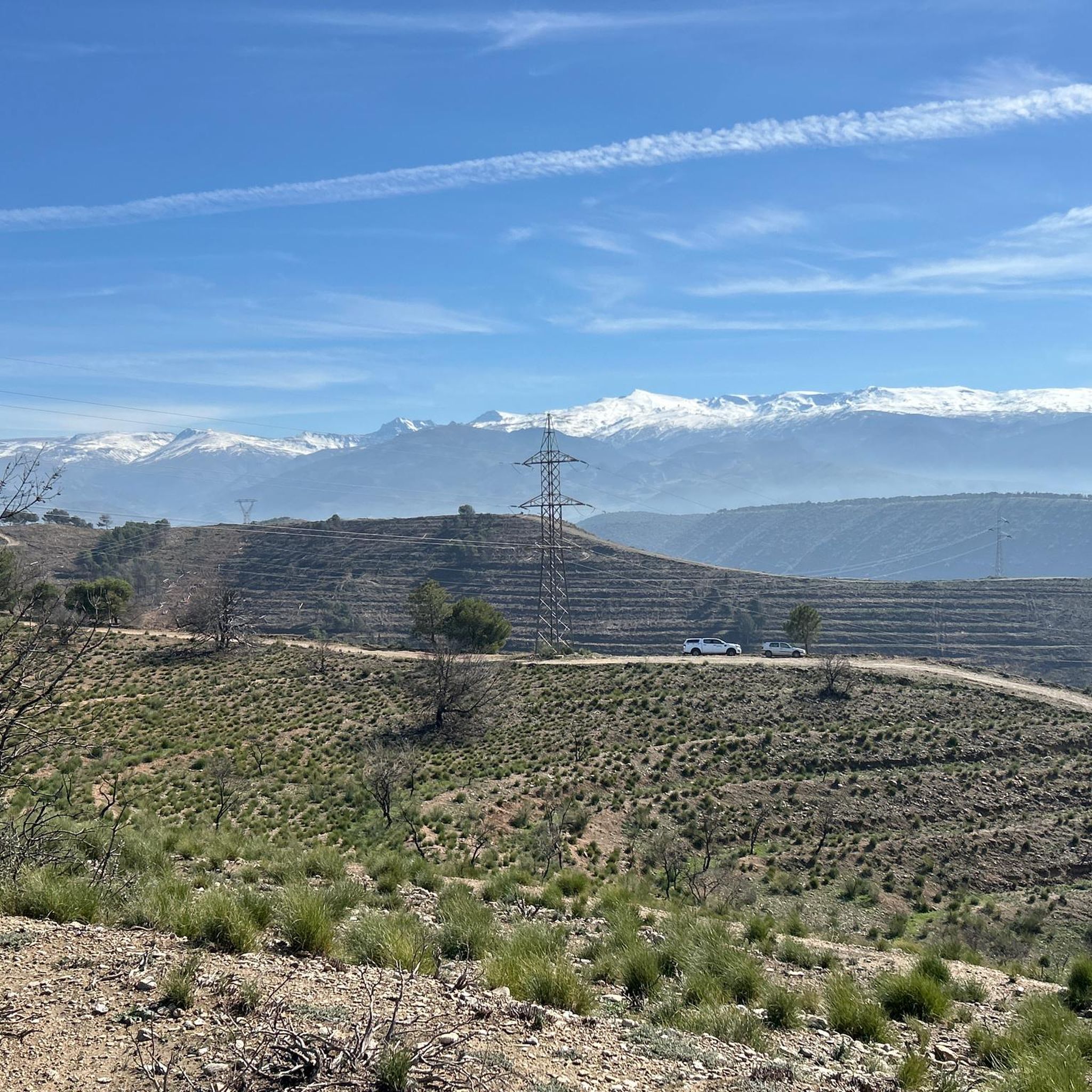
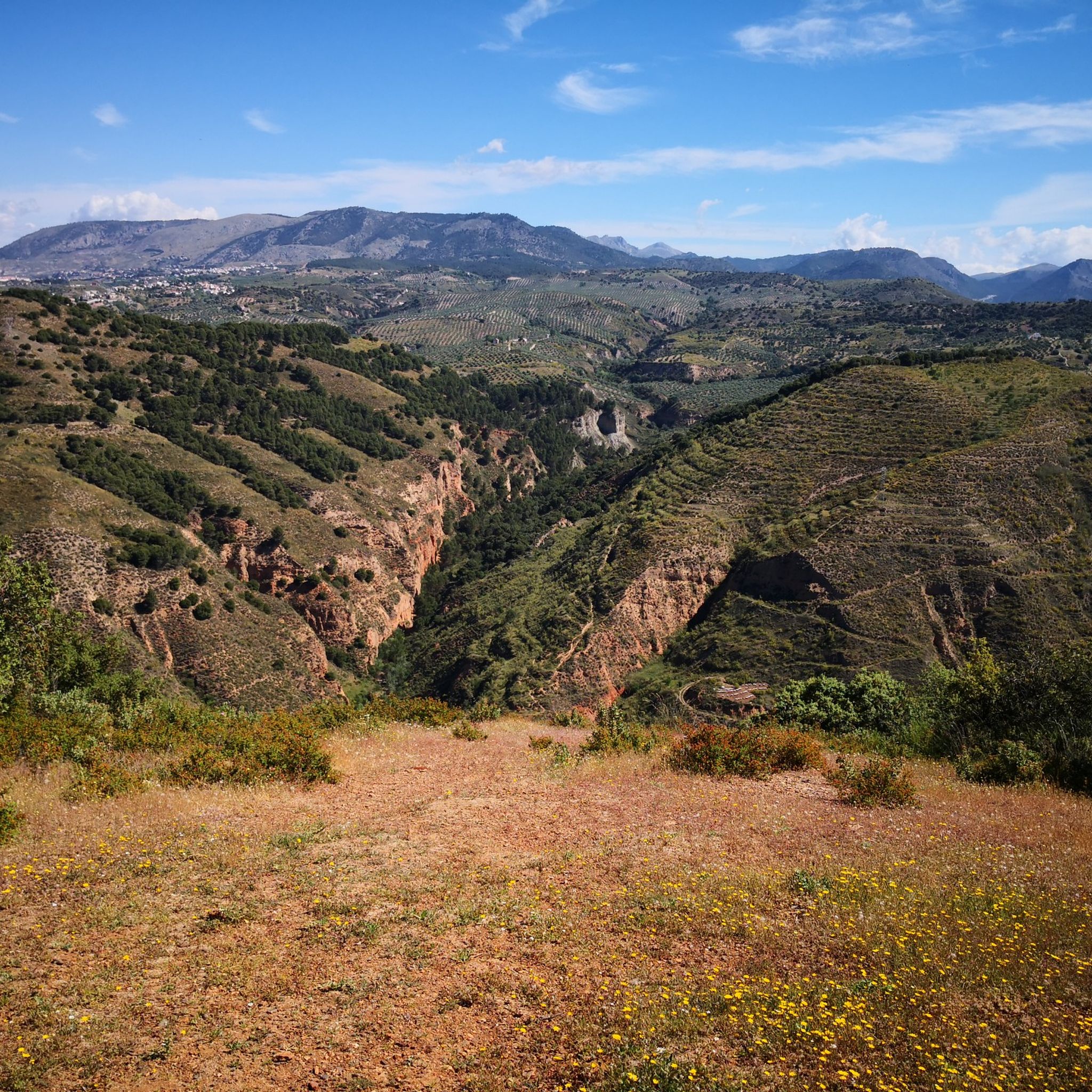
This mountainous landscape can be easily explored from Granada through shady pine forests, even on warmer days. Good gravel routes and always great views of the Pico Veleta. Highly recommended. Don't forget water.
2
0

The Garden of the Martyrs is not called one of the three most beautiful gardens in Granada for nothing. A visit is a must. Located next to the Alhambra, you can enjoy its beauty for hours. It is open daily. Monday to Friday 10:00 - 14:00 & 18:00 - 20:00, Saturday & Sunday 10:00 to 20:00. Admission is free.
1
0
Frequently Asked Questions
What unique natural features can I expect to see in the natural monuments around Pulianas?
The natural monuments near Pulianas, primarily within the broader Granada province, offer diverse features. You can explore stunning river canyons with hanging bridges at Los Cahorros de Monachil, vast mountain ranges with pine and cedar forests in Sierra de Huétor, and striking rock formations like the Peña de Castril. Additionally, there are impressive caves such as the Cave of the Marbles with its imposing columns.
Are there family-friendly natural monuments around Pulianas?
Yes, several natural monuments are suitable for families. Los Cahorros de Monachil offers an adventurous yet accessible hiking experience with hanging bridges, often described as 'Indiana Jones-like.' The University of Granada Botanical Garden, Lower Gardens of the Generalife, and Carmen de los Mártires Gardens are also excellent choices for a relaxed family outing, offering beautiful landscapes and historical context.
What kind of wildlife can be observed in the natural monuments near Pulianas?
The natural areas around Pulianas are rich in biodiversity. In places like Los Cahorros de Monachil and Sierra de Huétor Natural Park, you might spot wild boars, mountain goats, and various bird species, including raptors like golden eagles. The pure waters of the Castril River near Peña de Castril support trout and otters.
Are there natural monuments with historical significance near Pulianas?
Absolutely. The Peña de Castril Natural Monument is crowned by the ruins of an ancient Arab castle, blending natural beauty with historical significance. The Carmen de los Mártires Gardens and the Lower Gardens of the Generalife, both near the Alhambra, are historical gardens reflecting Islamic design and offer stunning views.
What are the best natural monuments for hiking near Pulianas?
For hiking, Los Cahorros de Monachil is highly recommended for its river canyon trails and hanging bridges. The Sierra de Huétor Natural Park offers numerous routes through diverse landscapes, including the 'Ruta de la Cruz de Víznar' and the 'Cueva del Agua' trail. The 'Cerrada path' around Peña de Castril also provides an accessible walk with spectacular views.
What outdoor activities can I do near these natural monuments?
Beyond exploring the natural monuments themselves, the region offers various outdoor activities. You can find numerous hiking trails, including moderate options like the 'Carrera del Darro – Plaza Nueva, Granada loop' or easy walks like 'Plaza de la Trinidad 🌳 Granada – Granada Cathedral loop.' For cycling enthusiasts, there are routes like 'View of the Vega de Granada – Path along the Genil River loop.' You can find more details on these activities in the hiking guide and cycling guide for Pulianas.
Are there any natural monuments suitable for beginner hikers near Pulianas?
Yes, there are options for beginner hikers. The 'Cerrada path' around Peña de Castril is an accessible route. Within the Sierra de Huétor Natural Park, some trails are suitable for different fitness levels. For a very gentle experience, the University of Granada Botanical Garden offers a pleasant stroll.
What is the best time to visit the natural monuments around Pulianas?
The natural monuments in the Granada province can be enjoyed throughout the year, but spring (April-May) and autumn (September-October) generally offer the most pleasant weather for outdoor activities, with mild temperatures and lush landscapes. Summer can be hot, especially in lower elevations, while winter offers a different charm, particularly in the higher parts of natural parks like Sierra de Huétor, which may see snow.
Are there any natural monuments that offer panoramic views?
Yes, several locations provide spectacular vistas. The Sierra de Huétor Natural Park offers amazing views of the Sierra Nevada and Pico Veleta. From the top of Peña de Castril, you can enjoy panoramic views of the Sierra de Castril mountain range, the valleys of Baza and Guadix, and even parts of other natural parks. The Carmen de los Mártires Gardens also provides extraordinary views of the Sierra Nevada, La Vega, and the city of Granada.
What do visitors enjoy most about the natural monuments near Pulianas?
Visitors frequently praise the diverse natural beauty and the opportunities for active exploration. Many appreciate the 'Indiana Jones-like adventure' of Los Cahorros de Monachil, the tranquility and rich plant species of the University of Granada Botanical Garden, and the stunning views from places like the Carmen de los Mártires Gardens. The combination of natural landscapes with historical elements, such as at Peña de Castril, is also highly valued.
Can I find natural monuments with caves near Pulianas?
Yes, the region features notable caves. The Cave of the Marbles, located within the Sierra de Huétor Natural Park, is one of the most outstanding. You can easily access its main caverns and observe its impressive columns. The Sierra de Huétor Natural Park itself is known for numerous geological formations, including other caves like the 'Cueva del Agua'.
Most popular routes around Pulianas
Most popular attractions around Pulianas

Get inspired with the komoot mobile app


Explore more
Extend your search for the best caves by checking out these guides of the top ones around Pulianas:
