Top 10 Natural Monuments around Berlanga De Duero
Best natural monuments around Berlanga De Duero include diverse geological formations and significant natural features. The town is situated on the Escalote River, which shapes the local environment with picturesque landscapes and rocky calcareous hills. The surrounding area in Soria province offers access to officially recognized natural monuments and parks, providing opportunities for exploring unique ecosystems and geological sites. The region is characterized by rolling hills, significant biodiversity, and slopes around the Duero River, which are home to aromatic plants…
Last updated: July 1, 2026
Vildé Reservoir
Highlight • Lake
Translated by Google •
Tip by

Vildé Fountain
Highlight • Natural Monument
Translated by Google •
Tip by
Sign up now to discover places like this
Get recommendations on the best single tracks, peaks, & plenty of other exciting outdoor places.
Sign up for free
Sabina La Pica
Highlight • Natural Monument
This is an impressive white juniper. This specimen is spectacular due to its size (19 …
Translated by Google •
Tip by

Natural Stone Arch in the Caracena Canyon
Highlight (Segment) • Natural Monument
Translated by Google •
Tip by
Caracena River Canyon
Highlight (Segment) • Canyon
Translated by Google •
Tip by

Sign up for free to discover even more natural monuments around Berlanga De Duero.
Sign up for free
Already have an account?
Start today with a free account
Your next adventure awaits.
Login or Signup
Popular around Berlanga De Duero
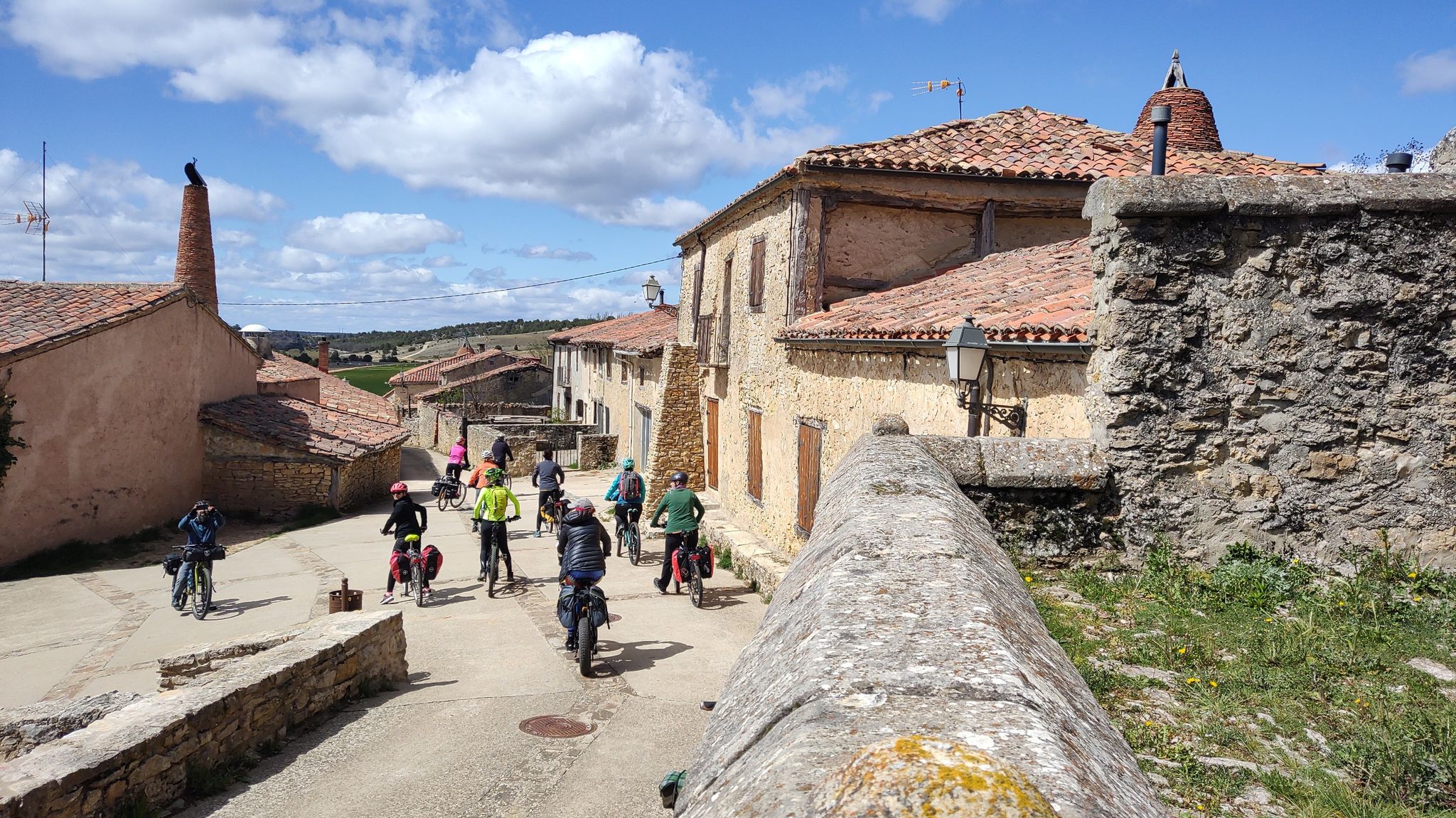
Millennial treasures on pedals – Romanesque art of Soria by MTB
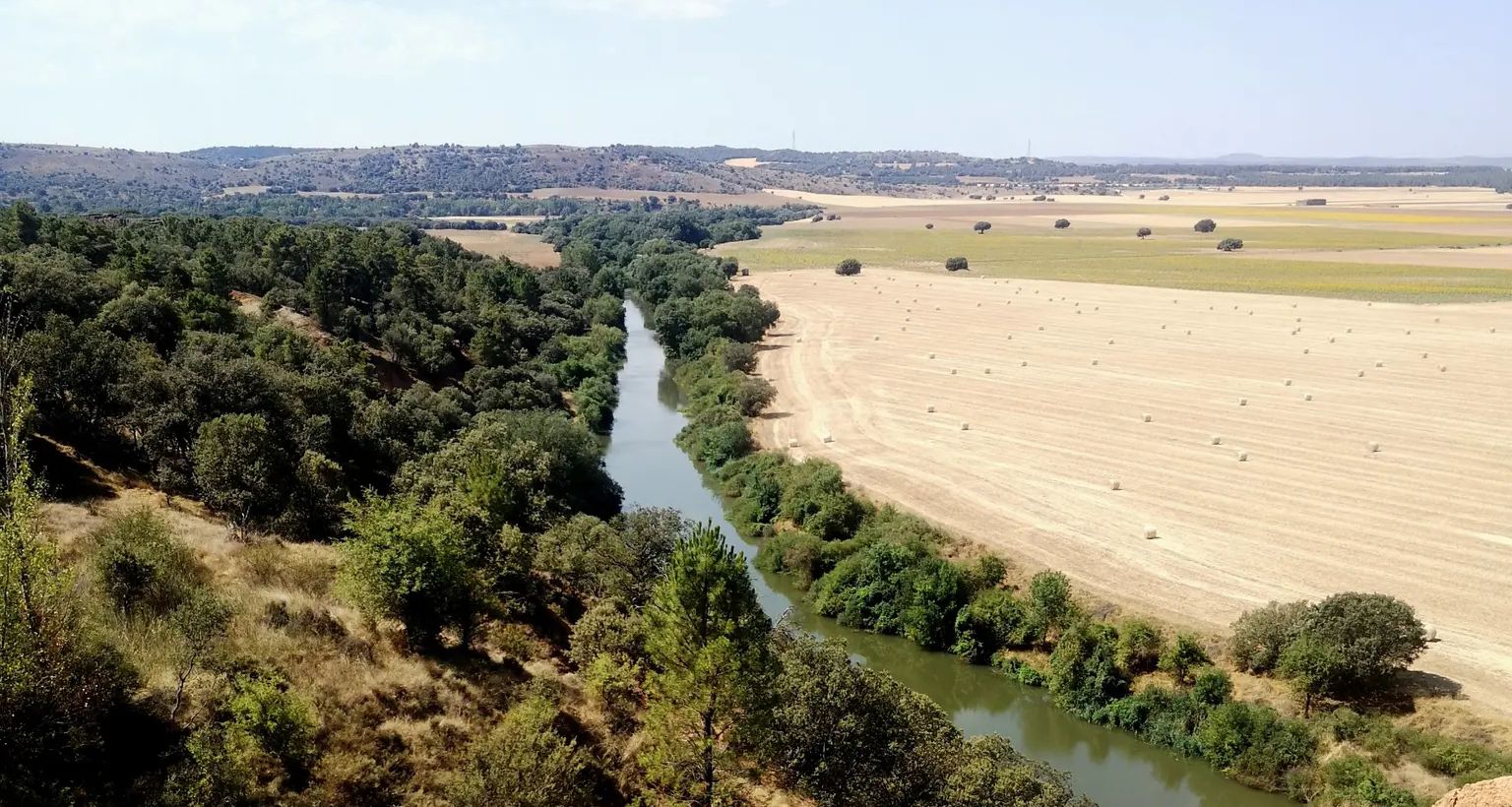
Downstream through Soria, Burgos and Valladolid in Spain – Eastern Douro Trail
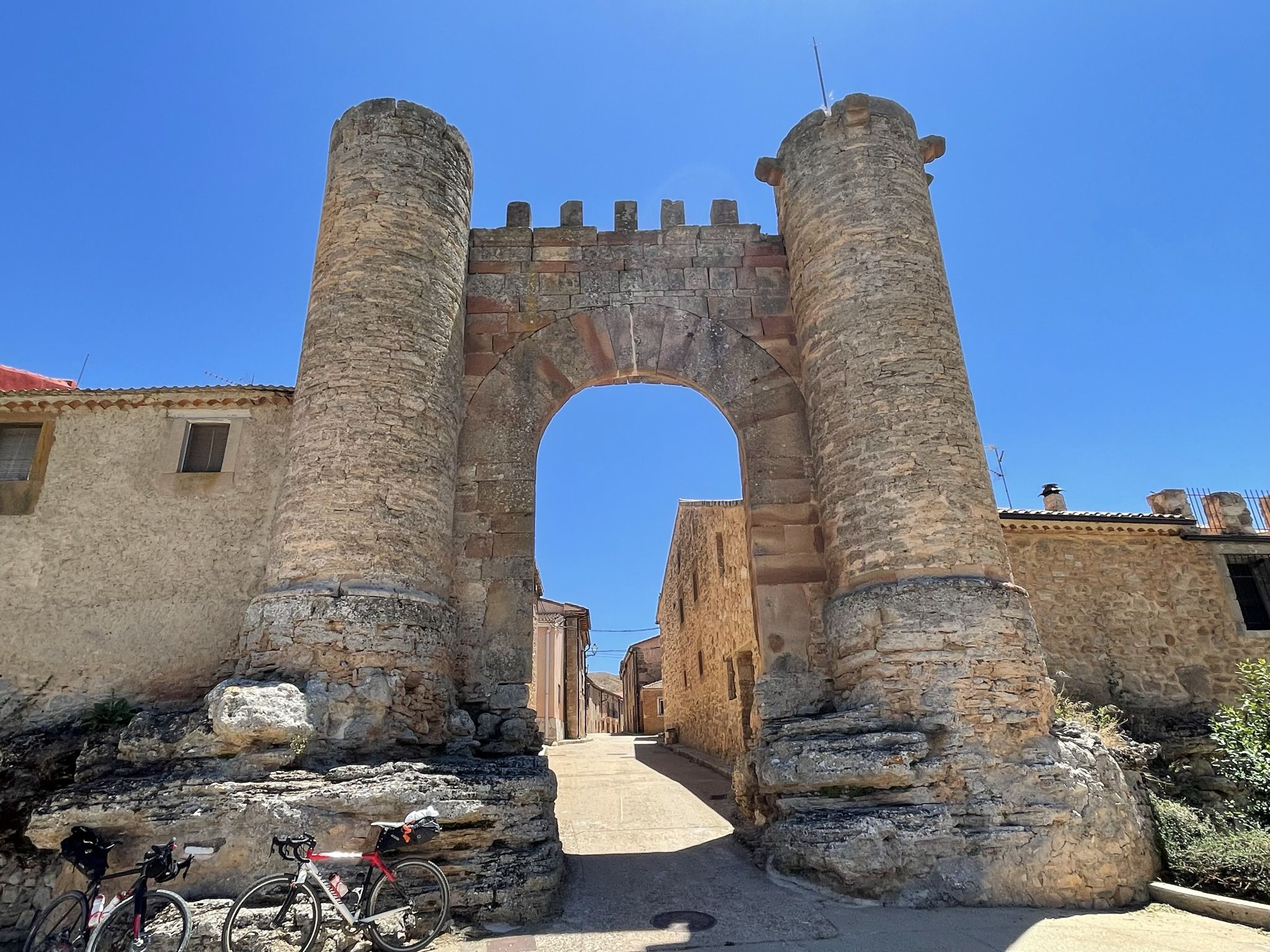
El Camino del Cid – El Destierro by gravel bike
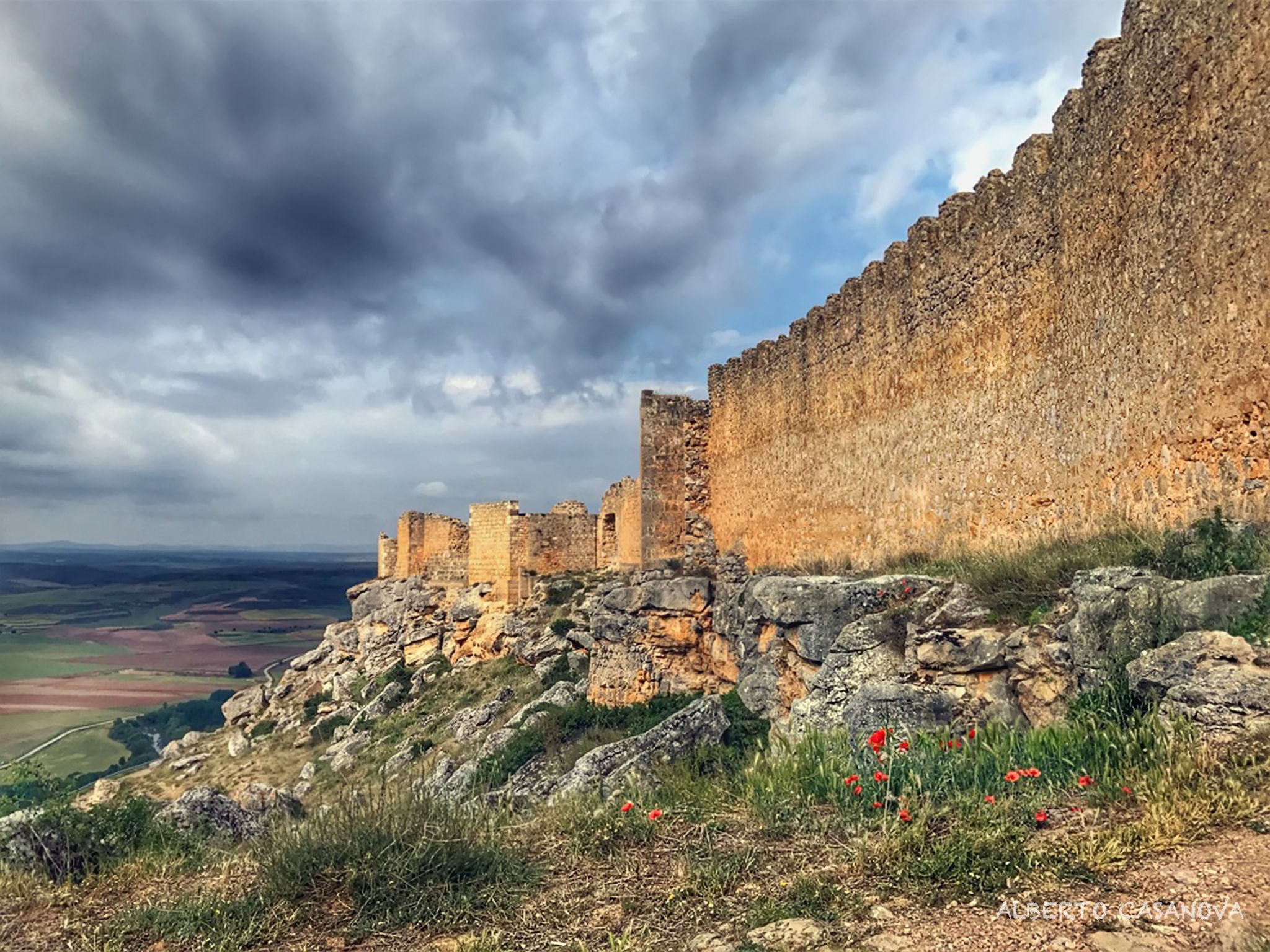
Camino del Cid on MTB – El Destierro
Spain’s Camino del Cid by bicycle — El Destierro
Stage Tierras de Berlanga (Soria)
Hiking around Berlanga De Duero
Road Cycling Routes around Berlanga De Duero
Cycling around Berlanga De Duero
MTB Trails around Berlanga De Duero
Other adventures around Berlanga De Duero


Tips from the Community

A spectacular limestone canyon, also passes the Gr 86
0
0

Tree included in the register of singular trees of the Junta de Castilla y León. This is an impressive white juniper. This specimen is spectacular due to its size (19 metres high, 12.5 metres wide at the crown and 4.5 metres in circumference of the trunk), and its age (about 400 years). It also stands out for its column-shaped appearance, which is unusual in this type of tree.
0
0

Although on days when it is not drinkable (high radon content) there is nothing wrong with drinking it or at least cooling off.
1
0

A beautiful Canyon with gorges, high cliffs and extraordinary fauna and flora, as well as great landscapes.
0
0

Reduced cyclability depending on the time of year, once you reach the abyss of the canyon, look carefully for the path that descends to the river pass and climb the other slope. Not recommended in the rainy season or when the river flow is high.
0
0
Frequently Asked Questions
What are some of the most striking natural features to explore around Berlanga de Duero?
The region boasts diverse natural features. You can explore the dramatic limestone canyon of the Caracena River Canyon, known for its high cliffs and unique flora and fauna. Another impressive sight is the Vildé Reservoir, where cliffs reflect in the waters and numerous vultures soar overhead. Don't miss the enigmatic karstic lagoon of La Fuentona de Muriel, a designated Natural Monument with crystal-clear turquoise waters, located a short drive away.
Are there any family-friendly natural monuments or trails suitable for children?
Yes, several natural spots are suitable for families. Sabina La Pica, an impressive 400-year-old white juniper tree, offers an easy and interesting visit for all ages. The surrounding area of the Escalote River near Berlanga de Duero also provides tranquil paths for walks, allowing families to enjoy the local nature without strenuous effort.
What kind of wildlife can I expect to see in these natural areas?
The natural monuments around Berlanga de Duero are rich in wildlife, especially birds. The Vildé Reservoir is famous for its numerous vultures. The Cañón del Río Lobos Natural Park is a Special Protection Area for Birds, home to griffon vultures, golden eagles, Egyptian vultures, and falcons. You might also spot mammals like roe deer, wild boars, and otters in the park, and various birds of prey along the Escalote River.
Can I go hiking or cycling near these natural monuments?
Absolutely! The region offers excellent opportunities for outdoor activities. For hiking, the Cañón del Río Lobos Natural Park has well-marked trails through its spectacular canyon. If you're interested in cycling, there are various routes available. You can find numerous MTB Trails, Road Cycling Routes, and general Cycling routes around Berlanga de Duero, many of which pass through or near these natural attractions.
What is the best time of year to visit the natural monuments?
Spring and autumn are generally the best times to visit. The weather is milder, making it ideal for hiking and exploring. In spring, the flora is vibrant, and in autumn, the changing colors of the leaves, especially along the Escalote River, are beautiful. Summer can be hot, but early mornings or late afternoons are still pleasant, particularly near water bodies like the Vildé Reservoir or La Fuentona.
Are there any unique geological formations worth seeing?
Yes, the area is rich in unique geological formations. The Natural Stone Arch in the Caracena Canyon is a remarkable example of erosion. The Cañón del Río Lobos Natural Park itself is a testament to millennia of water erosion, creating dramatic limestone cliffs and caves. La Fuentona de Muriel is a striking karstic lagoon, originating from a complex system of underground galleries.
Is it possible to visit historical or cultural sites alongside natural monuments?
Yes, the region beautifully blends natural beauty with historical significance. The Escalote River, which flows around Berlanga de Duero, offers serene walks with views of the historic castle. The Cañón del Río Lobos Natural Park also houses the ancient Templar hermitage of San Bartolomé, allowing visitors to combine natural exploration with cultural discovery.
What are the accessibility options for reaching these natural monuments?
Most natural monuments are best accessed by car, especially those further from Berlanga de Duero like La Fuentona de Muriel and Cañón del Río Lobos Natural Park. Within Berlanga de Duero, the Escalote River is easily accessible on foot. Parking is generally available near the main access points for the larger parks and highlights.
Can I bring my dog to the natural monuments?
Many natural areas in Spain are dog-friendly, especially for walks on trails, but it's always recommended to keep dogs on a leash to protect wildlife and ensure the comfort of other visitors. Specific rules may apply in designated natural parks like Cañón del Río Lobos, so checking local regulations before your visit is advisable.
What makes the Escalote River area special?
The Escalote River gracefully surrounds Berlanga de Duero, creating a picturesque natural environment right at the town's doorstep. Its valley features rocky calcareous hills shaped by water erosion, contrasting with poplars and ash trees. It's an ideal spot for tranquil walks, enjoying local flora and fauna, and appreciating geological formations, especially behind the historic castle.
Are there any hidden gems or lesser-known natural spots?
While not 'hidden' in the sense of being unknown, the geological formations and the unique ecosystem around La Fuentona de Muriel, with its deep, unexplored subterranean network, offer a sense of mystery and wonder that many find captivating. The Sabinar de Calatañazor, one of the largest juniper forests, is also a significant natural feature in the vicinity that offers a unique experience.
Most popular attractions around Berlanga De Duero

Get inspired with the komoot mobile app


Explore more
Extend your search for the best caves by checking out these guides of the top ones around Berlanga De Duero:
