Top 5 Natural Monuments around Puerto Serrano
Best natural monuments around Puerto Serrano offer a diverse landscape combining natural beauty with historical significance. The region is characterized by the Guadalete River, which creates tranquil environments rich in biodiversity, and limestone terrain featuring natural cavities and rock shelters. This area provides opportunities for exploring geological formations, ancient sites, and significant wildlife habitats. The Vía Verde de la Sierra also provides access to many of these natural attractions.
Best natural monuments around Puerto Serrano
- The most popular natural monuments…
Last updated: July 1, 2026
Zaframagón Viaduct
Highlight • Bridge
It was built to span the Guadalporcún River crossing …
Translated by Google •
Tip by

Peñón de Zaframagón Nature Reserve
Highlight • Natural Monument
Translated by Google •
Tip by
Sign up now to discover places like this
Get recommendations on the best single tracks, peaks, & plenty of other exciting outdoor places.
Sign up for free
El Chaparro de la Vega
Highlight • Natural Monument
Translated by Google •
Tip by

View point
Highlight • Viewpoint
Translated by Google •
Tip by
Olvera Puerto Serrano
Highlight • Trail
Translated by Google •
Tip by
Sign up for free to discover even more natural monuments around Puerto Serrano.
Sign up for free
Already have an account?
Start today with a free account
Your next adventure awaits.
Login or Signup
Tips from the Community

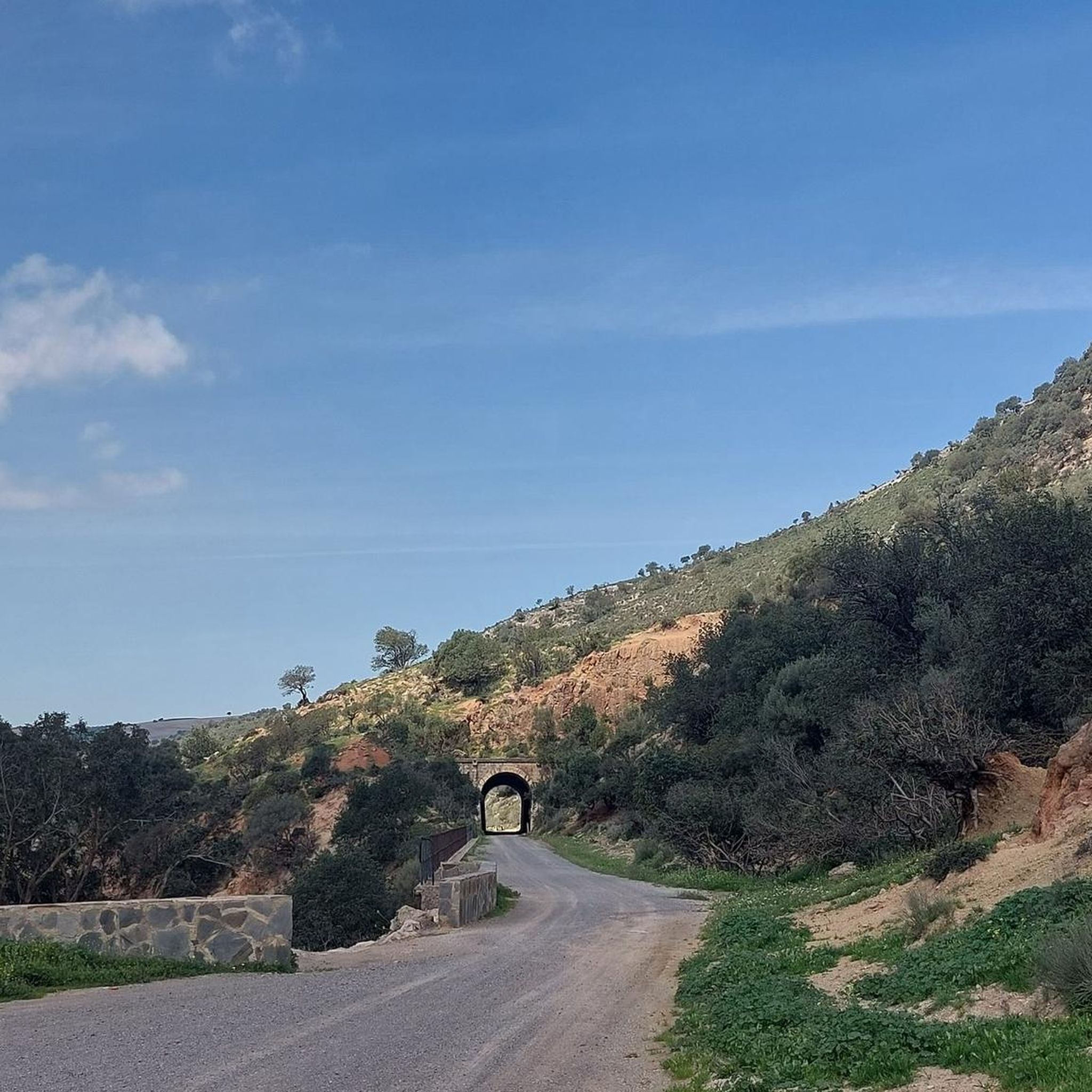
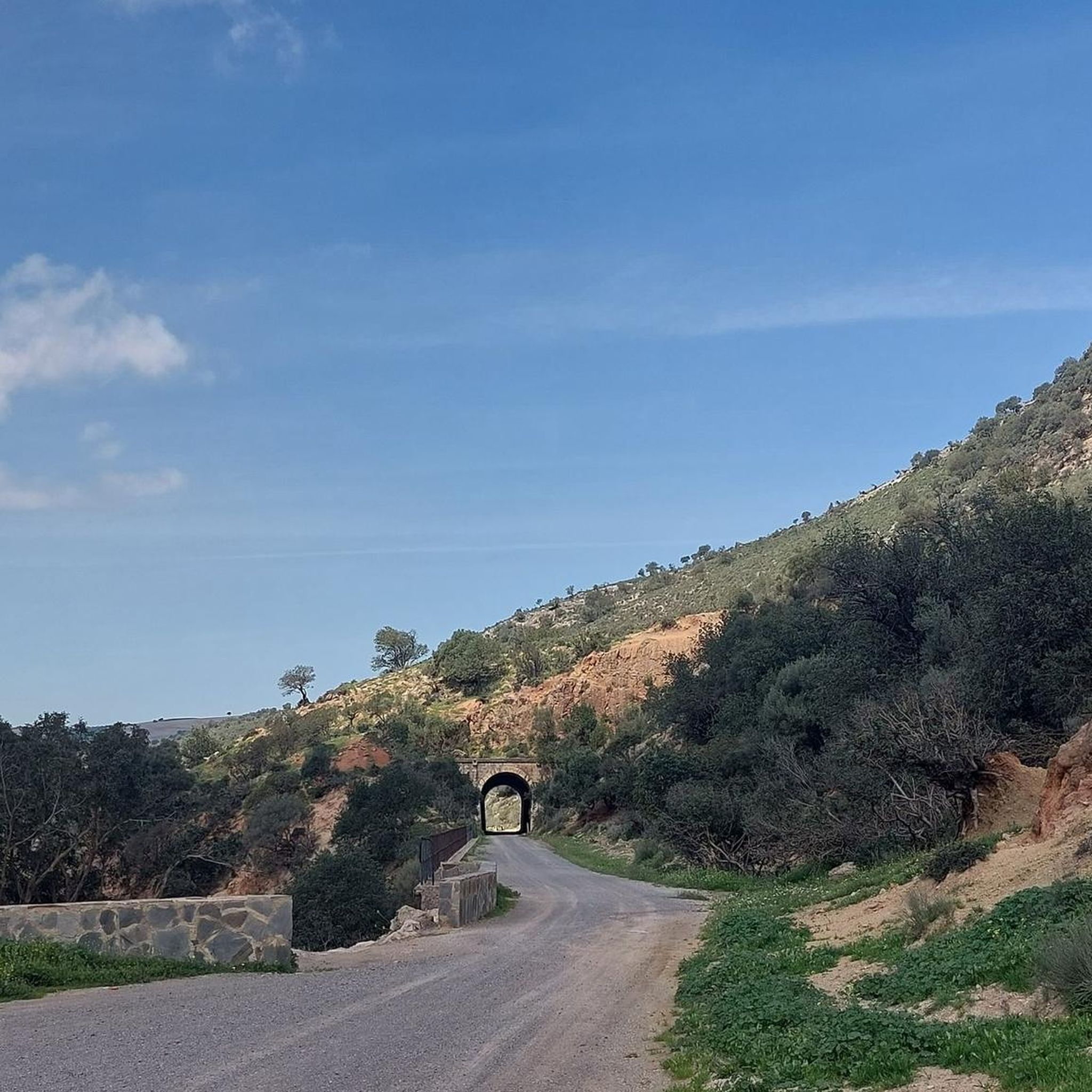
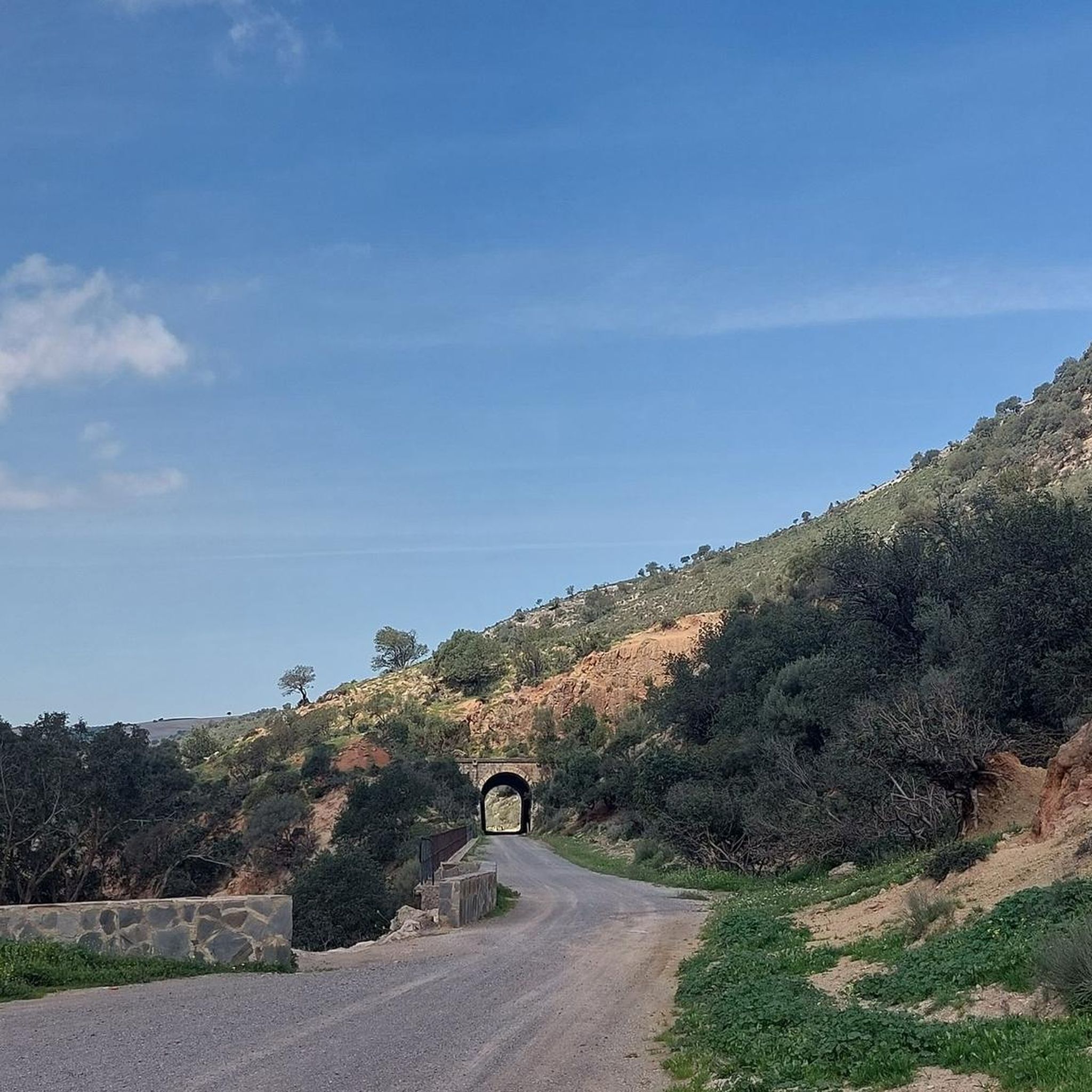
After cycling for about twenty kilometres, you will arrive at the Peñon de Zaframagón mountain point. The mountain is inhabited by the griffon vulture. You can recognise the bird – if you see it up close – by its ‘fur collar’ around its otherwise bare neck. Entire families live on this 600-metre-high mountain. Dozens of birds soar high through the air in search of prey. They have chosen the location cleverly, because the mountain is situated on a gorge with a river. Sometimes a huge shadow of a bird falls over you when it is hovering just above you. That gives a strange feeling that makes you quickly look up. A little further on is a small nature museum that is particularly proud of its special camera with which you can spy on the birds. You can zoom in, which allows you to count almost every feather.
4
0
A 135-meter-long viaduct, built using rectangular truncated pyramidal pilasters with mortared ashlars, is formed by the repetition of seven identical arches. It was built to span the Guadalporcún River crossing before it meets the Guadamanil River. The latter originates in the Sierra de la Lebrona mountain range in the municipality of Pruna (Seville) and flows into the Guadalporcún River just a few meters from the viaduct. The confluence of the rivers has created a wide floodplain. From this railway infrastructure, there is a privileged view of the Estrechón Canyon, a natural passage carved by the Guadalporcún River to traverse the foothills of the Zaframagón Rock. Just below, on the left bank of the Guadalporcún, we find the ruined building of what was once the Zaframagón mill. A little further west, other ruins can be seen. It is a small town built for workers on the railway line construction site.
8
0
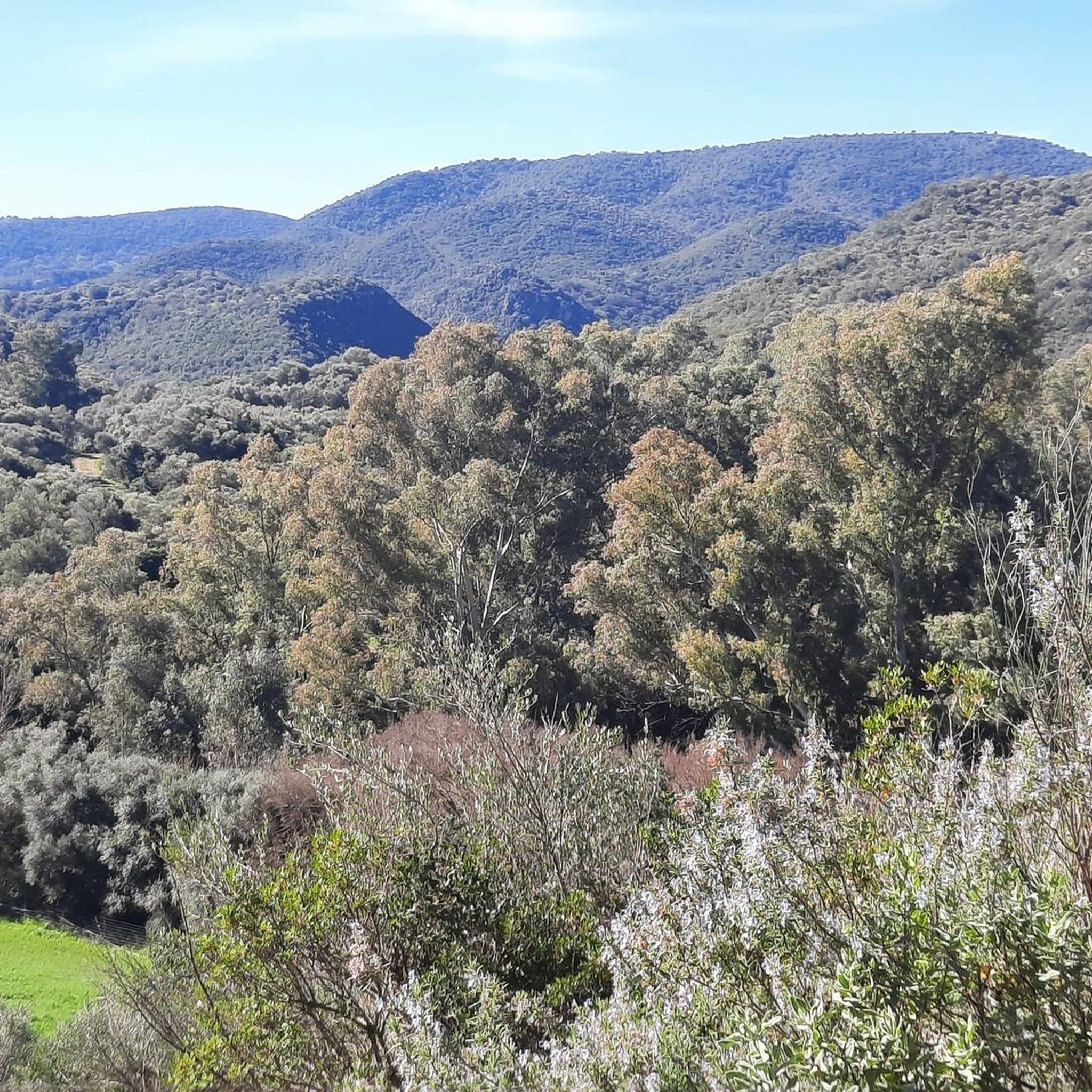
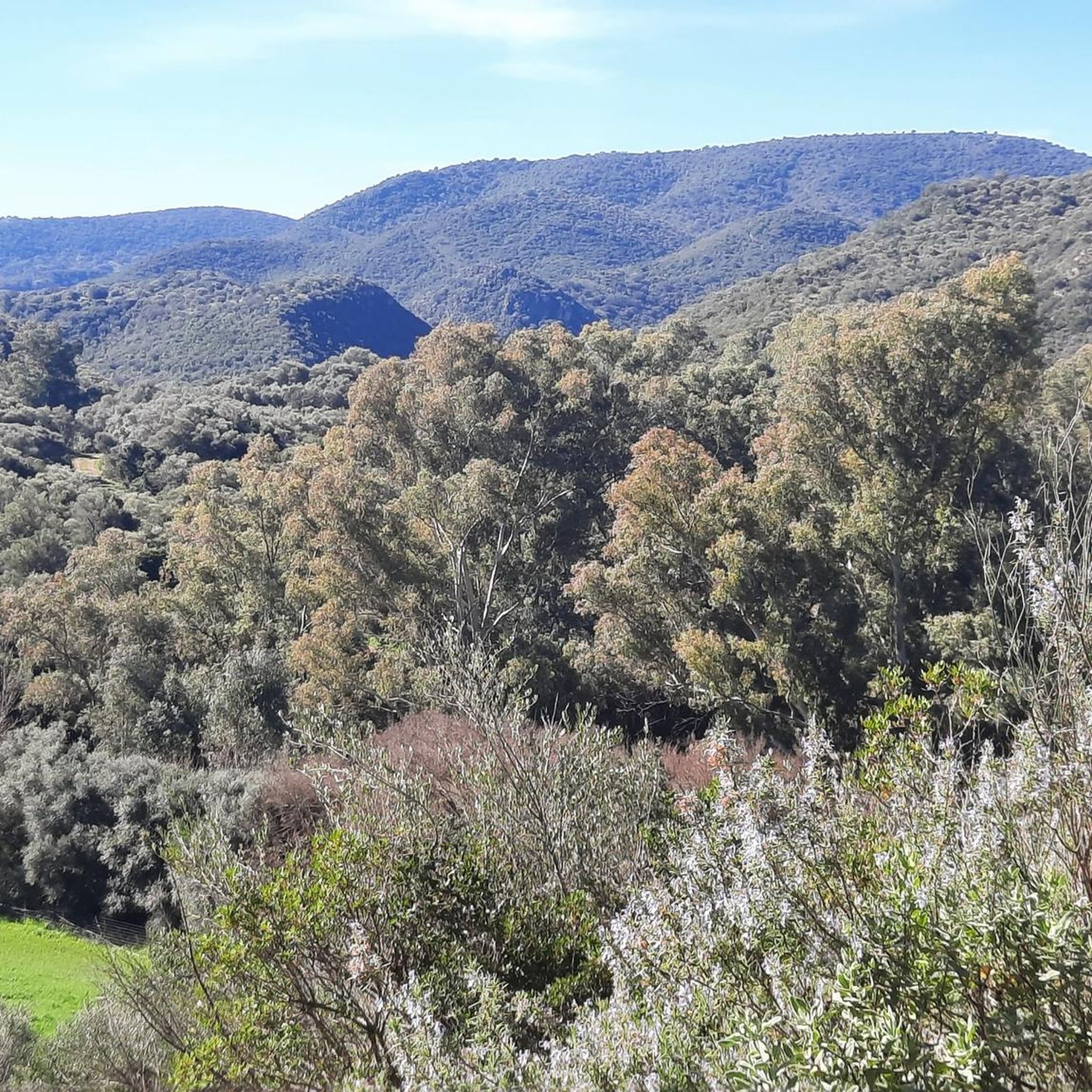
The Peña de Zaframagón is an impressive natural formation located in the Sierra de Grazalema, on the border of the provinces of Cádiz and Seville in Spain. This formation is one of the highest points in the region, with an altitude of 584 meters above sea level. The area is known for its sharp cliffs and the beautiful nature that surrounds it. One of the highlights of the Peña de Zaframagón is the Garganta del Estrechón, a deep gorge carved by the Guadalporcún River. Here you will also find unique landscapes such as pools, marmitas de gigante (large kettles) and small waterfalls. The area is an important nature reserve and is home to various flora and fauna, including the largest colony of fulvus in Andalusia and one of the largest in Europe.
8
0

If you're based in Ronda, White Village Tours offers bikes and transport to cycle from Olvera to Puerto Serrano. whitevillagetours.com/routes/via-verde
4
0


Good route, not recommended in summer due to the heat. bring light
4
0


El Chaparro de la Vega is a large oak specimen over 200 years old, in the municipality of Coripe and around the Sierra Sur de Sevilla. Under its shadow, various playful and festive activities take place, among which the Fátima Pilgrimage in mid-May stands out.
0
0
Frequently Asked Questions
What natural features define the landscape around Puerto Serrano?
The landscape around Puerto Serrano is characterized by the tranquil
Río Guadalete
, which creates environments rich in biodiversity, especially marshlands and coastal dunes. You'll also find limestone terrain with natural cavities and rock shelters, such as those near theNecrópolis Fuente de Ramos
. The area is also home to significant geological formations like the Peñón de Zaframagón Nature Reserve and theEstrechón canyon
carved by the Guadalporcún River.Where can I observe wildlife, especially birds, near Puerto Serrano?
The
Río Guadalete
is a significant stopover point for migratory birds, making it ideal for birdwatching, with species like ducks, gulls, and various waders. Most notably, the Peñón de Zaframagón Nature Reserve hosts the largest breeding colony of griffon vultures in Western Andalusia and one of the largest in Europe. An Interpretation Center at the old Zaframagón train station offers video monitoring to observe these vultures up close.Are there historical or archaeological sites among the natural monuments?
Yes, the
Necrópolis Fuente de Ramos
is a significant archaeological site intrinsically linked to its natural surroundings. Located on the northern slope of Cerro de los Castillejos, it features artificial caves used for collective burials dating back to the Early Bronze Age. The site also contains ancient engravings and rock formations, offering a unique blend of history and nature.What activities can I do along the Vía Verde de la Sierra near these natural monuments?
The Vía Verde de la Sierra runs alongside many natural attractions, including the
Río Guadalete
and the area around the Zaframagón Viaduct and Peñón de Zaframagón Nature Reserve. It's perfect for hiking and cycling. You can find various routes, such as theVía Verde de la Sierra Trail
, for both hiking and mountain biking. For more details on routes, you can explore the Hiking around Puerto Serrano or MTB Trails around Puerto Serrano guides.Are there family-friendly natural monuments in the area?
Yes, El Chaparro de la Vega is considered family-friendly. It's a large, over 200-year-old holm oak where playful and festive activities often take place. Additionally, the Olvera Puerto Serrano trail, which passes by the Peñón de Zaframagón, is also noted as family-friendly, offering an opportunity to see griffon vultures.
What are the best viewpoints to experience the natural beauty?
The Zaframagón Viaduct offers breathtaking panoramic views of the
Estrechón canyon
and the surrounding natural reserve. Another excellent spot is the View point, which provides expansive views of the surrounding mountains, such as the Sierra de la Nava, and theRío Guadalete valley
.What is the significance of the Peñón de Zaframagón?
The Peñón de Zaframagón Nature Reserve is a Natural Monument of great ecological importance, primarily known for hosting the largest breeding colony of griffon vultures (Gyps fulvus) in Western Andalusia and one of the largest in Europe. It's also part of the
Estrechón canyon
, featuring unique floristic communities and steep rock walls.What is the best season to visit Puerto Serrano for outdoor activities and natural monuments?
While specific climate data isn't provided, generally, spring (March to May) and autumn (September to November) are ideal for outdoor activities like hiking and cycling in Andalusia. During these seasons, the weather is typically mild and pleasant, avoiding the intense heat of summer and the cooler, wetter days of winter, making it comfortable to explore the natural monuments and trails like the Vía Verde de la Sierra.
Are there easy hiking trails around the natural monuments for less experienced visitors?
Many sections of the
Vía Verde de la Sierra
, which connects to several natural monuments, are relatively flat and well-maintained, making them suitable for easy hiking or cycling. The El Chaparro de la Vega area also offers a gentle environment for a relaxed visit. For specific easy routes, it's recommended to check the difficulty grades in the Hiking around Puerto Serrano guide.Can I bring my dog to the natural monuments or trails near Puerto Serrano?
While many natural areas in Spain are dog-friendly, specific regulations can vary. It's generally advisable to keep dogs on a leash, especially in nature reserves like the Peñón de Zaframagón Nature Reserve, to protect wildlife. For detailed information on dog-friendly trails and specific regulations for natural monuments around Puerto Serrano, it's best to consult local signage or visitor information centers upon arrival.
What are the options for public transport to reach the natural monuments?
Public transport options to reach specific natural monuments directly might be limited. Puerto Serrano itself is accessible by bus, but reaching more remote natural sites often requires personal transport or a combination of bus and walking/cycling. The
Vía Verde de la Sierra
is a popular way to access many sites, and you can often rent bicycles in nearby towns. For specific bus routes to Puerto Serrano, local transport schedules should be consulted.Where can I find refreshments or food near the natural monuments?
While the natural monuments themselves are typically undeveloped, you can find cafes and restaurants in Puerto Serrano town. For visitors exploring the
Vía Verde de la Sierra
, the old Zaframagón train station, near the Zaframagón Viaduct and Peñón de Zaframagón Nature Reserve, often has facilities or nearby establishments. It's always a good idea to pack water and snacks, especially for longer excursions.Most popular routes around Puerto Serrano
Most popular attractions around Puerto Serrano

Get inspired with the komoot mobile app


Explore more
Extend your search for the best caves by checking out these guides of the top ones around Puerto Serrano:
