Top 10 Natural Monuments around Valdepeñas De La Sierra
Best natural monuments around Valdepeñas De La Sierra include unique geological formations and expansive natural parks. Valdepeñas De La Sierra, located in the province of Guadalajara, is known for its dramatic landscapes shaped by erosion, such as the Cárcavas, which feature eroded gullies and natural chimneys. The region is also part of the Sierra Norte de Guadalajara Natural Park, offering a vast mountainous area with diverse rock types and fluvial canyons. This area provides opportunities for experiencing varied natural environments.
Best natural monuments around Valdepeñas De La Sierra
- The most popular natural monuments is Cancho de la Cabeza Summit, a summit that offers spectacular 360º views of the Atazar reservoir and the Sierra de Ayllón. This peak is one of the most visited in the northern mountains due to its accessibility and panoramic vistas.
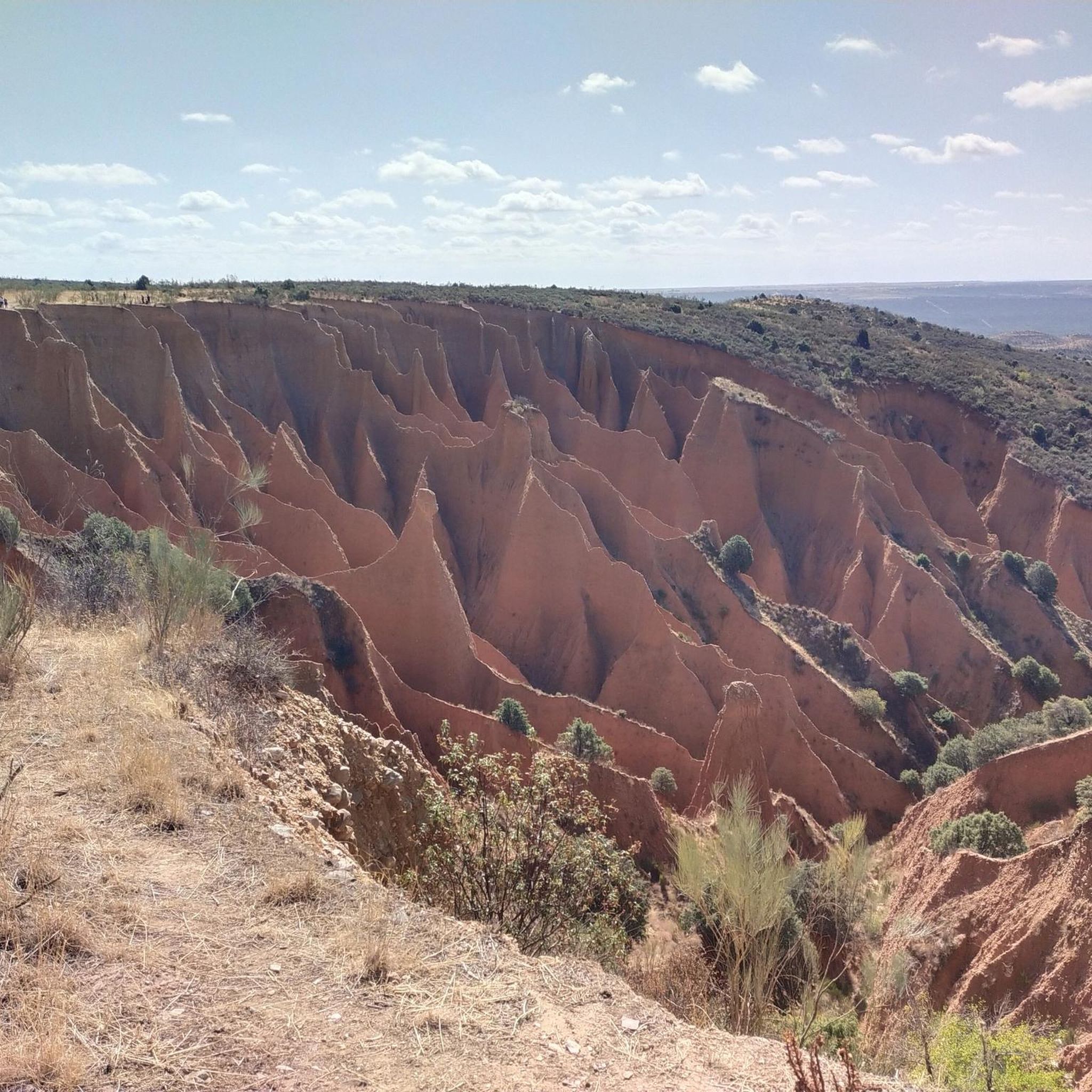
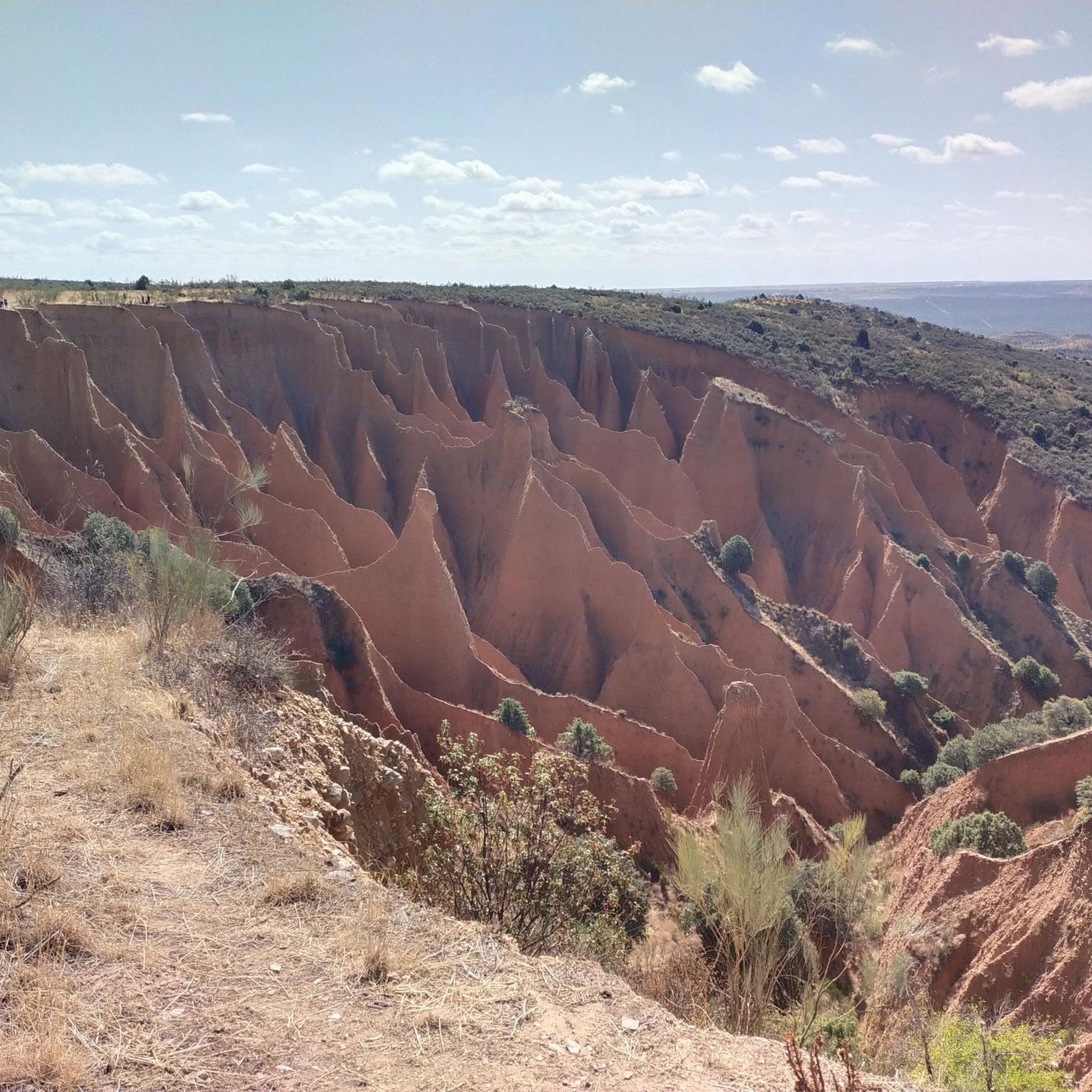
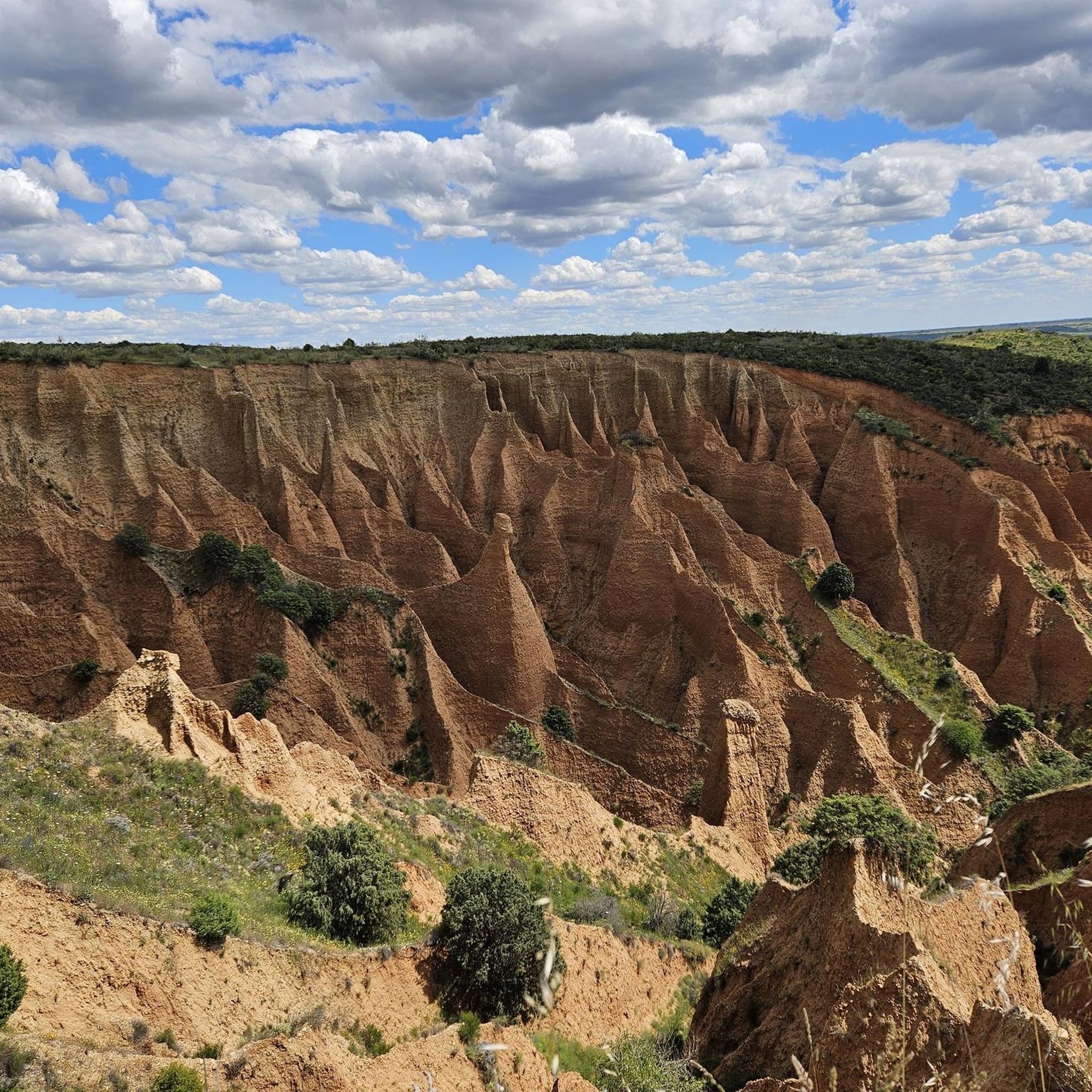
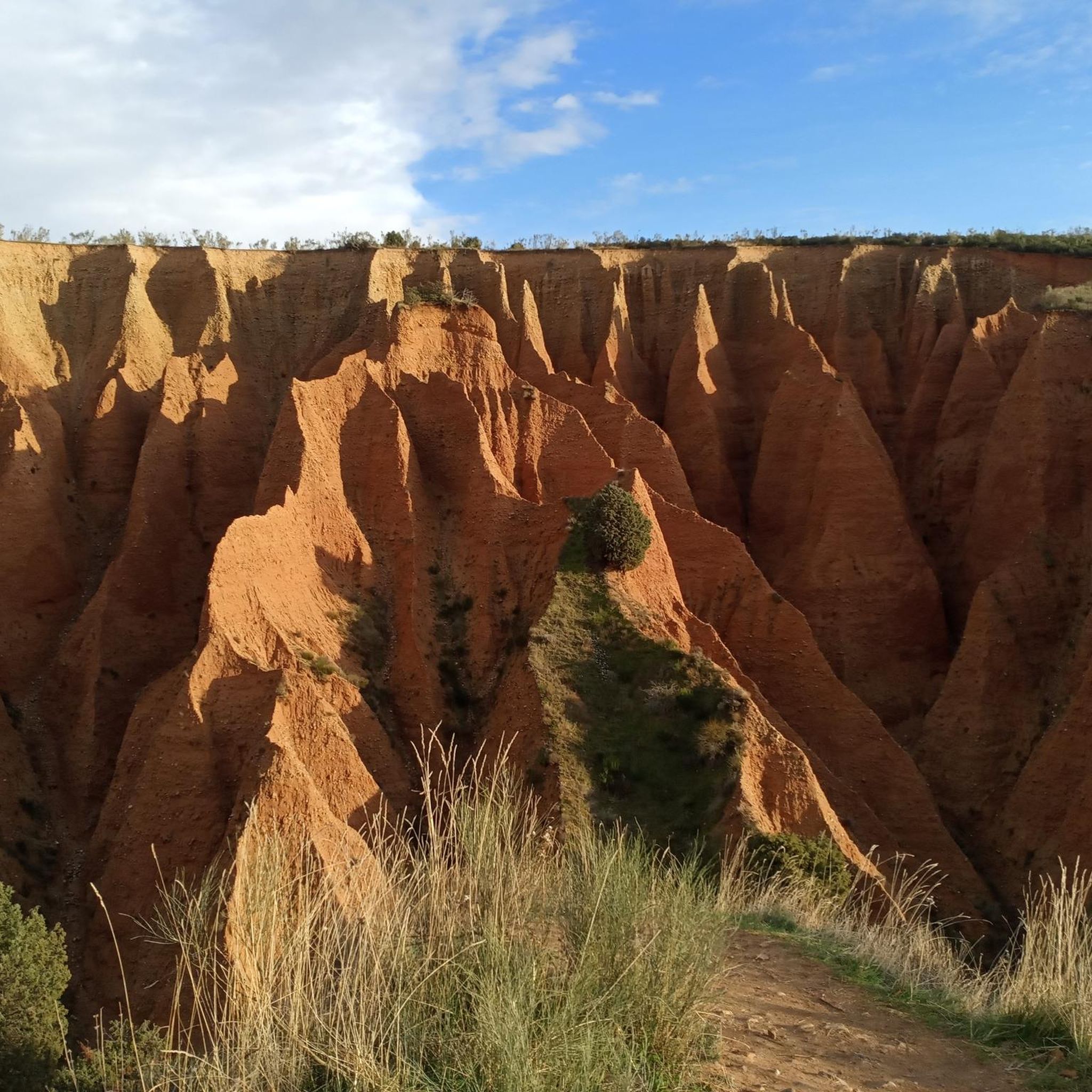
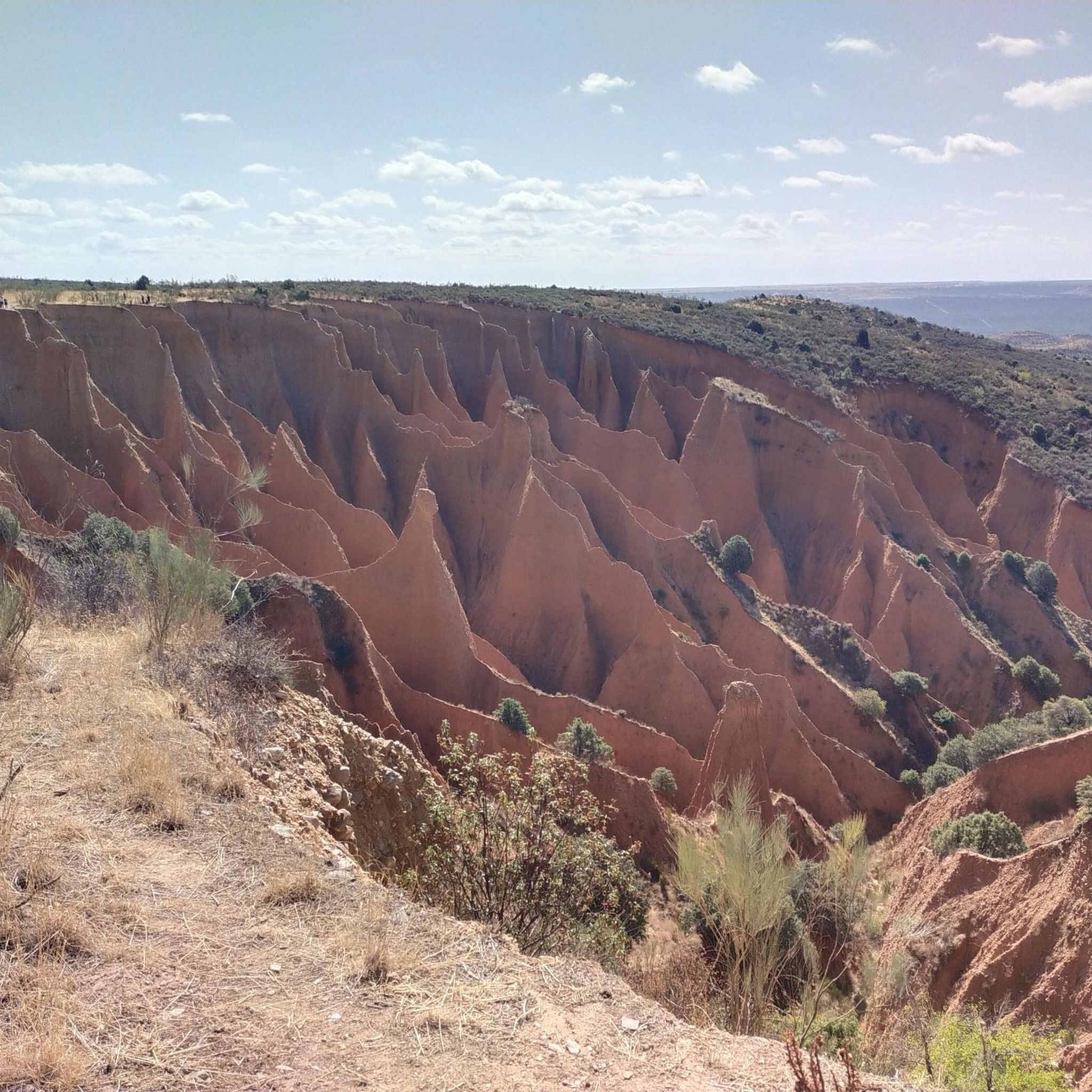
- Another must-see spot is Close-up view of Las Cárcavas del Monte Guadarrama, a gorge formed by the erosion of rainwater on clay-type substrates. Visitors can observe the unique sinkholes and rills created by this natural process.
- Visitors also love El Atazar Reservoir, a lake that is the largest in Madrid, holding 46% of the community's impounded water. The reservoir is situated in a rugged enclave of slate, offering a spectacular landscape for natural routes and walks.
- Valdepeñas De La Sierra is known for summits, gorges, and reservoirs. The region offers a variety of natural monuments to see and explore, from eroded landscapes to expansive water bodies.
- The natural monuments around Valdepeñas De La Sierra are appreciated by the komoot community, with more than 80 upvotes and over 50 photos shared by visitors.
Last updated: August 11, 2026
Cancho de la Cabeza Summit
Highlight • Summit
Translated by Google •
Tip by

El Atazar Reservoir
Highlight • Lake
Translated by Google •
Tip by

Sign up now to discover places like this
Get recommendations on the best single tracks, peaks, & plenty of other exciting outdoor places.
Sign up for free
Vultures' Viewpoint
Highlight • Viewpoint
Translated by Google •
Tip by
Las Cárcavas - Pontón de la Oliva
Highlight • Gorge
Translated by Google •
Tip by

View of the La Puebla River
Highlight • Viewpoint
Translated by Google •
Tip by

Sign up for free to discover even more natural monuments around Valdepeñas De La Sierra.
Sign up for free
Already have an account?
Start today with a free account
Your next adventure awaits.
Login or Signup

Tips from the Community

Panoramic loop through the Sierra del Rincón
0
0

Spectacular views, generally good climb with some demanding sections before crossing the firebreak. the rest, quite bearable
1
0

Cancho de la Cabeza, the highest peak in the municipality of Patones, rises majestically in the Sierra Norte region of Madrid. This beautiful natural viewpoint offers panoramic views of the El Atazar reservoir and, in the background, you can see the Peña de la Cabra, one of the numerous peaks of the Ayllón mountain range.
2
0
Cancho de la Cabeza, the highest peak in the municipality of Patones, rises majestically in the Sierra Norte region of Madrid. This beautiful natural viewpoint offers panoramic views of the El Atazar reservoir and, in the background, you can see the Peña de la Cabra, one of the numerous peaks of the Ayllón mountain range. Remember that Patones de Arriba is a small “kingdom” near Madrid, full of charm and tradition. Enjoy the natural beauty and stunning views that Cancho de la Cabeza offers! 🏞️🌄
1
0

Approach the information panel that describes the entire landscape around the Atazar reservoir, and then sit on the Geodesic to rest and enjoy. !It is a wonder
1
0
Excellent place to recognize all the places in the Atazar reservoir. There is a great photo with the name of the places.
1
0

Built in 1972 and belonging to the Isabel II canal, the El Atazar reservoir is the largest in Madrid, housing 46% of the community's impounded water. Located in a rugged enclave full of slate, the landscape that surrounds the reservoir and that is born from its waters is spectacular, giving way to monumental natural routes and walks through its surrounding historic towns.
1
0
Built in 1972 and belonging to the Isabel II canal, the El Atazar reservoir is the largest in Madrid, representing 46% of the community's embalmed water. Located in a rugged enclave full of slate, the landscape that surrounds the reservoir and that is born from its waters is spectacular, giving way to monumental natural routes and walks through its surrounding historical towns.
1
0
Frequently Asked Questions
What makes the natural monuments around Valdepeñas de la Sierra unique?
The natural monuments in this region are primarily characterized by dramatic geological formations shaped by erosion. The most notable are the Cárcavas, which feature striking eroded gullies and natural chimneys with an intense reddish hue, often described as a 'Martian landscape.' You can experience this unique terrain at places like Close-up view of Las Cárcavas del Monte Guadarrama and Las Cárcavas - Pontón de la Oliva.
What are some of the most popular natural monuments to visit?
Among the most popular natural monuments are Cancho de la Cabeza Summit, known for its spectacular 360º views of the Atazar reservoir and Sierra de Ayllón. The unique eroded landscapes of the Cárcavas, such as Close-up view of Las Cárcavas del Monte Guadarrama, also draw many visitors. Additionally, El Atazar Reservoir is a significant natural monument, offering vast water views amidst a rugged slate landscape.
Are there family-friendly natural monuments in the area?
Yes, El Atazar Reservoir is considered family-friendly. Its expansive waters and surrounding landscape provide a scenic backdrop for walks and enjoying nature. While some areas of the Cárcavas can be challenging, the general vicinity of the Pontón de la Oliva reservoir offers more accessible routes.
What kind of outdoor activities can I do near these natural monuments?
The region around Valdepeñas de la Sierra is excellent for various outdoor activities. You can find numerous routes for cycling, gravel biking, and road cycling. For detailed routes, explore the guides for Cycling around Valdepeñas De La Sierra, Gravel biking around Valdepeñas De La Sierra, and Road Cycling Routes around Valdepeñas De La Sierra.
Are there specific viewpoints to appreciate the landscape?
Absolutely. Cancho de la Cabeza Summit offers panoramic 360º views, allowing you to see the Atazar reservoir, Sierra de Ayllón, and even the Madrid skyline on clear days. Another stunning spot is Vultures' Viewpoint, which provides an overwhelming perspective over the Puebla river gorge with its vertical rock walls.
What is the best time of year to visit the natural monuments?
While the region can be visited year-round, spring and autumn generally offer the most pleasant weather for exploring the natural monuments. Temperatures are milder, and the landscapes can be particularly vibrant with spring blooms or autumn colors. Summer can be hot, making early morning or late afternoon visits preferable, especially for longer hikes.
What are the Cárcavas and why are they worth visiting?
The Cárcavas are unique geological formations characterized by dramatic, eroded gullies and natural chimneys. They are sculpted by water on clayey slopes, creating a labyrinthine terrain with an intense reddish hue. They are worth visiting for their singular and visually stunning 'Martian landscape,' offering excellent opportunities for hiking and photography. You can explore them at locations like Las Cárcavas - Pontón de la Oliva.
Is it possible to see wildlife near the natural monuments?
Yes, as Valdepeñas de la Sierra is situated within the Sierra Norte de Guadalajara Natural Park, there are opportunities for wildlife spotting. The larger park is known for its exceptional wildlife value, including diverse bird species and other fauna typical of mountainous regions. Keep an eye out, especially in quieter areas and during dawn or dusk.
Are there any regulations or permits needed for hiking in the Sierra Norte de Guadalajara Natural Park?
Generally, permits are not required for hiking on established trails within the Sierra Norte de Guadalajara Natural Park for individual visitors. However, it's always advisable to check the official park regulations before your visit, especially for larger groups or specific activities. Respecting marked paths and environmental guidelines is crucial to preserve the natural beauty of the area.
What do visitors enjoy most about the natural monuments in Valdepeñas de la Sierra?
Visitors frequently highlight the breathtaking panoramic views, especially from summits like Cancho de la Cabeza Summit. The unique and dramatic 'Martian landscape' of the Cárcavas is also a major draw, offering a distinct visual experience. The opportunity for active exploration through hiking and cycling in a rugged, natural setting is also highly appreciated.
Where can I park when visiting the natural monuments?
For the Cárcavas, parking facilities are available, particularly near the Pontón de la Oliva reservoir, which serves as a common starting point for exploring the area. For other natural monuments and viewpoints, designated parking areas are often provided. It's recommended to check specific access points for each highlight you plan to visit.
How long should I plan for a visit to the Cárcavas?
To fully appreciate the unique landscape of the Cárcavas and explore some of its labyrinthine formations, you should plan for at least 2-4 hours. This allows time for hiking, photography, and soaking in the distinctive environment. If you combine it with a visit to the Pontón de la Oliva reservoir, you might extend your stay.
Most popular routes around Valdepeñas De La Sierra
Most popular attractions around Valdepeñas De La Sierra

Get inspired with the komoot mobile app


Explore more
Extend your search for the best caves by checking out these guides of the top ones around Valdepeñas De La Sierra:
