Top 20 Natural Monuments around Vallbona D'Anoia
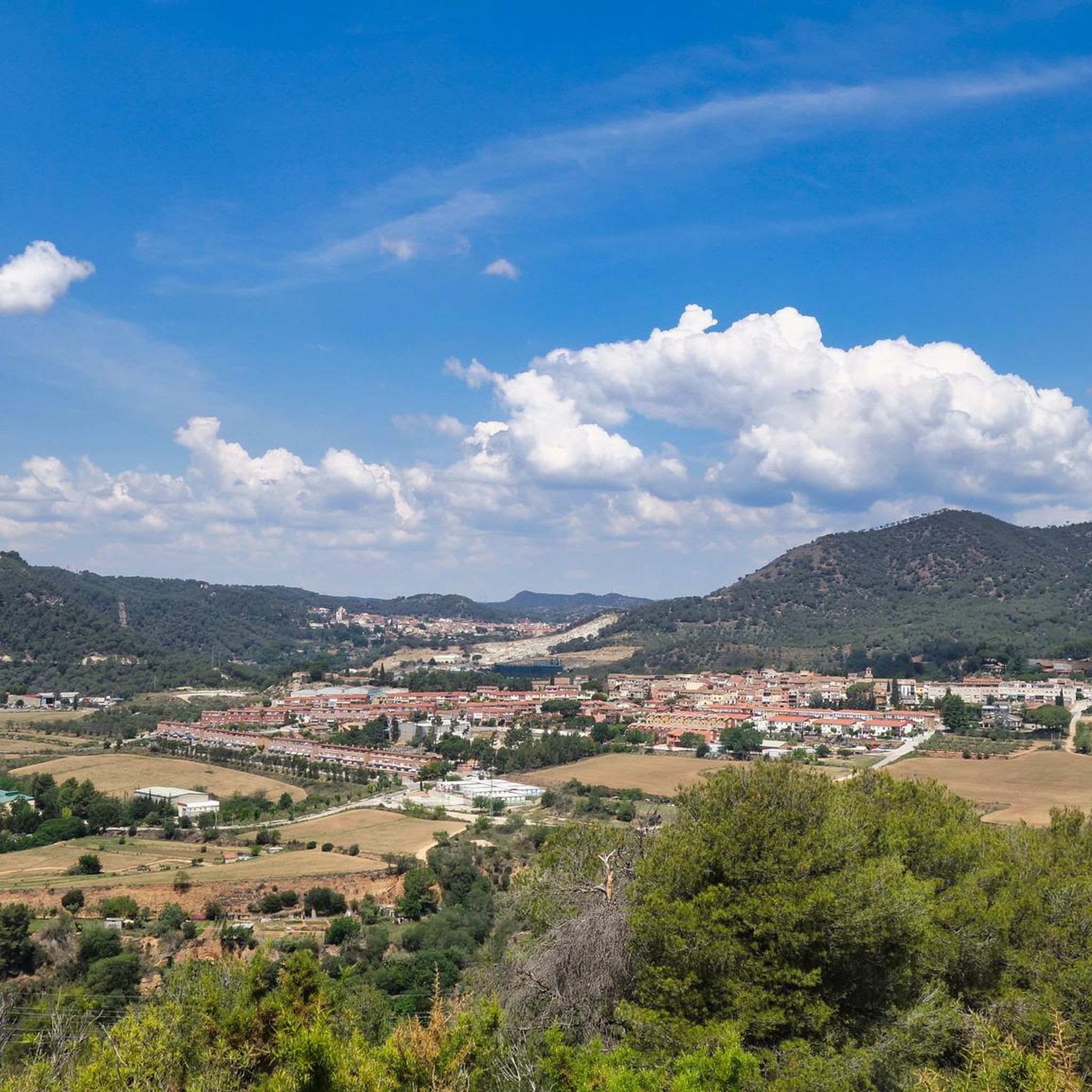
Natural monuments around Vallbona D'Anoia are found in a region defined by the Anoia River valley and its proximity to the Montserrat massif. This area features diverse natural landscapes, including river valleys, elevated peaks, and distinctive geological formations. The terrain rises to peaks like Miramar and Llobreia, offering expansive views over the local area. The region provides opportunities to explore varied ecosystems and geological features.
Best natural monuments around Vallbona D'Anoia
- The most popular natural monuments is La Portella Pass…
Last updated: July 1, 2026
Font Seca Trail
Highlight • Trail
Translated by Google •
Tip by

La Portella Pass
Highlight • Mountain Pass
Translated by Google •
Tip by

Sign up now to discover places like this
Get recommendations on the best single tracks, peaks, & plenty of other exciting outdoor places.
Sign up for free
Font d'en Sala
Highlight • Natural Monument
Translated by Google •
Tip by

Montgròs Peak (1,133 m)
Highlight • Summit
Translated by Google •
Tip by
Les Deus Fountains
Highlight • Natural Monument
Translated by Google •
Tip by
Sign up for free to discover even more natural monuments around Vallbona D'Anoia.
Sign up for free
Already have an account?
Start today with a free account
Your next adventure awaits.
Login or Signup
Tips from the Community

Emblematic source of the Ca n'Aguilera stream valley. It is a corner place that exudes a humid microclimate that allows the growth and development of plant species typical of these places, such as hazel trees and mosses. Three giant specimens of banana stand out. In periods of copious rain, a good pool forms there and a beautiful waterfall of about three meters appears. Quite a few amphibians have been spotted there. Very close to this source, there is also the Teula source.
1
0

Les Deus is a natural site of Sant Quintí de Medionai is a space where there are 23 sources of water in a beautiful area to take a break.
0
0
Narrow and at the same time beautiful passage in the middle of the Roca Gran de la Portella. In this step you have to be alert, but you are entering the mountain of Montserrat.
0
0

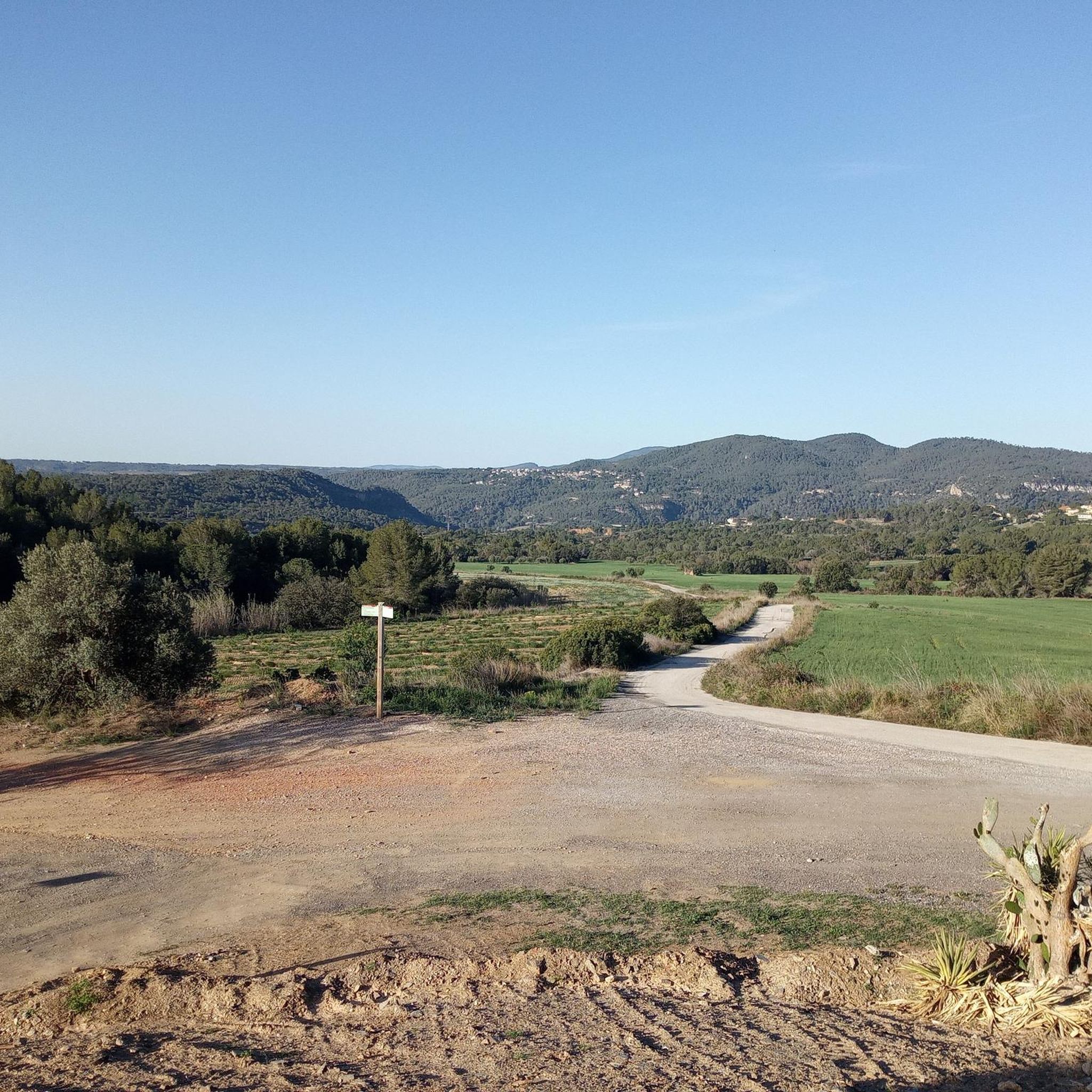
The Camino de San Juan through the Fuente Seca begins on the Camino de las Baterias, just after passing the Fuente Seca, and comes out on the Camino de las Ermitas, below the cave where the hermitages of San Juan and San Onofre used to be. It is a narrow and steep path that goes up the eastern slope of the stream that comes down from the hermitage of Santa Caterina, also known as the Torrente de la Fuente Seca. It has a drop of 585 meters and a length of 4.6 km. It is a very popular route with hikers, climbers and mountain lovers.
1
0
A natural area where you can enjoy lakes, pools, caves and waterfalls. Les Deus are a series of 23 fountains in a row - the water comes from a main source of the Carme Capellades aquifer. In high season, people take advantage of the lakes as a bathing area. On the highest part there is a restaurant and a bar with views and below there is a picnic area. There is also an adventure park where there is via ferrata etc.
1
0

Key step that, on the way up, allows us to enter the Agulles region, guarded by the Gran de la Portella rock on the right and the Petita rock on the left. The stepped channel formed by the erosion allows us to progress without much difficulty, although we will have to use our hands, more for balance than for progression.
1
0
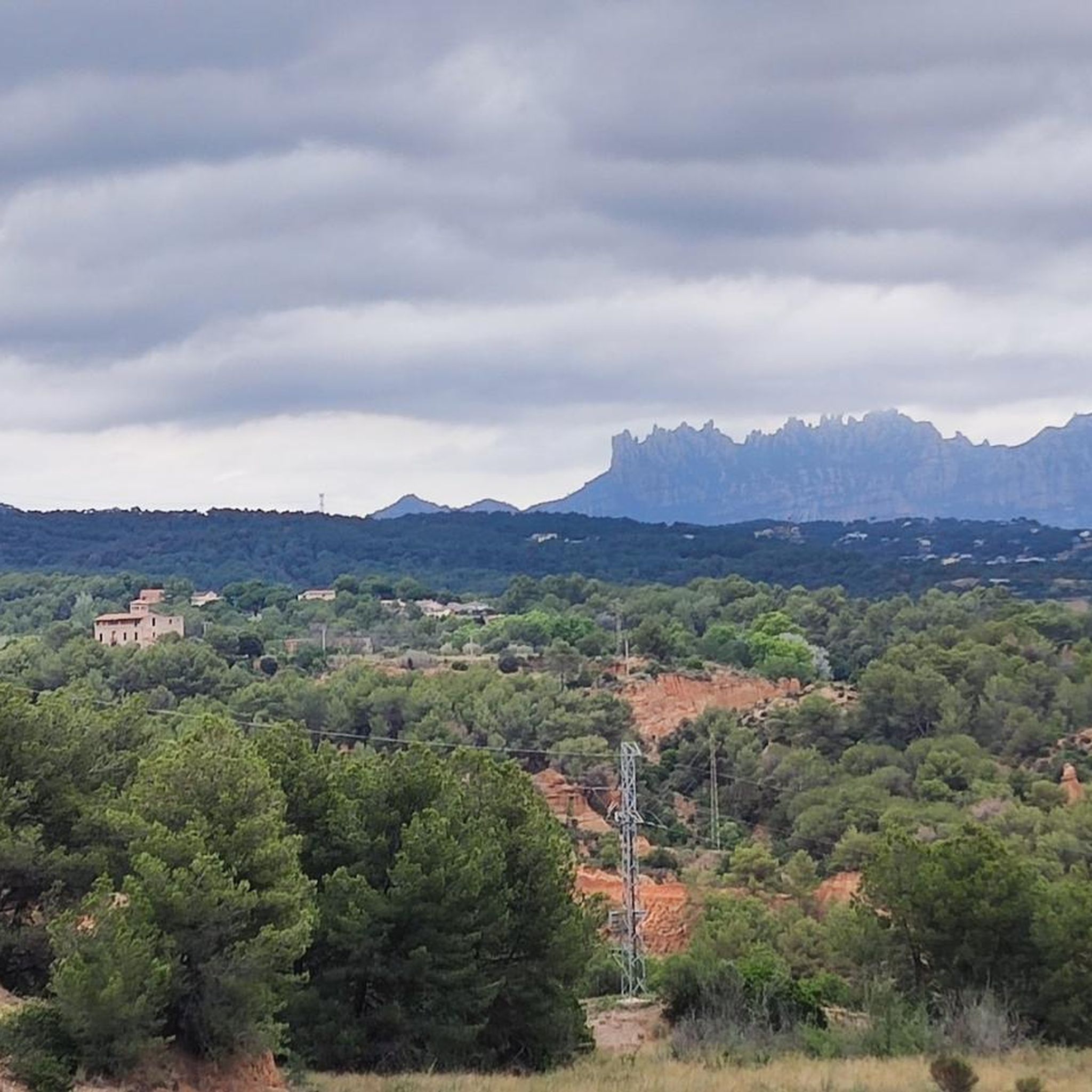
Huge hill, with an appearance similar to a large massif, located in the middle of the mountain of Montserrat. The top of the hill is very flat and large. As David Hita says, this peak invites rest and contemplation. Montgròs, due to its location and height, dominates practically the entire mountain. From the top the panorama is truly majestic. The normal ascent to the summit was made by a group of people in 1880 under the direction of Cèsar August Torras.
0
0

I did a lot of climbing or going downhill, I don't know if it's worse 😅
11
0
Frequently Asked Questions
What types of natural monuments can I explore around Vallbona D'Anoia?
The region around Vallbona D'Anoia is characterized by mountain passes, peaks, and natural springs. You'll find distinctive geological formations, especially near the Montserrat massif, and river valleys. Highlights include challenging trails, serene waterfalls, and elevated points offering expansive views.
Which natural monuments offer the best panoramic views?
For breathtaking panoramic views, consider visiting Montgròs Peak (1,133 m), a large summit in the Montserrat mountain range known for its flat top and majestic panorama. Other passes like La Portella Pass and L'Ajaguda Pass or Bassal dels Gats also offer significant viewpoints along their trails.
Are there any waterfalls or unique water features to explore?
Yes, you can discover Font d'en Sala, an emblematic source in the Ca n'Aguilera stream valley. During periods of heavy rain, it forms a beautiful pool and a waterfall of about three meters, creating a humid microclimate that supports unique plant species and amphibians.
What are some challenging natural monuments for experienced hikers?
Experienced hikers looking for a challenge might enjoy the Font Seca Trail. This narrow and steep path has a significant drop of 585 meters over 4.6 km and is popular with climbers and mountain lovers. The passes like La Portella Pass also require using your hands for balance, indicating a more demanding route.
What kind of geological formations can I expect to see, especially near Montserrat?
Near Vallbona D'Anoia, particularly towards the Montserrat massif, you'll encounter the distinctive 'stone needles' and jagged peaks that Montserrat is famous for. These unique formations are a result of erosion, creating a dramatic landscape often referred to as 'the labyrinth of needles'.
What outdoor activities can I do near these natural monuments?
Beyond exploring the natural monuments themselves, the area offers a variety of outdoor activities. You can find numerous mountain biking trails, running routes, and mountain hikes. For more details, explore the MTB Trails around Vallbona D'Anoia, Running Trails around Vallbona D'Anoia, and Mountain Hikes around Vallbona D'Anoia guides.
Are there specific hiking trails that lead to these natural monuments?
Yes, many natural monuments are accessible via established trails. For instance, the Font Seca Trail leads through a ravine to the hermitage area. Passes like La Portella Pass and L'Ajaguda Pass or Bassal dels Gats are integral parts of longer routes, including the Camí dels Francesos.
What is the best time of year to visit the natural monuments in this region?
The Anoia River valleys and surrounding areas are excellent for birdwatching, especially for species like the Bonelli's eagle. Spring and autumn generally offer pleasant temperatures for hiking and exploring the natural monuments, avoiding the peak heat of summer and potential winter chill.
Where can I find parking when visiting these natural monuments?
While specific parking facilities for each natural monument are not detailed, many routes and access points to the Montserrat massif, such as Coll de Can Maçana, serve as starting points for numerous signposted routes and typically have parking available for hikers.
What makes the Anoia River valleys significant for nature enthusiasts?
The Anoia River valleys are designated as a Space of Natural Interest, primarily due to their importance for birdwatching. They serve as a significant nesting and hunting ground for the Bonelli's eagle, making it an excellent spot for nature enthusiasts with binoculars to observe local wildlife.
What do visitors particularly enjoy about the natural monuments in Vallbona D'Anoia?
Visitors appreciate the diverse natural landscapes, from the dramatic peaks of Montserrat to the serene river valleys. The community particularly enjoys the challenging trails, the rewarding panoramic views from summits like Montgròs Peak, and the unique geological features that invite exploration and contemplation.
Are there family-friendly natural monuments or trails suitable for children?
While specific 'family-friendly' categories are not listed for these highlights, many of the less strenuous sections of trails, particularly those leading to viewpoints or natural springs like Font d'en Sala, could be suitable for families depending on the children's age and experience. The general area offers varied terrain, so easier walks can be found.
Can I bring my dog to the natural monuments around Vallbona D'Anoia?
Generally, natural areas and trails in Catalonia are dog-friendly, especially if dogs are kept on a leash. It's always advisable to check local regulations for specific natural parks or protected areas within the Anoia River valleys or Montserrat massif to ensure compliance.
Most popular routes around Vallbona D'Anoia
Most popular attractions around Vallbona D'Anoia

Get inspired with the komoot mobile app


Explore more
Extend your search for the best caves by checking out these guides of the top ones around Vallbona D'Anoia:
