Top 5 Natural Monuments around Illana
Best natural monuments around Illana are characterized by diverse geological formations and significant ecological value. The region features a landscape shaped by limestone, gypsum, and marl sediments, creating unique plateaus, slopes, and sinkholes. These areas support specialized plant species and offer insights into the local geological history. The natural environment provides opportunities for exploration and appreciation of distinct landforms.
Best natural monuments around Illana
- The most popular natural monuments is Alcarrias of the Tajo: Gypsum, Marl, and Esparto, a…
Last updated: May 20, 2026
Alcarrias of the Tajo: Gypsum, Marl, and Esparto
Highlight • Natural Monument
Translated by Google •
Tip by

Quejigo del Robledal
Highlight • Natural Monument
Translated by Google •
Tip by
Sign up now to discover places like this
Get recommendations on the best single tracks, peaks, & plenty of other exciting outdoor places.
Sign up for free
Cueva de la Sima
Highlight • Cave
Translated by Google •
Tip by
El Hoyo Redondo Sinkhole
Highlight • Natural Monument
Translated by Google •
Tip by

Start today with a free account
Your next adventure awaits.
Login or Signup

Tips from the Community

The Cueva de la Sima is an old quarry of gypsum and building materials that was sometimes used by shepherds as a cattle corral. The place is a circular pit about fifteen metres deep, with a small shelter on one side, and should not be confused with the nearby Cueva de Pedro Fernández or Sima de las Yeseras, a gallery of several kilometres with remains from the Manchego Bronze Age that is closed to the public.
0
0
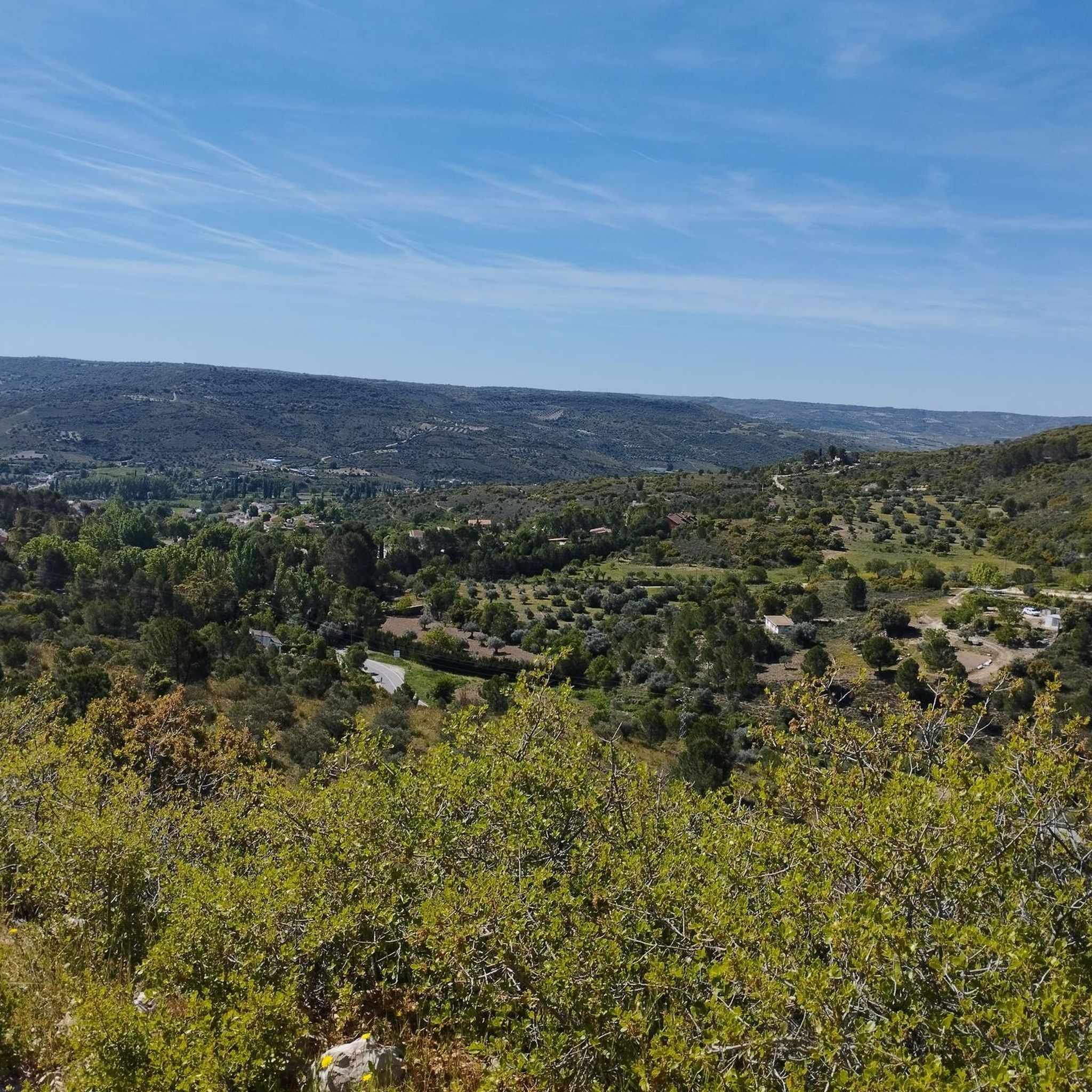
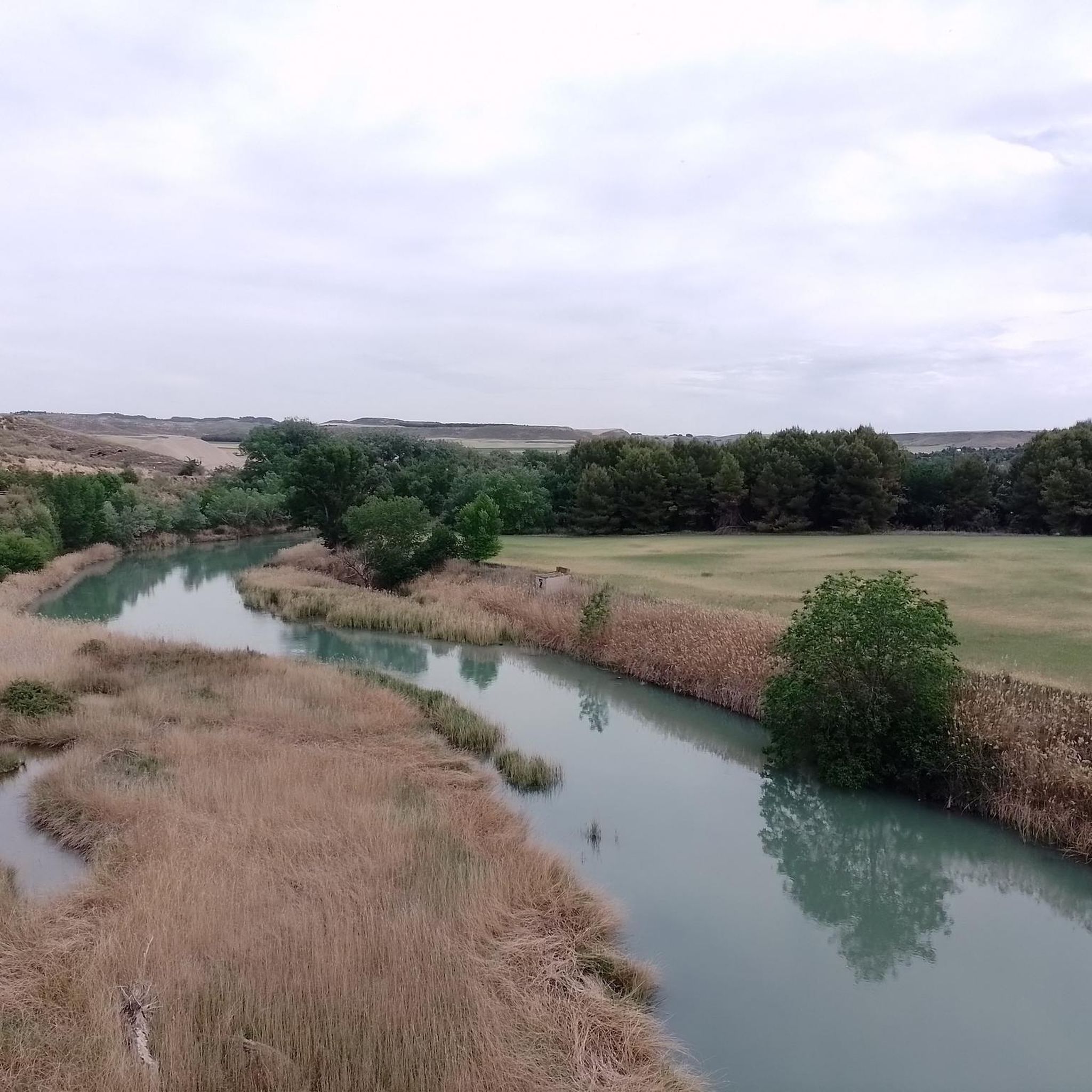
The Tajo River basin in the province of Madrid is a basin of limestone, gypsum, marl and sandstone sediments. The limestone is hard and has resisted erosion over time, forming large plateaus and agricultural wastelands known as alcarrias. On the other hand, the gypsum and marl are much softer materials and environmental precipitation has created a curious landscape of slopes, cliffs and test hills that precipitate dissolved salts to the bottom of the plains, determining the reliefs, textures and highly specialised plant species, with numerous peninsular endemic species.
0
0
The Robledal de Brea is a valuable ecosystem of holm oak forests from La Mancha, with holm oaks, gall oaks and oaks with centuries-old specimens and great environmental quality due to their good state of conservation. At the entrance to the Monte is the Quegijo del Rebledal, tree number 315 in the catalogue of Singular Trees of the Community of Madrid, it is twenty metres high, three metres in circumference and has an estimated age of two hundred years.
0
0

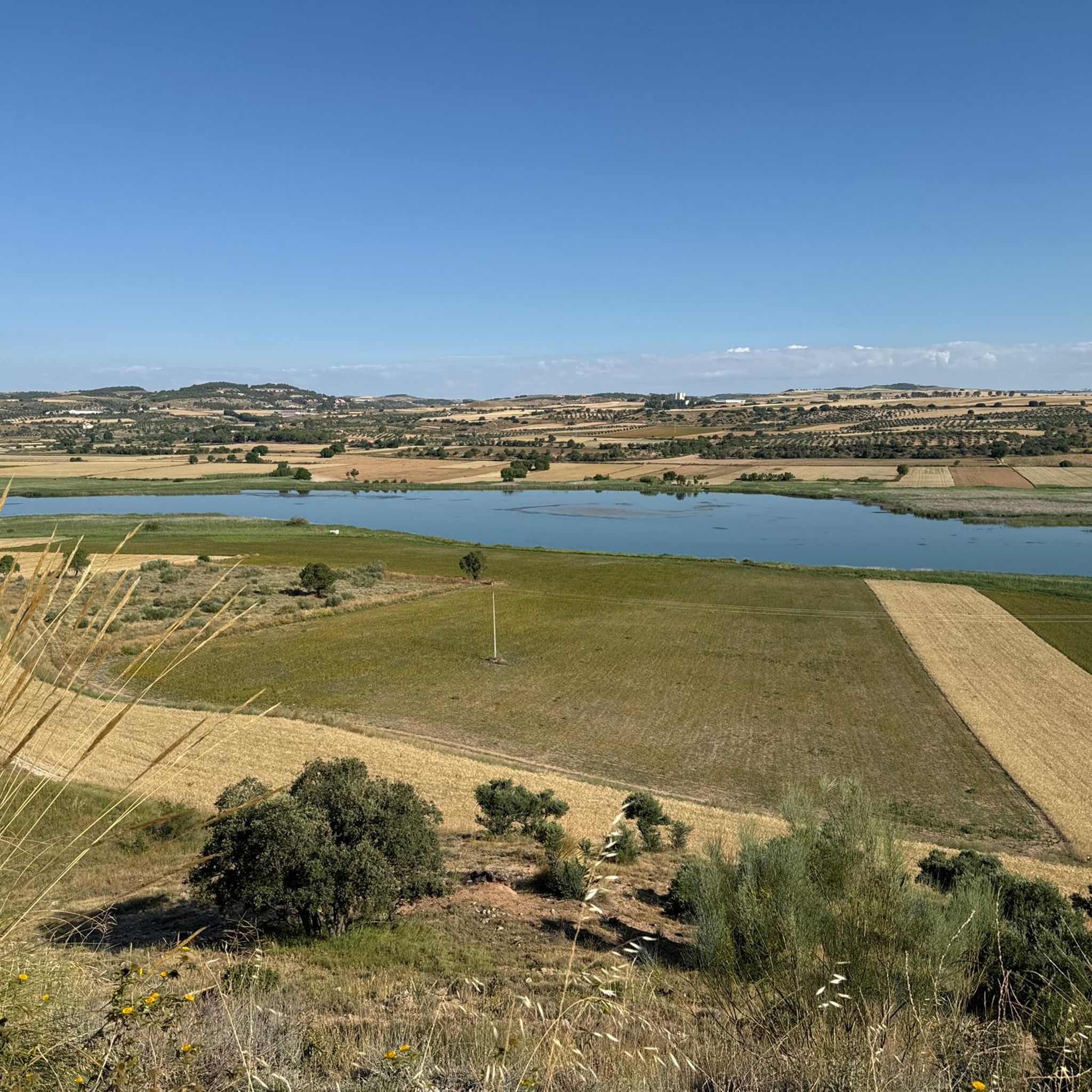
The Torca del Hoyo Redondo is a depression or sudden subsidence of the land, typical of soils of calcareous origin, very common in the province of Cuenca.
1
1
Frequently Asked Questions
What unique geological features can I expect to see around Illana?
The natural monuments around Illana are characterized by diverse geological formations. You can explore landscapes shaped by limestone, gypsum, and marl sediments, creating unique plateaus, slopes, and sinkholes. Notable examples include the Alcarrias of the Tajo, which features slopes, cliffs, and test hills formed by gypsum and marl erosion, and the El Hoyo Redondo Sinkhole, a depression typical of calcareous soils.
Are there any significant trees or forests to visit in the Illana region?
Yes, the Quejigo del Robledal is a valuable ecosystem of holm oak forests. Here, you can see centuries-old holm oaks, gall oaks, and oaks, including the singular Quegijo del Rebledal tree, estimated to be 200 years old.
What kind of plant life is unique to the natural monuments in Illana?
The unique geological conditions, particularly in areas like the Alcarrias of the Tajo, support highly specialized plant species. This includes numerous peninsular endemic species that have adapted to the gypsum and marl landscapes.
Are there family-friendly natural monuments around Illana?
Yes, the Quejigo del Robledal is considered family-friendly. It offers a chance to explore an ancient forest with impressive, centuries-old trees, providing a pleasant outdoor experience for all ages.
What outdoor activities can I do near these natural monuments?
The Illana region offers various outdoor activities. You can find numerous routes for hiking, mountain biking, and road cycling. For example, there are several hiking trails, including the moderate Altomira Trail, and many MTB trails and cycling routes that allow you to explore the diverse landscapes.
Are there hiking trails near the natural monuments around Illana?
Yes, there are several hiking trails available. You can explore routes like the Altomira Trail or the Camino de Altomira (PR-CU 40), both offering moderate difficulty. For more options, check out the hiking guide for Illana.
What kind of historical or cultural significance do these natural monuments hold?
While primarily natural, some sites have historical connections. For instance, the Cueva de la Sima, an old gypsum quarry, was historically used by shepherds as a cattle corral. This offers a glimpse into past rural practices in the region.
What do visitors enjoy most about the natural monuments in Illana?
Visitors appreciate the unique geological formations and the sense of discovery. The landscapes of slopes, cliffs, and test hills, along with ancient forests and significant trees like the Quegijo del Rebledal, provide opportunities for exploration and appreciation of distinct landforms and specialized plant life.
Can I explore caves or underground formations in the Illana area?
Yes, you can visit the Cueva de la Sima. This site is an old gypsum quarry featuring a circular pit approximately 15 meters deep. It's a unique example of how human activity has interacted with the natural geological features of the region.
Are there any viewpoints to get panoramic views of the Illana landscape?
Yes, several natural monuments offer excellent viewpoints. The Alcarrias of the Tajo and Quejigo del Robledal are both categorized as viewpoints, allowing visitors to take in the unique geological formations and ancient forests from elevated positions.
What is the best way to experience the geological diversity of Illana?
To best experience the geological diversity, consider visiting a combination of sites. Explore the gypsum and marl landscapes of the Alcarrias of the Tajo, witness the unique depression of the El Hoyo Redondo Sinkhole, and delve into the human-modified natural feature of the Cueva de la Sima. This will provide a comprehensive understanding of the region's distinct landforms.
Most popular attractions around Illana

Get inspired with the komoot mobile app


Explore more
Extend your search for the best caves by checking out these guides of the top ones around Illana:
