Top 17 Natural Monuments around Santa Maria De Besora
Best natural monuments around Santa Maria De Besora offer diverse natural features within a mountainous landscape in Catalonia, Spain. The region is characterized by unique geological formations and serene natural beauty, providing various opportunities for outdoor exploration. Visitors can discover a range of natural monuments, from high summits with panoramic views to captivating geological sites. The area features more than 4 natural monuments, making it a destination for those seeking natural landmarks near Santa Maria De Besora.
Best natural monuments…
Last updated: July 1, 2026
Puigsacalm
Highlight • Summit
Translated by Google •
Tip by

Els Bufadors de Beví
Highlight • Natural Monument
Translated by Google •
Tip by
Sign up now to discover places like this
Get recommendations on the best single tracks, peaks, & plenty of other exciting outdoor places.
Sign up for free
Wolf Peak
Highlight • Summit
Translated by Google •
Tip by

The Lady's Oak
Highlight • Natural Monument
Translated by Google •
Tip by

Vidrà Mill Waterfall
Highlight • Waterfall
Translated by Google •
Tip by

Sign up for free to discover even more natural monuments around Santa Maria De Besora.
Sign up for free
Already have an account?
Start today with a free account
Your next adventure awaits.
Login or Signup
Popular around Santa Maria De Besora
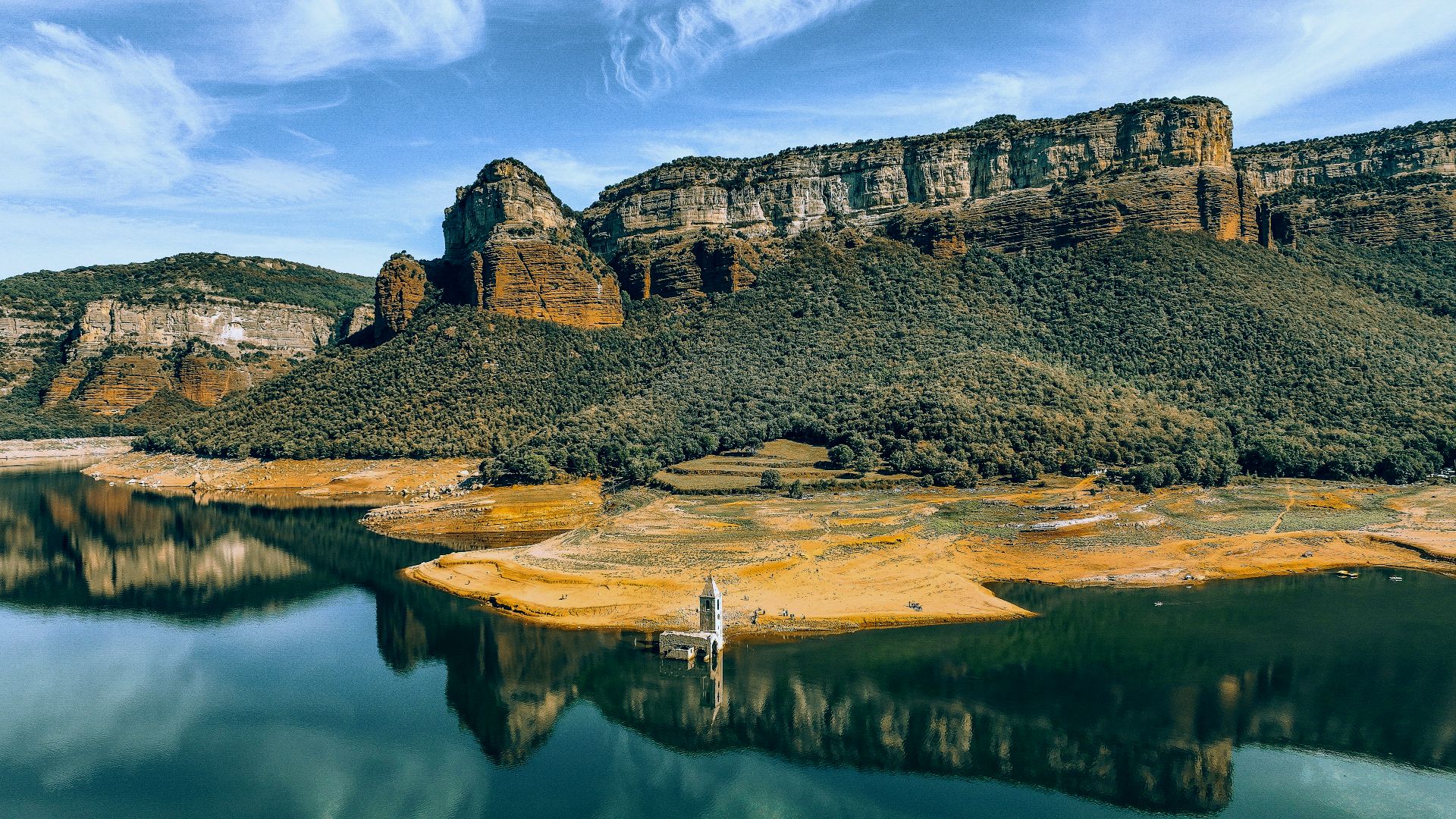
In the footsteps of the Catalan Romanesque – El Camino Oliba
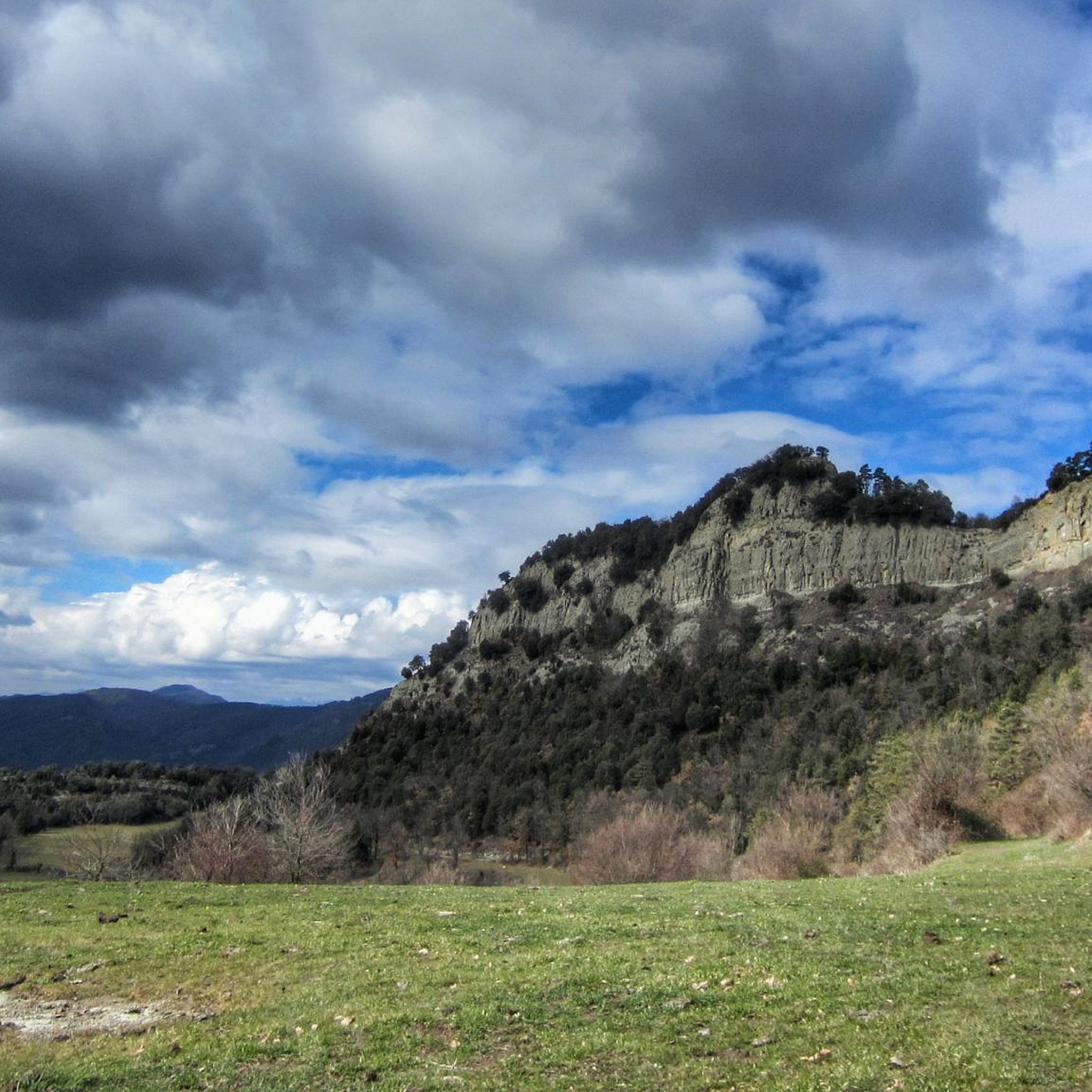
Running Trails around Santa Maria De Besora
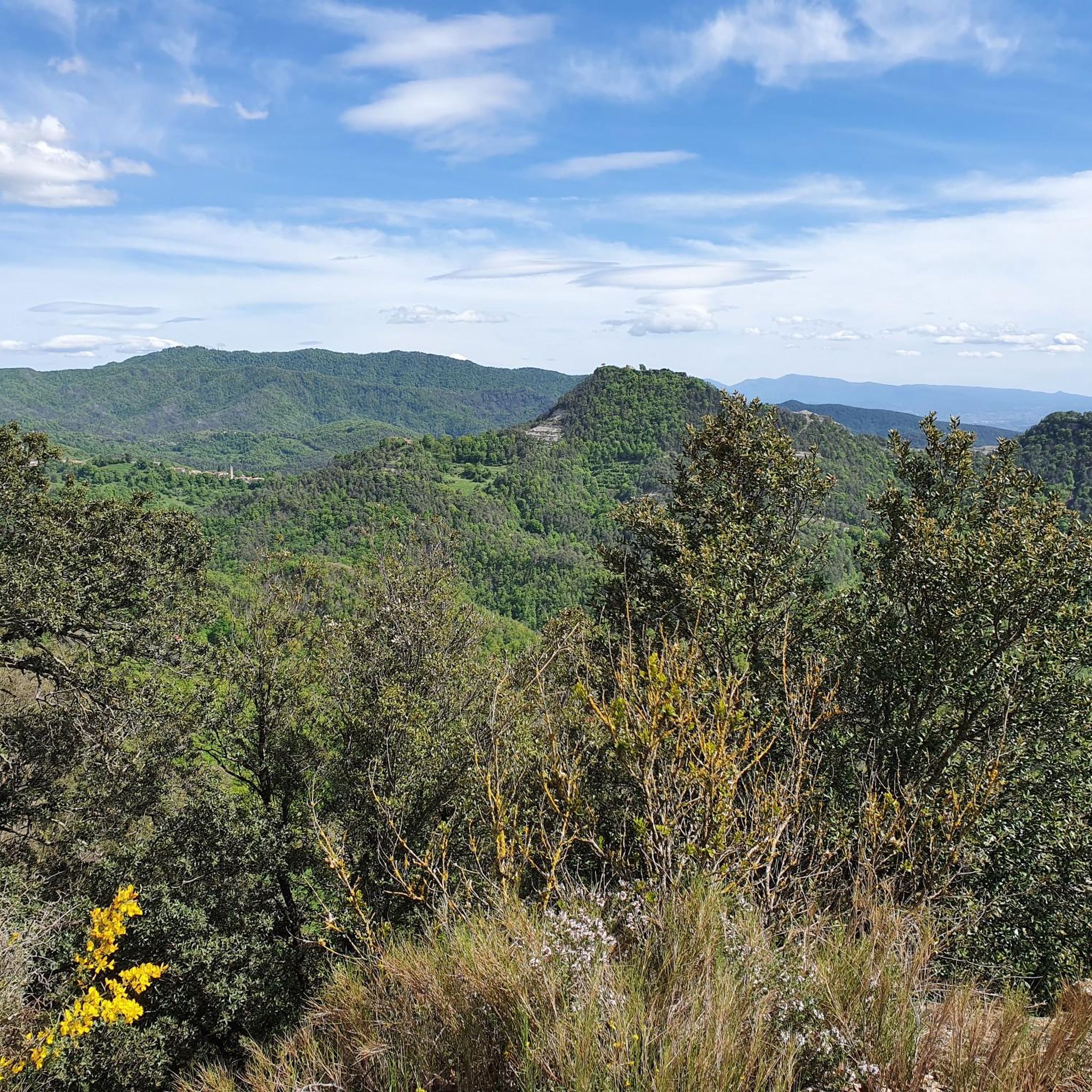
Hiking around Santa Maria De Besora
MTB Trails around Santa Maria De Besora
Road Cycling Routes around Santa Maria De Besora
Cycling around Santa Maria De Besora

Gravel biking around Santa Maria De Besora
Other adventures around Santa Maria De Besora

Tips from the Community

Neighboring mountain of Puigsacalm with a very characteristic shape that makes it attractive to climb. The views from the top, like those of Puigscalam, are a perfect viewpoint of the Garrotxa Volcanic Zone Natural Park.
0
0
Emblematic peak of 1514m located in the municipality of Vall d'en Bas. As the highest point of the Serralada Transversal, it is a perfect vantage point of the Garrotxa Volcanic Zone Natural Park. It is included in the list of the 100 summits of the FEEC.
0
0

The blowers are holes or slits through which a current of air comes out. It is worth the walk through the wonderful place where the holes are located, since its location in the lower part of the Sierra dels Bufadors creates a special microclimate, with large boulders covered in moss and a very particular flora. It is not a very large area, elongated and more or less narrow. We have to look at the holes in the floor. If we approach it we will notice that the air coming out is cold. Sometimes you can hear it whistling inside, hence the name blowers. As we progress we will find more holes. Some of them have been reviewed by speleological experts. Here the ground is unstable and it is not advisable to enter the blowers. It is a place of great beauty that has a magical air.
3
0
It is located at the base of a rocky slope. The environment is very tidy and under the canopy there are well-arranged benches. Some of the branches are supported by tutors. In front of the tree, a field of dryland cereals opens up. In the background is the imposing fortified manor house of Vilar. There is a certain diversity of meadow grasses, wild garlic, fennel, vidalba, ivy, gavarra, bramble, sajolida, broomstick, juniper, robinia and large-leaved ash. Beyond the fauna of this type of habitat (such as larks, crickets and quails), you can see the bald eagle in summer and, very close by, an exceptional population of black woodpeckers. . Tradition has it that Madame Lotgarda de Perdals, from whom she took her name, had a great deal of love for the oak and spent long hours in its shade reading or crocheting. It is a tree listed as a monument since August 30, 1988 due to its size and age (it is believed to be over 500 years old). Descriptive data: - Perimeter of the trunk at 1.30 m: 4.13 m. - Perimeter of the base of the trunk: 7.66 m. - Height: 21.56 m. - Width of the crown: 33.21 m. - Altitude above sea level: 855 m.
0
1

Spectacular views, from where you can see the peaks of the Pyrenees and the province of Barcelona
2
1

The Oak of the Lady or Oak of Vilar (Quercus pubescens) is a tree found in Sant Boi de Lluçanès (the Lluçanès, although administratively attached to Osona) and one of the oaks with the largest crown in all of Catalonia. https://ca.wikipedia.org/wiki/Roure_de_la_Senyora
1
0
The Puigsacalm is a mountain of 1,515 meters that is located in the municipality of Vall d'en Bas in la Garrotxa. It is the highest point of the Serralada Transversal, an emblematic mountain in the hiking world, with excellent views of the peaks and mountains of the Principality. This peak is included in the list of the 100 peaks of the F.E.E.C. and also to that of the 100 most emblematic peaks of Catalonia. If the most used route to climb it is from the Collada de Bracons, we can design a handful of itineraries which one is better.
2
1
The Puig dels Llops is one of the highlights of the Puigsacalm massif. With an altitude of 1,486 meters, it offers a magnificent view of the Garrotxa region, the Pyrenees and the Puigsacalm peak. Its northern ridge is a comfortable and steady climb that presents no difficulty and is within reach of any hiker. However, due to its S and E slopes, it offers a test field for climbers despite the poor quality of the rock.
0
1
Frequently Asked Questions
When is the best time to visit the natural monuments around Santa Maria De Besora?
The natural monuments around Santa Maria De Besora, such as Els Bufadors de Beví, offer unique experiences throughout the year. Els Bufadors de Beví is particularly spectacular in autumn, with its moss-covered rocks and unique microclimate. Waterfalls like El Salt del Mir are most impressive after periods of rain, typically in spring or late autumn, when the water flow is abundant. Generally, spring and autumn provide pleasant temperatures for hiking and exploring.
Are there family-friendly natural monuments or activities in the area?
Yes, several natural monuments are suitable for families. The hike to El Salt del Mir, for example, is relatively easy and short, making it ideal for families. Another great option is The Lady's Oak, a monumental tree with a tidy environment and benches, perfect for a relaxed visit. The area around Els Bufadors de Beví also offers routes suitable for families, with options for shorter, less strenuous walks.
What unique geological features can I explore among Santa Maria De Besora's natural monuments?
Santa Maria De Besora is rich in unique geological formations. Els Bufadors de Beví is a prime example, featuring large, moss-covered rock blocks and crevices where wind creates whistling sounds. This site also boasts a unique microclimate due to its constant internal temperature. At El Salt del Mir, you can observe accumulations of limestone and 'cassoletes,' which are pot-shaped cavities carved into the streambed by the water's current.
What kind of outdoor activities can I do near these natural monuments?
The region offers a variety of outdoor activities. You can find numerous hiking routes, such as circular trails around Els Bufadors de Beví or routes leading to El Salt del Mir. For more options, explore the Hiking around Santa Maria De Besora guide. There are also running trails and MTB trails available, catering to different levels of difficulty.
Are there specific hiking routes to reach the natural monuments?
Yes, there are several well-known hiking routes. For instance, you can find routes like 'Els Bufadors de Beví - circular from Santa Maria de Besora' or 'Santa María de Besora – Mir Waterfall loop from Santa Maria de Besora'. These routes vary in length and difficulty, offering different ways to experience the natural beauty of the area. You can find more details on these and other trails in the Hiking around Santa Maria De Besora guide.
What are some lesser-known natural monuments worth visiting in the area?
Beyond the most popular sites, consider visiting Vidrà Mill Waterfall, a beautiful cascade that can be reached after a short hike from Vidrà. It's part of a circular and signposted route along the Ges river. Another notable site is The Lady's Oak, a monumental tree over 500 years old, known for its impressive size and historical significance.
What are the views like from the summits in Santa Maria De Besora?
The summits in the Santa Maria De Besora area offer magnificent panoramic views. From Puigsacalm, the highest point of the Serralada Transversal, you can enjoy excellent 360º views of the peaks and mountains of the Principality, ideal for sunrises and sunsets. Wolf Peak also provides a superb viewpoint of the Garrotxa region, the Pyrenees, and the Puigsacalm peak itself.
Are there any natural monuments with historical significance?
Yes, some natural sites blend natural beauty with historical elements. For example, the area surrounding El Salt del Mir features the ruins of old flour mills, integrating human history with the natural landscape. Additionally, The Lady's Oak is a listed monument due to its age and size, with local traditions linking it to Madame Lotgarda de Perdals, who reportedly spent many hours in its shade.
What do visitors enjoy most about the natural monuments around Santa Maria De Besora?
Visitors frequently praise the unique natural phenomena and the serene beauty of the area. The magical atmosphere of Els Bufadors de Beví, with its whistling winds and distinct microclimate, is often highlighted. The impressive height and geological formations of El Salt del Mir, especially after rain, are also a favorite. Many appreciate the opportunity for refreshing escapes into nature and the stunning panoramic views from summits like Puigsacalm.
Is there any information about the Salt del Mir waterfall?
El Salt del Mir is a stunning waterfall, approximately 35 to 40 meters high, also known as 'El Tombo.' It is particularly impressive after rainfall. Beneath the cascade, you can observe unique limestone accumulations and 'cassoletes,' which are pot-shaped cavities carved by the water. The surrounding area features typical riverine vegetation and historical ruins of old flour mills. For more details, you can refer to its Wikipedia page.
What is the difficulty level of trails leading to these natural monuments?
The difficulty levels vary, ranging from easy to challenging. Many routes, such as those to El Salt del Mir, are considered relatively easy and short, suitable for most visitors. However, summits like Puigsacalm and Wolf Peak offer intermediate to challenging climbs, providing rewarding experiences for experienced hikers. Always check specific route details in the Hiking around Santa Maria De Besora guide for accurate difficulty ratings.
Most popular routes around Santa Maria De Besora
Most popular attractions around Santa Maria De Besora

Get inspired with the komoot mobile app


Explore more
Extend your search for the best caves by checking out these guides of the top ones around Santa Maria De Besora:
