Top 20 Natural Monuments around Barberà Del Vallès
Best natural monuments around Barberà Del Vallès offer diverse natural spaces for outdoor activities and connection with nature. The region features municipal parks, riverside areas, and significant green lungs within and near the urban fabric. These areas provide opportunities to appreciate local biodiversity and explore historical sites. The landscape includes notable natural features, making it suitable for various outdoor pursuits.
Best natural monuments around Barberà Del Vallès
- The most popular natural monuments is Pi d'en Xandri, a natural monument…
Last updated: May 20, 2026
Pi d'en Xandri
Highlight • Natural Monument
Translated by Google •
Tip by

Lion Fountain
Highlight • Natural Monument
Translated by Google •
Tip by

Sign up now to discover places like this
Get recommendations on the best single tracks, peaks, & plenty of other exciting outdoor places.
Sign up for free
Gallecs Rural Area
Highlight (Segment) • Natural
Translated by Google •
Tip by
Camp del Miracle Fountain
Highlight • Natural Monument
Translated by Google •
Tip by
Turó de Montcada
Highlight • Summit
Translated by Google •
Tip by
Sign up for free to discover even more natural monuments around Barberà Del Vallès.
Sign up for free
Already have an account?
Start today with a free account
Your next adventure awaits.
Login or Signup
Tips from the Community

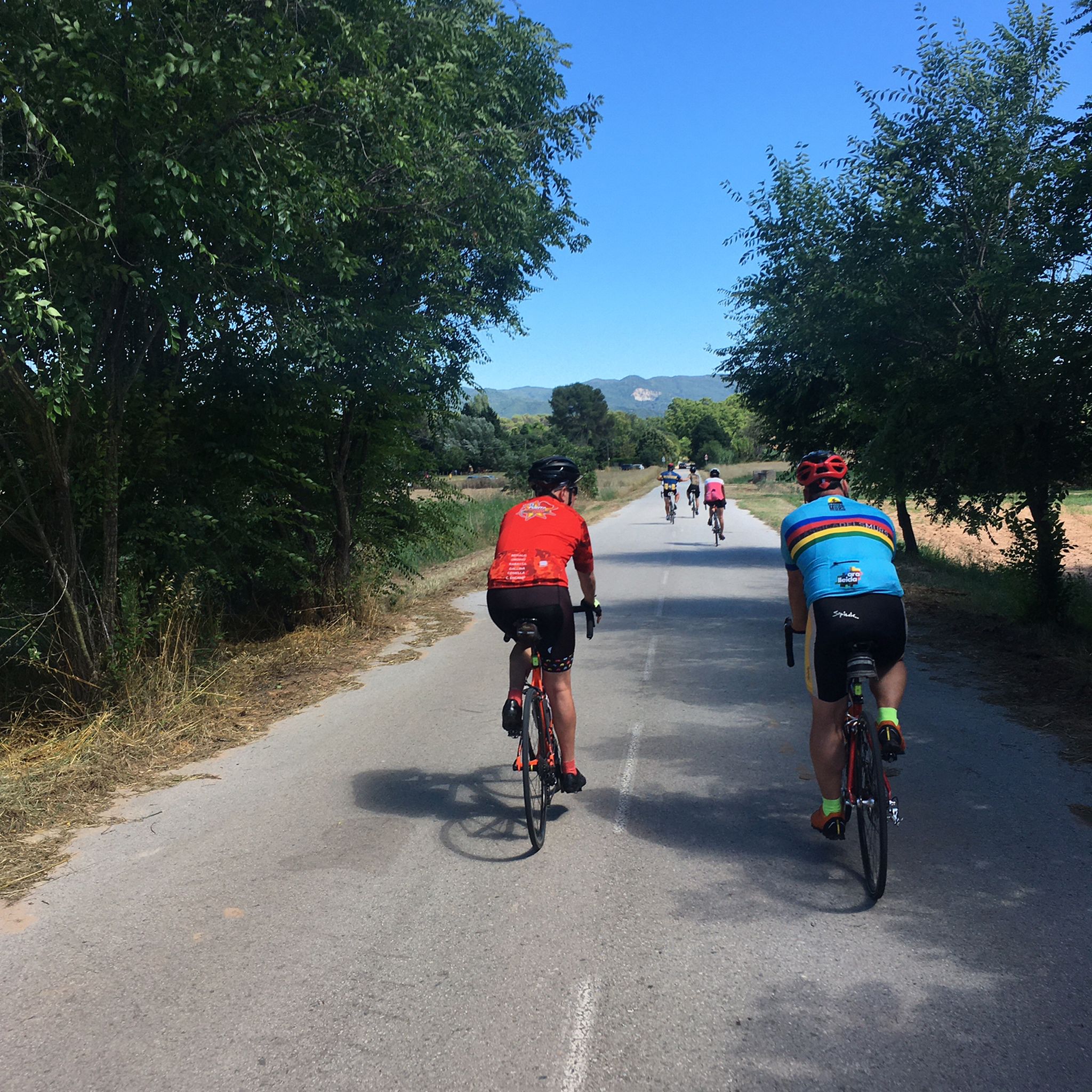
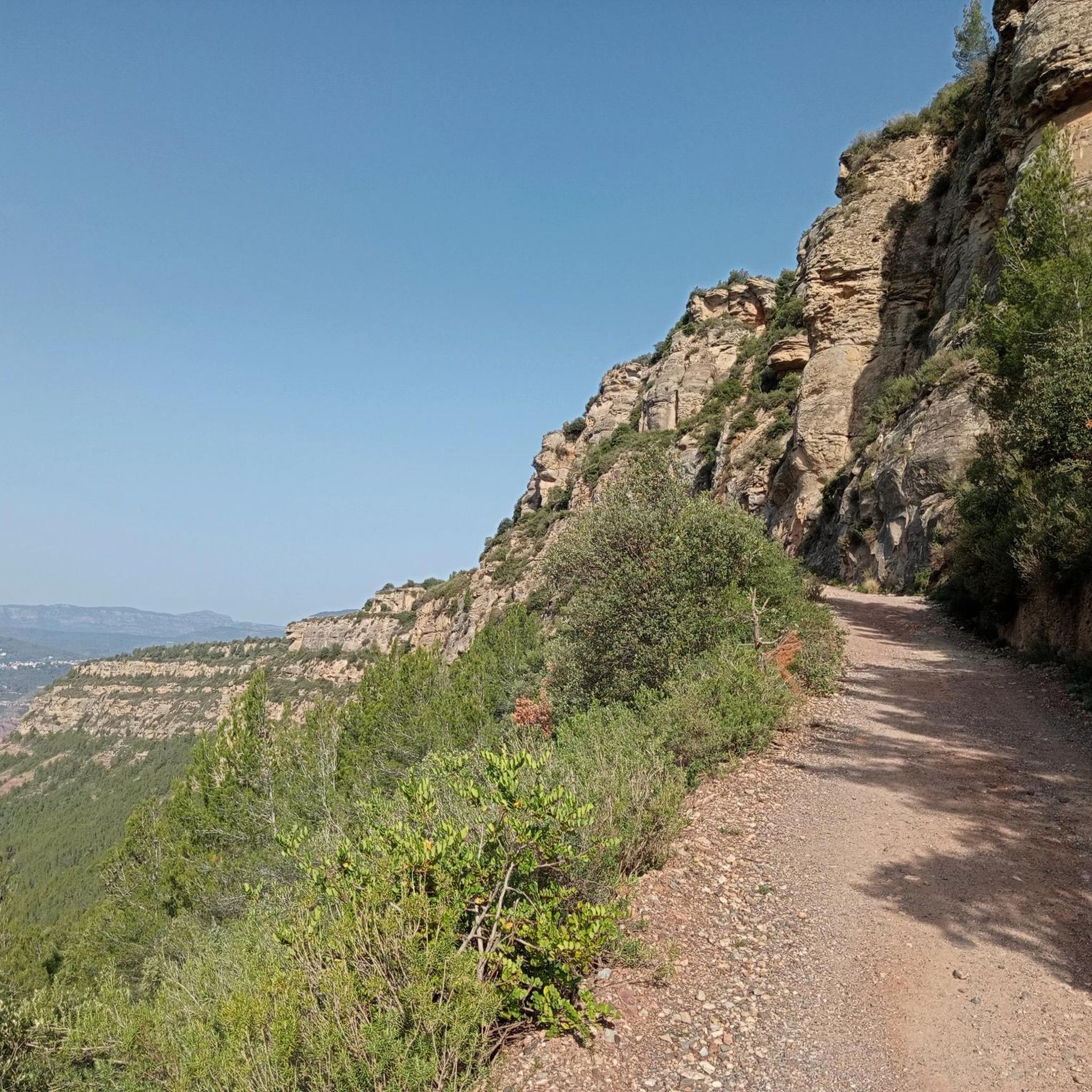
Real nice, shame it's only about 2 km but also a shame there aren't more such roads in the area. Go when there's no racing or practice sessions at the nearby Montmeló circuit!
0
0

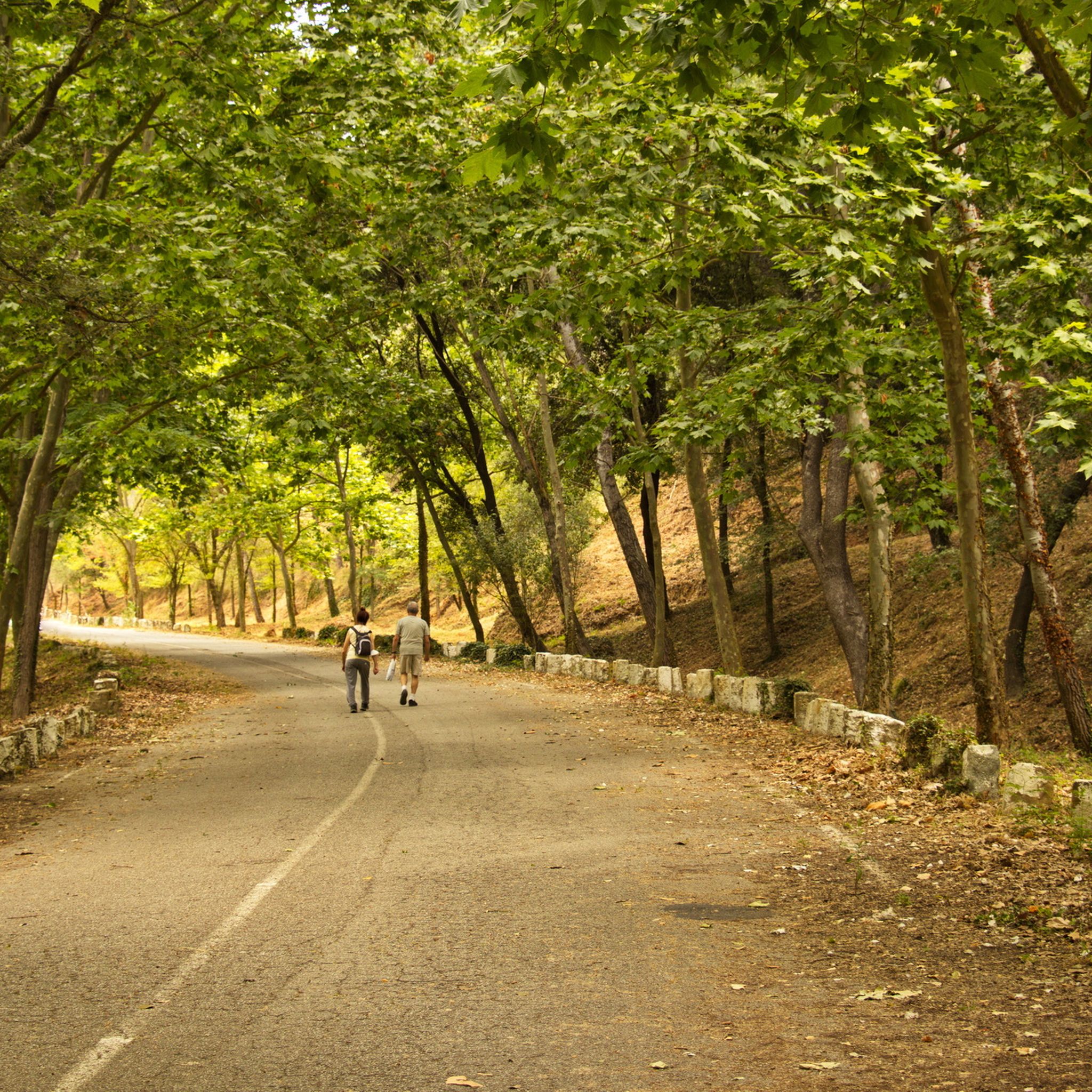
For cultural reasons, the monastery of St. Geroni della Murtra was very important.
0
0

This water point is located in front of the entrance to the monastery.
2
0

The Font del Lleó that was fixed a few years ago, as well as its pond located opposite. It is located on the site of the old Mas Murtra, in the Poià valley, where, according to Josep Maria Cuyàs, there had been the chapel dedicated to Sant Martí since the 12th century, the monastery of Sant Jeroni was founded in 1416 by the Jerome monks with the help of the merchant Bertran Nicolau, who bought the farm and, in addition, obtained from Benedict XIII the license to move the community from its place of origin, Mont Olivet, to Sant Pere de Ribes (Carafe); the reasons for the move were, possibly, the poor conditions of the place: infertile soil and lack of water. In 1821 the monastery was used as a hospital during the yellow fever epidemic, the contagion of which ended in July of the following year;
3
0
Take the opportunity to fill your canteen and visit the old monastery
7
0

The Xandri pine is a monumental pinyoner pine (Pinus pinea in Latin) located in the territory of the rural park of Torre Negra in Sant Cugat del Vallès, about 250 years old (according to a dendrological analysis it germinated in 1774). The tree has a height of 23 meters, a trunk circumference of 3.20 meters and a trunk thickness of 3.60 meters. Its head has a width of 21 by 15 meters. It is called Xandri because it is located on land that was once owned by a farmer named Xandri
3
0
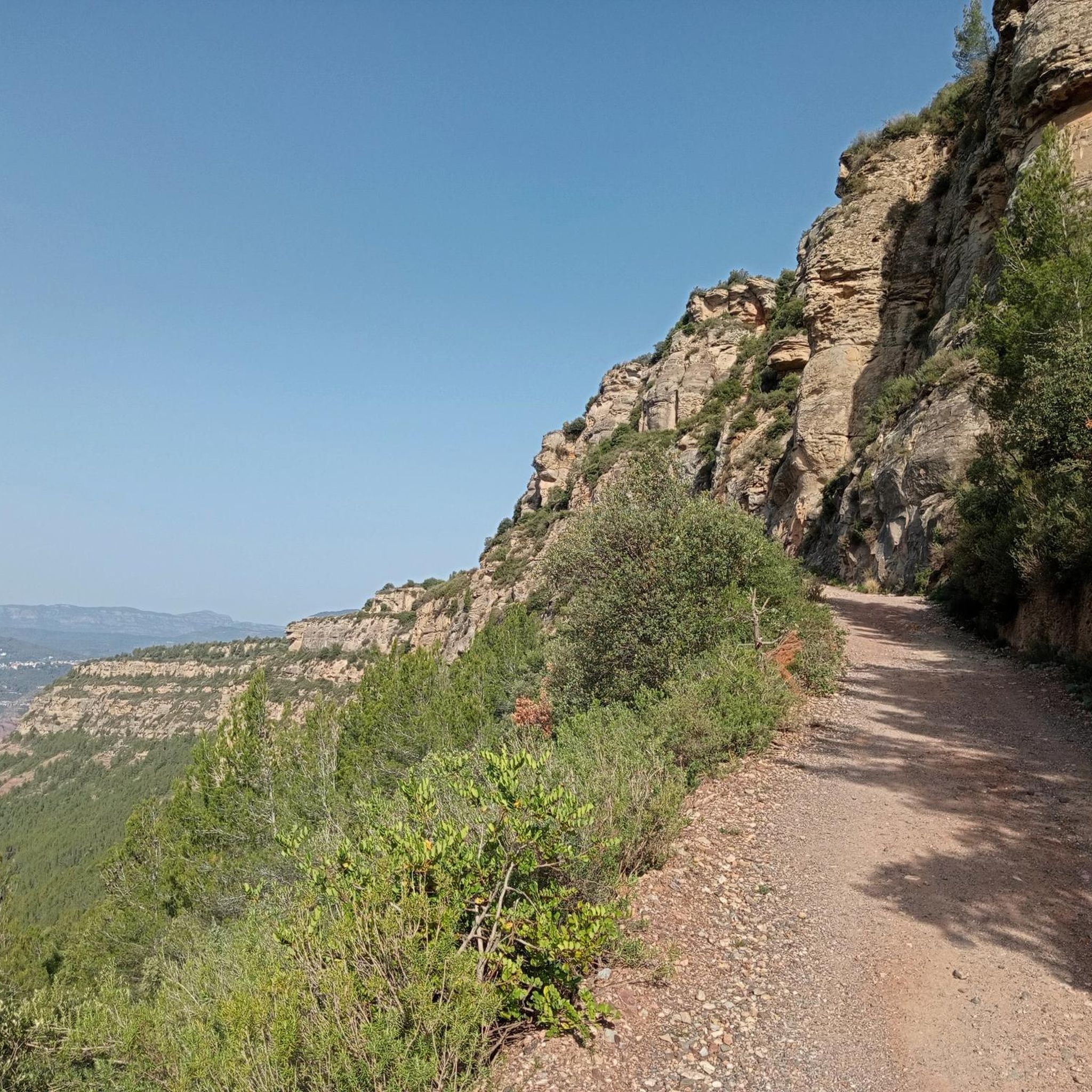
Short climb but very intense the last two hundred meters, somewhat hard, good views from the top.
1
0

Perfect to go out on a bike and take some photos
4
0
Frequently Asked Questions
What are some of the most popular natural monuments and areas to visit around Barberà Del Vallès?
Visitors frequently enjoy the Pi d'en Xandri, an ancient stone pine and a significant ecological, cultural, and historical symbol located in the Torre Negra rural park. Another highly appreciated spot is the Turó de Montcada, a summit offering spectacular 360-degree panoramic views of the Vallès and Barcelonès plains, as well as the Besòs, Marina, and Collserola mountain ranges.
Are there family-friendly natural monuments or green spaces in Barberà Del Vallès?
Yes, several natural areas are suitable for families. The Gallecs Rural Area is a great option, preserving natural and landscape values while offering leisure opportunities and promoting local biodiversity. Additionally, the Parque de Can Llobateres, with its riverside vegetation and historical significance, and the Bosque de Can Gorgs, an urban ecological lung, are excellent choices for family outings.
What kind of historical or cultural natural monuments can I explore?
Beyond their natural beauty, some sites hold historical significance. The Pi d'en Xandri is not only an ancient tree but also a cultural and historical symbol. The Parque de Can Llobateres is known for important paleontological remains, Iron Age burials, and an Iberian village. You can also visit the Lion Fountain, a historical site located near a monastery.
What outdoor activities can I do near the natural monuments in Barberà Del Vallès?
The region offers diverse outdoor activities. For hiking, you can find various trails, including moderate routes like the 'Picnic Area – Castell de Barberà del Vallès loop'. If you enjoy cycling, the Parque Fluvial del Río Ripoll has designated paths for pedestrians and cyclists. Mountain biking enthusiasts can explore routes such as the 'Font de la Mina – Barberà Bridge loop'. You can find more details on these activities in the hiking guide, MTB trails guide, and gravel biking guide for Barberà Del Vallès.
Are there any natural monuments with good viewpoints?
Absolutely. The Turó de Montcada is a prominent summit offering a spectacular 360-degree panoramic view, allowing you to see the Vallès and Barcelonès plains, the Besòs river, and the Marina and Collserola mountain ranges. It's a rewarding spot for those seeking expansive vistas.
Are there any natural springs or water features to visit?
Yes, the Parque de Can Llobateres features a very old and renowned mine-fed spring. Additionally, you can find the Lion Fountain near a monastery and the Camp del Miracle Fountain, which is located near the Ermita de Sant Medir and offers drinking water, making it a pleasant stop during a hike.
What is the best time of year to visit the natural monuments around Barberà Del Vallès?
The natural monuments and green spaces in Barberà Del Vallès can be enjoyed year-round. Spring and autumn offer pleasant temperatures for hiking and cycling, with blooming flora or vibrant fall colors. Summer is ideal for enjoying the shade of areas like Bosque de Can Gorgs or the riverside paths of Parque Fluvial del Río Ripoll. Even winter provides opportunities for crisp, clear walks, especially to viewpoints like Turó de Montcada.
Are there easy or beginner-friendly trails near these natural monuments?
Yes, there are options for beginners. For instance, the 'Castell de Barberà loop' is an easy hiking route around Barberà del Vallès. The Parque Fluvial del Río Ripoll also offers accessible paths suitable for leisurely walks or bike rides. Many of the urban green spaces like Bosque de Can Gorgs provide easy access for a gentle stroll.
Can I find natural areas that are good for cycling?
Definitely. The Parque Fluvial del Río Ripoll is actively being enhanced and features designated paths along one of its banks, perfect for cyclists. The Gallecs Rural Area also includes cycle ways, offering a pleasant experience through its natural and agricultural landscapes.
What kind of natural features define the landscape of Barberà Del Vallès?
The landscape around Barberà Del Vallès is characterized by a mix of municipal parks, riverside areas, and significant green lungs. You'll find typical riverside vegetation along torrents, expansive forests like Bosque de Can Gorgs, and agricultural plains in areas like Gallecs. Prominent features also include summits like Turó de Montcada, offering elevated perspectives of the surrounding valleys and mountain ranges.
Are there any hidden natural gems in the area?
While not strictly 'hidden,' the Parque de Can Llobateres offers a unique blend of natural beauty and historical intrigue, with its ancient spring and archaeological significance, making it a less commonly known but rewarding visit. The Camino Vallès Natural also provides an opportunity to discover rich architectural heritage intertwined with green spaces like the Santiga forest, offering a blend of culture and nature off the main tourist paths.
Most popular routes around Barberà Del Vallès
Most popular attractions around Barberà Del Vallès

Get inspired with the komoot mobile app


Explore more
Extend your search for the best caves by checking out these guides of the top ones around Barberà Del Vallès:
