Top 12 Natural Monuments around Belmonte De Tajo
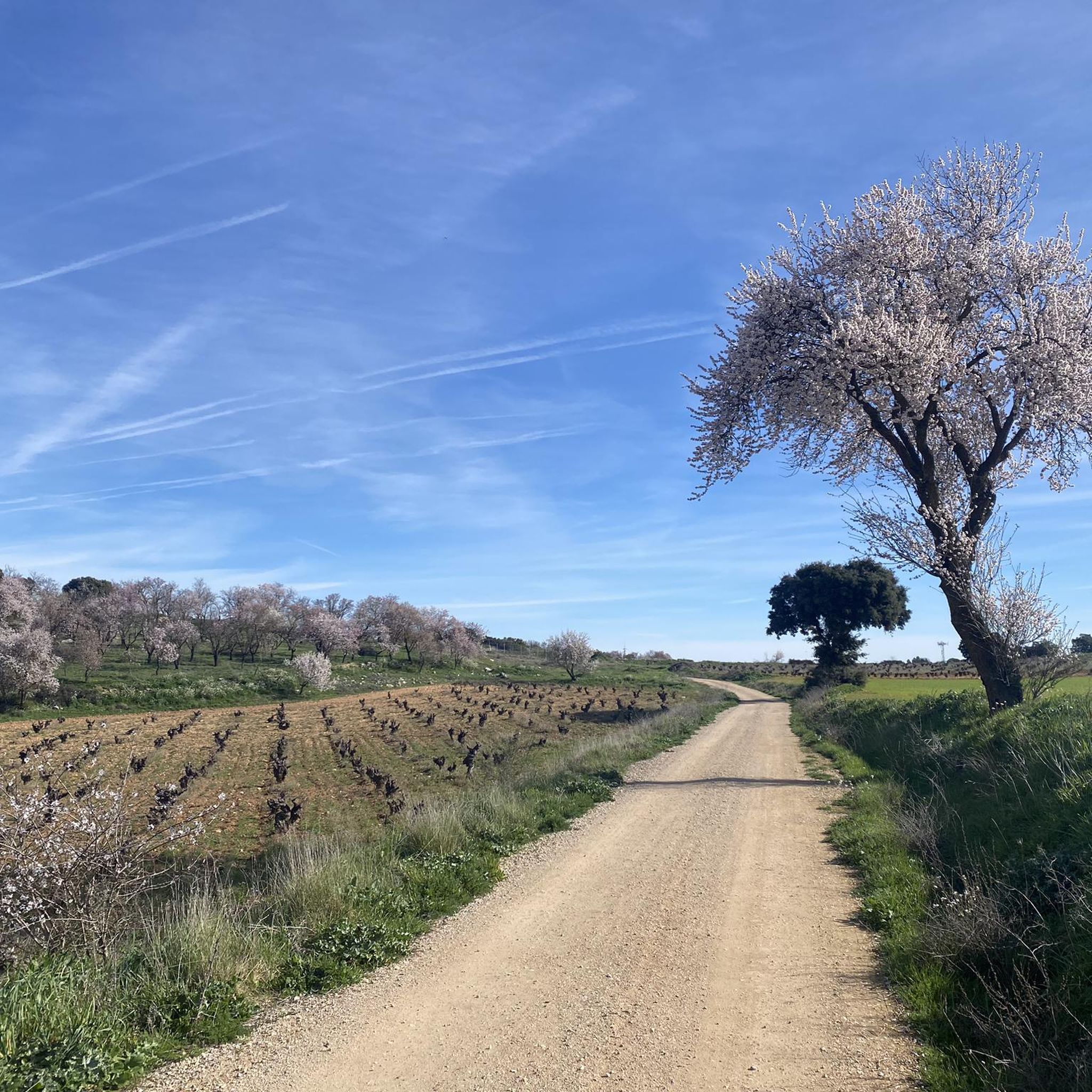
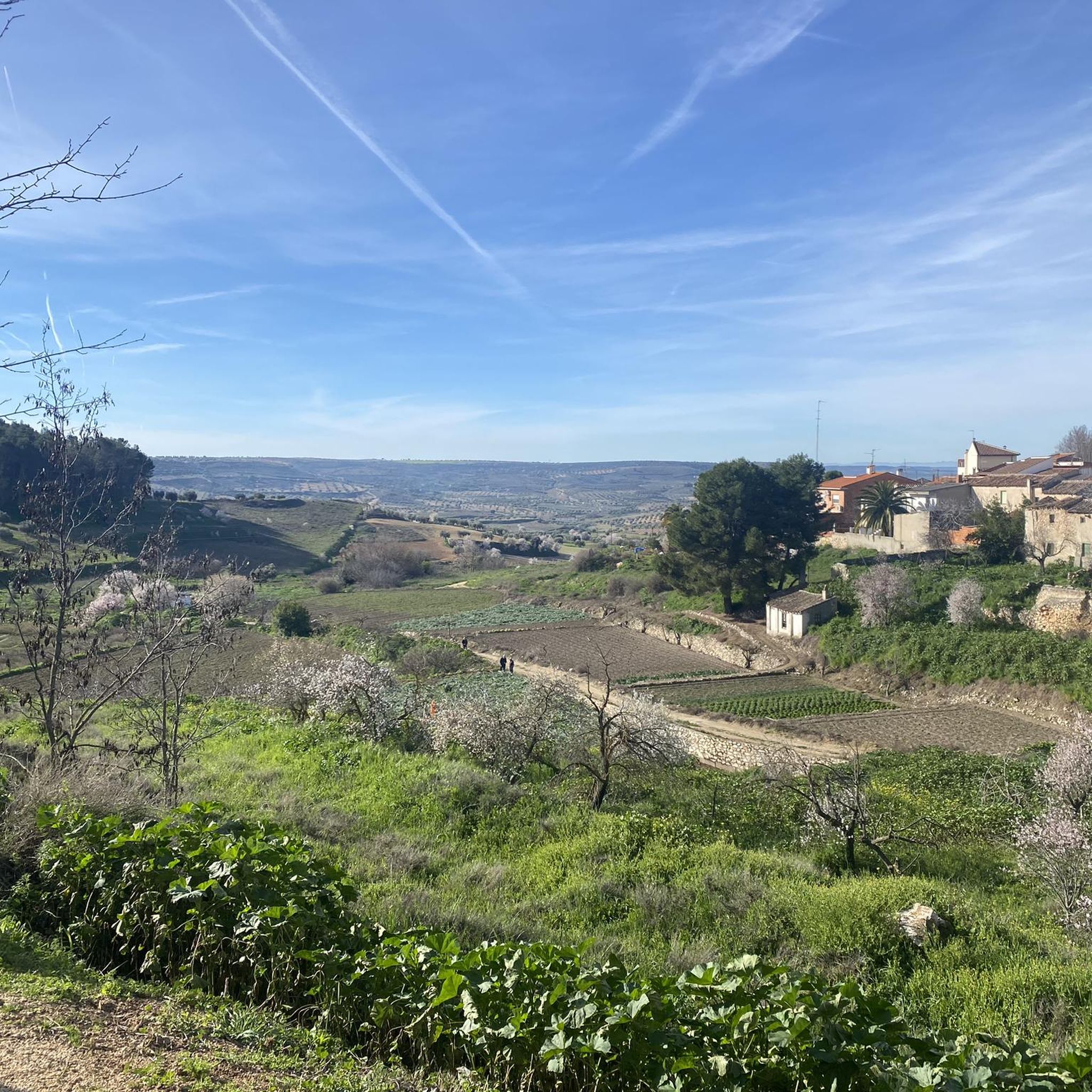
Best natural monuments around Belmonte De Tajo are found within the "Tierras y Huertas del Tajo" region of Madrid. This area features a landscape characterized by reddish clay soils, vineyards, and olive groves. The natural environment transitions between upland páramo and fertile lowlands, offering diverse ecological zones. These sites provide opportunities for exploring the region's natural features and geological formations.
Best natural monuments around Belmonte De Tajo
- The most popular natural monuments is Risco de las Cuevas of Perales de…
Last updated: July 1, 2026
Risco de las Cuevas of Perales de Tajuña
Highlight • Cave
Translated by Google •
Tip by

Azud de Vaciabotas
Highlight • Structure
This is the dam or weir where the Caz del Molino takes its water from the Tajuña River. It is also known as the Azud del Molino and …
Translated by Google •
Tip by
Sign up now to discover places like this
Get recommendations on the best single tracks, peaks, & plenty of other exciting outdoor places.
Sign up for free
Fuente de la Pajarita
Highlight • Natural Monument
Translated by Google •
Tip by

Peña Bermeja
Highlight • Natural Monument
Translated by Google •
Tip by
Tagus River Riparian Forests
Highlight • Forest
Translated by Google •
Tip by
Sign up for free to discover even more natural monuments around Belmonte De Tajo.
Sign up for free
Already have an account?
Start today with a free account
Your next adventure awaits.
Login or Signup

Tips from the Community

Peña Bermeja is a good geological observation point to appreciate the reliefs that have developed through river erosion over the last thirty million years, after the withdrawal of the immense sea that covered the entire territory. The cliffs of Peña Bermeja are common formations on the highest edges of the valleys, appearing in the limestones of the moorland that occupy the stratum located between the high plains and the slopes of impermeable marl and gypsum that fall towards the plain. In many places these limestone walls have been used to exploit stone quarries.
0
0
The banks of the Tagus River are a dense curtain of white poplars, cottonwoods, willows, tamarisks, elms and marsh vegetation between the waterway and the extensive crop plains, an important refuge for wildlife and waterfowl that make their habitat in the reed beds of the river banks and the trees.
0
0
The caves of the primitive Carpetanian settlement of Caraca are a window in time, from the first Carpetanian inhabitants to the present day, representing the different cultures that have populated the Tajuña valley over time. The current state shows the deterioration typical of a hillside made of marl and gypsum that is brittle and easily eroded. In the time of the Carpetanians, it was a troglodyte settlement with interior passages that connected different galleries, had water channels, warehouses and houses protected from intruders at a certain height from the ground, accessed by ladders and ropes. In the middle of the last century, the Risco de las Cuevas was the setting for several films.
0
0
Vaciabotas Dam This is the dam or weir where the Caz del Molino takes its water from the Tajuña River. It is also known as the Azud del Molino and is one of the irrigation channels of the Madrid plain. The dam's waterfall is next to the old Molino Nuevo or Molino de la Isla, which is privately owned and documented in the Topographic Relations of Felipe II. The riverbank is a cool environment of giant trees and riverside vegetation. The irrigation channel and the course of the Tajuña are separated by the dam and until they meet again at the Puente del Palo they form the island that gives the place its name. In the area of Tielmes there are the Presón weirs, the Presa del Marqués and the Cantarranas Molino waterfall, all of Islamic origin.
1
0

The Fuente de la Pajarita in Colmenar de Oreja is a historic fountain located on the old road to Aranjuez. This fountain has a spout that pours water into a box used as a watering trough for livestock. Although its flow is low, its waters are known for being very salty and, in the past, were used for medicinal purposes as a purgative.
6
0
Brackish water spring on the old cobbled road of Aranjuez. It has a low-flow spout used in other times for its medicinal properties and a large pond used mainly as a watering trough for cattle and horses.
2
0
Frequently Asked Questions
What are some lesser-known natural highlights to explore near Belmonte de Tajo?
Beyond the most popular spots, you can explore areas like El Horcajo, a wooded environment with oak and holm oak trees, or La Dehesa de Valdecabañas, known for its Aleppo pines mixed with olive groves and vineyards. Both offer diverse landscapes for nature contemplation.
Are there any natural monuments with historical significance in the area?
Yes, the Risco de las Cuevas of Perales de Tajuña is a significant site. It's a cave system that represents a primitive Carpetanian settlement, showcasing ancient troglodyte dwellings and interior passages. Another historical spot is the Fuente de la Pajarita, a historic fountain on the old road to Aranjuez, whose brackish waters were once used for medicinal purposes.
What kind of geological formations can I observe around Belmonte de Tajo?
The region is notable for its reddish clay soils, vineyards, and olive groves. You can observe the transition between the upland páramo with its whitish, greenish, and greyish hues, and the fertile lowlands. For specific geological insights, Peña Bermeja offers an excellent viewpoint to appreciate reliefs formed by river erosion over millions of years, including limestone cliffs.
Are there family-friendly natural areas or routes suitable for children?
Yes, the Tagus River Riparian Forests are considered family-friendly, offering a dense curtain of trees and a refuge for wildlife. Additionally, the Ruta Natural Paisajística, a 7-kilometer circular route, is suitable for all types of visitors and can be enjoyed year-round, providing an easy way to experience the local flora and fauna.
What outdoor activities can I do near these natural monuments?
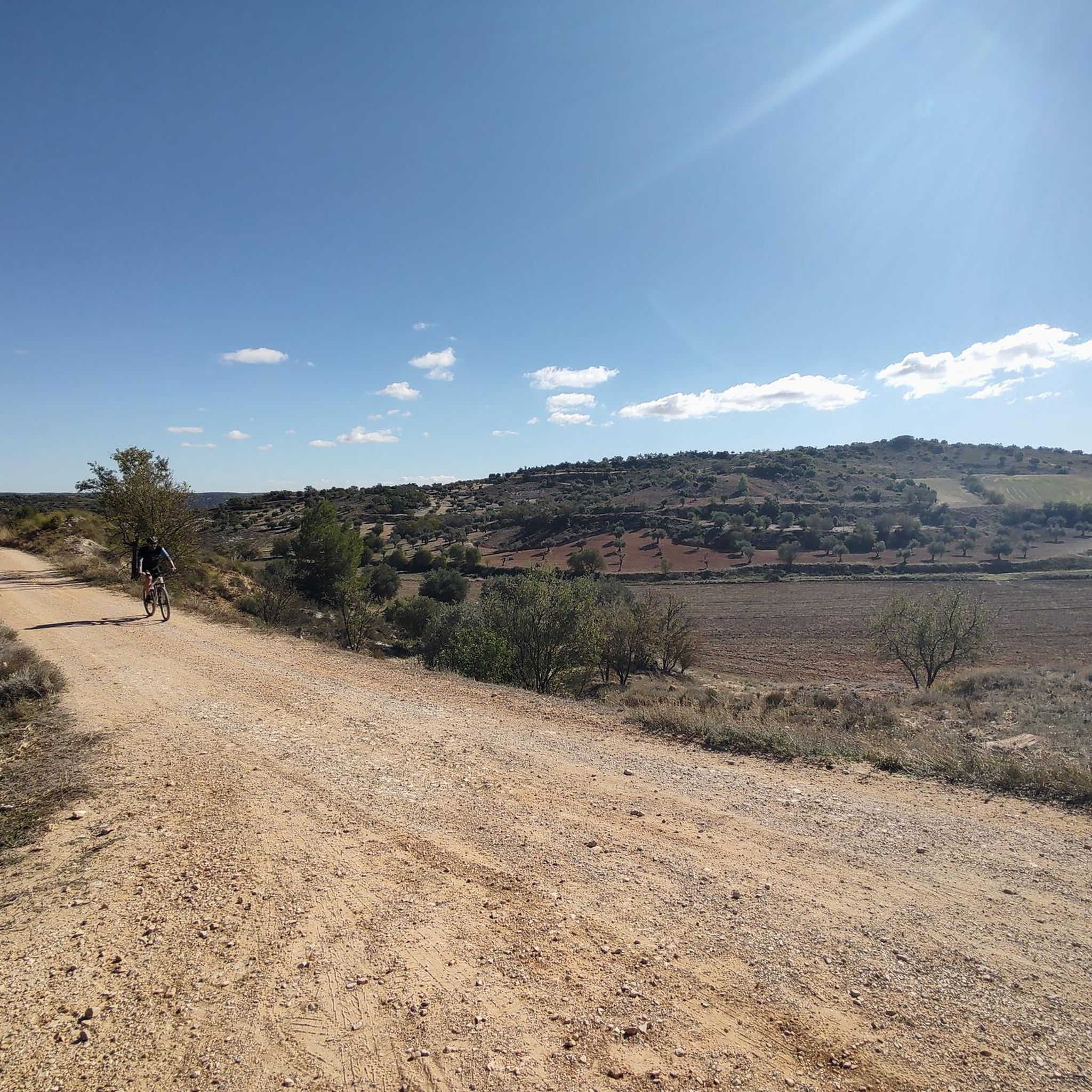
The area around Belmonte de Tajo is excellent for various outdoor activities. You can find numerous routes for road cycling, gravel biking, and mountain biking. For example, there are several moderate to difficult road cycling routes, gravel biking trails, and MTB trails that allow you to explore the diverse landscape.
Where can I find panoramic views of the municipality's natural landscape?
Monte de El Calvario offers panoramic views of the western side of the municipality. It's also a site of cultural significance with three wooden crosses. For geological observation points with views, Peña Bermeja provides excellent vistas of the river-eroded reliefs.
What kind of wildlife can I expect to see in the natural areas?
The natural areas, especially along the Ruta Natural Paisajística and the Tagus River Riparian Forests, are home to diverse fauna. You might spot abundant hares and rabbits, alongside birds such as partridges, nightingales, thrushes, kestrels, bee-eaters, hoopoes, pigeons, and great bustards. The riparian forests are particularly important as a refuge for waterfowl.
Are there any natural monuments related to rivers or water features?
Yes, the Tagus River Riparian Forests are a prime example, featuring a dense curtain of riverside vegetation. Another notable water feature is the Azud de Vaciabotas, a dam where the Caz del Molino takes water from the Tajuña River, surrounded by cool environments of giant trees. La Veguilla also features Belmonte de Tajo's most significant stream, the Arroyo de la Veguilla, with its own riparian vegetation.
What is the best time of year to visit the natural monuments around Belmonte de Tajo?
The Ruta Natural Paisajística, which showcases much of the region's natural beauty, can be enjoyed year-round. The diverse landscape, with its changing colors from the páramo to the fertile lowlands, offers different appeals throughout the seasons. For comfortable outdoor activities like cycling, spring and autumn generally provide milder temperatures.
What types of trees and plants are characteristic of the region's natural monuments?
The region features indigenous Mediterranean forest, including shrubs like wild privet, mastic, and kermes oak, as well as steppe formations with esparto grass and thyme. In areas like El Horcajo, you'll find oak, holm oak, and kermes oak. La Dehesa de Valdecabañas is characterized by Aleppo pines mixed with olive groves, vineyards, holm oaks, and gall oaks. The Tagus River Riparian Forests boast white poplars, cottonwoods, willows, tamarisks, and elms.
Are there any specific routes recommended for exploring the natural beauty of Belmonte de Tajo?
The Ruta Natural Paisajística is a highly recommended 7-kilometer circular route that offers an excellent way to experience the natural beauty, including the reddish clay soils, vineyards, olive groves, and diverse flora and fauna. It's suitable for all visitors and can be enjoyed by cycling, especially for beginners.
Most popular routes around Belmonte De Tajo
Most popular attractions around Belmonte De Tajo

Get inspired with the komoot mobile app


Explore more
Extend your search for the best caves by checking out these guides of the top ones around Belmonte De Tajo:
