Top 13 Natural Monuments around La Cabrera
Natural monuments around La Cabrera are concentrated in the Sierra Norte de Madrid, an area defined by the La Cabrera mountain range. This region is characterized by its mountainous topography and unique granite geological formations, including prominent peaks and distinctive rock structures. The landscape offers diverse ecosystems and significant natural features. It is a destination for those interested in geology, hiking, and observing local flora and fauna.
Best natural monuments around La Cabrera
- The most popular natural monuments is Cancho…
Last updated: July 1, 2026
Cancho de la Cabeza Summit
Highlight • Summit
Translated by Google •
Tip by

El Villar Reservoir and Gorge
Highlight • Gorge
Translated by Google •
Tip by

Sign up now to discover places like this
Get recommendations on the best single tracks, peaks, & plenty of other exciting outdoor places.
Sign up for free
Puerto del Medio Celemín
Highlight • Mountain Pass
Translated by Google •
Tip by

El Atazar Reservoir
Highlight • Lake
Translated by Google •
Tip by
Cancho Gordo (1,563 m)
Highlight • Summit
Translated by Google •
Tip by

Sign up for free to discover even more natural monuments around La Cabrera.
Sign up for free
Already have an account?
Start today with a free account
Your next adventure awaits.
Login or Signup

Tips from the Community

Seeing these shapes up high is amazing.
0
0
There are only a few meters left to reach the summit
0
0

In the Middle Ages, the inhabitants of Bustarviejo had to pay a “toll” of half a bushel to use this pass to carry grain to be ground at the water mills in the Lozoya Valley. Hence the name of this pass. From the pass we can see the Carpetanos Mountains of Somosierra, part of the Lozoya Valley and the entire Sierra Norte of Madrid.
1
0
A hill that separates the Sierra de la Cabrera from the Sierra de Canencia
0
0

Spectacular views, generally good climb with some demanding sections before crossing the firebreak. the rest, quite bearable
1
0

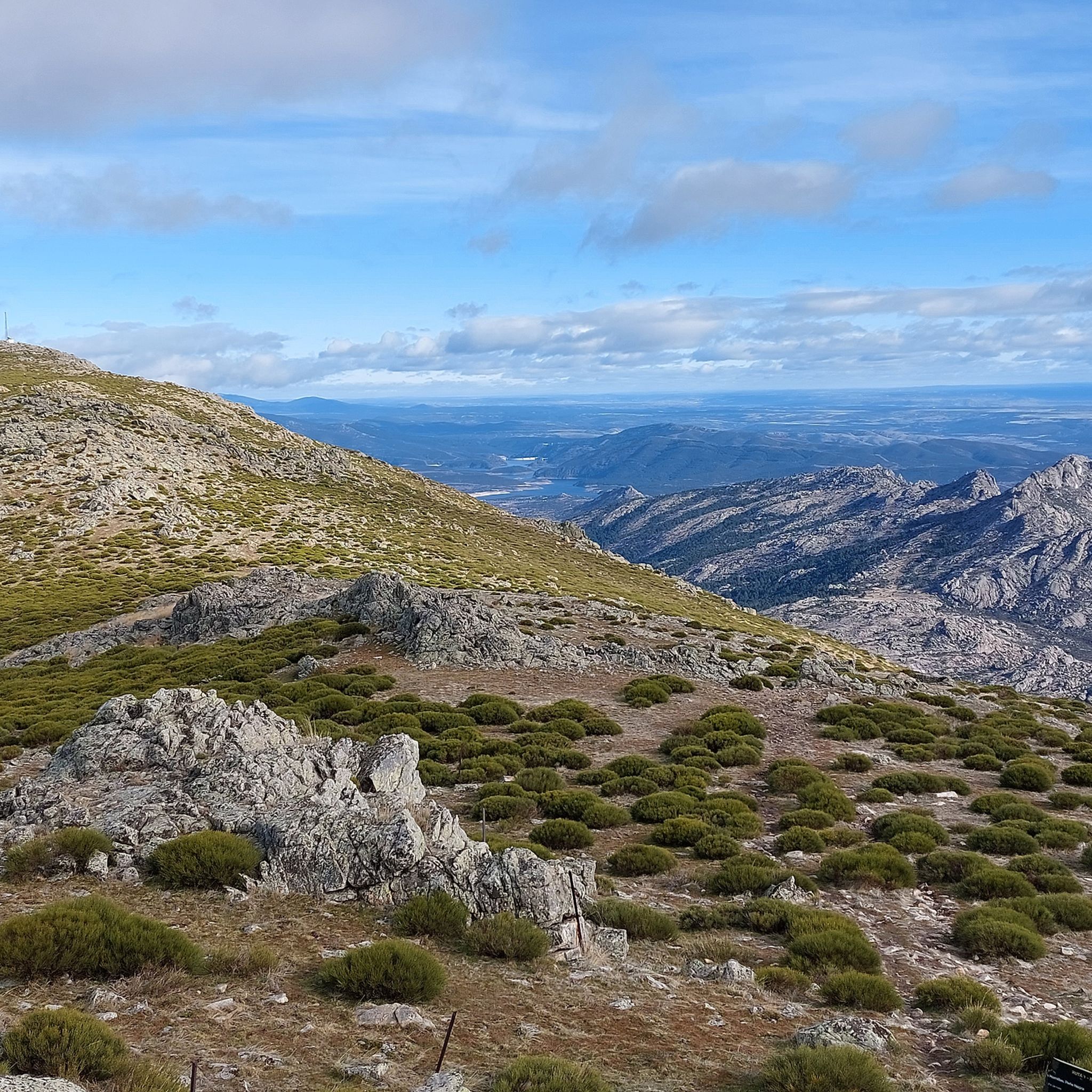
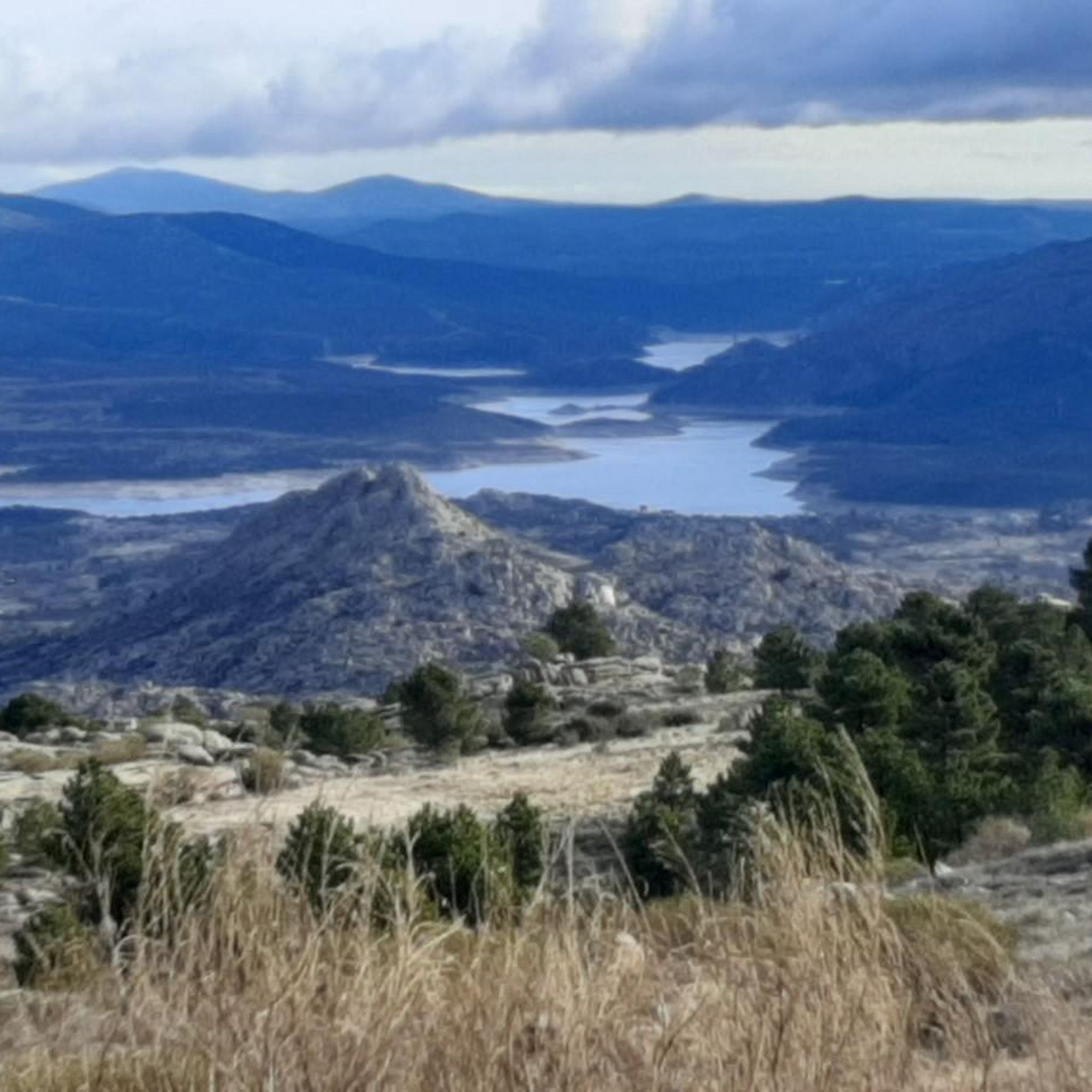
Cancho de la Cabeza, the highest peak in the municipality of Patones, rises majestically in the Sierra Norte region of Madrid. This beautiful natural viewpoint offers panoramic views of the El Atazar reservoir and, in the background, you can see the Peña de la Cabra, one of the numerous peaks of the Ayllón mountain range.
2
0
Cancho de la Cabeza, the highest peak in the municipality of Patones, rises majestically in the Sierra Norte region of Madrid. This beautiful natural viewpoint offers panoramic views of the El Atazar reservoir and, in the background, you can see the Peña de la Cabra, one of the numerous peaks of the Ayllón mountain range. Remember that Patones de Arriba is a small “kingdom” near Madrid, full of charm and tradition. Enjoy the natural beauty and stunning views that Cancho de la Cabeza offers! 🏞️🌄
1
0

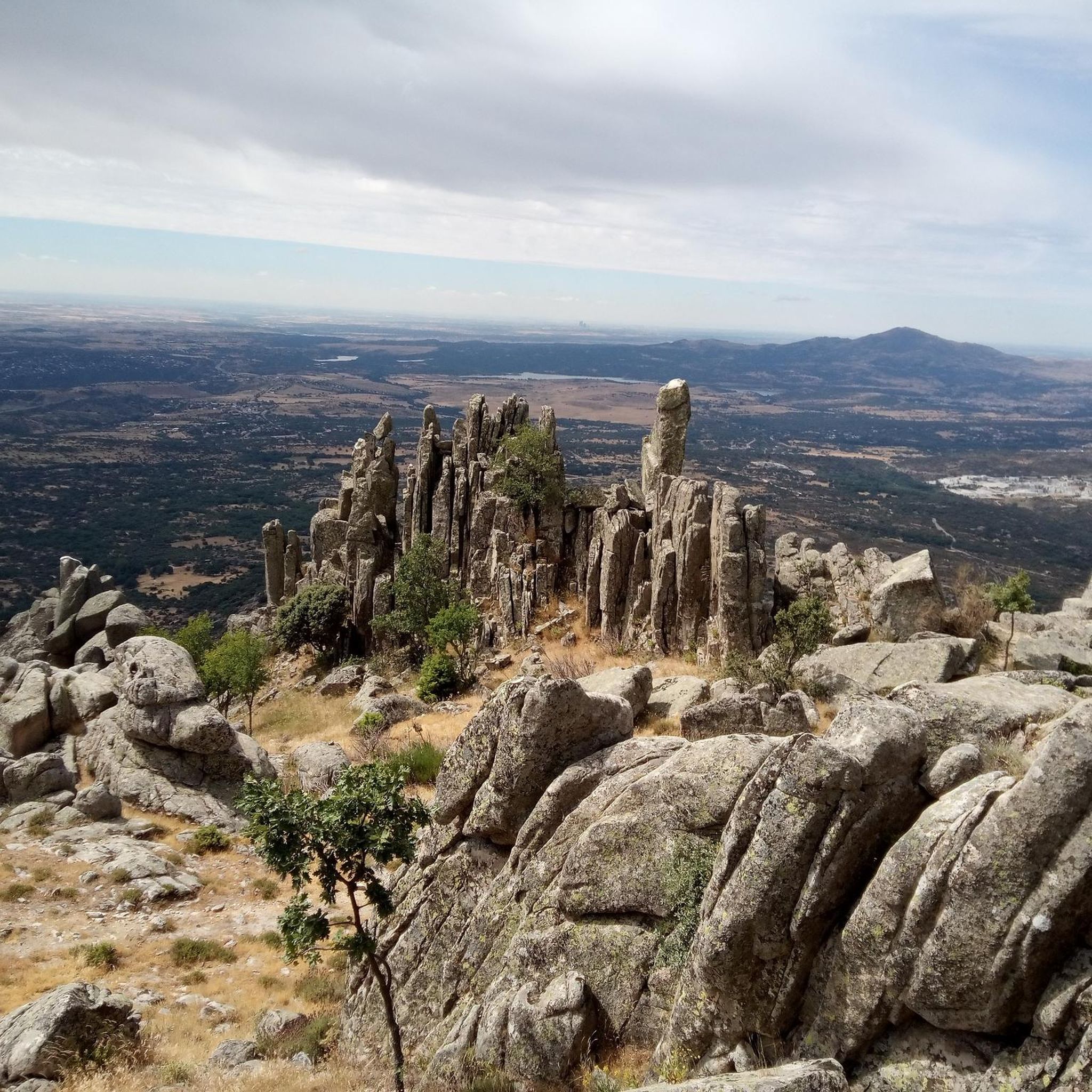
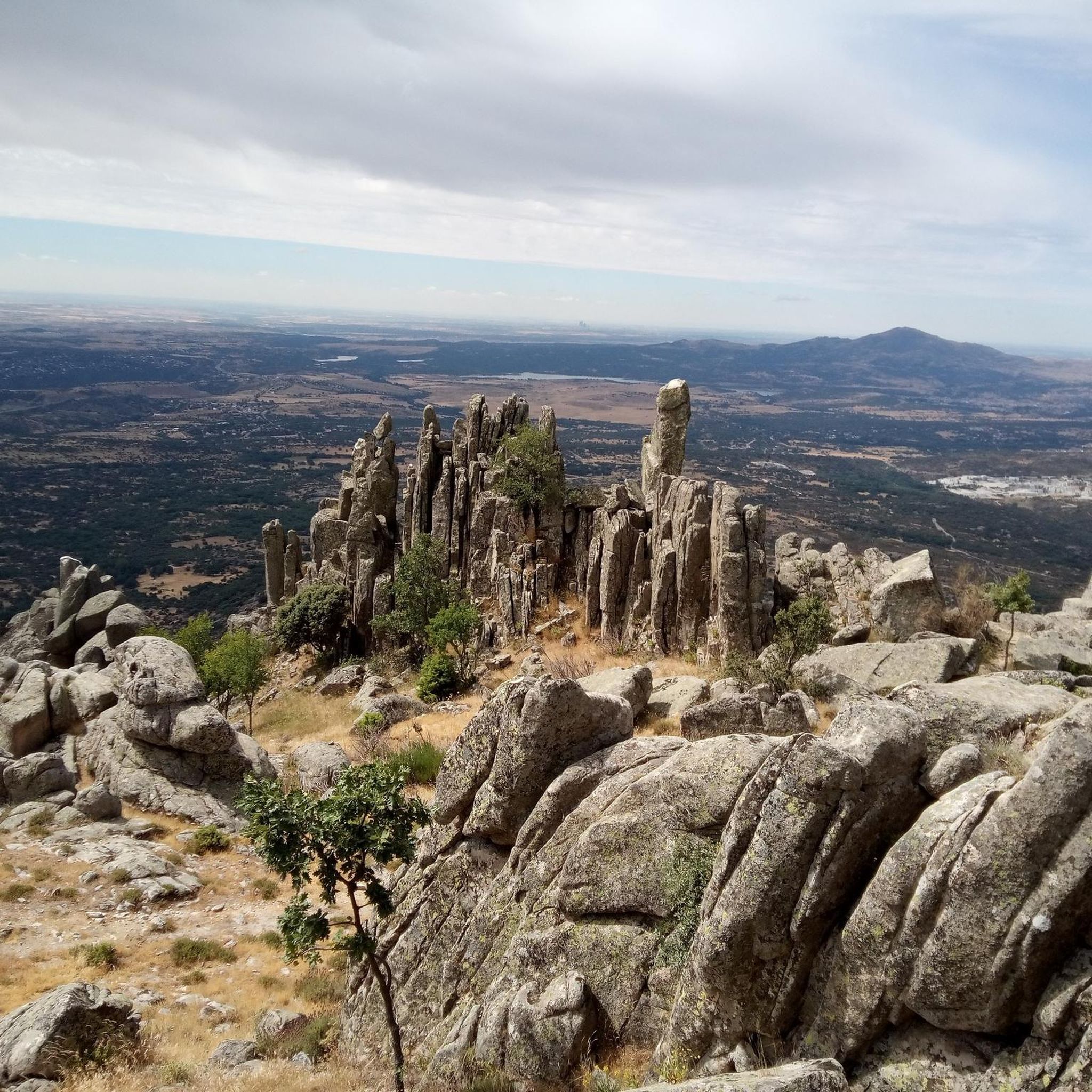
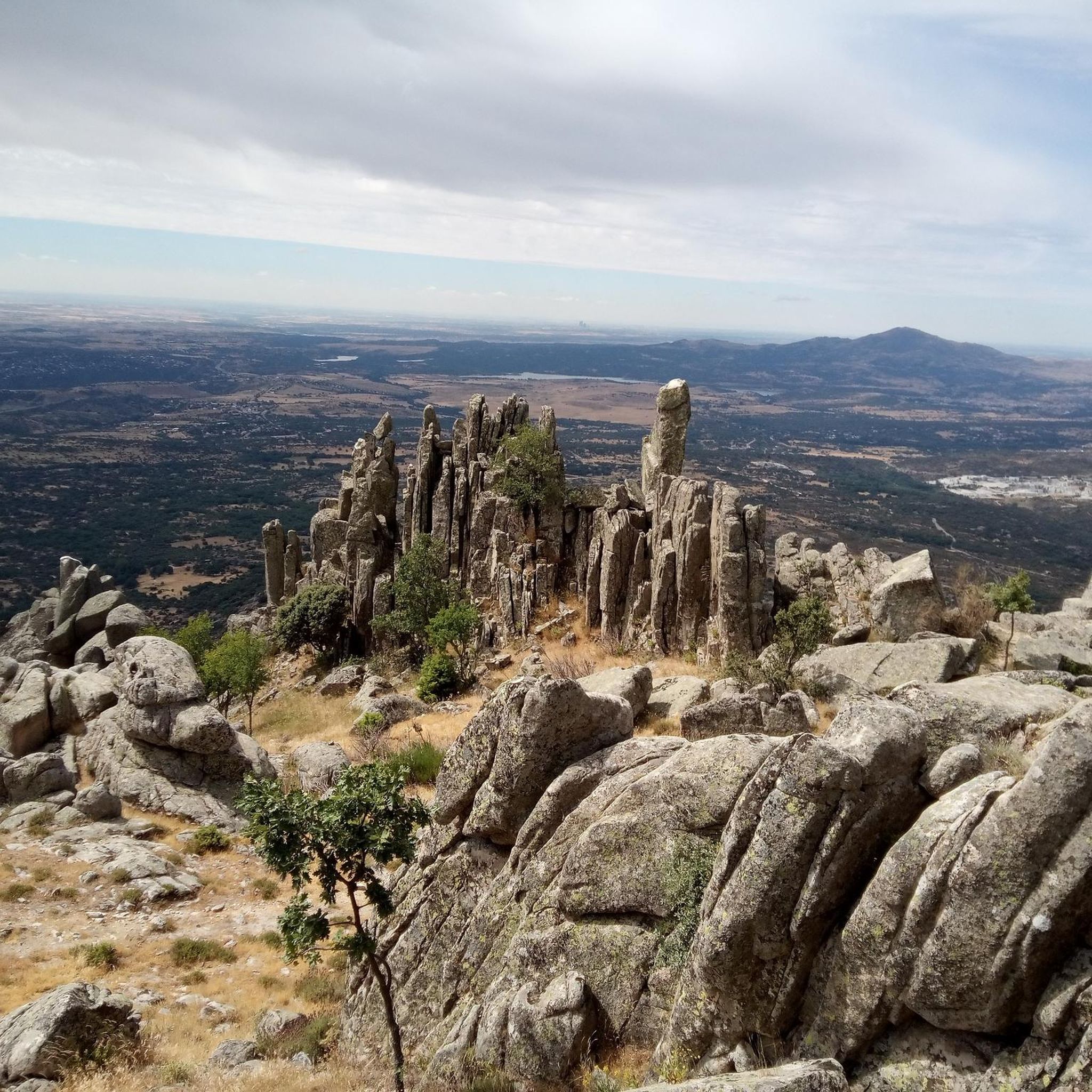
At the end of the Medio Celemín pass we find this rock formation, with views of all the Cabrera cliffs. ideal to rest and take some photos
0
0
Frequently Asked Questions
What are some of the most popular natural monuments to visit in La Cabrera?
Beyond the well-known peaks, visitors frequently enjoy the Puerto del Medio Celemín, a mountain pass offering expansive views of the Sierra de la Cabrera and Sierra de Canencia. Another highly appreciated spot is the El Atazar Reservoir, Madrid's largest reservoir, known for its spectacular landscapes and surrounding historical towns.
What unique geological features can be found in La Cabrera?
La Cabrera is characterized by its striking granite massif of Palaeozoic origin. This geology has resulted in impressive formations such as domes, 'acebolladuras' (onion-skin weathering), 'thors' (rock pillars), and castellated structures formed by vertical faults. These features are particularly prominent around the main peaks like Cancho Gordo and Pico del Miel.
What kind of wildlife can I expect to see in the natural monuments of La Cabrera?
The Sierra de La Cabrera is a significant habitat for various wildlife. It hosts the second-largest griffon vulture colony in the Community of Madrid, making it an excellent spot for birdwatching. Other species of birds and mammals can also be observed, especially in areas with diverse vegetation and water sources.
Are there any natural viewpoints offering panoramic views in La Cabrera?
Yes, several natural monuments offer breathtaking panoramic views. The Cancho de la Cabeza Summit provides spectacular 360º views, including the El Atazar reservoir and surrounding mountain ranges. Similarly, the Cancho Gordo (1,563 m) summit rewards hikers with impressive vistas after a challenging ascent. The Puerto del Medio Celemín also serves as a great spot to enjoy the landscape.
Are there family-friendly natural monuments in La Cabrera?
Yes, the El Villar Reservoir and Gorge is considered family-friendly, offering spectacular views and a lovely picnic spot. The El Atazar Reservoir is also suitable for families, with its scenic landscapes and opportunities for walks around its historical towns.
What hiking opportunities are available near La Cabrera's natural monuments?
The region offers numerous hiking trails, ranging from moderate to difficult. Popular routes include the 'Pico de la Miel y Cancho Gordo' circular route and the 'Pico de la Miel – Cancho Gordo (1,563 m)' loop. For more options, you can explore the various hiking routes around La Cabrera.
Can I go cycling near the natural monuments in La Cabrera?
Absolutely. La Cabrera is a popular destination for cyclists. There are several routes, such as the 'Easy Pass Through Pine Forests – Medio Celemín Tunnel loop' or the 'Torrelaguna – Torrelaguna loop'. You can find more detailed information and routes in the cycling guide for La Cabrera.
When is the best time to visit the natural monuments in La Cabrera?
The natural monuments in La Cabrera offer beauty throughout the year. Spring and autumn are particularly pleasant for hiking and exploring, with mild temperatures and vibrant colors. Autumn is especially scenic as the Pyrenean Oaks and other deciduous trees change color. Summer can be warm, making visits to natural springs and streams refreshing, while winter offers a different, often quieter, experience of the granite landscapes.
What are some challenging natural monuments for experienced hikers or climbers?
Experienced hikers and climbers will find the peaks of La Cabrera particularly rewarding. The ascent to Cancho Gordo (1,563 m) involves a steep path and a climb to its geodesic vertex. The Pico del Miel, another prominent peak in the range, also offers challenging routes and is a reference point for climbers.
Where can I find natural springs or streams in the La Cabrera area?
La Cabrera is home to several natural springs and streams, including the Alfrecho stream, which eventually flows into the Jarama River. These waterways contribute to the lushness of the valleys and create refreshing environments, particularly appealing during warmer months. They support diverse riparian ecosystems and offer tranquil spots for relaxation.
What makes the flora of La Cabrera unique?
The flora of La Cabrera is notable for its diversity and a unique 'inversion of bioclimatic levels.' This means that holm oaks can be found at higher, warmer granite escarpments, while deciduous oak forests thrive in cooler, wetter lower areas. The southern slopes also feature Pyrenean Oak, Poplar, Willow, Pink Rockrose, junipers, and various brooms, providing scenic beauty and botanical interest.
Are there any historical natural monuments or sites of interest?
The El Villar Reservoir and Gorge features one of Madrid's oldest working dams, making it a site of both natural beauty and historical engineering significance. Additionally, the Puerto del Medio Celemín has historical significance as a medieval 'toll' pass for transporting grain.
What are the main peaks that define the La Cabrera mountain range?
The La Cabrera mountain range is defined by its impressive granite peaks. The most iconic include Cancho Gordo (1,564 m), Pico del Miel (1,392 m), and Cerro de La Cabeza (1,247 m). These summits are central to the region's landscape and offer significant geological interest and challenging routes for outdoor enthusiasts.
Most popular routes around La Cabrera
Most popular attractions around La Cabrera

Get inspired with the komoot mobile app


Explore more
Extend your search for the best caves by checking out these guides of the top ones around La Cabrera:
