Top 9 Natural Monuments around Udías
Best natural monuments around Udías are found within the Western Coastal region of Cantabria, Spain, offering a diverse array of natural features. The area is characterized by intriguing geological formations, lush landscapes, and a rich mining history intertwined with subterranean wonders. Visitors can explore unique natural sites ranging from coastal cliffs to extensive cave systems and protected natural parks. These locations provide varied experiences for outdoor enthusiasts.
Best natural monuments around Udías
- The most popular natural monuments is El Bolao…
Last updated: July 1, 2026
El Bolao Cliff
Highlight • Gorge
You can also see the ruins of a mill at the mouth of Arroyo de la Presa
Translated by Google •
Tip by

Altamira Cave
Highlight • Cave
Translated by Google •
Tip by

Sign up now to discover places like this
Get recommendations on the best single tracks, peaks, & plenty of other exciting outdoor places.
Sign up for free
Altamira Museum
Highlight • Cave
Translated by Google •
Tip by

La Rabia Estuary
Highlight • River
Translated by Google •
Tip by

Sequoias of Mount Cabezón
Highlight • Forest
Showing Translation
Tip by

Sign up for free to discover even more natural monuments around Udías.
Sign up for free
Already have an account?
Start today with a free account
Your next adventure awaits.
Login or Signup

Tips from the Community

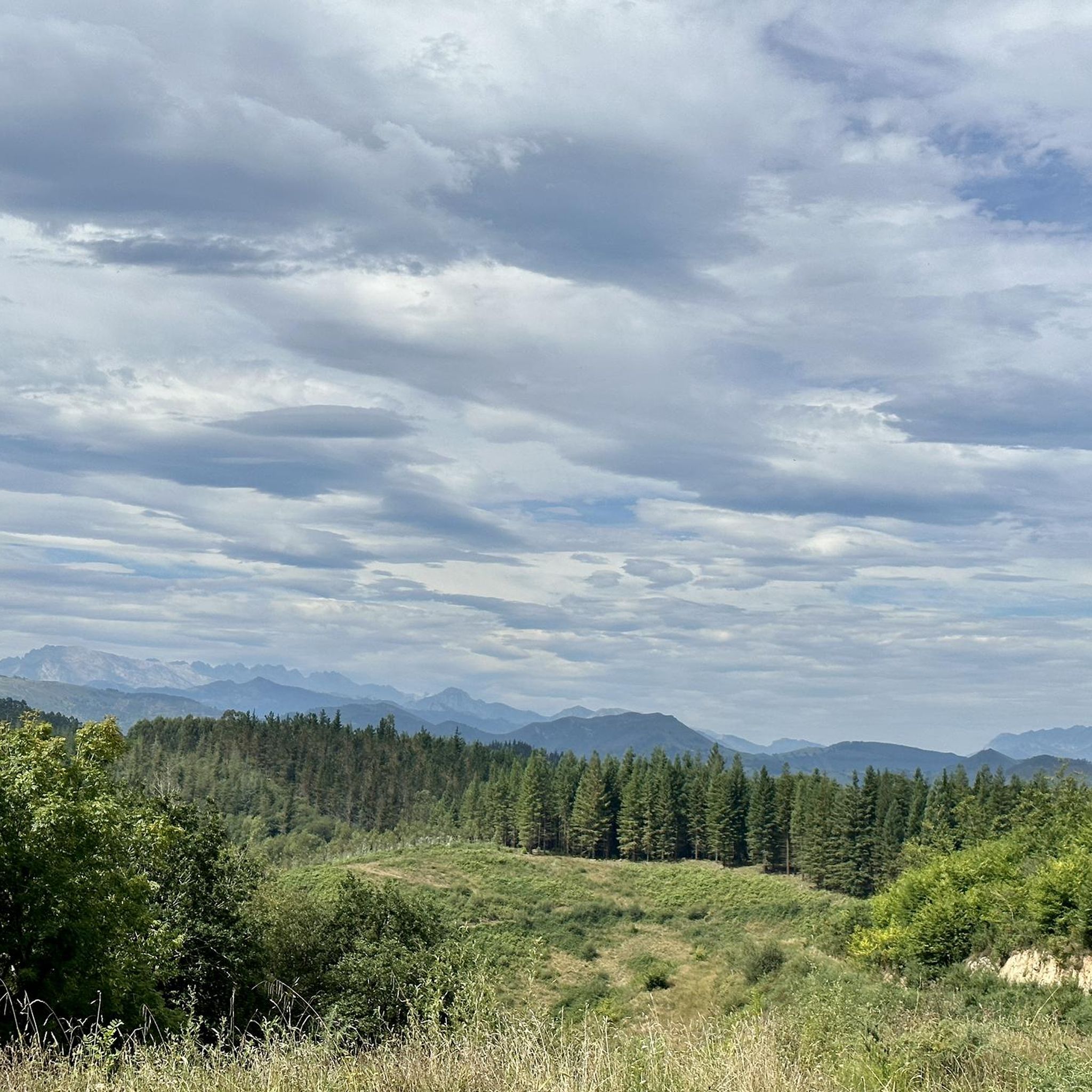
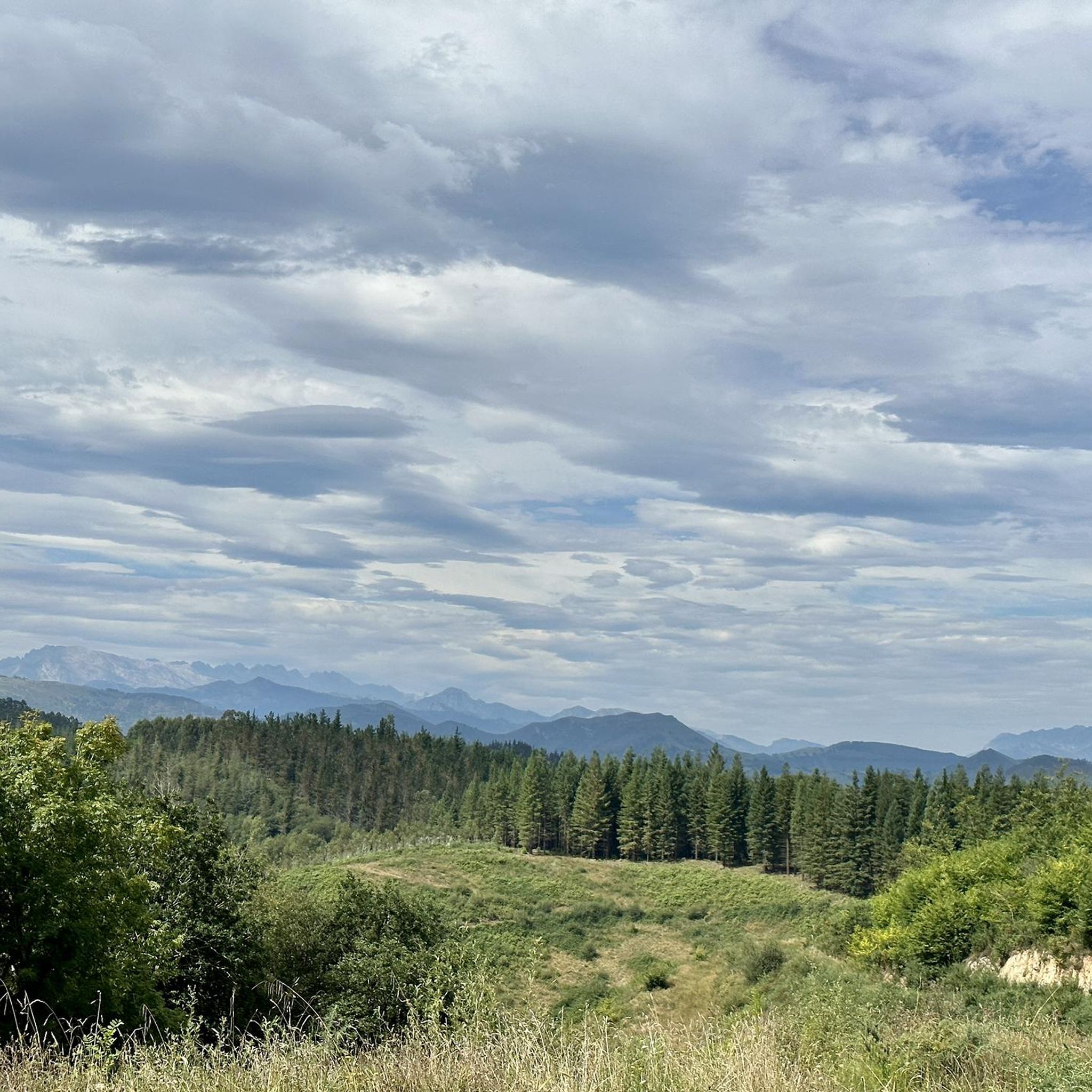
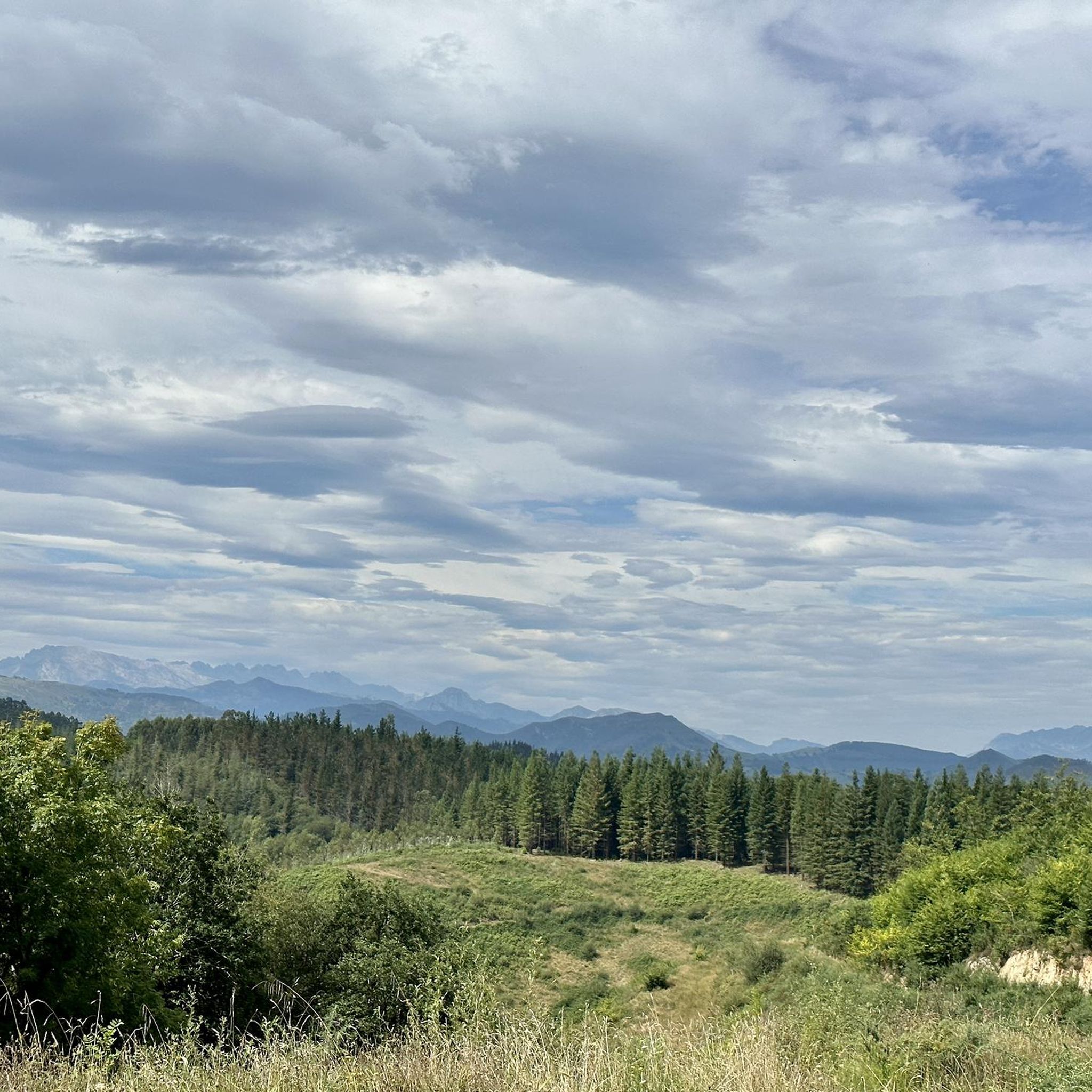
The sequoias of Cabezón de la Sal were planted in the 1940s for timber exploitation. They currently cover an area of 2.5 hectares. With an average height of 36 meters, these 850 redwoods or California redwoods are a rarity among the forests of our country.
0
0

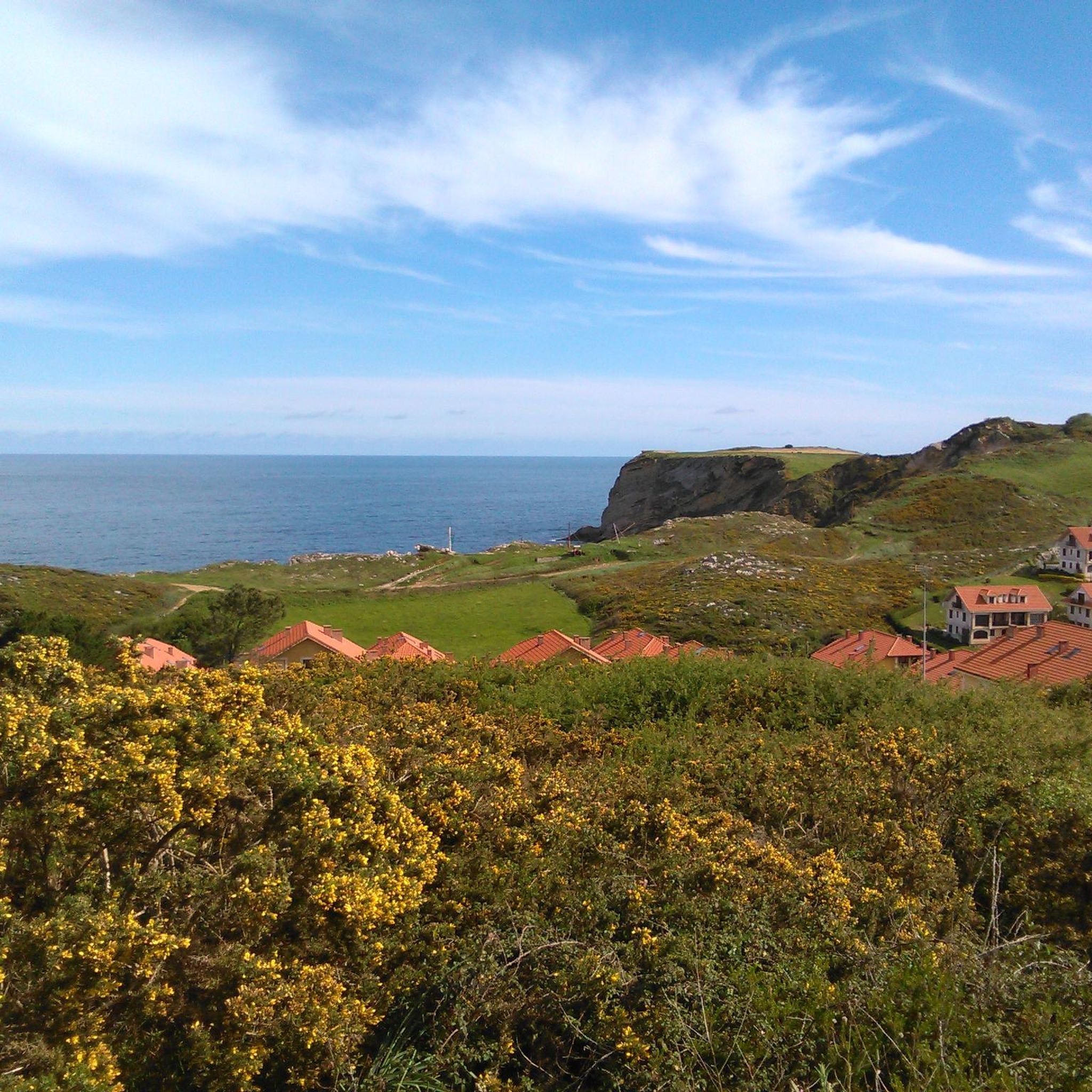
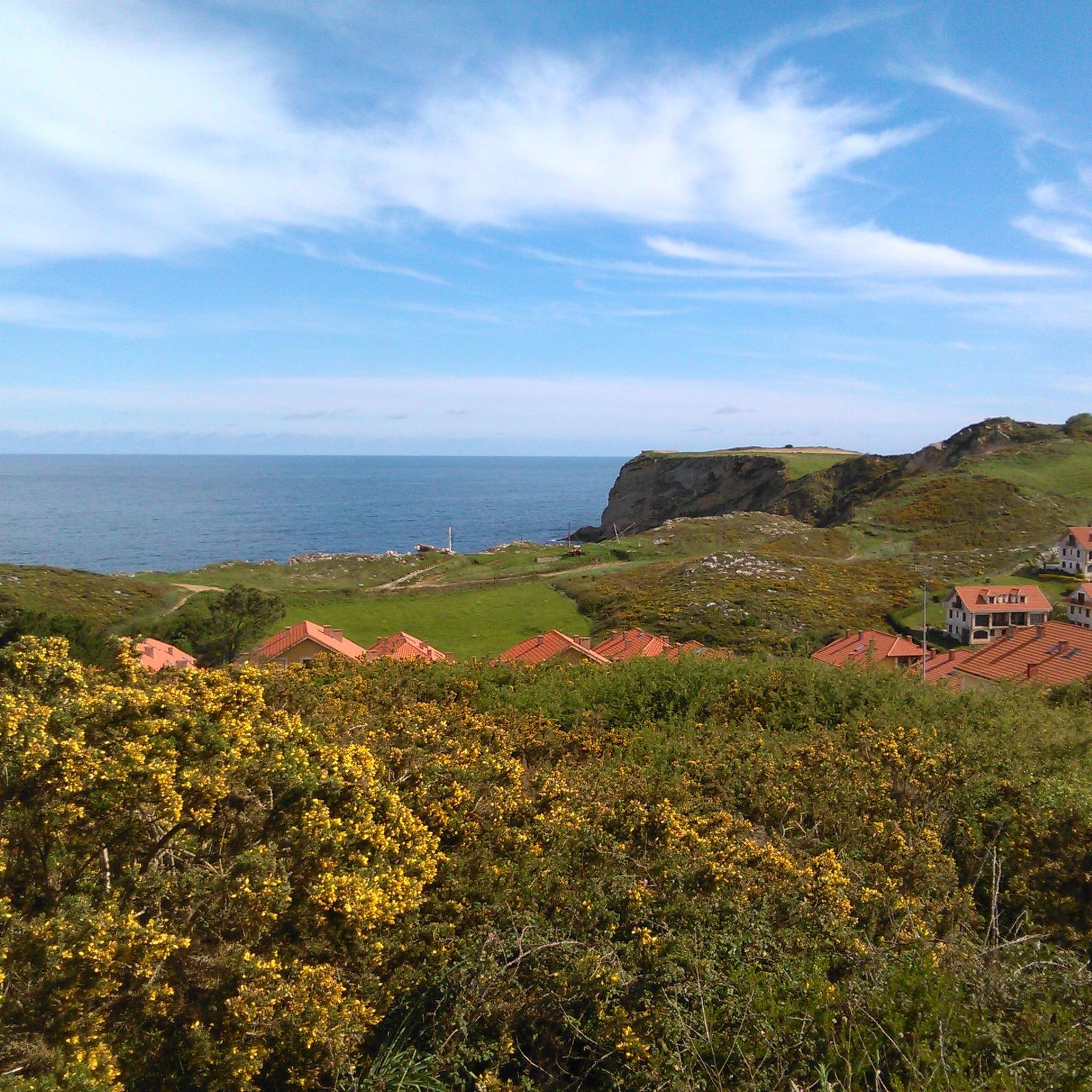
The Bolao Cliff is a stunning natural setting on the coast of Cantabria, Spain, between Cóbreces and Toñanes. It is famous for the El Bolao waterfall, which falls directly into the sea, and for the ruins of a medieval mill. The landscape combines the green meadows with the rugged Cantabrian Sea coast, offering spectacular views.
3
1

At the beginning of March, all cafes were closed, tickets were all sold out, all other buildings were closed
0
0

The Altamira cave paintings in northern Spain were discovered in 1879. They were the first cave paintings ever found. It was a coincidence: a hunter was looking for his dog on a country estate and came across a cave. He reported this to the owner of the estate, Don Marcelino Sautuola, but he showed little interest. It was not until ten years later, in 1878, that he examined the cave and found some stone tools there. Another year later, he took his 9-year-old daughter Maria with him. While her father was crawling around on the floor, Maria looked up at the ceiling - and saw a whole herd of bison! "Alta mira" means something like: look up! Modern graffiti or Stone Age art? Altamira Caves Don Marcelino Sautuola's daughter Maria discovered the paintings on the wall of the Altamira Cave.[ © Wikimedia, public domain ] Sautuola was quite excited when he discovered the animals painted in red and brown tones. At their side were wild horses, deer and wild boars. How disappointed Sautuola was when scholars dismissed the paintings as the work of an untalented modern artist!
1
0
The Altamira Cave covers an area of more than 5500 m². It was used from 33,600 BC until the entrance collapsed in 11,000 BC. The particularly impressive ceiling paintings are dated to the period 16,500 to 13,000 BC.[3] The cave was discovered in 1868 by a hunter due to the disappearance of a hunting dog, who immediately reported the discovery to the lord of Santillana,[2] the naturalist Marcelino Sanz de Sautuola (1831–1888). The paintings were discovered by Sautuola's five-year-old daughter Maria, who was able to walk upright through the cave and made out images of "cattle" on the ceiling.[2] Marcelino began systematically digging in the cave in 1879[2] and published a short description of the "prehistoric objects in the province of Santander". Even the Spanish King Alfonso XII was invited into the cave. However, the academic world doubted the authenticity of the cave paintings.[2] The French prehistorian Émile Cartailhac described the paintings as a "vulgar prank by a scribbler" that he and his contemporaries did not even want to look at. The discovery had to wait almost 23 years for recognition. It was only when similar paintings were discovered in the Font-de-Gaume cave near Les Eyzies-de-Tayac-Sireuil in the Dordogne department (France) in 1901 that the attitude of French researchers and Cartailhac, who became the symbol of archaeological ignorance, changed. Cartailhac apologized posthumously to the Marquis de Sautuola in an essay in 1902 ("Mea culpa" d'un sceptique[4]).
0
0
The Altamira Cave, near the town of Santillana del Mar in Cantabria, Spain, 32 km southwest of Santander, is known for its Stone Age cave paintings. Like the Chauvet Cave, it belongs to the area of Franco-Cantabrian cave art[1] and is part of the UNESCO World Heritage Site.
1
0
The Altamira Cave covers an area of more than 5500 m². It was used from 33,600 BC until the entrance collapsed in 11,000 BC. The particularly impressive ceiling paintings are dated to the period 16,500 to 13,000 BC.[3] The cave was discovered in 1868 by a hunter due to the disappearance of a hunting dog, who immediately reported the discovery to the lord of Santillana,[2] the naturalist Marcelino Sanz de Sautuola (1831–1888). The paintings were discovered by Sautuola's five-year-old daughter Maria, who was able to walk upright through the cave and made out images of "cattle" on the ceiling.[2] Marcelino began systematically digging in the cave in 1879[2] and published a short description of the "prehistoric objects in the province of Santander". Even the Spanish King Alfonso XII was invited into the cave. However, the academic world doubted the authenticity of the cave paintings.
2
0

Frequently Asked Questions
What unique natural features can I explore around Udías?
The area around Udías offers a diverse range of natural features. You can discover dramatic coastal formations like El Bolao Cliff, known for its waterfall plunging into the sea. Inland, explore unique forests such as the Monte Cabezón Sequoias Natural Monument, home to giant redwood trees. The region also features extensive cave systems and areas with rich mining history, offering a blend of geological wonders and industrial heritage.
Are there any family-friendly natural monuments or activities in the Udías area?
Yes, several natural monuments around Udías are suitable for families. Oyambre Natural Park is a great option, offering virgin beaches, dunes, and marshes that are perfect for exploration. The La Rabia Estuary, also within Oyambre, is family-friendly and ideal for birdwatching. Additionally, the Viewpoint over the Monte Cabezón Sequoias Natural Monument provides an accessible way to experience a unique forest of giant trees.
What kind of historical or cultural sites are integrated with the natural landscape near Udías?
Udías has a fascinating history intertwined with its natural environment. The area is known for its old mines, which operated between 1853 and 1933. These mines are connected to natural caves, offering guided tours that showcase both mining archaeology and natural cave formations. You can also find historical elements at natural sites, such as the ruins of a medieval mill near El Bolao Cliff.
What outdoor activities can I do near the natural monuments around Udías?
The Udías area is excellent for various outdoor activities. You can enjoy hiking through lush landscapes and along coastal paths. For specific routes, check out the Hiking around Udías guide. The region also offers opportunities for mountain biking and road cycling, with trails that take you through diverse terrain. Explore options in the MTB Trails around Udías and Cycling around Udías guides.
Are there any viewpoints offering panoramic vistas of the Udías region?
Yes, the region boasts several impressive viewpoints. The Canto Redondo Summit provides fantastic 360º views, allowing you to see the sea, coastal towns like San Vicente and Comillas, and even the Picos de Europa on a clear day. The Viewpoint over the Monte Cabezón Sequoias Natural Monument offers unique perspectives of the giant redwood forest. Additionally, El Bolao Cliff provides stunning coastal views.
What is special about the forests and natural parks near Udías?
The forests and natural parks near Udías are truly special. Oyambre Natural Park, which includes areas like Monte Corona, features centenary oak and beech forests, offering serene environments for walks. This park is also notable for its diverse ecosystems, combining coastal landscapes with inland valleys, virgin beaches, dunes, and rich birdlife. The Monte Cabezón Sequoias Natural Monument protects a unique forest of giant sequoia trees planted in the 1940s, providing a majestic natural experience.
Can I go caving or explore underground formations near Udías?
Yes, Udías is known for its extensive subterranean landscape. The area offers opportunities to explore old mines connected to natural caves, providing a unique blend of geological wonder and industrial heritage. For serious speleology enthusiasts, the Cueva del Rescaño is a significant site, stretching over 35 kilometers and linking Udías with the neighboring municipality of Alfoz de Lloredo.
What kind of wildlife can I expect to see in the natural monuments around Udías?
The diverse ecosystems around Udías support a variety of wildlife. In areas like Oyambre Natural Park and the La Rabia Estuary, you can observe rich birdlife, including species like mallards, common teals, and great cormorants, especially during winter. The lush forests and coastal areas also provide habitats for various other local fauna.
Are there any easy hiking routes or accessible paths near Udías' natural monuments?
Yes, there are several easy and accessible options. For instance, the Hiking around Udías guide includes routes like the 'Accessible Boardwalk – View of Picos de Europa loop from Udías' and 'Accessible Boardwalk loop from Udías', which are designed for easier access. The trails leading to and from the old mines in Udías, especially those along old railway routes, are also suitable for walking and cycling.
What do visitors particularly enjoy about the natural monuments in Udías?
Visitors frequently praise the stunning natural beauty and diverse experiences. They appreciate the dramatic coastal views from places like El Bolao Cliff, noting the unique waterfall and the sound of the waves. The tranquility and impressive scale of the giant sequoias at Monte Cabezón are also highly valued. Many enjoy the serene environment and diverse landscapes of Oyambre Natural Park, from its virgin beaches to its ancient forests.
Is there a good time of year to visit the natural monuments around Udías?
While specific seasonal data isn't provided, the Western Coastal region of Cantabria generally offers pleasant conditions for outdoor exploration during spring, summer, and early autumn. These seasons typically provide milder weather, making it ideal for hiking, cycling, and enjoying the coastal and forest environments. Winter can also be beautiful, especially for birdwatching in estuaries like La Rabia, though some trails might be more challenging.
Can I find trails suitable for both walking and cycling near the natural monuments?
Yes, the area around Udías offers trails that cater to both walkers and cyclists. The old railway routes connected to the mining history of Udías are particularly suitable for both activities, offering scenic views of karst formations. Additionally, many of the routes within Hiking around Udías and Cycling around Udías guides can be adapted or are suitable for both, depending on their difficulty and terrain.
Most popular attractions around Udías

Get inspired with the komoot mobile app


Explore more
Extend your search for the best caves by checking out these guides of the top ones around Udías:
