Top 11 Natural Monuments around Fresnedillas De La Oliva
Natural monuments around Fresnedillas De La Oliva are found in the Sierra Oeste of Madrid, offering a blend of natural beauty and historical interest. This region provides opportunities for hiking and connecting with nature. The landscape features granite formations, forests, and reservoirs, contributing to its ecological value. These sites are accessible for exploration and outdoor activities.
Best natural monuments around Fresnedillas De La Oliva
- The most popular natural monument is Seat of Philip II, a viewpoint that offers panoramic…
Last updated: July 1, 2026
Seat of Philip II
Highlight • Viewpoint
Some experts assure that these granite seats, for the king and two companions, are the …
Translated by Google •
Tip by

Bear Cave
Highlight • Natural Monument
Translated by Google •
Tip by
Sign up now to discover places like this
Get recommendations on the best single tracks, peaks, & plenty of other exciting outdoor places.
Sign up for free
Stone slab above the Valmayor reservoir
Highlight • Natural Monument
Translated by Google •
Tip by

Entrecabezas Spring
Highlight • Natural Monument
Translated by Google •
Tip by

El Fraile Rock Formation
Highlight • Natural Monument
Translated by Google •
Tip by
Sign up for free to discover even more natural monuments around Fresnedillas De La Oliva.
Sign up for free
Already have an account?
Start today with a free account
Your next adventure awaits.
Login or Signup
Popular around Fresnedillas De La Oliva

Tips from the Community

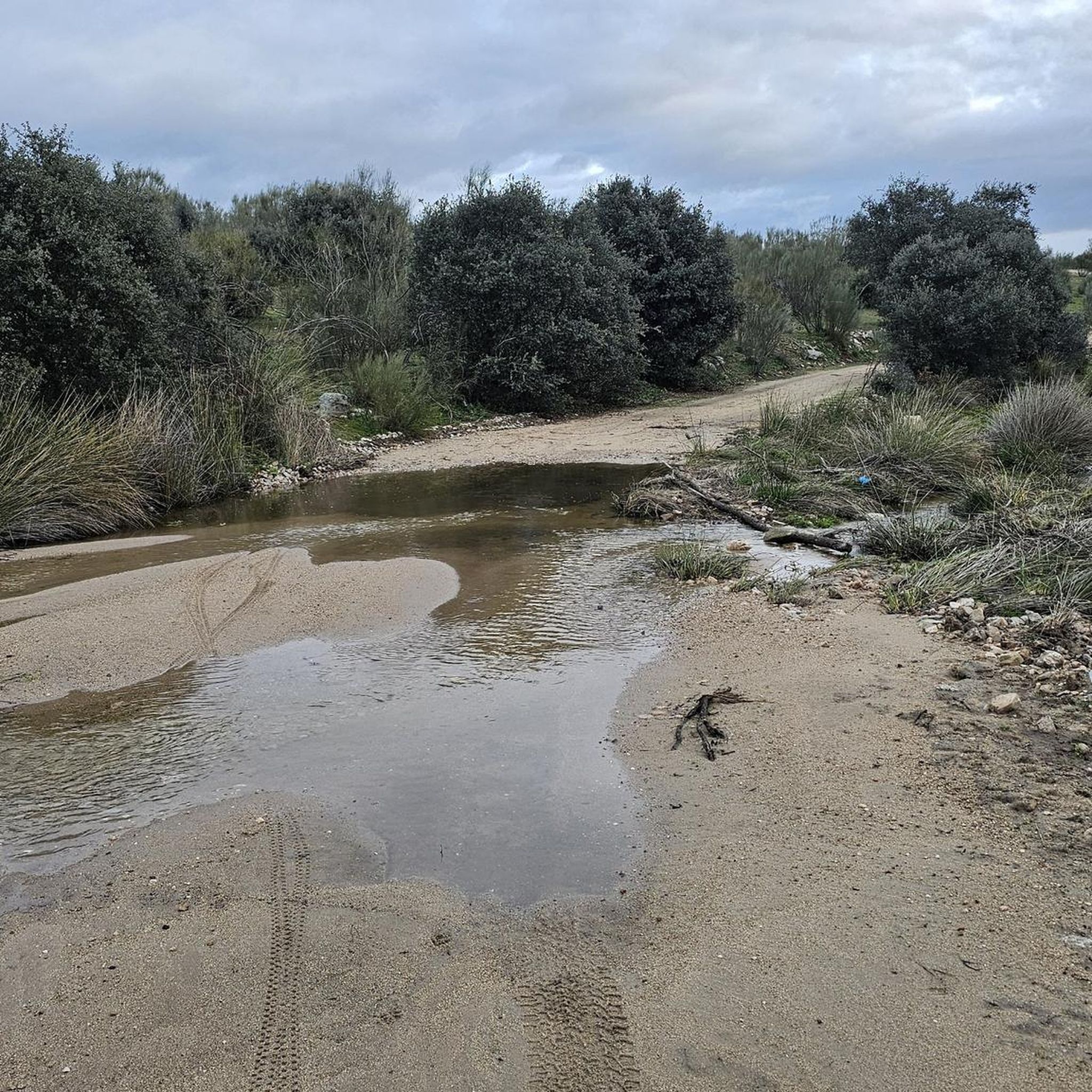
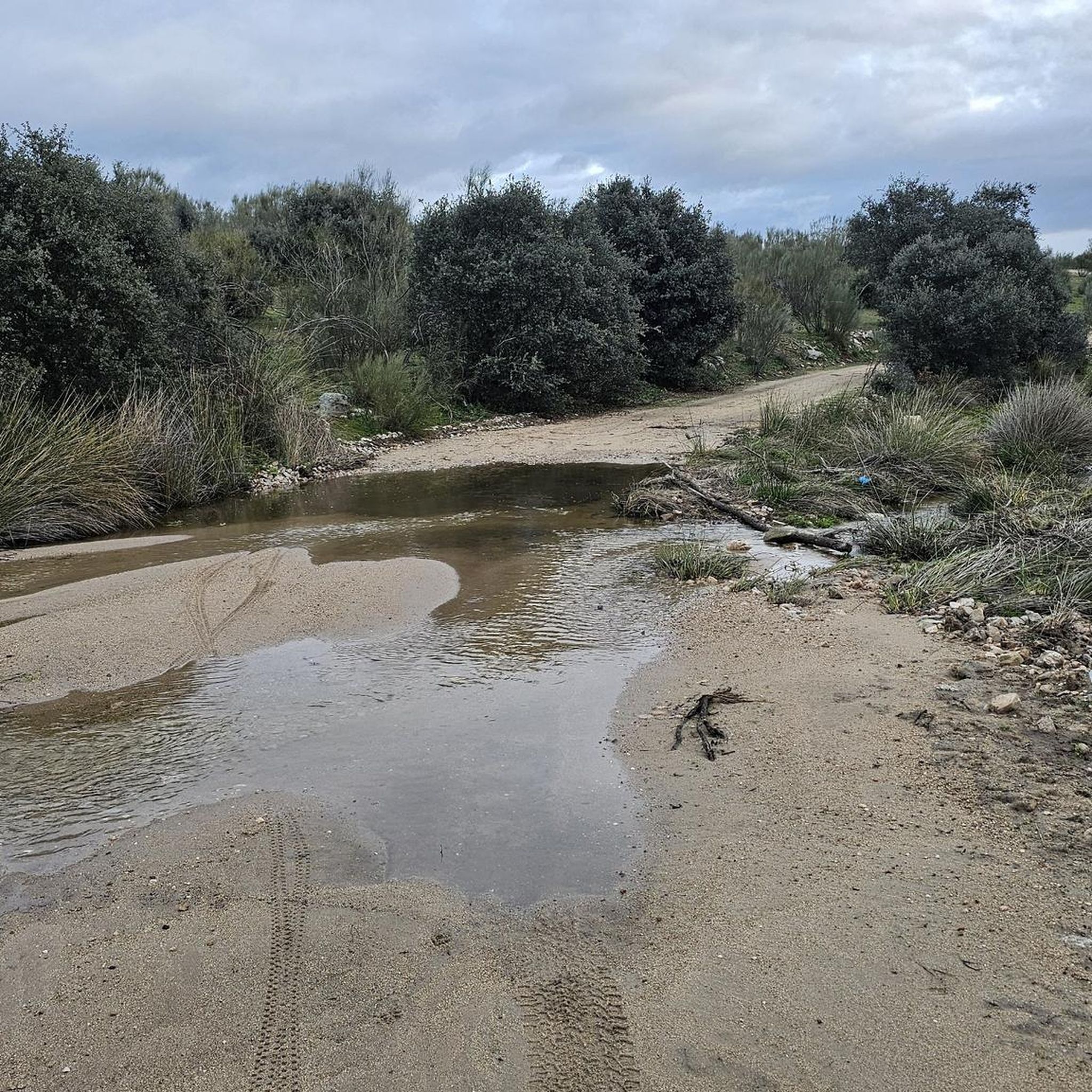
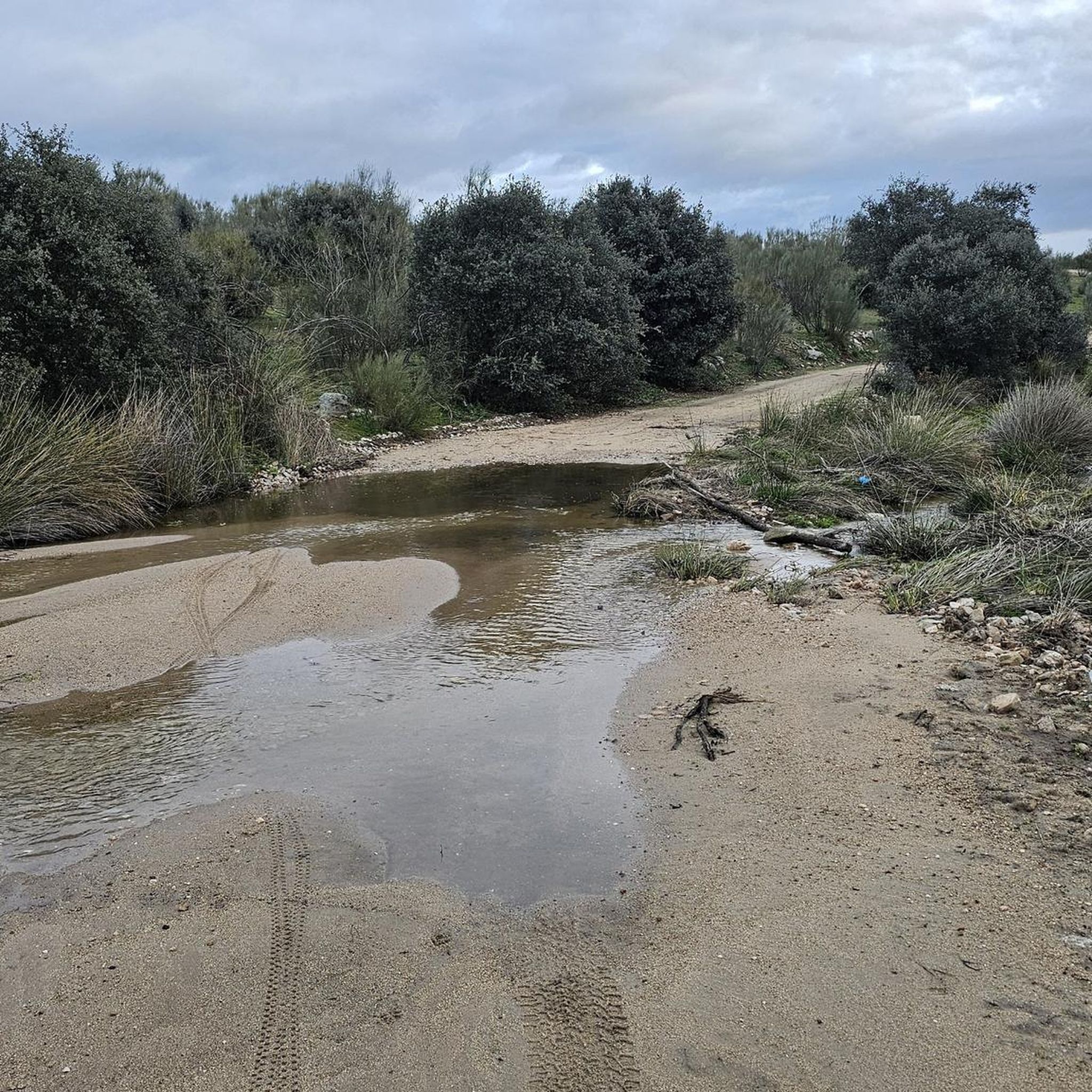
On November 26, 2025, the water covered many areas that are normally passable. You had to "climb" several rocks to get around the reservoir. This section was especially tricky when descending, and even more so if you were alone.
0
0

They say (I don't know how true this is) that Philip II used to watch the progress of the construction of the colossal monastery from this very spot during his hunting trips, which he was very fond of. Whether true or not, it makes for a beautiful viewpoint, especially in autumn.
1
0

The Chair of Philip II is a famous granite viewpoint in San Lorenzo de El Escorial, near Madrid. Legend has it that King Philip II used it to view the construction of the Monastery of El Escorial. However, experts believe it was actually an ancient Celtic altar, possibly used for rituals. Today, it's a popular hiking spot with stunning views of the monastery and its surroundings.
3
0

The Bear Cave in San Lorenzo de El Escorial is not a real, deep cave in the geological sense, but rather a peculiar rock formation in the Bosque de la Herrería. It is a natural cavity formed by the arrangement of large granite boulders that create a kind of shelter or "cave." It is located in the Bosque de la Herrería, a protected natural area declared a UNESCO World Heritage Site. It is on a very popular hiking trail, relatively close to the Chair of Philip II and the Fuente de los Hermanitos. Its name comes from the fact that its shape and size might evoke the idea of a bear's den, although no real bear ever lived there. Rather, it is a visual attraction, especially for children. Beyond being a "real" cave, it is a point of interest on the hiking trails in the Bosque de la Herrería.
0
0

The Chair of Philip II is a group of platforms and seats carved in granite. According to tradition, Philip II used this site as an observatory during the construction of the Monastery of El Escorial. However, some theories suggest that it could be an ancient Vetton altar. This site offers spectacular views of the Monastery of El Escorial and its surroundings, including the La Herrería forest. The route to reach the Chair of Philip II is quite accessible and can be done in approximately one hour from the San Lorenzo de El Escorial Tourist Office.
1
0
The Chair of Philip II is a group of platforms and seats carved in granite. According to tradition, Philip II used this site as an observatory during the construction of the Monastery of El Escorial. However, some theories suggest that it could be an ancient Vetton altar. This site offers spectacular views of the Monastery of El Escorial and its surroundings, including the La Herrería forest. The route to reach the Chair of Philip II is quite accessible and can be done in approximately one hour from the San Lorenzo de El Escorial Tourist Office.
1
0
Today, February 9, after the rains, the reservoir is higher, although you can still cross without climbing the rock, with a little care you won't get wet.
0
0
As of January 1, 2025, the water will no longer cover the path that runs under the granite stone and it can be passed through without any complications.
0
0
Frequently Asked Questions
What unique natural features can I explore around Fresnedillas De La Oliva?
The region offers a variety of natural features, including impressive granite formations like the El Fraile Rock Formation, which is a granite spire shaped like a cappuccino. You can also find natural springs such as Entrecabezas Spring, and significant forests like the Bosque de la Herrería, known for its ecological value and diverse flora.
Are there family-friendly natural monuments around Fresnedillas De La Oliva?
Yes, several natural monuments are suitable for families. The Seat of Philip II is a popular spot with historical intrigue and panoramic views. The Bear Cave, a peculiar rock formation within the Bosque de la Herrería, is also a visual attraction, especially for children, along a pleasant hiking trail.
Do any natural monuments in the area have historical significance?
Absolutely. The Seat of Philip II is steeped in history, with legends suggesting King Philip II observed the construction of El Escorial Monastery from here. Experts also believe it might have been an ancient Celtiberian altar. The El Fraile Rock Formation is located near the Royal Wall, built by order of Felipe II to mark the hunting grounds of the El Escorial Monastery.
What outdoor activities can I do near these natural monuments?
The area around Fresnedillas De La Oliva is excellent for various outdoor activities. You can find numerous routes for mountain biking, running, and road cycling. For example, explore the MTB Trails around Fresnedillas De La Oliva, or enjoy scenic runs on the Running Trails around Fresnedillas De La Oliva. Road cyclists can also find challenging routes like those listed in the Road Cycling Routes around Fresnedillas De La Oliva guide.
Which natural monuments offer the best panoramic views?
For breathtaking vistas, visit the Seat of Philip II, which provides panoramic views of the El Escorial Monastery, the Guadarrama Valley, and the Sierra de Navacerrada. The El Fraile Rock Formation also offers great views of the monumental complex of San Lorenzo de El Escorial.
Are there specific hiking trails associated with these natural monuments?
Yes, many natural monuments are integrated into popular hiking trails. The Bear Cave is a point of interest along a well-known trail in the Bosque de la Herrería, often leading to the Seat of Philip II. The Entrecabezas Spring serves as a starting point for ascents to nearby peaks like Machota Baja and Machota Alta.
What is the Bosque de la Herrería and why is it significant?
The Bosque de la Herrería is a significant natural area surrounding part of the San Lorenzo de El Escorial monastery. It is recognized as part of the Natura 2000 Network, designated as a Site of Community Interest and a Special Protection Area for Birds. It offers an ecological path for observing diverse flora and fauna, making it ideal for nature observation and hiking.
What do visitors enjoy most about the natural monuments in this region?
Visitors particularly appreciate the blend of natural beauty and historical intrigue. The panoramic views from spots like the Seat of Philip II are highly rated, as is the opportunity to explore unique geological formations and serene natural environments. The komoot community has shared over 80 photos and given more than 250 upvotes to these highlights, reflecting their appeal.
Is there a natural monument related to water or reservoirs?
Yes, the Stone slab above the Valmayor reservoir is a notable natural monument. It's a high granite slab found when traversing the Valmayor reservoir, offering a unique landscape feature, especially when the water level is high.
Are there any natural monuments that are particularly challenging to access or navigate?
The Stone slab above the Valmayor reservoir can be challenging. If the water level is high, you might need to walk and even 'unclimb' or 'climb' the rock, depending on your direction. It's advisable to be accompanied if you're cycling, as the slab can be smooth with few grip points.
What is the best time to visit the natural monuments around Fresnedillas De La Oliva?
The region is generally pleasant for outdoor activities. Spring and autumn offer mild temperatures ideal for hiking and exploring the forests and viewpoints. Summer can be warm, making early mornings or late afternoons preferable, especially for longer trails. Winter provides a different, often serene, experience, though some paths might be more challenging due to weather conditions.
Most popular routes around Fresnedillas De La Oliva
Most popular attractions around Fresnedillas De La Oliva

Get inspired with the komoot mobile app


Explore more
Extend your search for the best caves by checking out these guides of the top ones around Fresnedillas De La Oliva:
