Top 4 Natural Monuments around Mieres
Natural monuments around Mieres, a town in Asturias, Spain, are characterized by diverse natural landscapes. The area features mountainous terrain, green valleys, and significant geological formations. It serves as a base for exploring various natural attractions, including parts of a large natural park. The region's natural heritage offers opportunities for hiking and observing geological features.
Best natural monuments around Mieres
- The most popular natural monuments is Ojo de Buey (L'Arcu de la Finiesta), Peña Mea, a natural monument that is an impressive window of more than 20 meters in diameter, created by erosion of the limestone rock. It is worth seeing this tremendous hole from different angles.
- Another must-see spot is Cueva de La Peña, a cave. This site can be crowded with other hikers at some points. It is recommended for exploration in wet conditions, or early in the morning during high temperatures.
- Visitors also love Campo de San Francisco, a natural monument with trees, fountains, and flower gardens. It offers a blend of natural elements and historical features, including the Palacio de Velázquez.
- Mieres is known for its caves, mountain passes, and unique rock formations. The region offers a range of natural monuments for hiking, exploration, and scenic views.
- The natural monuments around Mieres are appreciated by the komoot community, with 17 upvotes and 9 photos shared by users.
Last updated: October 4, 2026
Campo de San Francisco
Highlight • Parking
One of the most popular statues in the park is the Statue of Mafalda, a character from a popular Argentine comic strip. The statue is a tribute to the creator of the comic, Quino, born in Argentina but with Asturian roots.
You can also visit the Oviedo Botanical Garden: Located a few steps from the park, it has more than 30,000 plants, including many rare and endangered species.
Translated by Google •
Tip by

Ojo de Buey (L'Arcu de la Finiesta), Peña Mea
Highlight • Natural Monument
Translated by Google •
Tip by
Sign up now to discover places like this
Get recommendations on the best single tracks, peaks, & plenty of other exciting outdoor places.
Cueva de La Peña
Highlight • Cave
Tip by

Collada de Pelúgano
Highlight • Mountain Pass
Translated by Google •
Tip by

El Escobín (Picayu) Summit
Highlight • Summit
Translated by Google •
Tip by
Start today with a free account
Your next adventure awaits.
Popular around Mieres
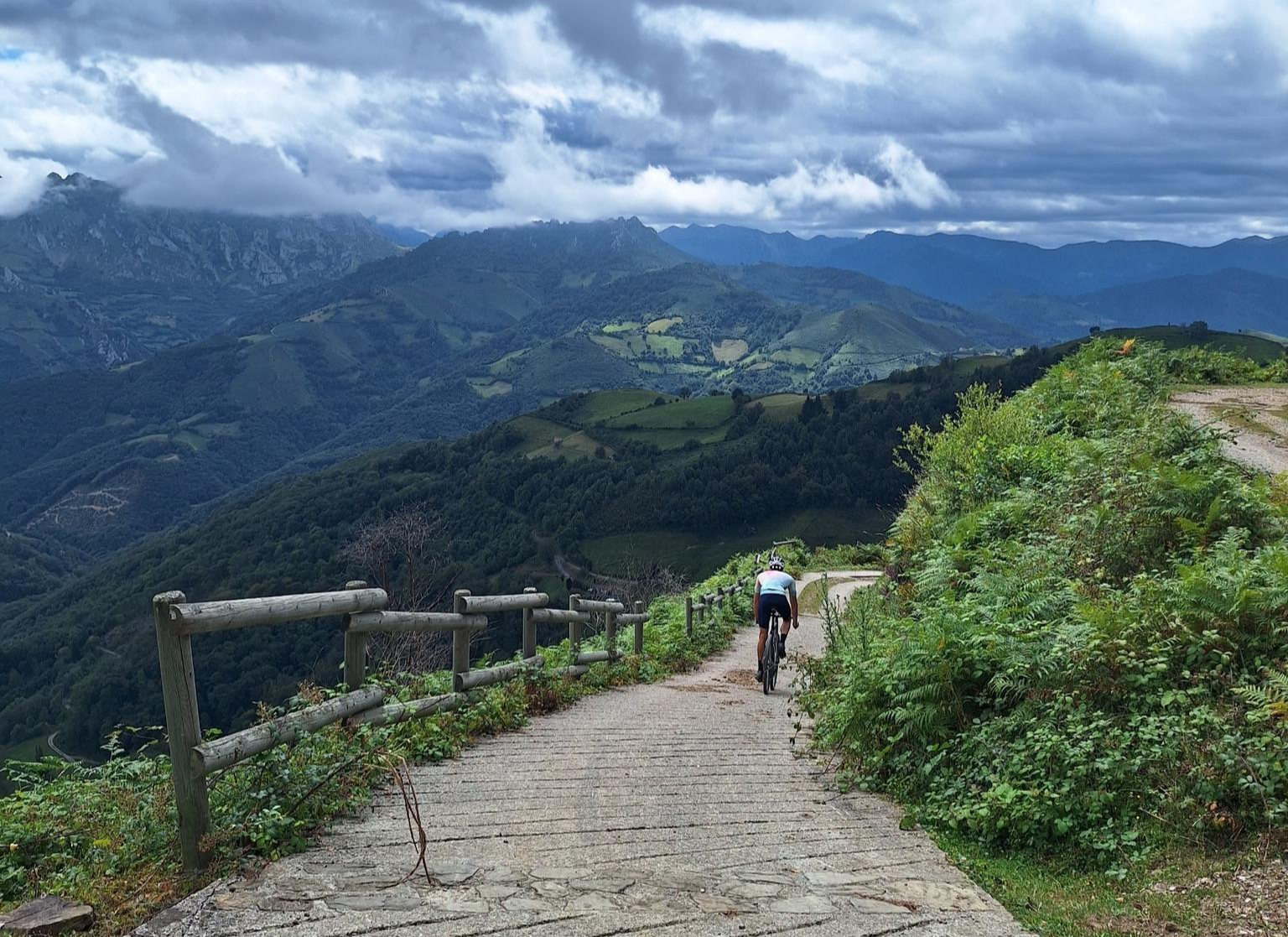
Central Mountain Cycling Ring GR 208 - Tour of the Asturian Mountains
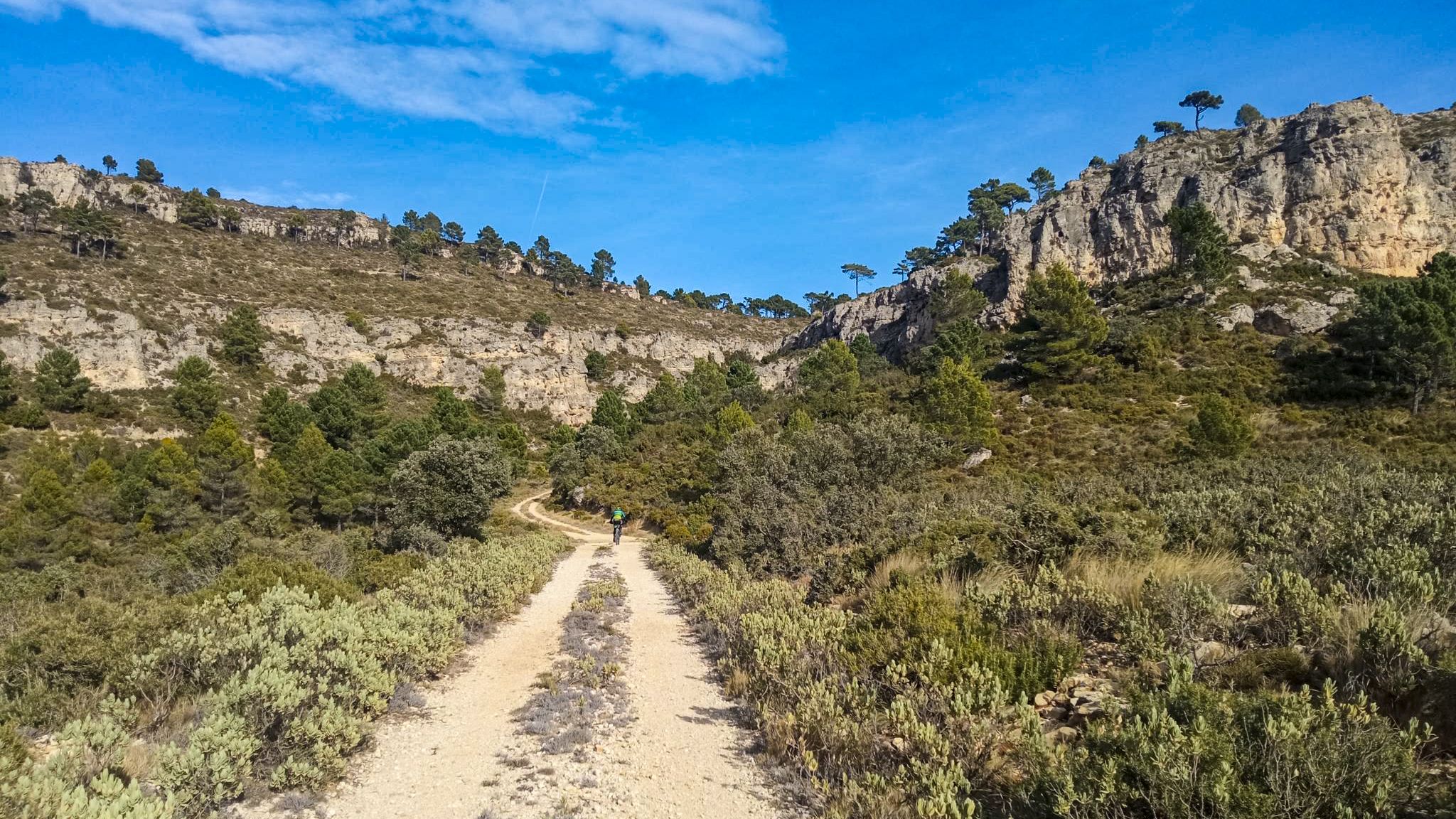
10 gravel routes to discover hidden gems in Spain
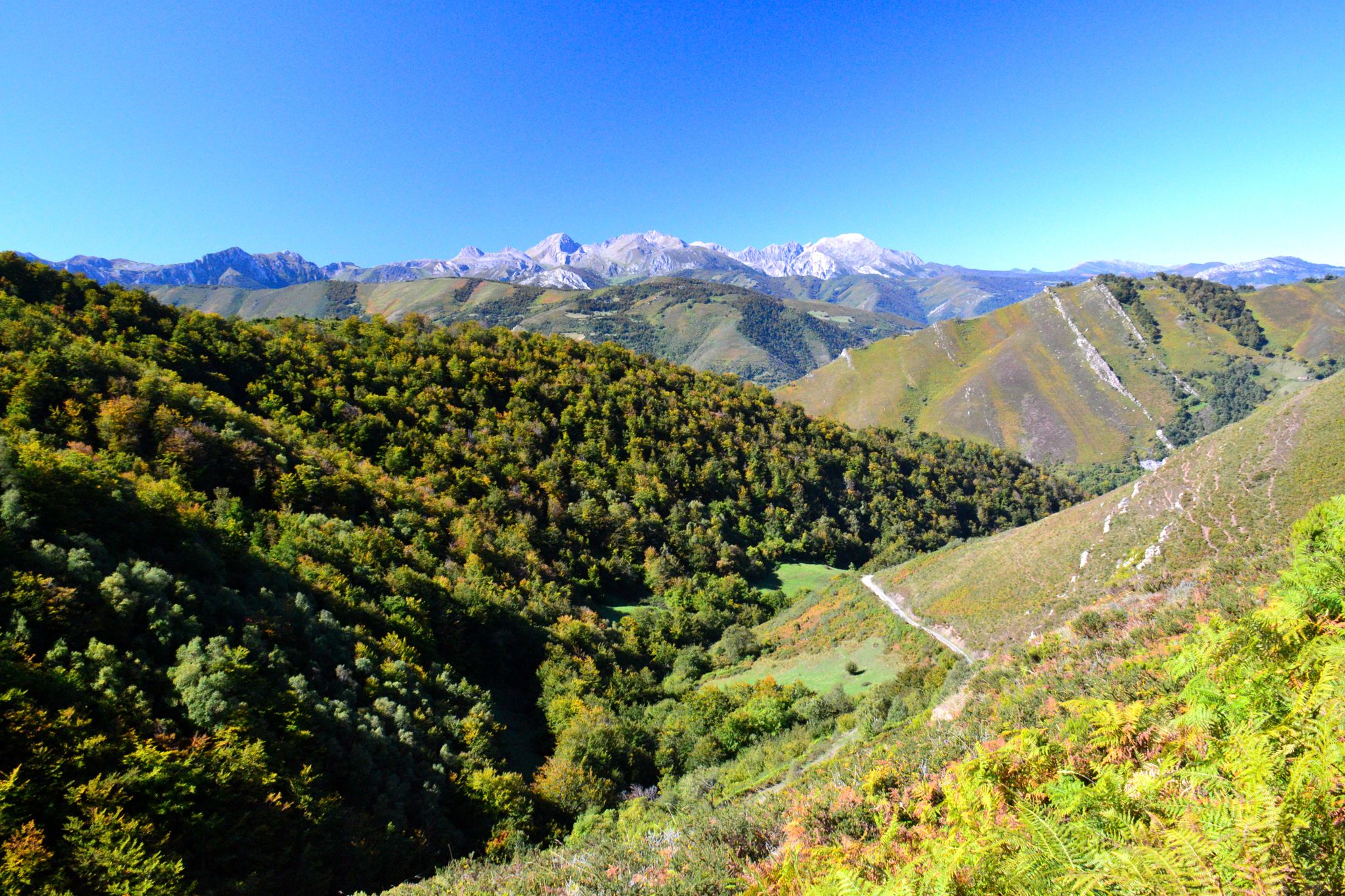
The heart of Asturias – Central Mountain Cycling Ring
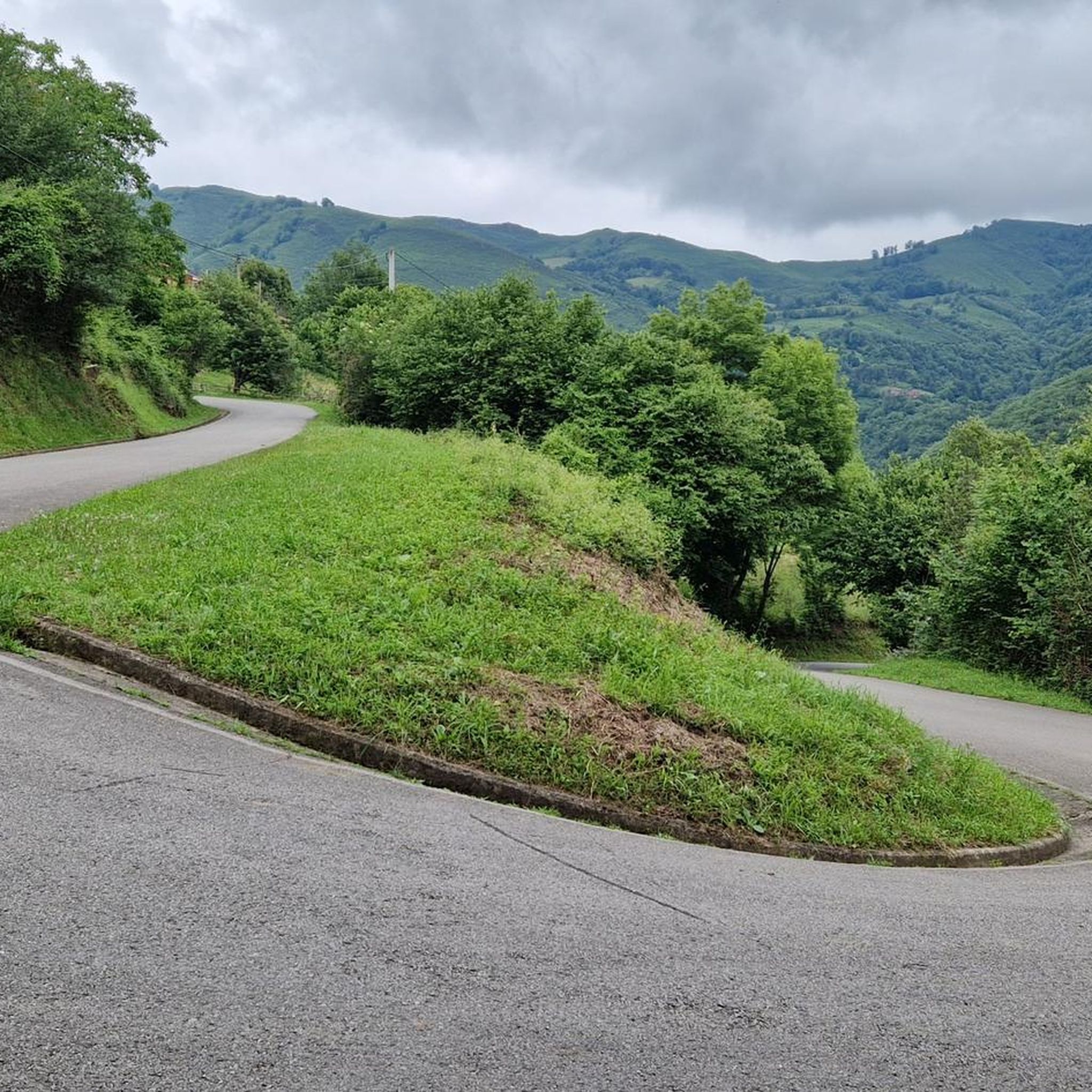
Road Cycling Routes around Mieres
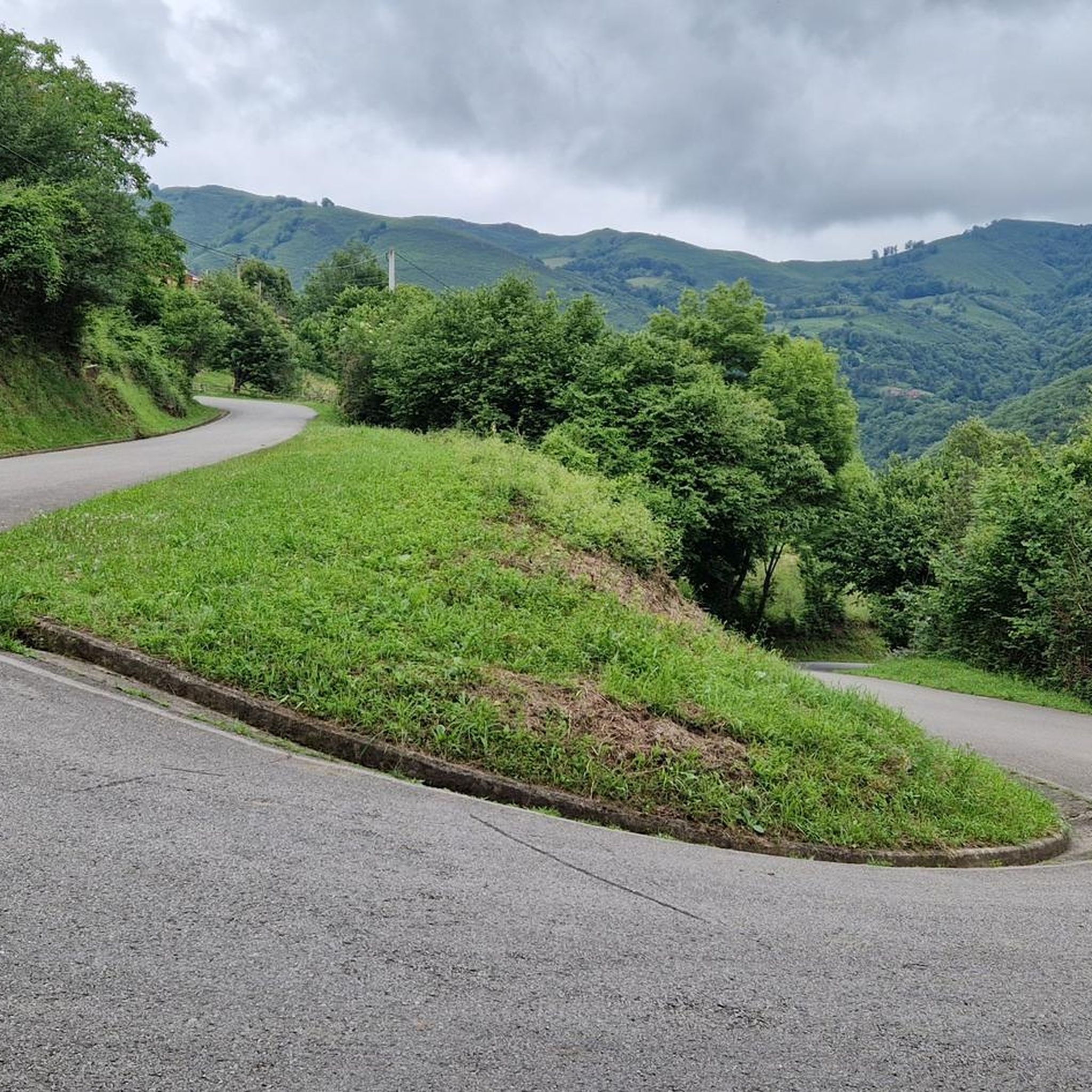
Cycling around Mieres
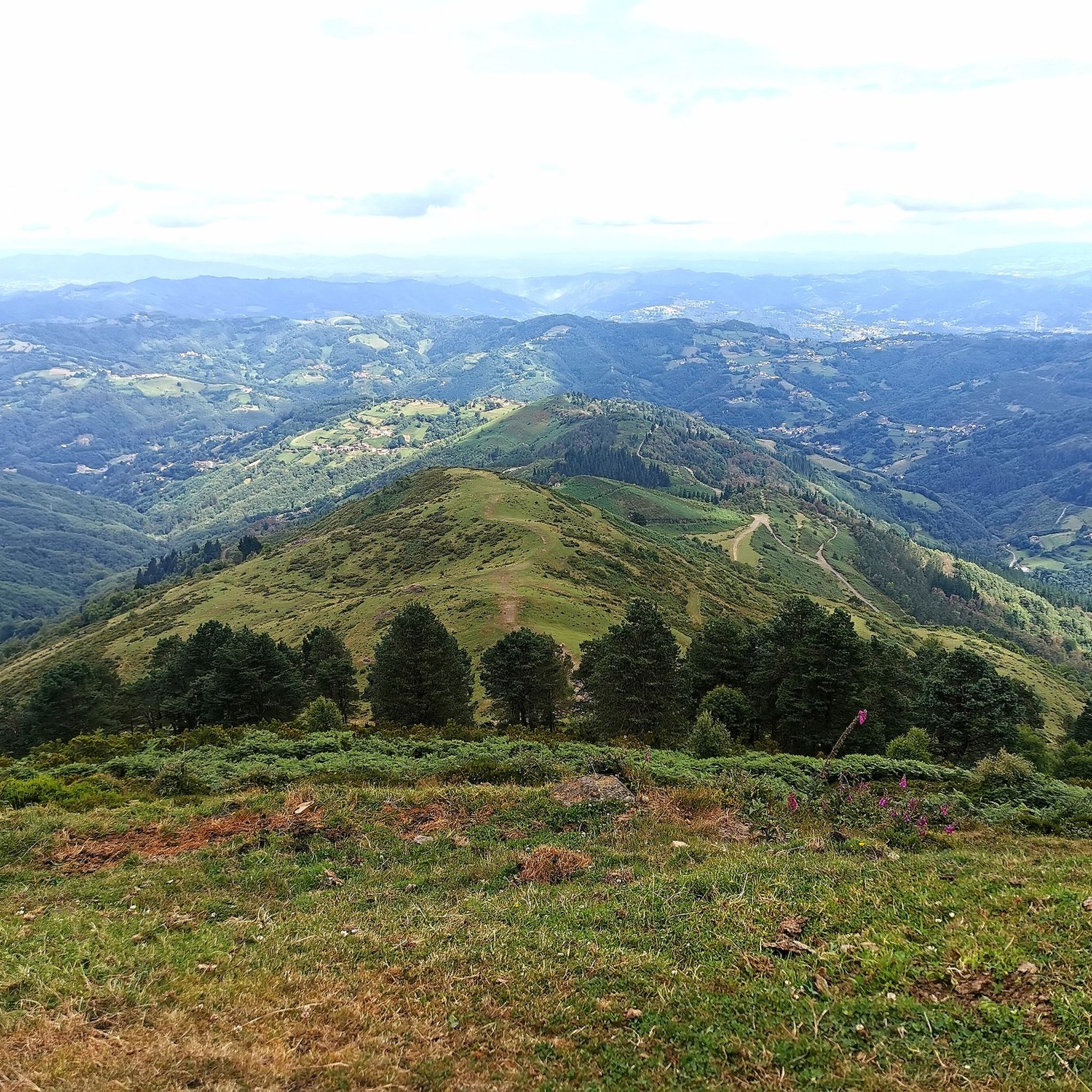
Hiking around Mieres
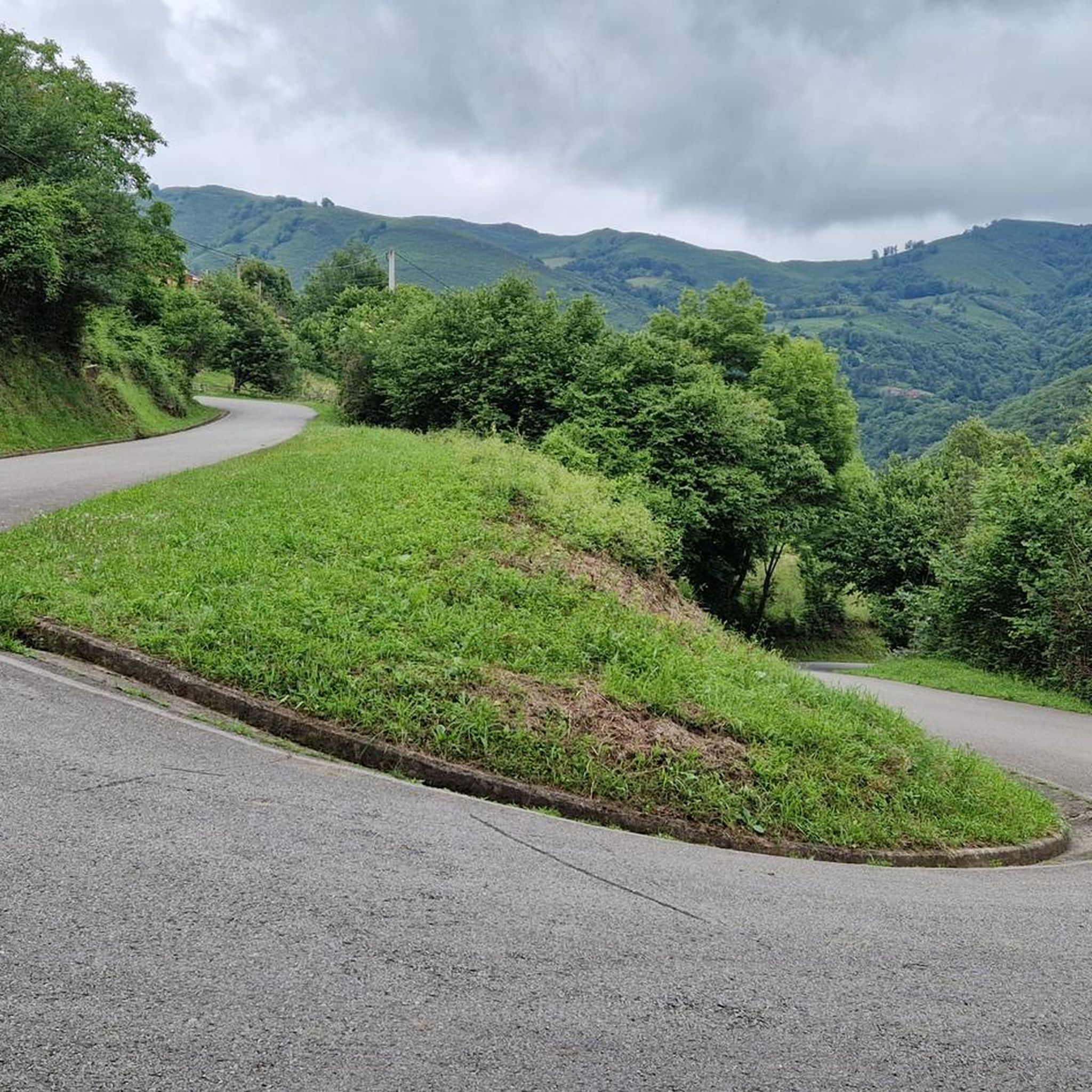
MTB Trails around Mieres
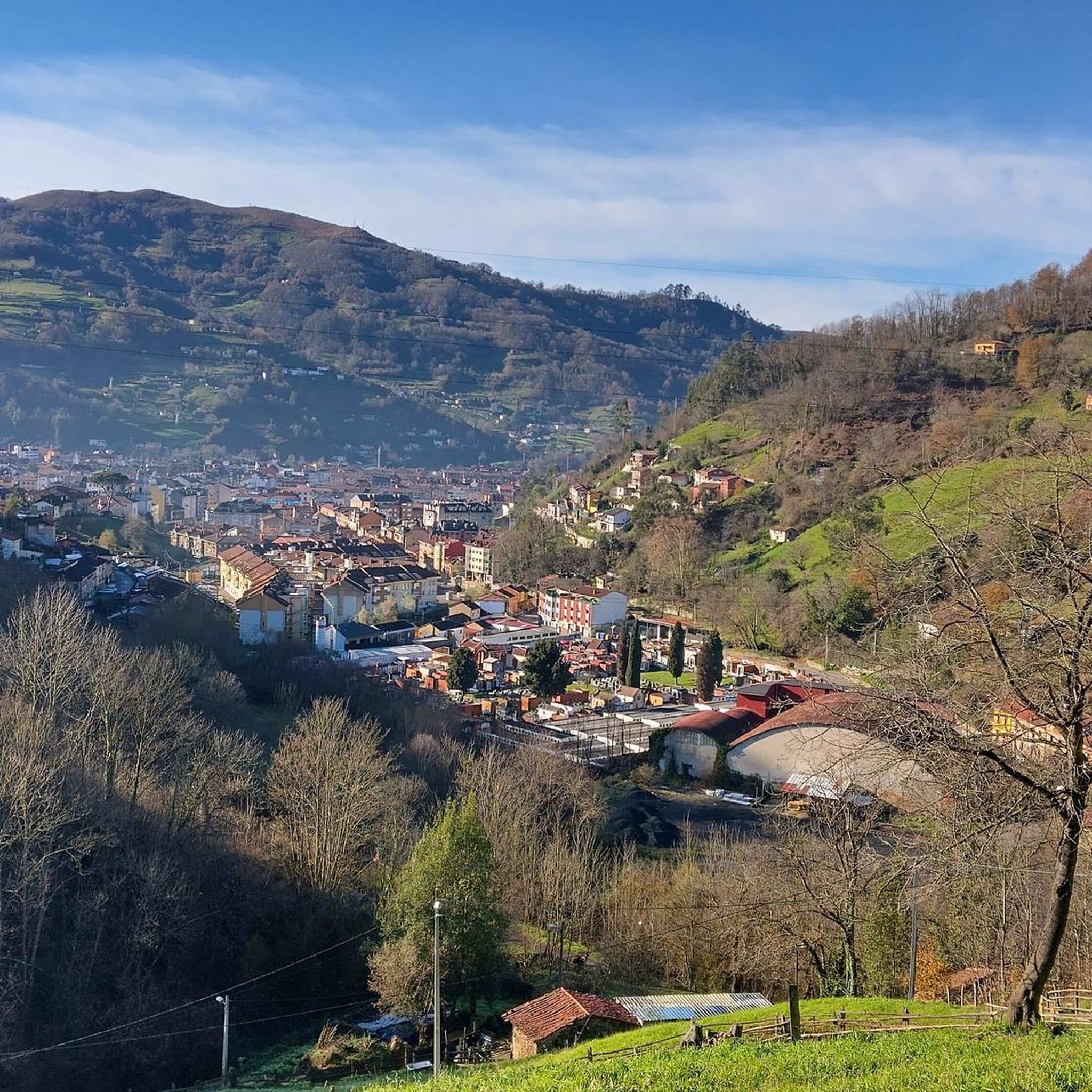
Running Trails around Mieres

Gravel biking around Mieres
Other adventures around Mieres


Tips from the Community

Can be a bit crowded with other hikers at some points. I would recommend it in wet conditions. In case of high temperatures, go early in the morning.
0
0
Beautiful hike up from Pelluno. Even if you go up to Peña Mea/Ojo de Buey, I would include the Collada de Pelúgano.
0
0

A park full of sculptures, water features, and benches to linger. Allegedly one of the largest city parks in Asturias. Very beautiful!
1
0

Several ways to go up and down, caution, some roads are dangerous
0
0

A great place full of trees, fountains, statues and flower gardens. Visit the Palacio de Velázquez, an impressive building located in the park that was once a royal residence. Today it houses the Museum of Fine Arts of Asturias, where you can see a collection of art from the Middle Ages to the present day. One of the most popular statues in the park is the Statue of Mafalda, a character from a popular Argentine comic strip. The statue is a tribute to the creator of the comic, Quino, born in Argentina but with Asturian roots. You can also visit the Oviedo Botanical Garden: Located a few steps from the park, it has more than 30,000 plants, including many rare and endangered species.
2
0
The Ojo de Buey (L'Arcón de la Finistra) is in the Peña Mea massif, in central Asturias, between the councils of Aller and Laviana. It is an impressive window of more than 20 meters in diameter, created by erosion of the limestone rock. It is worth seeing this tremendous hole from different angles.
4
0
A great place full of trees, fountains, statues and flower gardens. Visit the Palacio de Velázquez, an impressive building located in the park that was once a royal residence. Today it houses the Museum of Fine Arts of Asturias, where you can see a collection of art from the Middle Ages to the present day. One of the most popular statues in the park is the Statue of Mafalda, a character from a popular Argentine comic strip. The statue is a tribute to the creator of the comic, Quino, born in Argentina but with Asturian roots. You can also visit the Oviedo Botanical Garden: Located a few steps from the park, it has more than 30,000 plants, including many rare and endangered species.
2
0
Frequently Asked Questions
What are some notable natural monuments and attractions in the Mieres area?
The region around Mieres offers a variety of impressive natural monuments. Key attractions include the vast Parque Natural de Las Ubiñas-La Mesa, home to the dramatic Peña Ubiña peak and diverse ecosystems. Within this park, you can find the significant Monumento Natural Cueva Huerta, one of Asturias' largest caves, and the scenic meadowlands of Puertos de Marabio. Other notable features include the ancient Tejo de Bermiego and the geological formations of the Calcareous Cliffs in Lloreo and Baíña. For specific natural arches, consider visiting Ojo de Buey (L'Arcu de la Finiesta) in the Peña Mea massif.
Are there opportunities for hiking and outdoor activities near Mieres' natural monuments?
Yes, the natural monuments around Mieres are excellent for outdoor activities. The Parque Natural de Las Ubiñas-La Mesa is particularly well-suited for hiking, cycling, and wildlife observation, with its extensive beech forests and mountainous terrain. You can explore various trails, from challenging ascents to more moderate routes. For specific routes, consider exploring the gravel biking, traffic-free bike rides, or road cycling routes available in the area.
What kind of natural features can I expect to see when visiting these monuments?
You can expect to encounter a rich diversity of natural features. The mountainous landscapes of the Parque Natural de Las Ubiñas-La Mesa offer rocky peaks, green valleys, and deep gorges. Geological wonders include the impressive natural arch of Ojo de Buey, the extensive underground system of Cueva Huerta, and the unique karstic formations of Puertos de Marabio. You'll also find ancient trees like the Tejo de Bermiego and scenic calcareous cliffs.
Where can I find the best panoramic views of the natural landscapes?
For breathtaking panoramic views, consider visiting the Collada de Pelúgano, located at an altitude of 1,017 meters, which offers stunning vistas of the limestone mountain range and lush green slopes. The summit of El Escobín (Picayu) also provides a 360º view of the surrounding area. Many points within the Parque Natural de Las Ubiñas-La Mesa, especially from higher elevations, offer spectacular scenery.
Are there any family-friendly natural monuments or activities suitable for children?
While many natural monuments involve hiking, some areas can be enjoyed by families. The Parque Natural de Las Ubiñas-La Mesa has various trails, some of which are less strenuous. The accessible walkway tour within Monumento Natural Cueva Huerta offers a unique underground experience suitable for families. Additionally, the Campo de San Francisco, though technically in Oviedo, is a park with trees, fountains, and gardens that can be a pleasant stop for families.
What is the best time of year to visit the natural monuments around Mieres?
The best time to visit largely depends on the activities you plan. Spring and autumn offer pleasant temperatures for hiking and exploring the forests, with vibrant foliage in autumn. Summer is ideal for longer hikes and enjoying the high mountain areas, though some popular spots can be more crowded. Winter can be beautiful for snow-covered landscapes, but access to higher elevations or certain trails might be restricted due to snow and ice.
How can I access the natural monuments, and is parking available?
Access to the natural monuments typically involves driving to trailheads or specific visitor centers. Parking availability varies by location; some popular spots may have designated parking areas. For example, the Campo de San Francisco offers parking facilities. For more remote natural monuments like those within the Parque Natural de Las Ubiñas-La Mesa, you may need to check specific access points and parking options beforehand. Public transport options directly to all natural monuments can be limited, so a car is often recommended for flexibility.
Can I visit the Cueva Huerta Natural Monument, and what should I expect?
Yes, the Monumento Natural Cueva Huerta is open to visitors. It's one of Asturias' largest caves, known for its geological formations and bat colonies. You can expect guided tours, including a more accessible walkway route and a more challenging riverbed route for the adventurous. Its impressive size and complex hydrological system make it a fascinating natural wonder. For more detailed information, you can check resources like Wikipedia.
Are there any challenging hikes for experienced adventurers?
Absolutely. The region offers several challenging routes. The ascent to El Escobín (Picayu) Summit is considered challenging, offering rewarding 360º views. Similarly, exploring Cueva de La Peña is also rated as challenging. The mountainous terrain of the Parque Natural de Las Ubiñas-La Mesa, especially around Peña Ubiña, provides numerous demanding trails for experienced hikers.
What kind of wildlife can be observed in the natural parks?
The Parque Natural de Las Ubiñas-La Mesa is a haven for Cantabrian wildlife. Visitors have the chance to observe species such as brown bears, wolves, wild boars, and deer. It's also an important habitat for the Cantabrian capercaillie. The Monumento Natural Cueva Huerta is particularly significant for its large colonies of protected cave bats.
Are there any ancient or historically significant natural features in the area?
Yes, the region is home to the ancient Tejo de Bermiego (Yew Tree of Bermiego), which holds significant cultural and historical importance in Asturias. These ancient yew trees are often designated as natural monuments due to their age and local lore. The geological formations themselves, like the Calcareous Cliffs, also tell a story of the region's ancient past.
Most popular attractions around Mieres

Get inspired with the komoot mobile app


Explore more
Extend your search for the best caves by checking out these guides of the top ones around Mieres:
