Top 9 Natural Monuments around Bande
Best natural monuments around Bande are primarily found within the Baixa Limia – Serra do Xurés Natural Park, a UNESCO-designated area known for its diverse landscapes. This region in Ourense, Galicia, Spain, features rugged mountains, granite formations, and winding rivers. It offers a blend of natural beauty and historical significance, with unique geological features and rich biodiversity. The area provides opportunities to explore varied ecosystems and striking formations.
Best natural monuments around Bande
- The most popular natural monuments is Bico…
Last updated: July 1, 2026
Bico do Patelo
Highlight • Natural Monument
Translated by Google •
Tip by

Roman Baths of Bande
Highlight • Historical Site
Translated by Google •
Tip by

Sign up now to discover places like this
Get recommendations on the best single tracks, peaks, & plenty of other exciting outdoor places.
Sign up for free
Dolmen of Casola do Foxo
Highlight • Historical Site
Translated by Google •
Tip by

Pozo Caído Waterfall
Highlight • Waterfall
Translated by Google •
Tip by

Vieiro Spring
Highlight • Natural Monument
Translated by Google •
Tip by

Sign up for free to discover even more natural monuments around Bande.
Sign up for free
Already have an account?
Start today with a free account
Your next adventure awaits.
Login or Signup
Tips from the Community

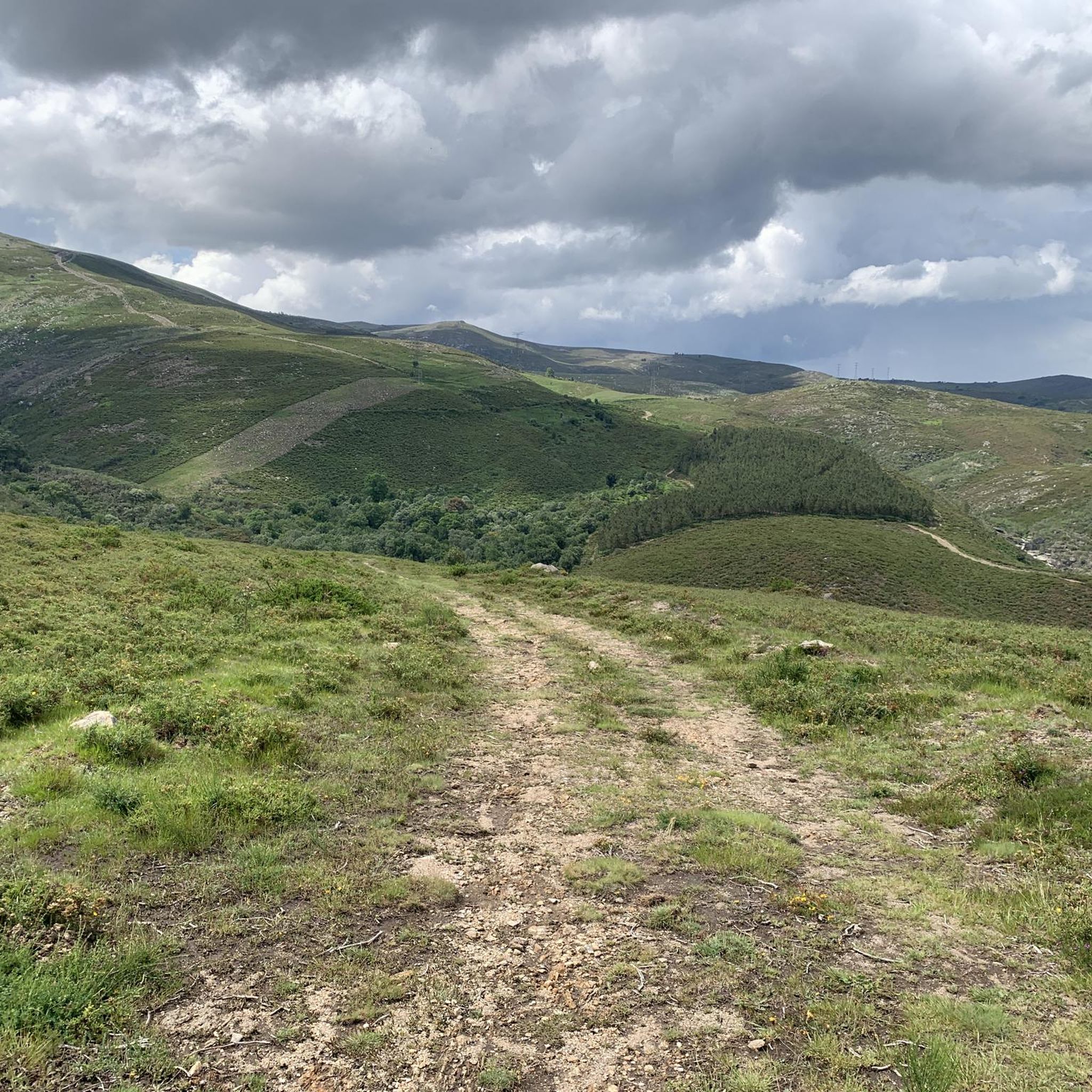
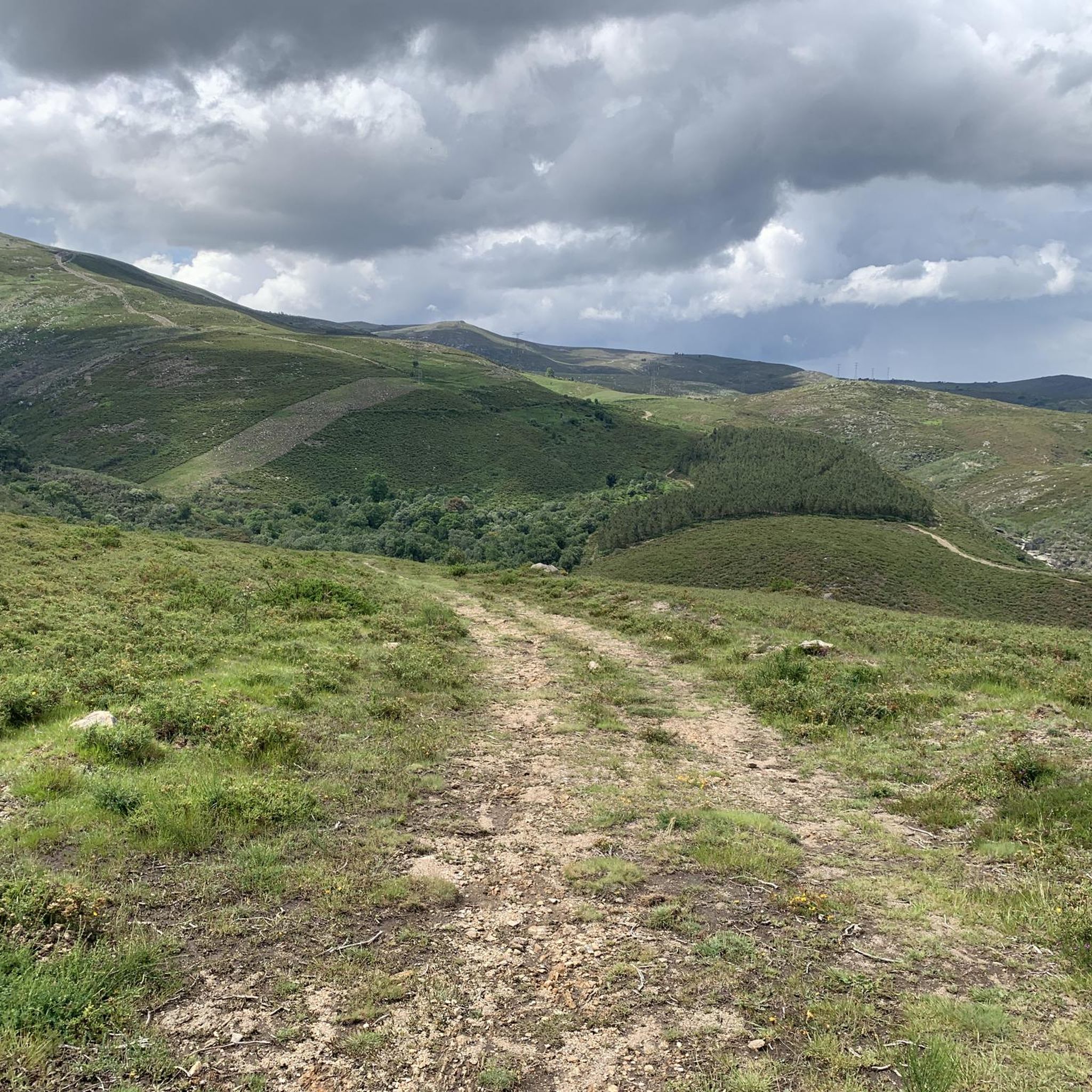
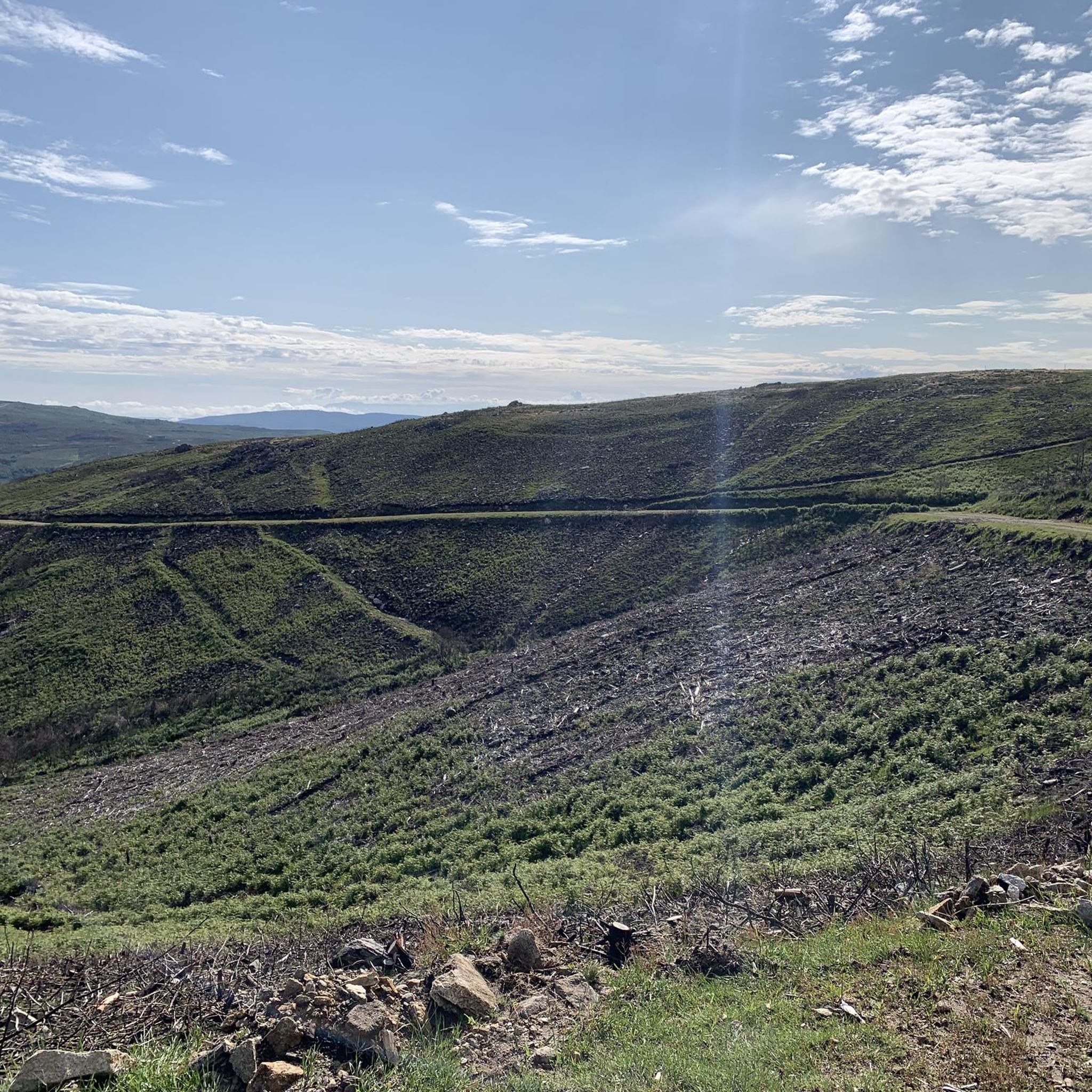
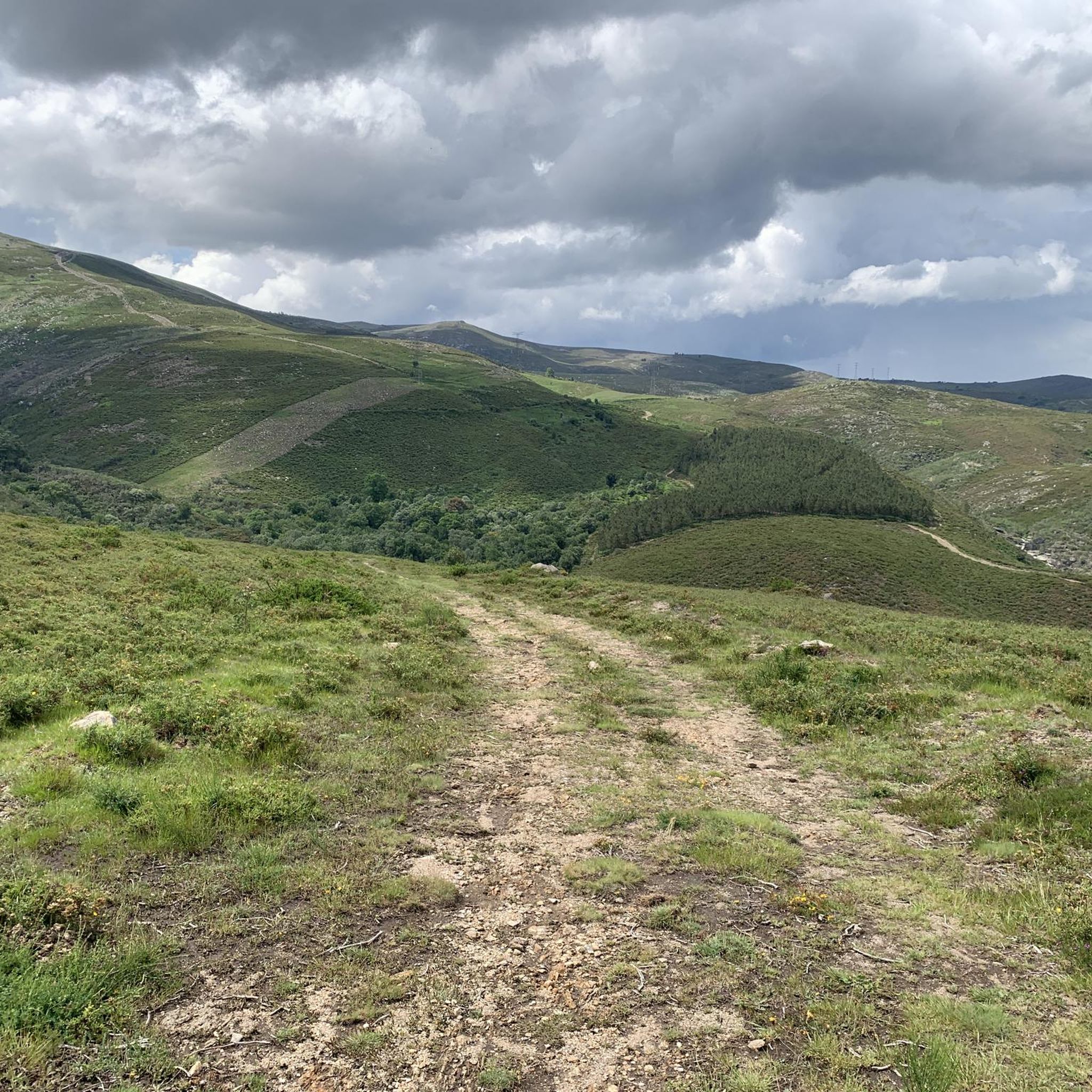
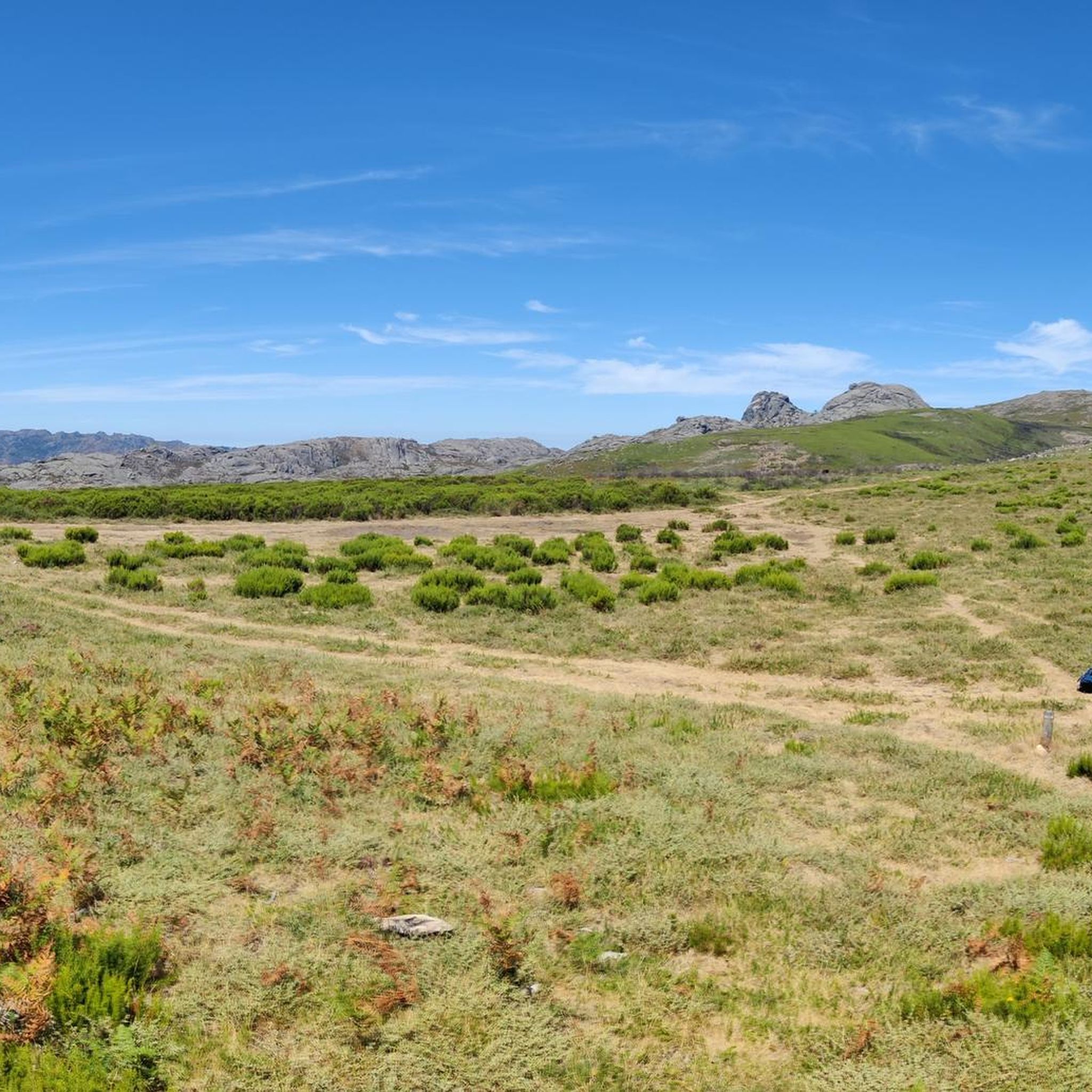
There is a beautiful landscape nearby to enjoy.
0
0

Bico do Patelo, literally "Patelo’s Beak," is a striking granite rock formation in Peneda-Gerês National Park. Its bold shape rises above the surrounding hills, catching the eye from different points along the PR3 Castrejo trail. As you approach, the unusual form makes it a natural landmark and one of the memorable sights of the hike.
0
0

Among the low scrubland, oak groves and winding streams, the imposing granite outcrops that define this mountain landscape stand out. Sculpted by time, wind and water, they form escarpments and rocks of improbable balance, such as the Bico do Patelo, an immense rock that seems to defy gravity. In this wild landscape, the mountain goat reigns supreme, agile and imposing, running along the cliffs as if they were trails traced just for it.
1
0

It has a burial chamber with approximate dimensions of 3.5 metres long, 2 metres wide and a height of up to 2 metres. The stones that form it, known as orthostats, can reach an estimated weight of between 500 and 1,500 kilograms each, depending on their size and thickness. These large granite slabs, typical of dolmens, were carefully placed by Neolithic communities as collective funerary monuments, reflecting the effort and ritual importance of the place.
1
0
Dating back to the Neolithic period (approximately between 4,000 and 3,000 BC), this dolmen, made up of large stone slabs arranged vertically and covered by a top slab, served as a collective tomb. It is one of the most representative examples of prehistoric funerary architecture in the region.
1
0
The Roman Baths of Bande, or Aquis Querquennis, in Ourense, are part of an ancient Roman military camp from the 1st century AD, located next to the As Conchas reservoir. This archaeological complex includes ruins of barracks and walls, along with thermal baths fed by 50ºC thermal waters known for their medicinal properties. It is a site of great historical and tourist interest, combining nature and history in a unique setting.
1
0

fountain and rest area at the top of Vieiro on the route from Bande to Celanova, fresh and drinkable water
2
0

In Bande we stumbled upon a special place. Hidden in the rainy season but in full use when the As Conchas dam, which retains the Limia River, drops low enough, we come across the marvelous Bande Roman baths.
6
0
Frequently Asked Questions
What unique natural features can I expect to see around Bande?
The natural monuments around Bande are primarily located within the Baixa Limia – Serra do Xurés Natural Park. Here you'll find diverse landscapes, from rugged mountains to winding rivers. Notable features include immense granite rock formations, such as Bico do Patelo, and distinctive 'bolos graníticos' (granite boulders). The park also features captivating waterfalls like the Pozo Caído Waterfall and the A Fecha waterfalls, along with lush forests and several reservoirs.
Are there any significant historical natural monuments near Bande?
Yes, the area around Bande offers a blend of natural beauty and historical significance. You can visit the Old Bridge of Castro Laboreiro, a medieval-style bridge spanning the Laboreiro River. Another important site is the Dolmen of Casola do Foxo, a Neolithic collective tomb. Additionally, the Roman Baths of Bande offer a unique combination of historical exploration and natural thermal experiences, though they may be submerged at times due to water levels.
What kind of wildlife can be observed in the natural monuments area?
The Baixa Limia – Serra do Xurés Natural Park is a Special Protection Area for Birds (ZEPA), making it an excellent spot for birdwatching, including impressive birds of prey like the golden eagle and Bonelli's eagle. Beyond birds, the park is home to mammals such as wolves, wild boars, roe deer, and mountain goats. You might also encounter unique local breeds like the 'Cachena' cows, known for their large horns.
Where can I find impressive rock formations around Bande?
The region is characterized by its striking granite geology. One of the most impressive rock formations is Bico do Patelo, an immense granite rock that appears to defy gravity. Throughout the Baixa Limia – Serra do Xurés Natural Park, you'll find numerous 'bolos graníticos' or 'piedras cabaleiras' (granite boulders) sculpted by time, wind, and water, forming unique escarpments and balanced rocks.
Are there any waterfalls worth visiting near Bande?
Yes, the area features several captivating waterfalls. The Pozo Caído Waterfall is a small but picturesque cascade in the Pacín river. The Baixa Limia – Serra do Xurés Natural Park also boasts the A Fecha waterfalls, which are considered a worthwhile visit for their natural beauty.
What outdoor activities are available near the natural monuments of Bande?
The natural monuments around Bande offer excellent opportunities for outdoor activities, especially within the Baixa Limia – Serra do Xurés Natural Park. You can explore over 11 marked hiking trails spanning 130 kilometers. For those interested in other sports, there are also numerous running trails, road cycling routes, and general cycling routes available in the vicinity.
Are there family-friendly natural monuments or activities around Bande?
Yes, the region offers options suitable for families. The Roman Baths of Bande are considered family-friendly, offering a unique historical and thermal experience. Exploring the varied landscapes of the Baixa Limia – Serra do Xurés Natural Park, with its forests and rivers, can also be a great family activity, especially on easier trails.
Can I bring my dog to the natural monuments and trails in the Bande area?
Many natural areas in Galicia, including parts of the Baixa Limia – Serra do Xurés Natural Park, are generally dog-friendly, especially on trails. However, it's always recommended to keep dogs on a leash to protect wildlife and ensure the safety of other visitors. Specific rules may apply in certain protected zones or facilities, so check local signage.
Are there specific hiking trails to explore the natural monuments?
The Baixa Limia – Serra do Xurés Natural Park features over 11 marked hiking trails covering 130 kilometers, providing ample opportunities to explore its diverse ecosystems. For example, the PR3 Castrejo trail offers views of Bico do Patelo. You can find more details on various running and cycling routes that pass through these natural monuments.
When is the best time of year to visit the natural monuments around Bande?
The best time to visit depends on your interests. Late spring is ideal for seeing the Xurés lily in bloom and enjoying lush vegetation. Autumn offers beautiful fall colors in the deciduous forests. Summer provides warmer weather for outdoor activities, though some areas like the Roman Baths may be submerged. Generally, spring and autumn offer pleasant temperatures for hiking and exploring.
What are the parking options when visiting natural monuments near Bande?
Parking availability varies by specific site. For popular locations like the Roman Aquis Querquennis (which includes the Roman Baths of Bande), there is usually public parking available. For trails and more remote natural monuments within the Baixa Limia – Serra do Xurés Natural Park, designated parking areas are often found at trailheads or visitor centers. It's advisable to check specific access points for parking information.
How can I get to the natural monuments around Bande using public transport?
Public transport options to reach the more remote natural monuments around Bande, especially within the Baixa Limia – Serra do Xurés Natural Park, can be limited. While Bande itself may have bus connections, reaching specific trailheads or natural sites often requires a private vehicle. Planning ahead and checking local bus schedules for connections to larger towns near the park is recommended.
What do visitors particularly enjoy about the natural monuments near Bande?
Visitors appreciate the profound sense of immersion in nature and the striking geological formations. The imposing granite outcrops, like Bico do Patelo, are often highlighted for their unique appearance. The tranquility of places like the Old Bridge of Castro Laboreiro and the historical significance of sites like the Dolmen of Casola do Foxo are also frequently mentioned as memorable aspects of their visit.
Most popular attractions around Bande

Get inspired with the komoot mobile app


Explore more
Extend your search for the best caves by checking out these guides of the top ones around Bande:
