Top 10 Natural Monuments around Cantabrana
Best natural monuments around Cantabrana offer a diverse landscape characterized by geological formations, historical sites, and scenic trails. This region, located in northern Spain, features a blend of natural beauty and cultural heritage. Visitors can explore areas with unique geological features and historical significance. The natural monuments near Cantabrana provide opportunities for outdoor activities and observation of natural environments.
Best natural monuments around Cantabrana
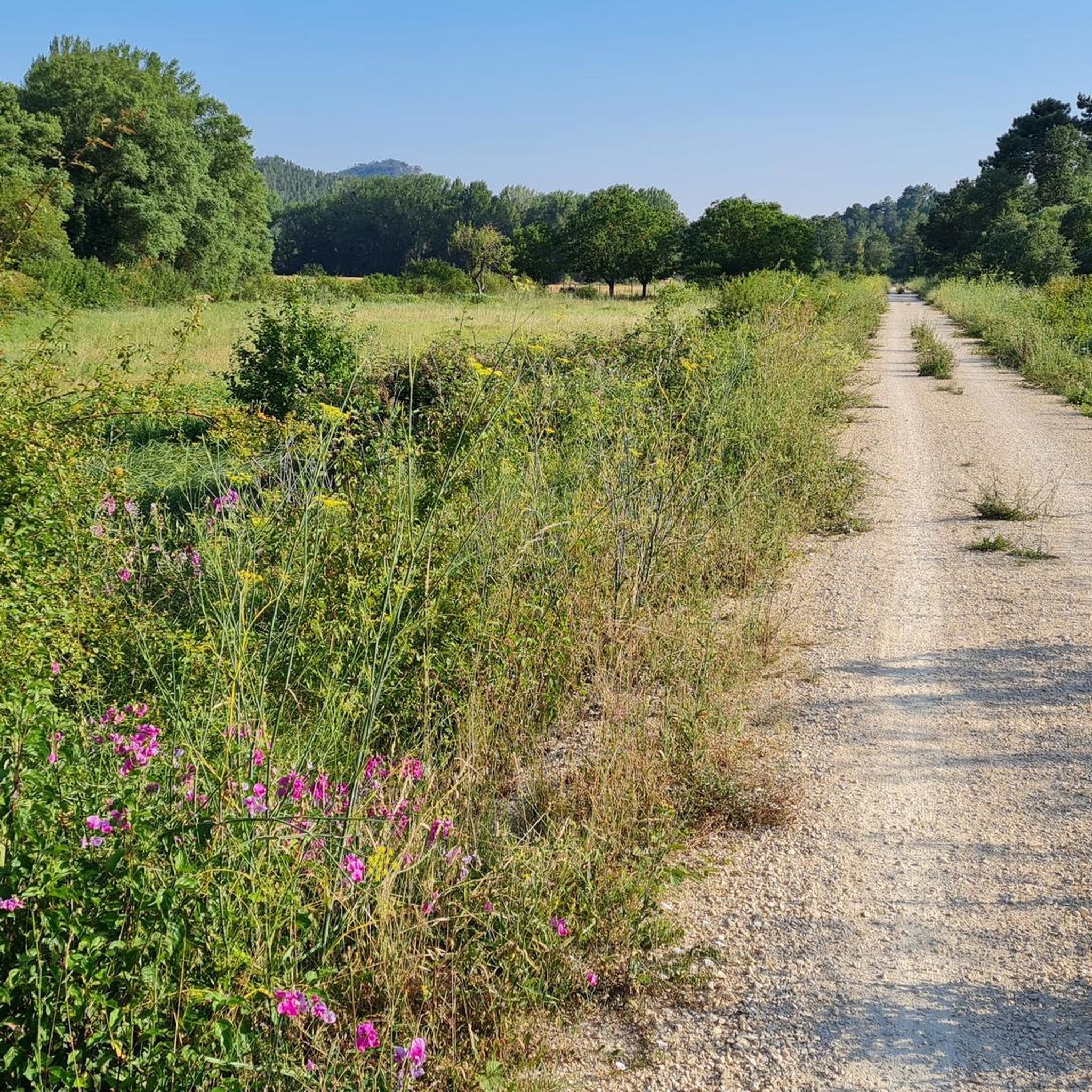
- The most popular natural monuments is Trespaderne, a trail that follows a section of the…
Last updated: May 20, 2026
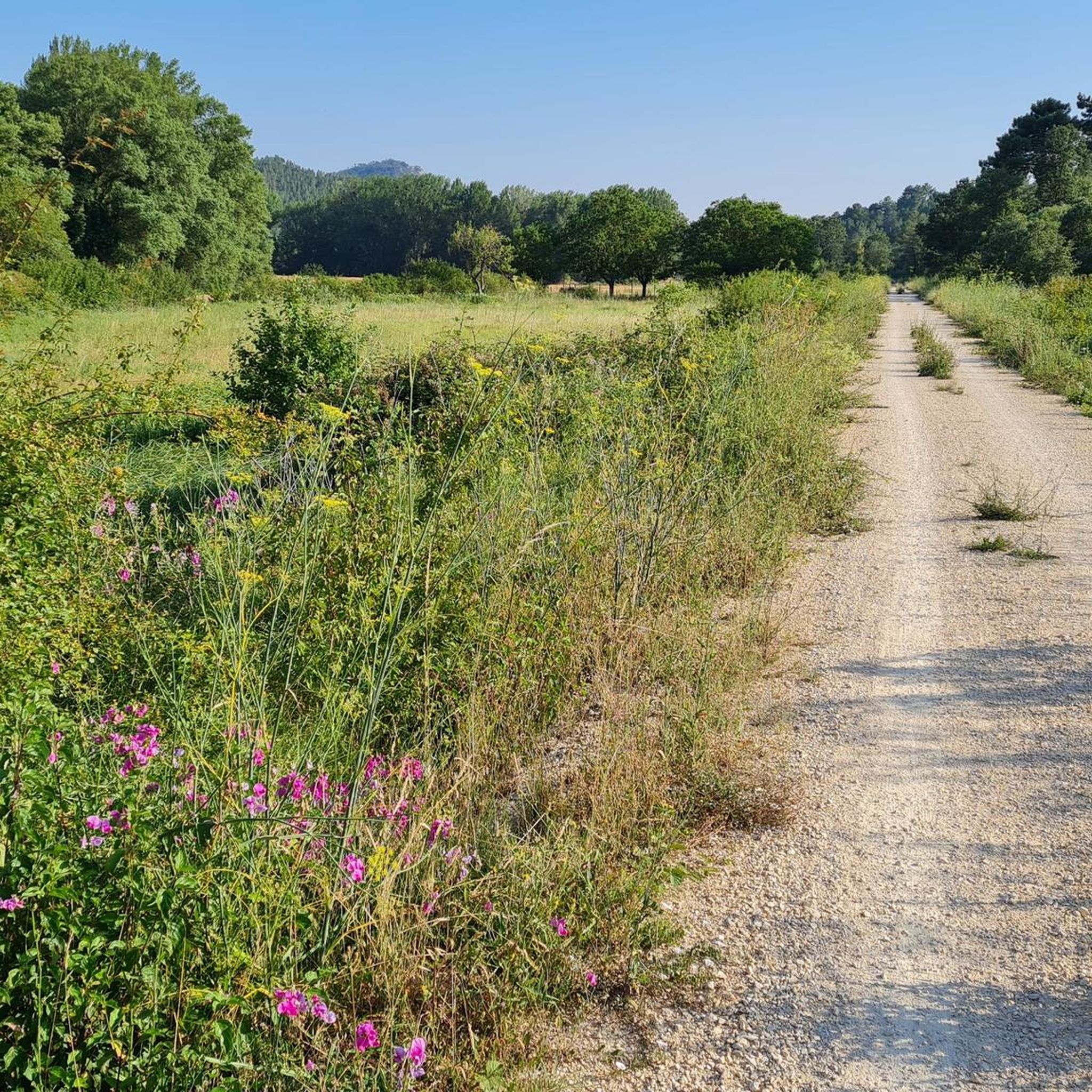
Trespaderne
Highlight • Trail
74.5 kilometers. 480 positive meters.
The third day of the gravel adventure has little description and no possibility of confusion, it follows the same section of the …
Translated by Google •
Tip by

Poza de la Sal Salt Flats and Old Railway Station
Highlight • Historical Site
74.5 kilometers. 480 positive meters.
The third day of the gravel adventure has little description and no possibility of confusion, it follows the same section of the …
Translated by Google •
Tip by

Sign up now to discover places like this
Get recommendations on the best single tracks, peaks, & plenty of other exciting outdoor places.
Sign up for free
Caves of Penedo de los Portugueses Hermitage
Highlight • Cave
Translated by Google •
Tip by

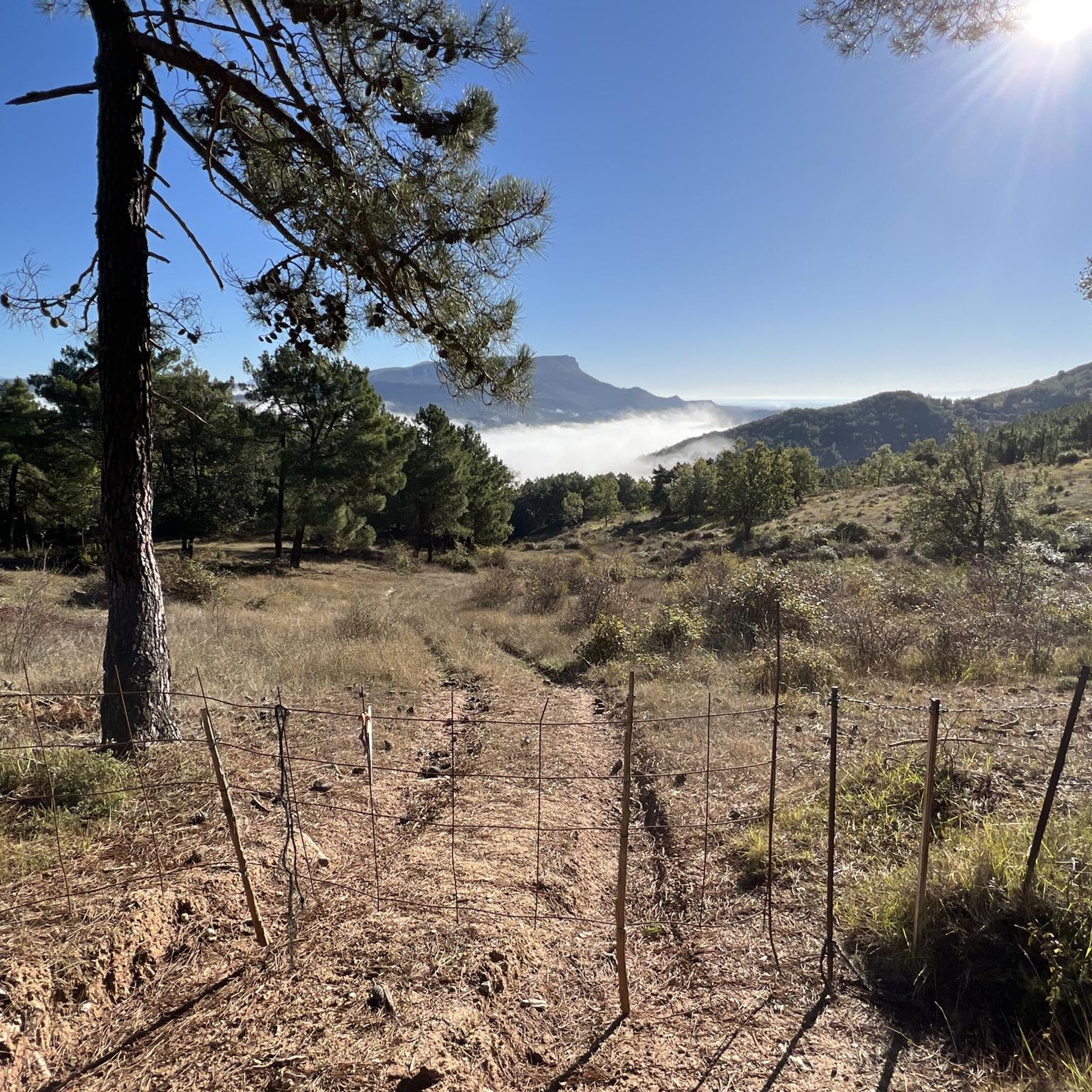
Peña Escalera Viewpoint
Highlight • Viewpoint
Translated by Google •
Tip by

GR 99 Trail in Parque Natural Montes Obarenes-San Zadornil
Highlight (Segment) • Trail
Translated by Google •
Tip by

Sign up for free to discover even more natural monuments around Cantabrana.
Sign up for free
Already have an account?
Start today with a free account
Your next adventure awaits.
Login or Signup

Tips from the Community

next to the road
0
0


Next to the greenway, a good place to rest and get supplies in town.
0
0
Beautiful and surprising place. It's somewhat hidden if you don't look closely; a very curious cave-like structure opens up in the canyon. Its origin is unclear, but they have plenty of hypotheses! Definitely a must-see if you're passing by this road!
0
0
Caves dug into the road from Trespaderne to Oña. A very cool place whose origin is unclear, whether they were used to shelter nomads or as cells for monks.
0
0

nice descent, from mass moor, to right valley
0
0

A nice area for activities.
0
0

One of the most beautiful Via Verdes in Spain. It is finally finished
0
0
Frequently Asked Questions
What are some of the most popular natural monuments around Cantabrana?
Visitors frequently enjoy exploring Trespaderne, a scenic trail that follows a section of the Santander-Mediterranean Natural Trail. Another highly-rated spot is Poza de la Sal Salt Flats and Old Railway Station, which offers a unique blend of industrial architecture and geological interest. The Peña Escalera Viewpoint is also a favorite for its distinctive natural formations and small cavities.
Are there family-friendly natural monuments around Cantabrana?
Yes, the region offers several family-friendly options. The GR 99 Trail in Parque Natural Montes Obarenes-San Zadornil is noted as family-friendly, offering a well-maintained forest track suitable for walks. Additionally, the Cabárceno Natural Park, though not directly in Cantabrana, is a unique naturalized space for wildlife that is highly educational and fascinating for all ages, allowing observation of animals in environments mimicking their natural habitats.
What kind of historical or cultural sites can I find among the natural monuments?
The Poza de la Sal Salt Flats and Old Railway Station is a significant historical site, showcasing industrial architecture with geological, ethnographic, and cultural interest, exploited since the Iron Age. The nearby medieval town of Poza de la Sal is also a Historical-Artistic Site. Additionally, the Caves of Penedo de los Portugueses Hermitage offer a curious complex of caves and galleries with an unclear but intriguing origin, possibly used by nomads or monks.
What outdoor activities can I do near these natural monuments?
The area around Cantabrana is excellent for various outdoor activities. You can enjoy road cycling, general cycling, and running. For detailed routes, explore the Road Cycling Routes around Cantabrana, Cycling around Cantabrana, and Running Trails around Cantabrana guides.
Are there hiking trails near the natural monuments around Cantabrana?
Yes, there are several hiking opportunities. The Trespaderne trail, part of the Santander-Mediterranean Natural Trail, is a popular choice. The GR 99 Trail in Parque Natural Montes Obarenes-San Zadornil also offers a well-maintained forest track for walking. For more options, consider the Running Trails around Cantabrana guide, which includes routes suitable for hiking.
What unique geological features can I explore in the area?
The region is rich in geological interest. The Poza de la Sal Salt Flats are a prime example, with their unique geological formations. The Peña Escalera Viewpoint features stairs leading to a narrow passage with small cavities, offering a distinctive natural formation. Cantabria as a whole is also known for its extensive cave systems, including those with prehistoric art.
Can I visit caves in the Cantabrana area?
Yes, the Caves of Penedo de los Portugueses Hermitage are a very cool and surprising place with caves and galleries dug into the road from Trespaderne to Oña. While their origin is unclear, they are a must-see if you're passing by. More broadly, Cantabria is famous for its over 6,000 caves, many containing invaluable prehistoric art, such as the renowned Altamira Cave and El Castillo Cave.
What is the best time of year to visit the natural monuments around Cantabrana?
The best time to visit depends on your preferred activities. Spring and autumn generally offer pleasant temperatures for hiking and cycling. During snow-free periods, you can hike up to viewpoints like El Cable in the Picos de Europa. Summer is ideal for enjoying coastal areas like Oyambre Natural Park and Liencres Dunes. For cave exploration, conditions are often stable year-round, but it's always good to check specific site information.
Are the natural monuments around Cantabrana dog-friendly?
While specific dog-friendly rules vary by individual site, many natural parks and trails in the broader Cantabria region welcome dogs, often requiring them to be on a leash. For example, the GR 99 Trail in Parque Natural Montes Obarenes-San Zadornil, being a forest track, is generally suitable for walks with dogs. It's always recommended to check local regulations for each specific natural monument you plan to visit.
Are there any viewpoints offering panoramic views?
Absolutely. The Peña Escalera Viewpoint offers a unique perspective of the natural formations. Further afield in Cantabria, the El Cable Viewpoint, accessible via the Fuente Dé cable car in the Picos de Europa, provides spectacular panoramic views from 1,820 meters, serving as a starting point for high-altitude mountain crossings.
What do visitors enjoy most about the natural monuments around Cantabrana?
Visitors particularly appreciate the diverse landscapes, from unique geological formations to historical sites and scenic trails. The tranquility of places like the Redwood Forest of Cabezón de la Sal and the pristine beaches of Oyambre Natural Park are often highlighted. The opportunity for relaxing walks and exploring distinct natural environments, as well as the rich history embedded in sites like Poza de la Sal, are also highly valued.
Are there options for cycling near the natural monuments?
Yes, the area is well-suited for cycling. The Trespaderne trail follows a section of the Santander-Mediterranean Natural Trail, considered one of Spain's most scenic Via Verdes, perfect for cycling. You can find numerous routes for both road cycling and general touring bicycles in the area. Refer to the Road Cycling Routes around Cantabrana and Cycling around Cantabrana guides for detailed itineraries.
What wildlife can I expect to see in the natural areas around Cantabrana?
The natural parks in Cantabria are havens for biodiversity. In areas like Oyambre Natural Park, you can observe numerous bird species, especially during migrations. The Saja-Besaya Natural Park, with its thick oak and beech forests, is a refuge for various wildlife. While not a traditional natural monument, Cabárceno Natural Park offers a unique opportunity to see endangered species like Grévy's zebra, African elephants, and white rhinos in a naturalized setting.
Most popular routes around Cantabrana
Most popular attractions around Cantabrana

Get inspired with the komoot mobile app


Explore more
Extend your search for the best caves by checking out these guides of the top ones around Cantabrana:
