Top 6 Castles around Santa Amalia
Castles around Santa Amalia are primarily found in the surrounding Extremadura region, a province of Badajoz, Spain. While Santa Amalia itself features the neoclassical parish church as its most representative historical building, the nearby areas offer significant historical sites. The region is characterized by its rich history, with fortifications and ancient structures reflecting its strategic importance. Visitors can explore a variety of historical sites around Santa Amalia, including medieval fortresses and Roman ruins.
Best castles around Santa Amalia
- The most…
Last updated: July 1, 2026
Roman Theater and Castle of Medellín
Highlight • Historical Site
Translated by Google •
Tip by

Views of Medellín Castle
Highlight • Castle
Origin: A 9th-century Muslim fortress, built upon …
Translated by Google •
Tip by
Sign up now to discover places like this
Get recommendations on the best single tracks, peaks, & plenty of other exciting outdoor places.
Sign up for free
View of the Castillo de Medellín
Highlight • Viewpoint
Translated by Google •
Tip by
Views of the castle by the Guadiana River
Highlight • Castle
Translated by Google •
Tip by

Start today with a free account
Your next adventure awaits.
Login or Signup
Tips from the Community

Medellín Castle is one of Extremadura's major historical attractions, perched atop a hill overlooking the Guadiana River and the town of Medellín (Badajoz). Origin: A 9th-century Muslim fortress, built upon Roman ruins. After the Reconquista, it fell into Christian hands and was renovated in the 13th and 15th centuries. It held great strategic importance on the border with Portugal and in the defense of the Guadiana River. A key location in the Battle of Medellín (1809) during the Peninsular War.
3
0
The Roman Theater of Medellín is an architectural and cultural jewel located on the southern slope of Cerro del Castillo, in the town of Medellín, Badajoz. This ancient theater, under the shadow of a castle, has a truly exceptional location.
8
0

The Roman theater has been the town's main attraction since the 1st century. It is located at the foot of the medieval castle and was opened to the public relatively recently after various excavations and restoration works.
3
0

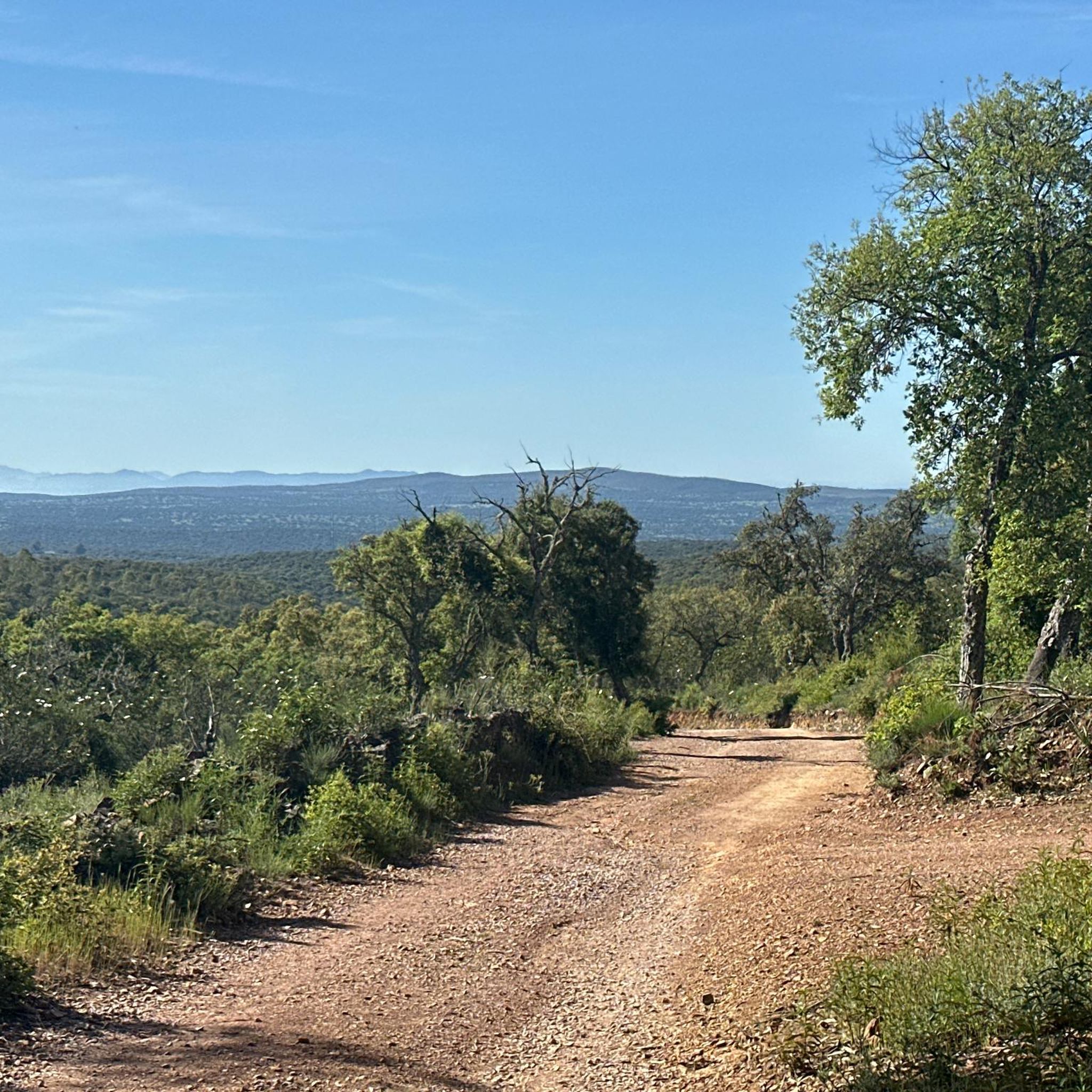
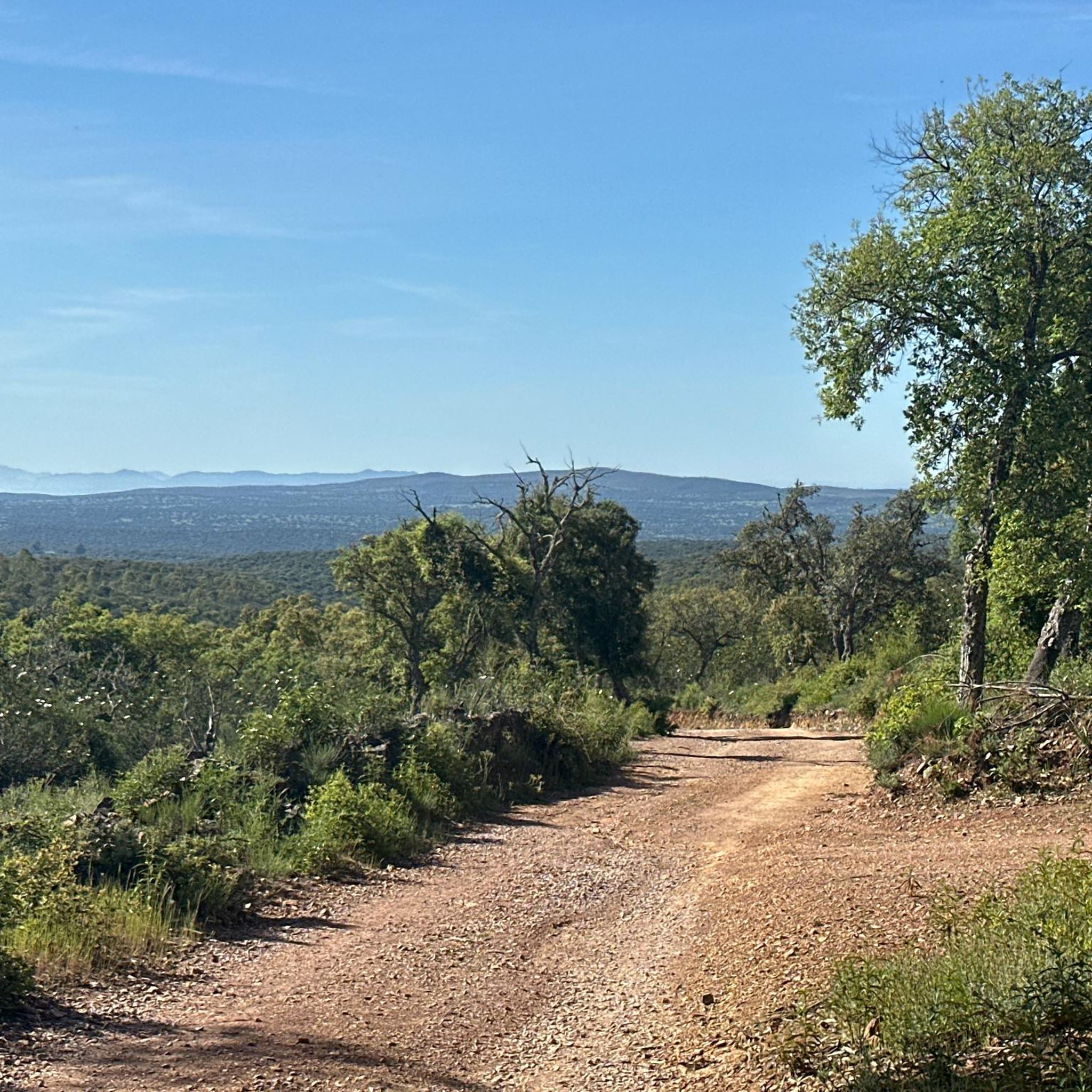
The castle can be seen for a long time from the Camino Mozarabe. You get the view from different directions.
2
0

Impressive Roman theater and Bronze Age archaeological site, located on Castle Hill, in the town of Medellín. The castle dates back to the 13th century and can be visited every day of the week except Mondays; admission is €2. Check opening hours at https://www.turismoextremadura.com/es/explora/Castillo-de-Medellin/
1
1

Medellín Castle is a 13th century fortress that rises above the town and the Guadiana River. Furthermore, a Roman theater survives in its surroundings, which attests to the importance of this ancient site.
1
1

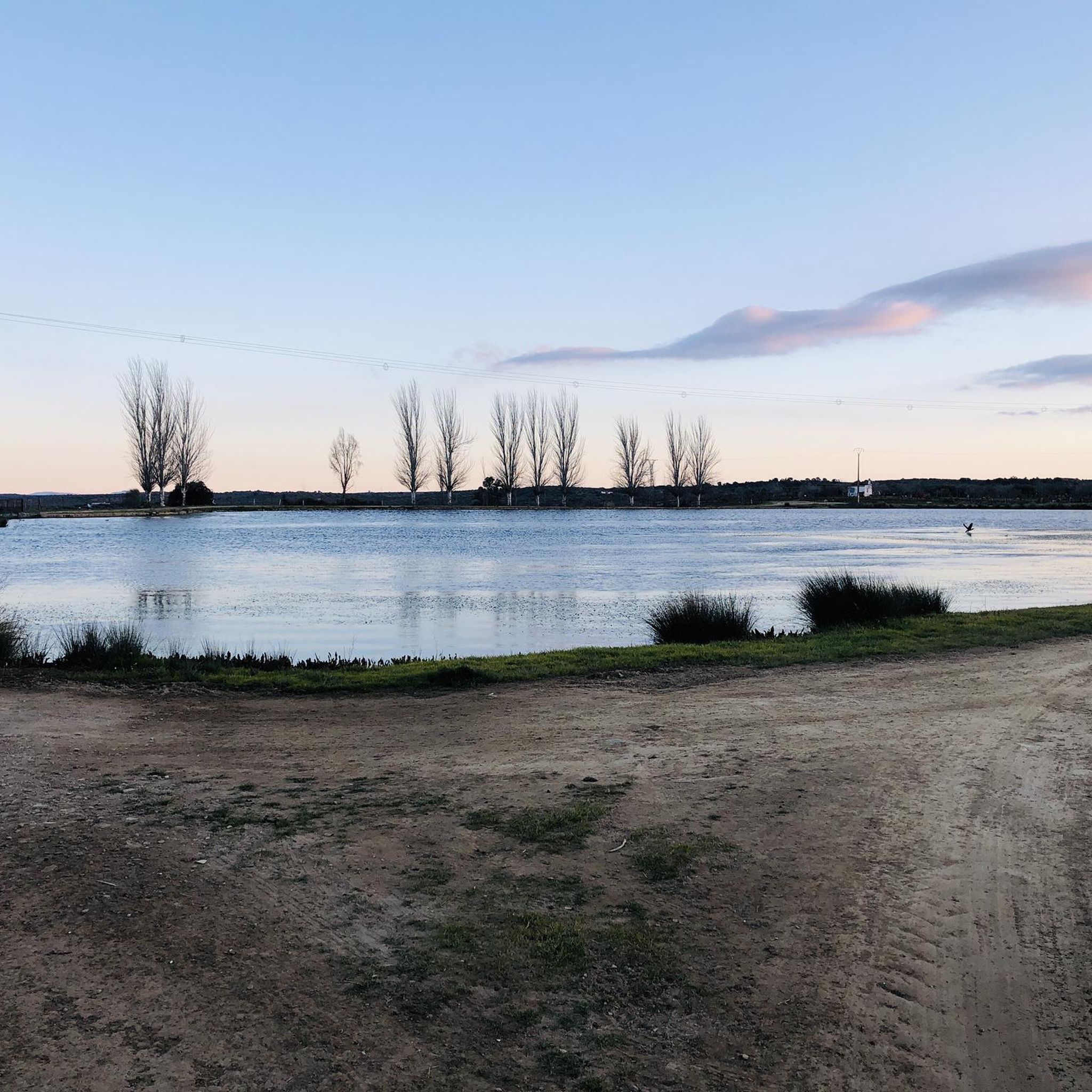
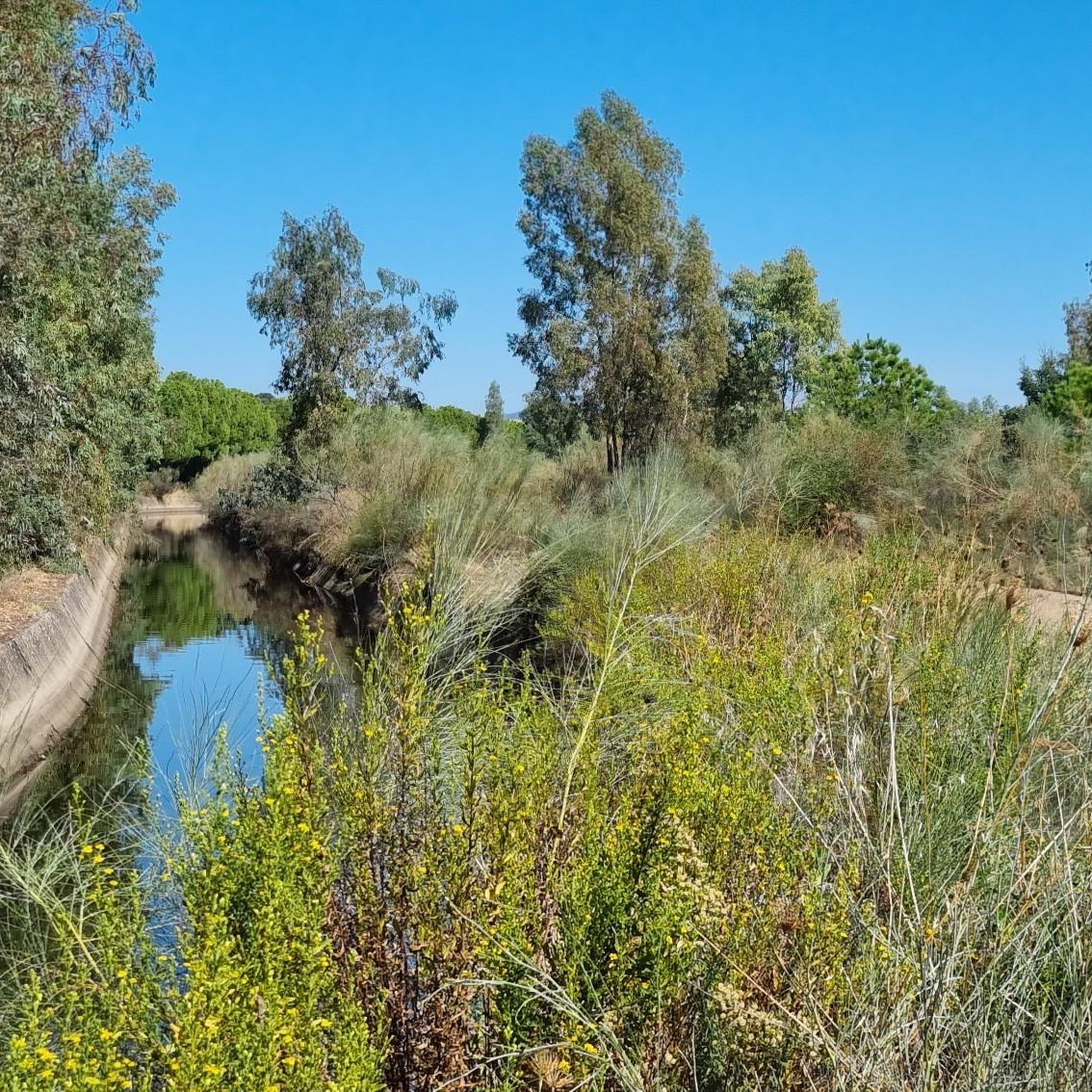
The Río Ortiga at this point near Medellin joins the Río Guadiana and circles the hill where the Castle is located at the top. Beautiful way!
1
1

Very impressive this ancient Roman theater with the church in front and the ruins of the old castle behind. Be careful, the climb can be slippery.
4
0
Frequently Asked Questions
What are the most significant castles and historical sites to visit near Santa Amalia?
While Santa Amalia itself is known for its neoclassical parish church, the surrounding Extremadura region offers several impressive historical sites. Key locations include the Roman Theater and Castle of Medellín, which combines Roman and medieval history, and the imposing Medellín Castle, a 13th-century fortress with origins as a 9th-century Muslim stronghold. Further afield, the Castillo de Luna in Alburquerque is a well-preserved medieval fortress with Templar origins, and the Old Town of Cáceres, a UNESCO site, features numerous fortified houses and towers like the Torre de Bujaco.
Are there any Roman ruins or ancient sites near the castles?
Yes, the area around Medellín is particularly rich in Roman history. The Roman Theater and Castle of Medellín is a prime example, where an ancient Roman theater is located on the southern slope of Cerro del Castillo, directly beneath the ruins of the medieval castle. This site showcases a unique blend of Roman and medieval architectural periods.
What kind of views can I expect from the castles?
Many castles in the region offer panoramic views. From Medellín Castle, you can enjoy expansive views over the town of Medellín and the Guadiana River. The Views of the castle by the Guadiana River highlight provides a unique perspective where the Río Ortiga joins the Río Guadiana, circling the hill where the castle is situated. Castillo de Luna in Alburquerque also offers impressive vistas of the surrounding region.
What outdoor activities can I do near these castles?
The area around Santa Amalia and its castles is excellent for outdoor activities. You can find numerous hiking, mountain biking, and running trails. For instance, near Medellín Castle, you can explore routes like the 'Ascent to the castle of Medellín — circular by the banks of the Río Ortiga' for hiking, or the 'Finca Doña Blanca – Medellín Castle loop' for mountain biking. For more options, check out the Hiking around Santa Amalia or MTB Trails around Santa Amalia guides.
Are there any family-friendly castles or activities in the area?
While specific 'family-friendly' designations for all castles are not always available, exploring the grounds of castles like Medellín Castle can be an engaging experience for families. The View of the Castillo de Medellín is noted as family-friendly. The historical context and impressive architecture can spark children's imaginations. Walking through the Old Town of Cáceres, with its fortified houses and towers, also offers an immersive historical experience suitable for families.
What is the best time of year to visit the castles near Santa Amalia?
The Extremadura region, where these castles are located, can experience hot summers. Therefore, the best time to visit is typically during the spring (March to May) or autumn (September to November). During these seasons, the weather is generally milder and more pleasant for exploring outdoor historical sites and engaging in activities like hiking.
Is there public transport or parking available at the castles?
Information on specific public transport routes directly to all castles is limited. However, towns like Medellín and Alburquerque are accessible by road. For Medellín Castle, visitors typically drive to the town of Medellín, where parking may be available in or near the town before ascending to the castle. For the Old Town of Cáceres, parking is usually found outside the walled city, with visitors exploring the historical center on foot.
Can I find food and accommodation near the castles?
Yes, the towns associated with these castles, such as Medellín, Alburquerque, and Cáceres, offer various options for food and accommodation. You can find local cafes, restaurants, and places to stay, ranging from hotels to hostels, providing convenient amenities for visitors exploring the historical sites.
Are there any less crowded or hidden gem castles worth visiting?
The Castillo de Luna in Alburquerque is often described as one of Spain's most impressive and perhaps lesser-known castles. While it's a significant site, it might offer a less crowded experience compared to more famous attractions. Its well-preserved medieval architecture and historical significance make it a worthwhile visit for those looking for a hidden gem.
What historical significance do these castles hold?
The castles in the Extremadura region hold immense historical significance, reflecting centuries of diverse influences. Medellín Castle, for instance, began as a 9th-century Muslim fortress and played a strategic role on the border with Portugal. Castillo de Luna has Templar origins and was crucial in Spanish-Portuguese border history. The fortified Old Town of Cáceres showcases Roman, Islamic, Gothic, and Renaissance styles, highlighting its past as a vital trade route city.
What should I pack for a visit to the castles?
For a comfortable visit, especially during spring or autumn, it's advisable to pack comfortable walking shoes, as many castle sites involve uneven terrain, stairs, and walking. Sun protection (hat, sunscreen) is recommended, as many areas are exposed. Bringing water is also a good idea, particularly if you plan to explore for extended periods or hike nearby trails.
Most popular attractions around Santa Amalia

Get inspired with the komoot mobile app


Explore more
Looking for the best castles somewhere else? Discover other guides around Santa Amalia:
