Top 5 Natural Monuments around Barrios De Colina
Natural monuments around Barrios De Colina are primarily characterized by their significant archaeological and geological features. The region, located in the wider Burgos province, is known for its ancient landscapes and sites of historical importance. These areas offer insights into prehistoric human activity and showcase diverse natural formations. The terrain often includes limestone crags, river canyons, and unique rock formations.
Best natural monuments around Barrios De Colina
- The most popular natural monuments is Atapuerca Archaeological Site, a historical site…
Last updated: July 1, 2026
Atapuerca Archaeological Site
Highlight • Historical Site
Translated by Google •
Tip by

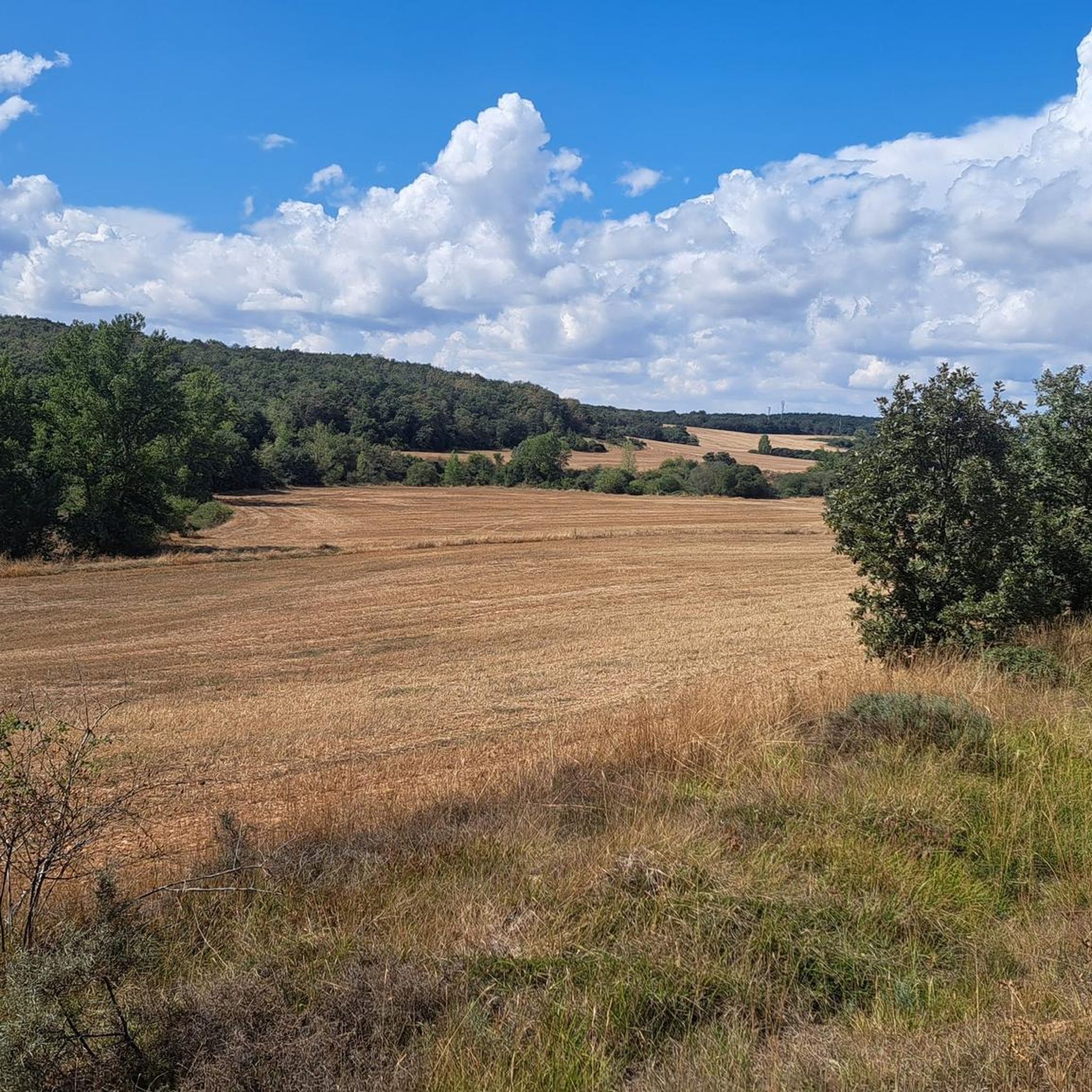
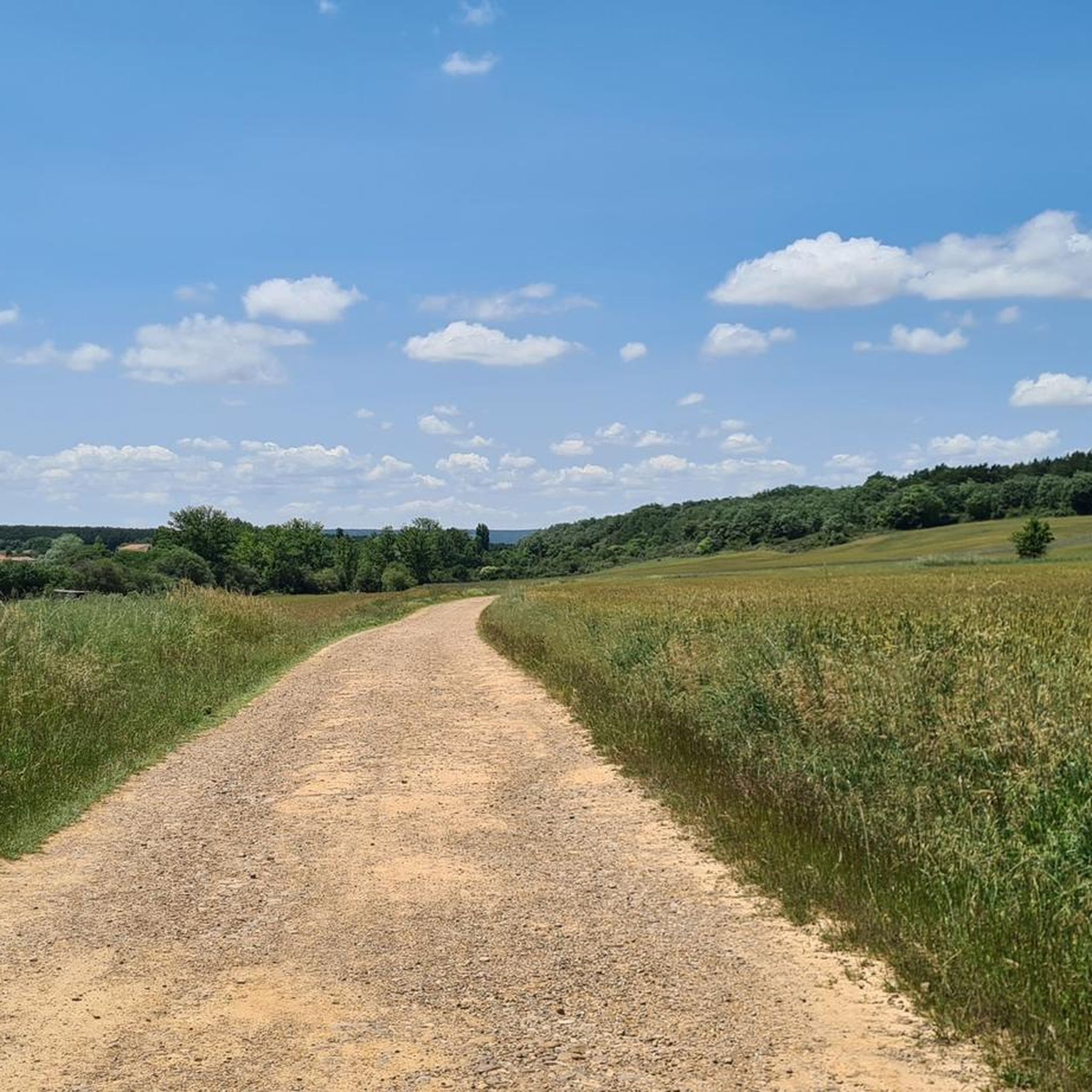
Castilian landscape
Highlight • Historical Site
Tip by

Sign up now to discover places like this
Get recommendations on the best single tracks, peaks, & plenty of other exciting outdoor places.
Sign up for free
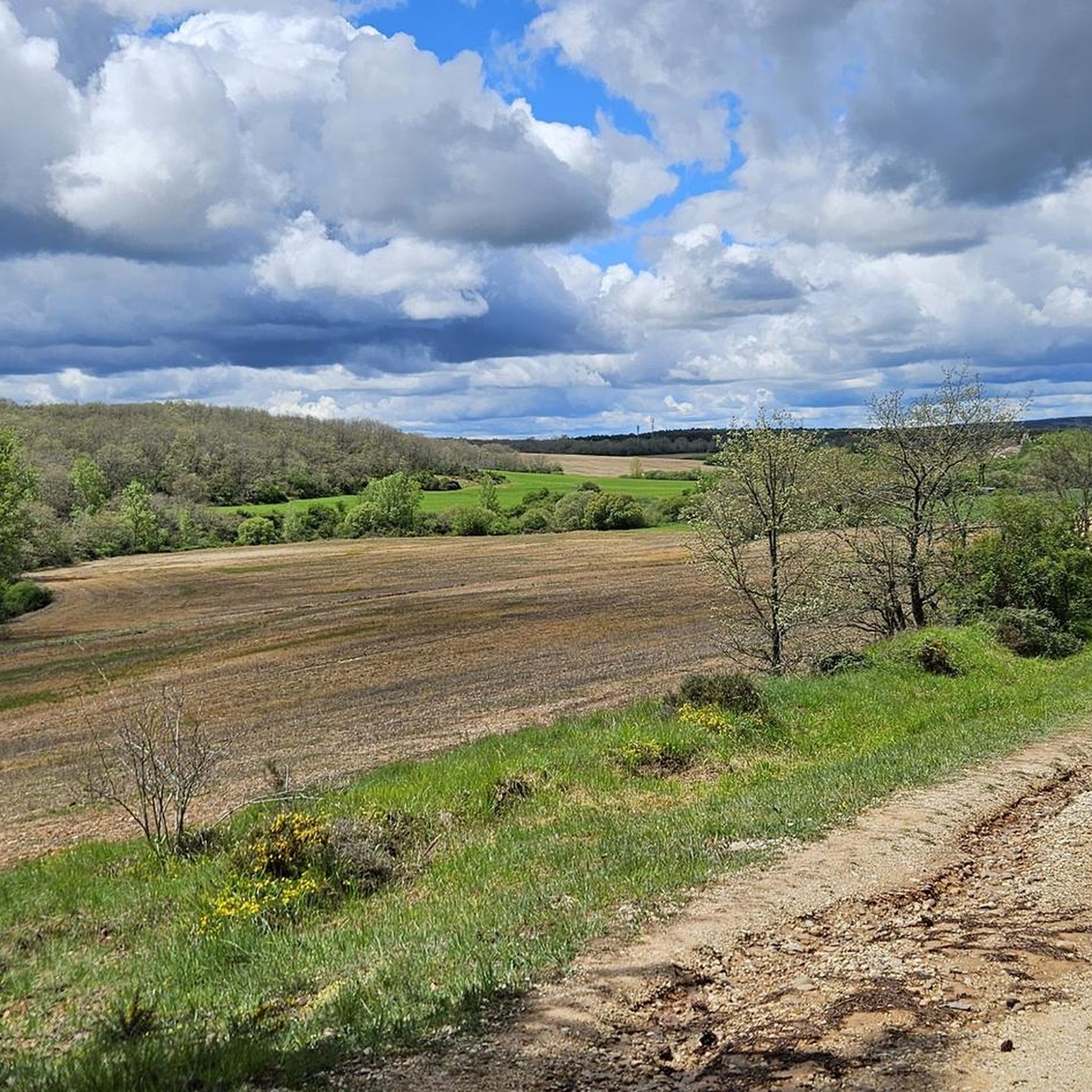
Beginning of human being in Europe
Highlight • Historical Site
Translated by Google •
Tip by

Caldera
Highlight • Natural Monument
Translated by Google •
Tip by

Start today with a free account
Your next adventure awaits.
Login or Signup

Tips from the Community

Nice area for hiking and mountain biking trails
0
0

In the vicinity of these beautiful rock formations there is a climbing area.
1
0

One of the best-known names in Spain because this town is known for the set of prehistoric excavations that are unique in southern Europe.
0
0

Atapuerca is a World Heritage site with its famous Paleolithic excavations, which can also be visited by prior arrangement. The Gran Dolina is famous, place where the Homo antecessor (probably H.erectus - experts are not yet sure whether it is a human species of its own) dates to > 850,000 a. A UK remnant was found in the Sima del Elefante that was even older and is estimated at > 1 million a. In the Sima de los Huessos (Bone Cave) 29 complete H.Heidelbergensis skeletons (>400000 a old) were found. (i.e. 80% of all fossil human finds) They are the ancestors of the Neanderthals (200000-40000 a), who in turn lived approx. 40000 a , replaced by H.sapiens (d.s. we), became extinct. To emphasize the importance of this site, it is the cradle of the European natives, here are the testimonies of the first people who immigrated from Africa and therefore they have also been rightly named a UNESCO World Heritage Site. The skeleton finds can be seen in the Museo de la Evolución Humana in Burgos (located in the middle of the old town of Burgos and is a hot tip)
0
0

On the N-120 between Villafranca Montes de Oca and Burgos there is a fork on the right that leads (heading north-west on the BU-V-7012 road) to Atapuerca. In this municipality there is an archaeological site of primary importance, containing a large quantity of hominid bones dating back to over 400,000 years ago. For this reason the site has been included among the World Heritage sites. The archaeological park can be visited from Monday to Friday (from 9 to 17), Saturdays and public holidays (from 9 to 14)
5
0

honestly? Here the Way of St. James runs on asphalt and that day I just thought ... do a museum tour? Neanderthals look - so through and away - that day I met 2 Italians - one of them I later gave my straw hat, which I bought in Sicily because he got away - so a piece of home against the heat.
3
0


Frequently Asked Questions
What are the most popular natural monuments around Barrios De Colina?
The most popular natural monuments in the area are primarily linked to the significant archaeological discoveries. The Atapuerca Archaeological Site is a UNESCO World Heritage site renowned for its prehistoric excavations, offering insights into early human history. Another key location is the Atapuerca Archaeological Site Cave Entrance, which contains a large quantity of hominid bones dating back over 400,000 years.
What natural features can I see around Barrios De Colina?
While Barrios de Colina itself is known for its archaeological sites, the wider Burgos province offers diverse natural features. You can explore impressive limestone crags and narrow passages at the Yecla Gorge, or witness spectacular karst formations and a waterfall flowing through the village of Orbaneja del Castillo. The Cañón del Río Lobos Natural Park features a dramatic canyon carved by the river, extensive pine forests, and unique rock formations.
Are there family-friendly natural monuments around Barrios De Colina?
Yes, several sites are suitable for families. The Castilian landscape near Atapuerca is considered family-friendly, offering a chance to see the archaeological park. The Beginning of human being in Europe site, often explored with the nearby museum, also provides an educational experience for all ages.
What kind of terrain can I expect when visiting natural monuments near Barrios De Colina?
The terrain around Barrios de Colina and the wider Burgos province is varied. You can expect ancient landscapes with limestone crags, river canyons, and unique rock formations, particularly around the Atapuerca sites. Further afield, areas like the Yecla Gorge feature high cliffs and narrow passages, while the Cañón del Río Lobos offers dramatic canyons and pine forests. Some areas, like the Caldera, are known for challenging rock formations suitable for climbing.
What outdoor activities can I do near these natural monuments?
The region offers a variety of outdoor activities. You can find numerous hiking opportunities, such as the 'Camino de Santiago — circular by San Juan de Ortega' or the 'Yacimiento de Atapuerca — circular through the Montes de Oca'. For running, routes like the 'Running loop from Ibeas de Juarros' are available. Road cycling enthusiasts can enjoy longer routes like the 'Alto de Valmala - Sierra de la Demanda Loop'. You can find more details on these activities in the hiking, running, and road cycling guides for Barrios De Colina.
Are there hiking trails near the natural monuments around Barrios De Colina?
Yes, there are several hiking trails that allow you to explore the natural and historical landscape. Popular routes include the 'Camino de Santiago — circular by San Juan de Ortega' (moderate, 13 km) and the more challenging 'Yacimiento de Atapuerca — circular through the Montes de Oca' (difficult, 18.5 km). For a shorter, moderate option, consider the 'Atapuerca Archaeological Site – Matagrande Cross loop from Atapuerca' (9.6 km). Discover more trails in the Hiking around Barrios De Colina guide.
What do visitors enjoy most about the natural monuments around Barrios De Colina?
Visitors are particularly captivated by the profound historical significance of the region, especially the Atapuerca sites. They appreciate the opportunity to witness the 'cradle of the European natives' and explore the testimonies of the first people who immigrated from Africa. The unique geological formations and the chance to see hominid finds dating back over a million years are also highly valued. The komoot community has shown its appreciation with 28 upvotes and 7 photos shared across various highlights.
What is the best time to visit natural monuments around Barrios De Colina?
The best time to visit the natural monuments around Barrios de Colina and the wider Burgos province is generally during the spring (April to June) and autumn (September to October). During these seasons, the weather is typically mild and pleasant for outdoor activities like hiking and exploring archaeological sites. Summers can be hot, while winters can be cold, making spring and autumn ideal for comfortable exploration.
Are there any permits required to visit natural monuments around Barrios De Colina?
For the Atapuerca Archaeological Site, it is highly recommended to book tickets in advance, especially for guided tours of the excavation sites, as access is often controlled. While general access to the surrounding natural areas typically does not require specific permits, always check the official websites of specific natural parks or sites like the Cañón del Río Lobos for any updated regulations or entry requirements.
Can I bring my dog to the natural monuments around Barrios De Colina?
While specific regulations can vary by site, many natural areas in Spain are dog-friendly, especially on trails, provided dogs are kept on a leash and owners clean up after them. However, archaeological sites or protected natural parks might have restrictions, particularly regarding entry into specific buildings, caves, or sensitive ecological zones. It's advisable to check the specific rules for each monument or park you plan to visit beforehand.
Where can I find parking near the natural monuments?
For major attractions like the Atapuerca Archaeological Site, designated parking areas are available for visitors. For other natural monuments and trailheads in the wider Burgos province, parking can often be found in nearby villages or at specific visitor centers. It's always a good idea to research the specific location you plan to visit to confirm parking availability and any associated fees.
Are there any hidden gems or less-known natural monuments worth exploring?
Beyond the well-known Atapuerca sites, the wider Burgos province holds several natural wonders that are less directly associated with Barrios de Colina but offer unique experiences. The Yecla Gorge, with its stunning limestone formations and walkways, and the picturesque village of Orbaneja del Castillo, famous for its waterfall flowing through the village, are excellent examples of natural beauty worth discovering. The vast Cañón del Río Lobos Natural Park also offers extensive hiking and wildlife viewing opportunities.
Most popular routes around Barrios De Colina
Most popular attractions around Barrios De Colina

Get inspired with the komoot mobile app


Explore more
Extend your search for the best caves by checking out these guides of the top ones around Barrios De Colina:
