Top 5 Natural Monuments around Linares
Natural monuments around Linares, located in the Jaén province of Spain, offer diverse natural and historical landscapes. The region is characterized by granite rock formations, rivers, and significant historical elements. Visitors can explore areas with unique geological features and cultural heritage, providing opportunities for outdoor exploration. The natural areas around Linares feature a mix of cultivated green spaces and ancient rock formations.
Best natural monuments around Linares
- The most popular natural monuments is Santa Margarita Gardens, a natural monument…
Last updated: May 19, 2026
Santa Margarita Gardens
Highlight • Natural
Translated by Google •
Tip by

Rock-hewn Oratory of Valdecanales
Highlight • Cave
Its construction dates between the sixth and seventh centuries, and it is the only Visigothic hypogeum in southern Spain.
Translated by Google •
Tip by

Sign up now to discover places like this
Get recommendations on the best single tracks, peaks, & plenty of other exciting outdoor places.
Sign up for free
Giribaile Cave Dwellings
Highlight • Cave
Translated by Google •
Tip by
View of the Rumblar Reservoir
Highlight • Viewpoint
The main water supplies are the Rumblar river itself, …
Translated by Google •
Tip by
Start today with a free account
Your next adventure awaits.
Login or Signup

Tips from the Community

The Santa Margarita Gardens in Linares are one of the city's most iconic green spaces, with a rich history linked to the bullring and the urban expansion of the 19th century. The land was included in the 1878 expansion plan, next to the Paseo de Linarejos.
4
0

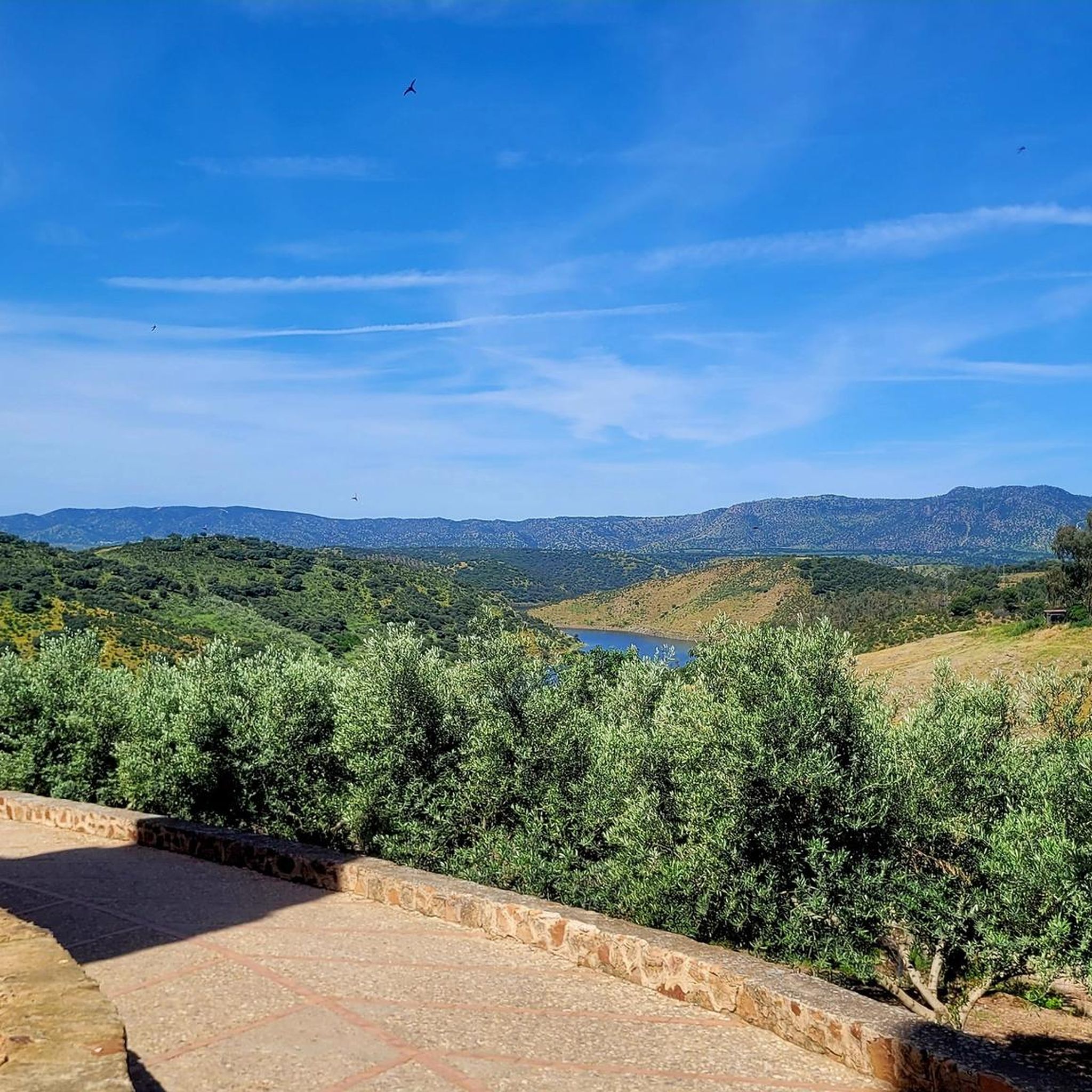
The Rumblar reservoir built in 1941 in the course of the Rumblar river, in the municipality of Baños de la Encina. The main water supplies are the Rumblar river itself, the Murquigüelo stream, the Higueruelas stream, and the Chico or Renegadero river.
1
0
Vertical escarpment about 20 meters high in which you can see caves carved in the stone, windows, a sanctuary, a monastery or a hermitage, most likely, rooms where monks or hermits lived in the Visigothic or perhaps Mozarabic times. when the Muslims already dominated these lands but tolerated the existence of Christian communities.
2
0
Hermitage or cave monastery of Visigothic origin located in the municipality of Rus in the province of Jaén. Its construction dates between the sixth and seventh centuries, and it is the only Visigothic hypogeum in southern Spain.
2
0

This park, known as the Gardens of Santa Margarita, is one of the most important symbols of the history of Linares. It is one of the few gardens from the 19th century that have been preserved, and they were built as a recreation area for the miners who left or returned from the Arrayanes path. Its benefactors were the Marquises of Linares, who donated these lands (known as "Los solares de Murga", where the jurisdictional roll indicating the end of the population was located). At the entrance through the Plaza de la Constitución there is a fountain - monument dedicated to the Marquises. The gardens are well cared for, there are different flower beds, hedges... and trees of different species, including orange trees. Inside the park is the Monument to Manolete, and on the other side of the park, the emblematic Plaza de Toros de Linares where the bullfighter died.
13
0

It is a cave hermitage of Visigothic origin and is made up of three caves carved into the rock. This historical-artistic monument in the middle of the Alcobilla hill is worth a visit.
1
0
Frequently Asked Questions
What are some of the most popular natural monuments to visit around Linares, Spain?
Around Linares, you can explore diverse natural and historical sites. Popular choices include the Santa Margarita Gardens, a family-friendly 19th-century park, and the View of the Rumblar Reservoir, offering scenic views of the lake. For historical natural sites, consider the Rock-hewn Oratory of Valdecanales, a unique Visigothic hermitage carved into rock.
Are there family-friendly natural monuments in the Linares area?
Yes, the Santa Margarita Gardens are a great family-friendly option. This well-maintained 19th-century park offers beautiful flower beds, hedges, and various trees, providing a pleasant recreation area for all ages. Additionally, the route to Cueva de la Tosca near Linares de Mora (Teruel) is considered family-friendly, offering spectacular views.
What kind of natural features can I expect to see around Linares?
The region around Linares, Jaén, is characterized by granite rock formations, rivers, and historical elements. You can find impressive rock-hewn structures like the Rock-hewn Oratory of Valdecanales and the Giribaile Cave Dwellings. The Rumblar Reservoir offers a large body of water, while El Piélago features two spectacular waterfalls formed by the Guarrizas River and a forest of wild olive and ash trees.
Are there any historical natural monuments or sites with cultural significance near Linares?
Absolutely. The Rock-hewn Oratory of Valdecanales is a significant Visigothic hermitage dating back to the 6th-7th centuries, carved directly into the rock. Similarly, the Giribaile Cave Dwellings are ancient caves carved into a vertical escarpment, believed to have housed monks or hermits during Visigothic or Mozarabic times. El Piélago also features the Roman bridge of Vadollano, part of the Vía Augusta and a Cultural Interest Asset.
What outdoor activities can I do near the natural monuments around Linares?
The area around Linares offers various outdoor activities. You can explore hiking trails, including easy city tours and moderate routes like the PR-A 510 Cástulo. For cyclists, there are road cycling routes of moderate to difficult grades. If you enjoy running, you'll find several running trails, such as the Silk Road loop.
Where can I find hiking trails near the natural monuments in Linares?
You can find a variety of hiking trails around Linares. For instance, the Hiking around Linares guide lists routes like the 'PR-A 510 Cástulo, Desired City Trail' and a 'City tour circular through the emblems of Linares'. The Peña Ojerada Rock Formation near Linares de Mora also offers a recommended 'Circular Route of the Viewpoints' for hiking enthusiasts.
What kind of wildlife can be observed in the natural monuments around Linares?
At Monumento Natural El Piélago, you can observe diverse birdlife. This includes species such as the black kite, wagtail, grey heron, and real mallard, which inhabit the forest of wild olive trees and ash trees surrounding the Guarrizas River.
Are there any natural monuments suitable for photography or scenic views?
Yes, several spots are ideal for photography and scenic views. The View of the Rumblar Reservoir provides a beautiful panorama of the lake. El Piélago, with its granite rock formations and two waterfalls, offers a stunning landscape, especially at sunset. The Carbo Waterfall near Linares de Mora is also described as particularly beautiful after heavy rains, perfect for capturing natural beauty.
What do visitors enjoy most about the natural monuments around Linares?
Visitors appreciate the blend of natural beauty and historical significance. The Santa Margarita Gardens are loved for their historical charm and well-kept green spaces. The Rock-hewn Oratory of Valdecanales is valued for its unique Visigothic architecture carved into rock. Overall, the opportunity to explore ancient structures amidst natural settings, like the caves and viewpoints, is highly enjoyed.
Can I find natural monuments with water features like waterfalls or natural pools near Linares?
While the immediate Linares (Jaén) area features the Rumblar Reservoir, if you expand your search to other Linares regions, you'll find more. Monumento Natural El Piélago (near Linares, Jaén) boasts two spectacular waterfalls on the Guarrizas River. Further afield, Linares de Mora (Teruel) has the beautiful Carbo Waterfall, and Linares, Chile, is known for the Ancoa Natural Pools with crystalline waters and Cascada las Animas waterfall.
Are there any natural monuments that are less crowded or considered hidden gems?
While specific crowd levels can vary, places like the Giribaile Cave Dwellings, being historical cave structures, might offer a more secluded experience compared to more accessible parks. The untouched nature of places like Rancho Viejo and La Palma near Linares, Mexico, are described as wild, isolated landscapes with crystal-clear pools and small waterfalls, suggesting a less crowded experience.
What is the best time to visit the natural monuments around Linares?
The best time to visit depends on your preferred activities. Spring and autumn generally offer pleasant temperatures for hiking and exploring outdoor sites like the Santa Margarita Gardens or the Rock-hewn Oratory of Valdecanales. For waterfalls like those at El Piélago or Carbo Waterfall, visiting after heavy rains can enhance their beauty. Summers can be hot, so early mornings or late afternoons are recommended for outdoor activities.
Most popular routes around Linares
Most popular attractions around Linares

Get inspired with the komoot mobile app


Explore more
Extend your search for the best caves by checking out these guides of the top ones around Linares:
