Top 20 Natural Monuments around Artana
Best natural monuments around Artana are located within the Sierra de Espadán Natural Park in Castellón, Spain. This region features a landscape characterized by grey limestone and red sandstone formations. The area is home to diverse flora, including dense forests of maritime pines and cork oaks, alongside ancient olive trees. It offers a variety of natural features for exploration.
Best natural monuments around Artana
- The most popular natural monuments is Eslida Pass, a mountain pass that is considered one…
Last updated: July 1, 2026
Eslida Pass
Highlight • Mountain Pass
Translated by Google •
Tip by

Peñas Aragonesas
Highlight • Natural Monument
Translated by Google •
Tip by

Sign up now to discover places like this
Get recommendations on the best single tracks, peaks, & plenty of other exciting outdoor places.
Sign up for free
Ajuez Reservoir
Highlight • Lake
Unfortunately, the reservoir is almost dry and things are slowly getting tight for the fish and turtles.
The Chóvar Reservoir, as it is also called, is part …
Translated by Google •
Tip by

Espadán Peak
Highlight • Summit
Translated by Google •
Tip by

Pic de la Font de Cabres
Highlight • Summit
Translated by Google •
Tip by
Sign up for free to discover even more natural monuments around Artana.
Sign up for free
Already have an account?
Start today with a free account
Your next adventure awaits.
Login or Signup
Tips from the Community

A very beautiful and easy to drive pass road.
0
0

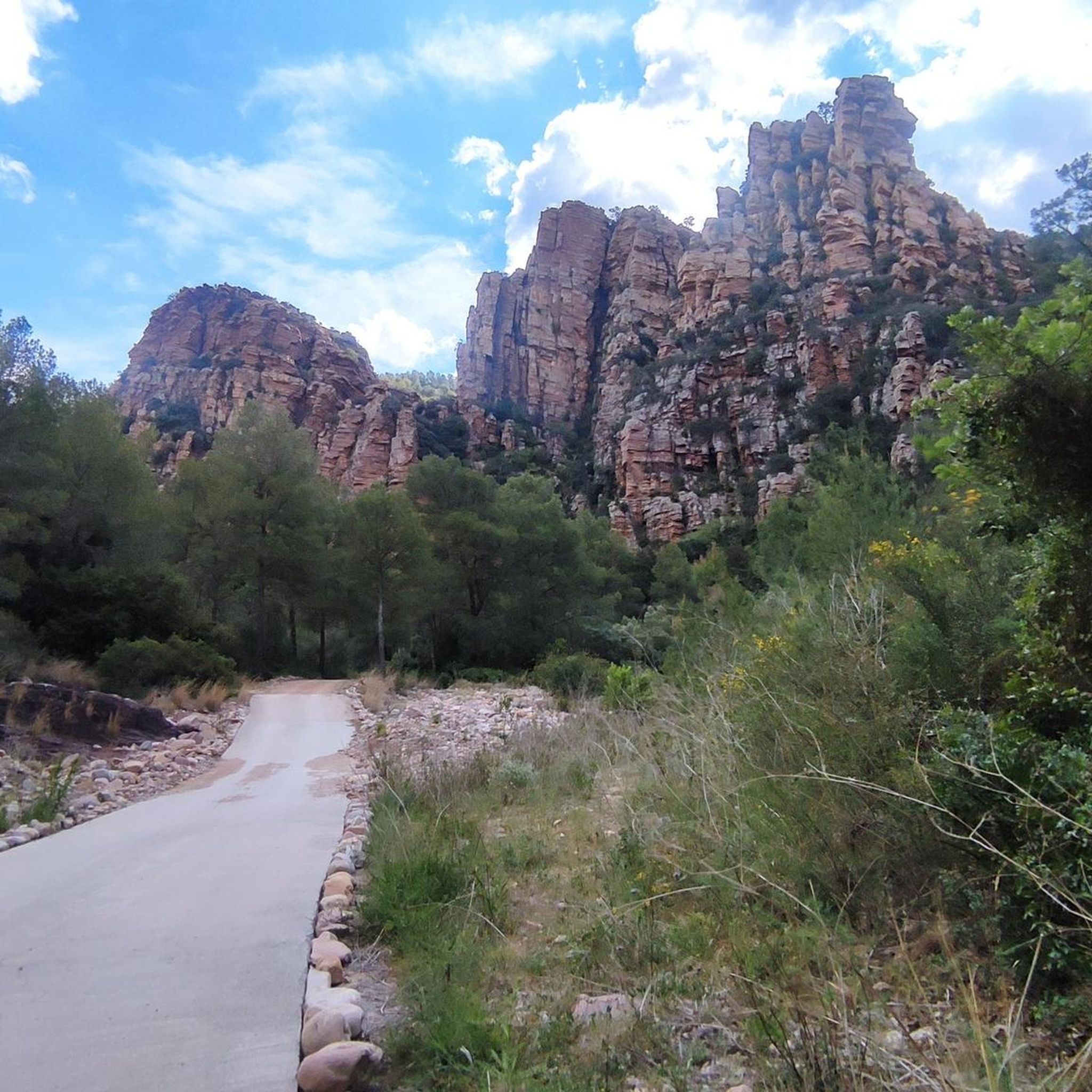
A beautiful spot between Artana and Onda that is worth visiting. The path is in good condition and runs through beautiful forests with the Peñas Altas in the background.
0
0

On the previous climb, there is a moment where you have to go over a cable with a no entry sign, but that is because there are bee hives, they are quite far from the path.
1
0

It was built in the 12th century by the Muslims who inhabited the region. Its original purpose was to retain the waters of the ravine of the same name and then use them to irrigate the fields downstream. This route is ideal for hiking lovers and offers a variety of landscapes and experiences. I hope you enjoy exploring the Ajuez Reservoir and its surroundings! 🌿🏞️
4
0

Ernbalse de Ajuez Unfortunately, the reservoir is almost dry and things are slowly getting tight for the fish and turtles. The Chóvar Reservoir, as it is also called, is part of an ancient local irrigation system built to retain the rushing water from the eponymous gorge. The place name is derived from Arabic, the meaning of which means “common pastureland” and indicates the importance of agriculture and livestock breeding in the region. Due to its capacity of 30,000 m³ and the lack of water sources in the nature park, it is of great value for the fauna. It is currently included in the catalog of wetlands of the Valencian Community
8
0
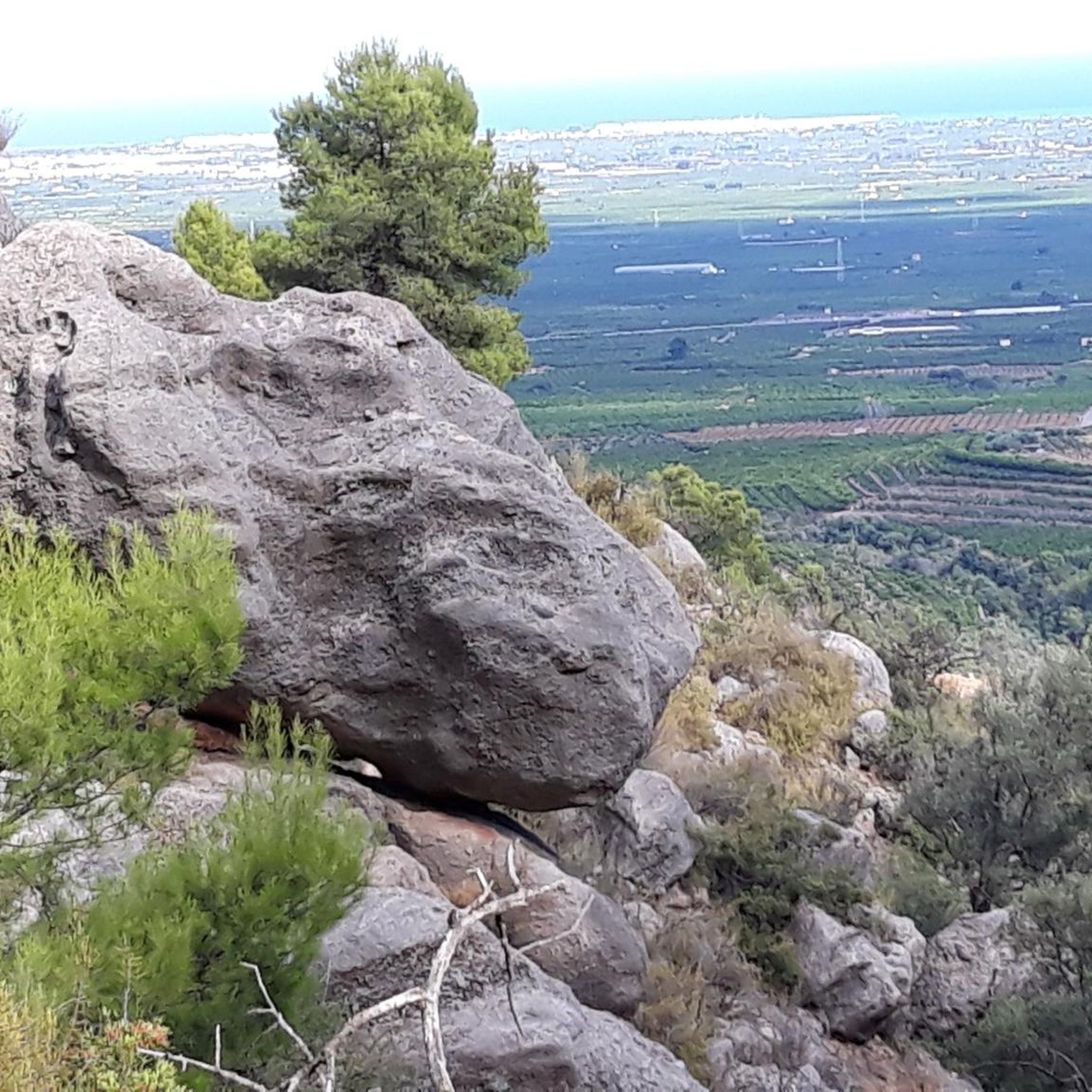
The path leads us along the red rocks to the Pic de la Font de Cabres. Sure-footedness and a head for heights are required.
6
0

Nice place to disconnect. From the top there are impressive views, although to go up you have to be moderately prepared (and not have vertigo). A place worth visiting, both from the viewpoint below and from the rocky ledges at the top.
1
0
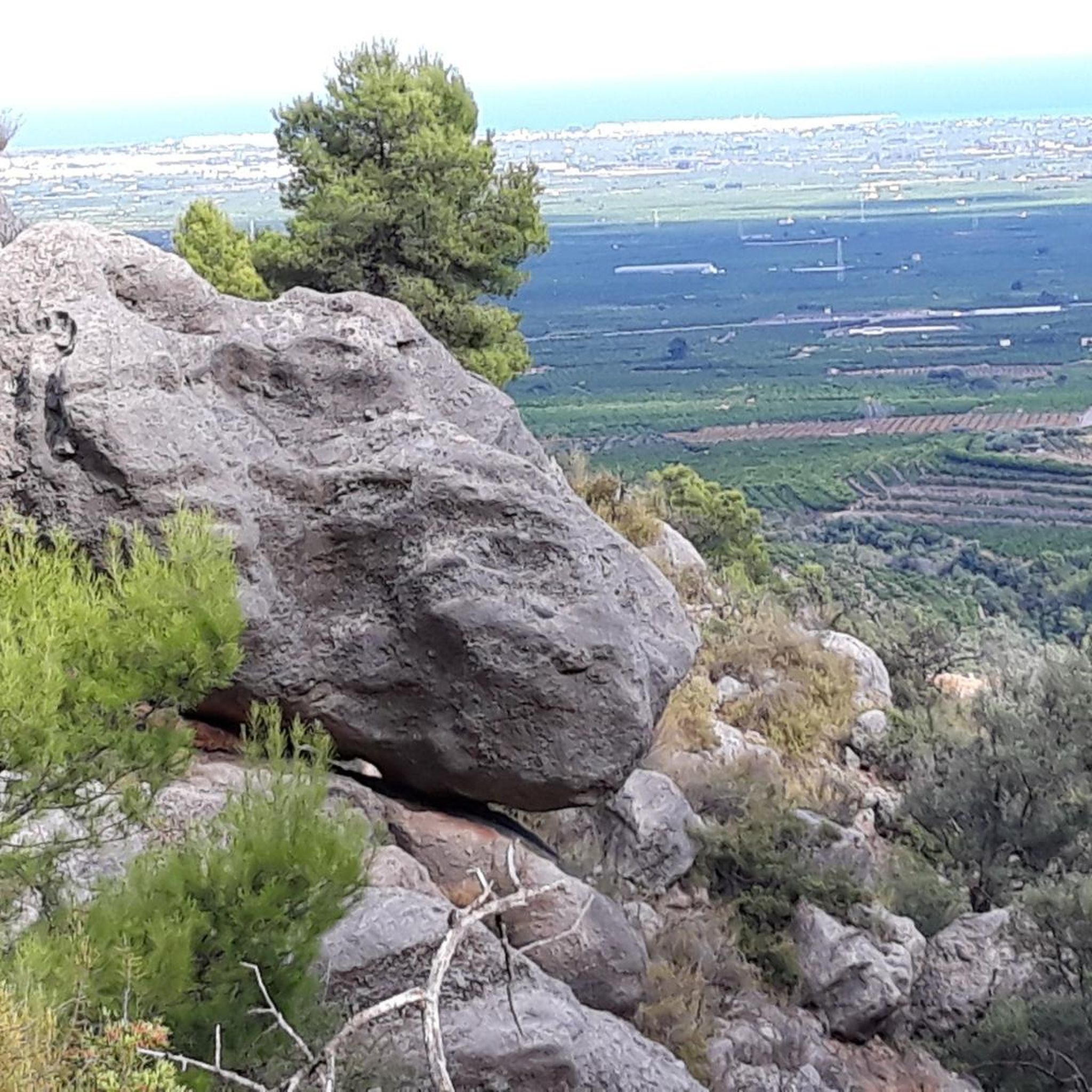
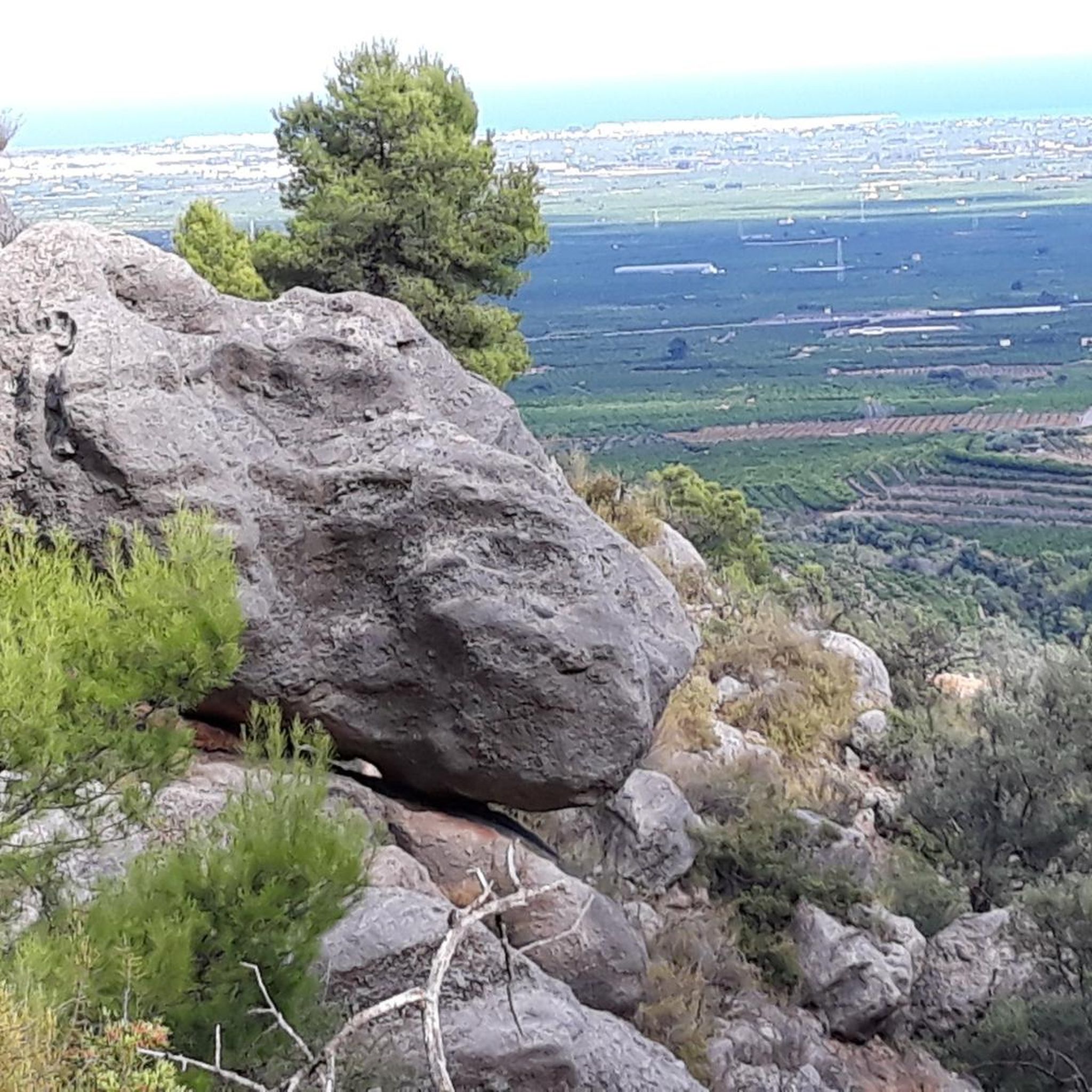
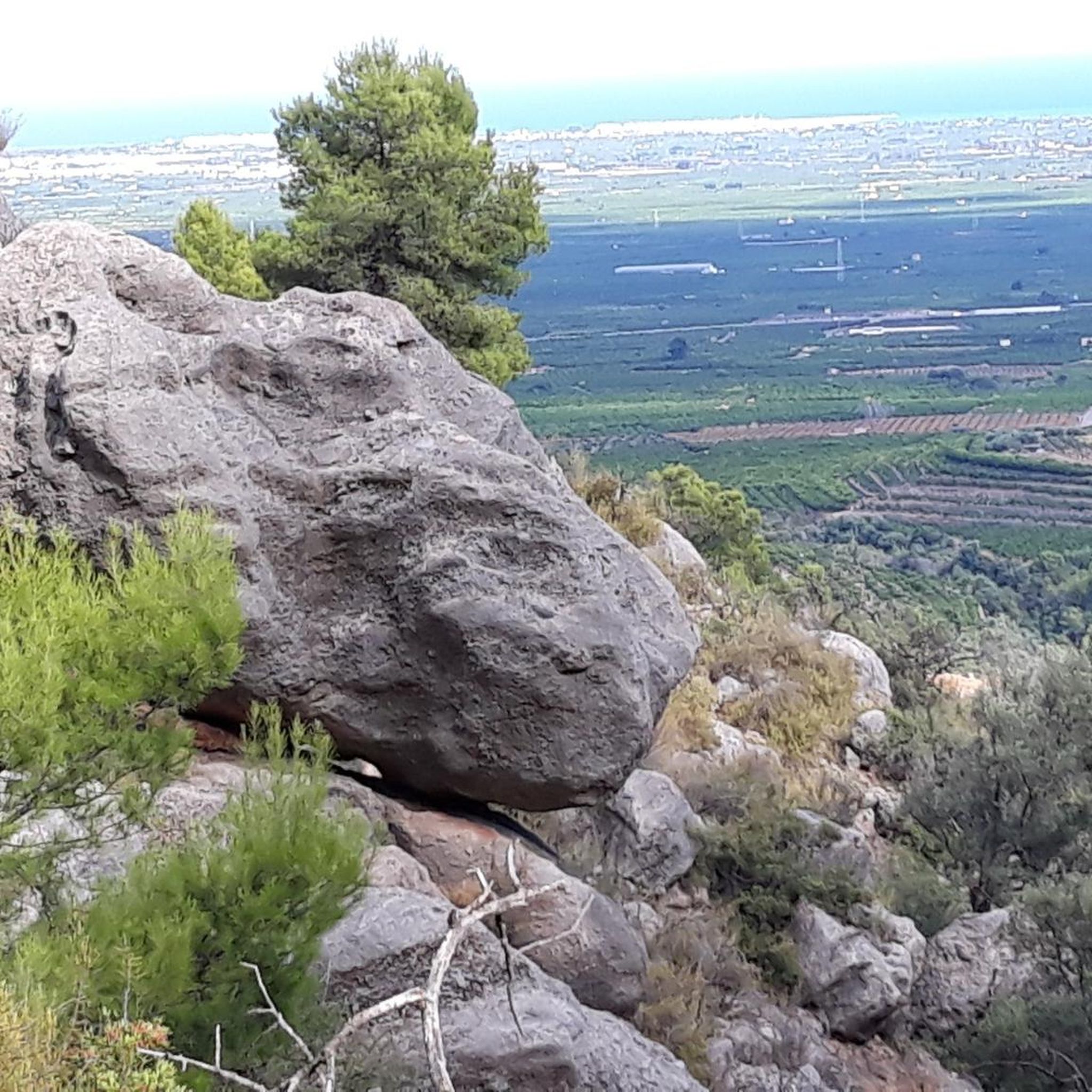
Place with unbeatable views of the Castellón plain.
0
1
Frequently Asked Questions
What are some of the most impressive geological formations around Artana?
Artana, situated within the Sierra de Espadán Natural Park, is known for its striking geological diversity. You can explore the immense red sandstone formations of Peñas Aragonesas, a pyramidal-shaped rock formation. Another highlight is Penyes Altes, featuring vast red sandstone formations known as "rodeno" that display changing hues throughout the day, offering breathtaking panoramic views.
Are there any significant peaks or viewpoints to visit in the area?
Yes, the region offers several prominent peaks and viewpoints. Espadán Peak is the highest point in the Parc Natural de la Serra d'Espadà, rising above 1,000 meters and providing extensive views in all directions. Another notable summit is Pic de la Font de Cabres, which offers impressive panoramic views of the coast and valleys from its 570 meters above sea level. Additionally, the Ràpita d'Artana viewpoint (470 m) provides stunning vistas of the valley, village, and Sierra.
What unique natural features can I explore beyond rock formations?
Beyond the geological formations, Artana offers diverse natural features. The Cova del Tronc is an underground cave system reaching 67 meters deep and extending over 450 meters, notable for hosting a large colony of bats. You can also visit the Millenary Olive Trees along routes like Masadeta and Pineda, which are ancient, uniquely shaped trees that are a testament to centuries of agricultural history. The Ajuez Reservoir, an ancient irrigation system, provides a quiet natural environment.
What outdoor activities can I do near Artana's natural monuments?
The area around Artana is excellent for various outdoor activities. You can find numerous routes for mountain biking, running, and cycling. For detailed routes and guides, explore the MTB Trails around Artana, Running Trails around Artana, and Cycling around Artana guides.
Are there family-friendly natural monuments or activities in Artana?
Yes, there are options suitable for families. The Ajuez Reservoir (also known as Balsa de Chovar) is considered a family-friendly spot, offering a quiet natural environment ideal for a relaxing time. The Millenary Olive Trees also provide a serene and historically rich natural experience that can be enjoyed by all ages.
What is the best time to visit Artana's natural monuments?
The Sierra de Espadán Natural Park, where Artana is located, offers pleasant conditions for visiting its natural monuments for much of the year. Spring and autumn generally provide mild temperatures ideal for hiking and exploring. Some areas, like the Eslida Pass, are described as mostly shady, which can be enjoyable even in summer, though winters can be cold in sunny weather. The red sandstone formations of Penyes Altes are said to display changing hues throughout the day, making any time of day visually appealing.
What kind of wildlife can be observed in the natural monuments?
The Cova del Tronc is a significant point of interest for wildlife, as it hosts a large colony of bats, including some of the 16 protected species found in the Sierra de Espadán Natural Park. The diverse flora, including dense forests of maritime pines and cork oaks, also supports a variety of local fauna.
What are the difficulty levels of trails leading to these natural monuments?
The difficulty varies depending on the monument. Reaching Espadán Peak is considered quite a challenge, with some sectors being technical and rocky. The route to Pic de la Font de Cabres also presents some technical difficulty towards the end, with chains and ropes to assist. Other areas, like the municipal tourist route to Penyes Altes, are well-marked and generally accessible for hikers.
Are there any natural monuments with historical significance?
Yes, the region boasts natural monuments with historical ties. The Millenary Olive Trees are considered "living monuments" and are a testament to centuries of agricultural history in Artana. The Ajuez Reservoir, also known as Balsa de Chovar, was built in the 12th century by the Muslims who inhabited the region, originally intended to retain water for irrigation.
What do visitors enjoy most about the natural monuments around Artana?
Visitors frequently praise the stunning panoramic views from various points like Espadán Peak and Pic de la Font de Cabres. The unique geological formations, such as the red sandstone cliffs of Penyes Altes and Peñas Aragonesas, are also highly appreciated. The beautiful mountain roads, like the Eslida Pass, are often highlighted for their scenic beauty and quality for cycling.
What kind of flora can be found in the Sierra de Espadán Natural Park near Artana?
The landscape around Artana is rich in diverse flora. You'll find dense forests of maritime pines and cork oaks, along with holm oaks and white pines. As you ascend towards the mountains, the landscape transitions from orange groves in the plains to majestic carob trees and ancient olive trees, contributing to the region's natural beauty.
Most popular attractions around Artana

Get inspired with the komoot mobile app


Explore more
Extend your search for the best caves by checking out these guides of the top ones around Artana:
