North And South Anston
North And South Anston
Top 8 Natural Monuments around North And South Anston
Best natural monuments around North And South Anston offer insights into the region's geological history and prehistoric human activity. The area features limestone gorges, ancient caves, and diverse ecosystems. These sites provide opportunities to explore unique geological formations and significant archaeological discoveries. The landscape is characterized by its Magnesian Limestone, shaped by glacial meltwater, supporting distinctive flora and fauna.
Best natural monuments around North And South Anston
- The most popular natural monuments is Creswell Crags: Gorge and Lake, a…
Last updated: July 1, 2026
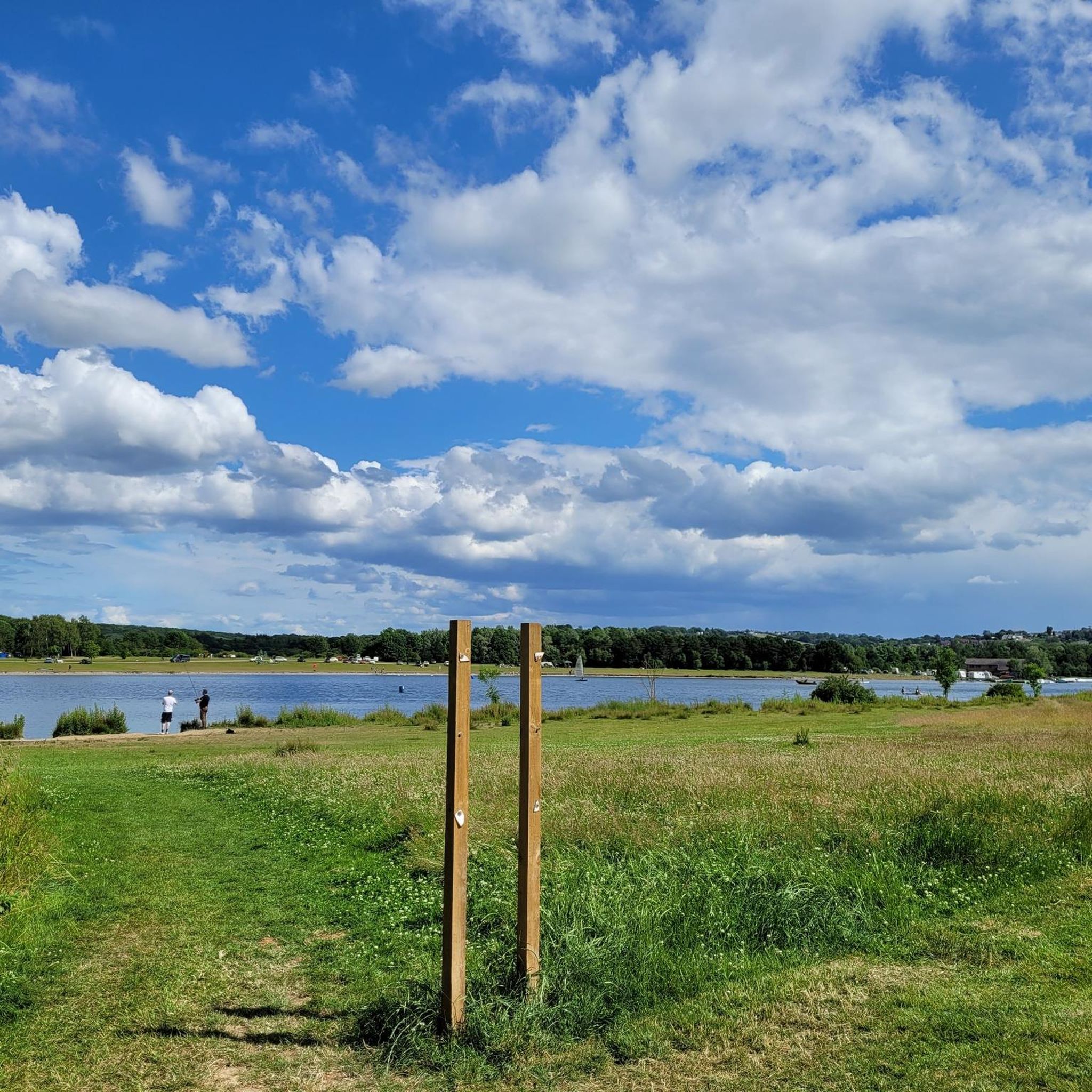
Creswell Crags: Gorge and Lake
Highlight • Lake
Tip by

Dead Man's Hole
Highlight • Natural Monument
Tip by

Sign up now to discover places like this
Get recommendations on the best single tracks, peaks, & plenty of other exciting outdoor places.
Sign up for free
Robin Hood's Cave, Creswell Crags
Highlight • Cave
Tip by

Clumber Park Walled Kitchen Garden and Glasshouse
Highlight • Structure
Tip by

Church Hole Cave
Highlight • Cave
Tip by

Sign up for free to discover even more natural monuments around North And South Anston.
Sign up for free
Already have an account?
Start today with a free account
Your next adventure awaits.
Login or Signup

Tips from the Community

Fascinating, beautiful spot. You can’t go in the caves without buying a tour
0
0
Feels other worldly, beautiful setting. Fascinating history.
0
0

It was just a small Sunday stroll but it was lovely. We parked our car at the garden centre which worth to going in too! There is a big farm shop which is lovely and not too expensive compared to if you want to get a quality product!
0
0

Small elusive rock cave in the escarpment, just below the path. You will find it from the Top path via the semi-circle track. Supposedly haunted, it's popular with ghosthunters in the night. The cave was excavated in the 1960's which revealed ancient flint tools from the ice age and animal bones from animals such reindeer and hyena 12,000 years ago - That's Ten Thousand Years BC!
1
0
Small elusive rock cave in the escarpment, just below the path. You will find it from the Top path via the semi-circle track. Supposedly haunted, it's popular with ghosthunters in the night. The cave was excavated in the 1960's which revealed ancient flint tools from the ice age (more than 10,000 years ago) and animal bones from animals such as reindeer and hyena
1
0

Dating from 1772, it supplied the sorts of exotic and unusual foods that the Dukes could impress their guests with. From asparagus to pineapples and strawberries at Christmas, this was an elite garden for an elite family. In its prime, the gardens would have provided employment for 30 people and had 6-acres under cultivation including a huge, heated Melon Yard and an orchard, which was re-established just outside the garden walls in 2021. At 451 feet, Clumber Park boasts the longest Glasshouse in National Trust care. It was installed by the 7th Duke of Newcastle and completed in 1910. By the 1970s it was derelict but the Trust has spent decades restoring it, most recently in 2023. Today, it boasts seasonal displays in its huge conservatory, an exotically planted Palm House and bays of grapes, figs, and peaches. Some of the utility rooms now serve as a museum displaying an extensive collection of gardening tools. The Apple Store and the Gardener's Mess have ever-changing displays.
0
0

You have to drop off the path to the left to see this site.
0
0
Frequently Asked Questions
What are the most popular natural monuments to visit in North and South Anston?
The most popular natural monuments in the area include Creswell Crags: Gorge and Lake, a World Heritage Site known for its rich natural history and early human presence. Another highly regarded spot is Robin Hood's Cave, Creswell Crags, which is part of an important Ice Age archaeology site. Visitors also appreciate Dead Man's Hole, a small rock cave with significant archaeological finds.
What kind of geological features can I expect to see?
The region is renowned for its unique Magnesian Limestone landscape, particularly evident at Anston Stones Wood. Here, you can explore a limestone gorge carved by glacial meltwater, featuring impressive cliffs, horizontally bedded dolostone, flowstone, and even ancient bryozoan reefs. These formations offer a fascinating glimpse into geological processes spanning millennia.
Are there any natural monuments with historical or archaeological significance?
Yes, the area is rich in history. Dead Man's Hole, located within Anston Stones Wood, is a Scheduled Monument where excavations have uncovered flint tools from the Late Upper Palaeolithic period and bones of Ice Age animals like reindeer and hyena. Similarly, Creswell Crags: Gorge and Lake and Robin Hood's Cave, Creswell Crags are internationally important for their evidence of early human occupation and Ice Age ecosystems.
What outdoor activities can I do near these natural monuments?
The area offers various outdoor activities, primarily hiking and cycling. You can find numerous easy and moderate hiking routes, such as the 'Dead Man's Cave – Dead Man's Hole loop from Anston' or the 'Anston Stones Wood – Thorpe Top Treble Lock loop from Anston'. For cyclists, there are longer routes like the 'Chesterfield Canal Towpath' or 'Rother Valley Country Park loop'. You can explore more options on the hiking guide and cycling guide for North and South Anston.
Are there family-friendly natural monuments in the area?
Absolutely. Creswell Crags: Gorge and Lake and Robin Hood's Cave, Creswell Crags are both considered family-friendly. Creswell Crags has a visitor center that offers more information and guided walks, and there are information boards around the lake to engage children. The area also features a playground, making it suitable for families.
Can I bring my dog to the natural monuments?
Anston Stones Wood, which encompasses Dead Man's Cave, is a popular spot for dog walkers, offering serene paths along the river. While specific rules for all monuments vary, many outdoor areas in the region are dog-friendly, provided dogs are kept under control, especially in areas with wildlife or livestock.
What is the best time of year to visit?
The natural monuments can be enjoyed year-round. Spring and summer offer lush greenery and pleasant walking conditions, ideal for exploring the woods and gorges. Autumn brings beautiful foliage, while winter can offer a unique, stark beauty, though paths might be muddy or slippery. Always check local weather conditions before your visit.
Are there any cafes or refreshment options nearby?
Yes, there are cafes available at Creswell Crags, providing a convenient stop for refreshments. Additionally, the nearby garden centre mentioned in tips for Robin Hood's Cave, Creswell Crags often includes a farm shop, which can be a good option for quality local products and perhaps a bite to eat.
What makes Anston Stones Wood a significant natural monument?
Anston Stones Wood is a Site of Special Scientific Interest (SSSI) primarily due to its geological significance and biodiversity. It showcases the unique Permian dolostone of the Cadeby Formation, with a gorge carved by glacial meltwater. Beyond geology, it supports distinctive types of rare plants and animals, making it a valuable site for ancient woodlands and ecological study.
Is it possible to see Ice Age artwork in the caves?
Yes, at Church Hole Cave, part of the Creswell Crags complex, you can see fascinating Ice Age artwork. However, access to this cave is restricted. You will need to book a tour to see inside, as it is not open year-round due to roosting bats.
Are there easy walking trails suitable for beginners?
Yes, there are several easy walking trails around the natural monuments. For instance, the 'Dead Man's Cave – Dead Man's Hole loop from Anston' and the 'Dead Man's Hole – Anston Stones Wood loop from Anston' are both rated as easy. These routes provide accessible ways to experience the natural beauty of the area. More easy options can be found in the easy hikes guide.
What do visitors enjoy most about the natural monuments in North and South Anston?
Visitors particularly enjoy the blend of natural beauty and historical intrigue. The serene walking paths through Anston Stones Wood, the geological wonders of the limestone gorge, and the profound archaeological insights offered by sites like Dead Man's Hole and Creswell Crags are highly appreciated. The opportunity to explore ancient caves and learn about Ice Age human and animal life is a significant draw.
Most popular routes around North And South Anston
Most popular attractions around North And South Anston

Get inspired with the komoot mobile app


Explore more
Extend your search for the best caves by checking out these guides of the top ones around North And South Anston:
