Top 20 Natural Monuments around Bishop'S Frome
Best natural monuments around Bishop'S Frome are primarily found within the scenic Malvern Hills area, offering access to diverse natural landscapes. This region in the Herefordshire countryside features prominent hills and ancient woodlands. The area provides opportunities for exploring significant geological formations and historical sites. Visitors can experience a variety of outdoor environments, from elevated summits to tranquil wooded parks.
Best natural monuments around Bishop'S Frome
- The most popular natural monuments is Worcestershire Beacon Summit and Toposcope, a natural…
Last updated: May 19, 2026
Worcestershire Beacon Summit and Toposcope
Highlight • Natural Monument
Tip by

Herefordshire Beacon (British Camp)
Highlight • Summit
Tip by

Sign up now to discover places like this
Get recommendations on the best single tracks, peaks, & plenty of other exciting outdoor places.
Sign up for free
Summer Hill
Highlight • Lake
Tip by

North Hill Summit
Highlight • Natural Monument
Tip by

Jubilee Hill
Highlight • Viewpoint
Tip by
Sign up for free to discover even more natural monuments around Bishop'S Frome.
Sign up for free
Already have an account?
Start today with a free account
Your next adventure awaits.
Login or Signup
Tips from the Community

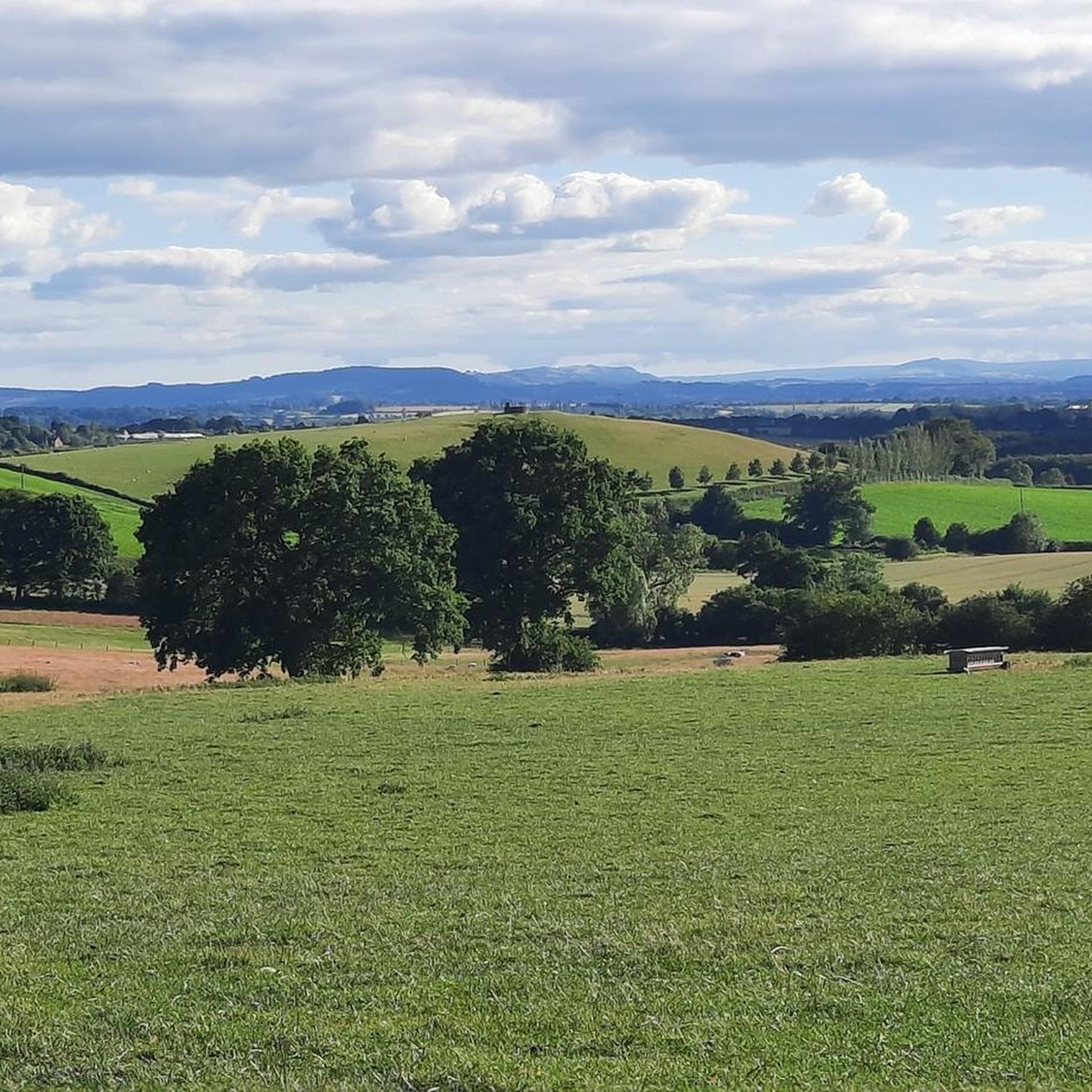
This little top is a fine viewpoint both north to Perseverance Hill and beyond to the Worcester Beacon, and south to Pinnacle Hill.
0
0
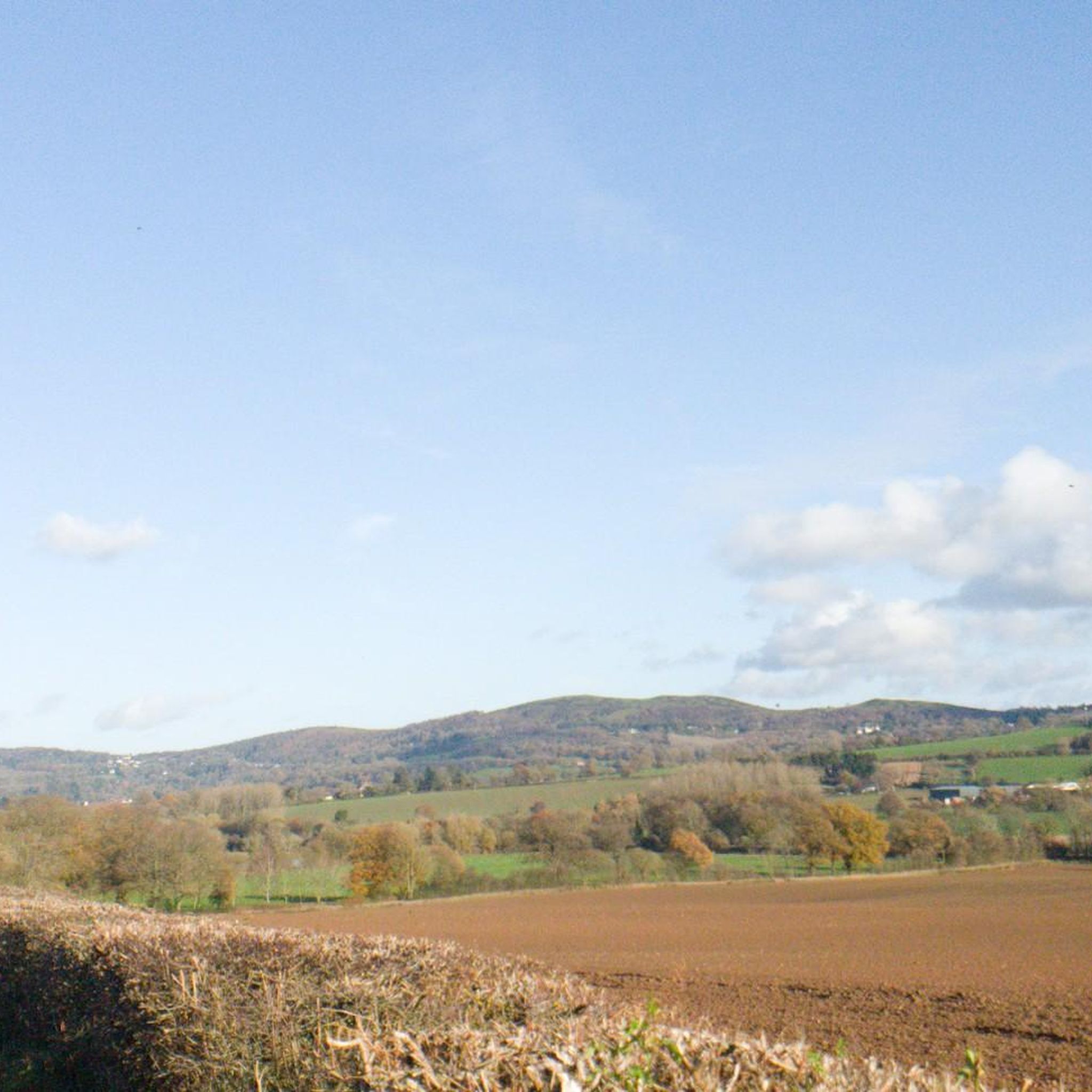
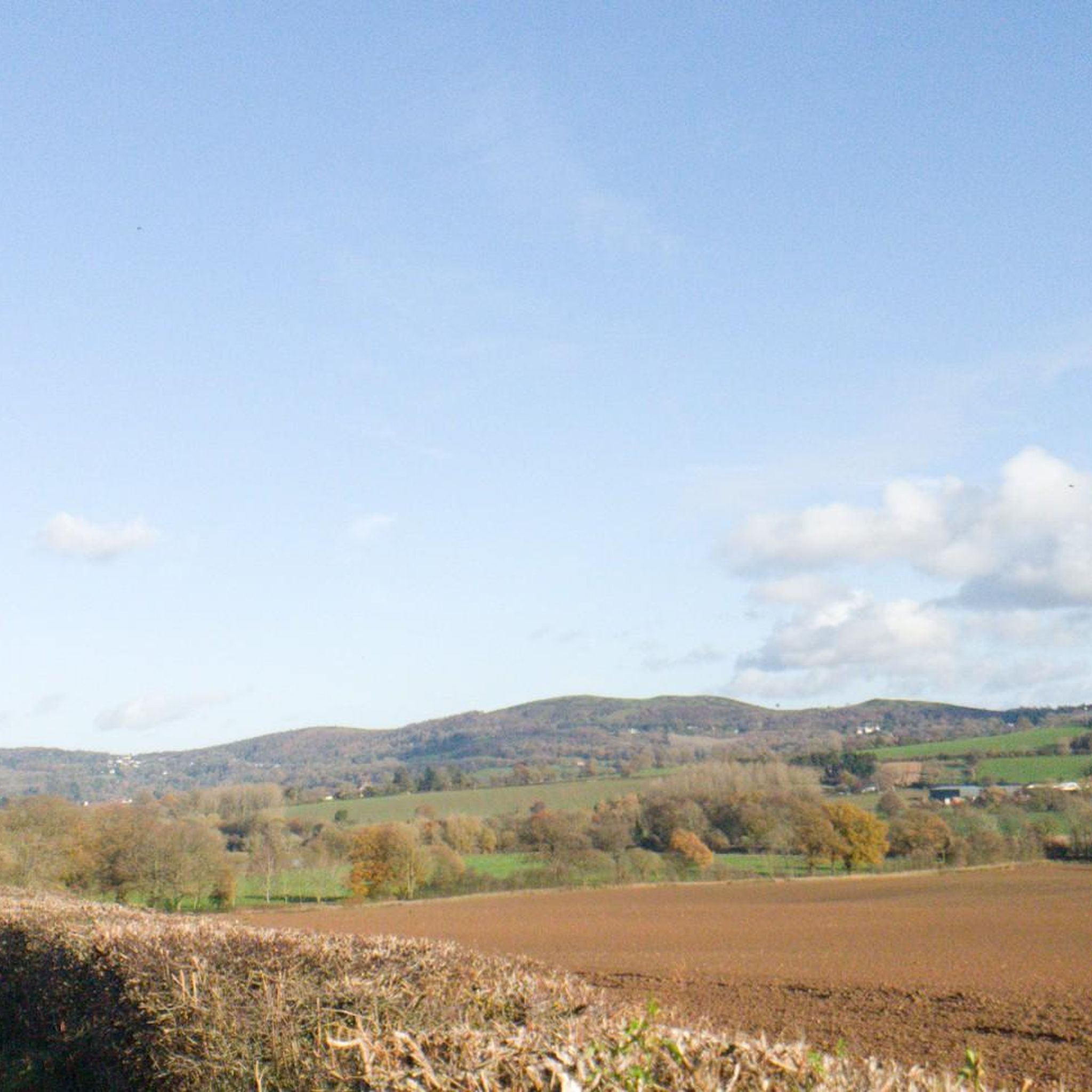
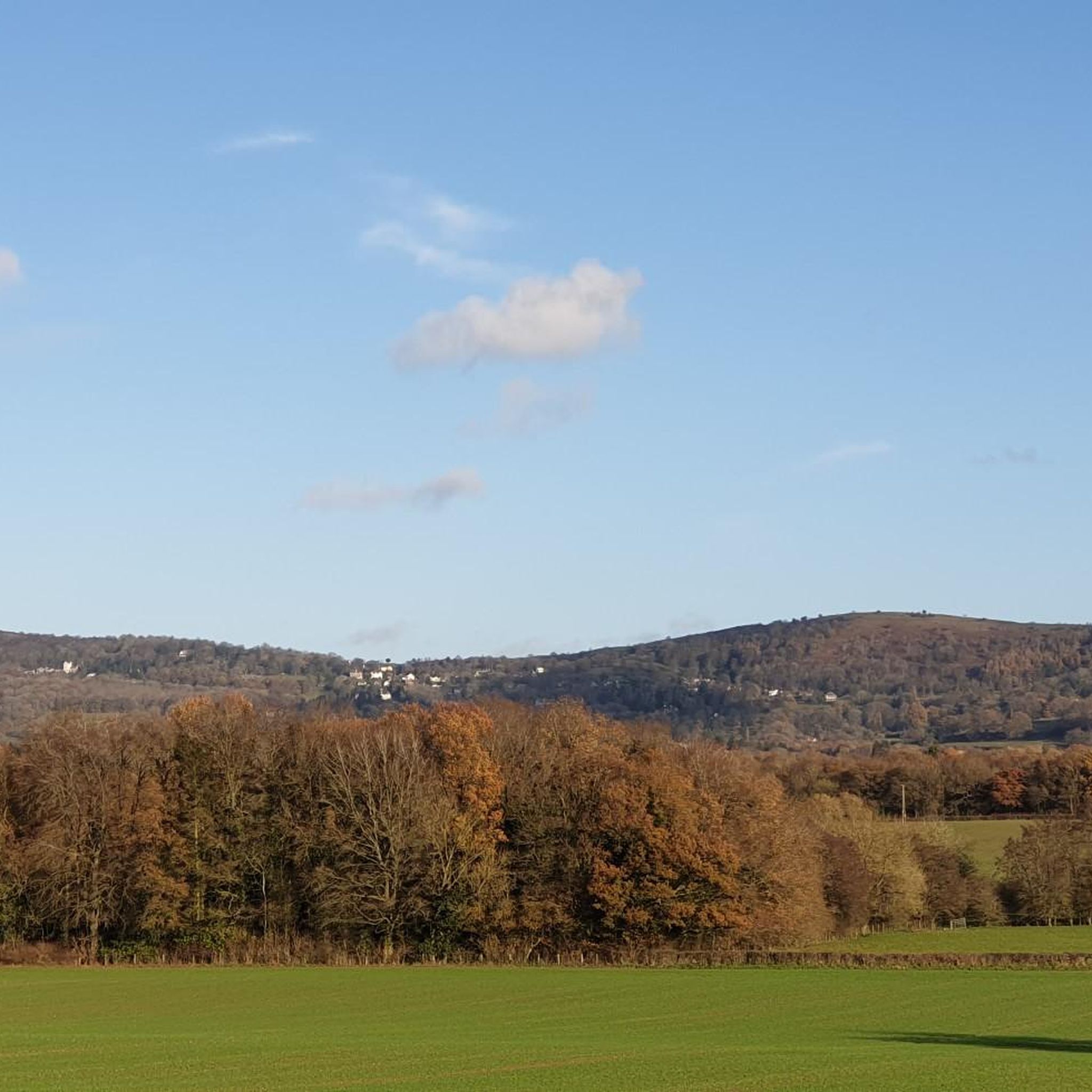
North Hill is a very good viewpoint - but this image was taken on the way up to Table Hill, which is next to North HIll.
0
0
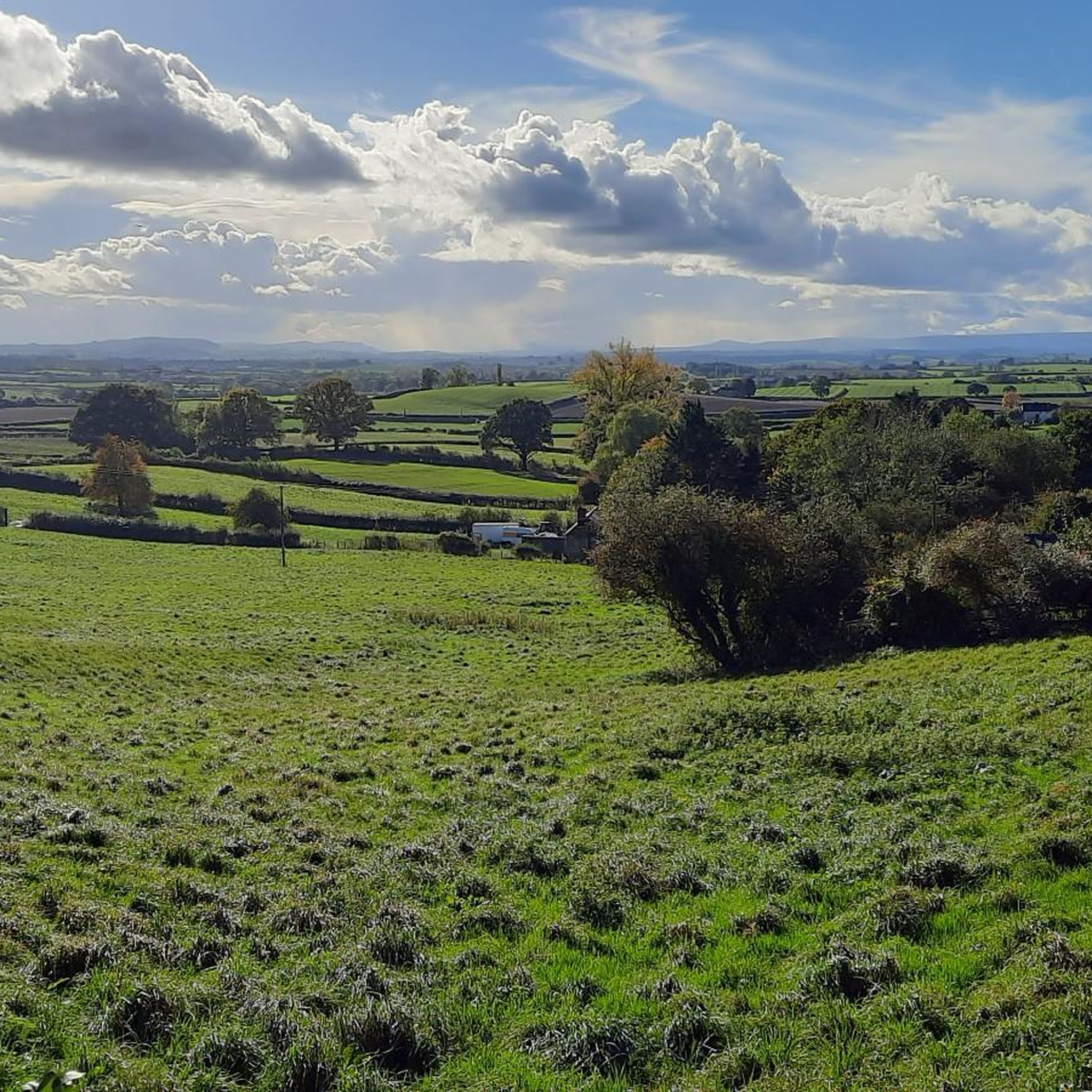
Summer Hill is a bit of a bump in between the Beacon and the Wyche Cutting, however it's steep southern aspect does afford some of the best views along the Malvern Hills ridge, particularly when there is an Inversion happening.
0
0

North Hill is the second highest point of the range of Malvern Hills that runs about 13 kilometres (8.1 mi) north-south along the Herefordshire-Worcestershire border, although North Hill lies entirely within Worcestershire. It has an elevation of 397 metres (1,302 ft), making it the highest point of the Worcestershire Way. The eastern flank of the hill lies directly behind Worcester road in Great Malvern from where its summit is a brisk 15 – 20 minutes steep walk from the town centre via St Ann's road and Happy Valley. A path from the car park in North Malvern follows the lower contour of North Hill to Happy Valley and St. Ann's Well. Although the flint route from North Wales to Wessex lay to the north of Malvern, there is some evidence to suggest that traders passed over the Malvern Hills. Parts of an arrowhead, scraper and flint flakes have been discovered between the North Hill and Table Hill. A 19th-century guide book describes both a collapsed burial mound on North Hill named the Giant's Grave and a tump on Table Hill. These tumuli may have been connected to the Dobunni settlement in Mathon. A track that runs along North Hill was known as the "Pyx Path" and was used by the priest from Worcestershire when bringing Sacrament to the hermits that lived in Malvern in the 11th Century. It was also referred to as the "Pixie Path", as it was believed to be used by fairies. The Lodge spring can be found at the foot of North Hill, off Worcester road. The ornamental fountain has a small spout and basin that is similar in design to those at St Ann's Well.
1
0
The hill lies to the south of the Worcestershire Beacon, which is Worcestershire's (and the Malvern Hills') highest hill, and Summer Hill's summit, though often overlooked given the grandeur of its neighbour, is a most respectable 1,253 feet above sea level. Source: Wikishire
0
0
Jubilee Hill is situated in the range of Malvern Hills that runs about 13 kilometres (8 mi) north-south along the Herefordshire - Worcestershire border. It lies between Perseverance Hill and Pinnacle Hill and has an elevation of 327 metres (1,073 ft). Jubilee Hill was named by the Malvern Hills Conservators in 2002 in honour of the Golden Jubilee of Elizabeth II. The Duke of York unveiled a plaque at the top of the hill, commemorating its new identity, in 2003. The plaque was taken away by someone sometime in March/April 2018. The site was also previously known, and is still today by a group of locals, as 'Dad's Hill', after a well-loved local bicycle shop-owner called Mr Earp who climbed Jubilee Hill frequently. Commemorated there upon his death a local group still climb the hill on the same day every year in his name[citation needed]. Jubilee Drive, the road which runs along the western (Herefordshire) side of the hills, was built and named for the Golden Jubilee of Queen Victoria, in 1887. Source: Wikipedia
0
0
The Herefordshire Beacon is one of the highest peaks of the Malvern Hills. It is surrounded by a British Iron Age hill fort earthwork known as British Camp. The fort subsequently had a ringwork and bailey castle built inside its boundary and there is evidence of 120 huts in the area. British Camp has been a scheduled monument since 1923. On the eastern slope of Herefordshire Beacon, there is a disused reservoir, British Camp Reservoir, which holds approximately 213,000 cubic metres (7,500,000 cu ft) of water. Herefordshire Beacon represents one of the Malvern Hills, 1,109 feet (338 m) high, and is the second highest summit in the hills. It is within the county of Herefordshire, but is directly adjacent to the border with Worcestershire to the east. Atop Herefordshire Beacon, there is an Iron Age hill fort, known as British Camp, and would have held a settlement between 4th century BCE and 1st century CE. A ringwork and bailey castle was built within the site of the hill fort, and there is evidence of 120 huts having been built within the boundaries of the fort. The hill fort received scheduled monument status on 10 August 1923. Nearby to British Camp, on the eastern slope of Herefordshire Beacon, there is a reservoir called British Camp Reservoir. It has a capacity of 213,000 cubic metres (7,500,000 cu ft), although it has not been used for many years. In 2017, Severn Trent proposed to dismantle the treatment plant associated with the reservoir and drain it, leaving an 8,000 cubic metres (280,000 cu ft) pond. source: Wikipedia
0
0

go during the week to miss the many people that walk these hills
0
0
Frequently Asked Questions
What are some of the most popular natural monuments to visit near Bishop's Frome?
Visitors frequently enjoy the panoramic views from Worcestershire Beacon Summit and Toposcope, the highest point in the county. Another favorite is Herefordshire Beacon (British Camp), known for its Iron Age hill fort and expansive vistas. For a more tranquil experience, Summer Hill offers a hidden lake and picnic spots.
Are there family-friendly natural monuments around Bishop's Frome?
Yes, Queenswood Country Park & Arboretum is an excellent choice for families, offering waymarked trails, a visitor center, a café, a playground, and a popular Gruffalo sculpture trail. Bishops Wood Country Park also provides a children's play zone and easy nature trails suitable for all ages.
What kind of views can I expect from the natural monuments in the Malvern Hills?
The summits in the Malvern Hills, such as Worcestershire Beacon, North Hill Summit, and Jubilee Hill, offer stunning panoramic views. On a clear day, you can often see across to the Black Mountains in Wales, the Shropshire Hills, and the winding River Severn.
Are there any historical natural monuments in the area?
Absolutely. Herefordshire Beacon (British Camp) is a significant Iron Age hill fort, offering a glimpse into ancient Britain. Worcestershire Beacon also has historical significance, having been used for beacon fires, notably during the Spanish Armada.
What outdoor activities can I do near these natural monuments?
The area around Bishop's Frome is ideal for various outdoor activities. You can find numerous hiking trails, including easy options like the Parkland Walk, or more challenging routes up the Malvern Hills. There are also dedicated MTB trails and cycling routes that explore the scenic countryside and hills.
What kind of natural features can I explore besides summits?
Beyond the prominent summits, you can explore ancient woodlands at Queenswood Country Park & Arboretum, which is a nationally important arboretum and a Site of Special Scientific Interest. Bishops Wood Country Park also offers lush woodland and open spaces with diverse flora and fauna. Summer Hill features a hidden lake at an old quarry site.
Are the natural monuments around Bishop's Frome generally accessible for different fitness levels?
Many natural monuments in the Malvern Hills involve uphill climbs to reach summits, which can be moderate to challenging. However, places like Queenswood Country Park & Arboretum and Bishops Wood Country Park offer waymarked trails suitable for various fitness levels, including easier walks. Some areas may have paths from car parks that lead to viewpoints without extensive climbing.
Where can I park when visiting these natural monuments?
Parking is generally available near popular natural monuments. For instance, Summer Hill has nearby parking at Earnslaw Quarry car park. Access points to the Malvern Hills, such as those near Great Malvern for North Hill, also have designated parking areas. Queenswood Country Park & Arboretum and Bishops Wood Country Park have their own visitor car parks.
What is the best time of year to visit the natural monuments around Bishop's Frome?
The natural monuments are beautiful year-round, but spring and autumn offer particularly pleasant conditions for walking, with milder temperatures and vibrant foliage. Summer provides longer daylight hours for exploration, while winter can offer crisp, clear views, though paths may be muddy or icy on higher ground.
What do visitors enjoy most about the natural monuments near Bishop's Frome?
Visitors consistently praise the breathtaking panoramic views from the summits, often stretching across multiple counties and even to Wales on clear days. The sense of history, particularly at sites like British Camp, and the well-maintained walking paths are also highly appreciated. Many enjoy the combination of challenging hikes and tranquil natural beauty.
Are there less crowded natural monuments if I prefer a quieter experience?
While the main summits like Worcestershire Beacon can be popular, exploring areas like Bishops Wood Country Park or some of the less frequented trails within Queenswood Country Park & Arboretum might offer a quieter experience. Early mornings or weekdays are generally less busy for all locations.
Most popular attractions around Bishop'S Frome

Get inspired with the komoot mobile app


Explore more
Extend your search for the best caves by checking out these guides of the top ones around Bishop'S Frome:
