Top 6 Natural Monuments around Fownhope
Best natural monuments around Fownhope are found within the Wye Valley Area of Outstanding Natural Beauty in Herefordshire. This region features diverse ecosystems, ancient woodlands, and significant geological structures like the Woolhope Dome. The landscape offers a variety of natural attractions, including nature reserves and historical sites. These areas provide opportunities for exploring the region's natural beauty and geological history.
Best natural monuments around Fownhope
- The most popular natural monument is Haugh Woods Butterfly Trails, a natural monument that…
Last updated: July 1, 2026
Haugh Woods Butterfly Trails
Highlight • Natural Monument
Tip by

Capler Camp Hillfort
Highlight • Natural Monument
Tip by

Sign up now to discover places like this
Get recommendations on the best single tracks, peaks, & plenty of other exciting outdoor places.
Sign up for free
Higgins' Well
Highlight • Structure
Tip by

Holy Rood Church, Mordiford
Highlight • Religious Site
Tip by
Swardon Quarry Viewpoint
Highlight • Viewpoint
Tip by
Start today with a free account
Your next adventure awaits.
Login or Signup
Tips from the Community

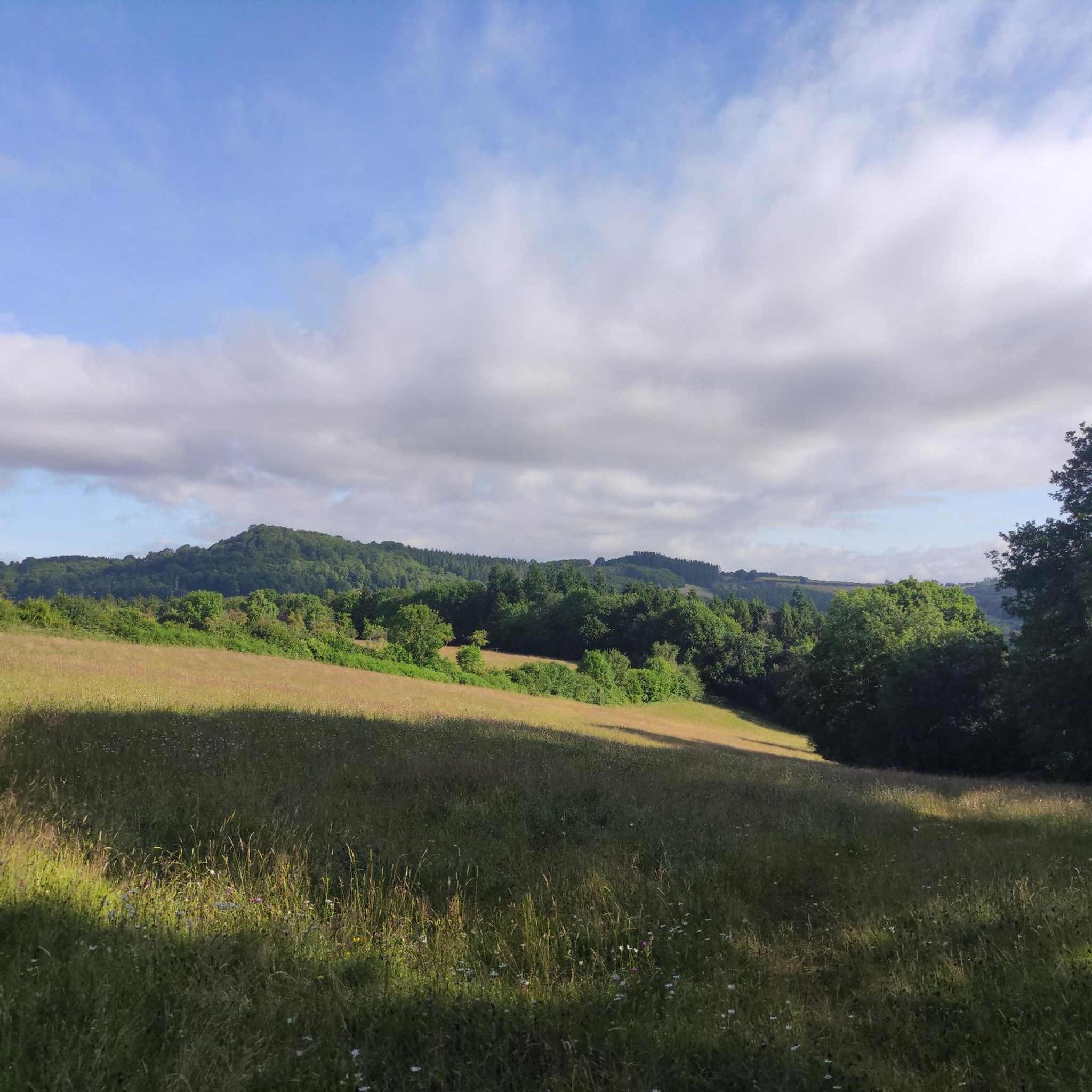
Haugh Woods Butterfly Trails are two short trails that meander the ancient woodland of Haugh Woods. The trails have been set up by Forestry England to allow everyone to enjoy the numerous butterflies and moths that live here. This is an important site for UK butterflies (we are in short supply!) and this woodland gives nearly 350 hectares or 850 acres for them to breed. There are about over 600 of both species living here!
0
0

Hidden a quiet part of Little Birch village, the brickwork of Higgins' Well dates from the early 19th century. Some improvements were added later, including a large pool as an animal trough for use during Victoria's diamond jubilee. Higgins Well has long been an important and unfailing supply of water for the village. A local legend about the well, as told on http://www.visitoruk.com/Hereford/little-birch-C592-V11335.html runs as follows: "The original outlet for the waters of the well was in a meadow at the top of the steep bank which rises above the present well. The owner of this meadow became so annoyed at the trespasses of the villagers across his land to the well that he had it filled up. However, shortly afterwards, while smoking his pipe in the great chimney corner of his house, he was startled by a sudden eruption of water under his feet." "To his untutored mind, the waters forcing this new outlet were a sign that the guardian spirit protecting the local people's rights was asserting itself. To appease this spirit, but determined not to reopen the well, he moved down to the present site and started to dig. In due course water began to bubble up through the underlying rock and, miraculously, the inrush in the chimney corner disappeared. The water spirit was obviously satisfied that water was once again made available to the people. This "act of contrition" resulted in local immortality for Mr Higgins."
0
0

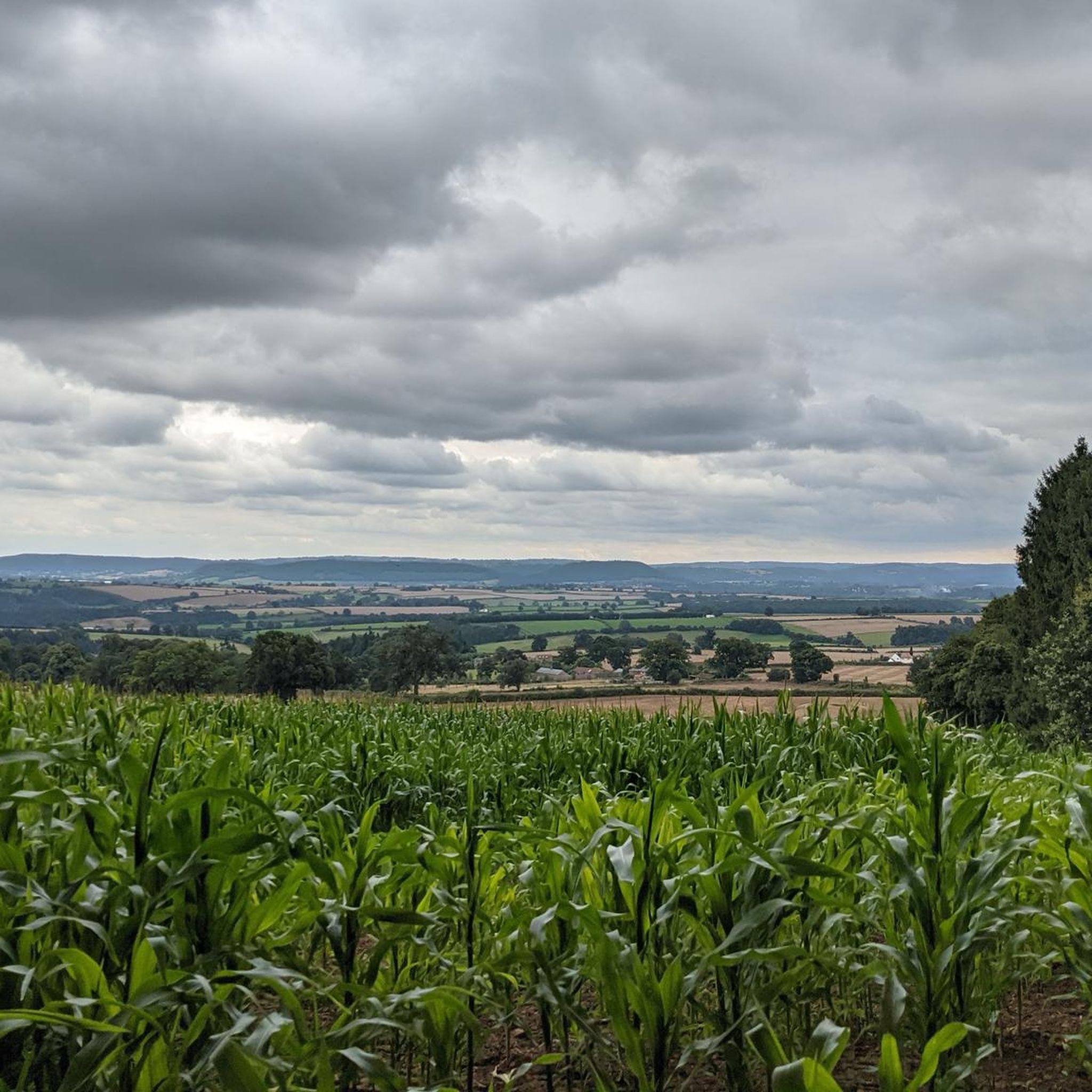
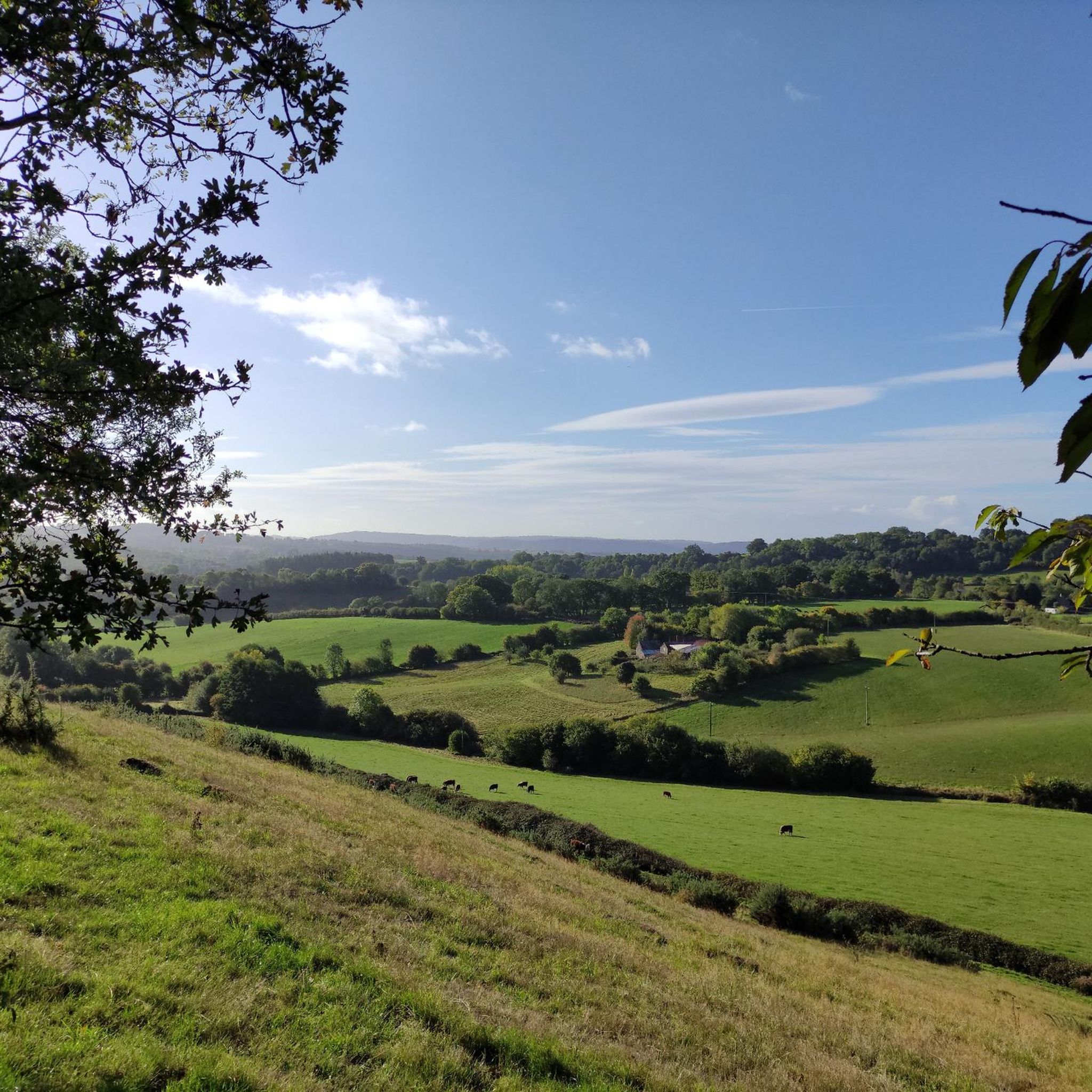
Beautiful viewpoint for a picnic or snack break. Views looking towards Dinedore Hill and Hereford to the Black Mountains.
0
0

Haugh Woods has 2 butterfly trails (of short distance) that provide a great route through the north and south of the woods, respectively. Good paths underfoot, and great butterfly habitat.
0
0
A small picnic area and car park, with huge views across Dinedore Hill and Hereford to the Black Mountains
0
0

Holy Rood Church is a pretty parish church that is synonymous with the Mordiford Dragon; the legend of which has changed with the paintings of it in the church. Holy Rood has a 12th century core with a 13th century but was largely rebuilt in 1811 after flooding. It is Grade II-listed.
1
0
Capler Camp is a large Iron Age hill fort on Capler Hill overlooking the Wye Valley. Many of the ramparts and ditches are still visible today and you are afforded a lovely view from the fort. Excavations have revealed stone foundations on the site. Roman Coins plus artefacts from the Bronze Age and Iron Age have also been found.
2
0
Frequently Asked Questions
What are some of the best natural monuments to visit around Fownhope?
Fownhope is rich in natural beauty. Beyond the popular Haugh Woods Butterfly Trails and Capler Camp Hillfort, you can explore the diverse landscapes of Common Hill Nature Reserve, known for its wildflowers and butterflies, or the ancient woodlands of Lea & Pagets Wood, famous for its bluebells in spring. Joan's Hill Farm Nature Reserve also offers beautiful meadowland teeming with wildlife.
Are there family-friendly natural monuments around Fownhope?
Yes, several natural monuments are suitable for families. The Haugh Woods Butterfly Trails are designed for easy exploration and offer a chance to spot numerous butterfly species. Swardon Quarry Viewpoint provides a small picnic area and car park, making it an accessible spot for families to enjoy expansive views. Holy Rood Church in Mordiford, while primarily historical, is also listed as family-friendly and offers a unique local legend.
What kind of geological features can I explore in the Fownhope area?
The Fownhope area is part of the significant Woolhope Dome, an upfold of Silurian rocks. This geological structure features alternating beds of limestones and shales, resulting in unique formations. You can observe these geological processes through the landscape, which also hosts ancient Yew trees. For more detailed information on the Woolhope Limestone Formation, you can visit the Earth Heritage Trust website.
What outdoor activities can I do near these natural monuments?
The area around Fownhope offers a variety of outdoor activities. You can find numerous hiking trails, including easy routes like the Fownhope Parish Stocks – River Wye Walk loop. For cycling enthusiasts, there are touring bicycle routes such as the Kings Caple Common – Hoarwithy Bridge loop. Mountain biking is also popular, with trails like the Haugh Woods Loop. You can find more details on these activities in the cycling guide, MTB trails guide, and easy hikes guide for Fownhope.
When is the best time to visit the natural monuments in Fownhope?
The best time to visit depends on what you wish to see. Spring is ideal for witnessing the spectacular bluebell displays in ancient woodlands like Lea & Pagets Wood. For butterfly spotting, late spring and summer are prime times, especially at Haugh Woods Butterfly Trails. The varied terrain and trails are enjoyable year-round, but wildflowers are most vibrant in spring and early summer.
Are there any historical sites among the natural monuments?
Yes, the region blends natural beauty with history. Capler Camp Hillfort is a significant Iron Age hill fort with visible ramparts and ditches, offering historical insights alongside panoramic views. Common Hill Nature Reserve also features a Neolithic trackway. Additionally, Higgins' Well, though man-made, is a historical site with a local legend about its unfailing water supply.
Can I bring my dog to the natural monuments around Fownhope?
Many natural areas around Fownhope are dog-friendly, but it's essential to keep dogs on a leash, especially in nature reserves and areas with livestock or sensitive wildlife. Always check local signage for specific regulations at each site to ensure a safe and enjoyable visit for everyone.
Where can I find parking for the natural monuments?
Parking availability varies by location. Swardon Quarry Viewpoint has a dedicated car park. For Haugh Woods Butterfly Trails, parking is available at Haugh Woods. For other reserves and sites, parking may be in designated car parks or roadside areas. It's advisable to check specific access points for each natural monument before your visit.
What kind of wildlife can I expect to see in Fownhope's natural monuments?
The natural monuments around Fownhope are rich in biodiversity. Haugh Woods Butterfly Trails are particularly known for their extensive butterfly and moth populations, with over 600 species recorded. Common Hill Nature Reserve and Joan's Hill Farm Nature Reserve are excellent for observing wildflowers and the associated insects and birds. The ancient woodlands also support a variety of woodland birds and small mammals.
Are there any natural monuments with expansive views?
Yes, the area offers several spots with impressive vistas. Swardon Quarry Viewpoint provides expansive views across Dinedore Hill and Hereford towards the Black Mountains. Similarly, Capler Camp Hillfort, perched on Capler Hill, offers lovely views overlooking the Wye Valley.
What makes the woodlands around Fownhope special?
The woodlands around Fownhope, such as Haugh Woods and Lea & Pagets Wood, are significant ancient, semi-natural broad-leaved woodlands. They are celebrated for their rich biodiversity, including spectacular bluebell displays in spring and substantial butterfly populations. These woodlands are integral to the Woolhope Dome landscape and offer tranquil environments for walks and wildlife observation.
Can I find pubs or cafes near the natural monuments?
While specific pubs or cafes might not be directly adjacent to every natural monument, Fownhope village itself and surrounding areas offer options. Many walking routes in the region are designed to pass through or near villages where you can find refreshments. It's a good idea to plan your route to include stops in local villages for amenities.
Most popular routes around Fownhope
Most popular attractions around Fownhope

Get inspired with the komoot mobile app


Explore more
Extend your search for the best caves by checking out these guides of the top ones around Fownhope:
