Top 7 Natural Monuments around Much Birch
Top natural monuments around Much Birch are found in a region characterized by its serene Wye Valley, an Area of Outstanding Natural Beauty. This area offers a mix of ancient woodlands, significant river landscapes, and historical sites. Visitors can explore diverse ecosystems and experience the tranquility of the Herefordshire countryside. The landscape provides opportunities for tranquil walks and appreciation of the region's scenic beauty.
Top natural monuments around Much Birch
- The most popular natural monuments is Haugh Woods Butterfly Trails, a natural monument that features two short trails meandering through ancient woodland. This is an important site for UK butterflies and moths, providing nearly 350 hectares for them to breed.
- Another must-see spot is Capler Camp Hillfort, an Iron Age hillfort overlooking the Wye Valley. Visitors can see many of the original ramparts and ditches, and enjoy lovely views from the fort.
- Visitors also love Swardon Quarry Viewpoint, a viewpoint offering expansive views across Dinedore Hill and Hereford to the Black Mountains. It provides a scenic spot for a picnic or a break.
- Much Birch is known for its ancient woodlands, Iron Age hillforts, and scenic viewpoints. The area offers a variety of natural monuments to see and explore, from significant butterfly habitats to historical sites with panoramic vistas.
- The natural monuments around Much Birch are appreciated by the komoot community, with more than 15 upvotes and 5 photos shared.
Last updated: May 3, 2026
Haugh Woods Butterfly Trails
Highlight • Natural Monument
Tip by

Holy Rood Church, Mordiford
Highlight • Religious Site
Tip by

Sign up now to discover places like this
Get recommendations on the best single tracks, peaks, & plenty of other exciting outdoor places.
Sign up for free
Capler Camp Hillfort
Highlight • Natural Monument
Tip by
Higgins' Well
Highlight • Structure
"The original outlet for the waters of the well was in a meadow at the top of the steep bank which rises above the present well. The owner of this meadow became so annoyed at the trespasses of the villagers across his land to the well that he had it filled up. However, shortly afterwards, while smoking his pipe in the great chimney corner of his house, he was startled by a sudden eruption of water under his feet."
"To his untutored mind, the waters forcing this new outlet were a sign that the guardian spirit protecting the local people's rights was asserting itself. To appease this spirit, but determined not to reopen the well, he moved down to the present site and started to dig. In due course water began to bubble up through the underlying rock and, miraculously, the inrush in the chimney corner disappeared. The water spirit was obviously satisfied that water was once again made available to the people. This "act of contrition" resulted in local immortality for Mr Higgins."
Tip by

Swardon Quarry Viewpoint
Highlight • Viewpoint
Tip by
Sign up for free to discover even more natural monuments around Much Birch.
Sign up for free
Already have an account?
Start today with a free account
Your next adventure awaits.
Login or Signup


Tips from the Community

Haugh Woods Butterfly Trails are two short trails that meander the ancient woodland of Haugh Woods. The trails have been set up by Forestry England to allow everyone to enjoy the numerous butterflies and moths that live here. This is an important site for UK butterflies (we are in short supply!) and this woodland gives nearly 350 hectares or 850 acres for them to breed. There are about over 600 of both species living here!
0
0

Hidden a quiet part of Little Birch village, the brickwork of Higgins' Well dates from the early 19th century. Some improvements were added later, including a large pool as an animal trough for use during Victoria's diamond jubilee. Higgins Well has long been an important and unfailing supply of water for the village. A local legend about the well, as told on http://www.visitoruk.com/Hereford/little-birch-C592-V11335.html runs as follows: "The original outlet for the waters of the well was in a meadow at the top of the steep bank which rises above the present well. The owner of this meadow became so annoyed at the trespasses of the villagers across his land to the well that he had it filled up. However, shortly afterwards, while smoking his pipe in the great chimney corner of his house, he was startled by a sudden eruption of water under his feet." "To his untutored mind, the waters forcing this new outlet were a sign that the guardian spirit protecting the local people's rights was asserting itself. To appease this spirit, but determined not to reopen the well, he moved down to the present site and started to dig. In due course water began to bubble up through the underlying rock and, miraculously, the inrush in the chimney corner disappeared. The water spirit was obviously satisfied that water was once again made available to the people. This "act of contrition" resulted in local immortality for Mr Higgins."
0
0

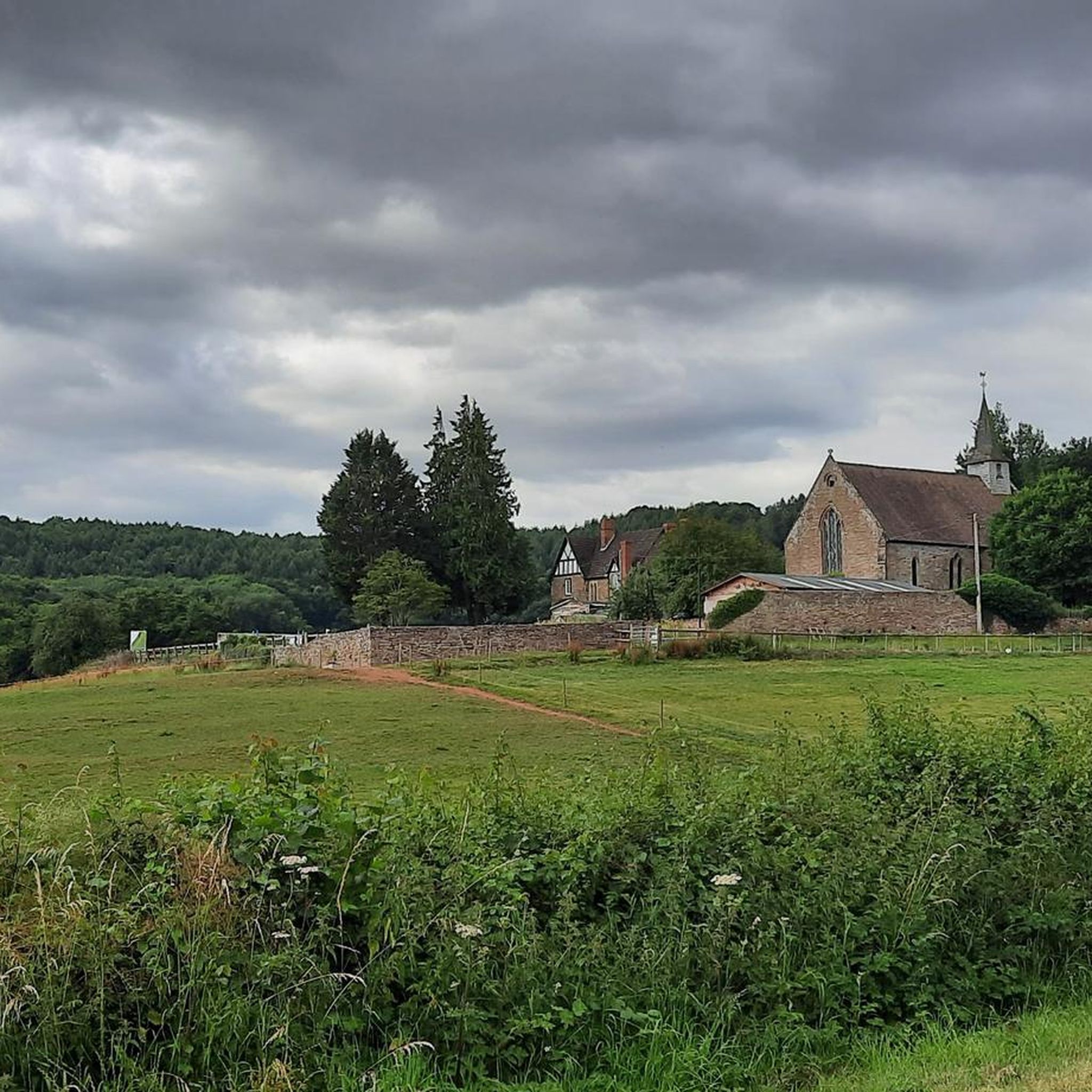
Holy Rood Church is a pretty parish church that is synonymous with the Mordiford Dragon; the legend of which has changed with the paintings of it in the church. Holy Rood has a 12th century core with a 13th century but was largely rebuilt in 1811 after flooding. It is Grade II-listed.
0
0

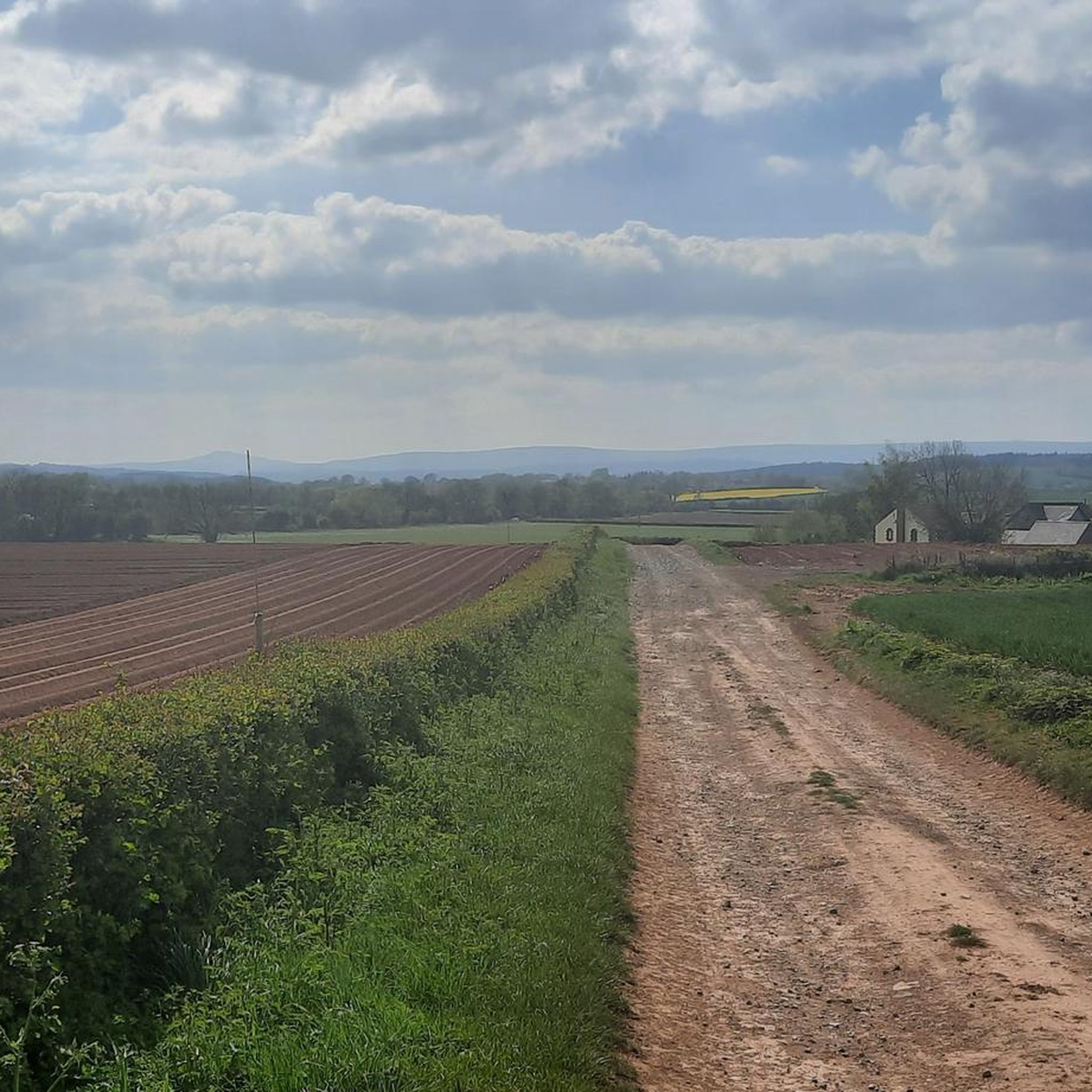
Beautiful viewpoint for a picnic or snack break. Views looking towards Dinedore Hill and Hereford to the Black Mountains.
0
0

Haugh Woods has 2 butterfly trails (of short distance) that provide a great route through the north and south of the woods, respectively. Good paths underfoot, and great butterfly habitat.
0
0
A small picnic area and car park, with huge views across Dinedore Hill and Hereford to the Black Mountains
0
0
Holy Rood Church is a pretty parish church that is synonymous with the Mordiford Dragon; the legend of which has changed with the paintings of it in the church. Holy Rood has a 12th century core with a 13th century but was largely rebuilt in 1811 after flooding. It is Grade II-listed.
1
0
Capler Camp is a large Iron Age hill fort on Capler Hill overlooking the Wye Valley. Many of the ramparts and ditches are still visible today and you are afforded a lovely view from the fort. Excavations have revealed stone foundations on the site. Roman Coins plus artefacts from the Bronze Age and Iron Age have also been found.
2
0
Frequently Asked Questions
What natural features can I explore around Much Birch?
The area around Much Birch offers a variety of natural features. You can explore ancient woodlands like Haugh Woods Butterfly Trails, which are significant habitats for butterflies and moths. The serene Wye Valley, an Area of Outstanding Natural Beauty, provides numerous footpaths and scenic views along the River Wye. Additionally, you can find historical sites with natural elements such as Capler Camp Hillfort, offering panoramic vistas.
Are there family-friendly natural monuments in the area?
Yes, several natural monuments around Much Birch are suitable for families. Haugh Woods Butterfly Trails are two short, well-maintained trails perfect for children to observe nature. Swardon Quarry Viewpoint offers a small picnic area and car park, making it an easy stop for scenic views. Even Holy Rood Church, Mordiford, with its local legend of the Mordiford Dragon, can be an interesting family visit.
What historical sites are considered natural monuments near Much Birch?
The region blends natural beauty with history. Capler Camp Hillfort is an Iron Age site overlooking the Wye Valley, where you can still see original ramparts and ditches. Holy Rood Church, Mordiford, a Grade II-listed parish church, is associated with the local legend of the Mordiford Dragon. Additionally, Higgins' Well is a historic well with early 19th-century brickwork and a local legend about its origins.
What outdoor activities can I do near these natural monuments?
The area is excellent for outdoor activities, especially hiking and walking. You can find a variety of routes, from easy strolls to more moderate hikes. For specific trails, explore guides like Easy hikes around Much Birch or Hiking around Much Birch. The River Wye and Wye Valley also offer opportunities for walking and cycling along its scenic footpaths.
Are there specific hiking trails around Much Birch's natural monuments?
Yes, there are several hiking trails. For example, Aconbury Woods, near Much Birch, features a popular 6.4-mile loop from Wormelow. You can also find trails within Haugh Woods Butterfly Trails. For a comprehensive list of routes, check out the Hiking around Much Birch guide.
Where can I find scenic viewpoints near Much Birch?
For expansive views, visit Swardon Quarry Viewpoint, which offers panoramic vistas across Dinedore Hill and Hereford to the Black Mountains. Capler Camp Hillfort also provides lovely views overlooking the Wye Valley.
What is the best time to visit the natural monuments around Much Birch?
The best time to visit depends on your interests. Spring and summer are ideal for experiencing the vibrant wildflowers at places like Birches Farm Nature Reserve (though further afield) and observing butterflies at Haugh Woods Butterfly Trails. The Wye Valley is beautiful year-round for walks, with autumn offering stunning foliage. Always check local weather conditions before your visit.
Is parking available at these natural monuments?
Parking availability varies by location. Swardon Quarry Viewpoint has a dedicated car park. For other sites like Haugh Woods Butterfly Trails or Capler Camp Hillfort, parking is typically available at nearby trailheads or designated areas. It's advisable to check specific access points for each location.
Are there any unique natural sites or wildlife to see?
Yes, the region is rich in biodiversity. Haugh Woods Butterfly Trails are an important site for UK butterflies and moths, providing a breeding ground for over 600 species. Further afield, Birches Farm Nature Reserve (near Kington) is a nationally significant site known for its stunning array of wildflowers, including various orchids, and diverse wildlife in its meadows and ponds.
What do visitors enjoy most about the natural monuments around Much Birch?
Visitors frequently appreciate the tranquility and natural beauty of the area. The ancient woodlands, scenic river landscapes of the Wye Valley, and historical sites with panoramic views are often highlighted. The opportunity for peaceful walks and experiencing diverse ecosystems, from butterfly habitats to Iron Age hillforts, is a major draw for the komoot community.
Are there any running trails near the natural monuments?
Yes, the area offers various running trails. You can find several routes suitable for jogging around Much Birch, often incorporating scenic natural surroundings. For detailed options, refer to the Running Trails around Much Birch guide.
Most popular attractions around Much Birch

Get inspired with the komoot mobile app


Explore more
Extend your search for the best caves by checking out these guides of the top ones around Much Birch:
