Top 11 Natural Monuments around St. Weonards
Best natural monuments around St. Weonards are found within Herefordshire, a county known for its natural beauty. The village of St. Weonards features the St. Weonards Tump, a historical earthwork with natural elements. Nearby, the Wye Valley Area of Outstanding Natural Beauty (AONB) offers dramatic limestone gorges, ancient woodlands, and the meandering River Wye. Queenswood Country Park & Arboretum also provides diverse woodlands and an arboretum.
Best natural monuments around St. Weonards
- The most popular natural monuments is View of…
Last updated: May 19, 2026
King Arthur's Cave
Highlight • Cave
Tip by

View of the Wye Valley from Symonds Yat Rock
Highlight • Viewpoint
Tip by

Sign up now to discover places like this
Get recommendations on the best single tracks, peaks, & plenty of other exciting outdoor places.
Sign up for free
View of the River Wye from Symonds Yat Rock
Highlight • Viewpoint
Tip by
View over the Wye Valley from Caldwell Rocks
Highlight • Viewpoint
Tip by
Higgins' Well
Highlight • Structure
Tip by

Sign up for free to discover even more natural monuments around St. Weonards.
Sign up for free
Already have an account?
Start today with a free account
Your next adventure awaits.
Login or Signup

Tips from the Community


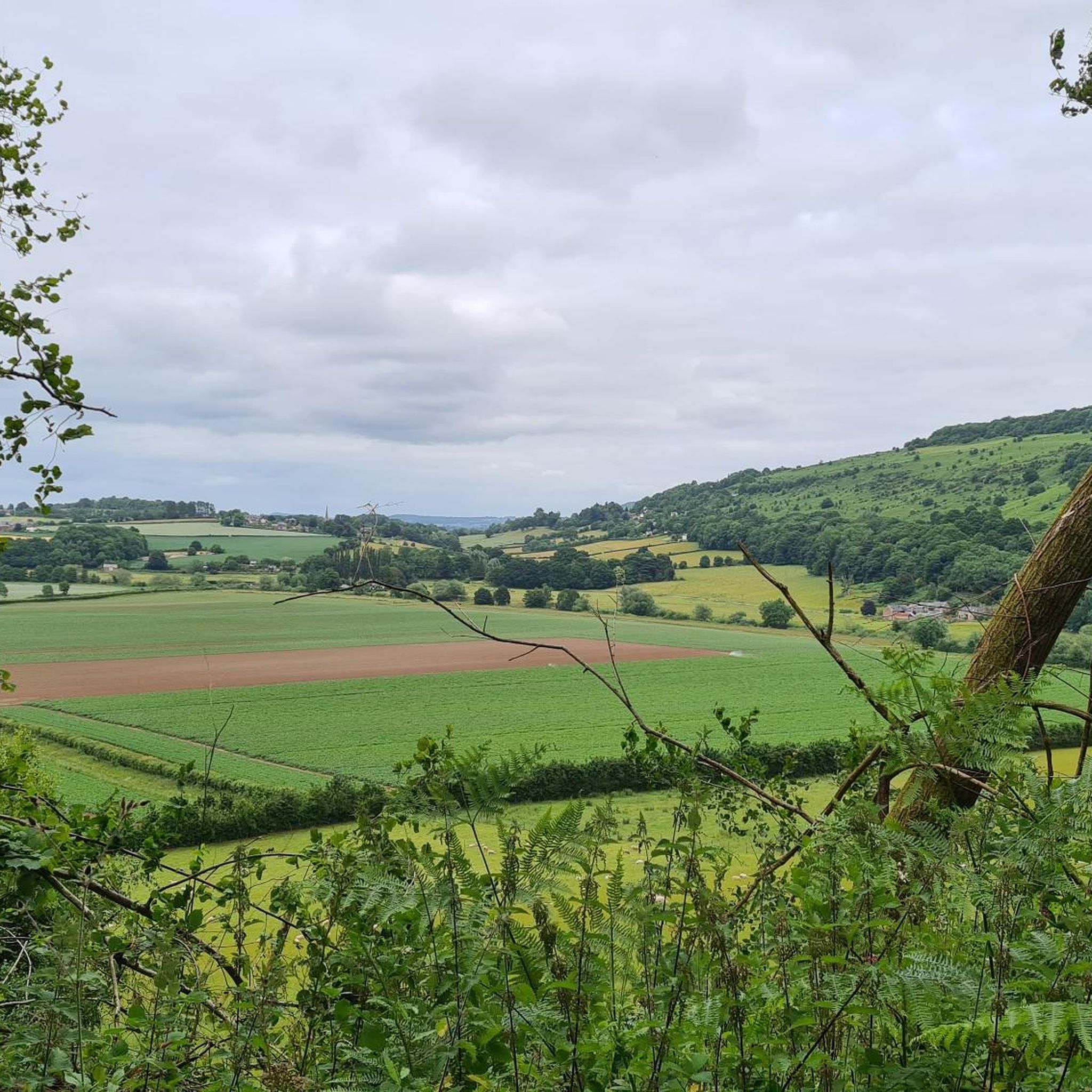
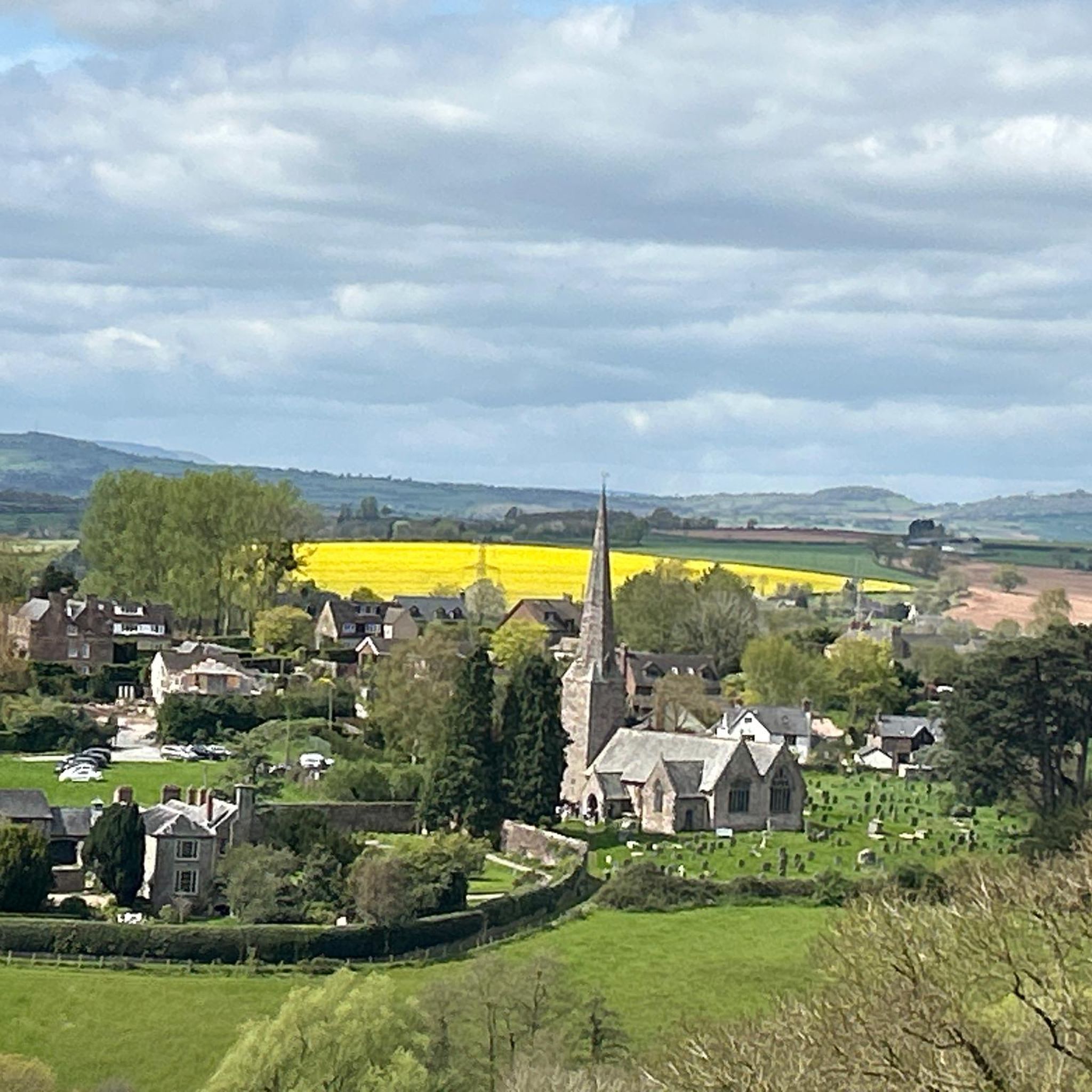
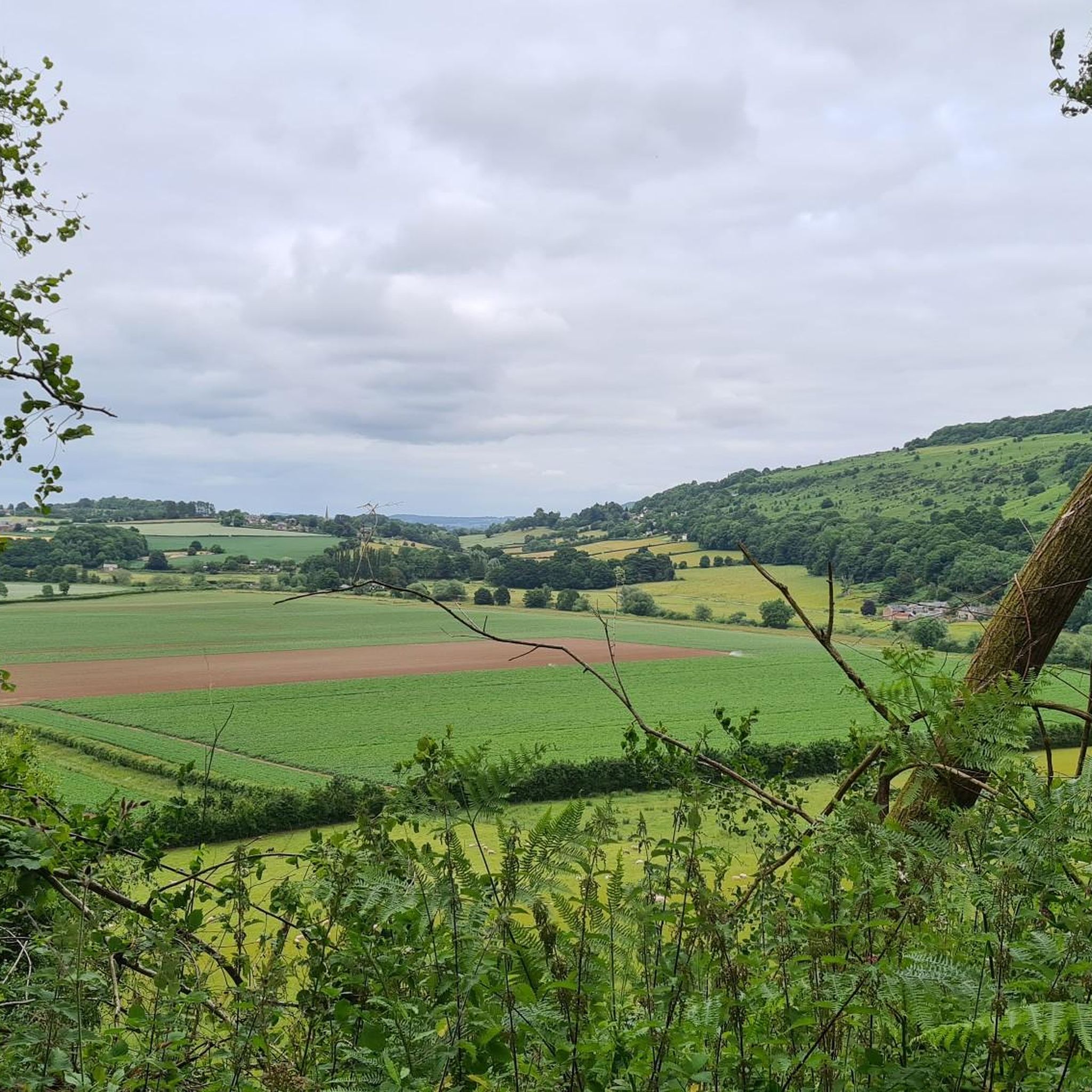
This is the lesser known viewpoint around Symonds Yat, but just as with Symonds Yat this is a place to visit in the autumn when the trees are in full colour and the sun is on them to make them really shine.
0
0
Symonds Yat is a wonderful place to come, but even better to catch it in the autumn when the trees are in full colour, with the sun on them to make them really shine.
0
0

Jump off the bike and head on foot down the footpath east of the road to reach the Symonds Yat Rock. Symonds Yat Rock harbours the remnants of an Iron Age hillfort, erected roughly 2,500 years in the past. Presently, this locale stands as a Scheduled Ancient Monument, where traces of the fortifications endure as a series of embankments and trenches. In more contemporary times, Yat Rock and the Wye Valley have gained renown as the birthplace of British tourism. Beginning in the 18th century, they achieved popularity thanks to the efforts of Reverend William Gilpin, a trailblazer of the 'Picturesque' movement. His literary works left an indelible mark on the appeal of English landscape painting and served as inspiration for Romantic poets. Symonds Yat Rock viewpoint enjoys a well-earned reputation as one of the nation's prime spots for observing peregrine falcons. Yet, with a touch of patience, a multitude of bird species can be sighted here. Goshawks offer close-up viewing, sparrowhawks are frequent denizens nesting among the valley's trees, while soaring buzzards often grace the skies. Spring and autumn migrations frequently draw ospreys to this locale, with tawny owls occasionally spotted. Meanwhile, nearby nesting sites typically host barn owls, ravens, and kestrels.
2
0

Hidden a quiet part of Little Birch village, the brickwork of Higgins' Well dates from the early 19th century. Some improvements were added later, including a large pool as an animal trough for use during Victoria's diamond jubilee. Higgins Well has long been an important and unfailing supply of water for the village. A local legend about the well, as told on http://www.visitoruk.com/Hereford/little-birch-C592-V11335.html runs as follows: "The original outlet for the waters of the well was in a meadow at the top of the steep bank which rises above the present well. The owner of this meadow became so annoyed at the trespasses of the villagers across his land to the well that he had it filled up. However, shortly afterwards, while smoking his pipe in the great chimney corner of his house, he was startled by a sudden eruption of water under his feet." "To his untutored mind, the waters forcing this new outlet were a sign that the guardian spirit protecting the local people's rights was asserting itself. To appease this spirit, but determined not to reopen the well, he moved down to the present site and started to dig. In due course water began to bubble up through the underlying rock and, miraculously, the inrush in the chimney corner disappeared. The water spirit was obviously satisfied that water was once again made available to the people. This "act of contrition" resulted in local immortality for Mr Higgins."
0
0
This pretty, wooded area with its network of small caves - the result of former quarrying - is a nature reserve with a rich variety of flora and fauna. Horseshoe bats and rare invertebrates such as the cave spider and hibernating herald moths make their homes within the caves.
0
0

I was silly and forgot my tortch before first light don't do the same!
0
1

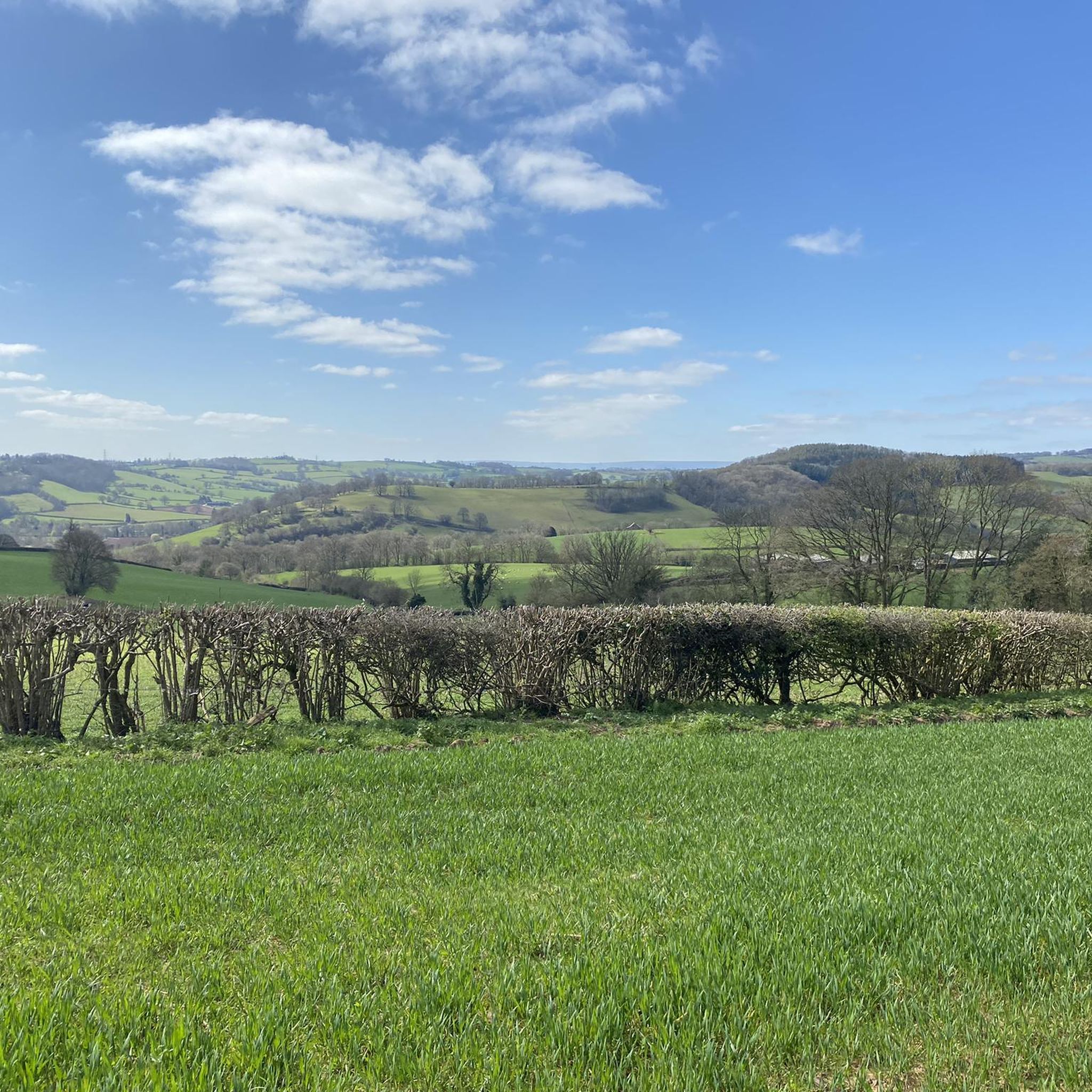
Beautiful views across the area. I've not seen any better views then these in this area.
0
0
Frequently Asked Questions
What are some popular natural monuments to visit near St. Weonards?
The region around St. Weonards offers a variety of natural monuments. Highly recommended are the stunning View of the Wye Valley from Symonds Yat Rock, known for its panoramic vistas and peregrine falcon sightings, and King Arthur's Cave, a fascinating limestone cavern with archaeological significance. Another popular spot is the View over the Wye Valley from Caldwell Rocks, offering magnificent views and historical insights into ancient fauna.
What makes the natural monuments around St. Weonards unique?
The natural monuments in this area are unique due to their blend of geological formations, rich history, and diverse ecosystems. From the ancient St. Weonards Tump, a prehistoric burial mound adapted by Normans, to the dramatic limestone gorges of the Wye Valley AONB, you'll find sites that tell stories of millions of years of natural processes and human activity. The area is also home to significant wildlife, including rare bats and various bird species.
Are there family-friendly natural monuments around St. Weonards?
Yes, several natural monuments are suitable for families. Queenswood Country Park & Arboretum, while a short drive, is particularly family-friendly with waymarked trails, a visitor center, a café, and a Gruffalo sculpture trail. The View of the Wye Valley from Symonds Yat Rock is also considered family-friendly, offering accessible views and the excitement of spotting peregrine falcons.
What kind of wildlife can I spot at these natural monuments?
The Wye Valley AONB is a haven for wildlife, including a quarter of Britain's lesser horseshoe bat population. At Symonds Yat Rock, you can observe peregrine falcons, sparrowhawks, buzzards, and owls. Queenswood Country Park & Arboretum is a Site of Special Scientific Interest (SSSI) known for rare dormice, woodland birds, and butterflies. The ancient woodlands throughout the region support a rich biodiversity.
Are there hiking trails near the natural monuments around St. Weonards?
Yes, the area around St. Weonards offers numerous hiking opportunities. For easy walks, you can explore trails around Garway Hill. The Wye Valley AONB, including areas near King Arthur's Cave and Symonds Yat Rock, features extensive networks of footpaths, including sections of the Wye Valley Walk. You can find more detailed hiking routes in the Easy hikes around St. Weonards guide.
What other outdoor activities can I do near these natural monuments?
Beyond hiking, the region provides excellent opportunities for cycling and gravel biking. The Wye Valley is popular for canoeing on the River Wye. You can find various road cycling routes, such as the Monnow Bridge loop from Garway, and gravel biking trails, including those in the Forest of Dean, by exploring the Road Cycling Routes around St. Weonards and Gravel biking around St. Weonards guides.
What historical significance do these natural monuments hold?
Many natural monuments in the area are intertwined with history. The St. Weonards Tump is a Bronze Age burial mound later used as a Norman motte. King Arthur's Cave shows evidence of Upper Palaeolithic human occupation. Symonds Yat Rock features remnants of an Iron Age hillfort and is historically significant as the birthplace of British tourism. The Wye Valley itself has archaeological finds dating back 12,000 years, including bones of hyenas, sabre-toothed cats, and mammoths.
Is there parking available at the natural monuments?
Parking information varies by location. For popular spots like Symonds Yat Rock, there is usually dedicated parking. For other viewpoints like Coldwell Rocks, roadside parking for a few cars might be available, though it can involve a steep climb. Queenswood Country Park & Arboretum has a visitor center with parking facilities. It's always advisable to check specific location details before your visit.
What is the best time of year to visit the natural monuments around St. Weonards?
The natural monuments around St. Weonards can be enjoyed year-round, but each season offers a different experience. Spring brings vibrant blossoms, especially at Queenswood Country Park & Arboretum, and new wildlife. Summer is ideal for outdoor activities like hiking and canoeing. Autumn showcases spectacular fall foliage, particularly in the Wye Valley and Queenswood. Winter offers crisp views and a quieter atmosphere, though some trails might be muddy.
Are there any lesser-known or 'hidden' natural monuments worth exploring?
While not strictly 'hidden,' Higgins' Well in Little Birch village offers a charming and historically rich experience. This 19th-century brickwork well, with its local legend of a water spirit, provides a tranquil spot away from more crowded attractions. It's a testament to the smaller, community-focused natural and historical sites in the region.
What are the geological features of the Wye Valley AONB?
The Wye Valley AONB is renowned for its impressive geology, primarily characterized by dramatic Carboniferous Limestone formations. These have resulted in stunning features such as deep gorges, towering cliffs, and natural tufa dams. The landscape has been sculpted over millions of years by ice and the meandering River Wye, creating a diverse and visually striking environment.
Can I find places to eat or drink near the natural monuments?
Yes, there are options for refreshments. Queenswood Country Park & Arboretum has its own café. In the wider Wye Valley area, particularly around Symonds Yat, you'll find pubs and eateries. For the St. Weonards area itself, you might need to venture into nearby villages for pubs and cafes. It's a good idea to plan ahead, especially if visiting more remote natural sites.
Most popular attractions around St. Weonards

Get inspired with the komoot mobile app


Explore more
Extend your search for the best caves by checking out these guides of the top ones around St. Weonards:
